






Bird Feed in Wild Bird Food
























About Bird Feed in Wild Bird Food - Walmart.com
Bird feed helps you create a more active backyard when you match seed, suet, nectar, or mealworms to your feeder setup. You can compare ingredients, bird species, and placement to keep your feeding routine cleaner and more consistent.
If you’re choosing outside bird food for a porch, patio, or yard, you’ll want options that fit both your space and local birds. You can also compare blends with fewer filler seeds, so your feeder stays busy instead of messy.
How to choose bird feed by feed type
You’ll usually start with feed type because each format suits different birds and feeder styles. You can compare seed, suet, nectar, mealworms, and pellets by how they dispense and which birds visit.
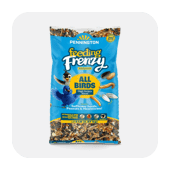
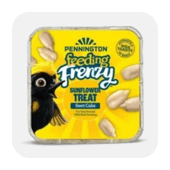
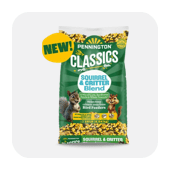
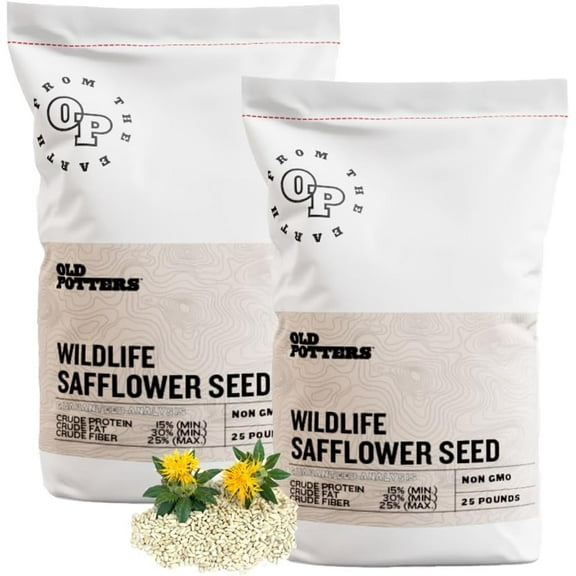
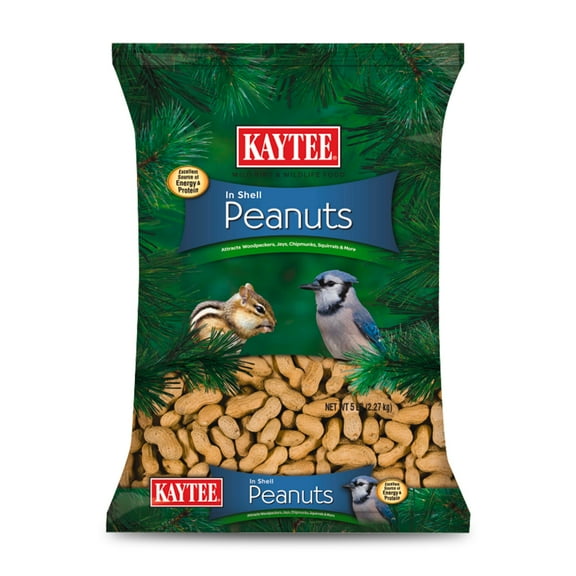
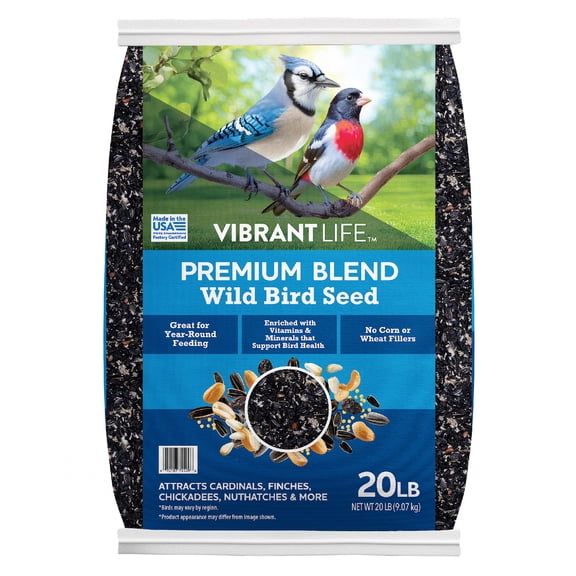
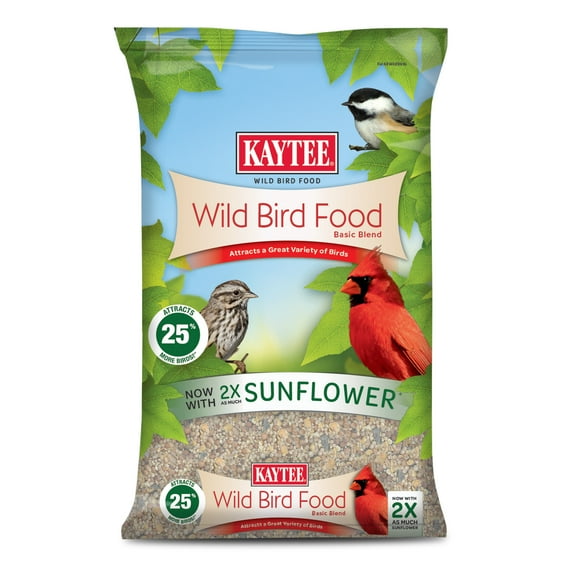
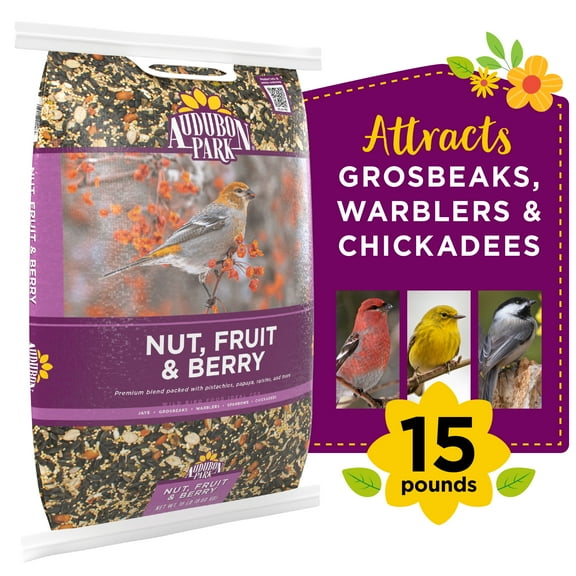
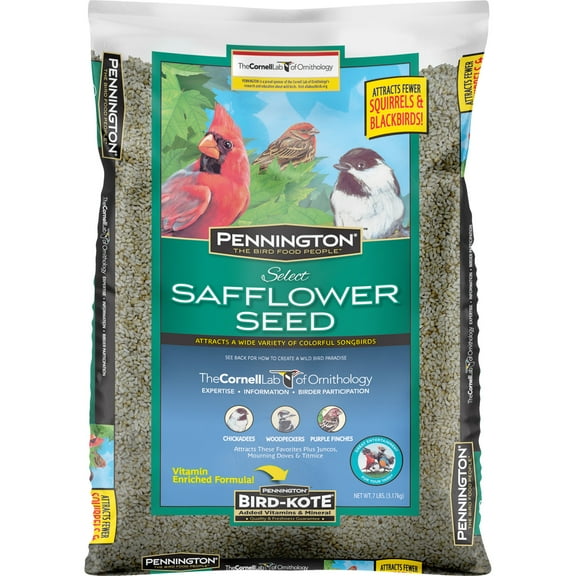
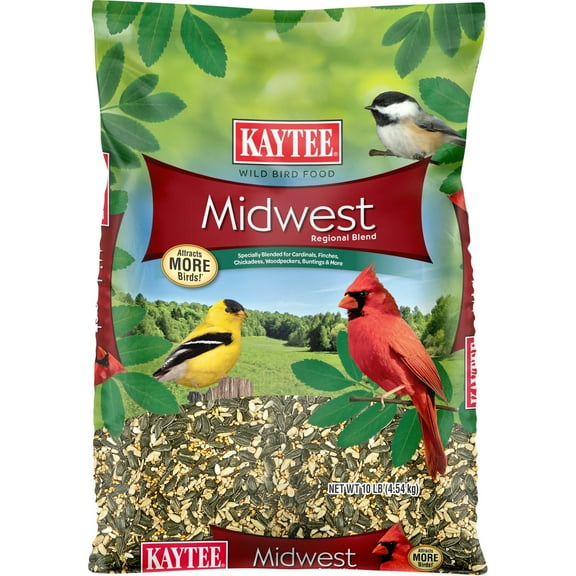
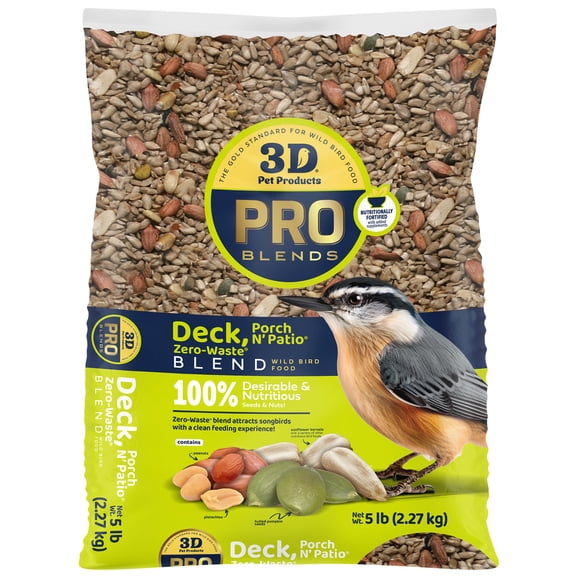
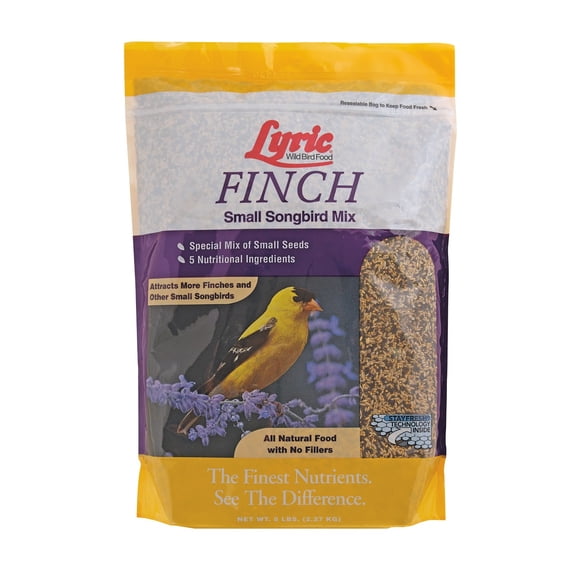
Seed works well when you want broad backyard appeal for cardinals, finches, and other wild birds. You’ll often see sunflower seeds, safflower, millet, or peanut pieces in mixes for tube feeders and platform feeders.
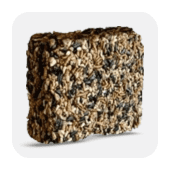
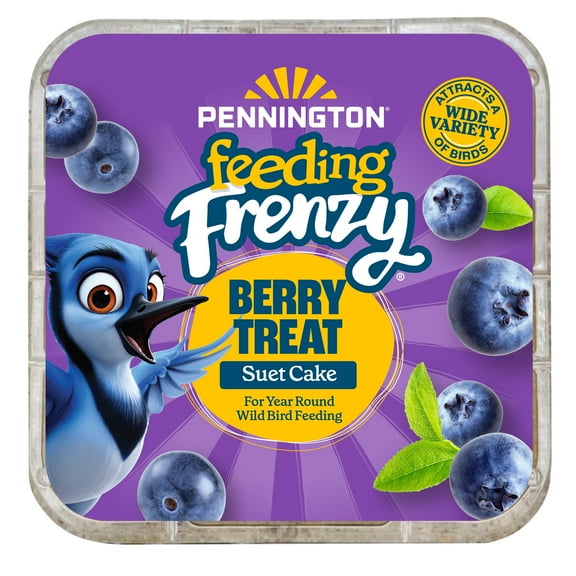
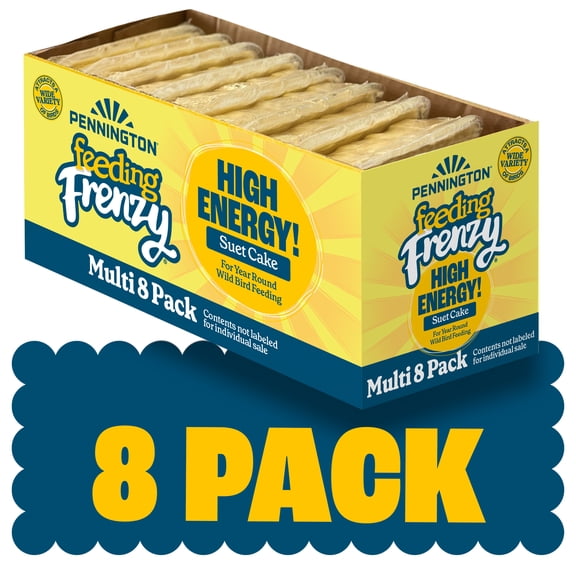
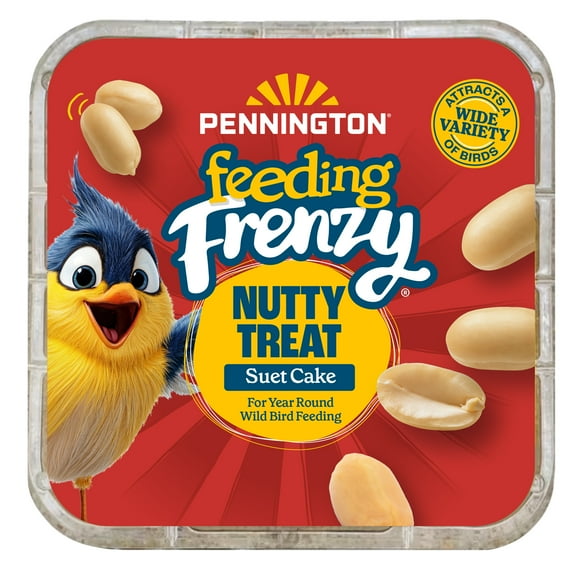
Suet gives you a dense option for cooler seasons and for birds that cling while feeding. You can place it in a suet cage for woodpeckers, nuthatches, and chickadees around your yard.
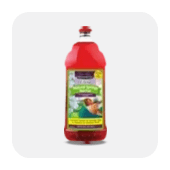
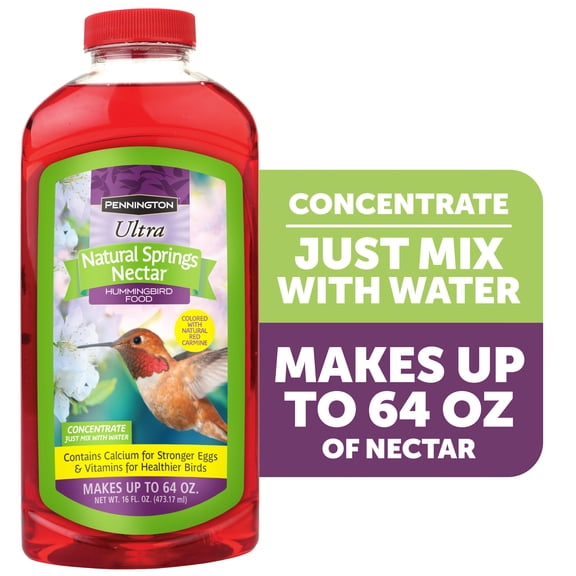
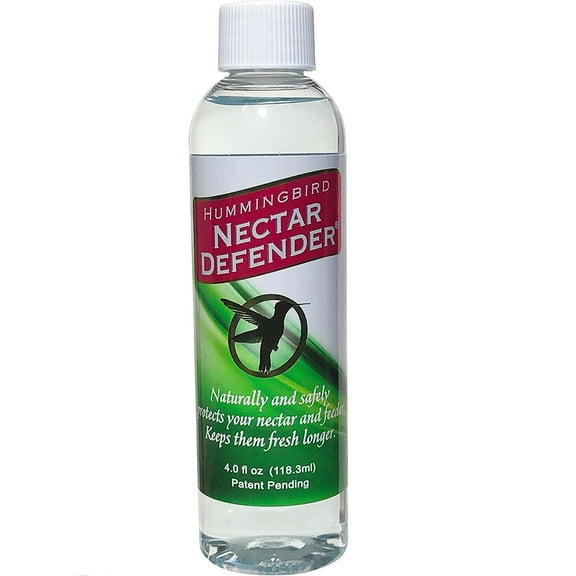
Nectar supports hummingbird feeding, and you’ll want it paired with hummingbird feeders instead of seed ports. You can use it near flowers, and you may create a hummingbird farm feel around your garden.
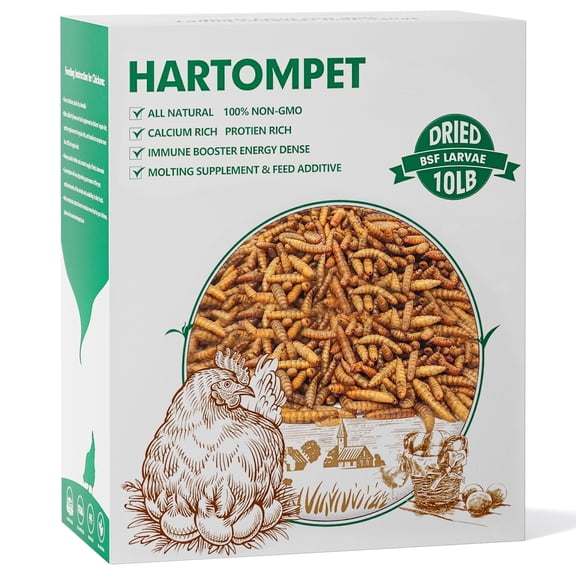
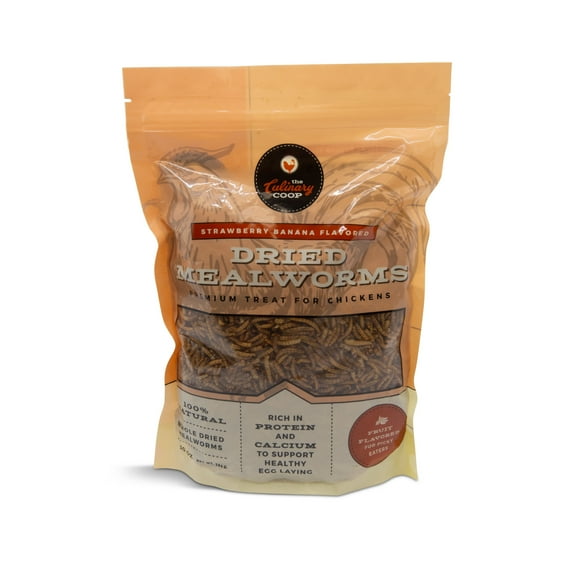
Mealworms and pellets help you target specific feeding habits instead of offering a broad mix. You may choose them when you want more control over what shows up at your feeder.
- You can use seed mixes for general backyard feeding across many common species.
- You can choose suet when your setup includes a suet cage or holder.
- You can select nectar for hummingbird stations near patios, decks, or garden beds.
- You can compare mealworms or pellets when you want more targeted bird food choices.
Choosing bird feed by species and ingredients
You can attract more species when you match bird feed to the birds you want to see. You can narrow your options by checking both bird type compatibility and ingredient mix.
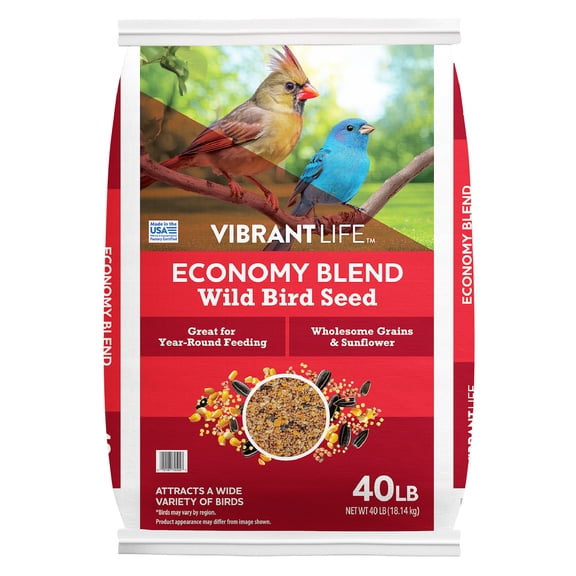
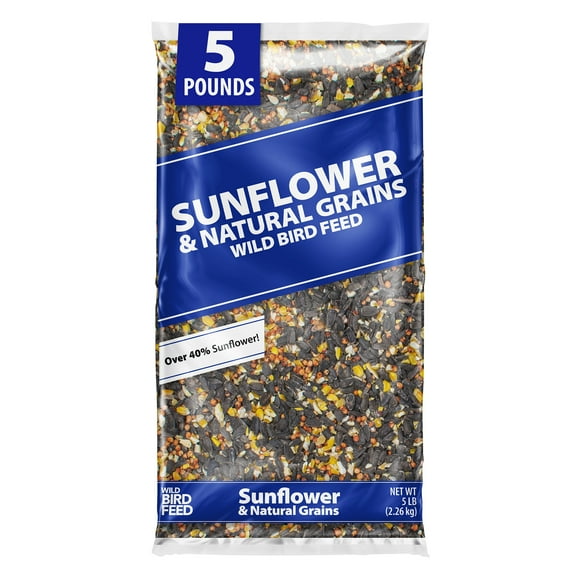
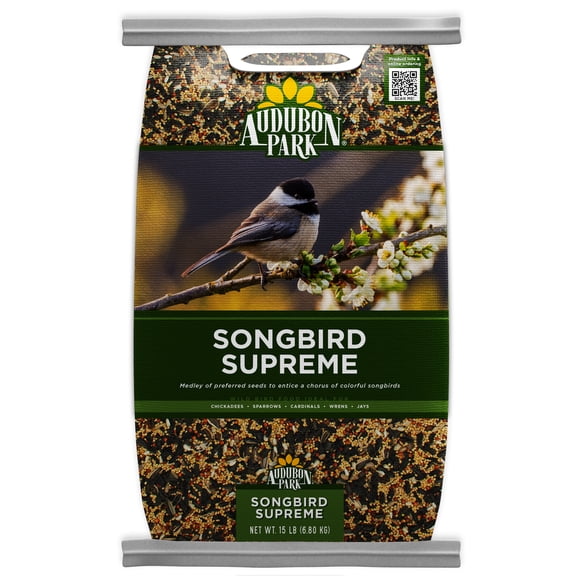
For wild birds, you may want classic bird seed blends built around sunflower seeds, millet, or peanuts. You’ll often notice these ingredients bring steady feeder traffic from mixed backyard flocks.
If you’re feeding cardinals, you may look for larger seeds that suit stronger beaks and platform feeding. You can also compare shell type and seed size for less scatter under feeders.
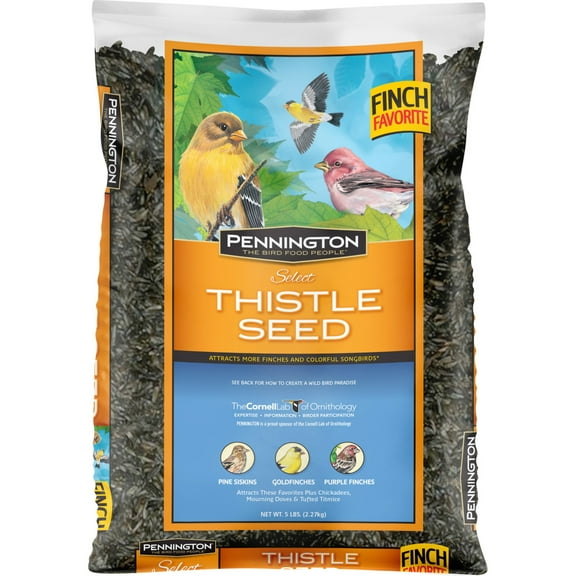
For finches, you’ll often focus on smaller seeds and feeder ports sized for lighter birds. You can keep the setup more efficient when the seed matches how those birds perch and feed.
When hummingbirds are your priority, you’ll want nectar rather than dry seed blends. You can pair that choice with a feeder designed for sipping access near decks, patios, or garden edges.
You should also check whether a blend contains filler seeds that birds commonly leave behind. You can reduce husk buildup and cleanup when your mix leans toward favored ingredients.
What to look for in feeder compatibility and birdfeed freshness
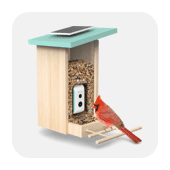
You’ll want birdfeed that fits your feeder type because the wrong format can clog ports or spill easily. You can compare tube feeders, platform feeders, and suet cages before choosing a bag or cake.
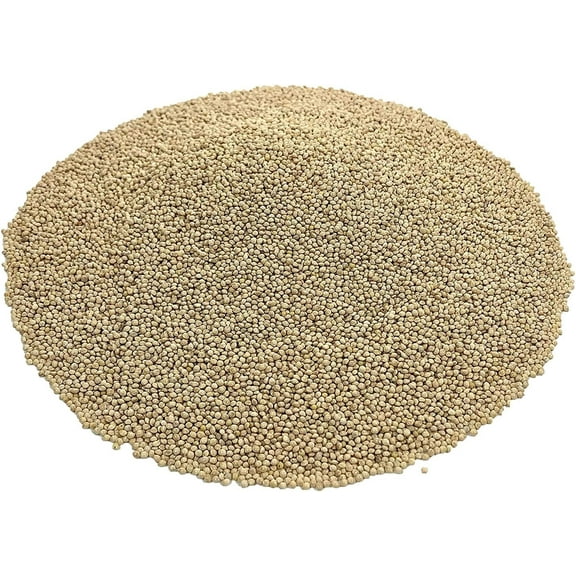
Tube feeders usually work well with smaller seeds and blends that flow through narrow ports. You can keep feeding more consistent when the seed size matches the feeder opening.
Platform feeders give you room for larger seeds, mixed blends, and broader bird traffic. You may prefer them when you want flexible access for cardinals and other ground-feeding visitors.
Suet cages need cakes or plugs that hold their shape during feeding. You can avoid extra crumbling when you choose the format made for that holder.
You should also compare moisture exposure, especially for stations placed in rain or humidity. You can check packaging guidance and choose sizes that match how often you refill.
Freshness matters because you want bird feed food that pours cleanly and stays appealing outdoors. You can keep bags sealed and rotate stock, so your feed matches your birds’ feeding pace.
Using bird feed in backyard, window, and outside spaces
You can plan your setup by feeding location so your bird food matches both visibility and convenience. You may use backyard poles, window feeders, or covered porch spots depending on your space.
In a backyard setup, you can combine bird seed in a tube feeder with suet nearby for variety. You’ll create more activity when you offer different textures and access points in one area.
At a window feeder, you may want smaller seed types that dispense neatly and stay easy to refill. You can keep the view clearer when the feed format suits a compact feeder design.
For outside bird food on open patios or decks, you should consider sun, rain, and refill frequency. You can choose manageable bag sizes and thoughtful placement to keep feeding routines simple.
To find bird feed that covers several backyard goals, you can compare formats by species, ingredients, and feeder fit in one place. You’ll have an easier time building a feeding station that feels planned instead of trial and error.
When you want to expand your setup, you can pair feed with bird feeders, hummingbird feeders, or bird baths. You’ll make your space more inviting when food, water, and feeder style work together.
Choosing the right bird feed for steady backyard visits
You can feel confident choosing bird feed when you compare feed type, bird species, ingredients, and feeder compatibility together. You’ll get a cleaner, more active backyard setup when your mix matches how your birds actually feed.