

Baking Packs, Boxed Baking Mixes & Kits | Walmart




















About Baking Packs, Boxed Baking Mixes & Kits | Walmart - Walmart.com
Baking mixes help you make cakes, brownies, cookies, and more with less prep and fewer steps. You can choose easy baking mixes for quick desserts, weekday treats, or planned celebrations.
When you shop this category, you can compare mix type, dietary specialty, flavor profile, and preparation style in one place. You’ll also find options that fit standard pans, muffin tins, and single-serve mugs.
How to choose baking mixes for your plans
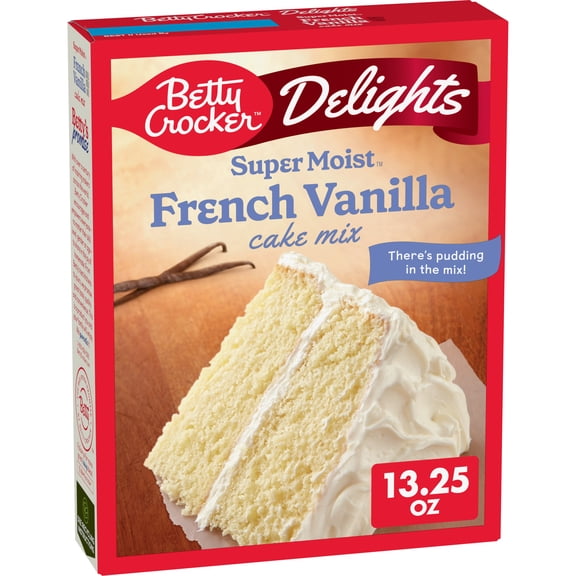
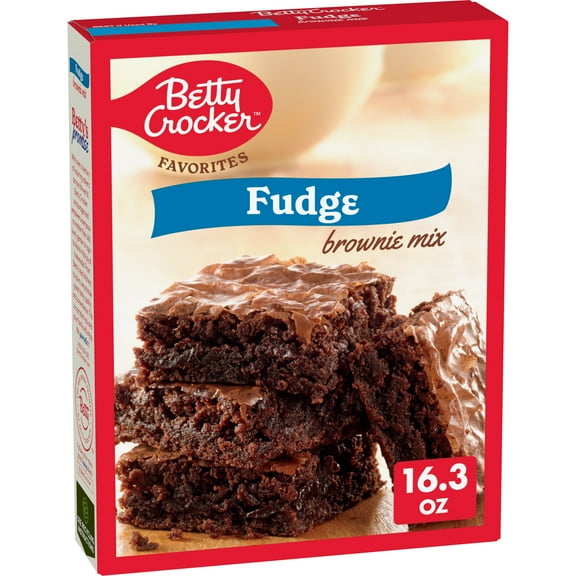
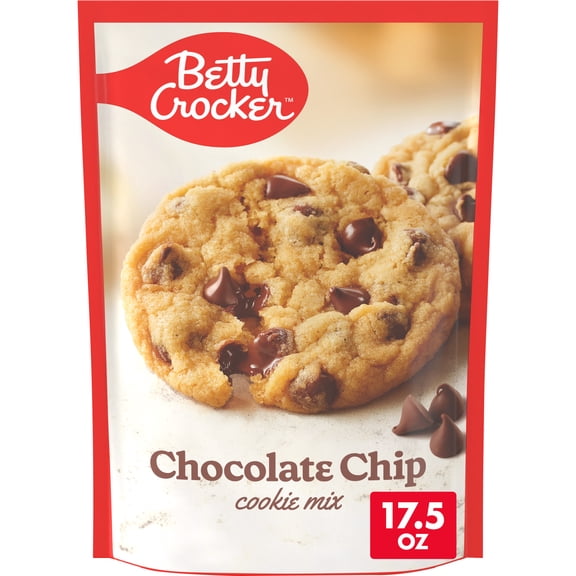
Start with the kind of bake you want to serve, because each mix type shapes your results. You might choose cake mixes for layered desserts, brownie mixes for dense squares, or cookie mixes for drop cookies.
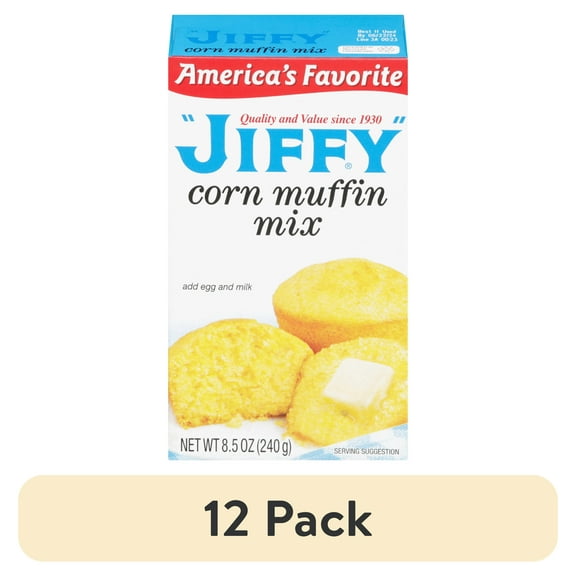
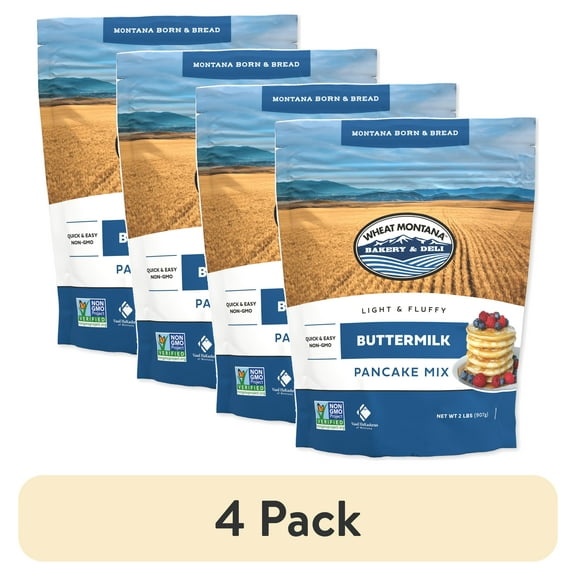
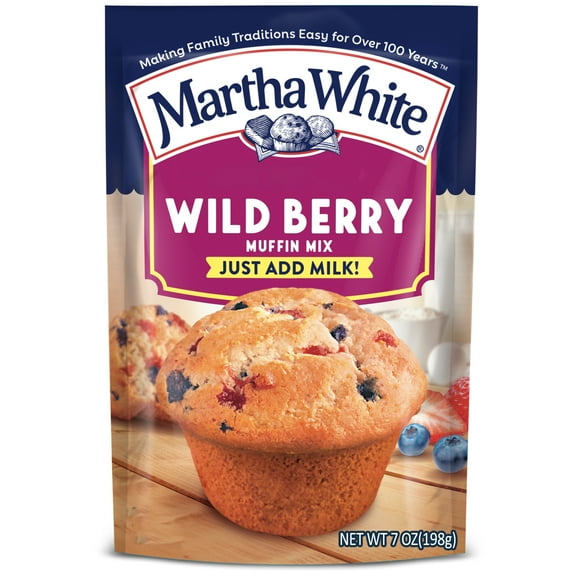
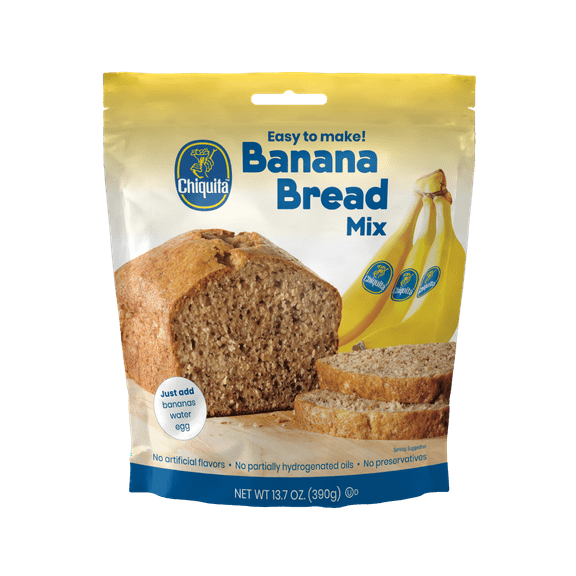
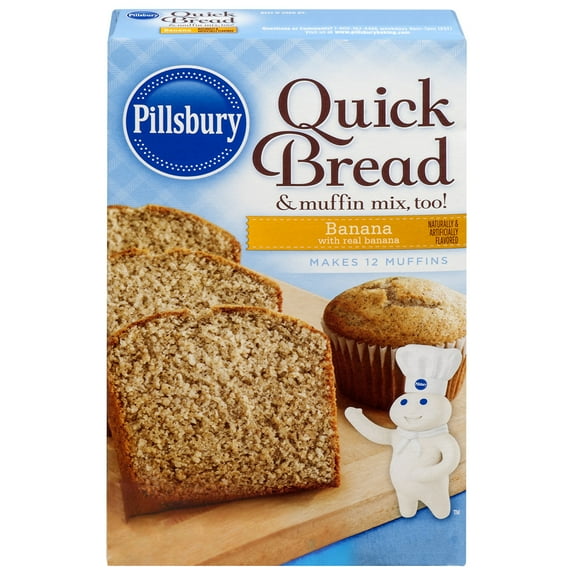
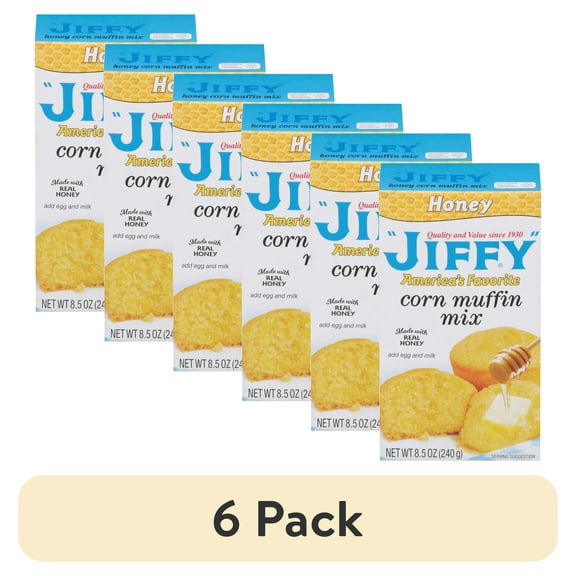
If you’re planning breakfast or snack baking, you can also compare muffin, bread, and pancake options. You’ll want to check whether your mix is made for a loaf pan, a griddle, or a muffin tray.
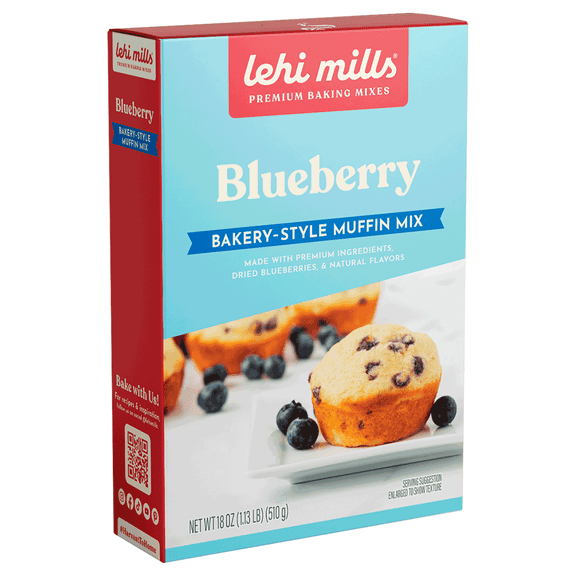
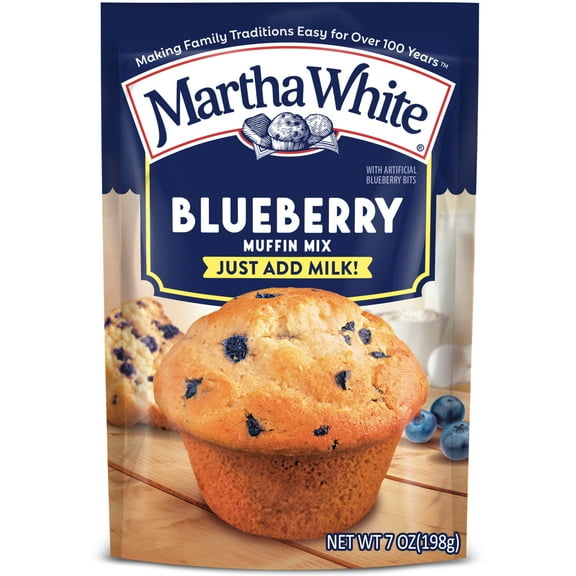
Flavor matters just as much as format when you’re narrowing your choices. You can compare chocolate, vanilla, lemon, spice, and blueberry flavors to match the season or occasion.
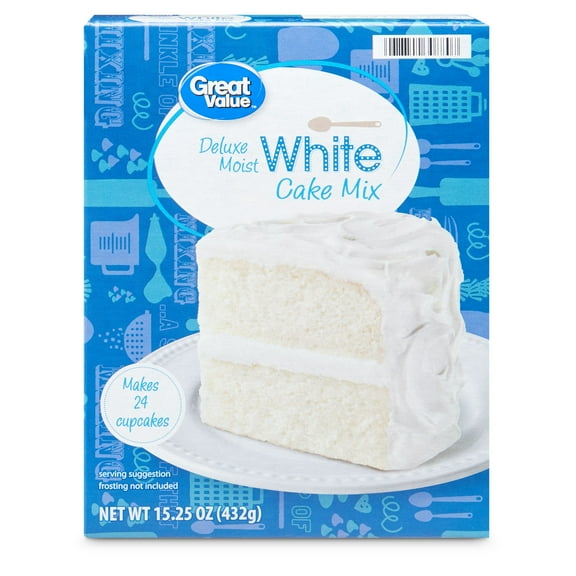
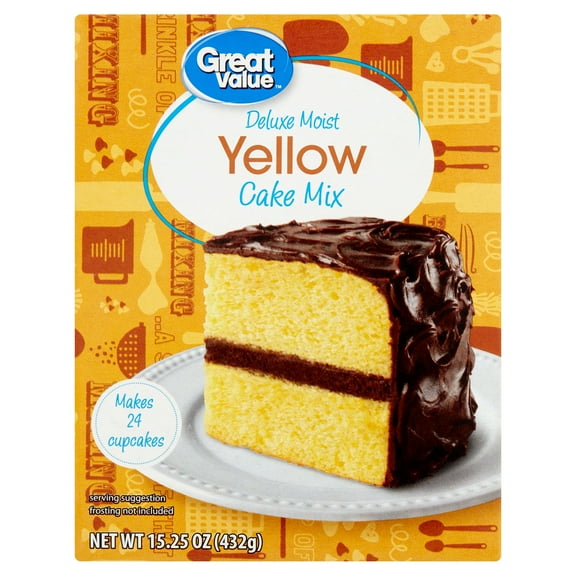
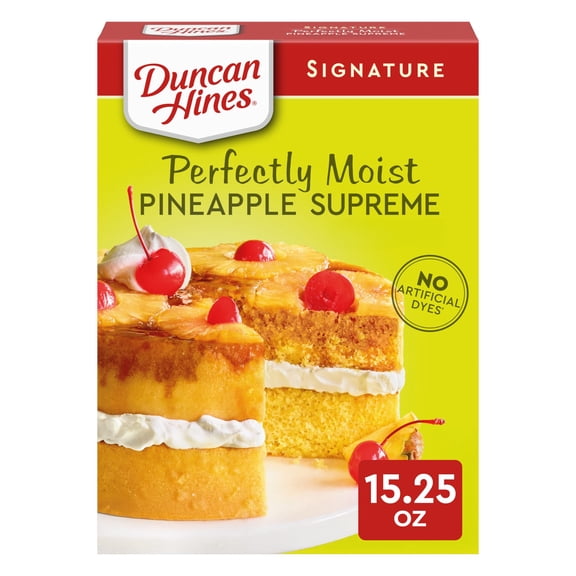
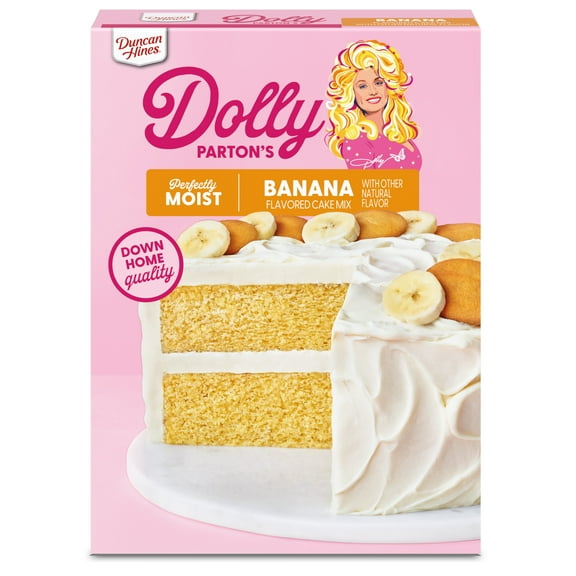
- You can pick cake mixes when you want birthday cakes, cupcakes, or sheet cakes.
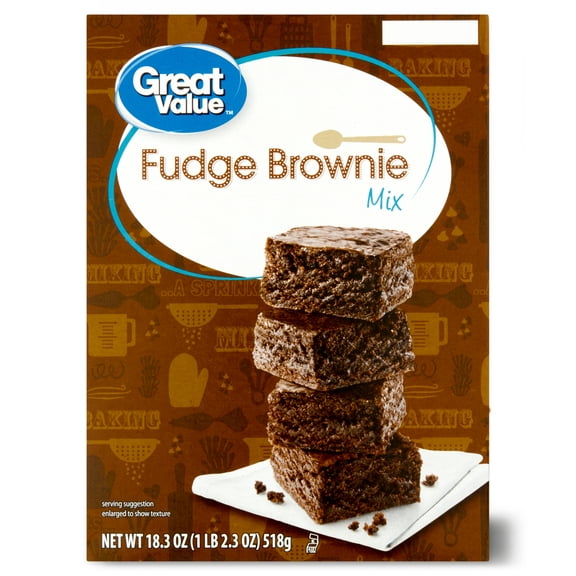
- You can choose brownie mixes when you want chewy centers and pan-baked dessert bars.
- You can select cookie mixes when you want quick batches for lunchboxes or parties.
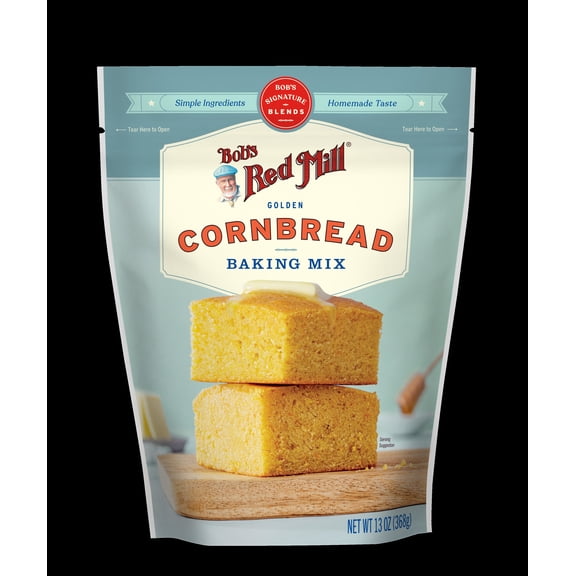
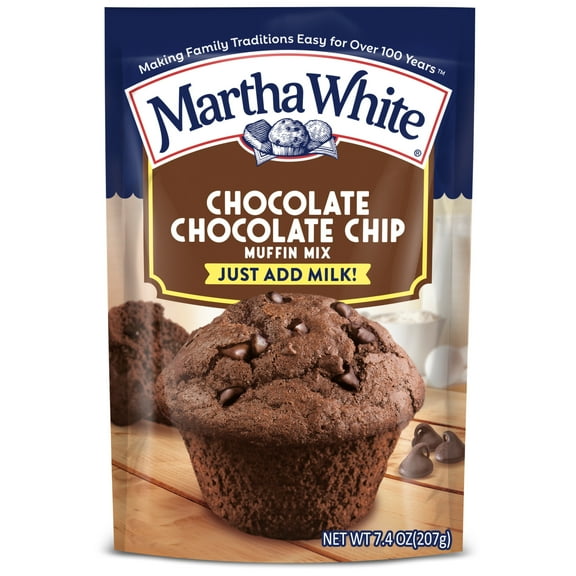
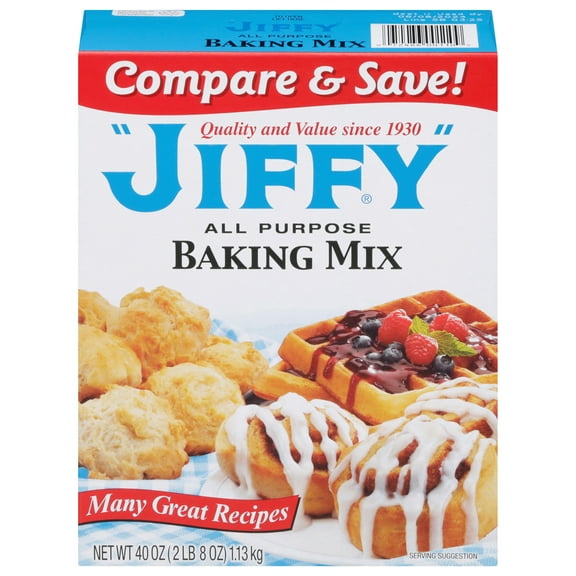
- You can look at muffin, bread, and pancake mixes for breakfast bakes and grab-and-go options.
Choosing cake mixes, brownie mixes, and cookie mixes
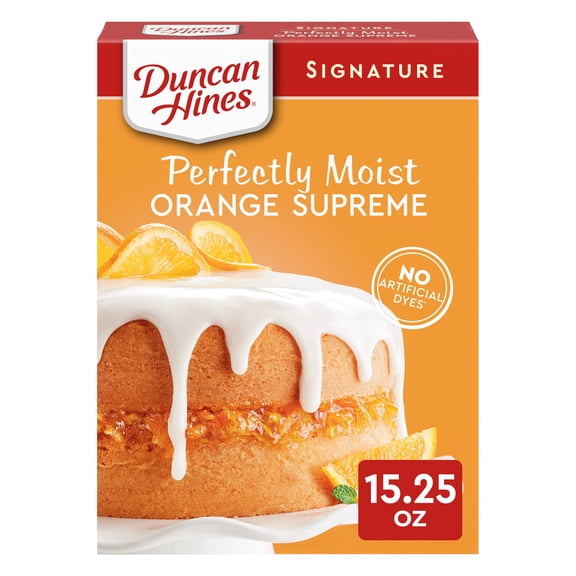
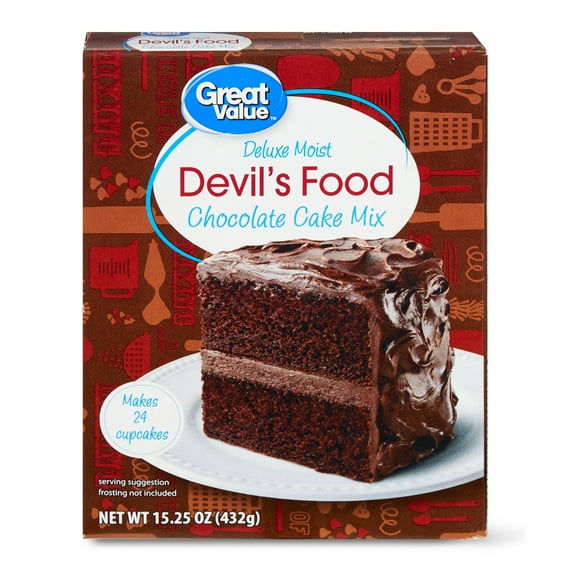
When you compare cake mixes, you should check the expected yield first. You may want one box for a standard round cake, a sheet cake, or about 24 cupcakes.
Brownie mixes often work well when you want a pan dessert with simple slicing and serving. You should compare whether your box is sized for an eight-inch pan or a larger family-size batch.
Cookie mixes can help you control both portion count and prep time. You’ll want to look for drop-cookie directions, bar-cookie directions, or mix-ins that change texture and flavor.
Preparation details can make one option fit your routine much better. You should check whether your mix needs eggs, oil, milk, butter, or just water before you decide.
That ingredient list matters when you’re baking on a busy night or planning ahead. You may prefer just-add-water choices for speed, while other mixes give you more homemade-style steps.
What to look for in gluten free baking mixes and specialty options
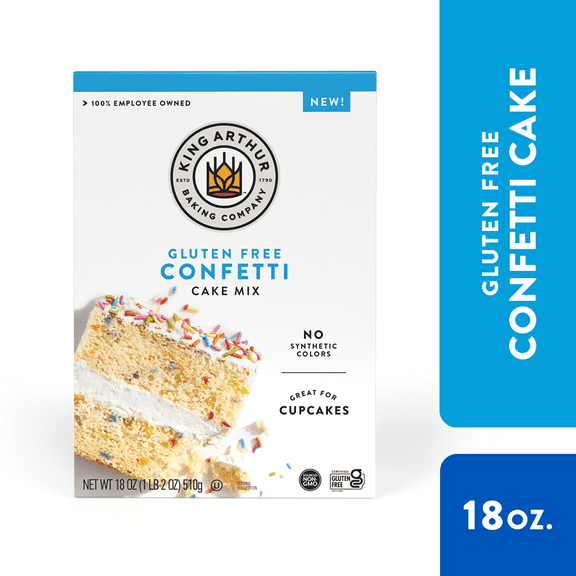
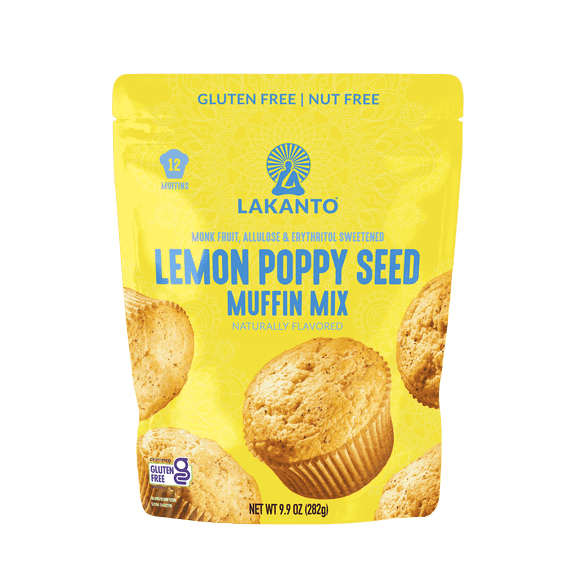
If you’re shopping for dietary needs, you should compare labels closely before choosing a box. Gluten free baking mixes can help you plan desserts and breakfasts with clearer ingredient guidance.
You’ll want to check allergen information, certification notes, and testing language on the package. Those details help you understand how the mix is produced and what standards it follows.
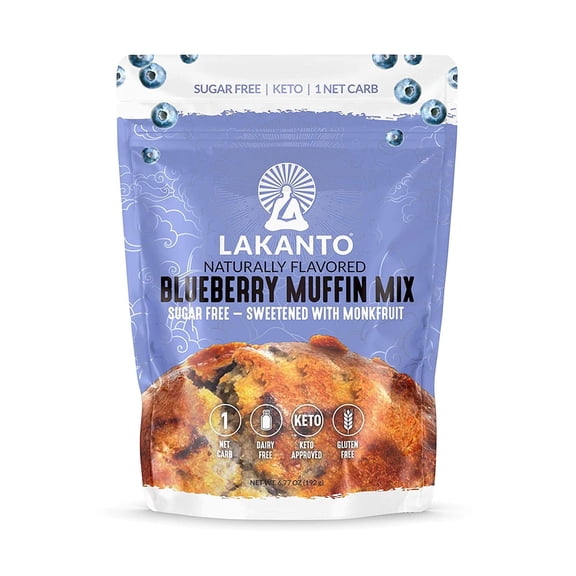
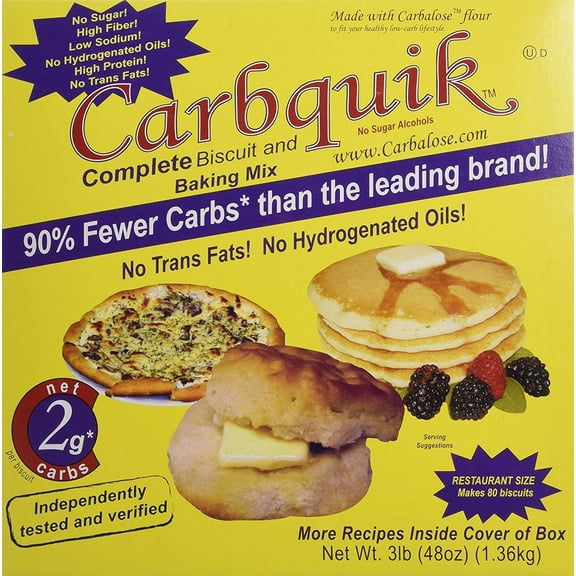
You can also compare keto, sugar-free, organic, and vegan options across several mix types. That makes it easier for you to match your pantry staples with your household preferences.
Taste and texture still matter when you’re picking specialty mixes for your table. You may notice some options lean rich and fudgy, while others bake lighter and more cake-like.
If you use egg substitutes or dairy alternatives, you should review the preparation panel before you bake. You’ll get a clearer sense of how much liquid, fat, or binder your recipe needs.
Comparing flavor, yield, and preparation style
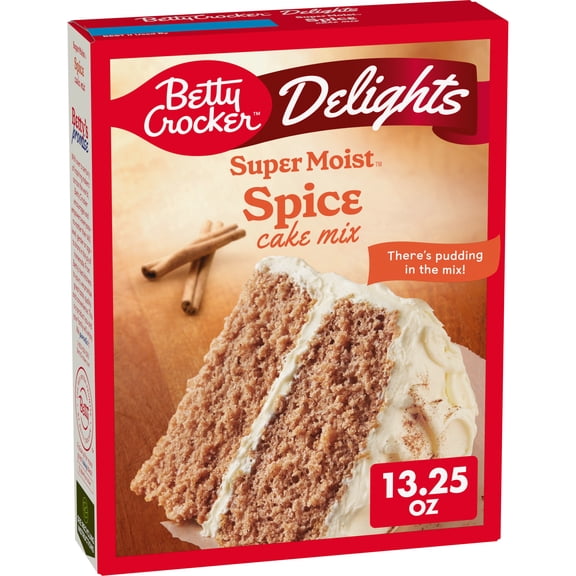
Flavor profile helps you match your mix to the moment you’re planning. You might choose chocolate for classic desserts, lemon for spring gatherings, or spice for holiday baking.
Yield tells you how far one box will go once you start measuring pans and portions. You should check whether your mix makes a loaf, a full cake, a dozen muffins, or several servings of pancakes.
Preparation style can be the deciding factor when your schedule is tight. You can compare traditional oven mixes, microwaveable options, and mug cakes for very different baking routines.
Microwaveable and mug cake options work well when you want a fast, single-serve treat. Traditional oven mixes make more sense when you’re baking for guests, birthdays, or weekend family desserts.
You should also consider how much cleanup comes with each style. A mug cake may need one mug and a spoon, while a layer cake may need pans, bowls, and frosting tools.
How baking mixes fit everyday baking
You can keep baking mixes on hand for school events, office treats, and last-minute desserts. They also help you stock your pantry for weekend baking without building recipes from scratch.
For birthdays, you might pair cake mixes with frosting, candles, and cupcake liners. For casual gatherings, you may lean on brownie mixes or cookie mixes that bake quickly and portion easily.
Breakfast plans can feel simpler when you keep muffin, bread, or pancake mixes ready in the pantry. You’ll appreciate having a fast starting point for busy mornings and relaxed brunches.
If you like flexible options, you can choose easy baking mixes that fit both quick prep and creative add-ins. You might stir in chocolate chips, fruit, nuts, or spices to change the final flavor.
With clear labels, varied formats, and familiar flavors, you can choose baking mixes that match your kitchen routine. You’ll get a simpler path from pantry shelf to finished dessert or breakfast bake.