





Bagels Breakfast Breads Variety and Flavors


![O'Dough's Thins Gluten Free Bagels, Everything, BSL1 100 Calorie Bagels, Presliced, 10.58 Ounce [3 Packs]](https://i5.walmartimages.com/seo/O-Dough-s-Thins-Gluten-Free-Bagels-Everything-BSL1-nbsp-100-Calorie-Bagels-Presliced-10-58-Ounce-3-Packs_ebca755b-4e5a-40b1-bbf9-aad0002d49e1.946e3d9f4009f807fead46195f740dbe.jpeg?odnHeight=576&odnWidth=576&odnBg=FFFFFF)
















About Bagels Breakfast Breads Variety and Flavors - Walmart.com
Bagels give you a fast, flexible breakfast base with flavor choices, storage options, and pack sizes that fit your routine. You can compare fresh bagels, frozen options, and sliced bagels in one place, so your mornings feel easier.
When you shop this category, you can focus on the details that change your daily use. You may compare flavor profile, dietary needs, style, storage format, and count before you choose.
How to choose bagels for your routine
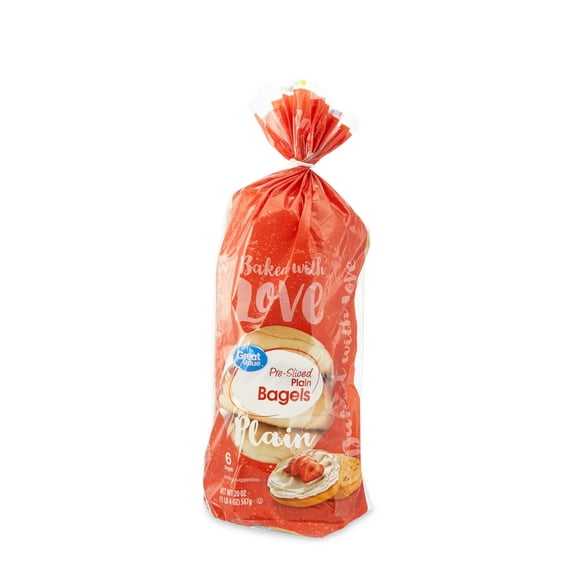
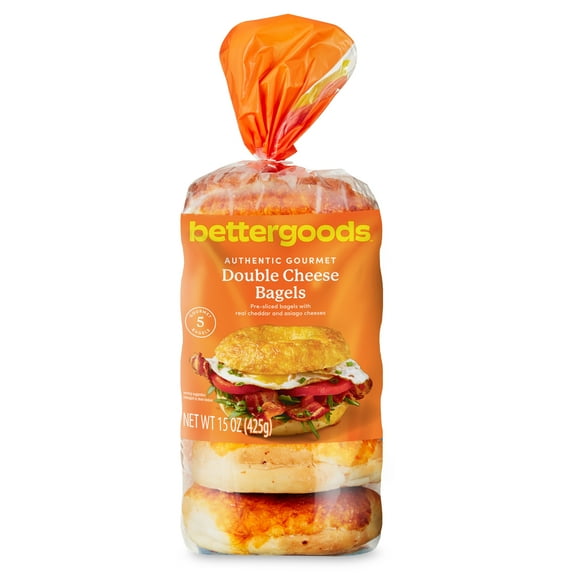
You can start with convenience, because your schedule often decides what works. If you want quick prep, you may prefer pre-sliced bagels that go straight from package to toaster.
Storage matters too, especially if you plan breakfasts for several days. You can pick fresh bagels for near-term use, or choose frozen options when you want longer pantry and freezer flexibility.
- You can choose pre-sliced styles for faster toasting and easier sandwich prep.
- You can compare fresh, frozen, and shelf-stable formats based on how quickly you'll use them.
- You can match six-pack, 12-pack, singles, or bulk counts to your household size.
- You can look for plain, everything, sweet, or savory flavors for different meals.
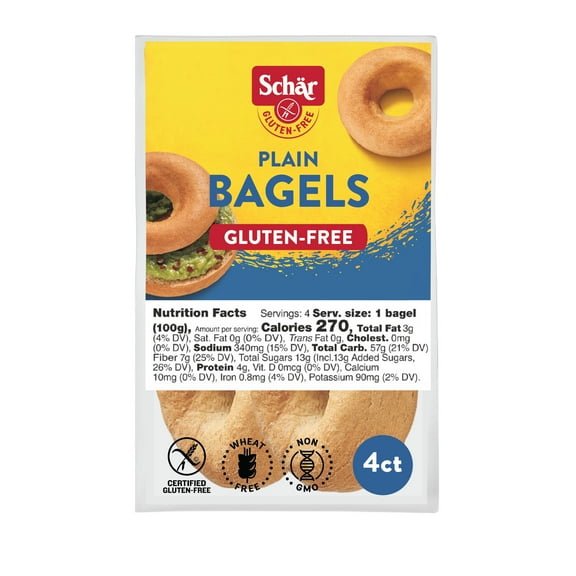
- You can check gluten-free certification and cross-contamination warnings when your dietary needs require closer review.
Your texture preference also shapes the right pick. You may like a chewy center with a firmer crust, or you may want thinner styles that toast faster.
Choosing flavor profiles from plain bagels to everything bagels
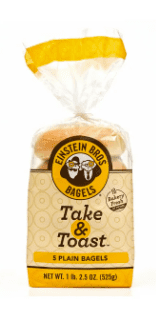
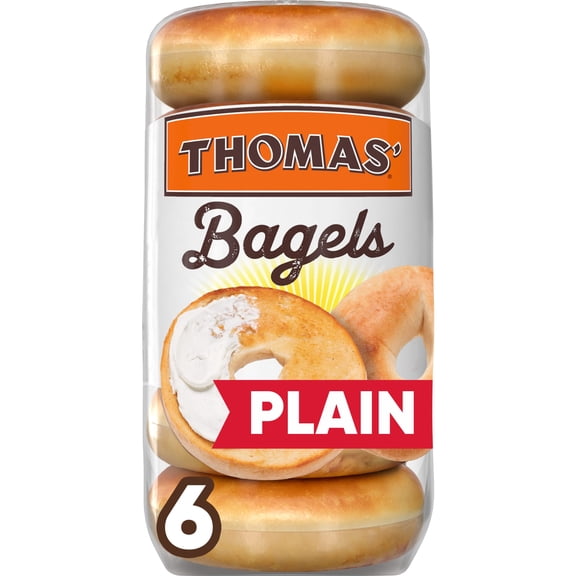
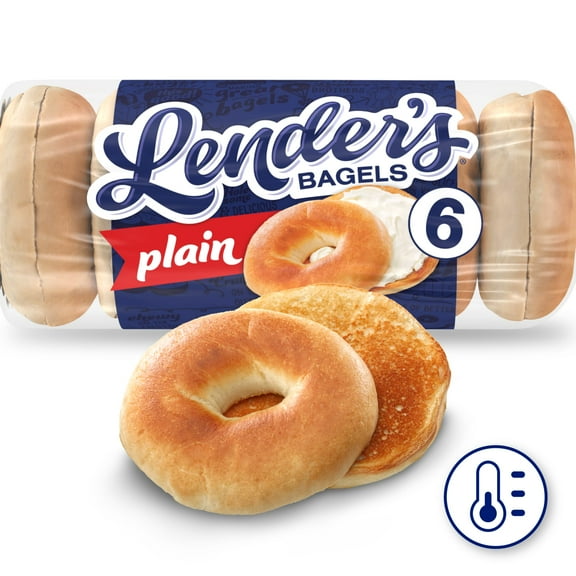
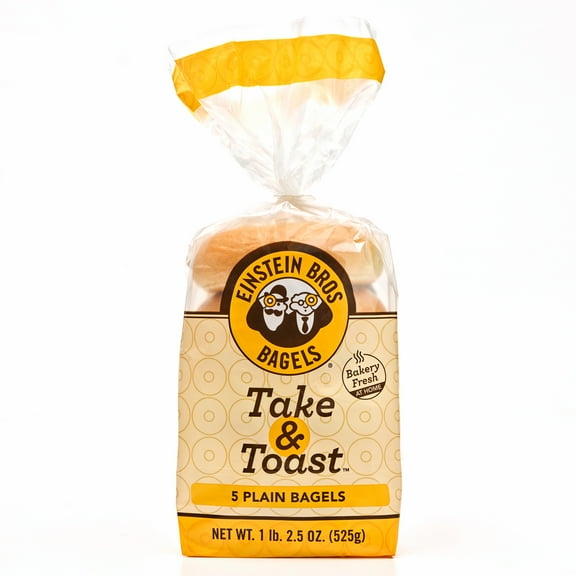
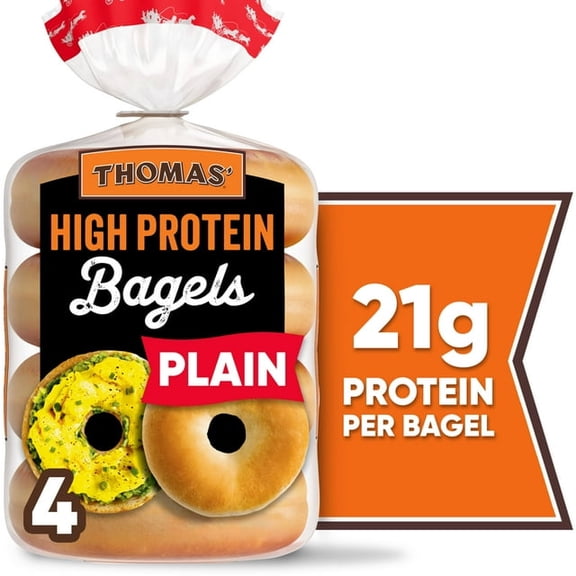
You can keep breakfast simple with plain bagels when you want a neutral base for cream cheese, butter, or breakfast meats. You may prefer them when your household likes one bagel that works with sweet or savory toppings.
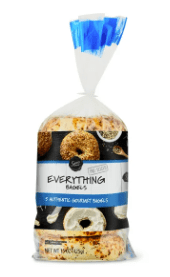
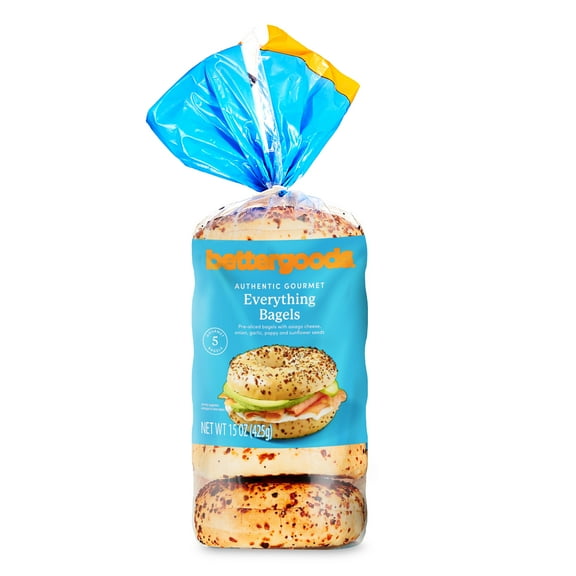
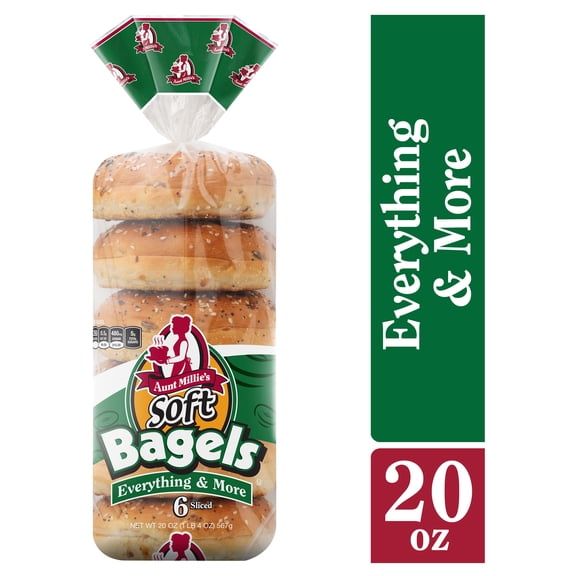
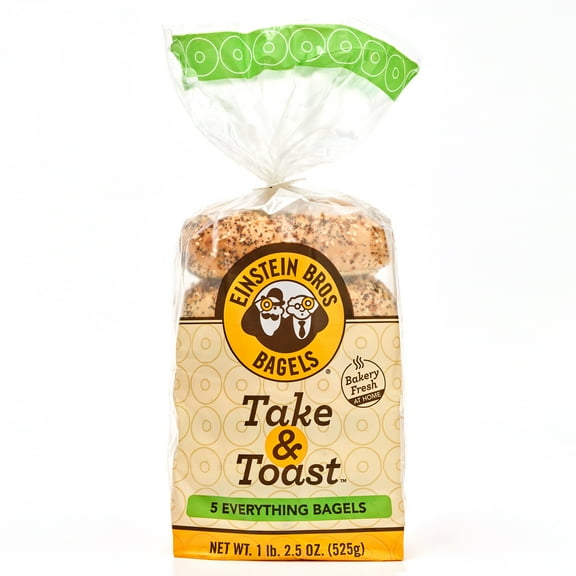
Everything bagels give you a seasoned bite that stands up to eggs, smoked salmon, or vegetable spreads. You can also compare sesame, onion, and other savory options when you want more texture on the crust.
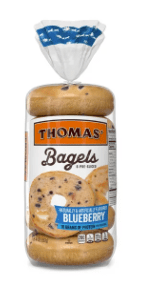
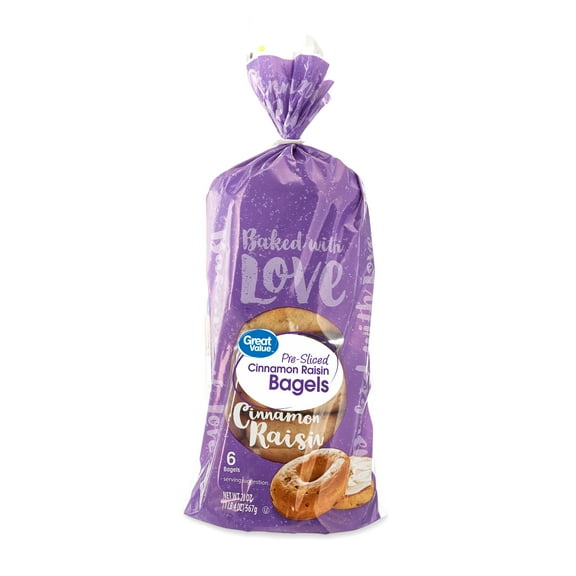
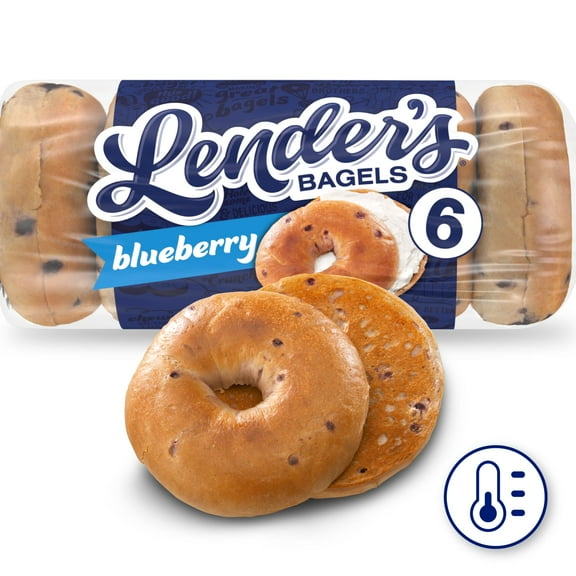
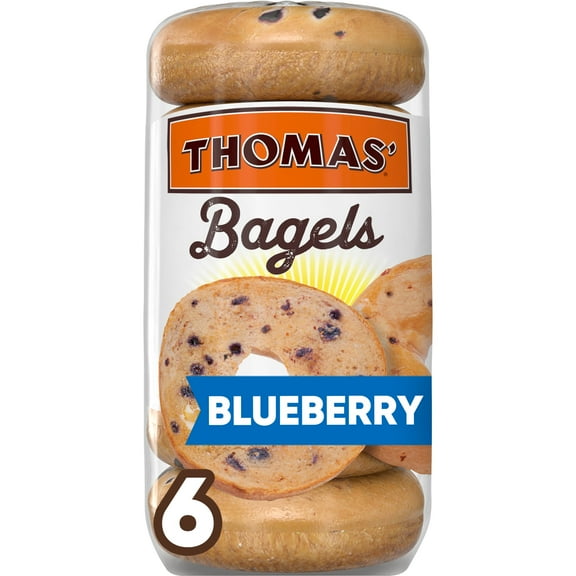
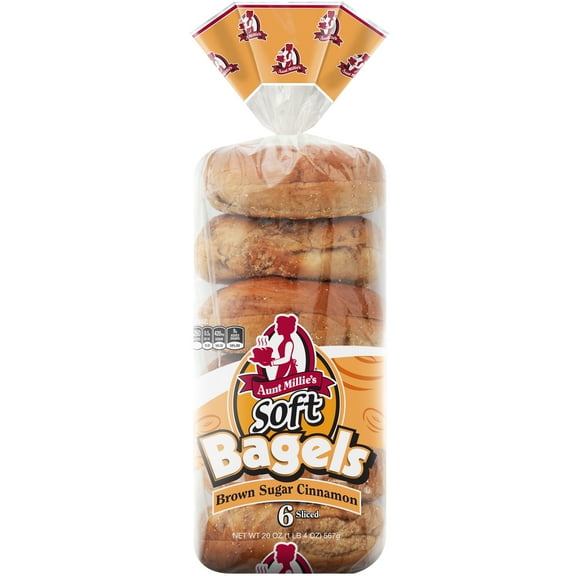
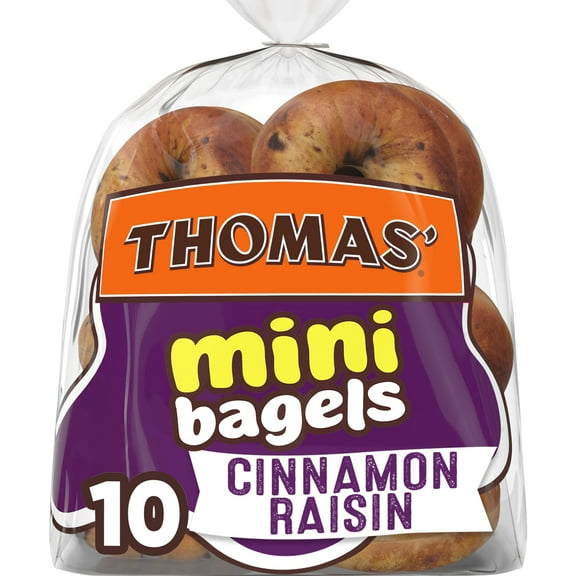
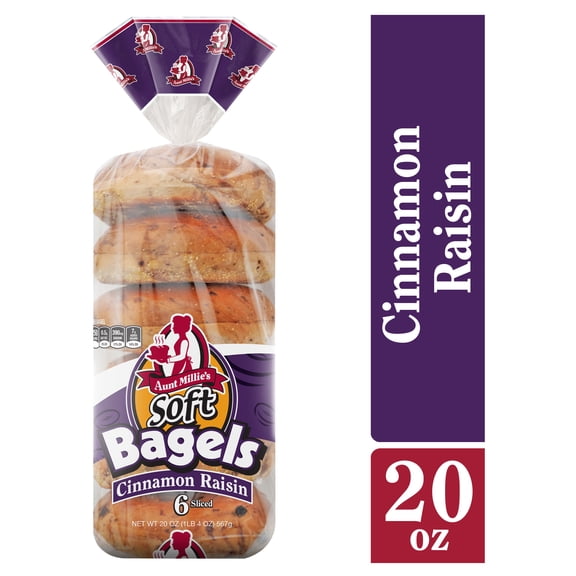
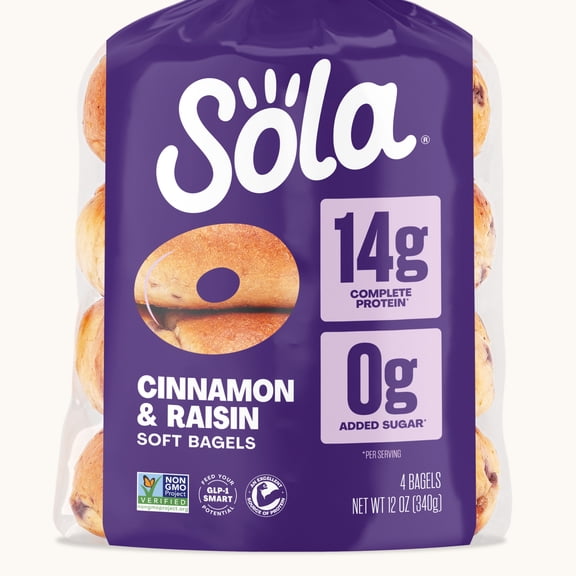
If you want a sweeter start, cinnamon raisin bagels and blueberry varieties add built-in flavor without extra prep. You may reach for these when your breakfast needs to travel or double as a snack.
Comparing gluten free bagels and other dietary choices
You should check dietary labels early, because ingredients vary across this category. If your household avoids gluten, you can compare gluten free bagels with attention to certification and cross-contamination warnings.
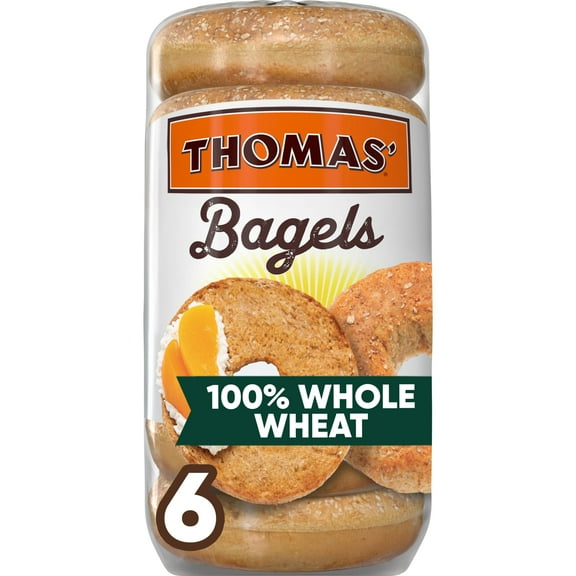
You may also see whole wheat, organic, low carb, or keto-friendly options in this assortment. These choices help you align your breakfast bread with your ingredient preferences and eating style.
Sesame, dairy, and other allergen details can also affect your decision. You can review package statements closely when your household needs a specific ingredient callout before checkout.
Key style differences, including mini bagels and thin options
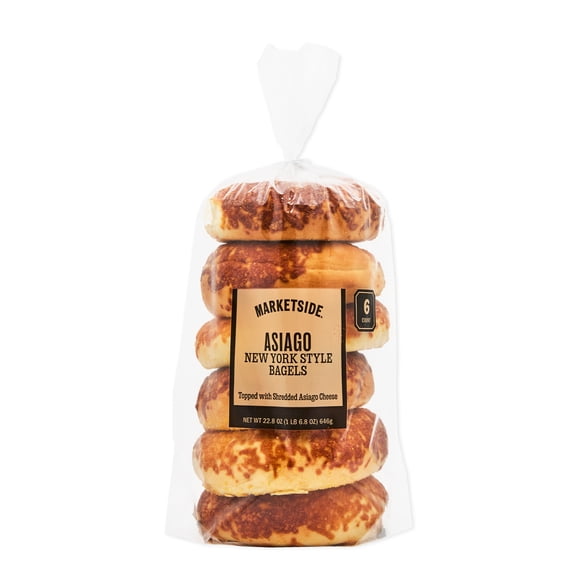
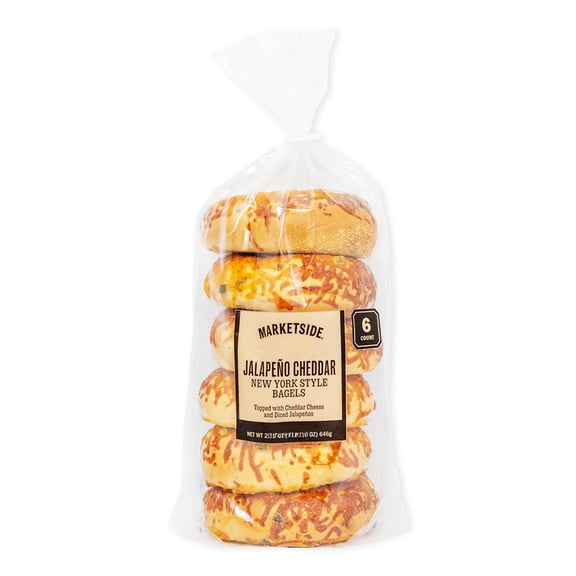
You can compare New York style bagels, mini bagels, thin bagels, and bagel thins based on portion and texture. New York style options usually give you a denser chew, while thinner styles often toast more quickly.
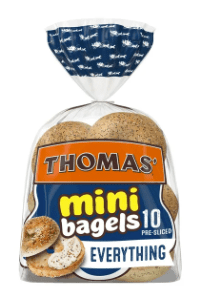
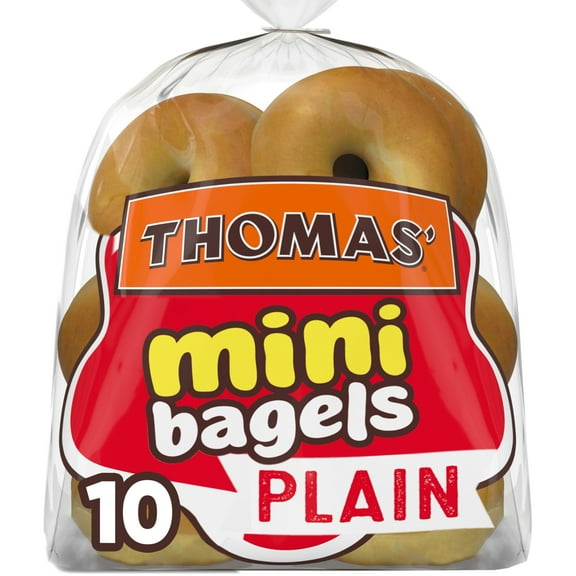
Mini bagels work well when you want smaller portions for lunchboxes, snack trays, or lighter breakfasts. You may prefer them when your household wants more variety without opening multiple full-size packs.
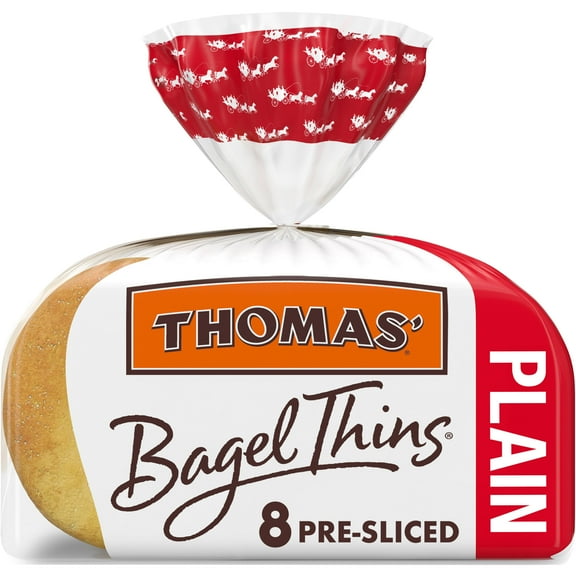
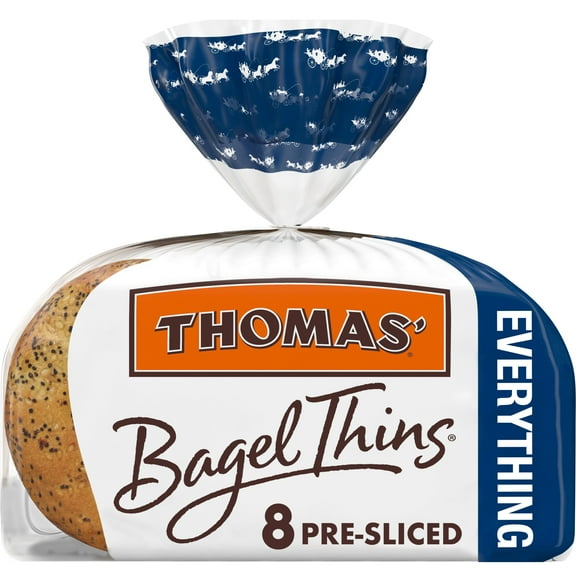
Bagel thins and thin bagels can make sandwich building feel less heavy at midday. You can also use them when your toaster time is short and your toppings need a flatter surface.
Deciding between fresh bagels, frozen bagels, and shelf-stable packs
You can match the bagel state to how often your household eats them. Fresh bagels usually suit quick use, while frozen bagels help you spread breakfasts across a longer period.
Shelf-stable packs can help when you want pantry-ready convenience between grocery trips. You should also consider whether your household prefers a just-bought texture or a toaster-finished texture from frozen bagels.
Your storage plan affects freshness and waste just as much as flavor does. If you toast often, you may keep sliced bagels on hand so your breakfast comes together with less effort.
Picking the right count and pack size
You can use pack size to match your household rhythm. Singles and six-packs fit lighter use, while 12-packs and bagels bulk options support larger families or meal planning.
If you prep breakfast sandwiches for the week, you may want a larger count that stays consistent across several mornings. If you want flavor variety, you can mix smaller packs instead of committing to one option.
How bagels fit real breakfast and snack moments
You can use breakfast bagels for quick weekday meals, layered sandwiches, or simple toasted halves with spread. They also work well for brunch boards, because you can pair plain bagels and everything bagels with different toppings.
For school mornings, you may want mini bagels or pre-sliced options that toast quickly. For weekend breakfasts, you might choose fresh bagels with a chewier bite and a more bakery-style feel.
If your freezer supports backup staples, frozen bagels can help you keep breakfast ready without daily store trips. When your household needs ingredient-specific choices, gluten free bagels make it easier to keep a separate breakfast option available.
You can also think beyond breakfast when you compare this category. Bagels support pizza-style snacks, deli sandwiches, and simple afternoon bites with spreads, sliced fruit, or egg fillings.
With bagels, you can choose the flavor, format, and pack size that match how your household actually eats. That means you get a breakfast staple that toasts the way you like and fits your weekly routine.