

Backsplashes in Tile by Application
























About Backsplashes in Tile by Application - Walmart.com
Your farmhouse tin backsplash can give your kitchen or bath a textured, vintage look without a full remodel. You can compare materials, installation types, and finishes that fit rustic walls, cabinet colors, and everyday cleanup.
If you're updating a hardworking room, you may want details that look classic but still feel practical. You can find options that mimic pressed ceiling panels, create depth, and coordinate with wood tones or black hardware.
How to choose a farmhouse tin backsplash
When you compare a farmhouse tin backsplash, you should start with material, since each option changes the look and install process. You can choose real metal, faux tin, or vinyl depending on the room and your project comfort level.
Real tin backsplash styles give you a crisp stamped pattern and a true metal finish. Faux tin options help you get a similar look with lighter panels that are easier to trim.
As you narrow choices, you should also compare the panel profile and pattern depth. You may prefer simple squares for a cleaner wall or embossed scrollwork for a vintage farmhouse backsplash feel.
- You can create a classic barn-inspired accent with pressed patterns and aged metallic finishes.
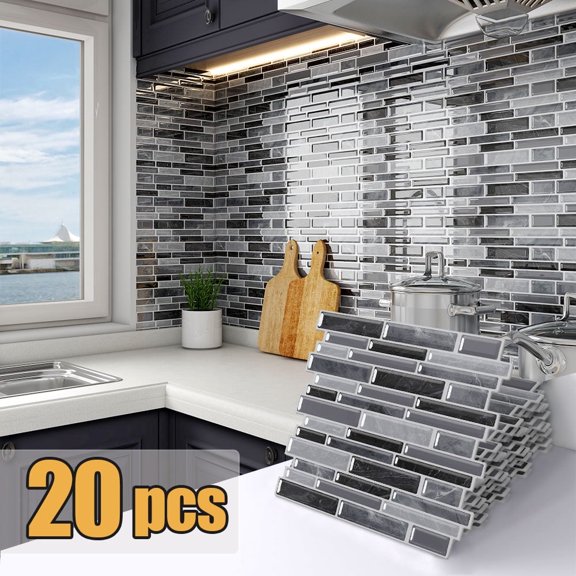
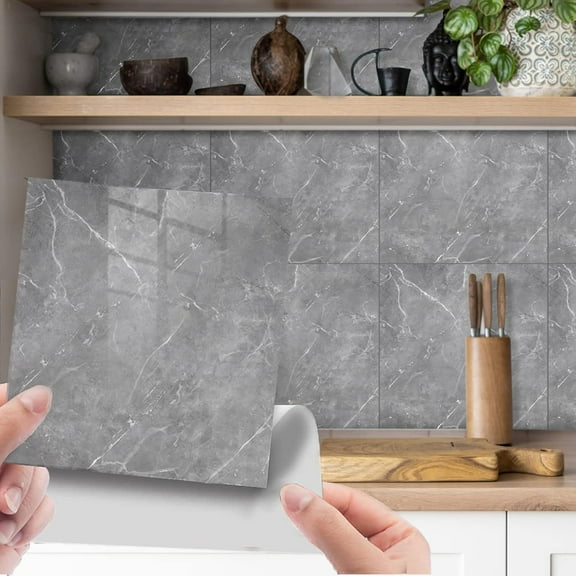
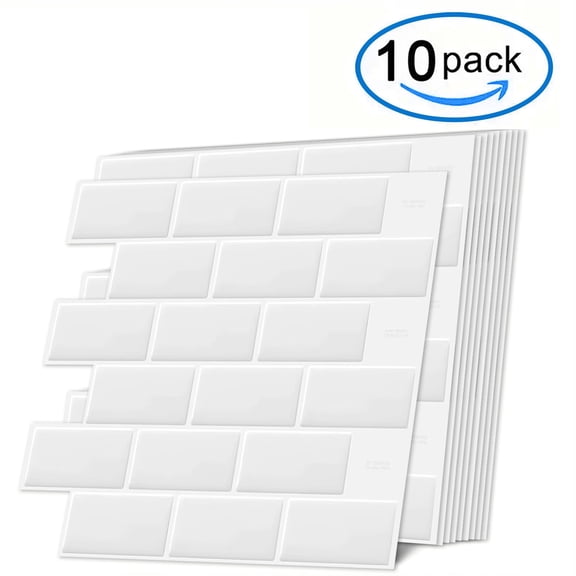
- You can refresh a kitchen wall with peel and stick panels that suit many weekend DIY projects.
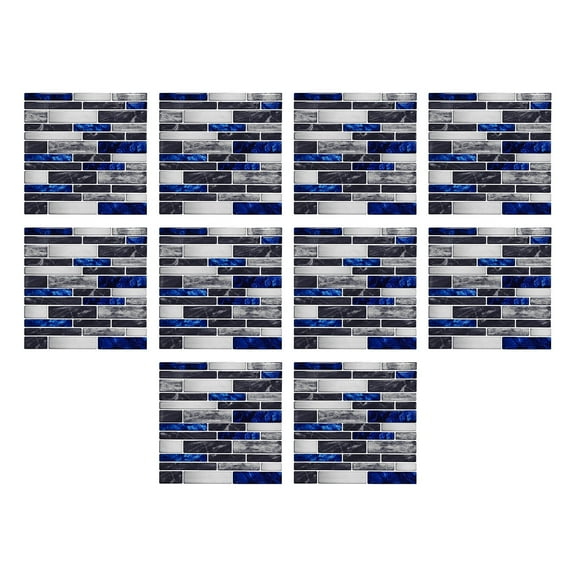
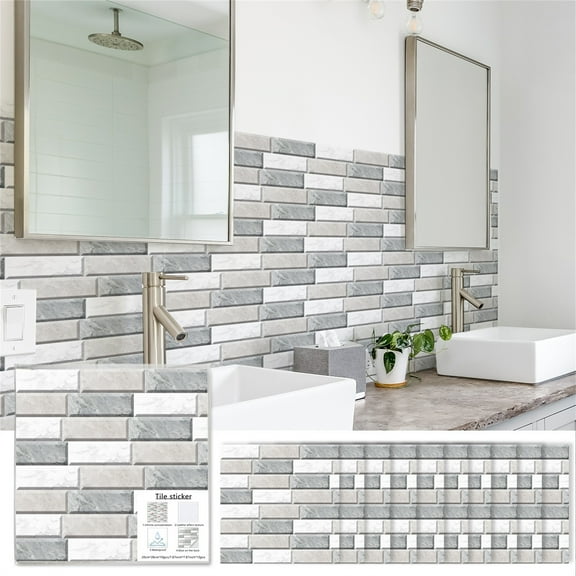
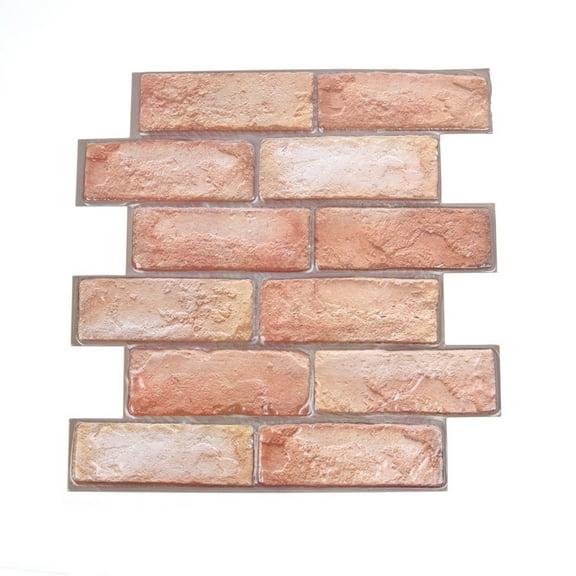
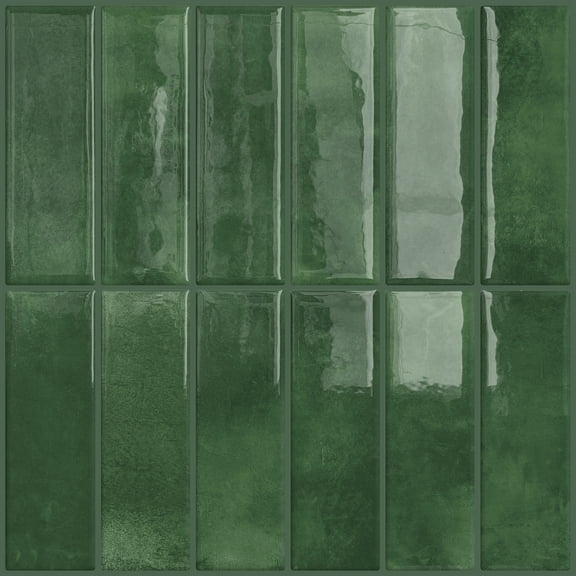
- You can add visual depth with 3d peel and stick wall tiles that break up flat painted surfaces.
- You can coordinate a metal backsplash with wood shelves, apron-front sinks, and industrial lighting.
Comparing metal tin tiles, faux tin, and vinyl
If you want a traditional metallic surface, you should compare metal tin tiles with faux tin panels side by side. You can often spot differences in weight, edge detail, and how the pattern catches light.
Metal tiles for backsplash projects usually feel more rigid and structured once installed. Faux tin styles can be easier for you to cut around outlets, corners, and narrow wall sections.
Vinyl options can make sense if you want a lighter panel for quick placement. You should check the finish closely, since some surfaces mimic aged tin while others lean more modern.
For a ceiling-inspired look, you may want a tin ceiling tile backsplash pattern with repeating stamped squares. You can use that style to echo old farmhouse charm in kitchens, coffee bars, or laundry spaces.
Choosing installation type for your space
You should match the installation method to your tools, wall surface, and timeline. You can choose a kitchen peel and stick backsplash for simpler projects or a glue on backsplash for a more fixed setup.
Peel and stick styles can help you move faster on smooth, clean walls. You should measure carefully and press each section evenly so your seams stay aligned.
Glue-on panels may suit you if you want a more permanent application with broader material choices. You should check the adhesive instructions and confirm the wall is ready for the product you pick.
If you're planning around outlets or trim, you may need basic cutting tools for cleaner edges. You can simplify the job by mapping cuts first and dry-fitting each tin tile before placement.
What to look for in kitchen and bath performance
If you're installing near a sink or range, you should consider how the surface handles splashes, steam, and routine wiping. You can look for finishes designed for kitchen and bathroom walls.
In busy cooking zones, you may want panels that clean up with a simple wipe and mild cleaner. You should also check whether the material works behind your prep area, coffee station, or bar nook.
For bathrooms, you can focus on surfaces that hold their look in humid air and around daily moisture. You should review product guidance for placement, especially if your wall gets frequent steam.
Traditional grout setups can give you a more tile-like installation with defined joints. You may prefer that route when you want a classic wall pattern with a more built-in appearance.
Tin backsplash ideas for style and room placement
You can use tin backsplash ideas to match the room instead of forcing one finish everywhere. A softer silver tone may fit light cabinets, while darker metal finishes can ground rustic wood kitchens.
In a farmhouse kitchen, you might pair a metal backsplash with shaker doors and open shelving. In a bath, you can use smaller embossed panels to add character above a vanity.
If you want more dimension, you should compare 3d peel and stick wall tiles with flatter stamped sheets. You can get stronger shadow lines from raised patterns, especially under task lighting.
For mixed-style homes, you may want farmhouse details in one room and cleaner geometry in another. You can choose a tin tile pattern that leans vintage or select a simpler metal backsplash for a modern edge.
How to balance upkeep, finish, and long-term use
You should think about cleaning before you choose a detailed embossed pattern. Deeper textures can add character, and you may need a little more attention around grooves and edges.
Smoother panels can make wipe-downs quicker in spaces that see frequent splatter. You can keep many surfaces looking neat with a soft cloth and routine care.
If you're comparing a real tin backsplash with faux tin, you should weigh finish realism against install ease. You can often get the look you want by matching the panel style to your wall condition and project pace.
With the right material, pattern, and install type, you can create a farmhouse focal point that looks tailored to your room. You can finish your update with a surface that adds texture, covers the wall neatly, and stays easy to maintain.