




Backpacking Stoves in Camp Kitchen









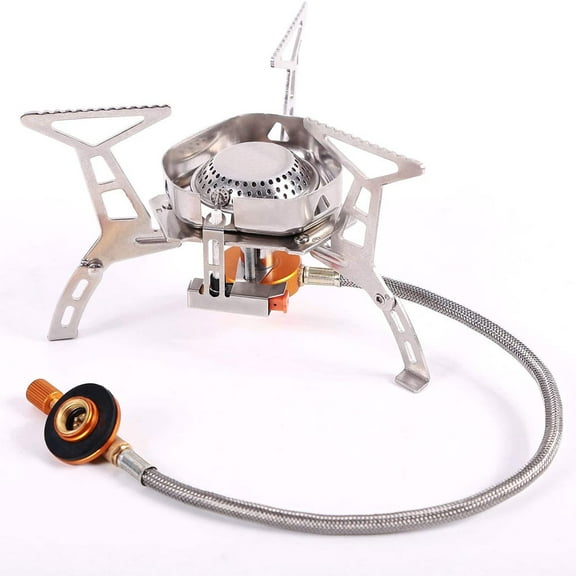
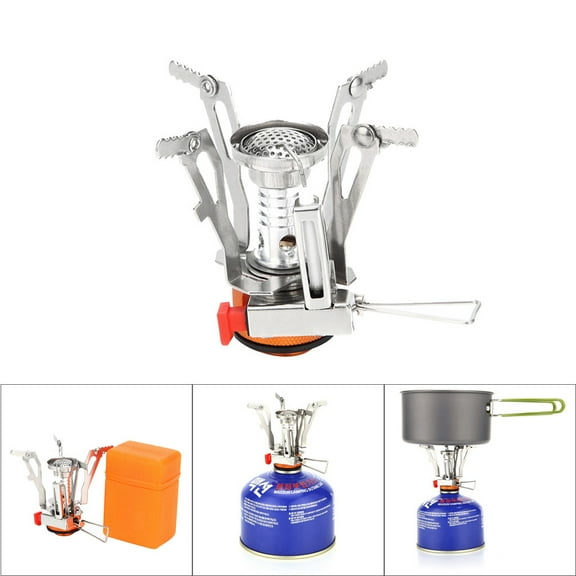
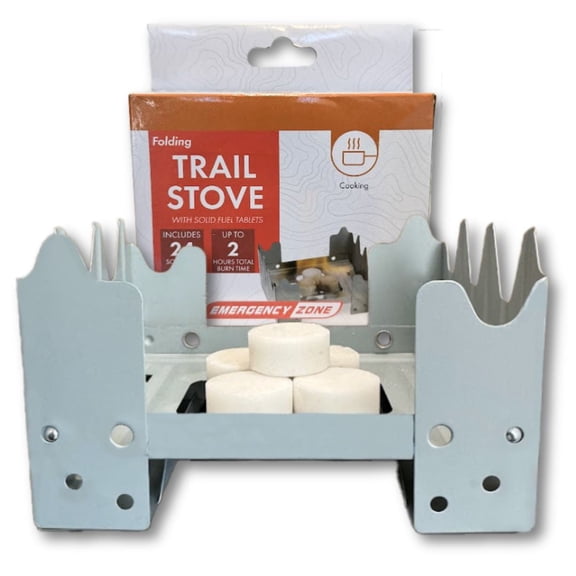

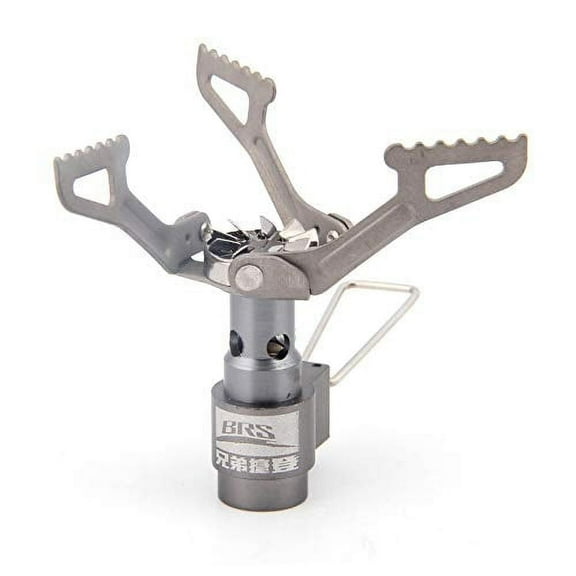





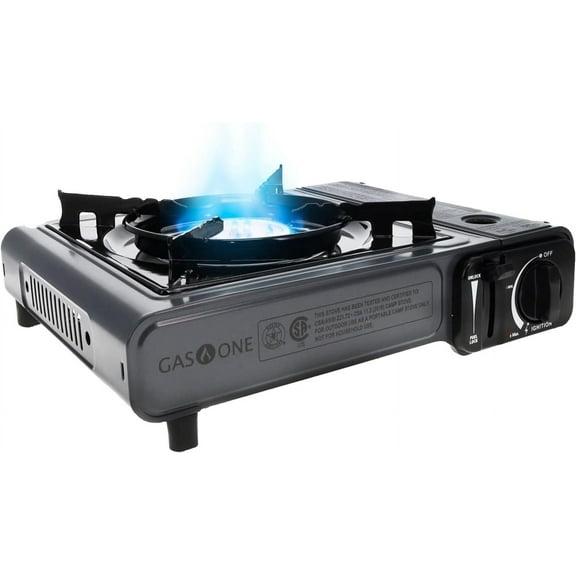
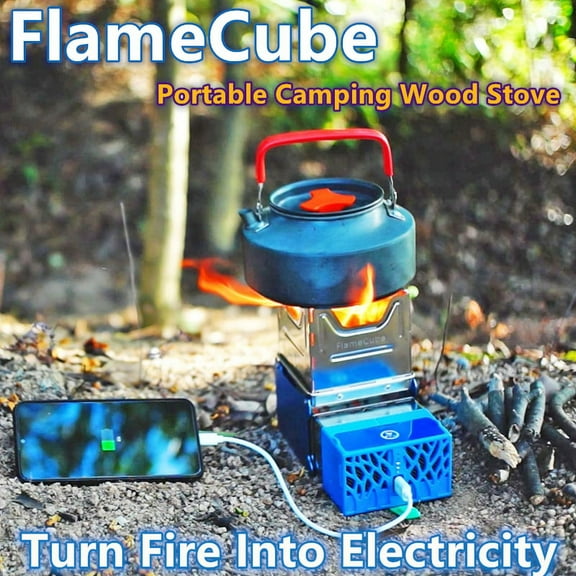
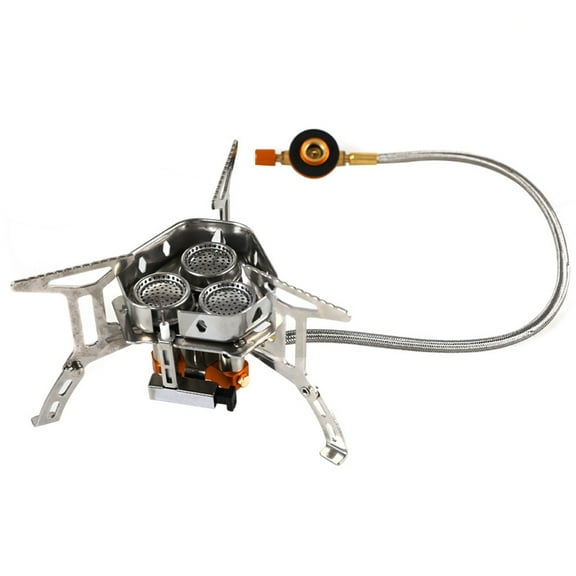

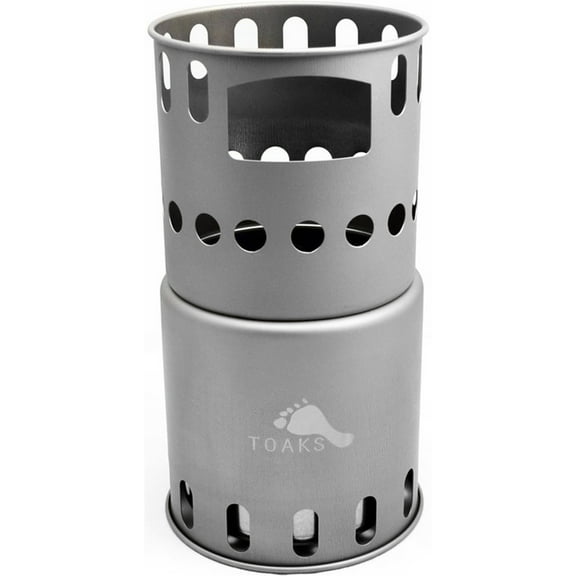





About Backpacking Stoves in Camp Kitchen - Walmart.com
Camping backpacking stoves make hot meals possible when your pack weight and space matter. On Walmart.com, compare compact burners, integrated systems, and fuel-ready kits for trail cooking.
Dial in a setup that matches your mileage, cookware size, and the way you like to eat outdoors. Focus on packability, stable pot support, and simple ignition for quick camp routines.
Why camping backpacking stoves belong in your pack
A reliable stove turns a water stop into a meal stop without carrying bulky cookware. You can boil water for coffee, heat packaged meals, or simmer simple one-pot recipes.
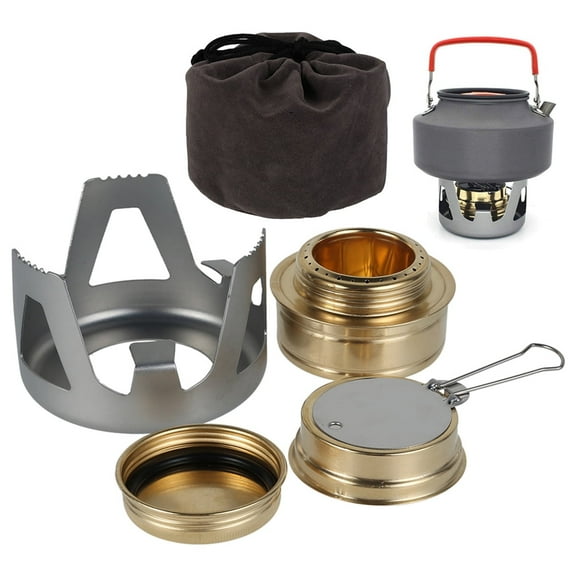
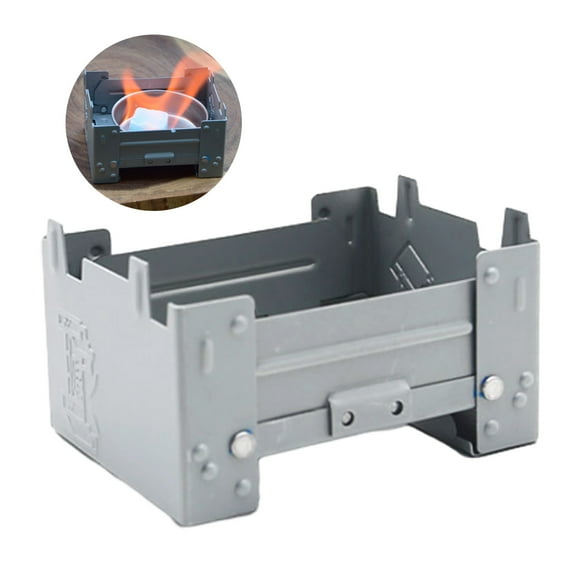
Small designs reduce clutter in your pack and keep your cooking gear organized. Many options nest into a cup or pot, so your kitchen packs down cleanly.
Control is the difference between warm food and scorched food at camp. Many models offer adjustable valves that let you move from fast boiling to steady simmering.
- Enjoy hot drinks and meals at camp without building a large cooking setup.
- Keep your food plan flexible with stoves sized for solo trips or group cooking.
- Pack more efficiently with compact burners that stow inside compatible pots.
- Cook with confidence on uneven ground using wide supports and stable bases.
Choosing the right backpacking camp stove
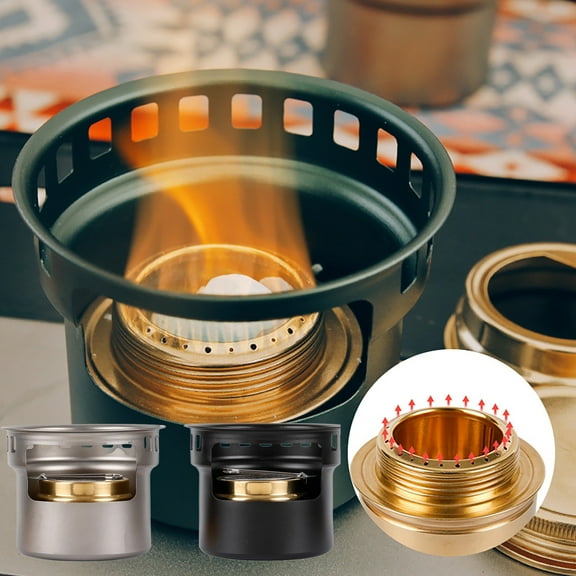
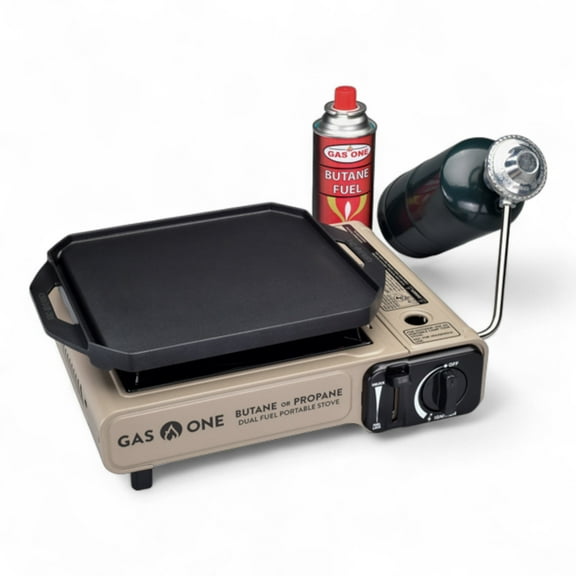
Start with fuel type, because it shapes weight, performance, and planning. Common choices include isobutane canister stoves and liquid fuel designs.
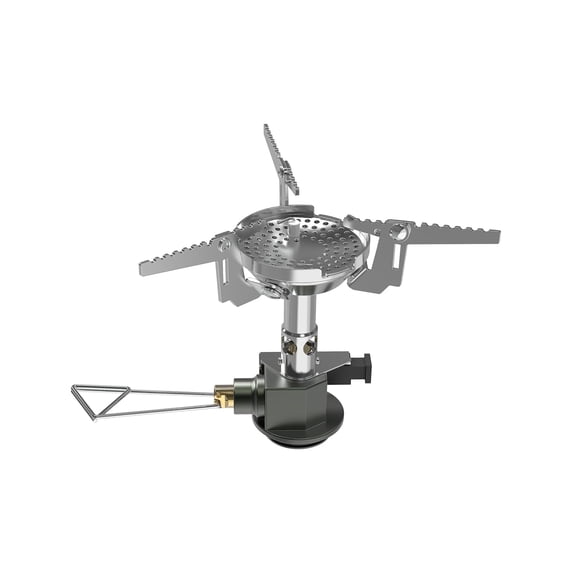
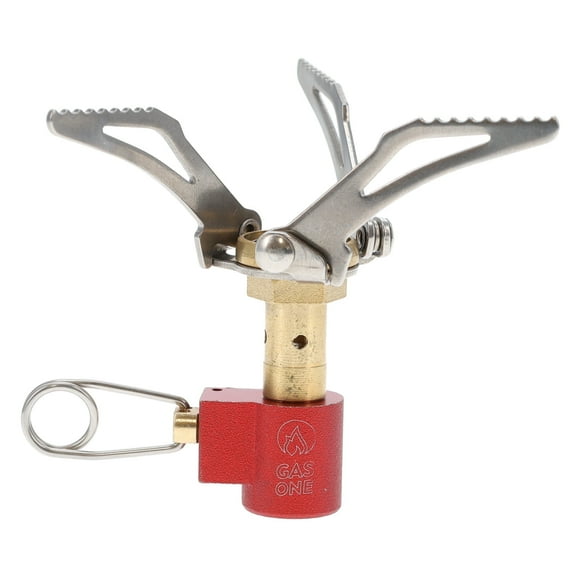
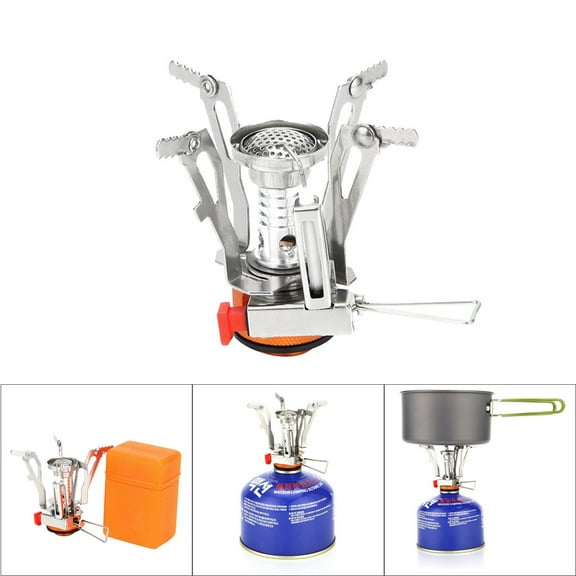
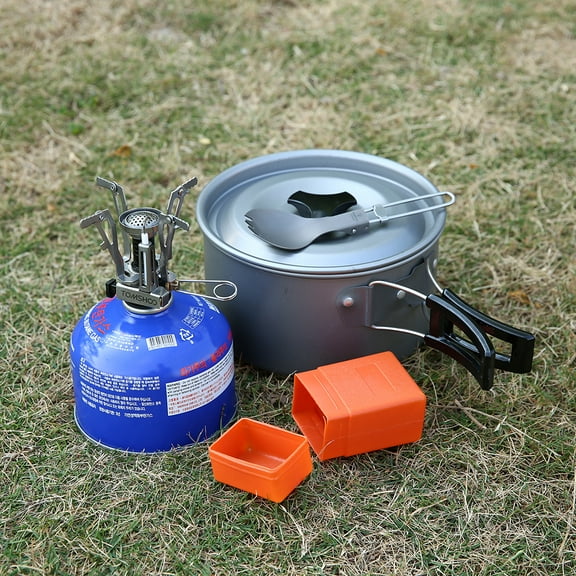
A canister backpack stove is simple for quick overnights and weekend hikes. It usually threads onto a fuel can and pairs well with compact pots.
Liquid fuel models can be a smart match for longer routes and larger pots. They often use a pump and bottle system that supports steady output.
Pay attention to total carried weight, not just burner weight. Include the fuel container, wind protection, pot, and any stand or base in your estimate.
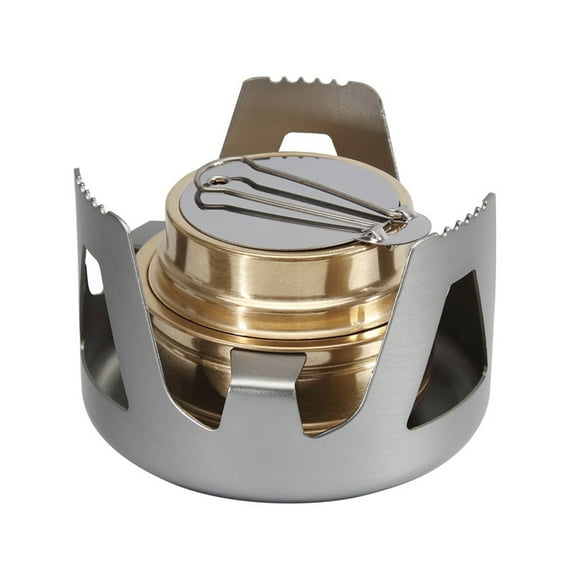
Pot support width affects stability when you’re stirring or pouring. Wider arms can fit broader cookware, while narrow supports suit small mugs and solo pots.
Ignition style changes your routine at camp. Some stoves use push-button ignition, while others rely on a match or spark tool.
Look at flame control if you cook more than boil-only meals. A smooth valve makes it easier to simmer grains, warm sauces, or rehydrate evenly.
Wind handling matters for consistent cooking performance. Many hikers pair a burner with a compatible shield or choose an integrated system with built-in protection.
Ultralight backpacking stove options for fast miles
An ultralight backpacking stove prioritizes minimal packed size and low weight. These models are popular for thru-hiking and long-distance routes.
A lightweight backpacking stove can still feel stable with the right pot pairing. Matching the burner to a narrow pot helps keep the center of gravity controlled.
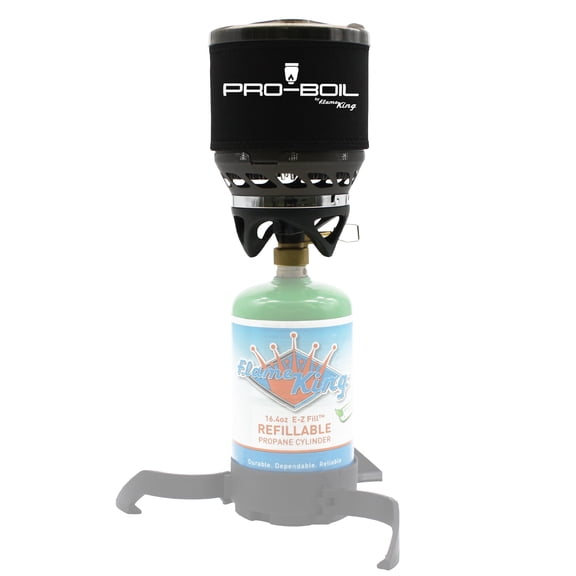
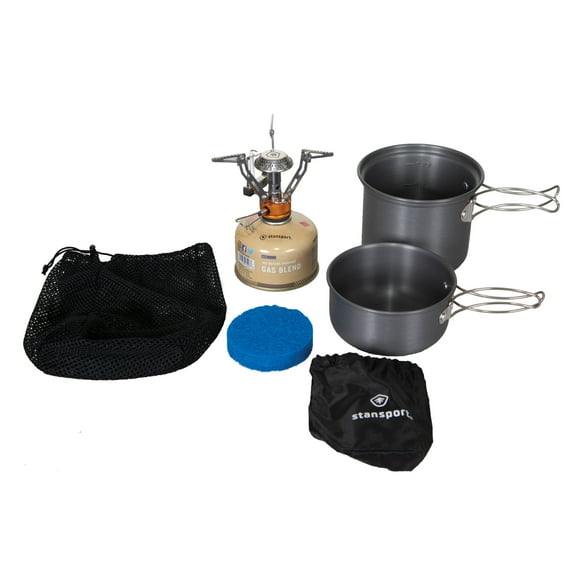
Integrated cooking systems combine burner and pot for efficient boiling. They often store compactly and can be convenient for simple menus on the move.
If you track fuel use, focus on how many boils you need per day. That habit helps you pick the right canister size and reduces unused carry weight.
Some hikers choose a simple burner for versatility with different pots. Others prefer a system built for fast water heating and easy packing.
Features that matter for a hiking camp stove
Product pages often list heat output in BTUs or similar ratings. Use it as a rough guide, and also consider pot size and wind exposure.
Boil-time estimates vary with pot volume, starting water temperature, and conditions. Compare boil times only when the test volume and setup are similar.
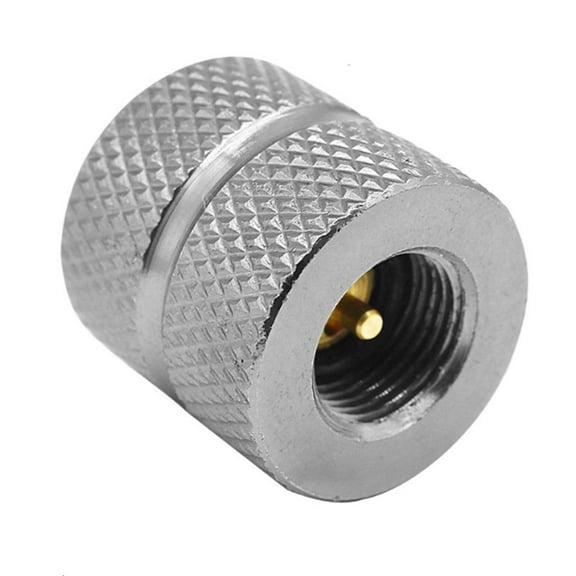
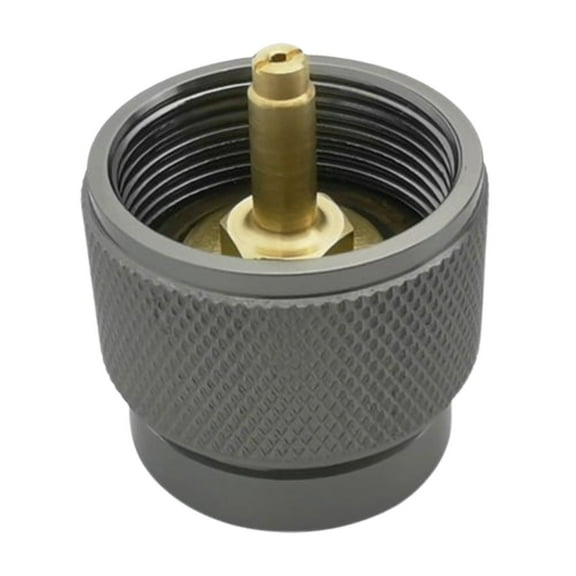
Thread compatibility is essential for canister stoves and accessories. Check connections for the burner, canister, and any adapter you plan to carry.
Simmer capability is useful for real cooking beyond boiling water. Look for valves designed for gradual adjustment and predictable low-flame control.
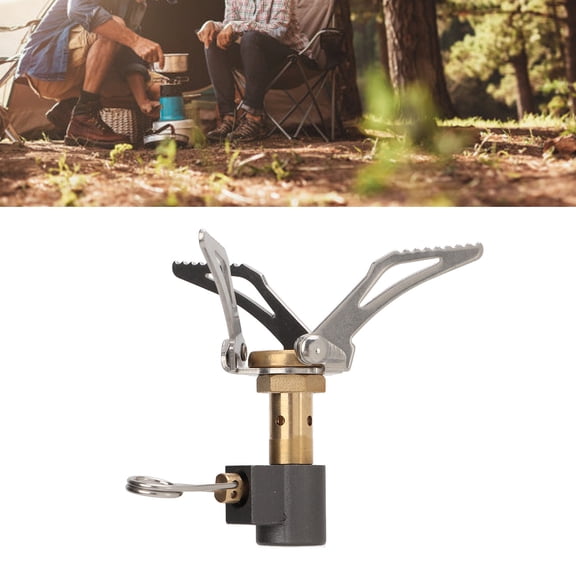
Pack size affects how your kit fits with food and layers. Many backpacking stoves fold down, and some tuck inside a dedicated pot.
Materials influence durability and weight in a small piece of gear. Titanium and aluminum parts can reduce weight, while steel can add toughness.
Some designs include a regulator for steadier output as fuel levels drop. That can help keep cooking times consistent across a canister’s lifespan.
Trail-ready ways to use a backpack stove
For quick overnights, pair a compact burner with a small pot and a spoon. That setup handles hot drinks, oatmeal, and simple rehydrated dinners.
For longer treks, choose a backpacking camp stove that supports repeat meals and variable conditions. A stable base and reliable valve make daily cooking easier.
For groups, a wider pot support and higher-capacity pot help serve multiple people. Some teams carry one stove and coordinate meals around a shared pot.
For day hikes with a long break, a hiking camp stove can power a warm lunch stop. It’s a simple way to add comfort without carrying a full kitchen.
If your menu needs simmering, plan for a lid and a controlled flame. That combination helps keep heat in and supports one-pot cooking.
When space is tight, choose nesting pieces that pack together cleanly. A compact stove and pot set can keep fuel and utensils in one place.
Get a setup that fits your route
Camping backpacking stoves perform effectively when the burner, pot, and fuel plan match your trip style. Choose the weight, stability, and flame control that make meals simple.
The right setup keeps your pack organized and your food routine consistent. You’ll spend less time fussing with gear and more time enjoying a hot meal.