

Artificial Grass in Lawn Care


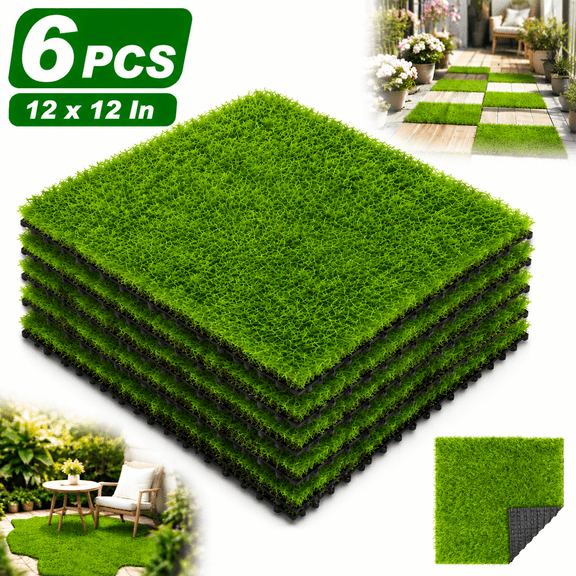

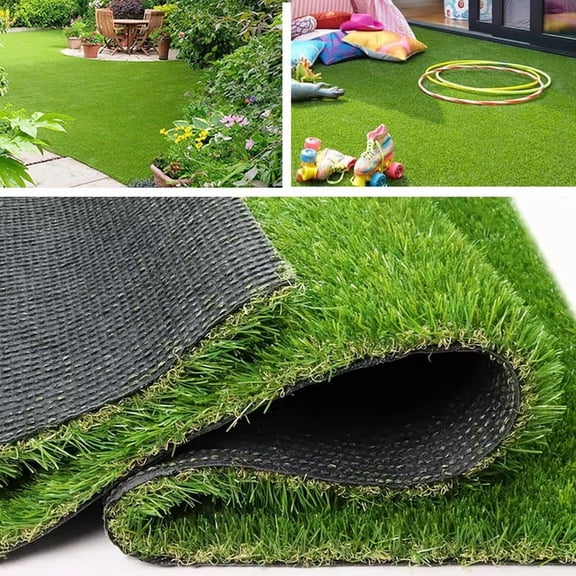

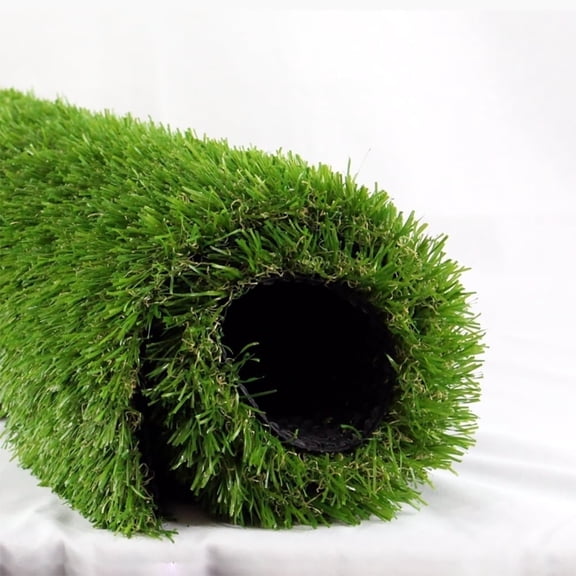
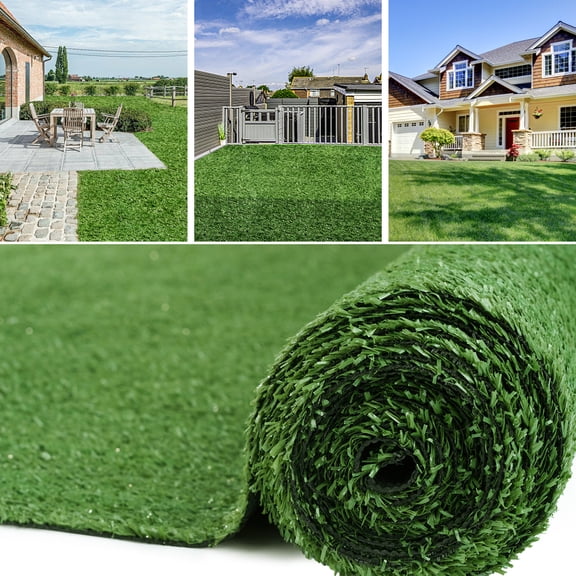

















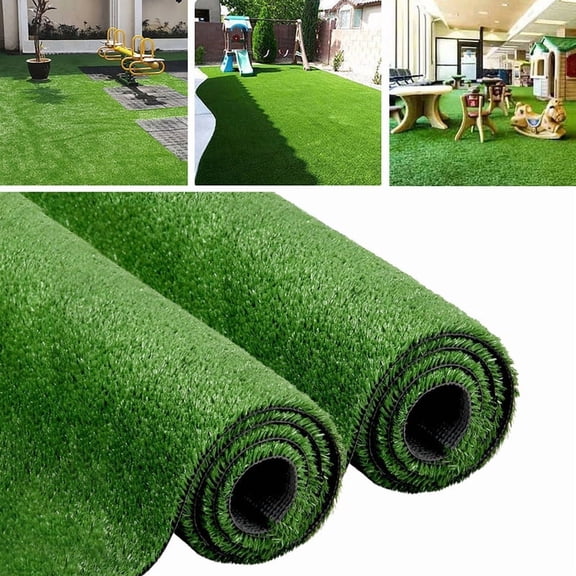
About Artificial Grass in Lawn Care - Walmart.com
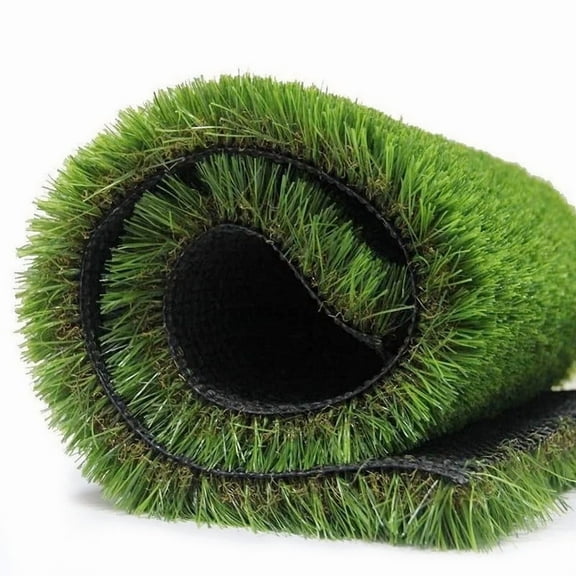
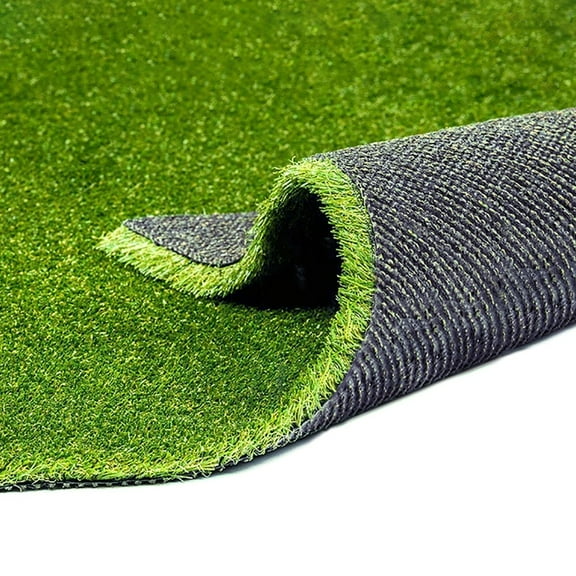
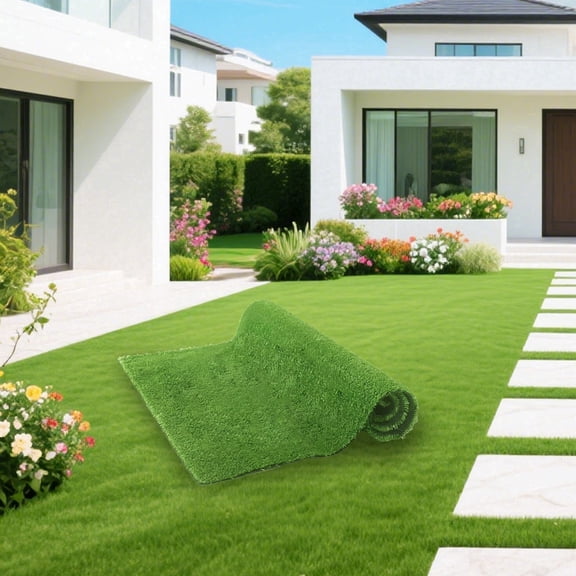
Artificial grass helps you create a green, finished outdoor space with less mowing and watering. You can compare pile height, drainage, materials, and roll size to match your yard, patio, or pet area.
If you're updating a balcony, play zone, or dog run, you need surface details that fit daily use. You can use this guide to understand which artificial turf features matter for comfort, cleanup, and installation.
How to choose artificial grass for your space
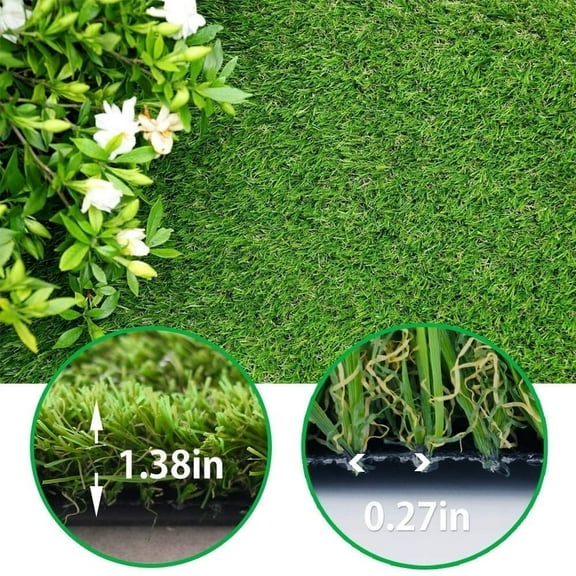
When you compare artificial grass, pile height is one of your first decisions. You can choose short, medium, or high blades based on traffic, softness, and the look you want.
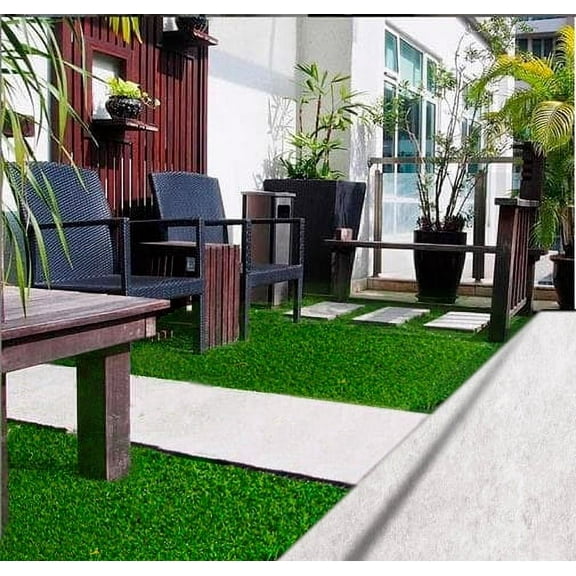
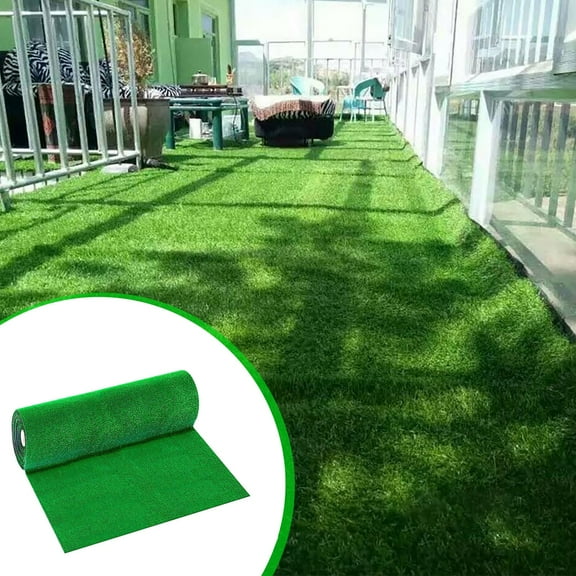
If you want an artificial grass rug effect on a balcony or patio, you may prefer short pile under one inch. You get a neater look, easier sweeping, and a lower profile around outdoor furniture.
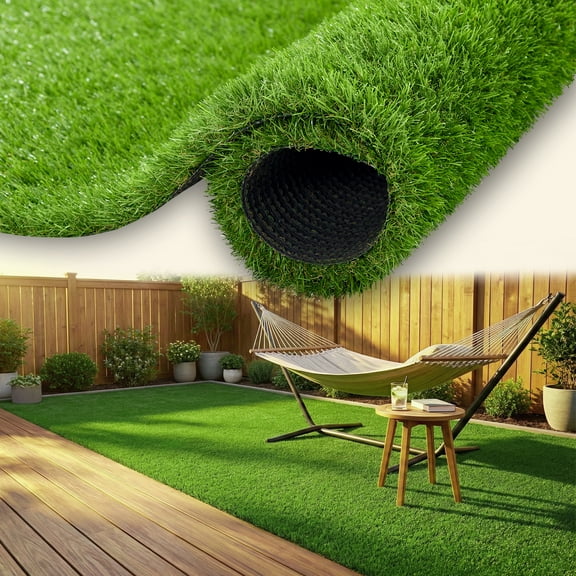
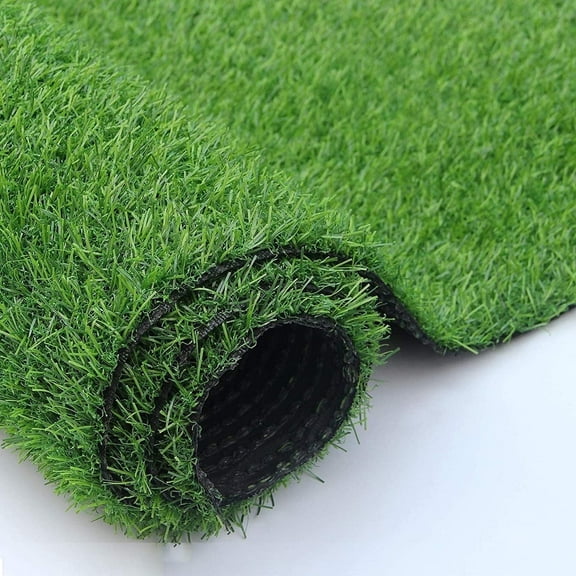
For landscaping, you may prefer medium pile from one to one and a half inches. You get a more natural appearance while keeping a practical surface for everyday foot traffic.
If your space needs extra cushion, you may consider high pile over one and a half inches. You can use it where softness matters, like play zones or lounge areas.
- You can use short pile for patios, balconies, and decorative edging.
- You can choose medium pile for front yards, backyards, and general landscaping.
- You can consider high pile when your space calls for a softer, fuller look.
- You can compare pre-cut rolls and custom cut by the foot for easier planning.
Choosing materials and drainage in synthetic grass
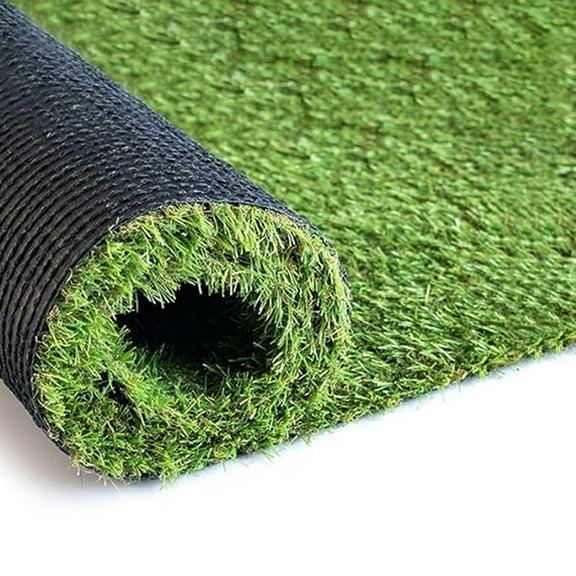
When you review synthetic grass materials, you can usually compare polyethylene, polypropylene, and nylon. You can use each material differently depending on texture, traffic, and placement.
If you want a softer feel, you may look at polyethylene options for everyday outdoor spaces. If you need a firmer surface, you may compare polypropylene for lighter decorative use.
When your space handles repeated activity, you may check nylon for stronger resilience. You can use that added structure in areas where you expect steady movement.
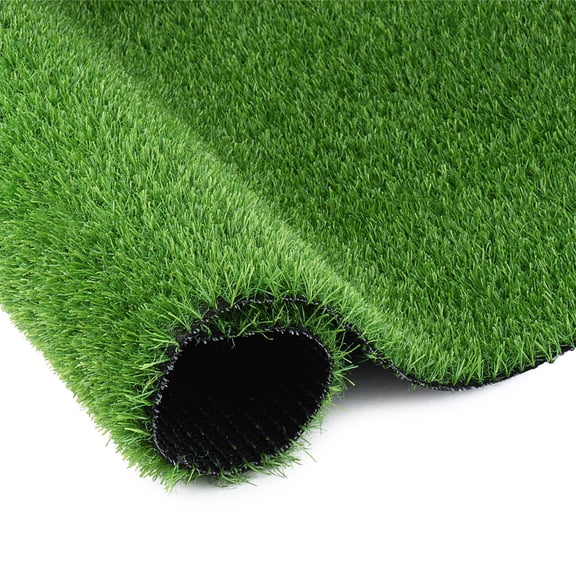
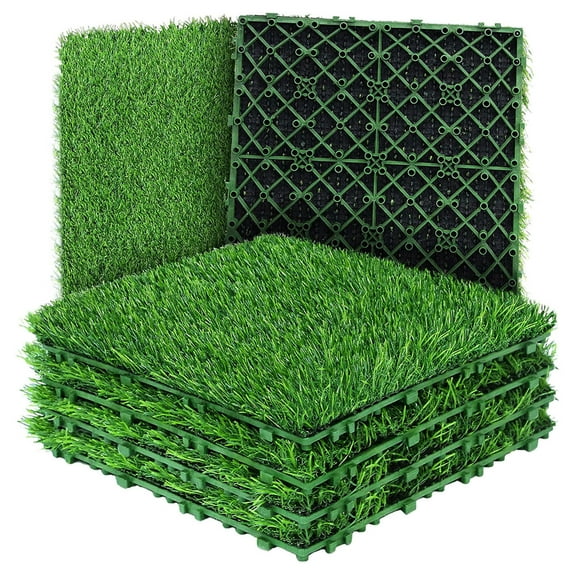
Drainage matters when your surface sees rain, rinsing, or pet cleanup. You should compare perforated backing and permeable backing, because each one moves water differently.
With perforated backing, you get punch holes that channel water through set openings. With permeable backing, you get drainage across the backing, which can suit broader wet areas.
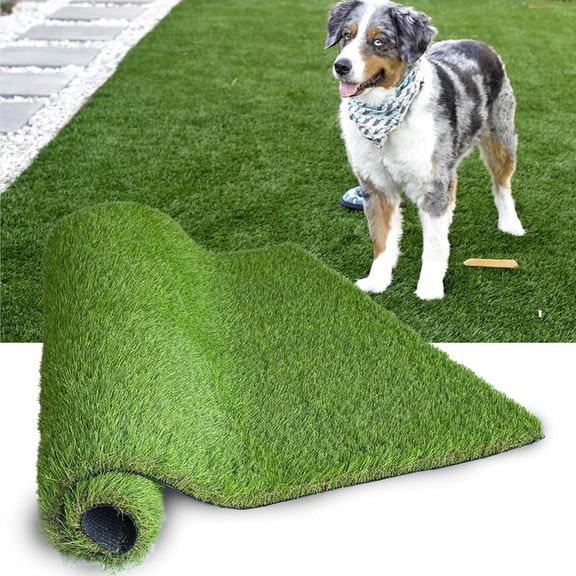
If you're choosing fake grass for dogs, you should check both backing style and material details. You want a surface that rinses easily and dries efficiently after regular use.
Matching artificial turf to pets, patios, and play
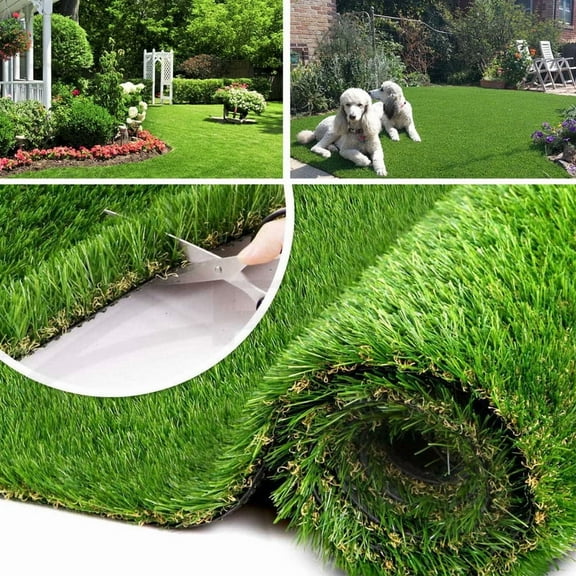
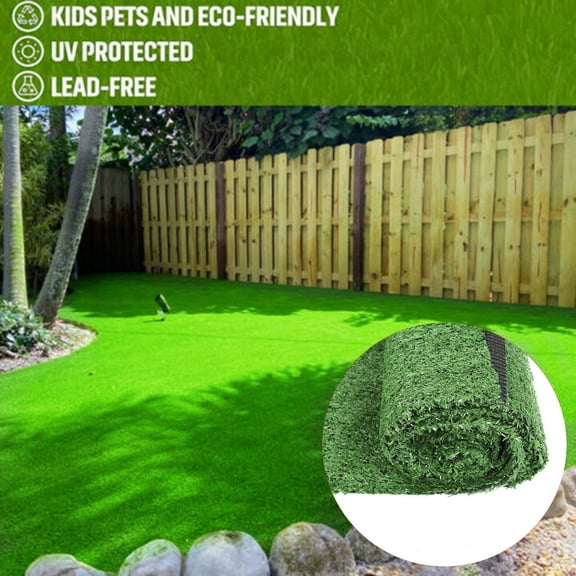
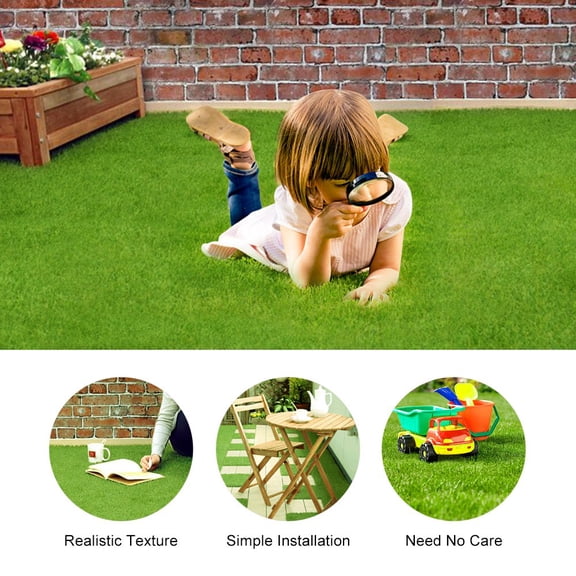
If your yard includes pets, you need artificial turf that supports simple cleanup and repeated activity. You should look for comfortable pile, drainage details, and materials that fit everyday outdoor use.
For fake grass for dogs, medium pile often gives you a practical balance of softness and easier maintenance. You can pair that height with permeable or perforated backing based on how your space drains.
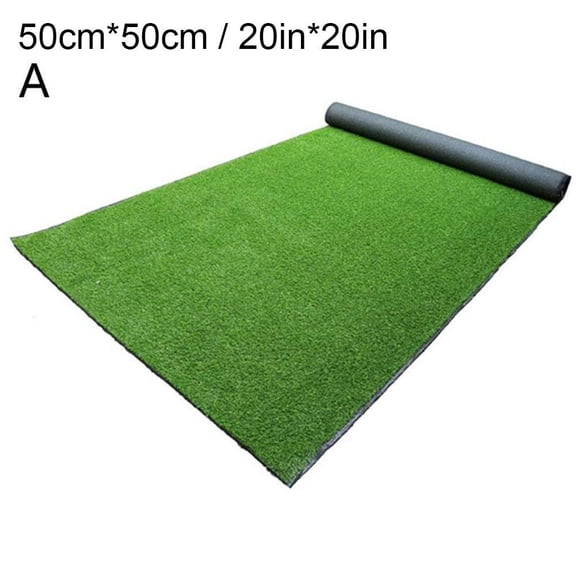
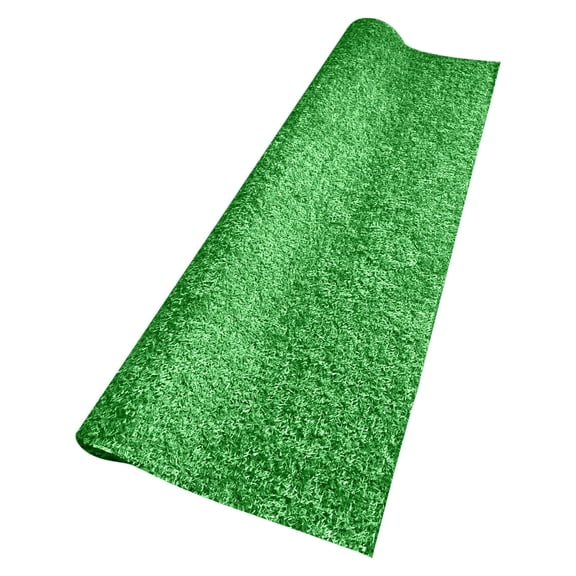
On a balcony or patio, you may want an outdoor artificial turf rug that feels finished without adding much height. You can choose shorter pile and pre-cut rolls for a simpler fit around doors and furniture.
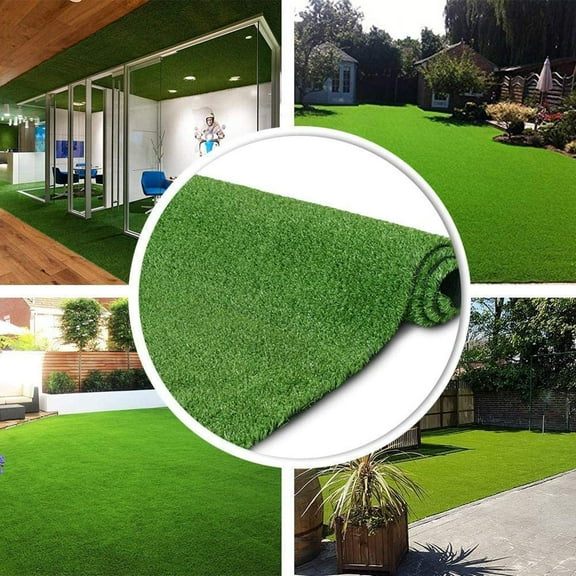
In landscaping zones, you may want broader coverage with a natural-looking surface. You can compare custom cut by the foot options when your layout includes curves, borders, or larger sections.
For sports or play areas, you should think about traffic before texture alone. You can compare denser constructions and practical pile heights that stay usable through frequent movement.
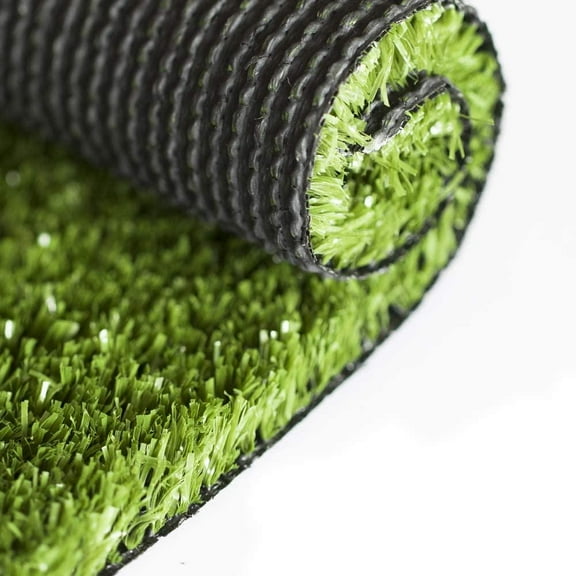
If you're considering a synthetic grass roll for a larger project, you should measure edges, pathways, and transitions first. You can reduce trimming and improve layout planning when your dimensions are clear.
What to look for before you install artificial grass
You don't always need professional help if your project is straightforward and your measurements are accurate. You can often install smaller sections yourself on patios, balconies, or simple lawn shapes.
Before installation, you should measure your area and compare roll widths carefully. You can check whether pre-cut rolls or custom lengths create fewer seams in your layout.
You should also think about the base under your artificial grass before you choose a style. You can place different turf types over surfaces that match the intended use and finished feel.
When your project includes pets, you should pay close attention to drainage rate and backing design. You can make cleanup easier when water passes through and the surface rinses without pooling.
If your project is mainly decorative, you may focus more on color, pile height, and edge fit. If your project handles daily foot traffic, you should compare durability and material feel more closely.
With the right artificial grass choice, you can create a cleaner-looking space that fits pets, patios, and landscaping plans. You get a surface that stays visually consistent and easier to maintain through changing weather.