


Altimeters in Outdoor Navigation



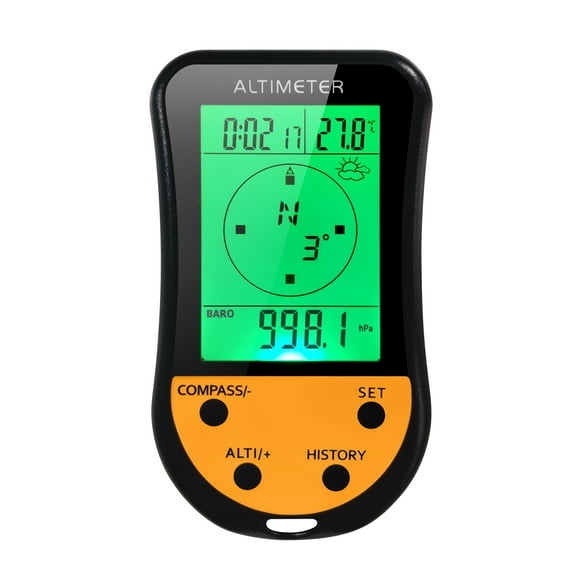




![NFTIGB Portable Multifunctional Electronic Weather Altimeter Altitude Barometer Digital Compass (3.6 x 2.0 inches / 9.1 x 5 cm) [cite: 7, 8]](https://i5.walmartimages.com/seo/NFTIGB-Portable-Multifunctional-Electronic-Weather-Altimeter-Altitude-Barometer-Digital-Compass-3-6-x-2-0-inches-9-1-x-5-cm-cite-7-8_4230f7b0-521f-40fa-8c4f-0637ae8cef95.a3b76f431b0815a150c2f7c267c165cf.jpeg?odnHeight=576&odnWidth=576&odnBg=FFFFFF)
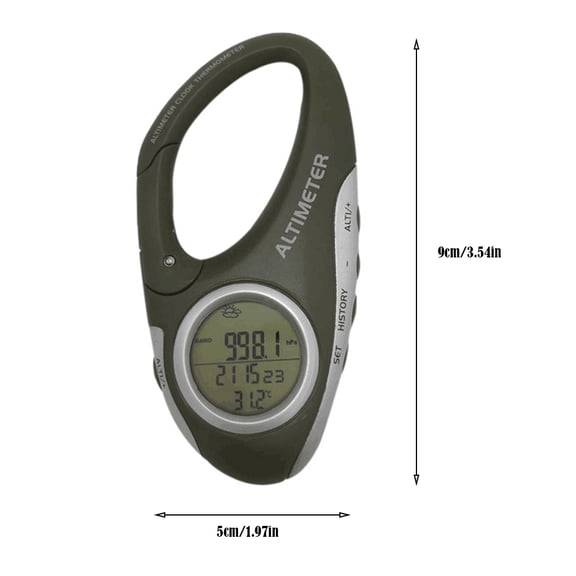
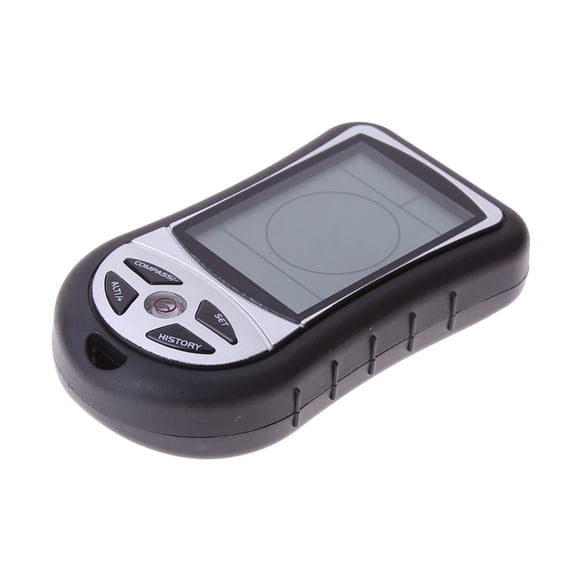

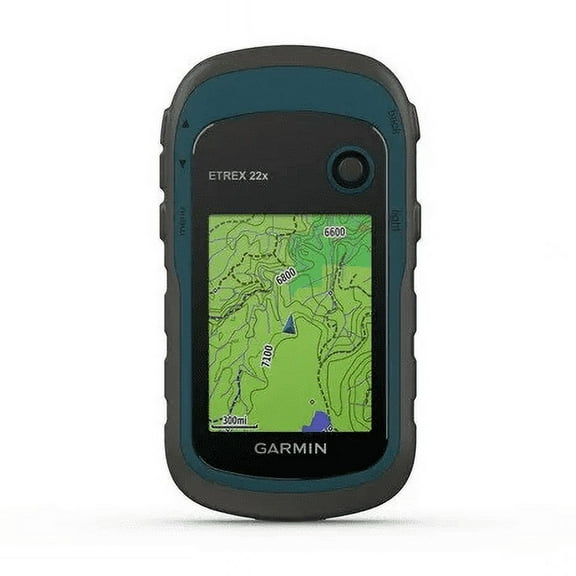


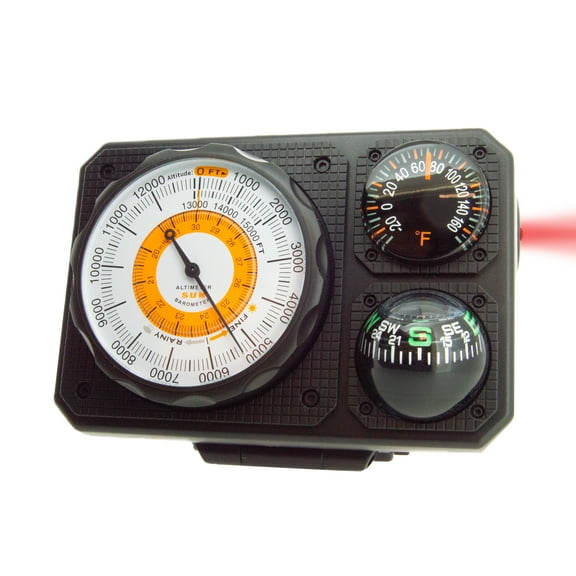




About Altimeters in Outdoor Navigation - Walmart.com
You can compare an altimeter by how you carry it, how it measures elevation, and how clearly it supports your route decisions outdoors. You'll find this category especially useful when your hiking, climbing, or mountaineering plans depend on quick elevation checks and compact navigation tools.
When you review category options, you'll want to match size, sensor style, and display type to your terrain and pace. You can also use this guide to understand handheld altimeter choices, pocket designs, and mixed altimeter and barometer functions.
Choosing the right altimeter form factor
You should start with form factor because your carry style affects how often you'll actually check elevation on the trail. You'll usually see handheld, pocket, and wrist-mounted designs, and each one fits a different outdoor routine.
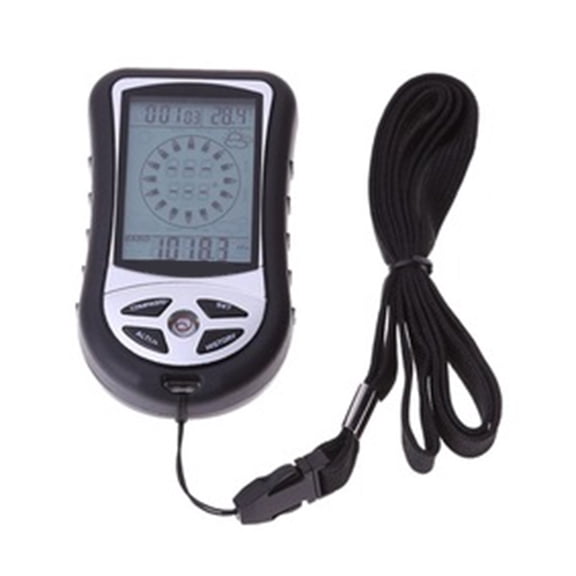
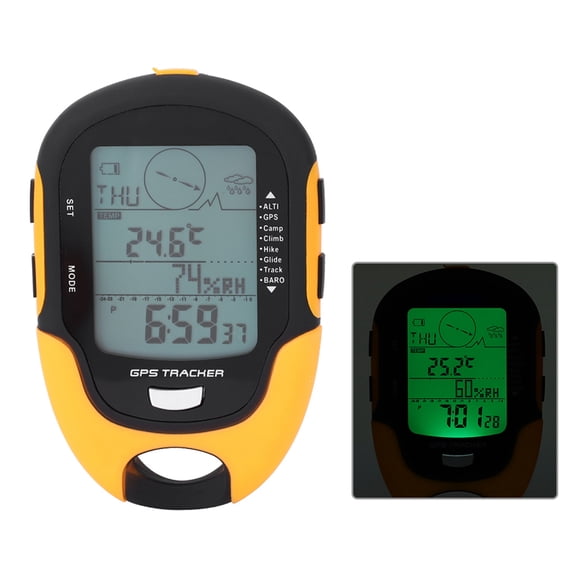
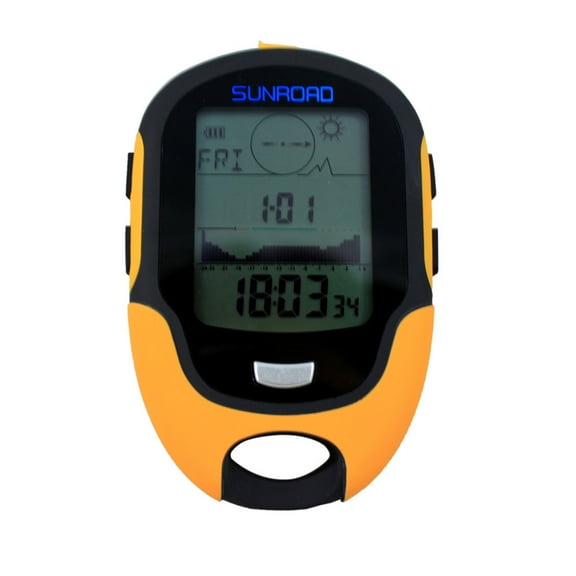
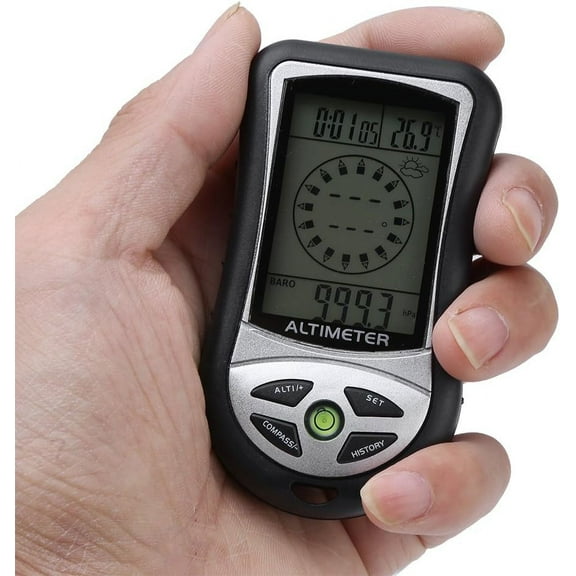
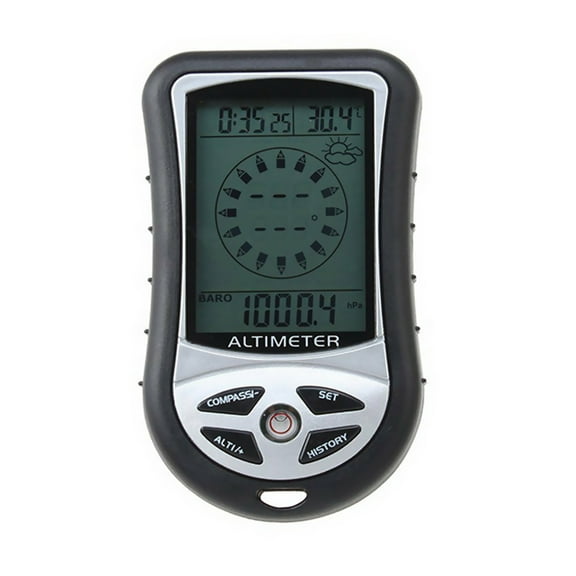
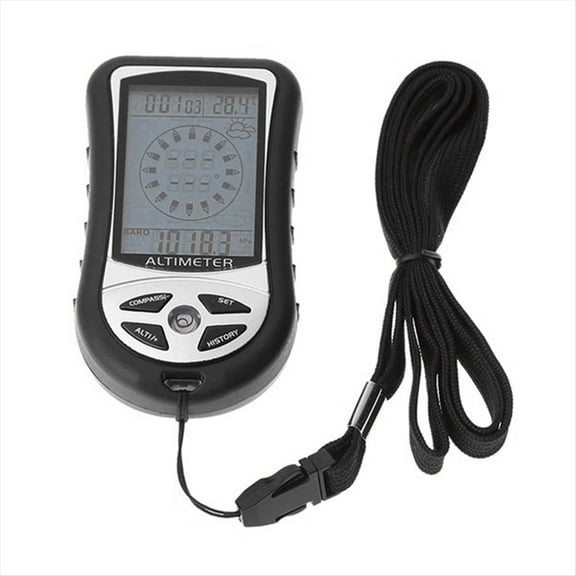
If you want a larger grip and easier button access, you may prefer a handheld altimeter during steep climbs or glove-friendly use. If your priority is compact carry, you may lean toward a pocket altimeter that slips into a jacket or pack pouch.
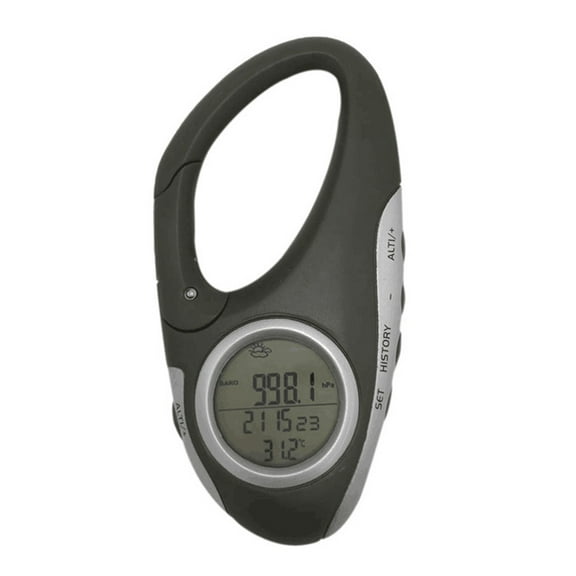
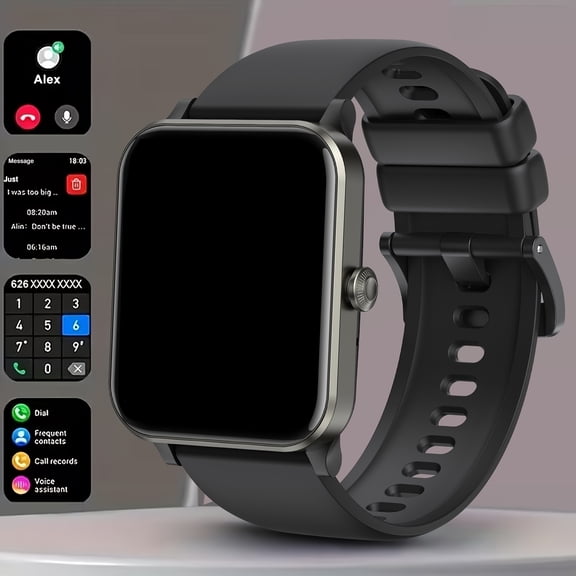
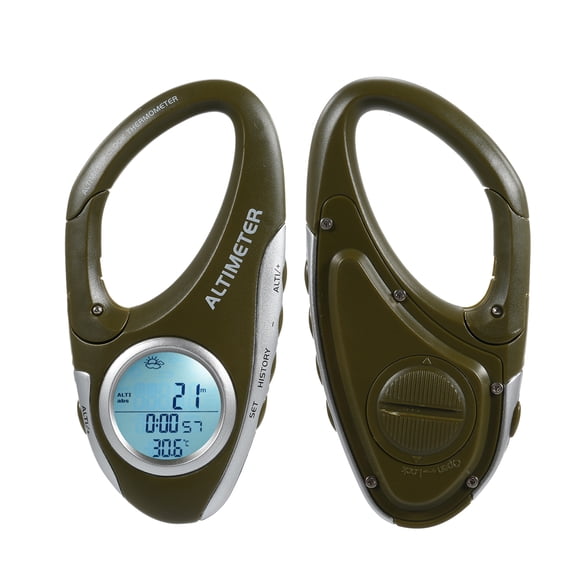
When you want quick glances without stopping, you may consider a wrist-mounted model for continuous visibility. You'll notice that this style can feel natural during trekking pole use, scrambling, or fast-paced ascents.
How to compare benefits for hiking and climbing
You can use altitude awareness to track progress on switchbacks, ridgelines, and summit approaches with more context. You'll also get a clearer sense of where you are on an elevation profile when trail markers are limited.
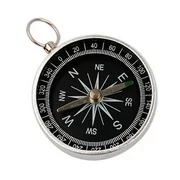
Many shoppers also want tools that combine navigation functions in one compact device. You'll often see interest in digital compass features, including searches for brujula digital, when you want heading and elevation together.
- You can monitor elevation changes during hiking, climbing, and mountaineering routes.
- You can choose compact carry options that fit pockets, packs, or wrists.
- You can compare combined altimeter and barometer functions for weather trend awareness.
- You can pick analog or digital displays based on battery preference and readability.
If you're planning backcountry days, you'll appreciate gear that helps you check altitude without pulling out a phone. You'll also benefit from tools designed for cold weather handling and quick trail reference.
For mountain travel, you may want a unit that supports both elevation checks and directional awareness in one place. You'll simplify your kit when fewer separate tools are needed in your pack.
What to look for in sensor technology
You should compare barometric, GPS-based, and digital measurement styles before you narrow your choice. You'll make a smarter decision when you connect each technology to your route conditions and how you prefer to track elevation.
A barometric model uses air pressure changes to estimate altitude, so you'll often get responsive readings during climbs and descents. You'll need occasional calibration because barometric pressure calibration helps keep elevation readings aligned with known starting points.
A GPS-based model uses satellite data, so you'll like it when you want location-linked altitude tracking across mapped routes. You'll need to consider GPS signal acquisition because tree cover, canyons, or weather can affect how quickly readings appear.
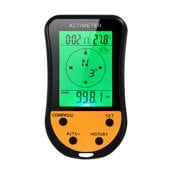
If you want straightforward readability, you may focus on digital options with clear screens and simple controls. You'll also find digital styles useful when you want combined data like heading, time, or barometric trend indicators.
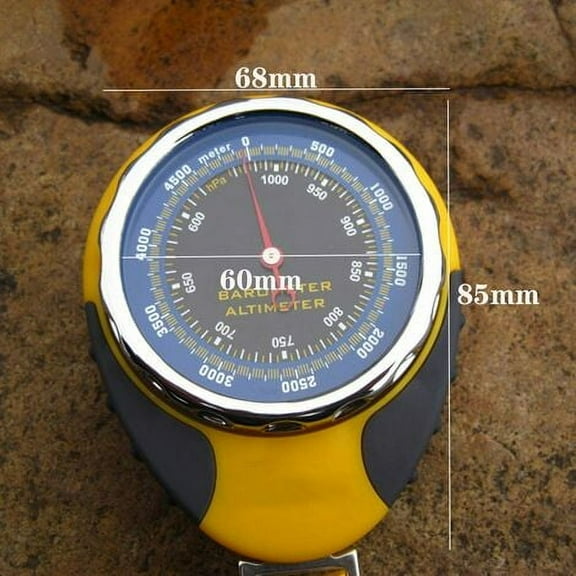
Some shoppers prefer an altimeter and barometer combination because it adds weather pattern context to elevation tracking. You'll use barometric trend indicators to watch pressure direction, which can help you interpret changing mountain conditions.
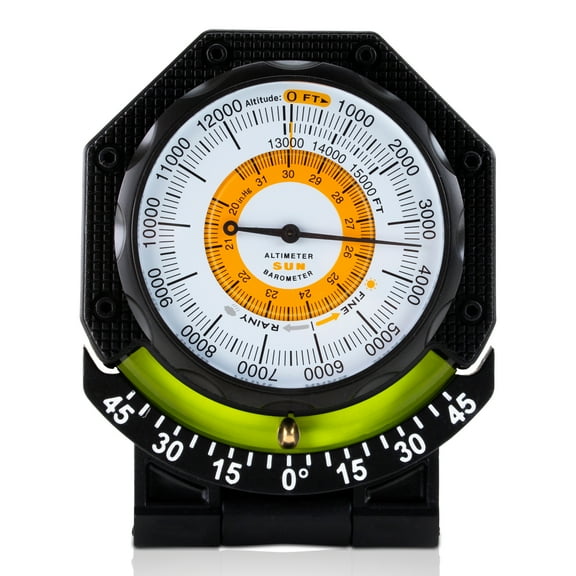
Display type matters too, especially if you compare analog faces with digital screens. You'll often choose analog when you want reduced battery dependence, while digital can suit you when you want faster data checks.
Matching altimetry features to real use cases
You can think about altimetry in terms of where and how you move outdoors. You'll usually need different features for day hikes, technical climbing, and longer mountaineering trips.
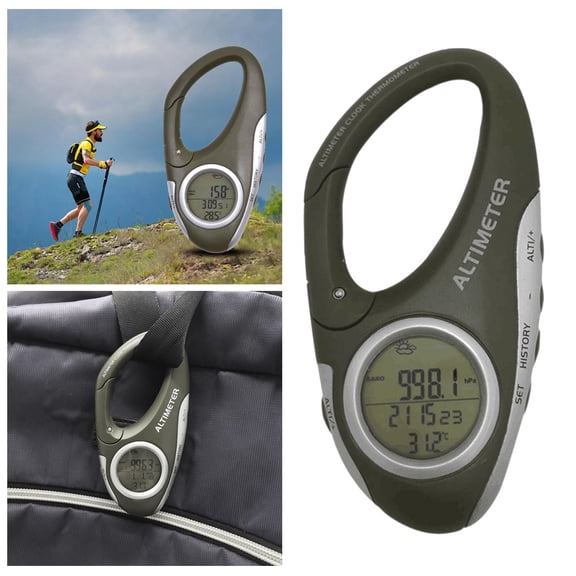
For hiking, you may want a compact unit that checks elevation at trail junctions and scenic overlooks. You'll likely prefer pocket carry or wrist access when you want less bulk during long miles.
For climbing, you may prefer a handheld altimeter with buttons you can manage quickly during route breaks. You'll also want a display that stays readable when you pause briefly on ledges or exposed sections.
During mountaineering, you may prioritize layered information from altitude, pressure trend, and directional tools in one device. You'll benefit from an altimeter and barometer setup when changing elevation and weather patterns both matter.
If you want a simple backup to a larger navigation setup, you may choose analog styling with fewer power concerns. You'll appreciate that approach when you want a dedicated elevation tool that works as part of a broader kit.
When you compare handheld altimeter, wrist-mounted, and pocket formats side by side, you'll see that convenience changes by activity. You'll make the right pick by matching carry method, sensor type, and display to your normal terrain.
Altimeter questions shoppers often ask
You may ask how much does an altimeter cost when you compare entry-level tools with advanced outdoor instruments. You'll usually see costs vary by sensor technology, display type, and whether your unit combines compass or barometric features.
You may also ask what altimetry means in everyday use. You'll see altimetry refers to measuring elevation, which helps you track altitude changes during hiking, climbing, and mountain travel.
If you're deciding between an altimeter and barometer, you'll want to know that both can work together in one device. You'll use altitude readings for elevation checks, while barometric information adds pressure trend insight.
You can shop this category with more clarity when you understand form factor, sensor technology, display style, and intended terrain. You'll end up with an outdoor tool that fits your carry preference and gives you quicker elevation insight when every step counts.