



Find auto parts that fit
Let’s search for parts that fit your vehicle.A/C Refrigerant Charging Hoses in Refrigerants

















About A/C Refrigerant Charging Hoses in Refrigerants - Walmart.com
Your a/c refrigerant charging hose choice affects fit, reach, and connection style when you service vehicle air conditioning systems. You need the right hose setup for your refrigerant type, fitting size, and engine bay access.
If you're replacing a worn line or building a car ac recharge kit, you'll want clear guidance before you choose. You can compare hose length, gauge setup, and coupler style to narrow the right option directly.
How to choose an a/c refrigerant charging hose
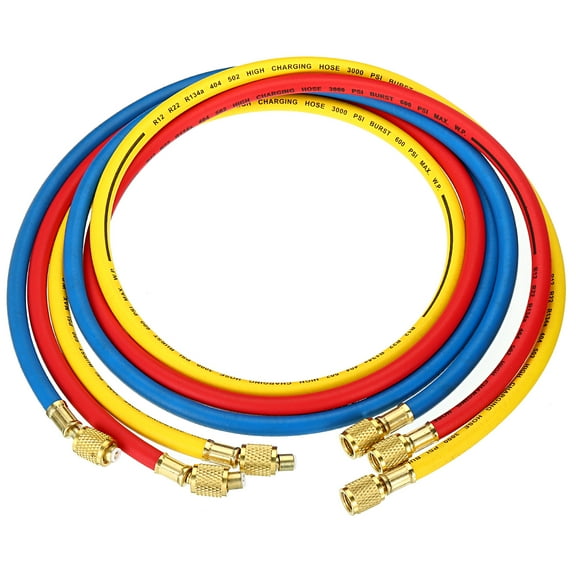
You should start with refrigerant compatibility because fittings vary across service systems. You can avoid mismatch issues by checking whether your setup uses R134a, R1234yf, R22, or R410a connections.
You'll also want to compare connection sizes before you order. You may see 1/4 inch SAE, 1/2 inch ACME, or 5/16 inch fittings, and each size matches specific service equipment.
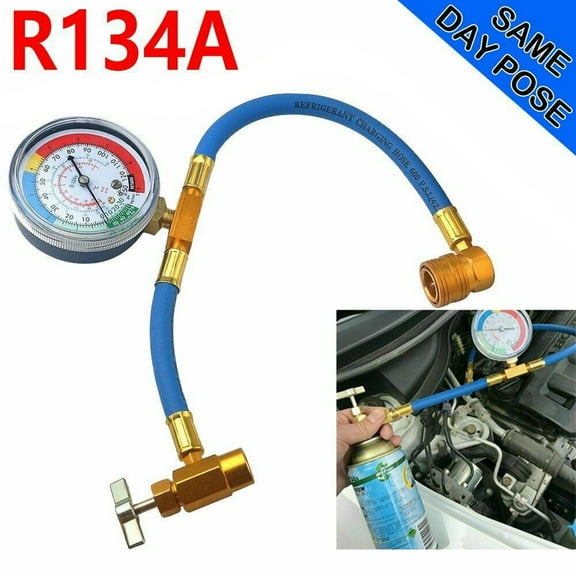
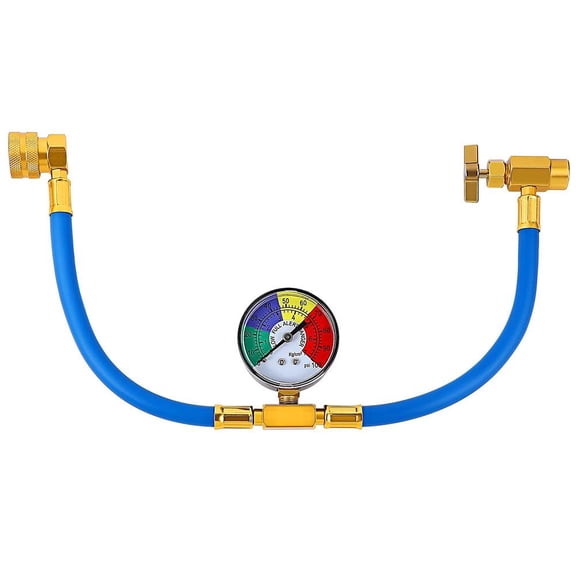
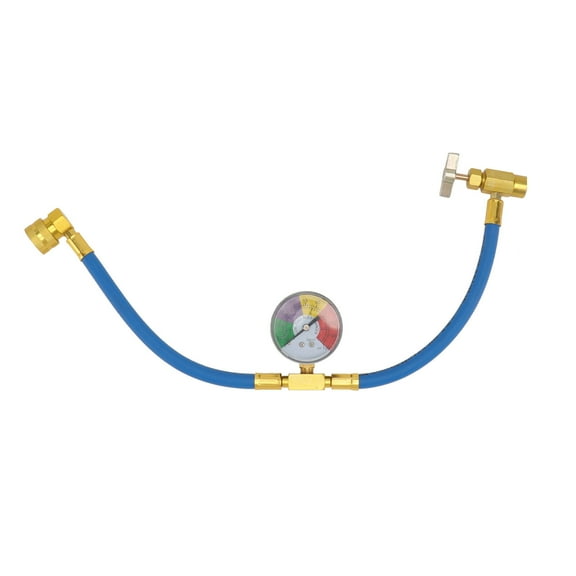
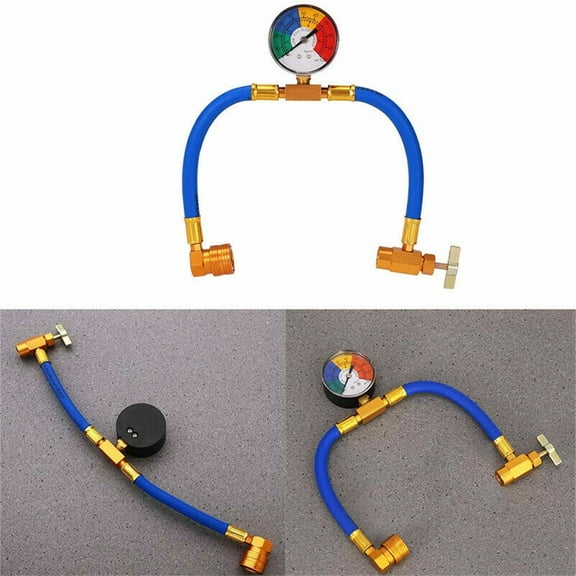
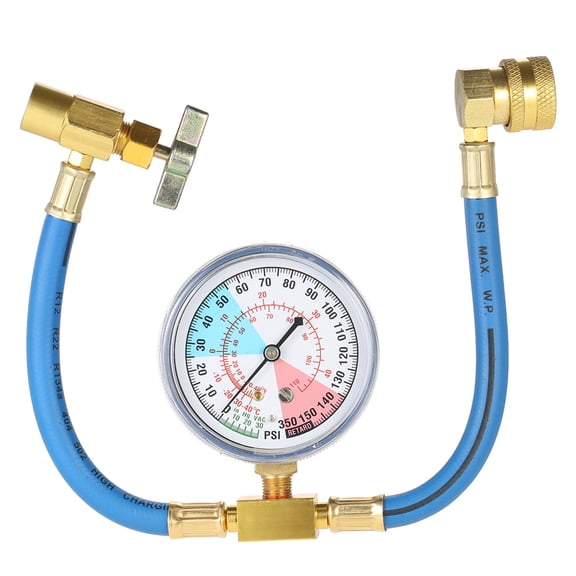
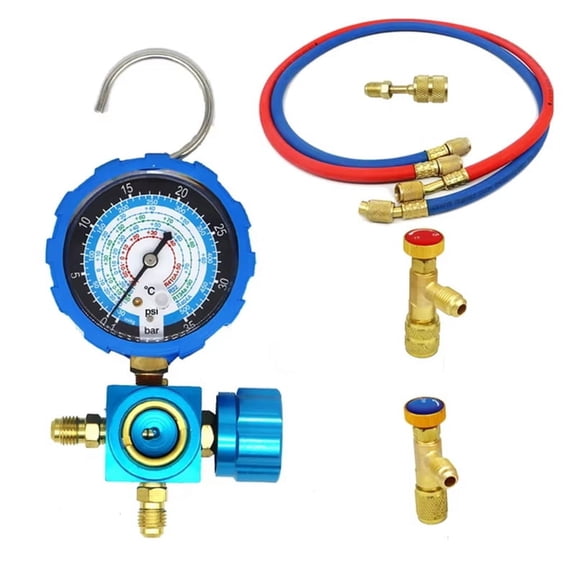
When you review gauge integration, you can decide how much built-in reading support you want. You may prefer a simple hose, or you may choose an ac recharge hose with gauge.
- You can match hose fittings to your refrigerant system and service ports.
- You can choose a hose length that reaches tight engine bay access points.
- You can compare gauge and coupler styles for simpler connection checks.
- You can build a setup that fits occasional recharges or repeat garage use.
Choosing refrigerant compatibility and fittings
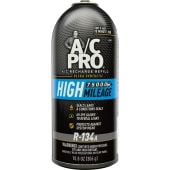
You should treat refrigerant compatibility as a primary decision, especially with modern vehicle systems. You can use an r134a charging hose for older passenger vehicle service setups that use that fitting standard.
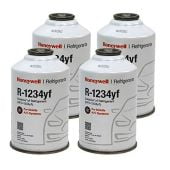
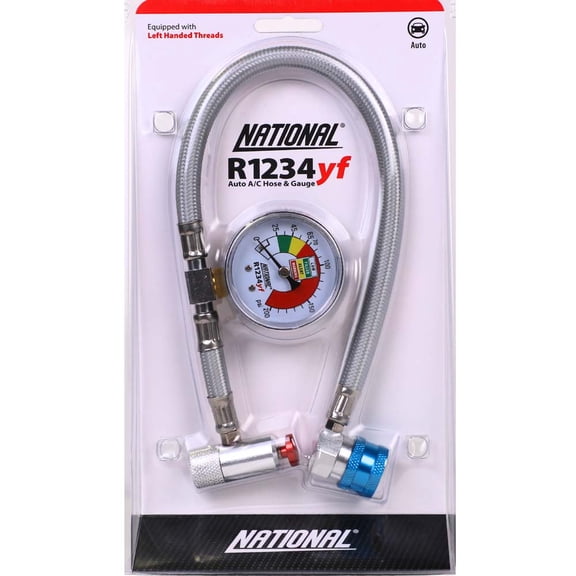
If your vehicle uses current service ports, you'll need to check for R1234yf compatibility. You can also compare coupler shape and thread pattern, because those details affect attachment control.
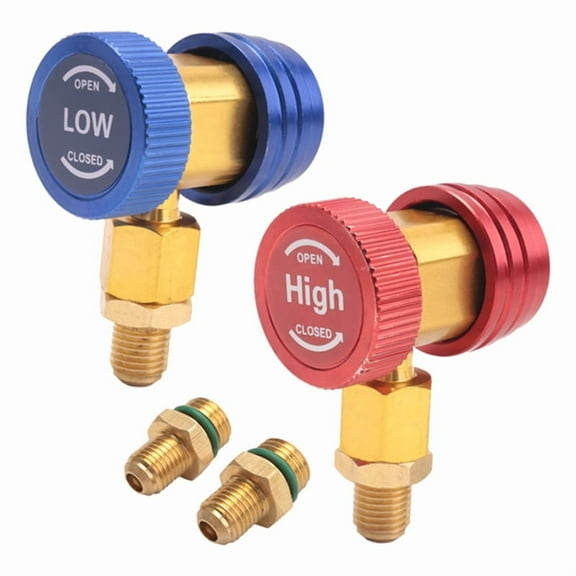
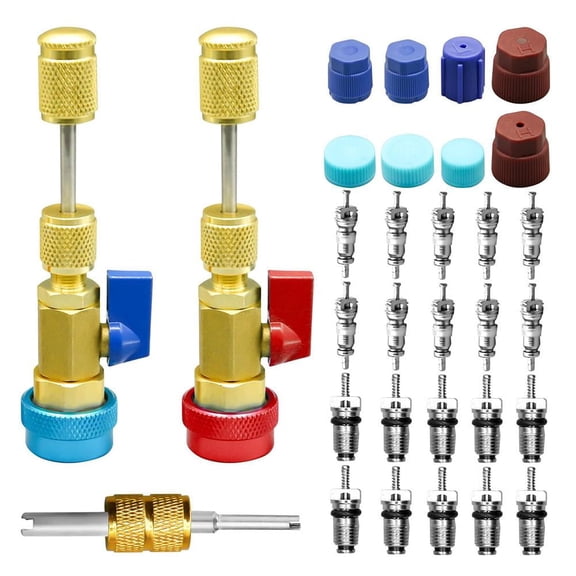
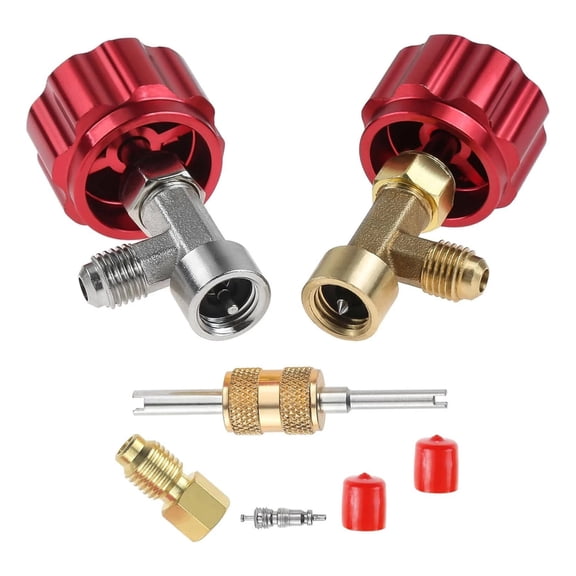
You may notice that auto ac recharge hose options often list couplers in the title. You should look for a refrigerant charging hose with coupler when you want fewer separate parts.
Connection size matters when you pair your hose with gauges, cans, or manifold tools. You can compare 1/4 inch SAE, 1/2 inch ACME, and 5/16 inch ends to confirm fit.
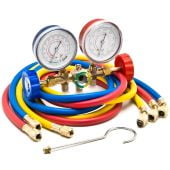
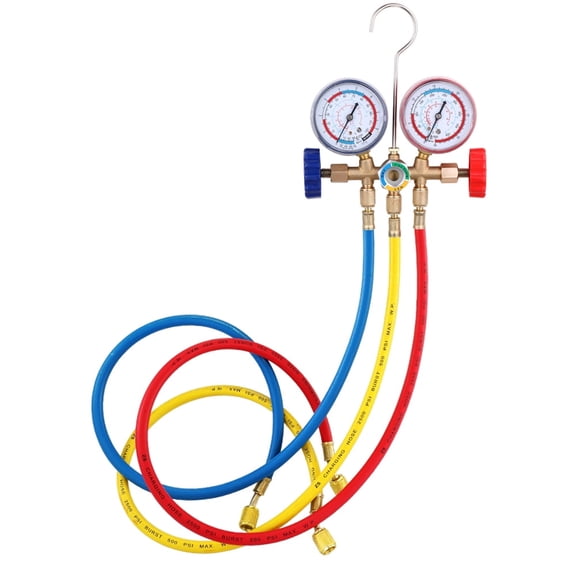
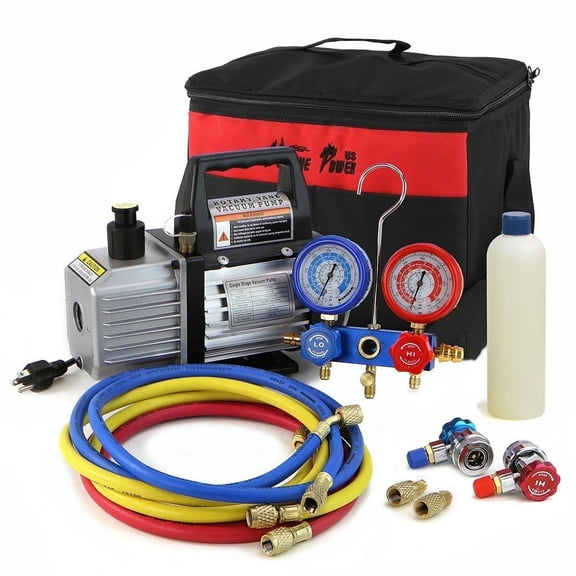
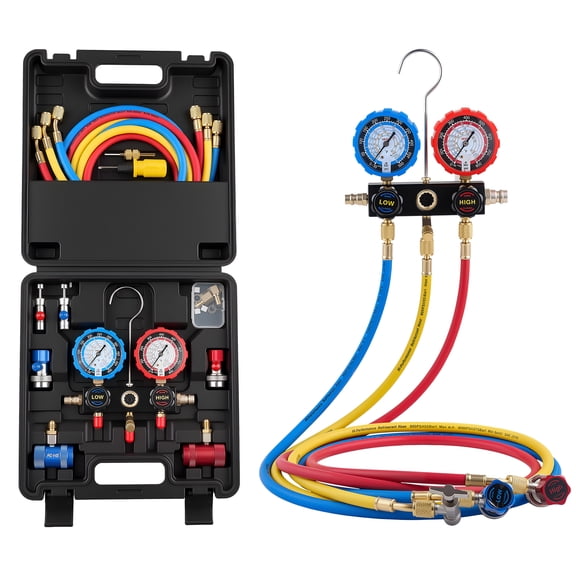
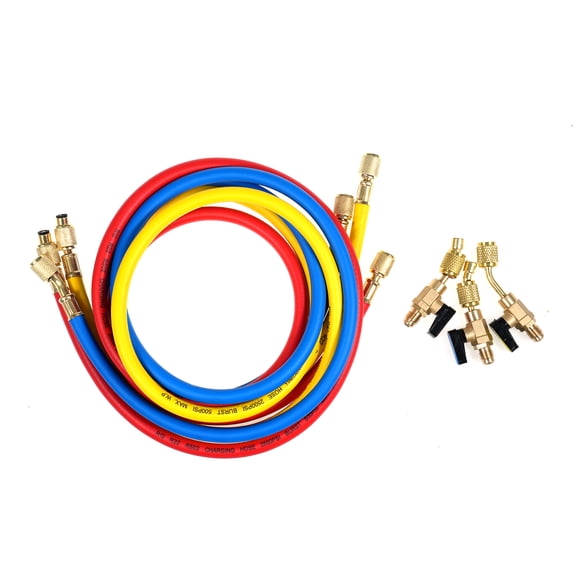
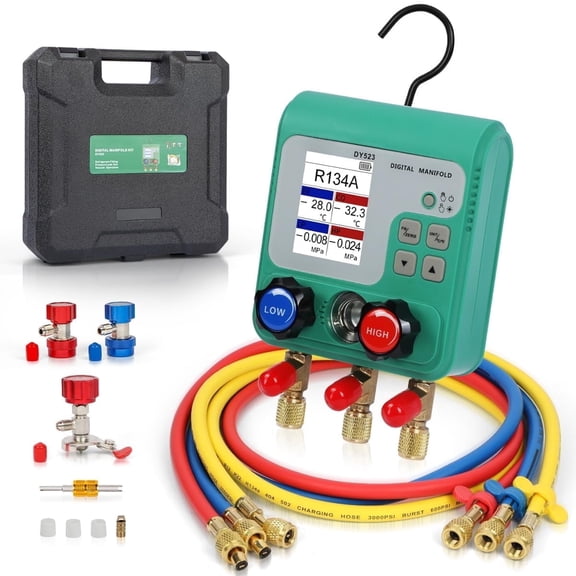
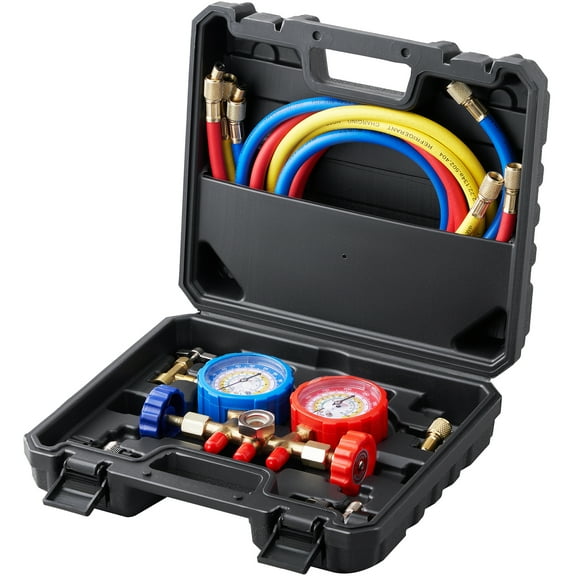
If you're working with shop equipment, you may also review an ac manifold gauge hose setup. You can use that style when your service process calls for separate gauges and multiple line connections.
Comparing hose length and gauge integration
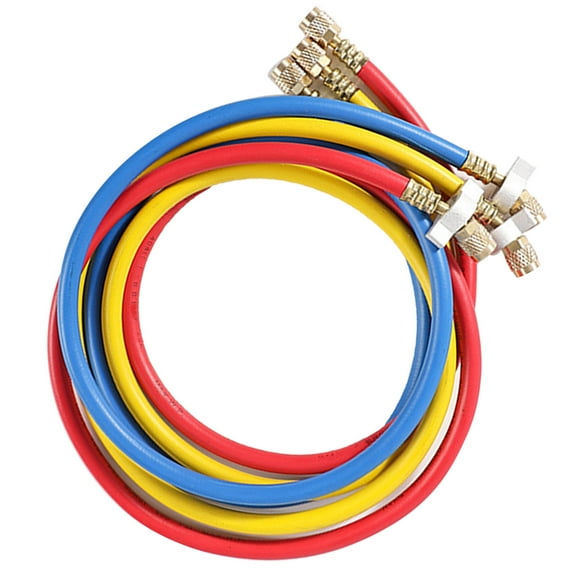
You should measure your working space before you choose hose length. You can often use 36-inch hoses for compact access, while 60-inch and 72-inch lengths give you more reach.
In crowded engine bays, you may want extra length so you can position the can or gauge more comfortably. You can reduce awkward handling when your hose reaches around covers and tight corners.
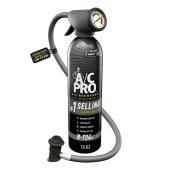
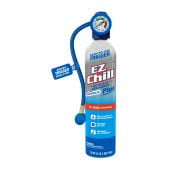
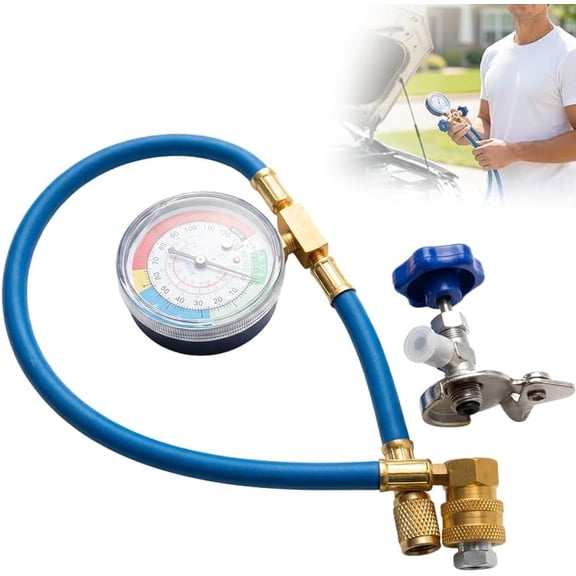
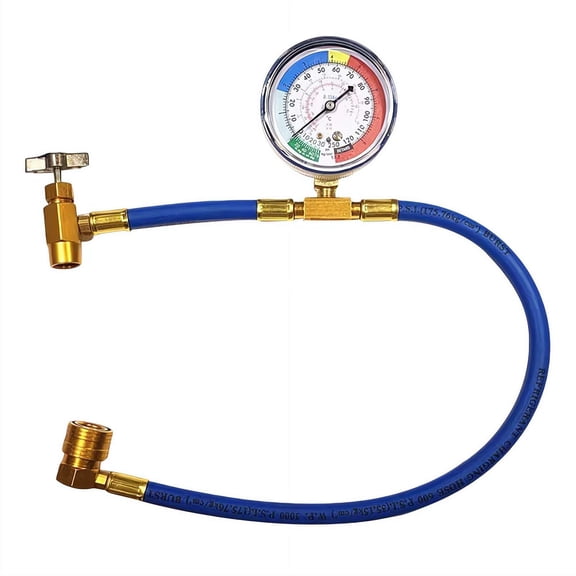
If you want simpler readings during charging, you may prefer an ac recharge hose with gauge. You can check pressure at a glance instead of adding a separate reading tool.
You should compare gauge face size and scale markings in the product details. You can usually read larger markings easily when you're checking pressure during a recharge step.
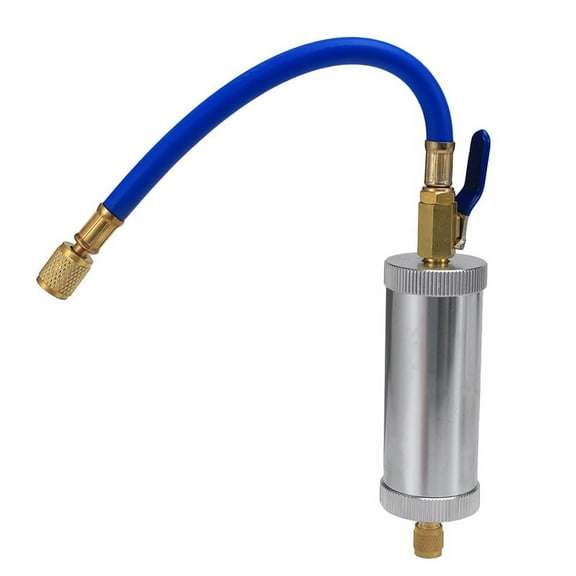
Some shoppers prefer hoses without gauges because they already use dedicated service tools. You can keep your setup flexible when you connect your hose to existing gauge equipment.
Understanding coupler types and connection control
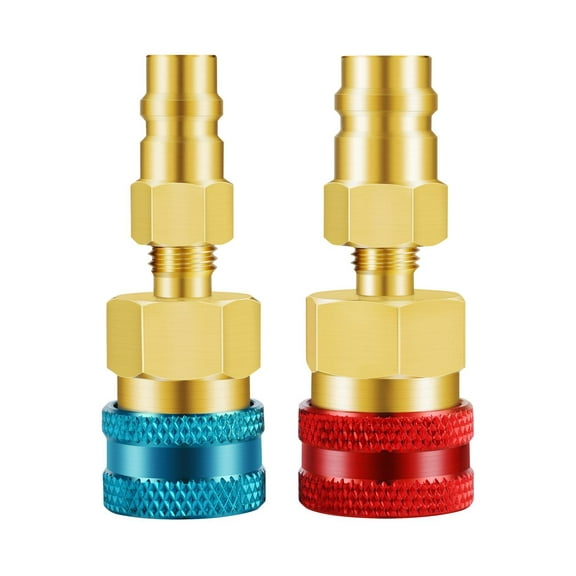
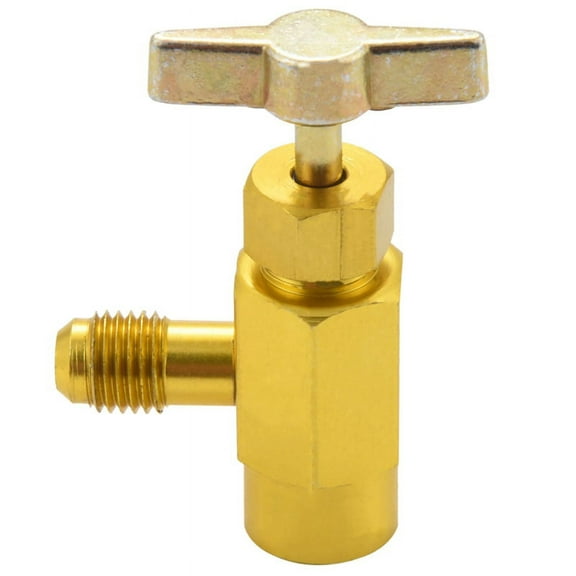
You should compare coupler types based on how you like to connect and disconnect service lines. You may choose quick coupler, threaded, or manual shut-off designs for different workflows.
Quick coupler styles help you connect securely on compatible ports. You can also look for low-loss style connection details when you want cleaner handoffs during service.
Threaded connections may suit setups where you want a more traditional attachment method. You can tighten the connection deliberately when you prefer a slower, controlled fit.
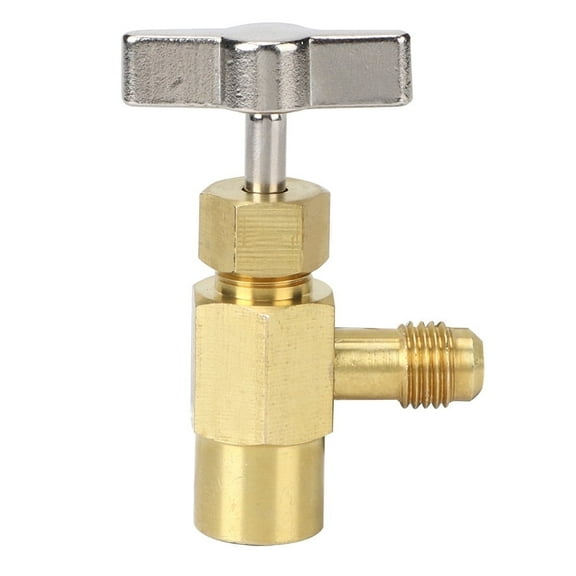
Manual shut-off designs give you another control point at the hose end. You can manage flow changes more directly when your setup includes that valve style.
If you're comparing an ac quick coupler hose to a threaded option, you should think about frequency of use. You may prefer efficient attachment for repeat service, or threaded fit for familiar handling.
Matching a/c refrigerant charging hose options to your job
You can use a shorter hose for compact vehicles where the service port sits close to the front edge. You may prefer a longer line when engine covers or tight routing limit your hand position.
If you're servicing a home garage vehicle occasionally, you may want a straightforward hose with gauge and coupler included. You can simplify setup when you require fewer separate pieces.
For repeat maintenance work, you may compare standalone hoses that pair with existing manifold tools. You can build a more customized station when you already own gauges and adapters.
During warmer months, you may also compare hose options within a car ac recharge kit. You can choose bundled parts when you want hose, coupler, and charging components in one setup.
When you narrow your options by refrigerant type, connection size, gauge style, and hose length, you can choose with more confidence. Your setup works smoother when each part matches your vehicle and service tools.
You can get more dependable fit and reach when you focus on these category-specific details first. Your a/c refrigerant charging hose choice becomes easier when compatibility and connection style guide the decision.