






Shop KitchenAid Mixers and Accessories




































About Shop KitchenAid Mixers and Accessories - Walmart.com
KitchenAid appliances help you build a coordinated kitchen with iconic mixers, versatile attachments, and countertop essentials for everyday cooking. You can compare appliance types, capacities, compatibility details, and finishes in one place.
If you're upgrading your prep routine, you can focus on the tools that match your space and cooking habits. You'll also find options that fit baking projects, weekday meals, and countertop display goals.
How to choose KitchenAid appliances for your kitchen
You should start with appliance type, because each option supports a different kitchen task. You may prefer stand mixers for dough, hand mixers for quick batters, or blenders for smoothies and sauces.
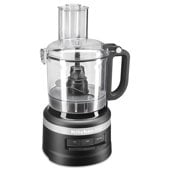
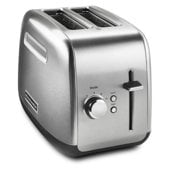
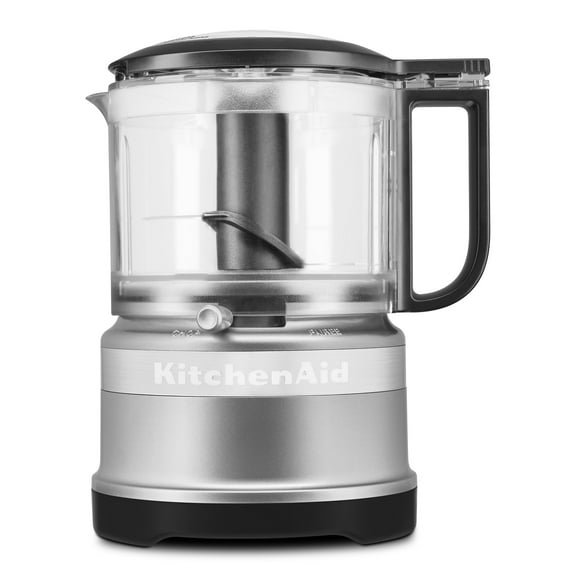
When you compare food processors and toasters, you can narrow your choices by prep style and morning routine. You can use food processors for chopping and slicing, while toasters support simple daily use.
You can also choose by how often you cook and how much counter space you have. If your kitchen feels compact, you may lean toward smaller capacities or cordless tools.
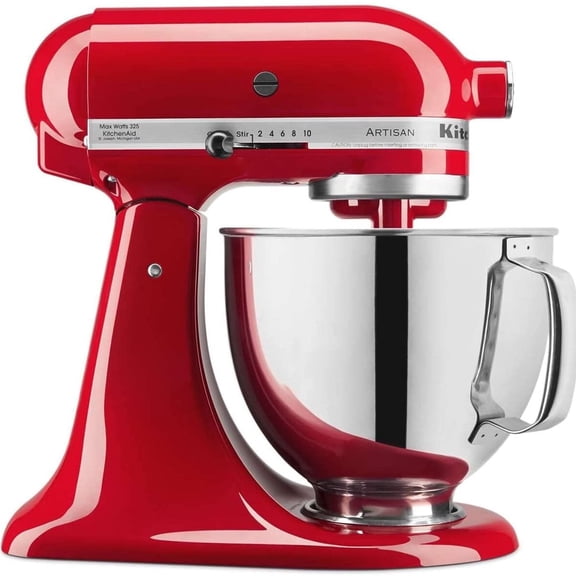
- You can use stand mixers for bread dough, cookies, mashed potatoes, and mixing larger batches.
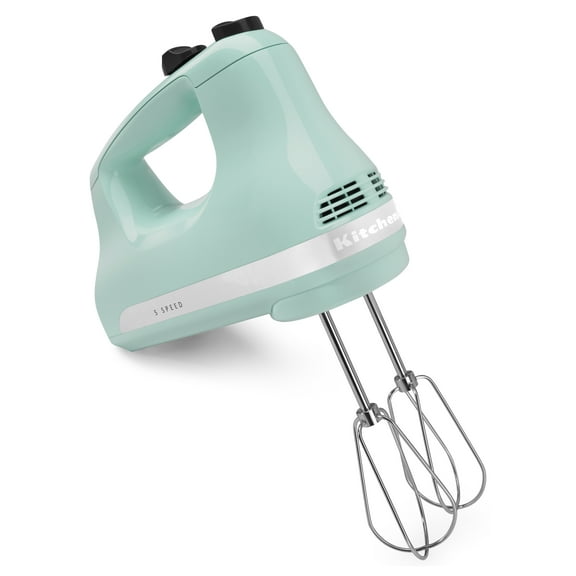
- You can choose hand mixers when you want quick setup, lighter handling, and easy storage.
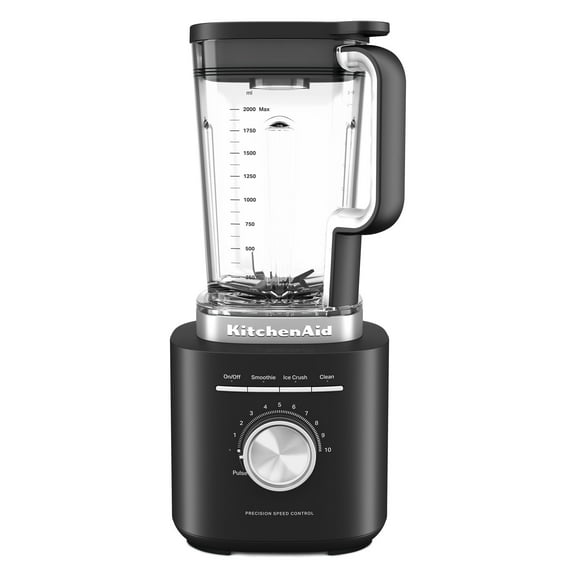
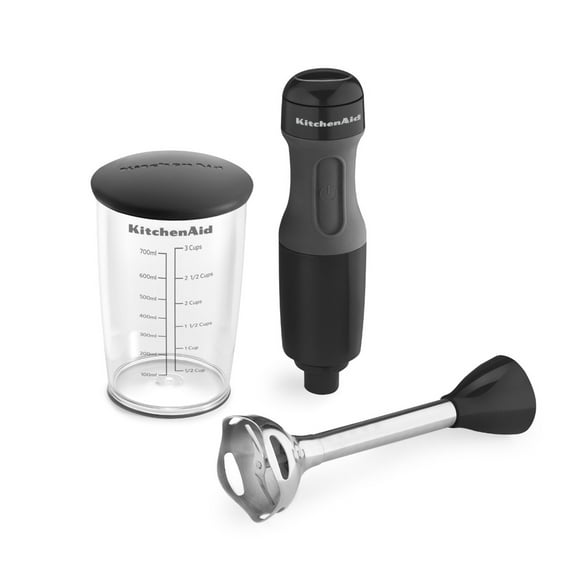
- You can pick blenders for frozen drinks, purees, and smoother sauces with controlled speed options.
- You can rely on food processors when you want faster chopping, slicing, shredding, and meal prep.
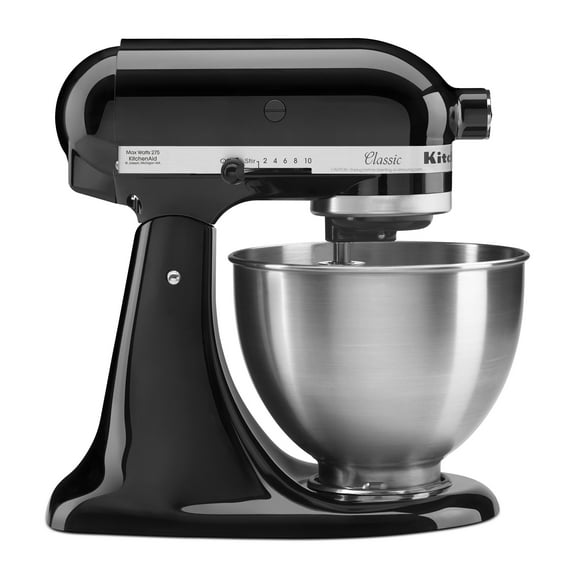
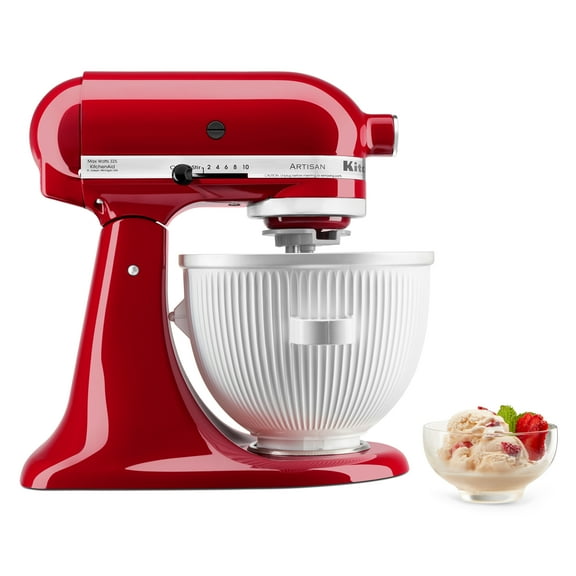
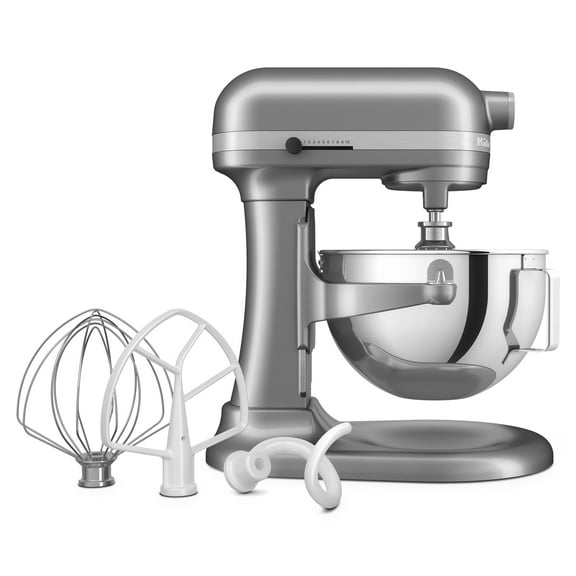
- You can match your finish to your kitchen with Empire Red, Onyx Black, Contour Silver, or Ice Blue.
Choosing capacity, power, and KitchenAid attachments
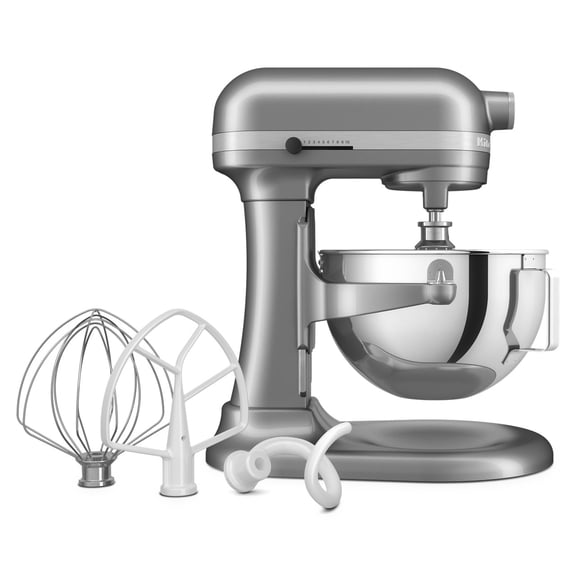
You should look at bowl size early, because capacity affects batch size and storage needs. A 3.5 quart bowl suits smaller batches, while 5 quart and 6 quart bowls fit many family kitchens.
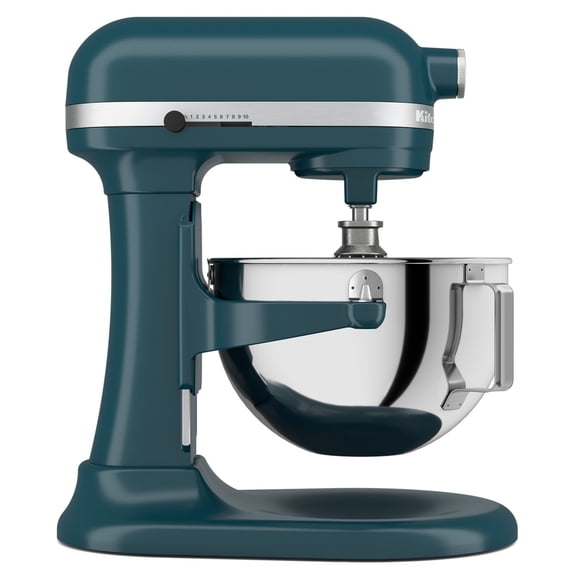
If you bake often, you may want a 7 quart bowl for larger doughs and doubled recipes. You should also measure cabinet clearance if you're choosing a taller bowl-lift model.
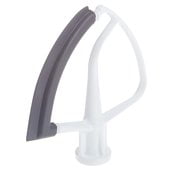
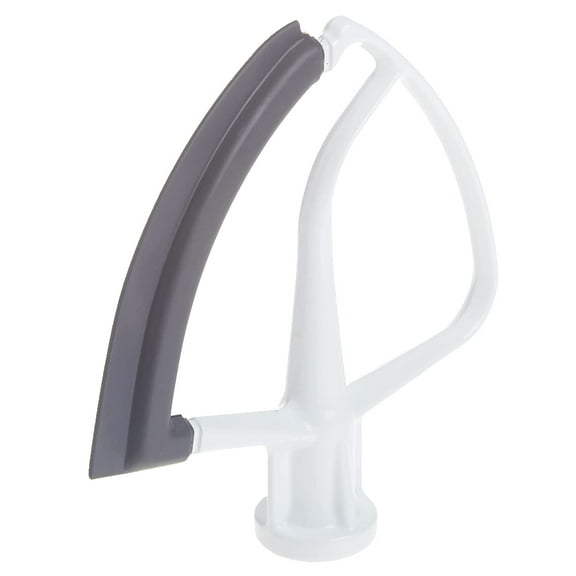
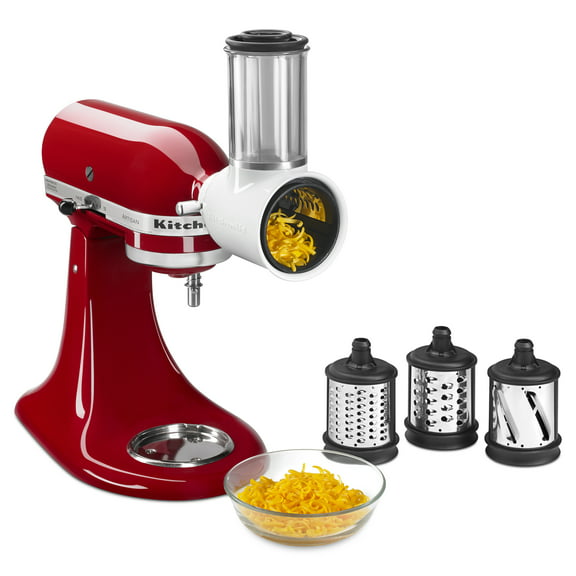
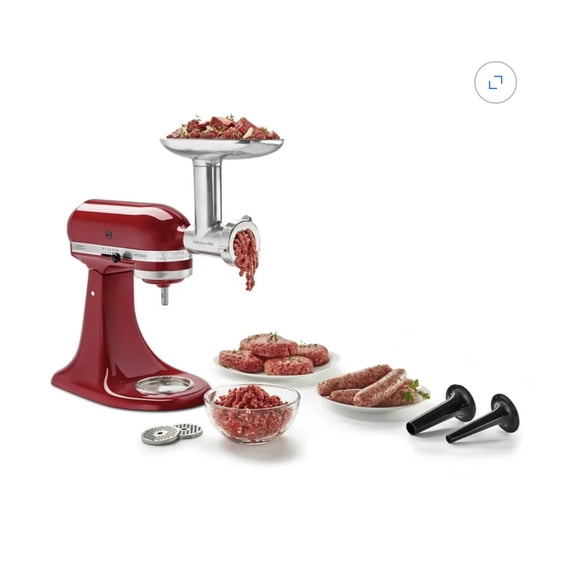
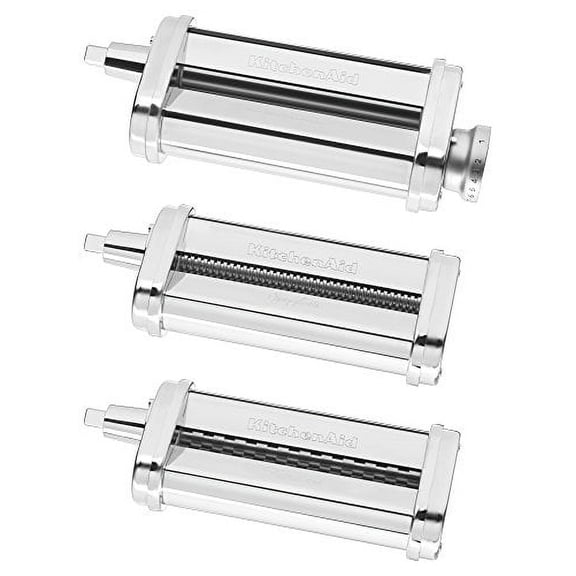
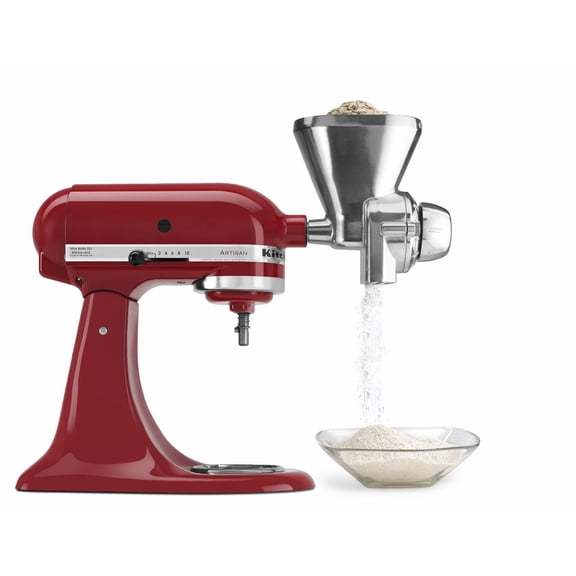
When you compare KitchenAid attachments, you need to check hub fitment and model style. You should confirm whether your mixer uses hub attachments, bowl-lift accessories, or tilt-head accessories.
That compatibility step matters because you want attachments that connect correctly and work with your existing machine. You can avoid guesswork by checking your model type before choosing slicers, grinders, or pasta tools.
You should also compare motor power and speed settings if you mix dense doughs or thick batters. Higher wattage or horsepower usually means you can handle heavier mixing with steadier performance.
If you want quick portability, you can consider cordless KitchenAid hand mixers for flexible movement around your kitchen. If you mix often in one station, you may prefer corded electric models for continuous use.
Comparing KitchenAid stand mixers, hand mixers, and blenders
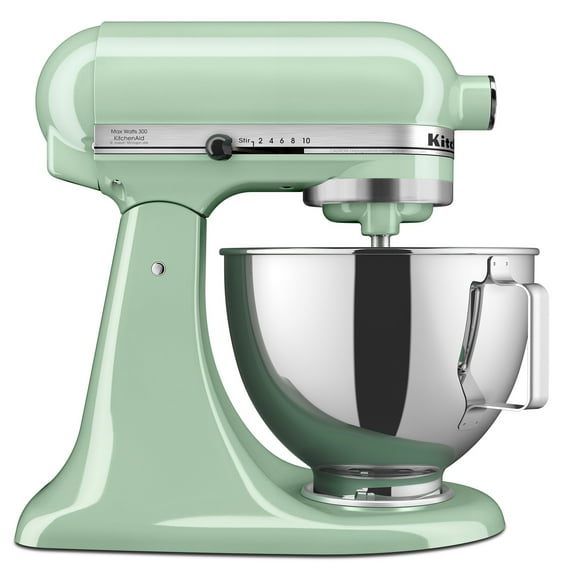
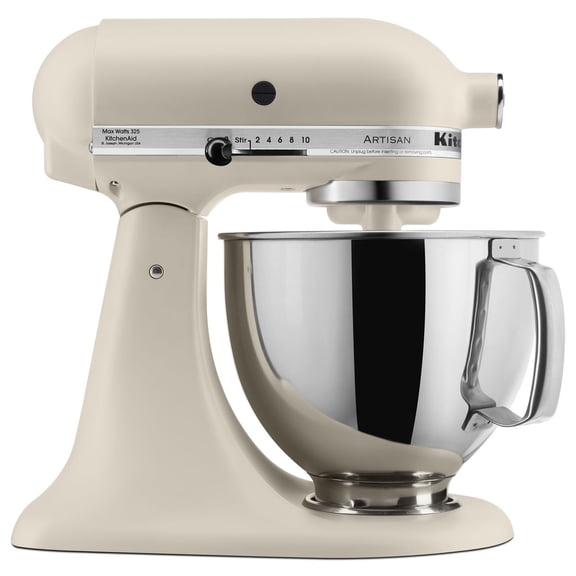
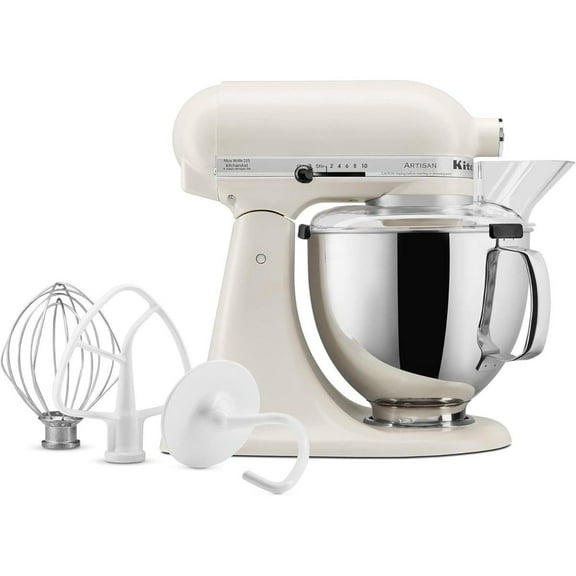
You can use KitchenAid stand mixers when you want hands-free mixing and steady power for baking projects. You may prefer them for kneading dough, whipping cream, or mixing several ingredients at once.
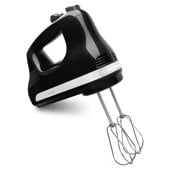
If you want a lighter tool for small bowls, you can choose KitchenAid hand mixers instead. Cordless versions let you move freely, while corded versions support longer mixing sessions without charging.
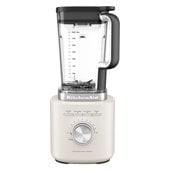
You can turn to KitchenAid blenders when you want smoother drinks, soups, and sauces with less prep. You should compare jar size, speed controls, and blade design based on your usual recipes.
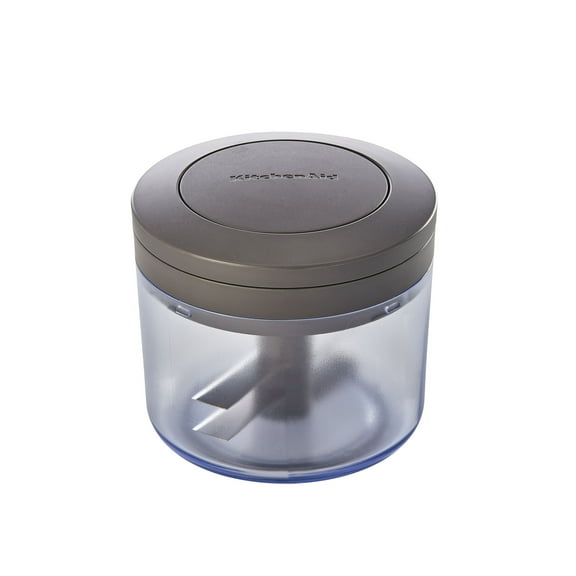
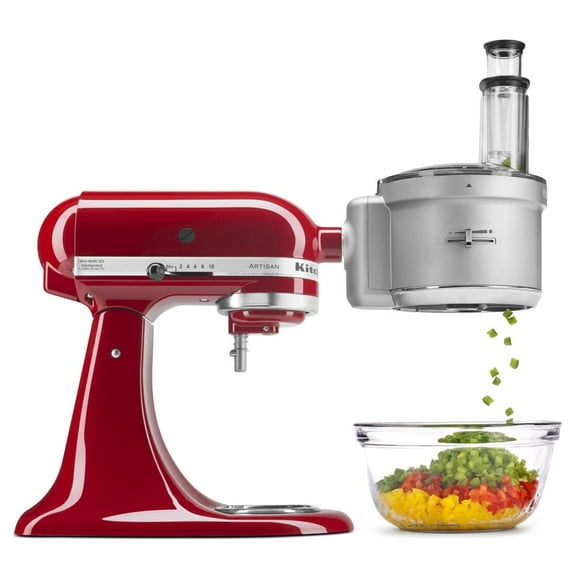
For chopping vegetables or shredding cheese, you may lean toward KitchenAid food processors. You can streamline weekday prep by choosing feed tube size and bowl capacity that match your meal routine.
Color and finish can also shape your choice when your appliance stays on the counter. You can coordinate Empire Red, Onyx Black, Contour Silver, or Ice Blue with your kitchen style.
Using KitchenAid appliances for everyday cooking and baking
You can match a 3.5 quart mixer to cookies, frosting, and smaller apartment kitchens. You can match a 5 quart or 6 quart mixer to family meals, frequent baking, and shared kitchens.
If you make bread often, you may want extra bowl space and stronger power for thicker dough. You should compare wattage or horsepower with your recipe habits, especially for repeated heavy mixing.
You can use KitchenAid attachments to expand one mixer into a broader prep station. With the right fit, you can tackle slicing, shredding, grinding, or pasta prep with the same base machine.
When you want fast cleanup and quick tasks, you may prefer a hand mixer or toaster. If you want multi-step prep in one appliance, you can look at blenders and food processors.
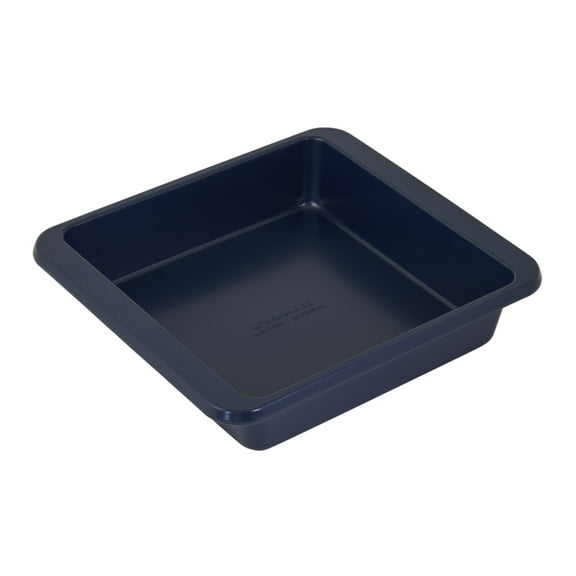
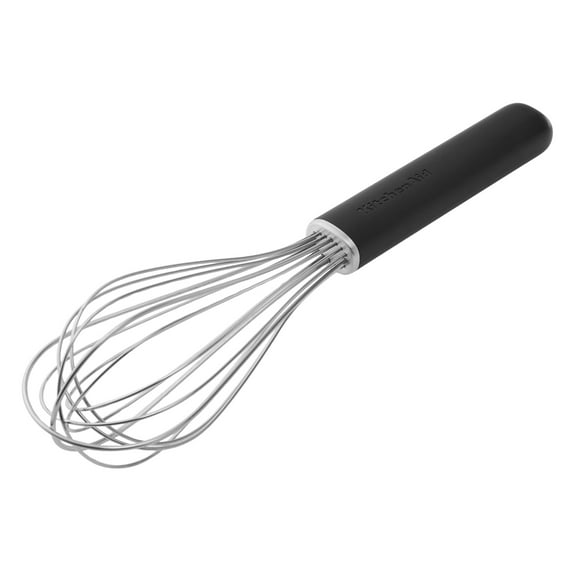
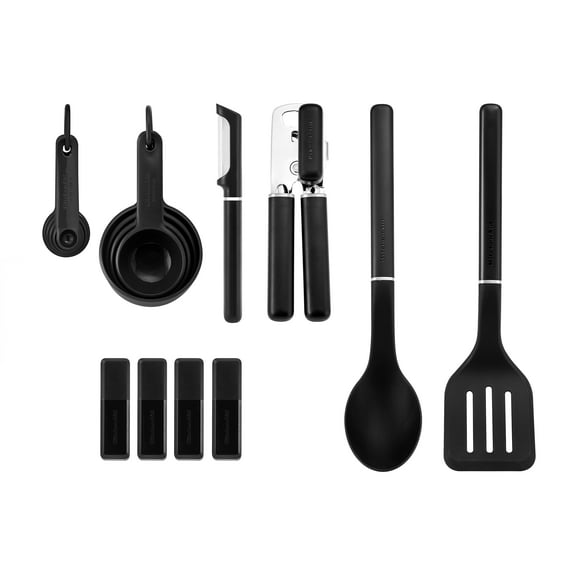
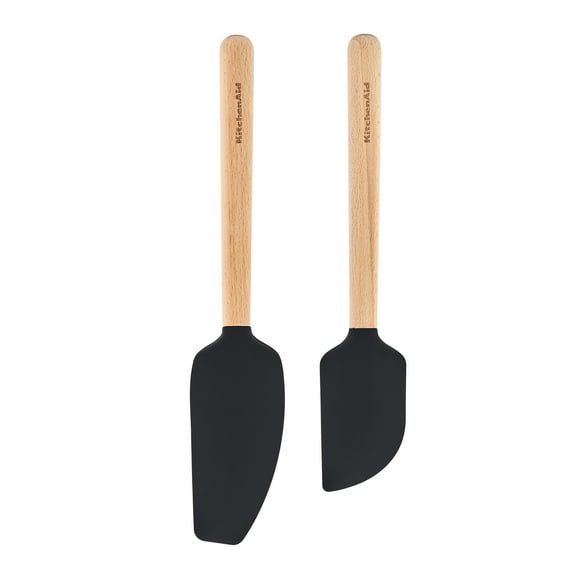
You may also shop KitchenAid replacement parts when you want to maintain a favorite appliance over time. You can pair that search with KitchenAid kitchen tools and baking accessories for a more complete setup.
If you're comparing support details, you can also review KitchenAid warranty and customer service information on specific product pages. That extra check helps you choose a model that fits your long-term routine.
KitchenAid appliances give you clear ways to compare capacity, compatibility, power, and finish before you choose. You can build a kitchen setup that fits your space, your recipes, and your everyday prep rhythm.