





























































Fresh Bakery Items & Bread | Walmart
Rollbacks on bakery faves
Grab & go bakery treats from $1
Sweet single-serve favorites, ready whenever cravings hit.
Shop by category
Shop popular brands


Fresh Bread, Baked Daily



FAQ
About Fresh Bakery Items & Bread | Walmart - Walmart.com
With in store bakery products, you can plan everyday meals and special gatherings with fresh bread, pastries, and desserts from Walmart Bakery. You’ll find daily baked options, convenient pickup choices, and practical variety for breakfast, lunch, dinner, and celebrations.
How to choose in store bakery products
When you compare in store bakery products, you should start with freshness, format, and how quickly you need them. You can choose freshly baked selections for same-day enjoyment, or you can pick packaged options for a longer pantry window.
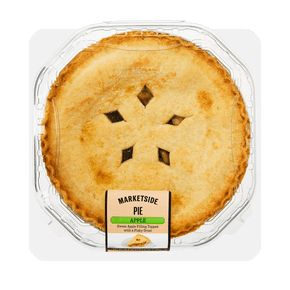
If you’re building weekly meals, you may want sandwich loaves, dinner rolls, or tortillas that fit easy lunch prep. If you’re planning dessert, you can look for cakes, pies, donuts, and pastries sized for your table.
- You can choose bread and rolls for sandwiches, toast, and dinner sides.
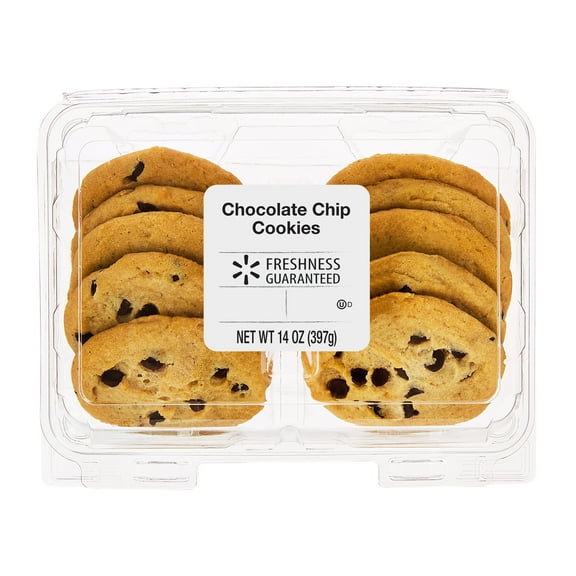
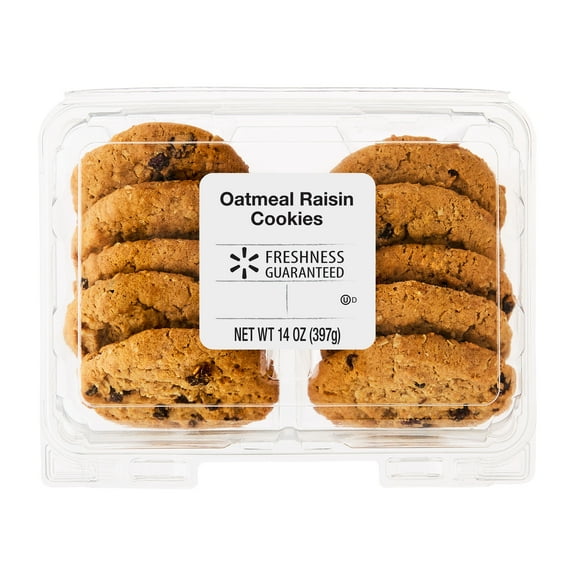
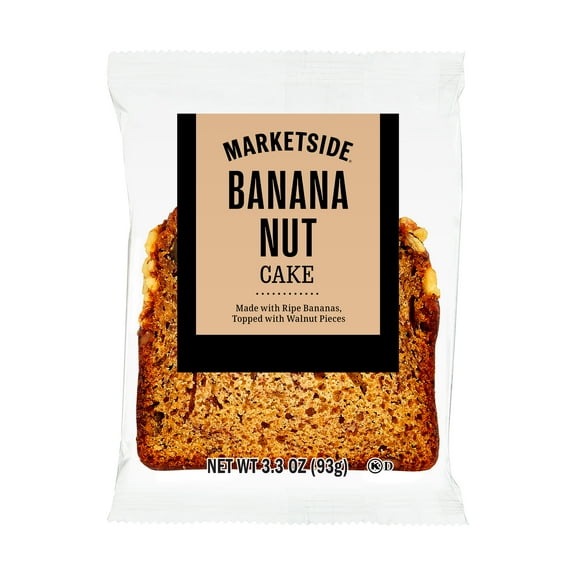
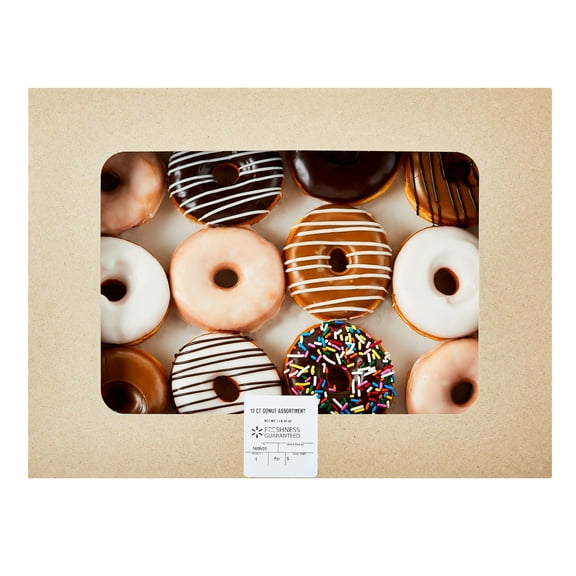
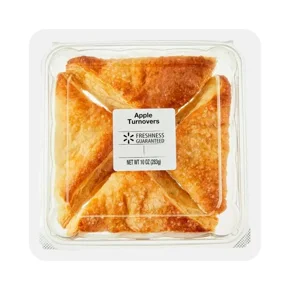
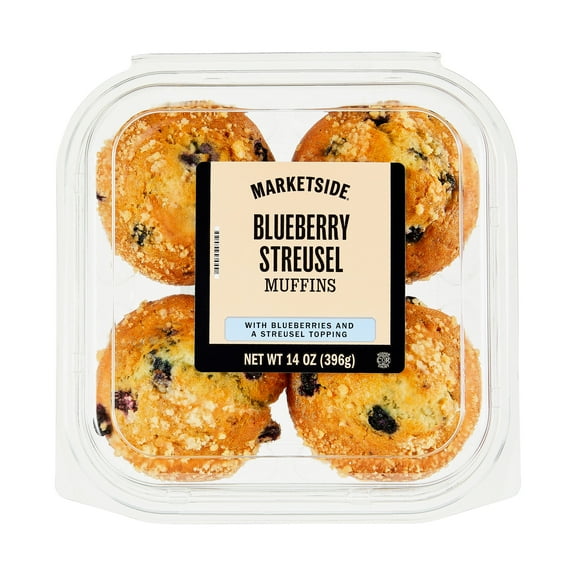
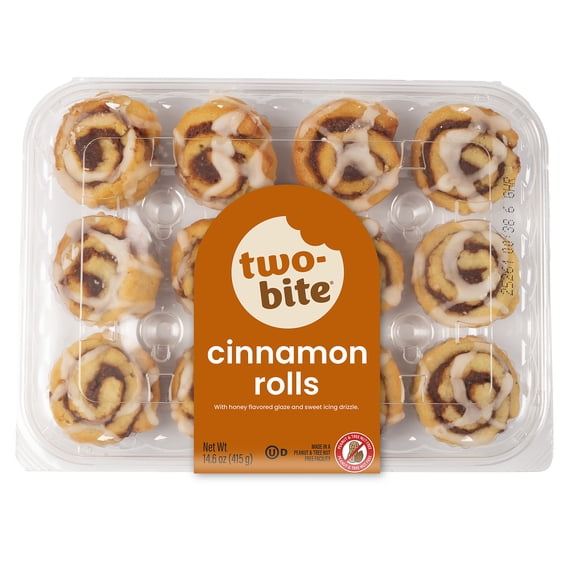
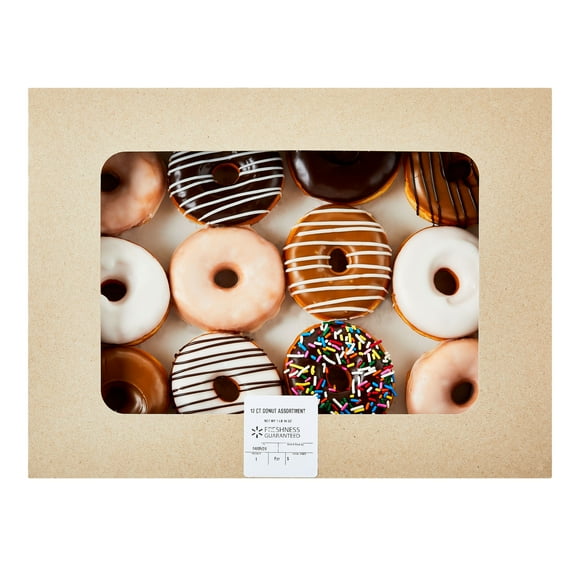
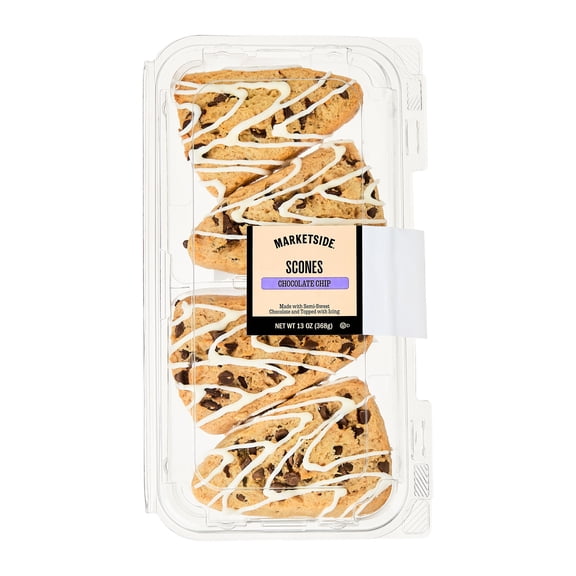
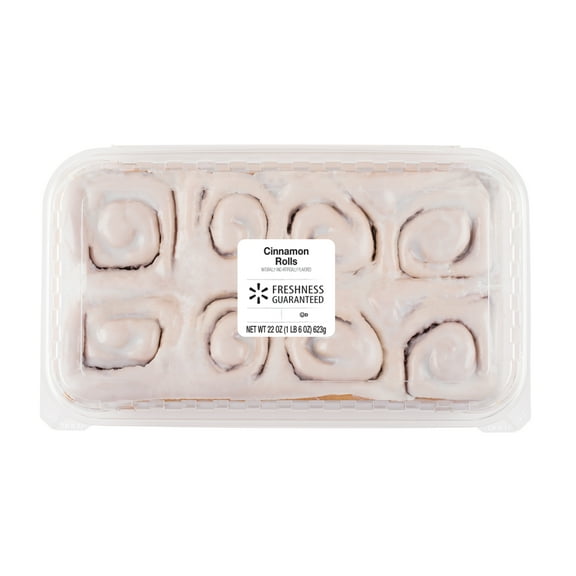
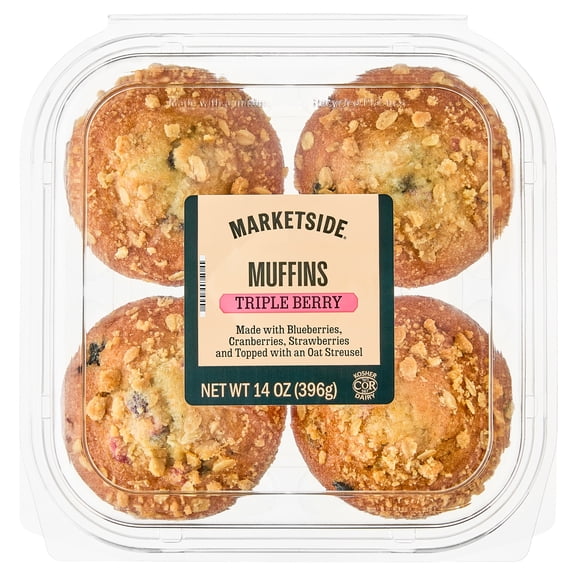
- You can pick pastries or donuts when you want quick breakfast bakery items.
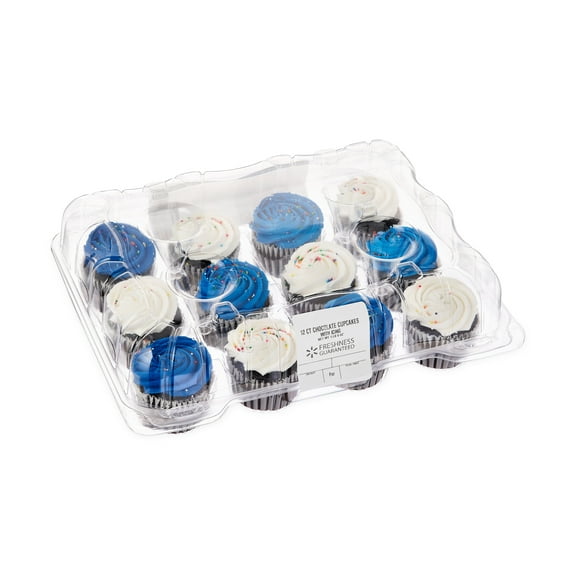
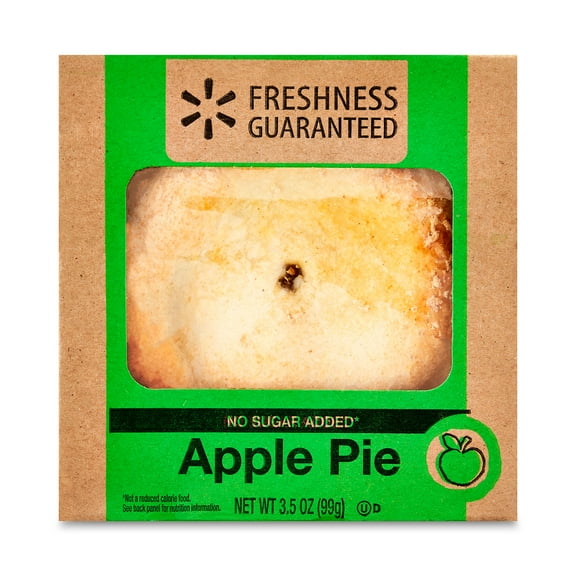
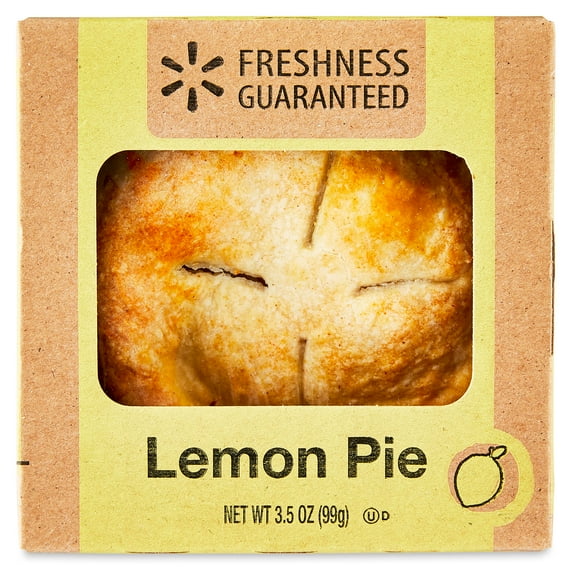
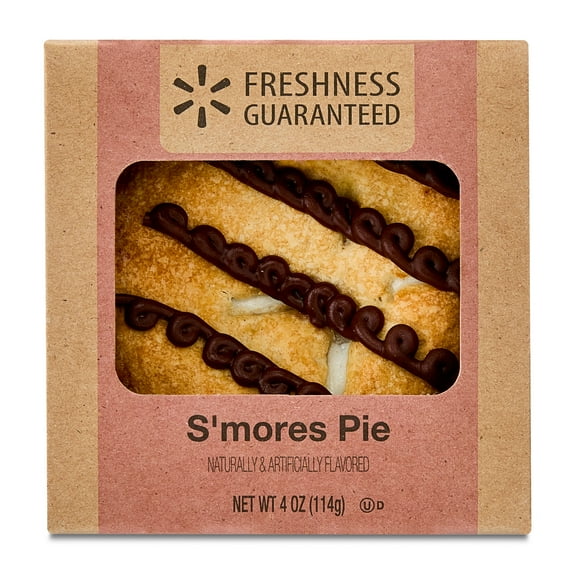
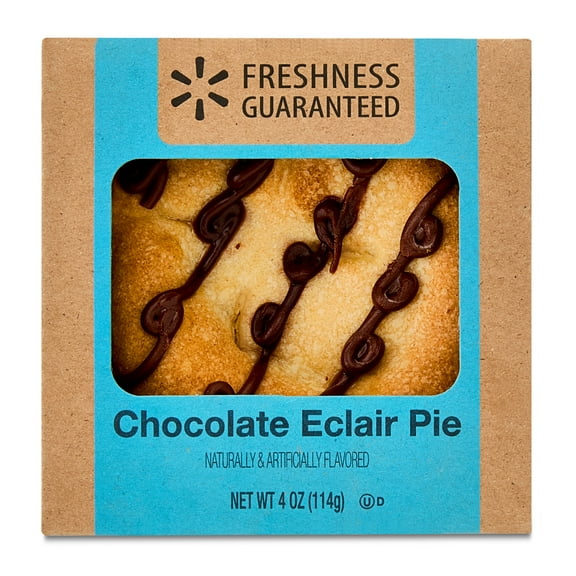
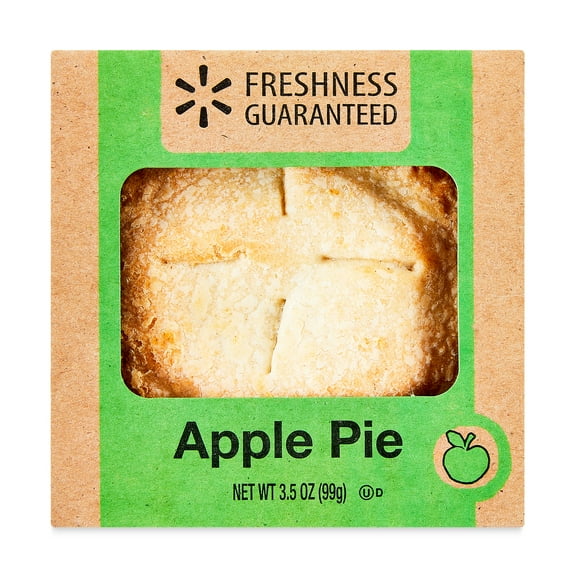
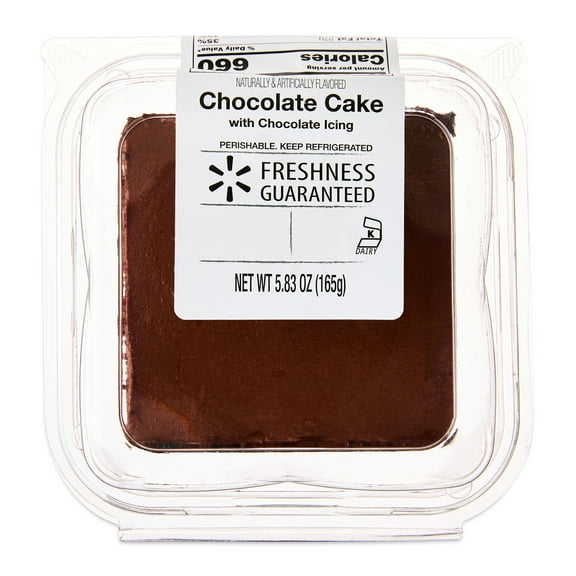
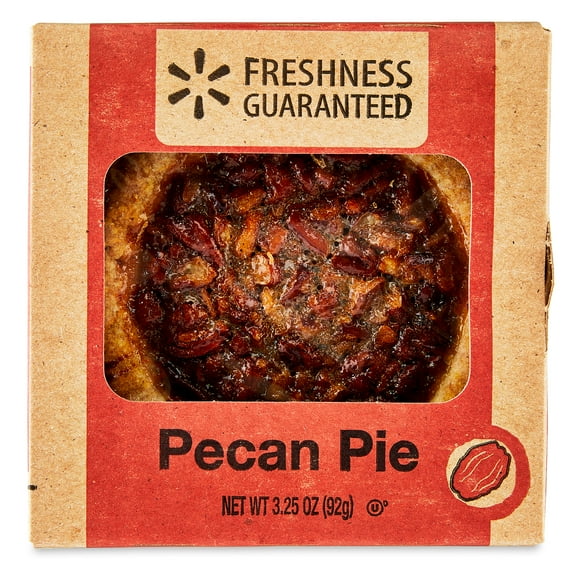
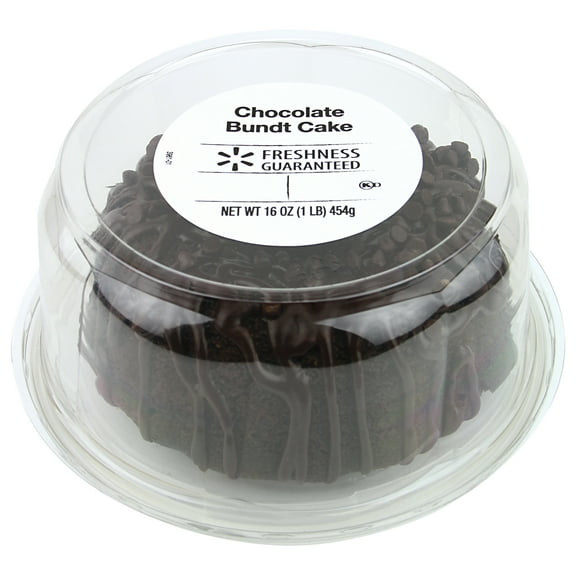
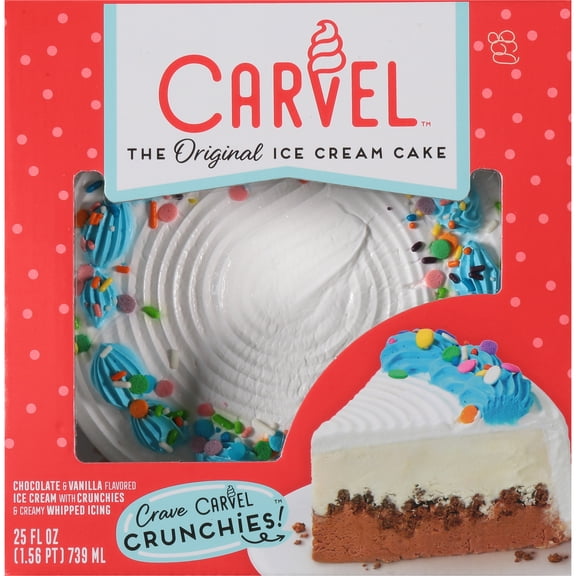
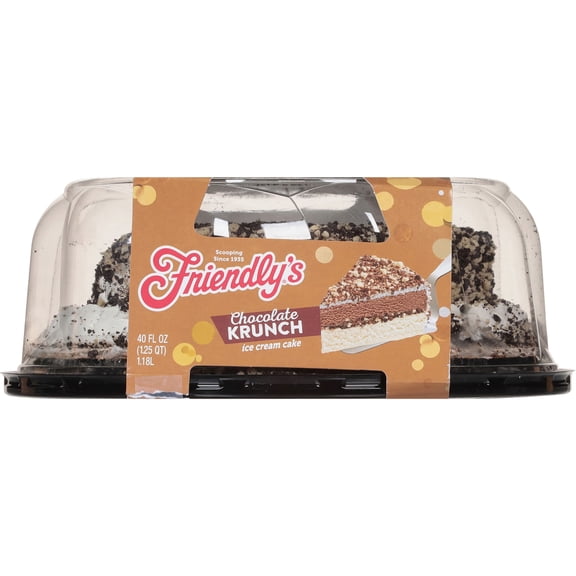
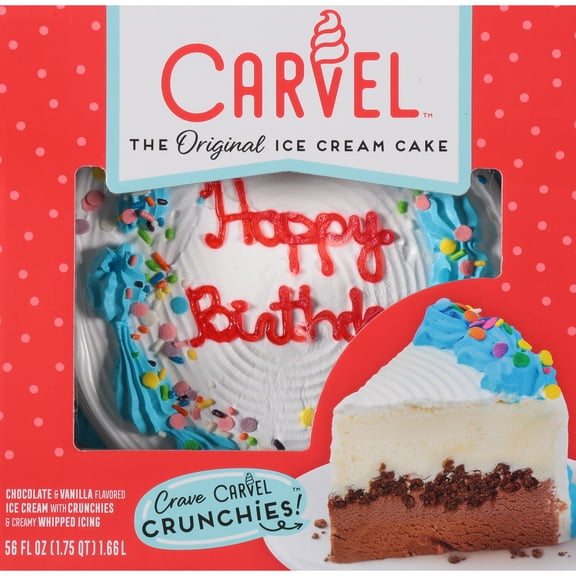
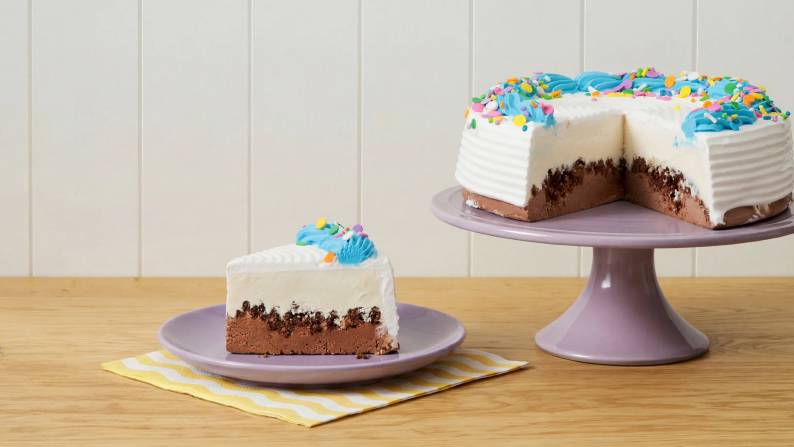
- You can select cakes, pies, or platters when your occasion needs ready-to-serve sweets.
- You can compare freshly baked, packaged, par-baked, and frozen formats based on timing.
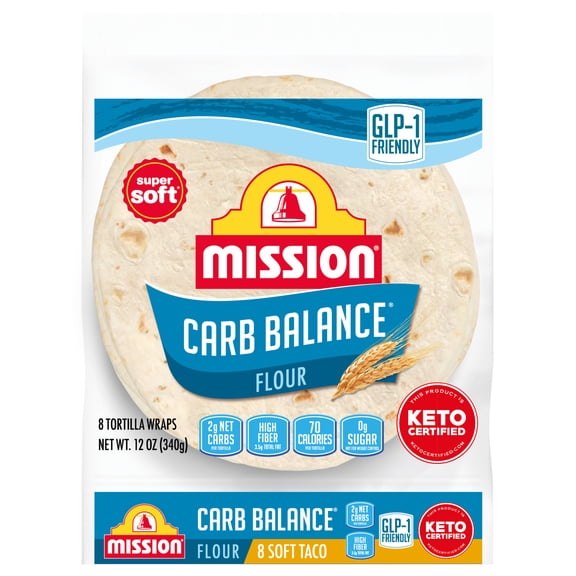
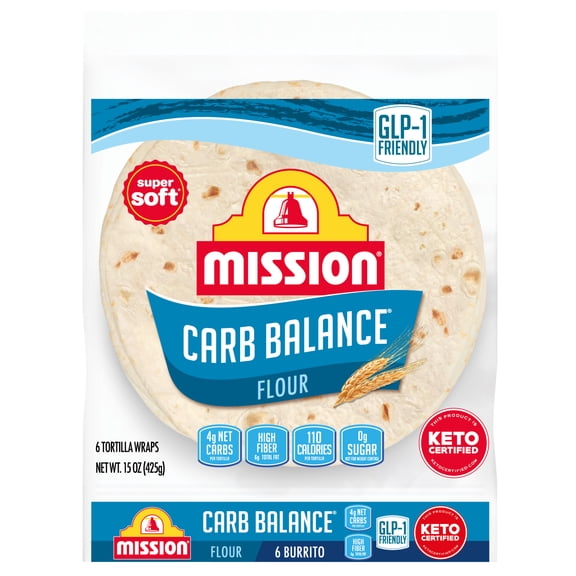
- You can check dietary labels like gluten-free, organic, sugar-free, low-carb, or vegan.
Choosing bakery items by category and bread type
When you shop bakery items, you’ll usually decide first between bread and rolls, tortillas, pastries, cakes, pies, and donuts. You can narrow faster when you match each group to meals, snacks, or party serving needs.
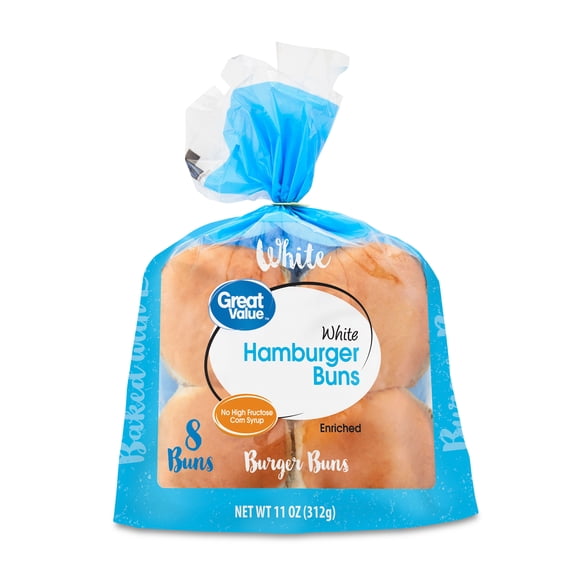
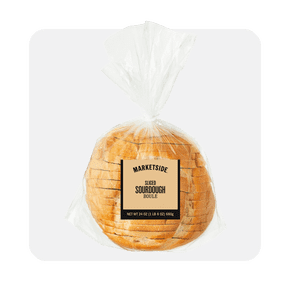
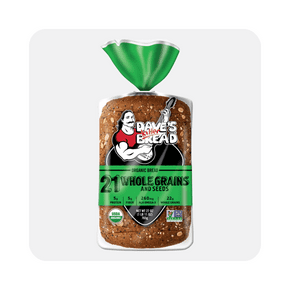
For bread, you can compare white, wheat, sourdough, rye, and multigrain based on taste and texture. You may prefer white for soft sandwiches, while sourdough gives you a tangier loaf with a firmer bite.
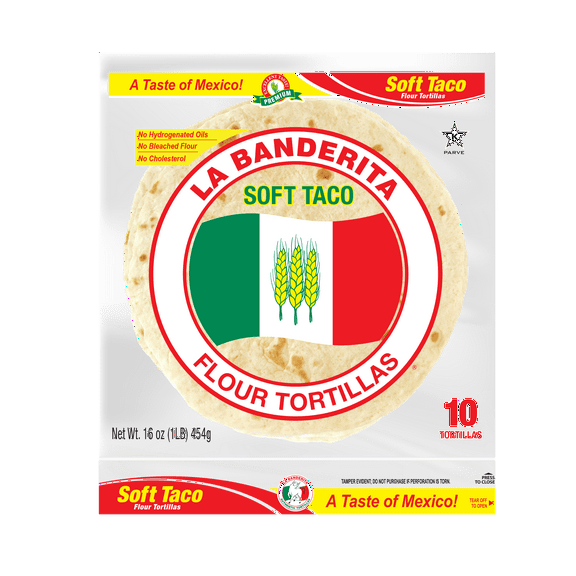
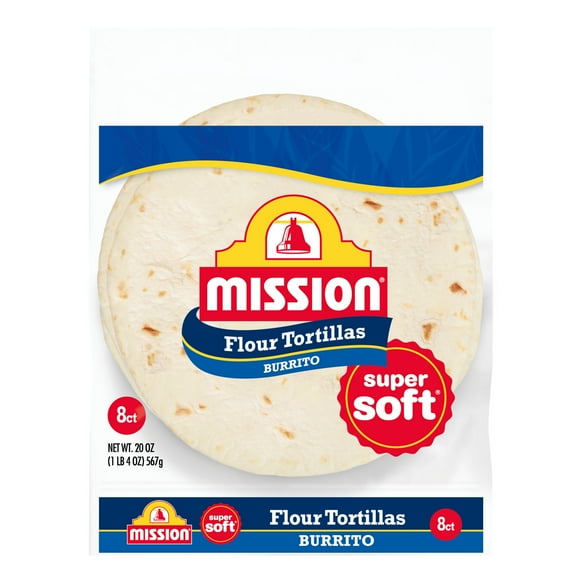
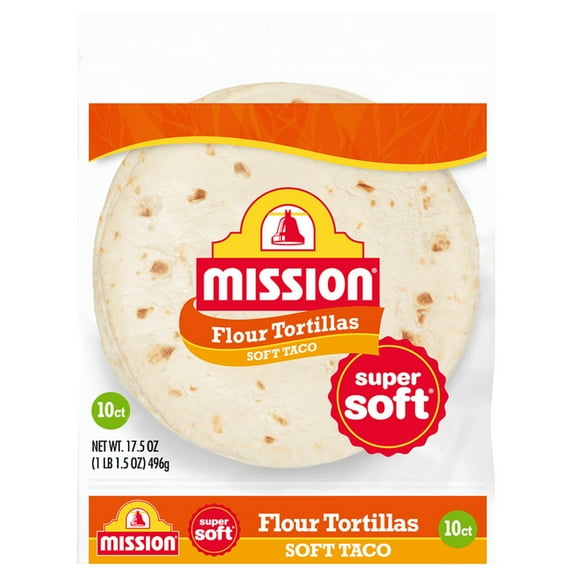
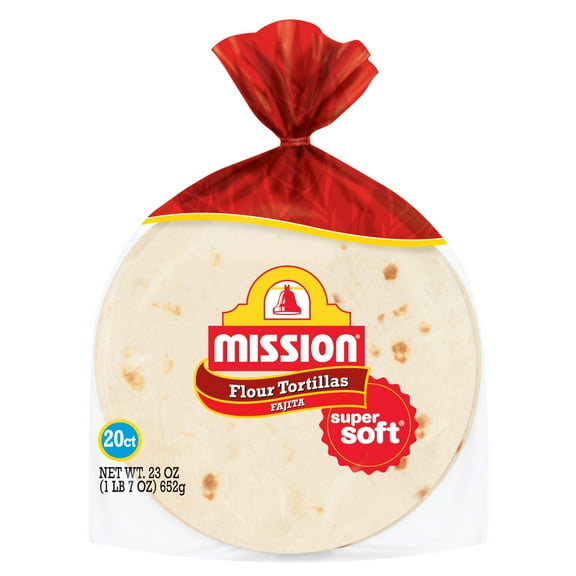
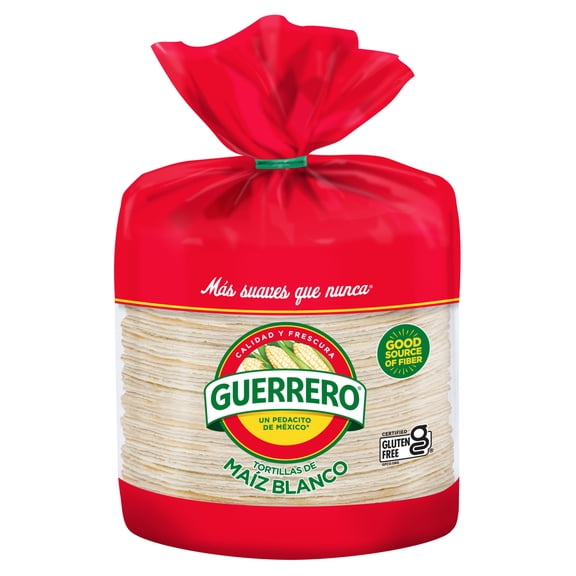
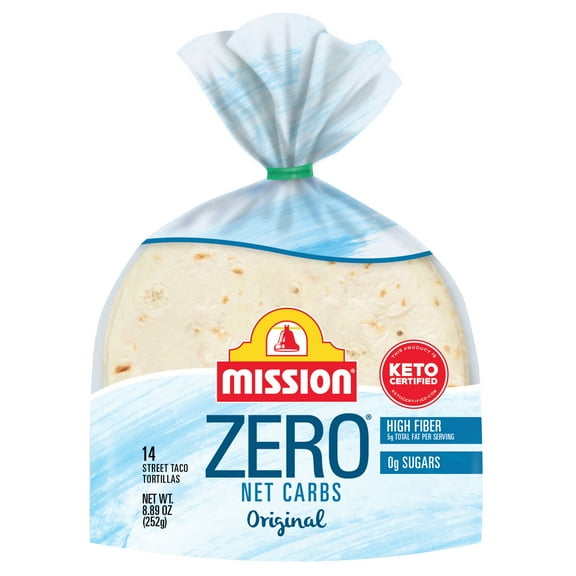
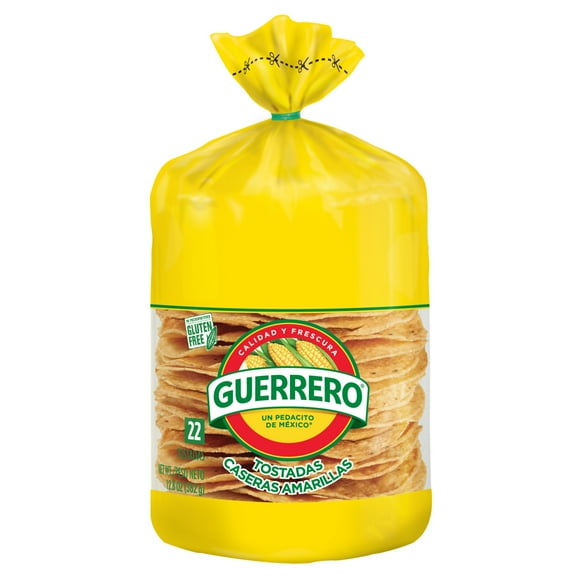
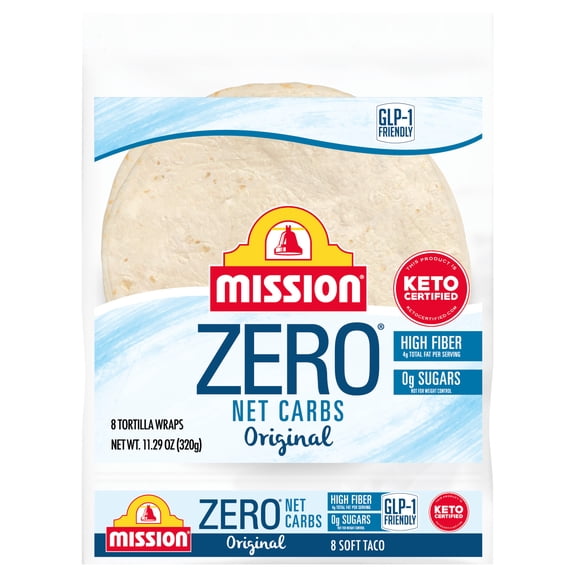
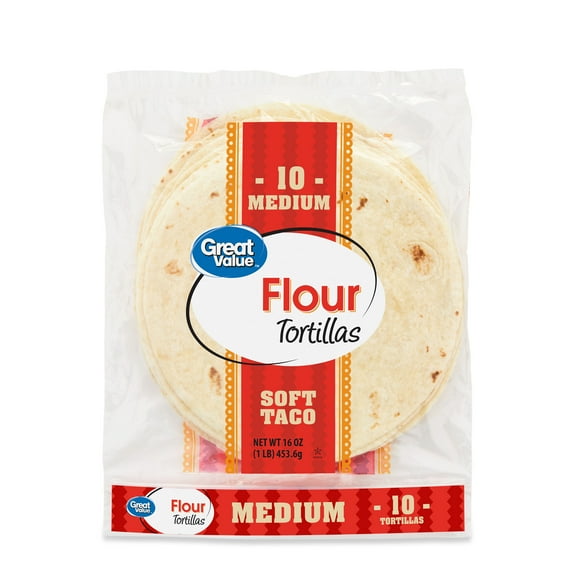
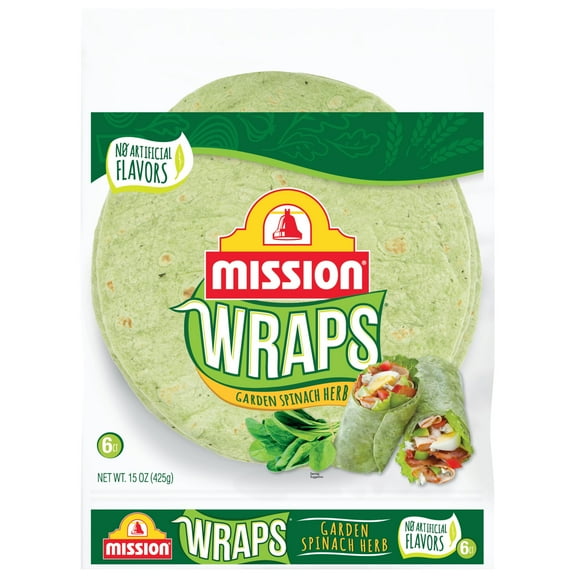
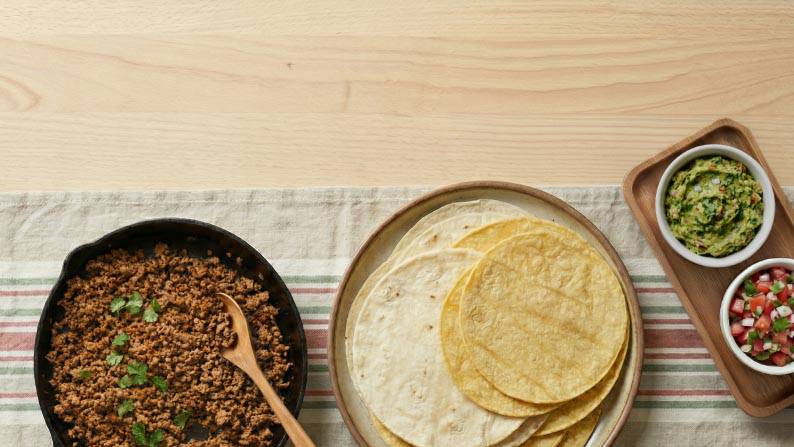
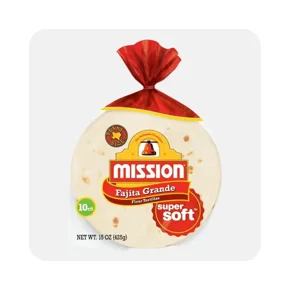
If your meals need flexibility, you can keep tortillas on hand for wraps, tacos, and quick dinners. If your table needs dessert, you can choose pies or cakes that feel ready for birthdays, holidays, or office events.
What to look for in grocery store baked goods
As you compare grocery store baked goods, you should look at preparation state because it affects timing and storage. You’ll notice freshly baked items suit near-term eating, while frozen or par-baked options support future meals.
Packaged bakery goods can help you stock lunch staples without guessing what you’ll use first. You can use par-baked bread when you want a just-finished texture closer to mealtime.
You should check the packaging format to ensure your items travel neatly and stay presentable for serving. If you’re scheduling delivery or pickup, you’ll want formats that support easy transport.
Choosing dietary preferences and label details
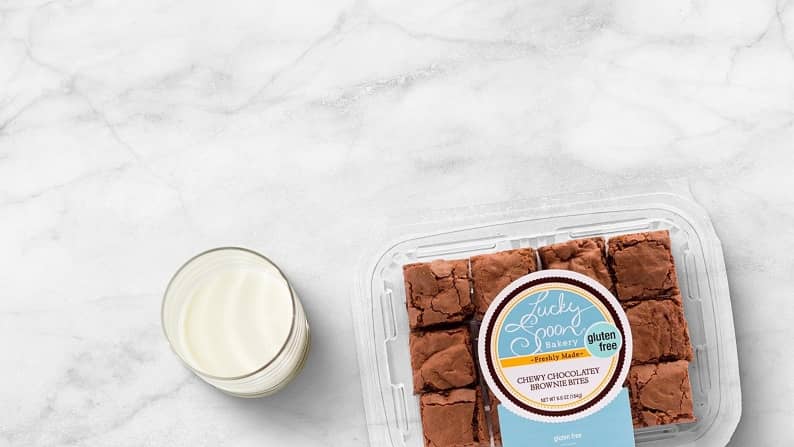
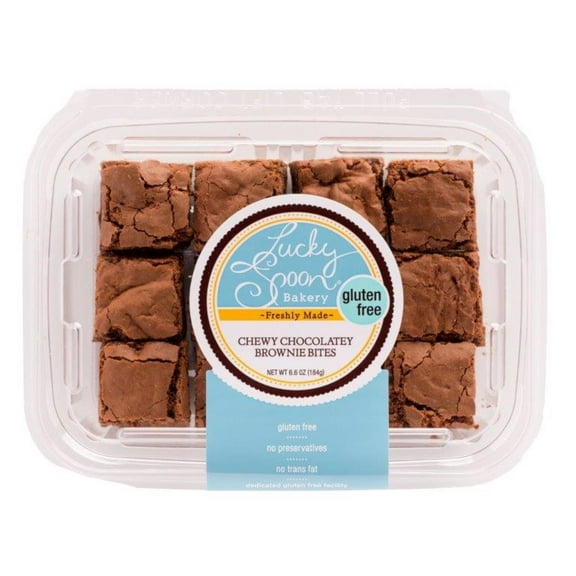
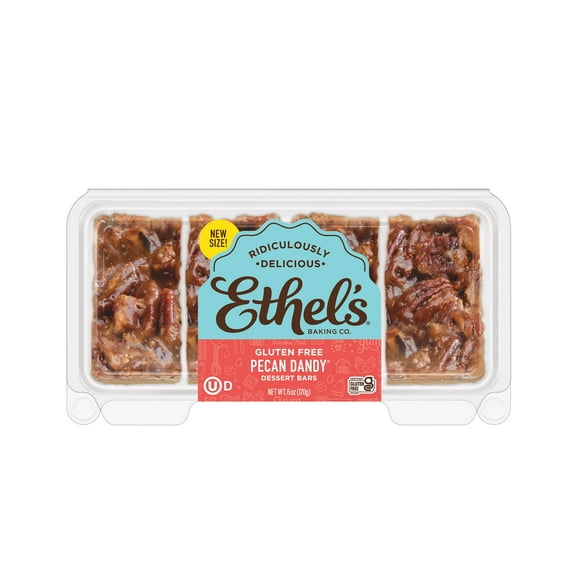
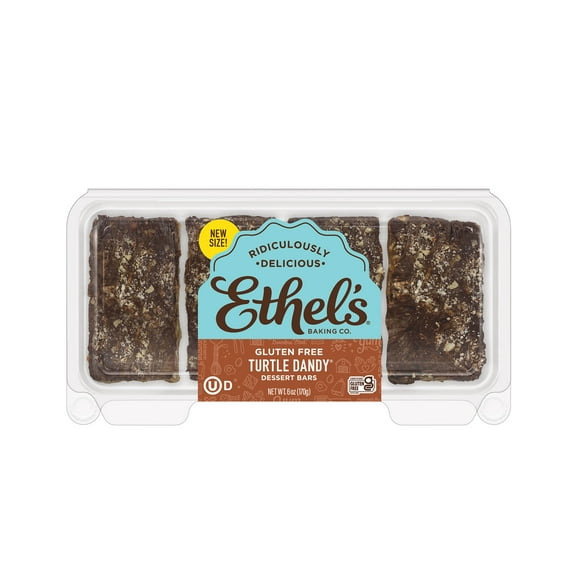
If you’re shopping for specific dietary needs, you should review labels before you decide on bread, pastries, or desserts. You can often compare gluten-free, organic, sugar-free, low-carb, or vegan options within this category.
When you compare these choices, you should match the label to your household routine and menu plan. You may want gluten-free baked goods for one guest, or vegan desserts for a shared celebration.
You should also check ingredient panels and package notes when allergen details matter to your household. That extra review can help you choose bakery items that fit your meal planning with fewer surprises.
Choosing serving size and occasion
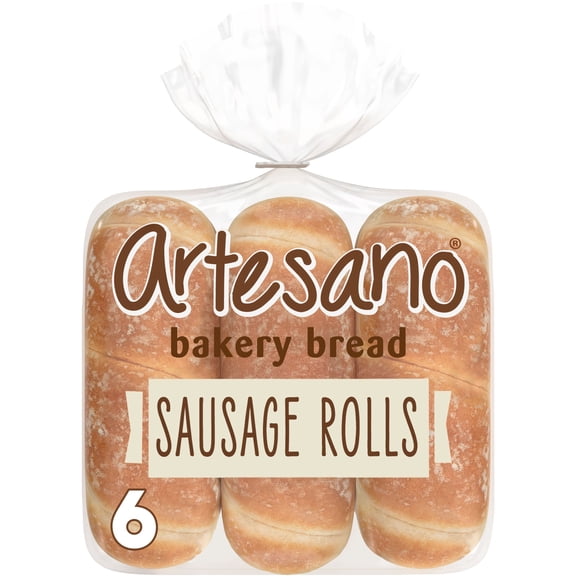
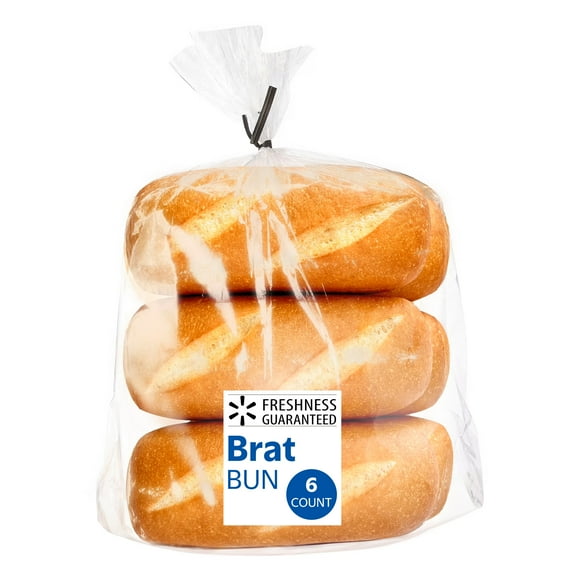
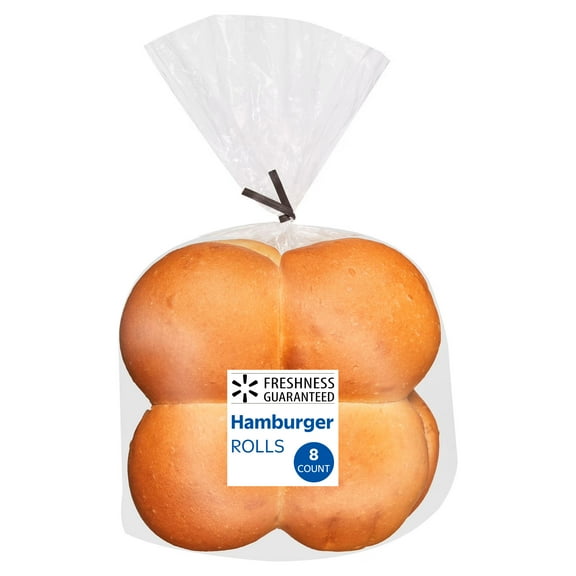
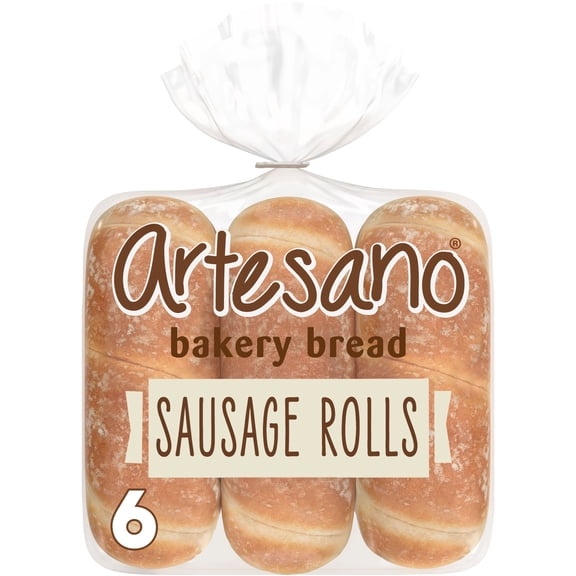
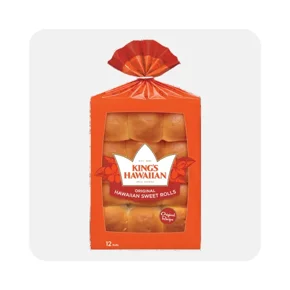
You can make faster decisions when you match serving size to the moment you’re planning. A single loaf may cover weekday sandwiches, while a pack of 6 works well for burgers, breakfast, or side bread.
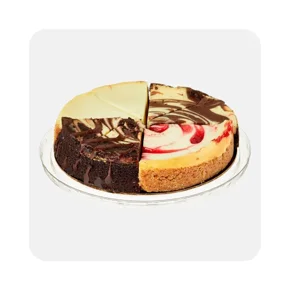
For larger events, you may want bulk bakery items or a party platter that reduces last-minute prep. Cakes and pies can also fit group celebrations when you need a simple dessert centerpiece.
If you’re stocking for daily use, you should think about how quickly your household finishes bread and rolls. That approach helps you choose the right amount for freshness, storage space, and fewer extra trips.
Using Walmart Bakery for pickup and delivery plans
When you use Walmart Bakery, you can coordinate bakery needs with the rest of your grocery list. You may find supermarkets delivering fresh bakery items especially helpful when your schedule leaves little room for an extra stop.
If convenience is your priority, you can check for same-day delivery, curbside pickup, or in-store availability while planning meals. You should confirm which bakery items your preferred fulfillment method offers.
For weeknight dinners, you can add bread, rolls, or tortillas to a larger grocery order in minutes. For celebrations, you can combine dessert and meal staples in one trip, which keeps party prep more organized.
How these bakery choices fit real meals
You can use white or wheat bread for school lunches, toast, and classic sandwiches throughout the week. You might choose multigrain or rye when your menu calls for heartier slices and a fuller texture.
For breakfast, you can bring home pastries or donuts that feel easy to serve before busy mornings. For taco night or wraps, you can select tortillas that work well with quick family meals.
When guests are coming over, you can pick cakes, pies, or platters that feel ready for sharing. With in store bakery products, you can cover everyday bread needs and occasion desserts with one coordinated grocery plan.
With Walmart Bakery, you can choose bread types, bakery categories, dietary options, preparation states, and pack sizes with clear purpose. That guidance helps you bring home bakery items that fit your timing, your table, and your serving plans.