



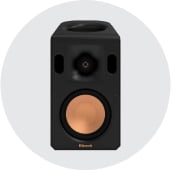



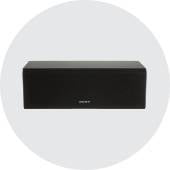

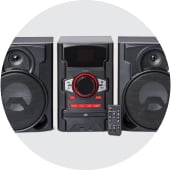
Home Audio Systems & Speakers







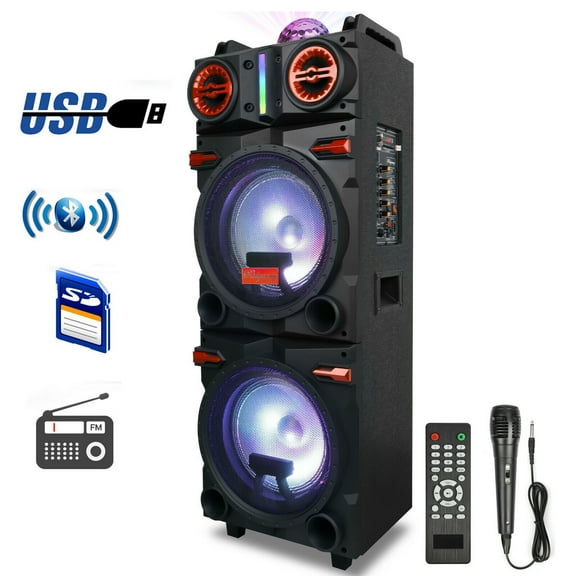


















About Home Audio Systems & Speakers - Walmart.com
Home audio speakers help you build a room setup that fits your space, devices, and listening style. You can compare bookshelf speakers, floorstanding models, and surround sound speakers with clearer guidance at Walmart.
If you're upgrading movie nights or daily music listening, you need speaker types that match your room and gear. You can narrow your options faster when you understand size, connectivity, channel layout, and power source.
How to choose home audio speakers
You should start with the speaker type because shape and placement affect how your room sounds. You can place bookshelf speakers on stands or shelves, while floorstanding speakers take up more floor space.
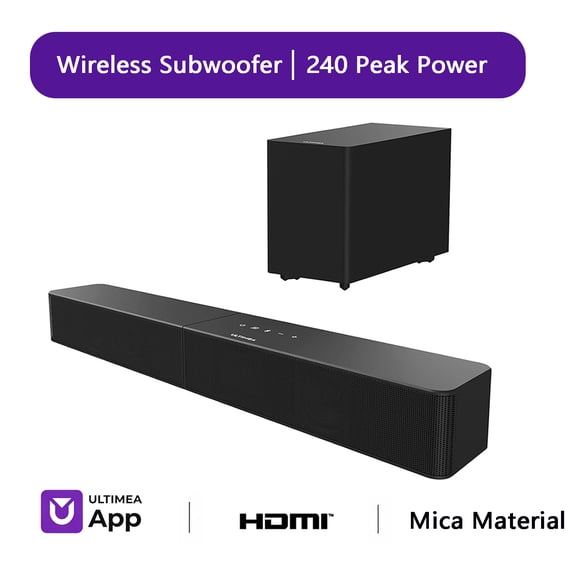
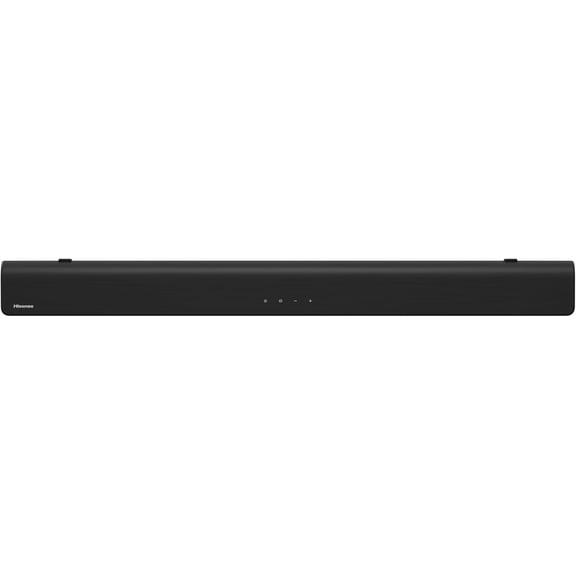
If you want a streamlined TV setup, you may prefer a soundbar with fewer separate components. You can add satellite speakers and a subwoofer when you want broader placement and deeper low-end sound.
You should also measure your room before you choose larger cabinets or multi-speaker layouts. You can use compact speakers in bedrooms or desks, while wider living rooms often need stronger coverage.
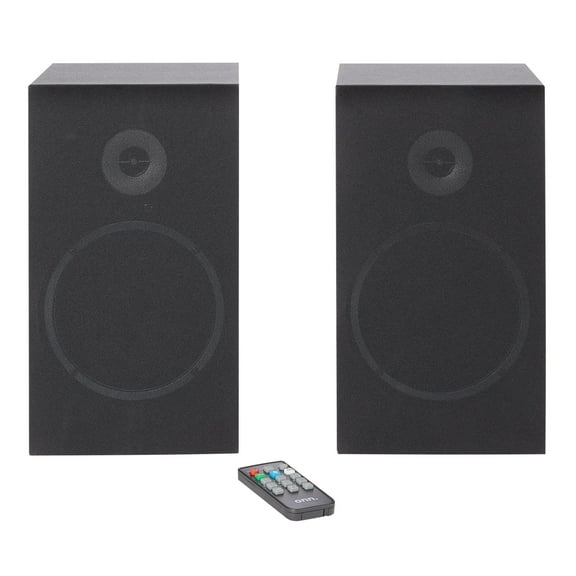
- You can use bookshelf speakers when you want flexible placement on media consoles, shelves, or stands.
- You can choose floorstanding speakers when you want taller cabinets and fuller stereo presence in larger rooms.
- You can add a subwoofer when you want deeper bass for movies, games, and music playlists.
- You can build around satellite speakers when you want separated speaker positions for surround effects.
Choosing the right home theater speakers
You should compare active and passive designs before you look at finishes or cabinet size. You can plug active or powered speakers into compatible sources more directly because amplification is built in.
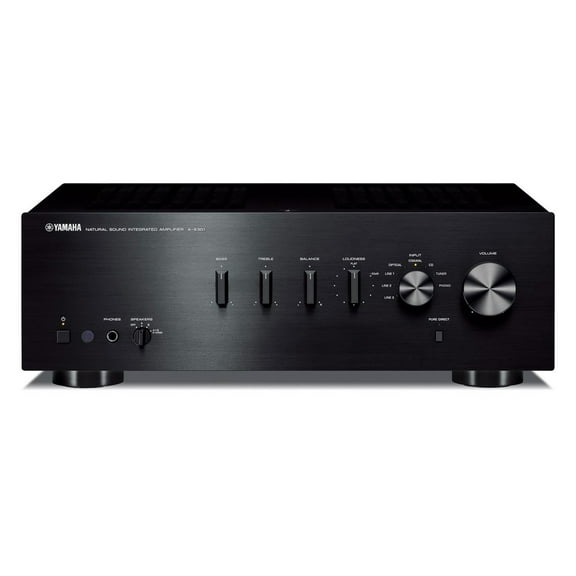
If you choose passive home theater speakers, you'll need a receiver or amplifier in your setup. You should check impedance and power handling so your receiver and speakers work together smoothly.
You can keep a simple stereo arrangement with 2.0 channel speakers for music and everyday TV use. You can move to 2.1 channel audio when you want stereo sound with added bass support.
If you want more directional effects, you should compare 5.1 surround and 7.1 surround layouts. You can hear movement across the room more clearly when your speaker positions match the content format.
You should think about placement as part of performance, not as an afterthought. You can place front speakers near your screen, while satellites usually work around seating areas.
Comparing connectivity and compatibility
You should check your current TV, receiver, and streaming devices before you choose connectivity options. You can avoid adapter hassles when your speaker inputs match the ports you already use.
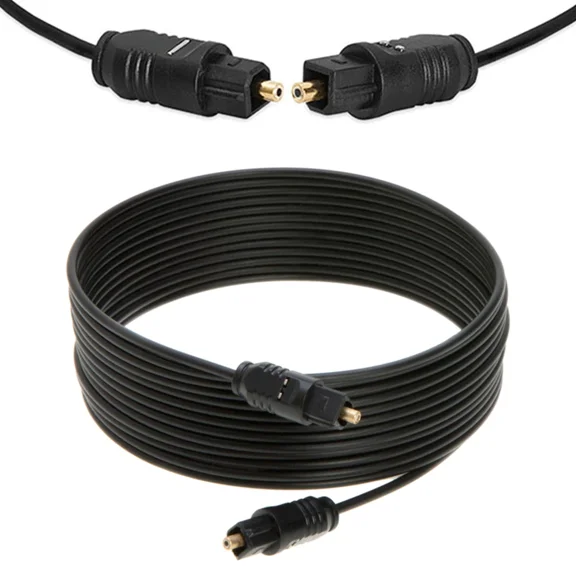
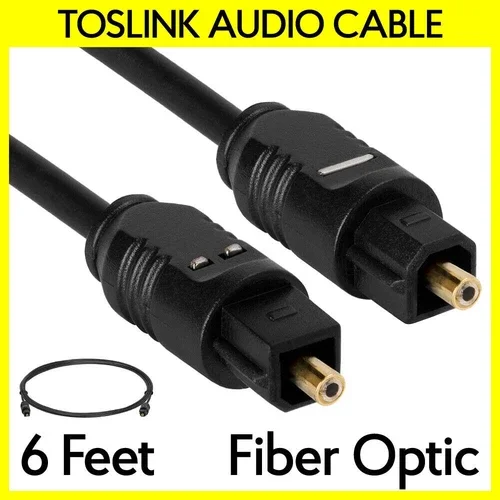
If you want a direct television connection, you may look for HDMI ARC or optical support. You can simplify control when your TV and audio gear share compatible connection paths.
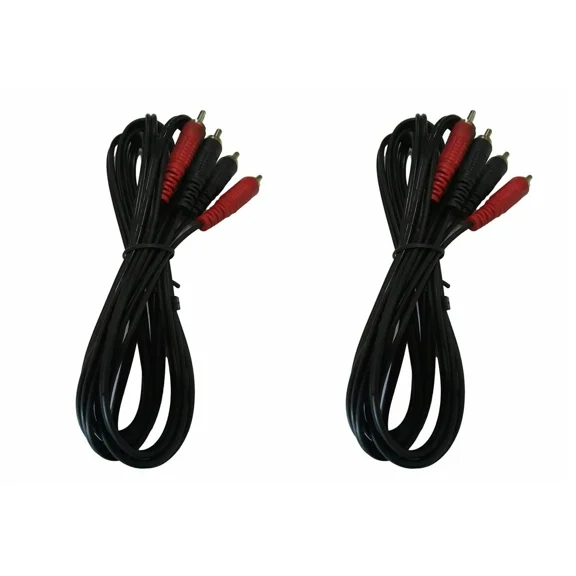
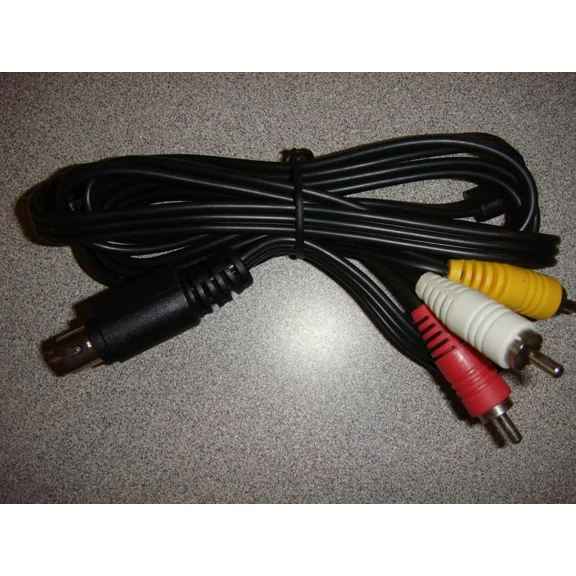
You can use wired speakers when you want a fixed setup with dedicated cable runs. You should measure cable paths first so speaker placement fits your room without awkward routing.
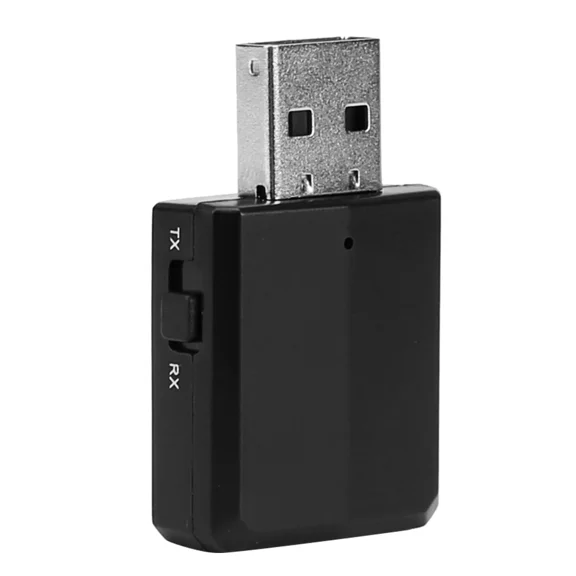
If you want flexible streaming, you may compare Bluetooth and Wi-Fi options for your devices. You can play music from phones, tablets, or compatible platforms without staying beside your audio rack.
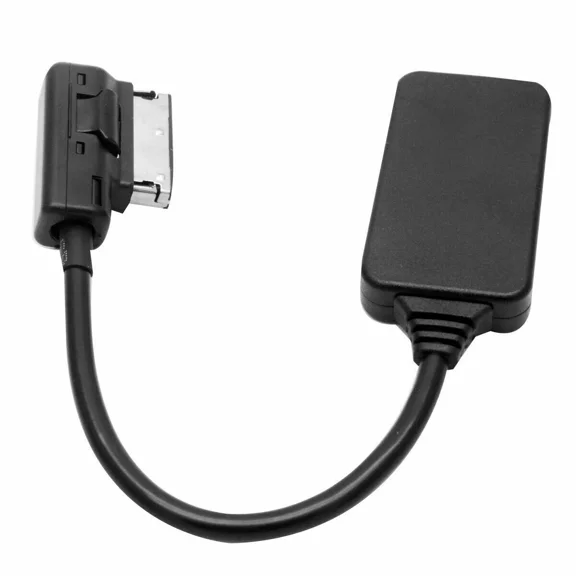
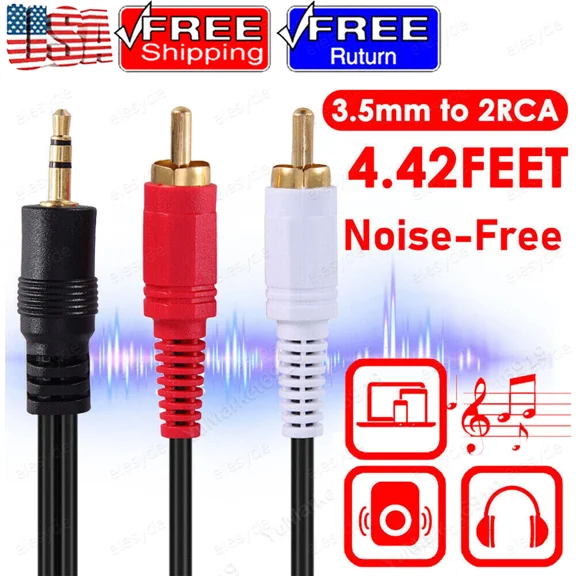
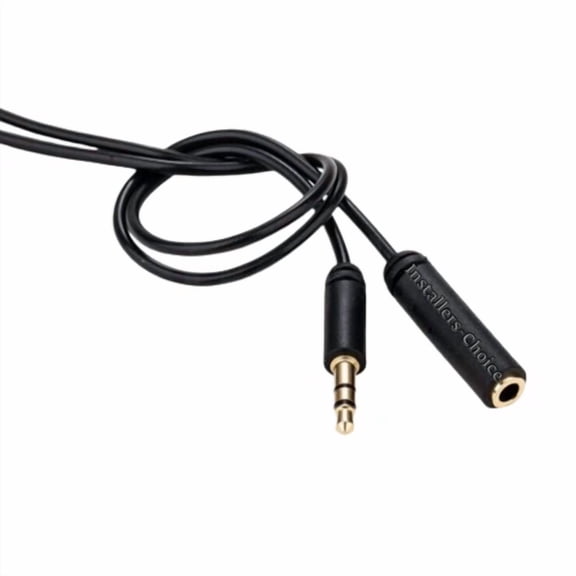
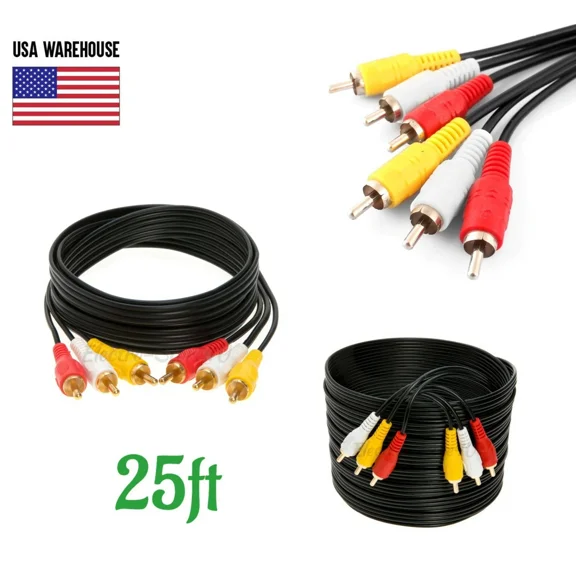
You should also look for auxiliary inputs when you use older audio sources or simple plug-in connections. You can keep more devices in rotation when your setup supports both modern and classic inputs.
Bookshelf speakers, floorstanding speakers, and surround sound speakers
You should compare bookshelf speakers and floorstanding speakers by room size, listening distance, and available surfaces. You can often fit bookshelf models into tighter spaces where large cabinets would feel crowded.
If your seating area is farther from the TV or stereo, you may want larger front speakers. You can fill a bigger room more evenly when cabinet size and output match the space.
You can choose surround sound speakers when movies, sports, and gaming are your main focus. You should plan your speaker count around your room shape, seating location, and cable access.
If you want a clean layout, you may start with front speakers and add pieces over time. You can build from stereo speakers to a fuller home theater setup as your room and equipment change.
You should consider a subwoofer when you want more impact from action scenes or concert recordings. You can pair one with bookshelf or satellite speakers to round out a compact system.
Matching speaker choices to your room and routine
You should think about how you listen each day before you compare finishes or brand styling. You can prioritize stereo speakers for music sessions, or choose a surround layout for movie-focused spaces.
If you work at a desk or use a small media corner, you may prefer compact active speakers. You can keep setup simple with fewer boxes and direct connections to computers or smaller TVs.
You can use passive speakers with a receiver when you want more control over sources and system expansion. You should take that route if you plan to add more channels, inputs, or separate components later.
If your family room handles streaming, gaming, and weekend movies, you may want flexible connectivity. You can switch among Bluetooth, optical, and wired inputs based on the device you're using.
You can choose home audio speakers with more confidence when you compare speaker type, connectivity, channel count, and power source together. You get a setup that fits your room and gives your TV, music, and movies clearer sound.