





Shop by Style
Shop all styles
Shop by department
Find your style with Better Homes & Gardens
FAQ
About Shop by Style - Home Products | Walmart.com
Explore your style
Learn more about different style inspirations to define your ideal home decor style. With something for every personality and mood, you can create your ideal furnishing and decor arrangement at Every Day Low Prices.
Mid-century
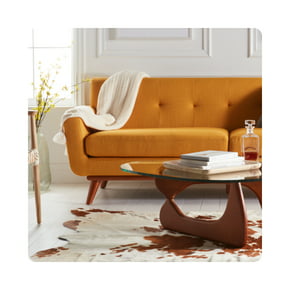
A nod to the mid-century modern movement that dominated avant garde design in the 1930s, 40s, 50s and 60s, this style profile is all about vintage appeal. Warm wood grain, swooping silhouettes and a satisfying blend of textures make mid-century decor interesting without going over the top. The color palette for mid-century decor tends to be fairly restrained without much pattern. This allows the form of the furniture and decorative object design to shine through without outside competition.
Modern farmhouse
A crisp, fresh take on rustic charm, the modern farmhouse style embraces elements of sophisticated minimalism while also drawing inspiration from pastoral aesthetics. The result is a blend of old-world accents built into simple structures without a lot of extra bells and whistles. Think distressed wood, galvanized metal and crisscrossing lines reminiscent of a particularly stylish hand-built barn. Though the color scheme for modern farmhouse decor is restrained and focused mostly on gray, cream and beige tones, there’s still a certain degree of whimsy involved. This is particularly noticeable in the way farm animals and other barnyard icons often find their way into decorative pieces in this style profile.
Industrial
Industrial design evokes the ambience of a turn-of-the-century factory, hearkening back to a time when metal and brick were the dominant materials used instead of plastic and concrete. Vintage detailing is a common feature in this style profile, but in a machinelike rather than organic way. These utilitarian pieces serve their purpose seemingly without much focus on looks, but they do ultimately have a fashionable edge that’s just right in urban lofts and modern houses. While metal is a common material in industrial decor, it isn’t a shiny, polished metal but a dulled, burnished finish that absorbs rather than reflects light. For color scheme, think about oil-rubbed bronze or blackened steel against a backdrop of raw red brick and rough-hewn wood. Decorative details that hearken back to a pre-electricity era of industrialism, including exposed nails and antique clocks, are the perfect match for this style.
Glam
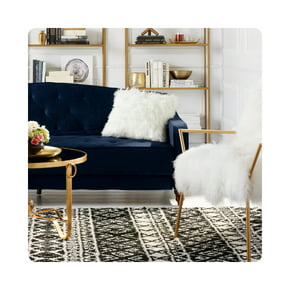
On the opposite end of the spectrum, glam decor is all about the gleaming, seductive beauty of a classic Hollywood starlet’s boudoir. Plush and pretty details like tufted velvet and gleaming mirrored surfaces set the stage for over-the-top indulgence in life’s finer things. This is another design style in which the color palette tends to stay somewhat restrained, though in a unique way — for the glam style profile, metallic is a neutral. Your approach to lines and shapes for this decor style can get a little more eclectic because minimalism isn’t exactly the order of the day. The goal is to overwhelm the senses with beauty, to flood the eyes with soft luxury so inviting it’s irresistible.
Modern
Modern style is perfect for cutting-edge trendspotters with a flair for the unusual. This decor profile focuses on clean lines, meaning a lack of excess frill and adornment, with an emphasis on simplicity of pattern and shape. That doesn’t mean the effect is boring, though — far from it. Homes decorated in the modern style tend to be delightfully edgy, even if there aren’t a lot of different decorative elements at play. That lack of embellishment itself creates a good deal of visual interest, allowing bright pops of color and quirky decorative accents to stand out and take center stage.
Rustic lodge
Imagine a cozily elegant log cabin on the side of a lake deep in a forest — that’s the essence of rustic lodge style in a nutshell. Blending rustic features like elk horns and unfinished wood with bright patterns, this style profile is a favorite of fashionable folks who like to stay connected to their backwoods roots. Shopping in this style category may turn up some pieces you wouldn’t be surprised to see in the living room of your grandpa’s favorite hunting buddy, but they’re all executed with good taste and a focus on modern style.
Global
This style profile is ideal for globetrotters with an insatiable sense of wanderlust and a desire to bring vibrant colors into their homes. Global style combines decorative motifs from different cultural influences to create an eclectic assemblage of pieces that inspire. Far from formal, this bohemian style has a distinctive glamourous quality. It’s a unique combination of elements that might not seem to match but are somehow perfectly in sync when brought together.