




























Dairy & Eggs: Fresh Milk, Eggs & Butter | Walmart
Shop by category
Dairy under $3
Hispanic essentials

Shop by brands












FAQ
About Dairy & Eggs: Fresh Milk, Eggs & Butter | Walmart - Walmart.com
Dairy & eggs help you stock daily essentials with choices for breakfast, baking, lunch prep, and quick family meals. You can compare milk fat levels, egg types, and package sizes in one grocery destination.
If you’re planning weekly staples or specialty ingredients, you can narrow options by dietary preference and household routine. You’ll also find pickup and delivery options that fit your schedule.
How to choose dairy & eggs for your routine
When you shop dairy & eggs, you can start with the foods you use most often each week. You may reach for milk, butter, cheese, yogurt, and eggs several times a day.
Freshness matters in this category, so you should check sell-by dates, package condition, and the amount your household finishes before expiration. You can often avoid waste by matching count and carton size to your usual pace.
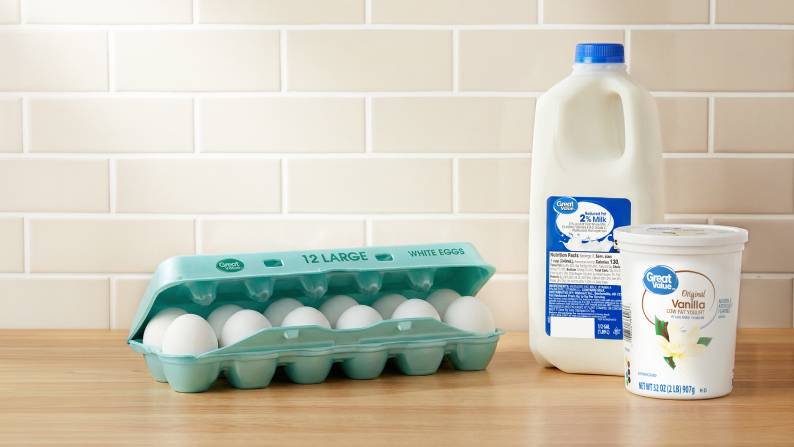
- You can choose gallon or half gallon milk based on how quickly your household uses cereal, coffee, smoothies, or cooking staples.
- You can pick 12-count or 18-count eggs when your meal prep includes breakfasts, baking, or packed lunches through the week.
- You can compare conventional, organic, lactose-free, and dairy-free options by reading front-of-pack labels for quick guidance.
- You can select whole milk, 2% milk, 1% milk, or skim milk based on taste, texture, and recipe needs.
Choosing milk and dairy products grocery store options
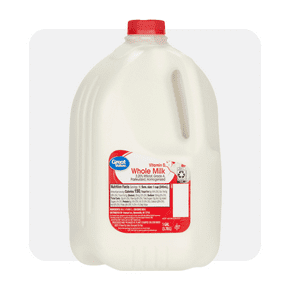
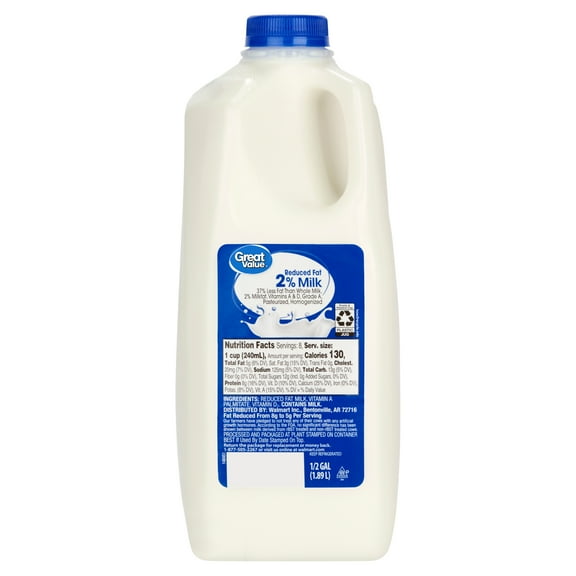
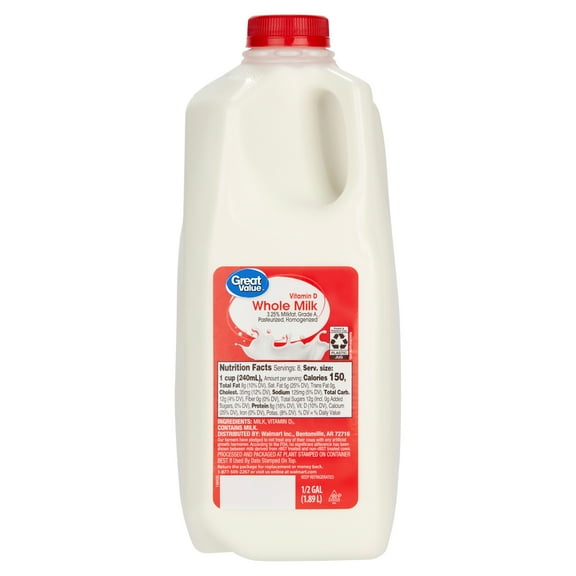
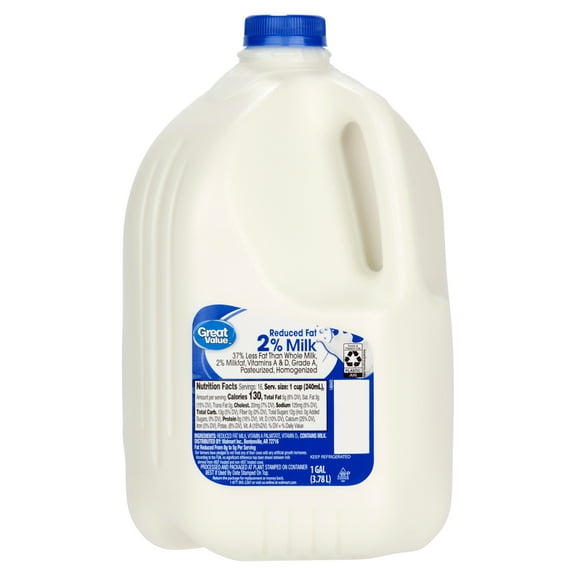
Milk is often the first decision, and you can sort choices by fat content and package size. Whole milk gives you a richer texture, while 2%, 1%, and skim milk offer lighter everyday options.
If you use milk in cereal, sauces, and baking, you may prefer a gallon for fewer restocks. If you use it less often, you might choose a half gallon for easier storage.
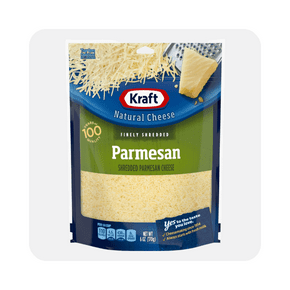
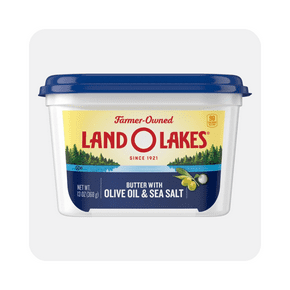
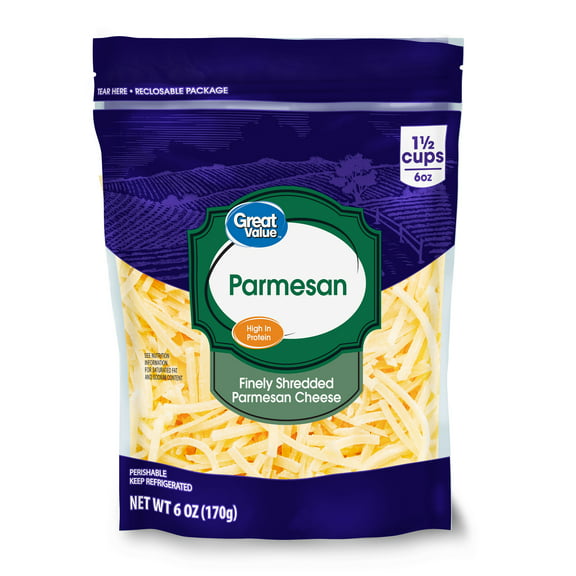
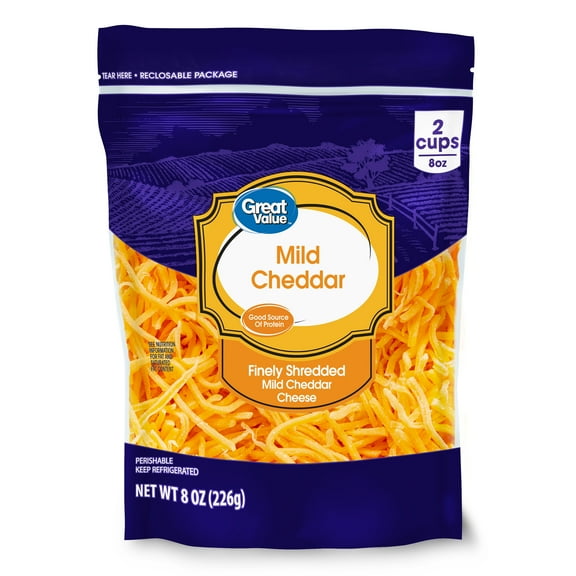
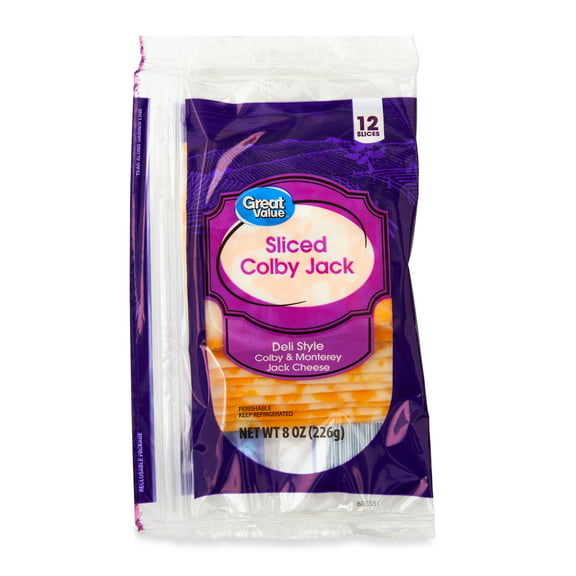
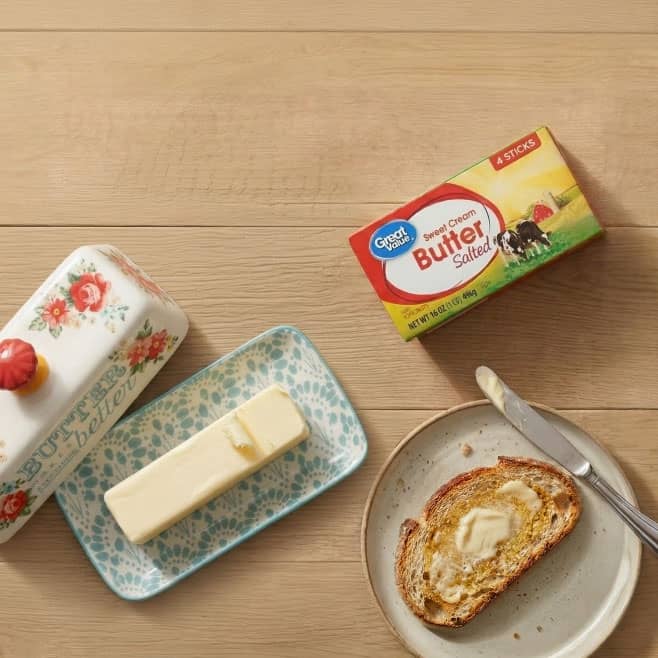
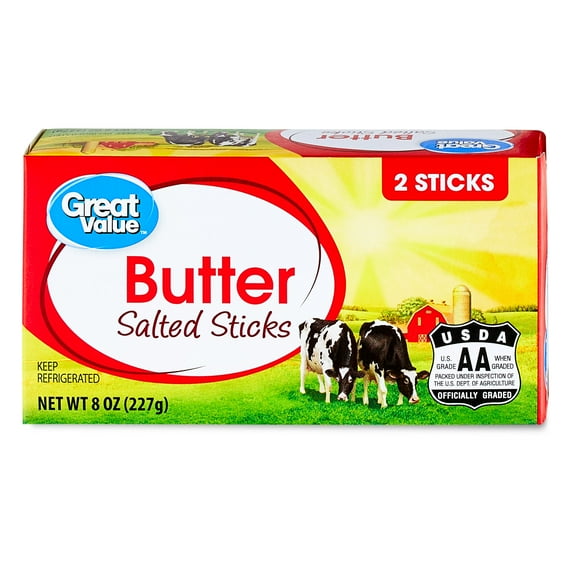
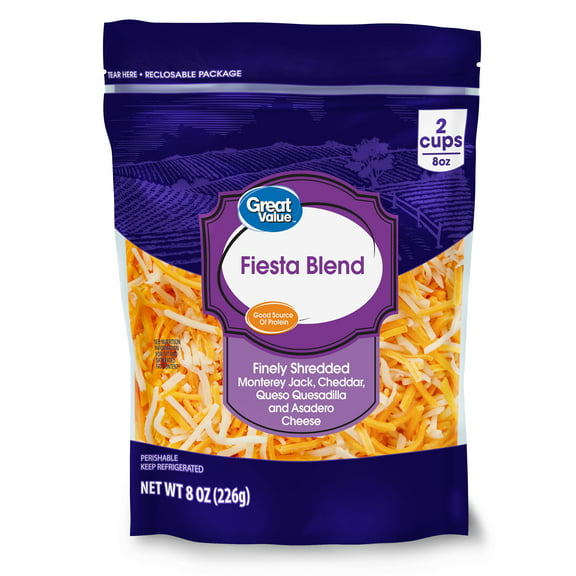
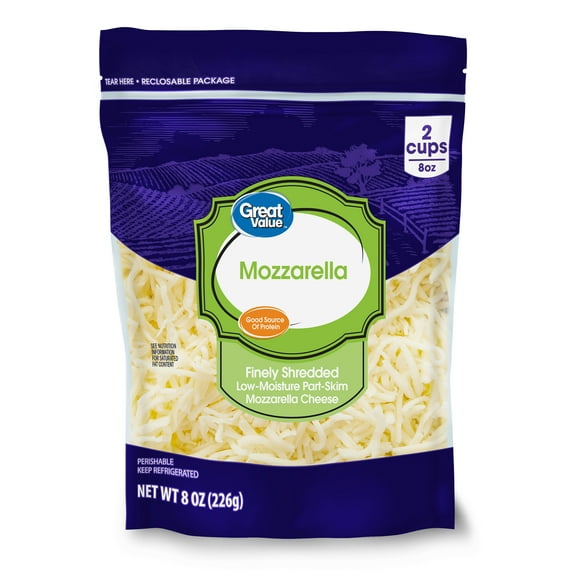
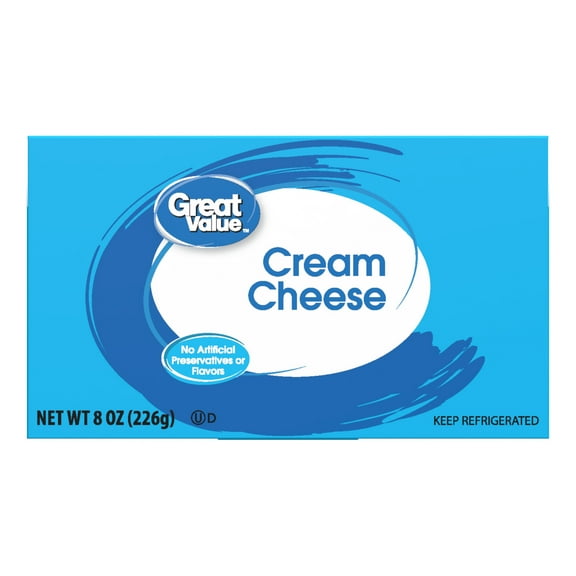
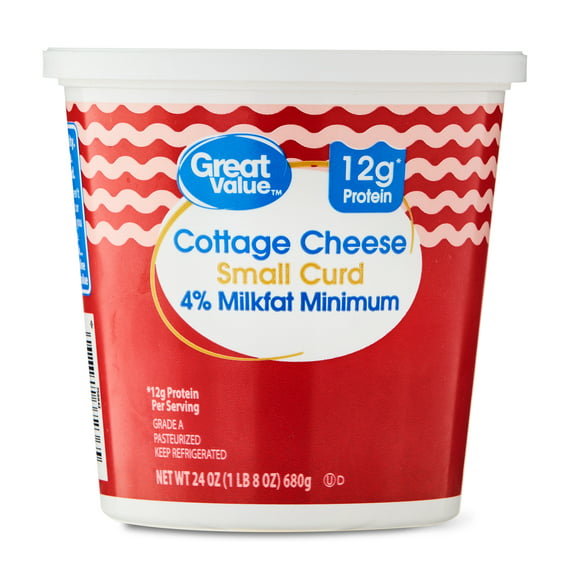
Beyond milk, you can compare dairy and egg products that support everyday cooking. Butter helps with baking and sautéing, while shredded or sliced cheese keeps sandwiches, casseroles, and snacks simple.
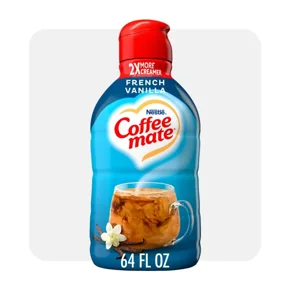
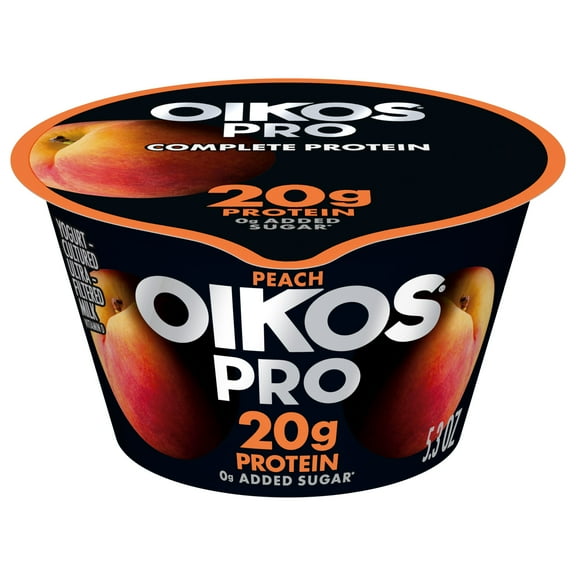
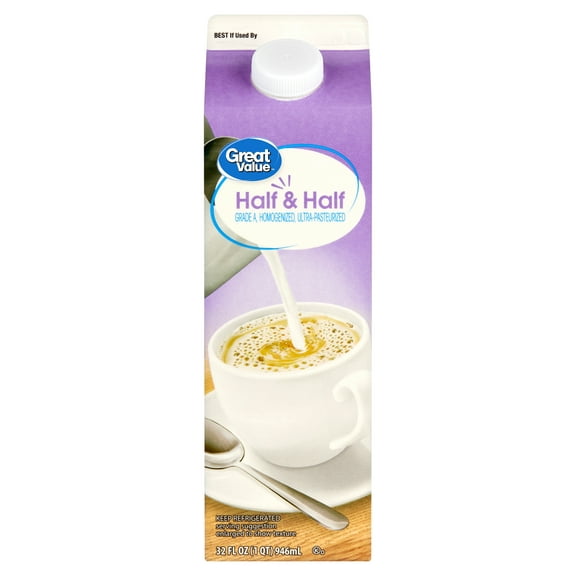
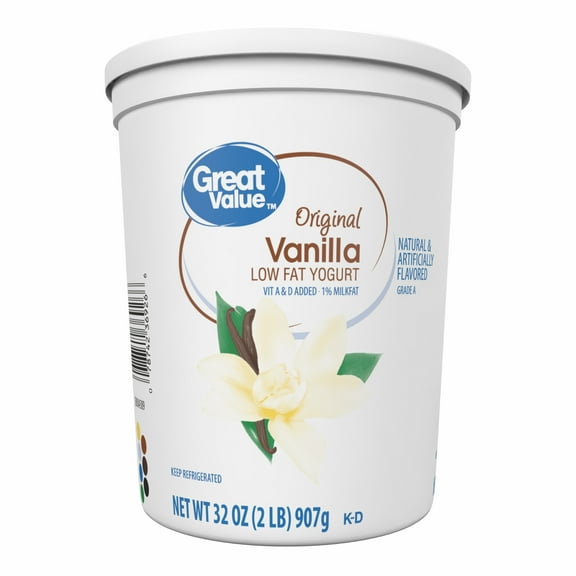
Yogurt and creamers can also shape your routine, especially when you want easy breakfast or coffee add-ons. You can keep your refrigerator organized by choosing formats that match your shelf space.
Comparing dietary preference labels
Dietary preference labels help you filter choices quickly when your household follows specific eating habits. You can look for dairy-free, lactose-free, organic, or conventional options based on your needs.
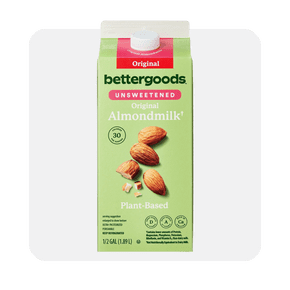
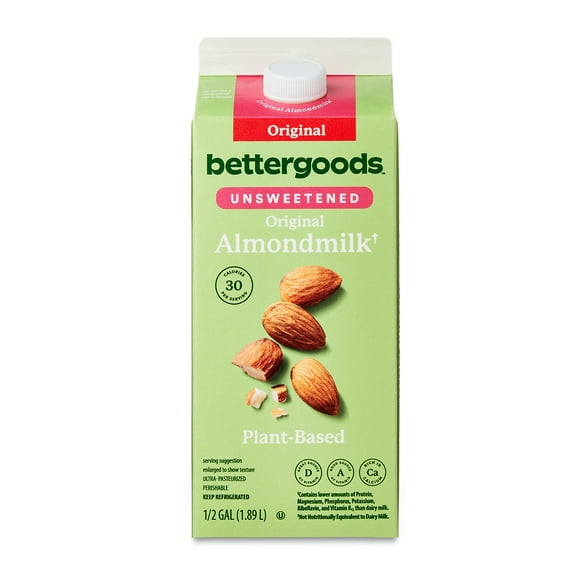
If you want dairy-free items, you can check labels for plant-based alternatives that fit coffee, cereal, and recipes. If you prefer lactose-free items, you can find familiar staples in clearly marked cartons and containers.
Organic and conventional choices give you another way to compare dairy products grocery store selections. You can decide based on label preference, recipe plans, and the brands you already keep on hand.
For shared households, you may mix several types in one order to cover different routines. You can keep everyone stocked without making separate trips for specialty staples.
Understanding eggs and dairy products choices
Eggs support fast breakfasts, weekend baking, and protein-packed meal prep, so carton details matter. You can compare egg type, count, and grade before you choose.
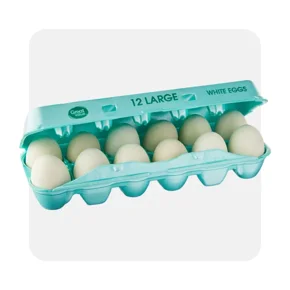
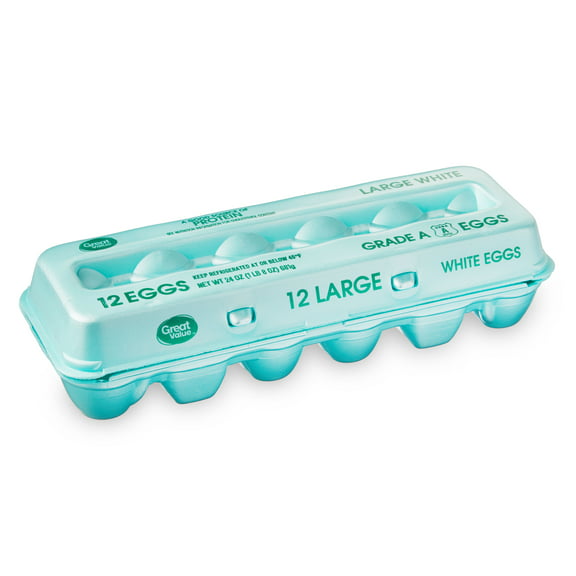
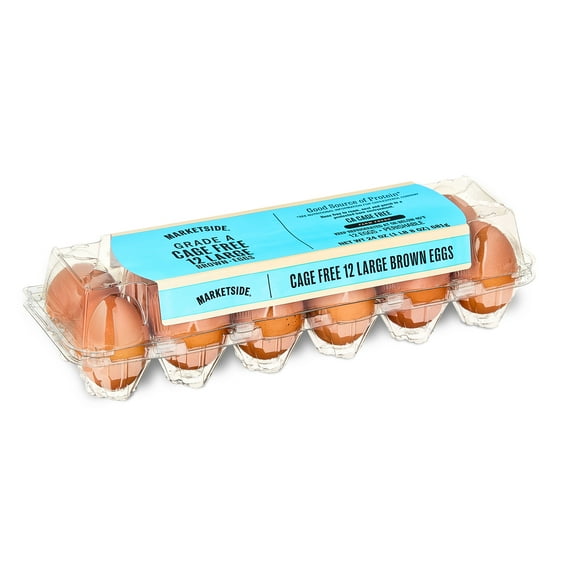
Grade A large eggs are a common pick when you want dependable size for scrambling, frying, and baking. You can use that size more confidently when a recipe calls for standard eggs.
Cage-free and free-range labels describe different farming practices, and you can use those labels as a simple comparison point. Organic egg labels add another decision layer when you want that preference represented in your cart.
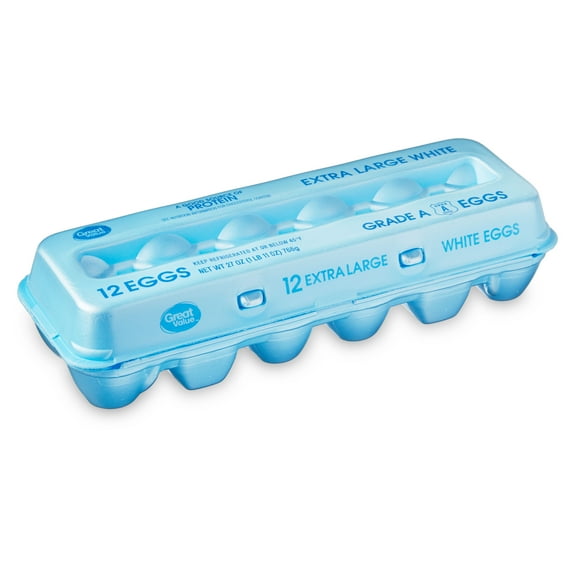
If your household goes through eggs quickly, you may prefer an 18-count carton for meal prep and baking days. If you use fewer eggs each week, a 12-count carton may fit your refrigerator better.
Matching package size to real household use
Package size changes how conveniently you store and finish these staples during the week. You should consider refrigerator space, family size, and how often you cook at home.
A gallon of milk can suit larger households, frequent cereal eaters, or anyone who cooks with milk often. A half gallon can work well when you want freshness to align with lighter use.
Egg counts matter in the same practical way, especially if you batch-cook breakfasts or bake regularly. You can plan around a 12-count for occasional use or an 18-count for heavier weekly demand.
These simple size decisions can make your grocery routine feel smoother and more predictable. You can keep essentials available without crowding your shelves or overbuying perishables.
Using dairy and egg products across the week
You can use these staples across many meals, which makes this category especially practical for weekly planning. Milk supports smoothies and oatmeal, while eggs cover quick breakfasts and packed lunches.
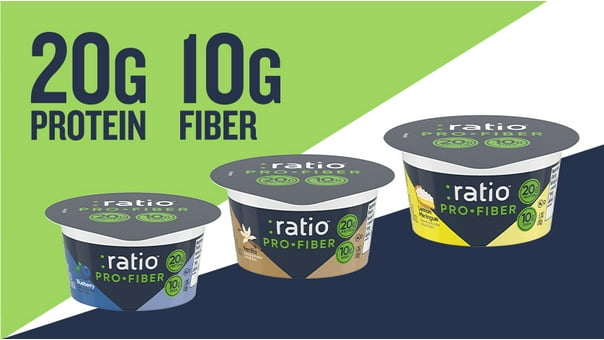
Cheese and butter help you build sandwiches, pasta dishes, casseroles, and baked goods with familiar ingredients. Yogurt can simplify breakfast prep when you want grab-and-go cups or larger tubs for several servings.
If you’re baking, you may want Grade A large eggs, butter sticks, and the milk type your recipe prefers. If you’re packing lunches, you might choose sliced cheese, yogurt cups, and a smaller milk carton for home use.
When your household includes mixed preferences, you can combine conventional eggs, lactose-free milk, and dairy-free alternatives in one order. You get a more tailored refrigerator setup that supports how you actually eat.
You can make smarter grocery decisions in dairy & eggs when you compare labels, sizes, and everyday uses together. That practical approach helps you keep fresh staples ready for meals you already make.