

Language Arts Kids Books for Learning










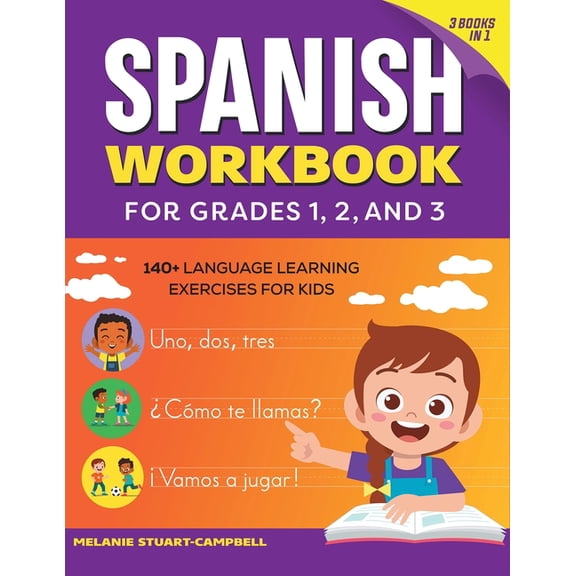
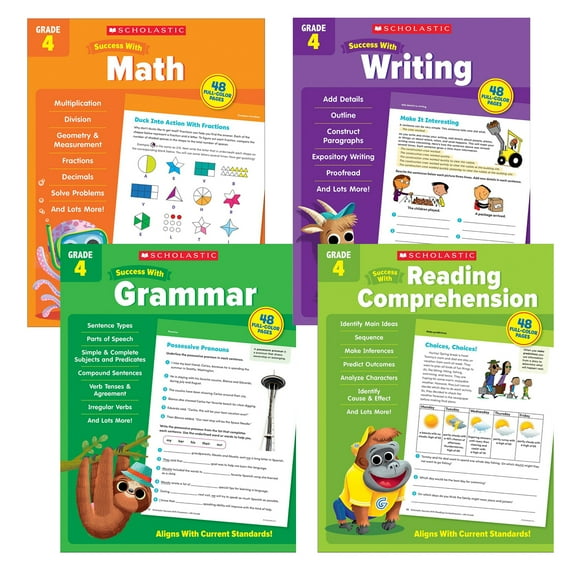
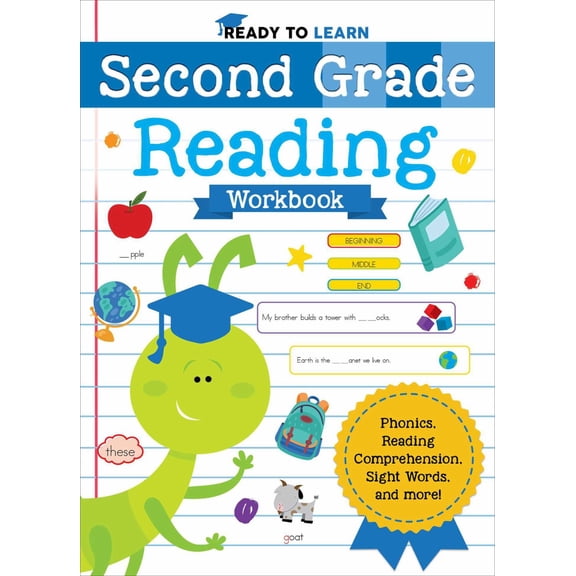
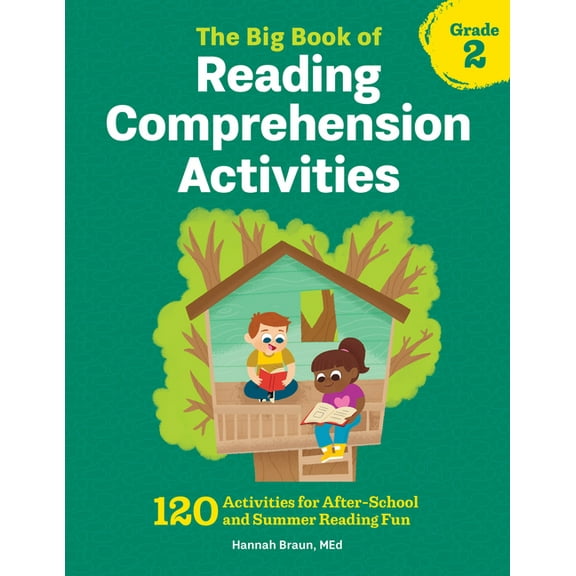




About Language Arts Kids Books for Learning - Walmart.com
Language arts books help you match reading practice to your child’s grade, skill level, and daily routine. You can compare readers, workbooks, and activity formats that support kindergarten through middle school learning.
When you review this category, you can focus on grade progression, curriculum fit, and page design. That approach helps you choose books that feel clear, usable, and relevant for schoolwork or home study.
How to choose language arts books by grade level
Start with your child’s current reading level, then compare the grade shown on the cover. That simple check helps you avoid books that feel too easy or too demanding.
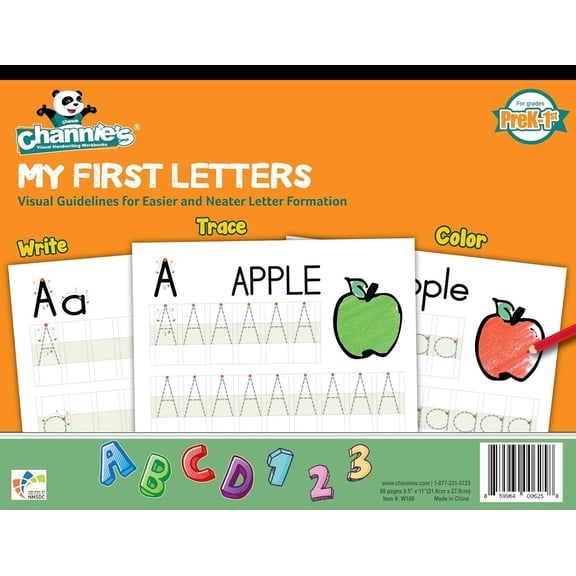
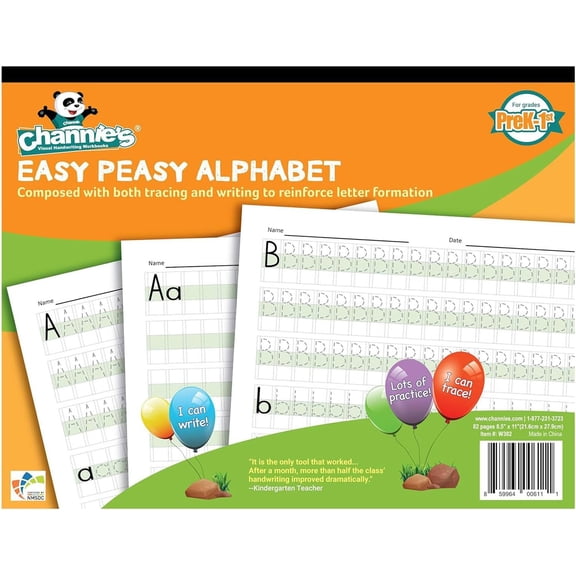
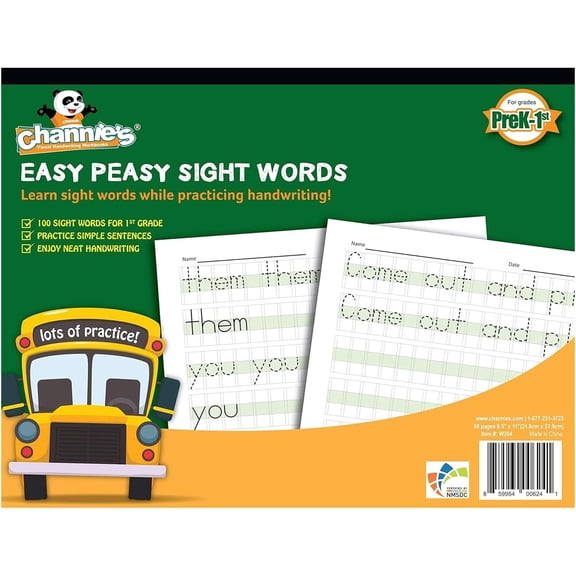
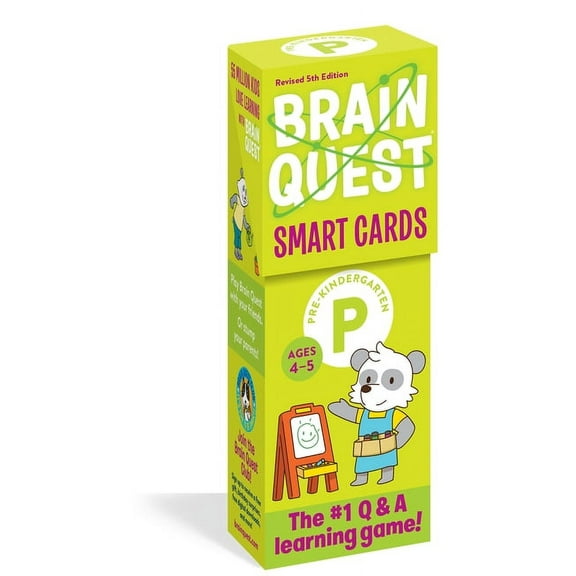
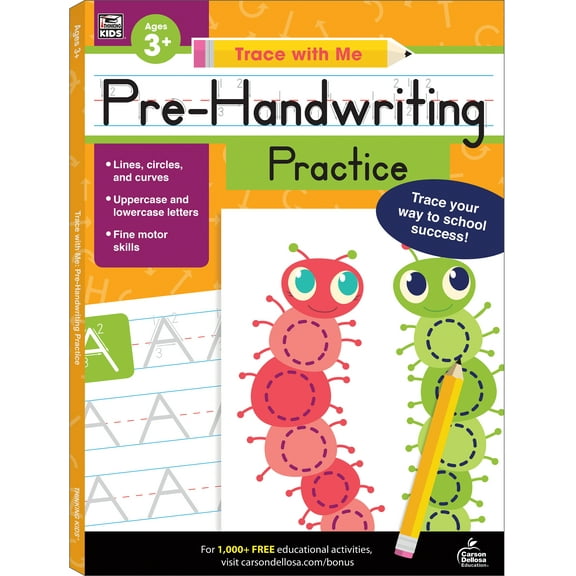
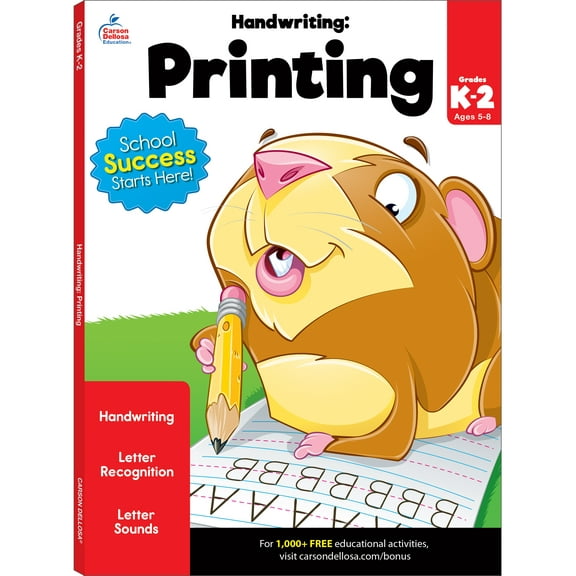
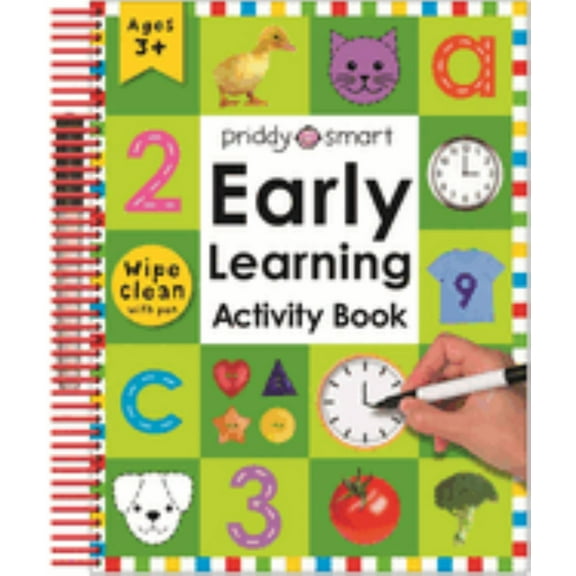
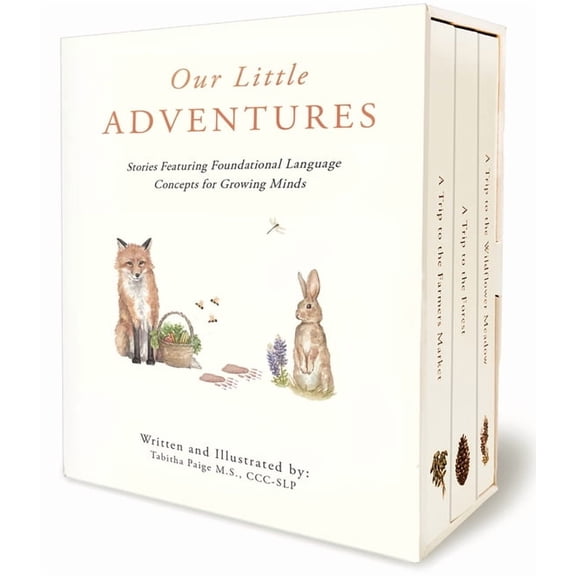
For kindergarten, you may want letter sounds, sight words, and short reading tasks with visual support. Large print, tracing space, and simple directions often fit early learners well.
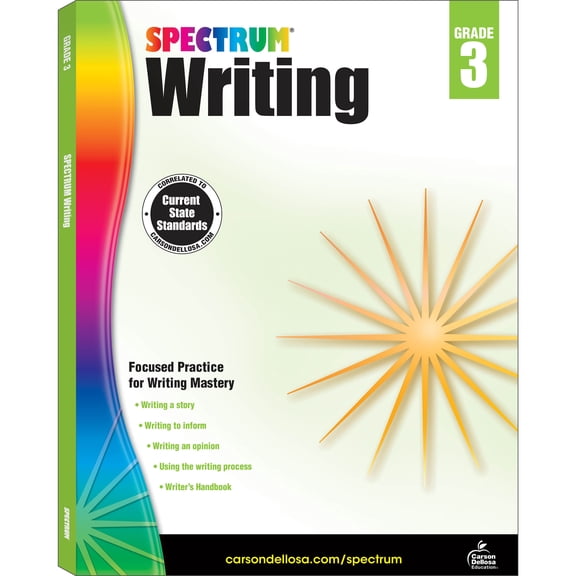
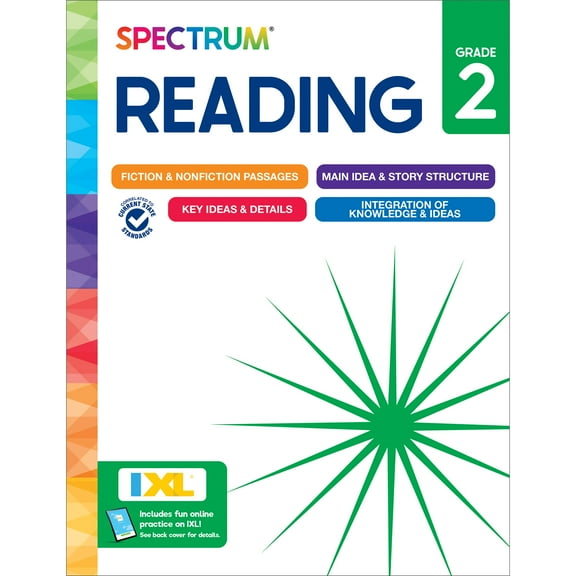
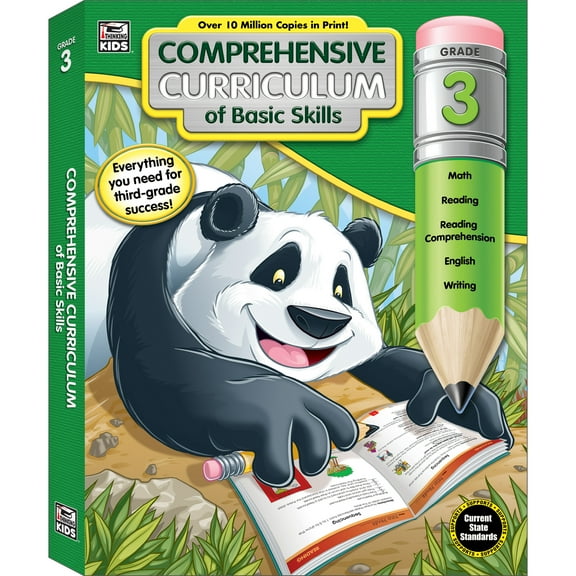
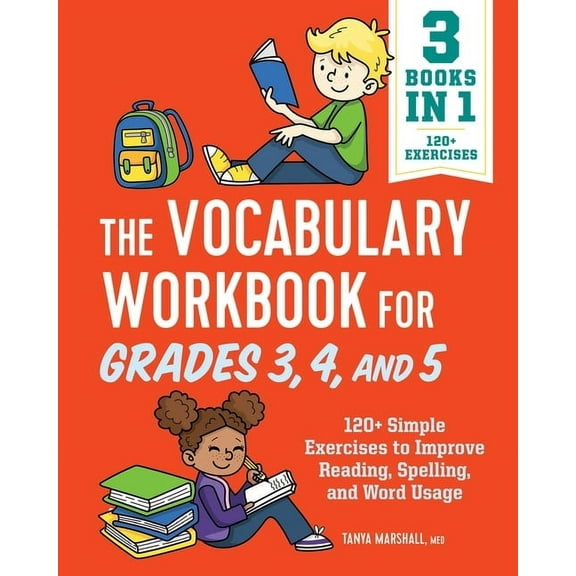
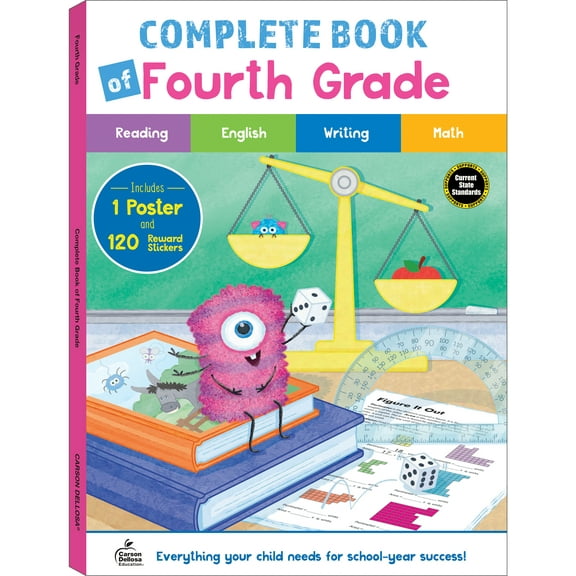
In elementary grades, you can look for longer passages and broader skill review across grammar and vocabulary. A balanced layout helps your child move between reading, writing, and comprehension practice.
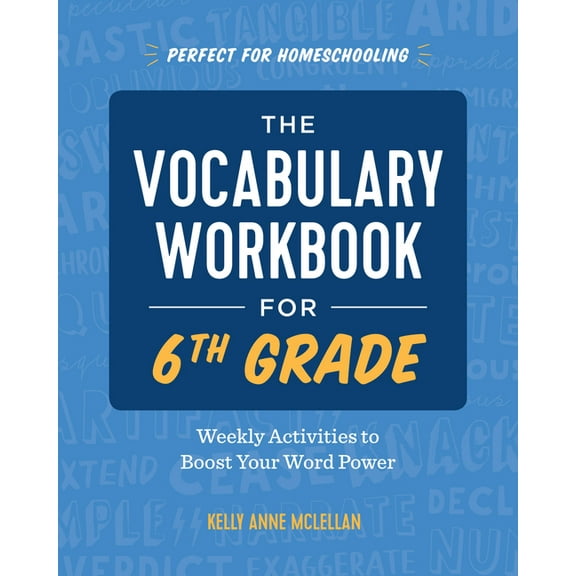
By middle school, you may prefer extended passages, written responses, and more structured language tasks. That format can fit class assignments, independent review, and academic vocabulary practice.
Choosing between language arts activity books and workbooks
Compare book types by how your child learns and how much guidance you plan to give. Some formats support step-by-step practice, while others keep lessons varied and interactive.
- You can use language arts workbooks for sequential lessons that build one skill at a time.
- You may choose language arts activity books when your child responds well to matching, puzzles, coloring, and short games.
- You can use readers when your child needs connected passages for fluency, vocabulary, and comprehension practice.
- You may prefer a language arts textbook when you want broader lessons and a classroom-style structure.
When you compare workbook options, check how the book presents directions and how quickly lessons advance. That detail helps you find practice that feels steady without becoming repetitive.
Activity books can work well when games connect directly to spelling, grammar, or context clues. Readers can make sense when you want your child to practice skills inside complete passages.
What subject focus to compare in language arts books
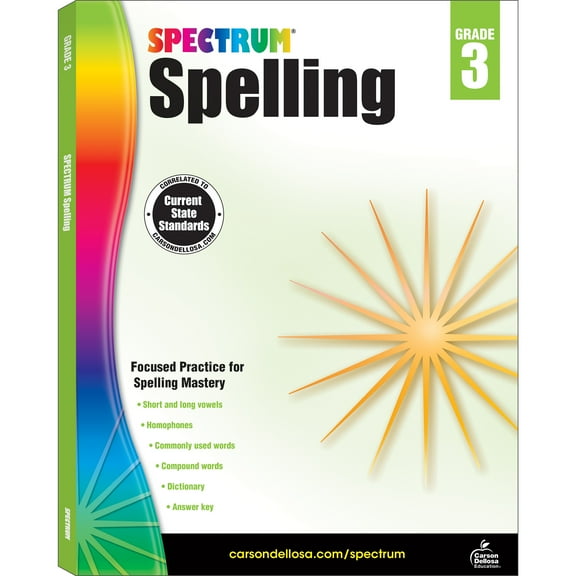
Narrow your choices by the skill your child needs right now. Many language arts books center on phonics, grammar, vocabulary, or reading comprehension.
If you’re shopping for early learners, consider phonics methodology and how sounds build into words. A clear sequence helps your child connect letter patterns, decoding practice, and repeated review.
For grammar and vocabulary, look for lessons that explain sentence parts, usage, and word meaning in plain language. That structure can help your child apply skills across reading and writing tasks.
When reading comprehension matters most, compare passage length, question types, and response space. Those details shape how your child practices main idea, sequencing, inference, and supporting details.
You may also check whether a book notes Common Core alignment when classroom matching matters to you. That cue can make home practice feel closer to current school expectations.
How format affects daily learning routines
Format matters because it changes how a book fits backpacks, desks, and study spaces. Paperback, hardcover, and spiral bound options each support different routines.
Paperback books can feel easier to carry between school, home, and travel. That lighter format may suit readers or practice books used in several places.
Hardcover books can make sense when you want a sturdier option for repeated shelf use. That choice often fits textbooks or readers that stay in one learning area.
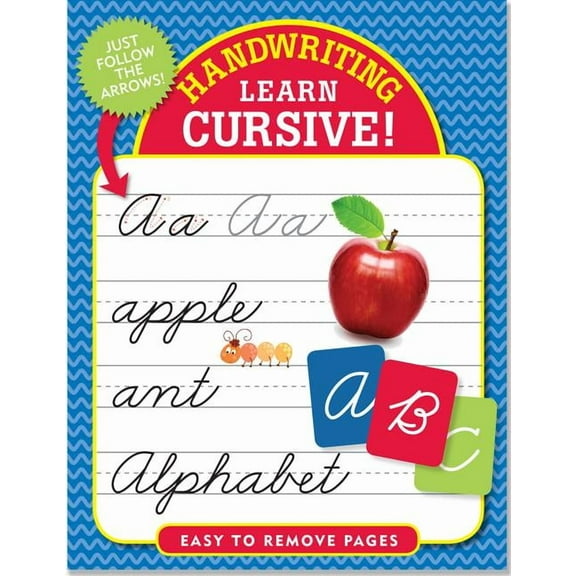
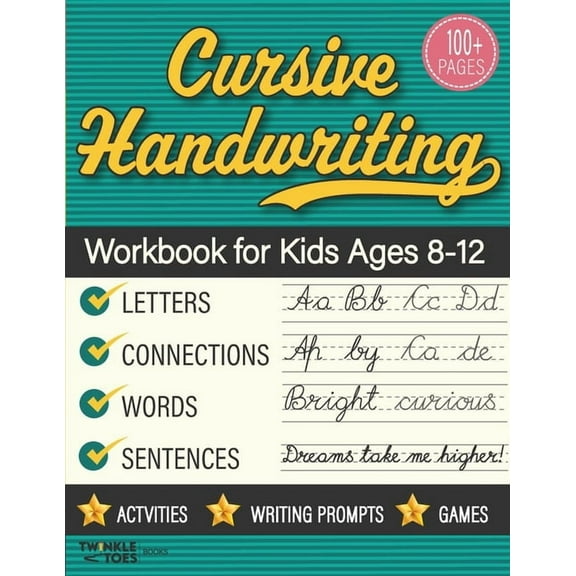
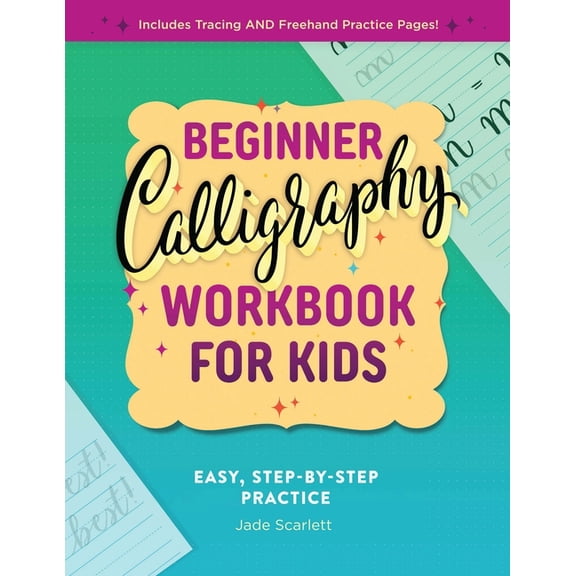
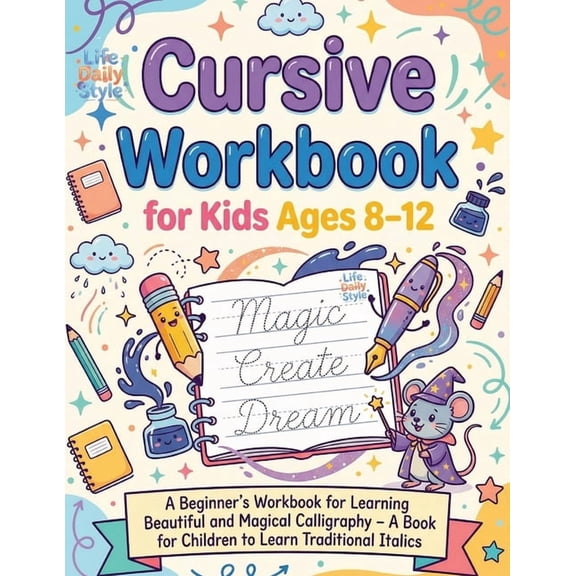
Spiral bound books can help when your child writes directly on the page during lessons. Pages that lie flat often feel easier for tracing, handwriting, and workbook exercises.
Matching language arts readers to your learning setup
Think about who will use the book most and how instruction happens each day. Some books fit independent study, while others work well for guided practice.
For independent learning, shorter sections and clear examples can keep your child moving with less support. A clean layout also helps when your child completes pages during homework time.
For teacher-led or parent-guided lessons, discussion prompts and multi-step exercises can be useful. That setup gives you room to explain directions and connect skills across lessons.
If you’re supporting mixed needs, pair language arts readers with focused practice by subject. That combination can help your child build fluency while reviewing phonics, grammar, or vocabulary.
When you compare kindergarten, elementary, and middle school choices side by side, patterns become easier to see. You can measure reading level, page density, and assignment length with more confidence.
With the right language arts books, you can match grade level, book type, subject focus, and format to everyday learning. That match helps your child practice reading and writing skills with steady progress.