

Fisher-Price Baby Toys and Gear






![Fisher Price Laugh & Learn Wake Up & Learn Coffee Mug [Lights & Music, Pink]](https://i5.walmartimages.com/seo/Fisher-Price-PINK-Laugh-and-Learn-with-Lights-Music-Coffee-Mug-Stanley_b28653f5-017a-47d3-9a05-da9610c4a18b.3fb9939ad8509d6e7d6a47e0312a79cb.png?odnHeight=576&odnWidth=576&odnBg=FFFFFF)









About Fisher-Price Baby Toys and Gear - Walmart.com
Fisher-Price toys help you match playtime to your child’s age, stage, and daily routine. You can compare infant play, toddler activity, and preschool imagination in one place.
When you shop this brand category, you’ll notice age-range choices, milestone goals, and toy formats that guide faster decisions. You can also focus on easy-clean surfaces, durable builds, and battery details before you choose.
How to choose Fisher-Price toys by age range
You should start with age range because it shapes size, interaction, and play patterns. You can compare options for 0-6 months, 6-12 months, 1-3 years, and 3+ years.
For younger babies, you may look for soft textures, simple sounds, and high-contrast details. For older toddlers, you may prefer buttons, stacking actions, and role-play features that support longer attention.
You should also check packaging details for age guidance and safety certifications. You can avoid mismatched choices by confirming whether small parts are appropriate for your child’s stage.
What to look for in Fisher-Price baby toys
Fisher-Price baby toys often center on sensory discovery, early movement, and simple cause-and-effect play. You can use these cues to compare toys for tummy time, seated play, or reaching practice.
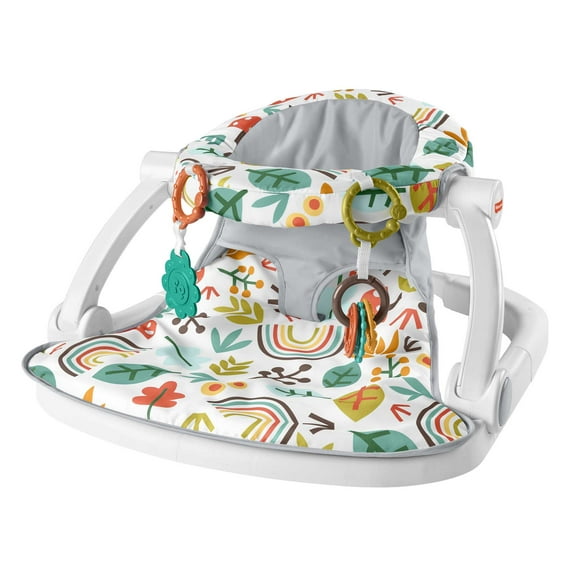
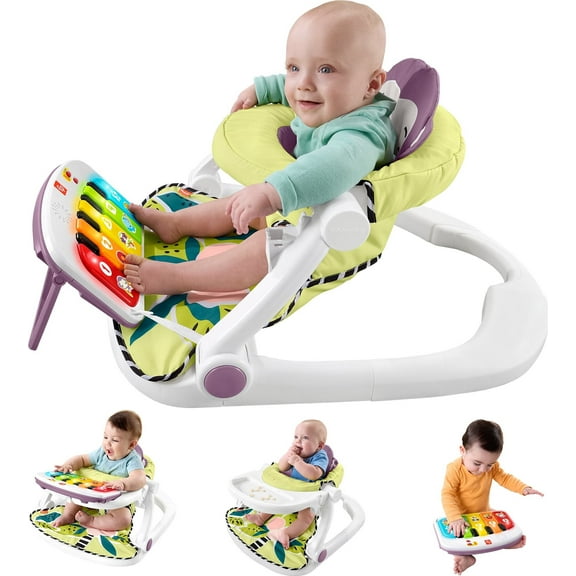
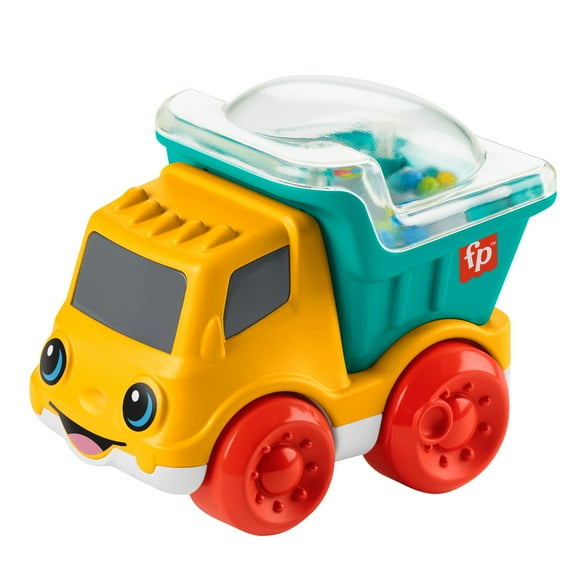
At 0-6 months, you may look for rattles, soft activity toys, or musical items with gentle interaction. At 6-12 months, you may prefer sit-to-play options, busy panels, or rolling toys.
- You can support sensory play with lights, textures, mirrors, and easy-grasp shapes.
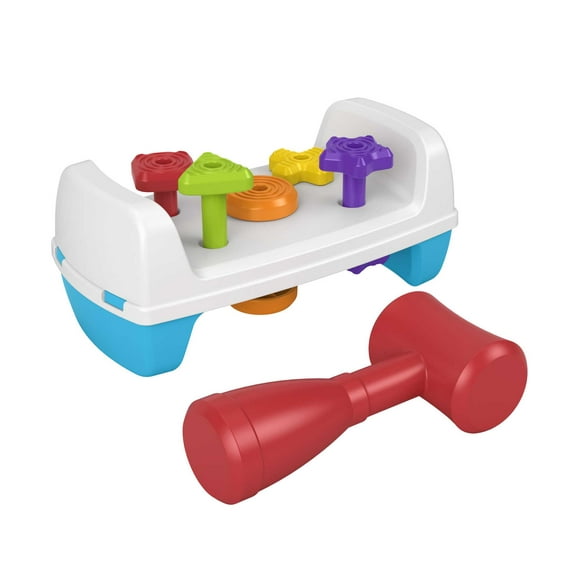
- You can encourage fine motor practice with spinning parts, sliders, and stacking pieces.
- You can build gross motor movement with push toys, ride-ons, and activity centers.
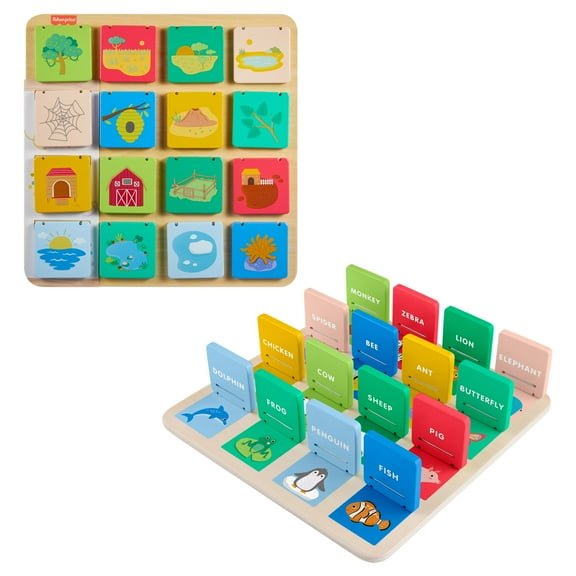
- You can encourage cognitive development through matching, sorting, songs, and simple sequences.
You’ll also want surfaces that wipe clean after daily use. You can make upkeep easier by comparing fabric areas, crevices, and removable pieces before you choose.
Choosing Fisher-Price toddler toys for active play
Fisher-Price toddler toys usually add bigger actions, repeat play, and pretend-play themes. You can compare ride-ons, blocks and stacking toys, musical toys, and character sets by how your child plays.
For 1-3 years, you may want toys that support standing, pushing, sorting, or early words. For 3+ years, you may lean toward figures, vehicles, and story-based sets with more steps.
You should check whether a toy uses batteries and how that affects everyday use. You can decide if you want ready-to-play simplicity or sound and light features.
Key differences between toy types and milestones
Activity centers work well when you want several touchpoints in one toy. You can compare hanging pieces, music buttons, spinning parts, and seated or standing play formats.
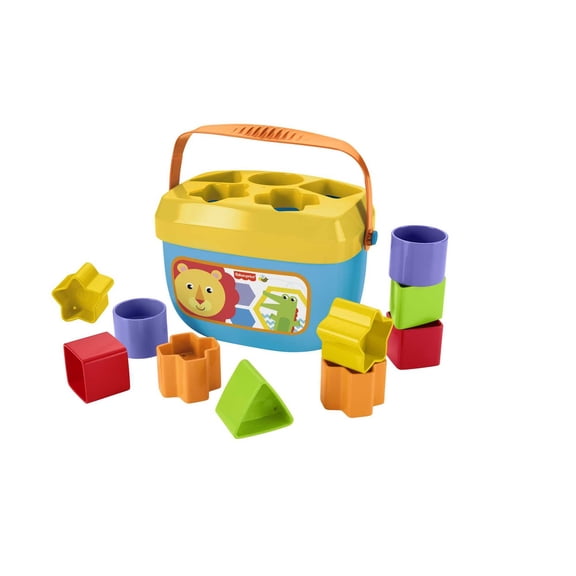
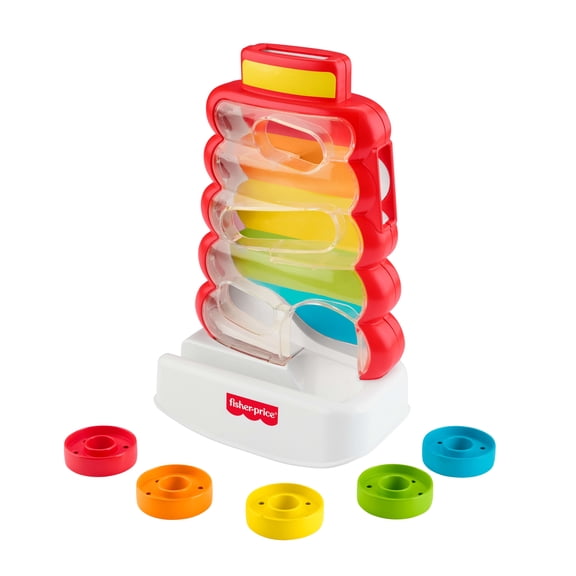
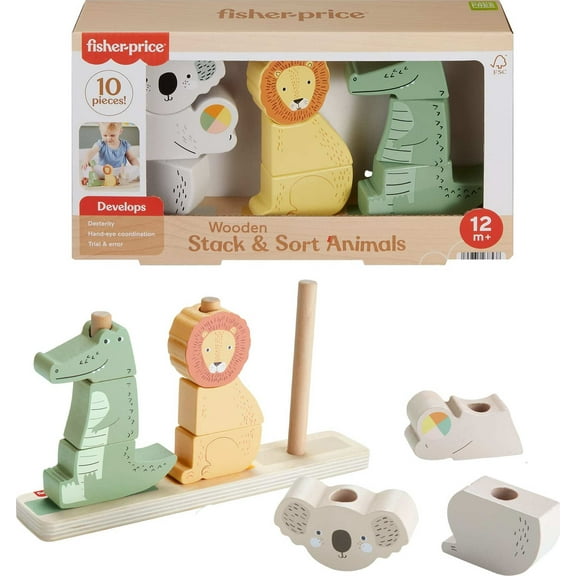
Blocks and stacking toys help you focus on grasping, placing, and early problem solving. You can use them for color recognition, shape matching, and repeated hand practice.
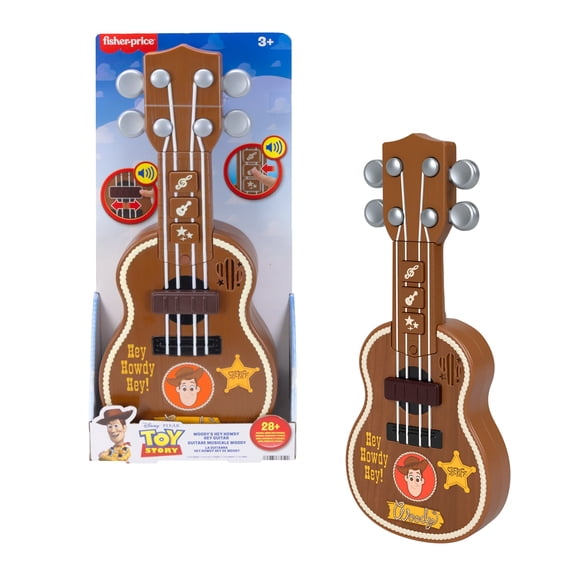
Musical toys fit families who want sound-based interaction and simple response play. You can compare sing-along buttons, piano keys, and phrase-based prompts for different ages.
Ride-ons matter when you want movement-based play that feels active and engaging. You can look for stable bases, easy grips, and foot-powered motion that matches gross motor development.
When you compare milestones, you should think about how your child plays right now. You can choose sensory toys for exploration, fine motor toys for hand practice, or cognitive toys for sequencing.
How product lines can guide your decision
You may narrow choices faster by looking at product lines that match your child’s interests. You can use character play, music-led learning, or action themes as a simple shortcut.
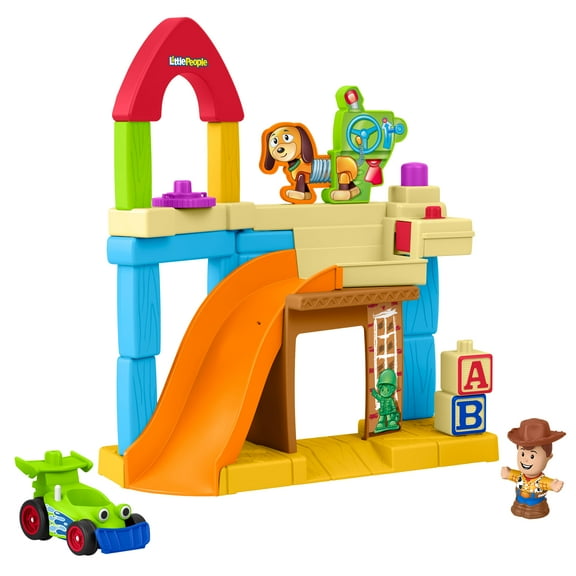
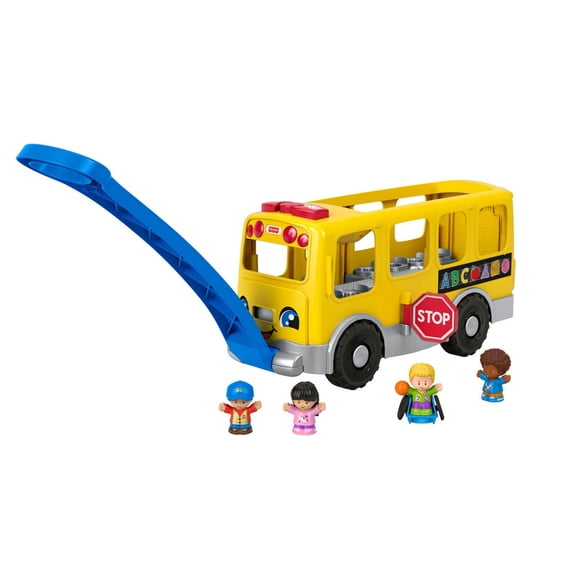
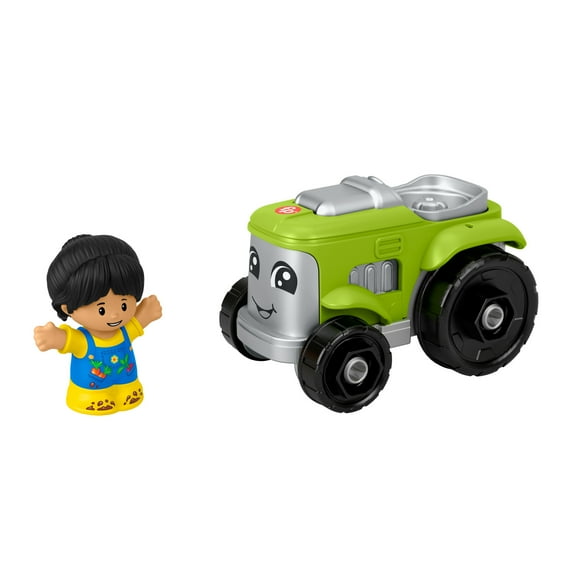
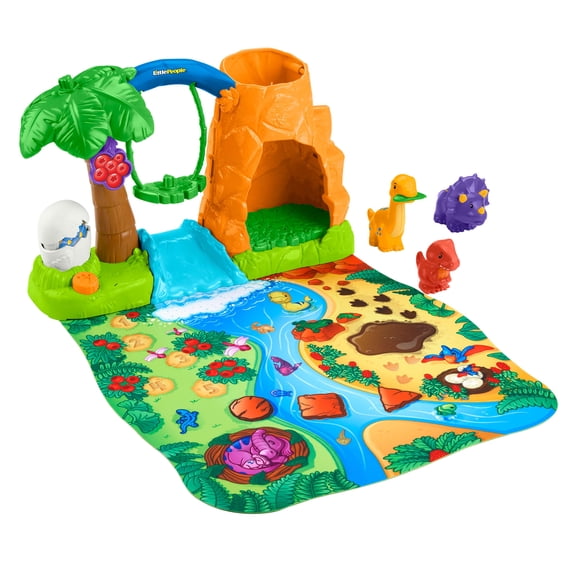
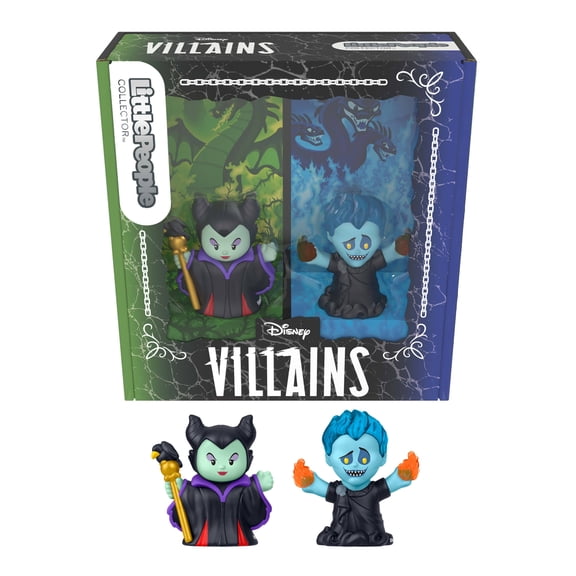
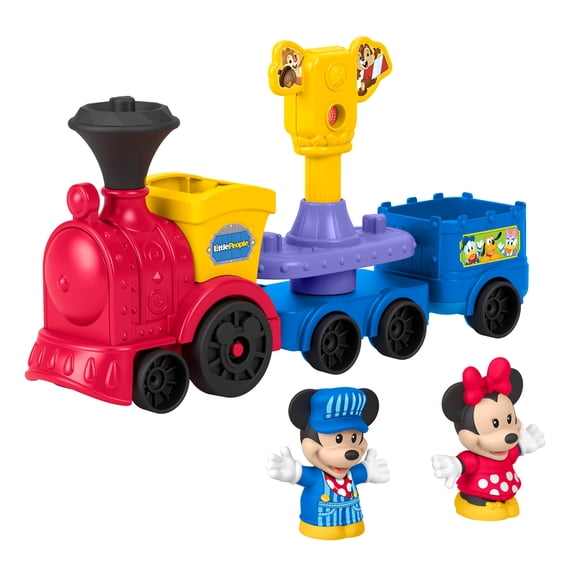
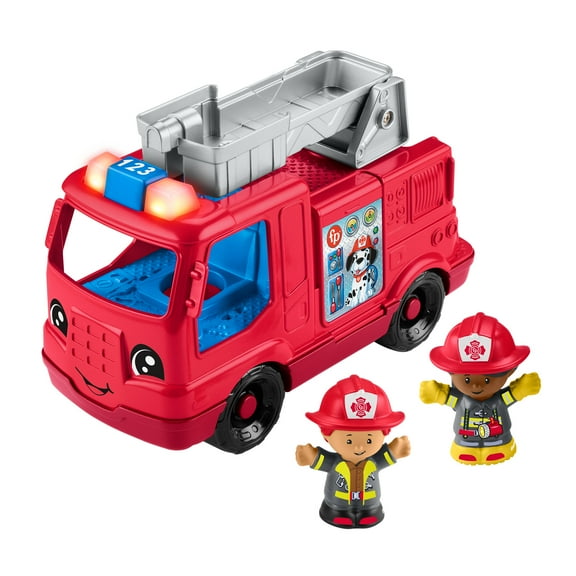
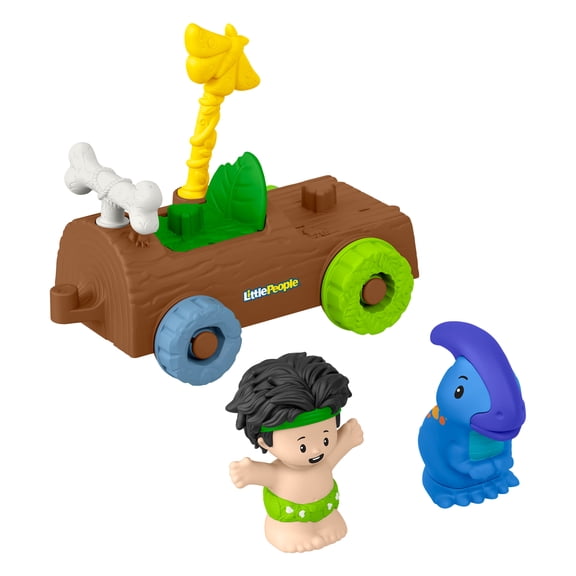
Little People toys often fit early pretend play with chunky figures and familiar scenes. Laugh & Learn styles usually focus on buttons, music, and playful introductions to letters, numbers, or routines.
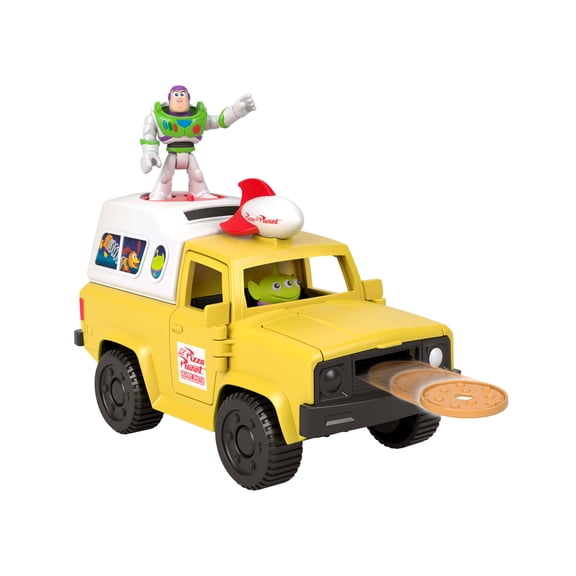
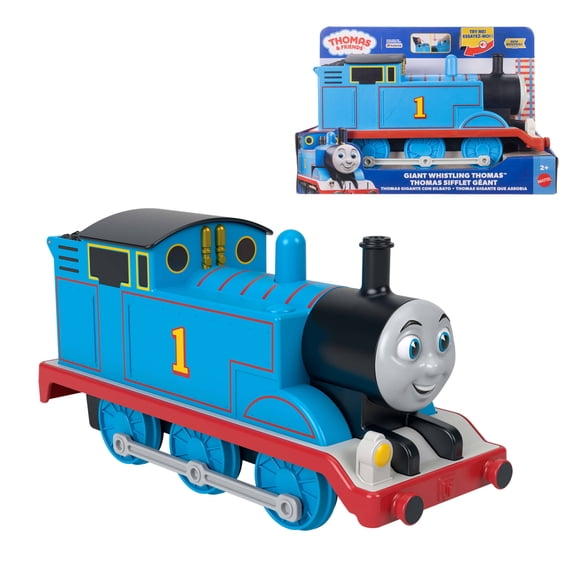
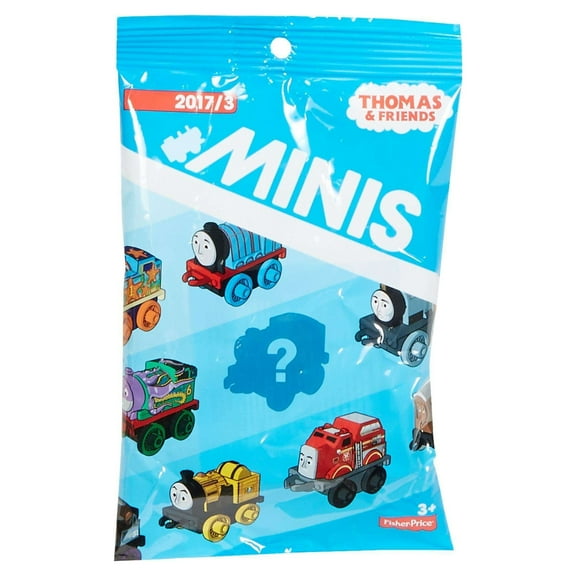
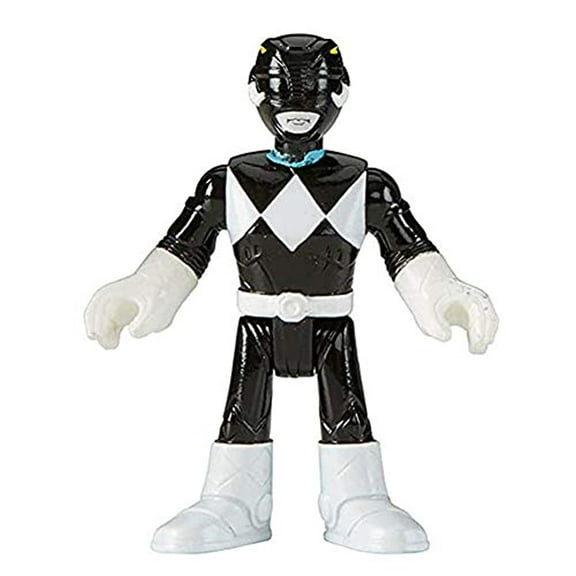
Imaginext options may suit older kids who enjoy vehicles, figures, and story building. Thomas & Friends sets may appeal when you want train play, track themes, and recognizable characters.
Practical features that matter every day
You should compare durability because daily play often includes drops, dragging, and repeated button pressing. You can check materials, connection points, and piece size for everyday handling.
Cleaning matters just as much when toys move from floors to playrooms to car rides. You can look for smooth plastic, fewer hard-to-reach gaps, and removable accessories where available.
You may also want to compare storage needs before you choose larger items. You can measure floor space for ride-ons, activity centers, and multi-piece sets so play fits your home.
Using Fisher-Price learning toys in real routines
Fisher-Price learning toys can fit morning floor play, travel time, and evening wind-down routines. You can match toy size, sound level, and interaction style to each part of your day.
For short play sessions, you may prefer one-piece musical toys or simple sensory items. For longer sessions, you may choose activity centers, stacking sets, or themed figure play.
If you’re building a gift list, you can match age range with milestone goals for easier picking. You can choose baby toys for early reaching, toddler toys for active movement, or preschool sets for stories.
With Fisher-Price developmental toys, you can compare age guidance, toy type, milestone focus, and cleaning ease in one decision. You’ll leave with a clearer match for everyday play and growing skills.