


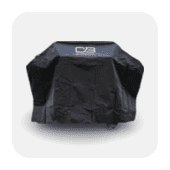


Char-Broil Gas Grills: Propane & Infrared Models
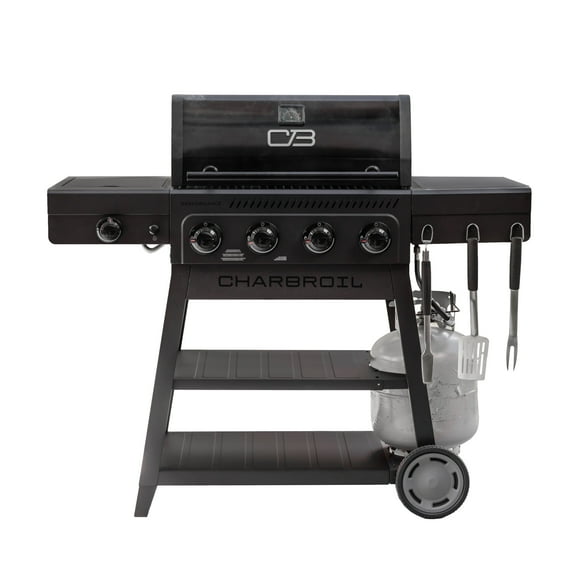


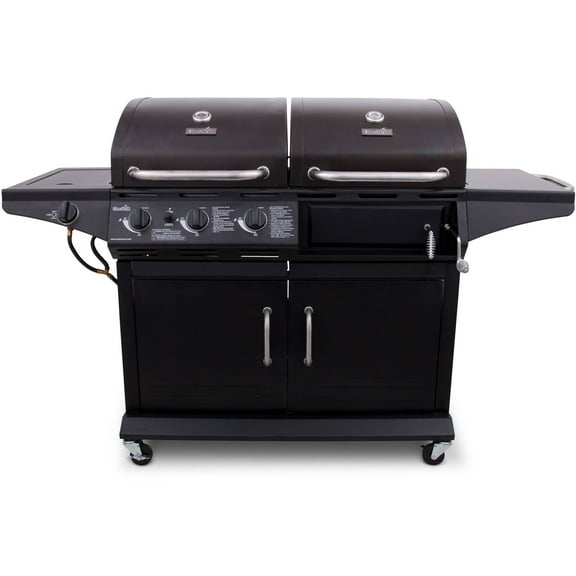

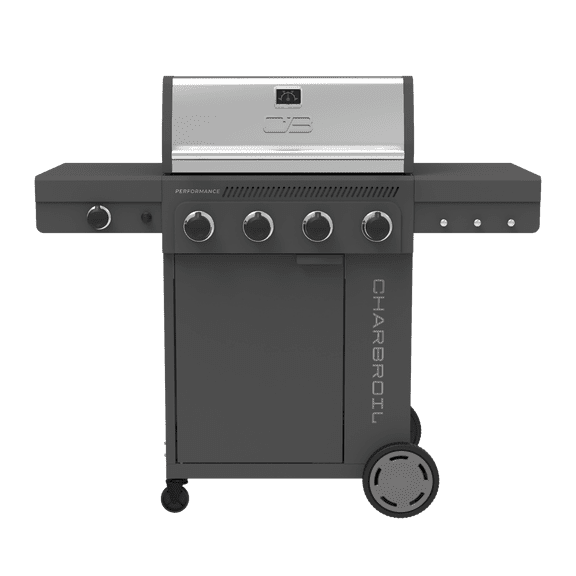


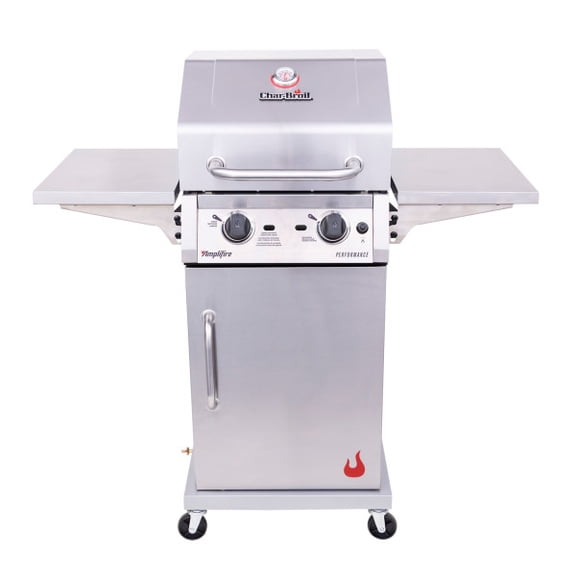



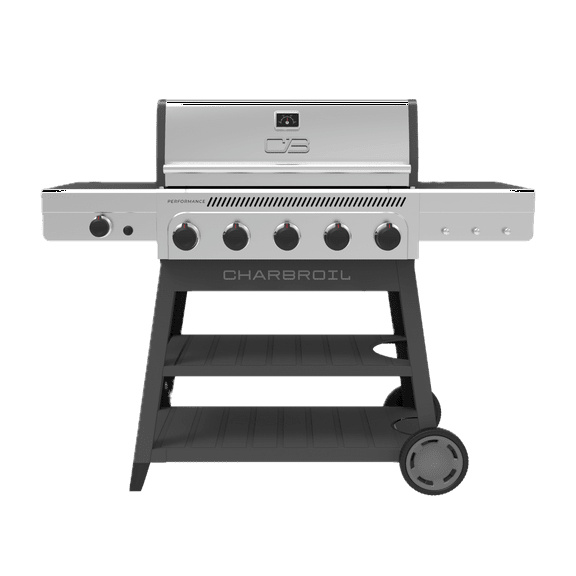
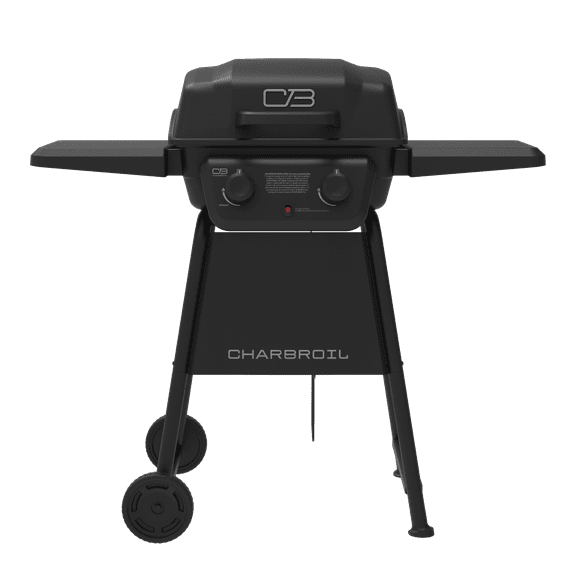





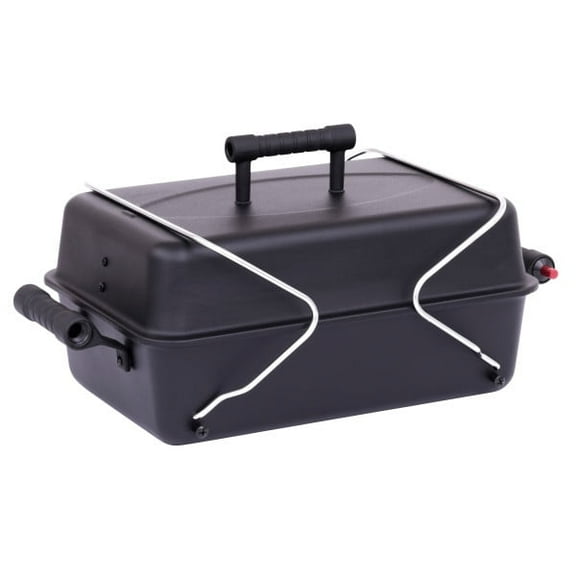








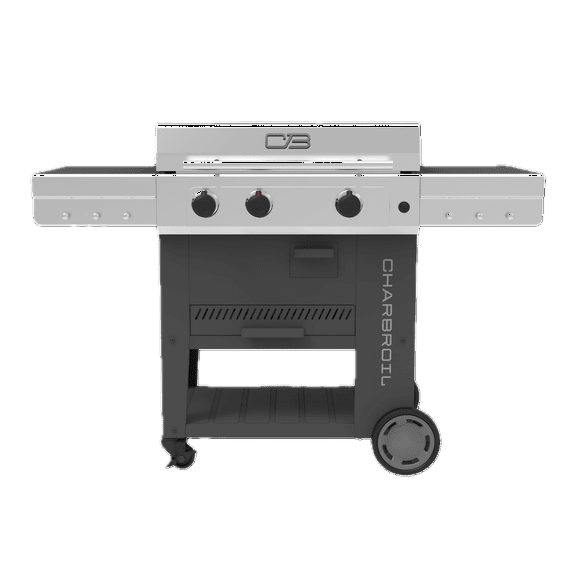

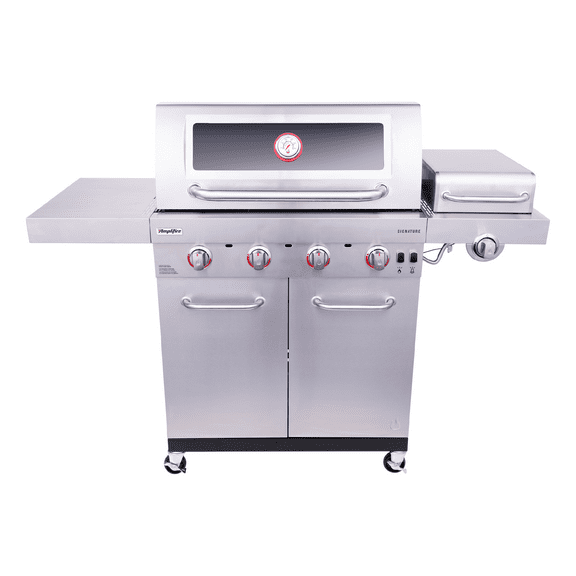
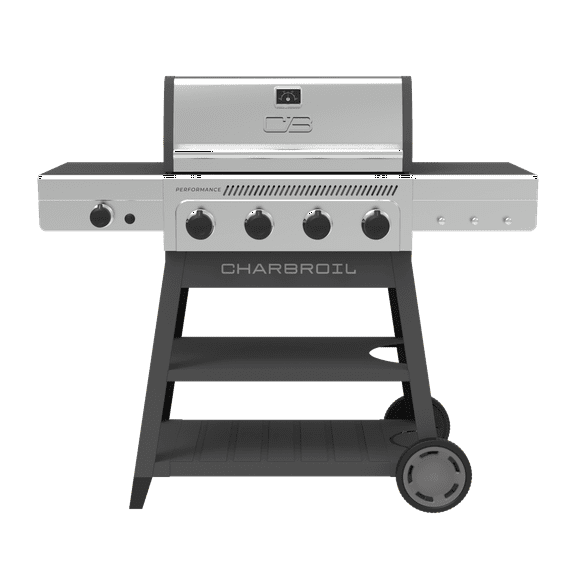
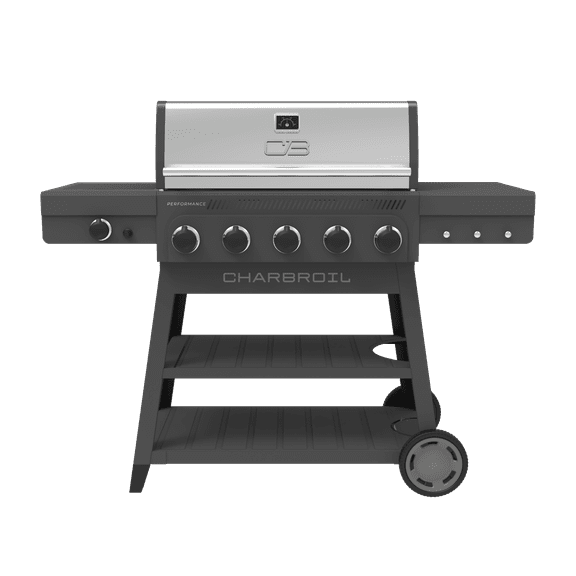


About Char-Broil Gas Grills: Propane & Infrared Models - Walmart.com
When you compare Char-Broil gas grills, you can narrow your options by burner count, fuel type, and grilling technology. You’ll also find series choices and finishes that fit your patio layout and cooking routine.
If you cook for a small household, you may prefer compact models that fit tighter spaces and heat up fast. If you host larger cookouts, you may want wider cooking areas and extra burners for sides.
Choosing Char-Broil gas grills by burner count
You should start with burner count because it shapes cooking space, heat zones, and grill footprint. You can move from two burners for weeknight meals to six burners for bigger gatherings.
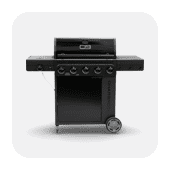
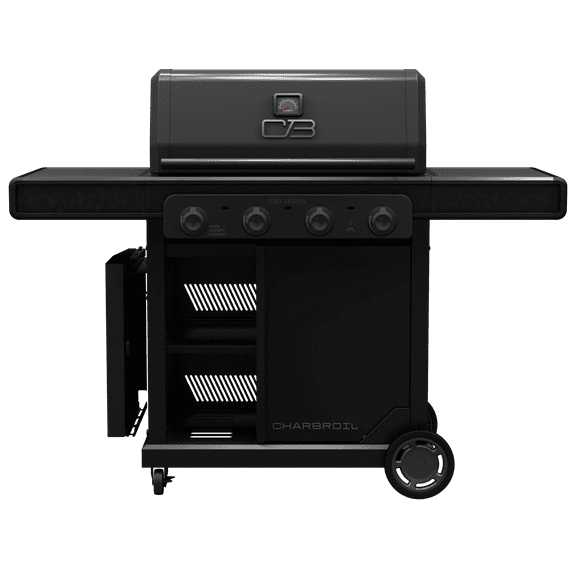
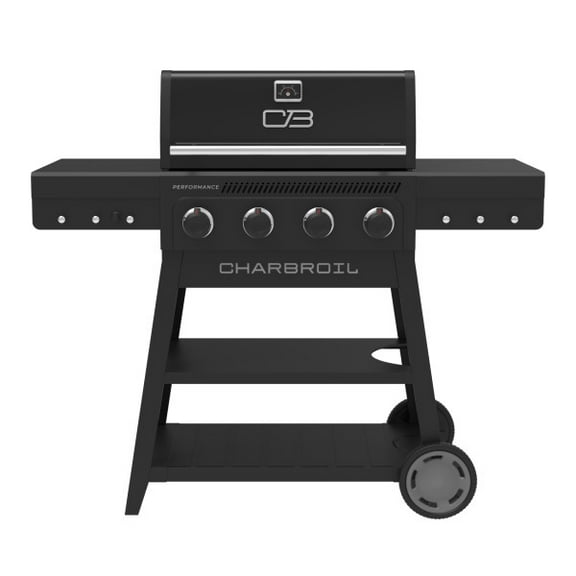
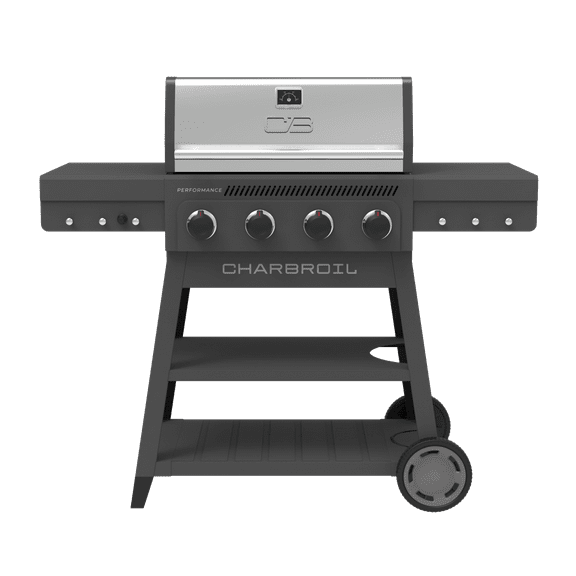
A Char-Broil 4-burner gas grill often fits the middle ground for many patios and families. You get room for burgers, vegetables, and buns without taking over your whole deck.
When you compare sizes, you should measure your patio before you choose. You’ll want enough clearance for the lid, side shelves, and easy movement around your grill.
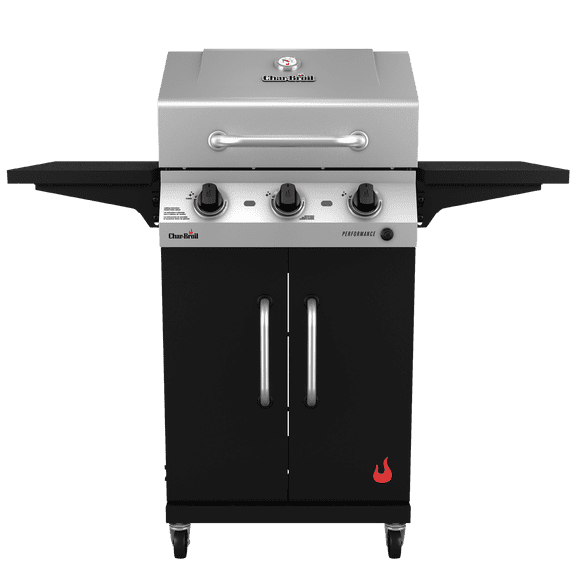
- You may choose two burners if you cook for one to three people and want a smaller footprint.
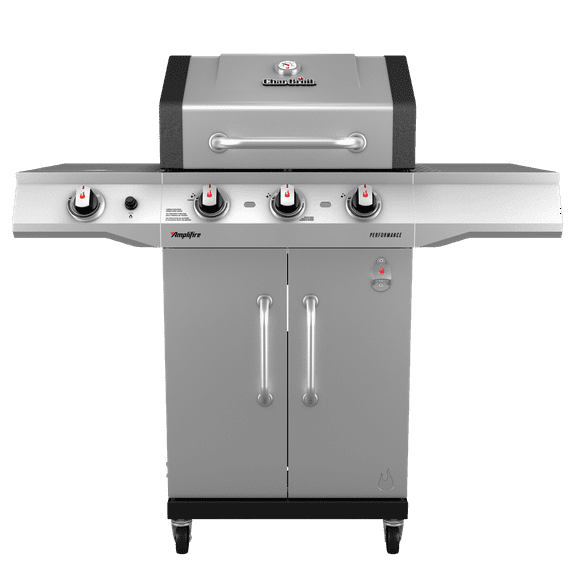
- You may choose three or four burners if you cook for family dinners and occasional weekend guests.
- You may choose five or six burners if you entertain often and want separate heat zones.
- You should check side shelf space if you prep platters, sauces, or tools outdoors.
Choosing fuel type for your setup
You’ll want to compare fuel type early because it affects placement, hookup, and daily convenience. You can pick a Char-Broil liquid propane grill if you want flexible placement around your yard.
If you already have a gas line, you may consider a Char-Broil natural gas grill for a fixed outdoor kitchen setup. You should check whether your home connection and any conversion kit requirements match your grill.
When you compare propane and natural gas, you should think about how often you move your grill. You may prefer propane for portability, while natural gas suits a permanent grilling station.
Understanding Char-Broil infrared gas grill options
You may notice Char-Broil infrared gas grill models when you compare grilling technology. You’ll typically choose between TRU-Infrared, convective, and standard gas designs based on how you like to cook.
If you want more even heat across the grate, you should look closely at TRU-Infrared systems. You’ll often get steadier cooking across the surface and less direct exposure to open flames.
When you prefer a familiar grilling style, you may lean toward convective or standard gas designs. You’ll still get quick preheating and clear temperature control for everyday grilling.
You should think about your menu before you pick a heating system. If you cook delicate foods, you may appreciate steadier grate temperatures and broader coverage.
What to look for in materials and finishes
You should compare materials because they affect cleanup, appearance, and long-term upkeep. You may see stainless steel, black painted steel, and cast iron grates across this category.
If you want a polished look, you may prefer a Char-Broil stainless steel grill on your patio. You’ll often like how stainless finishes pair with outdoor kitchens and modern backyard setups.
When you evaluate grates, you should pay attention to cast iron because it holds heat well. You’ll want to follow regular care steps so your cooking surface stays ready for your next meal.
If you want a simpler exterior style, you may choose black painted steel. You can match that finish with many patio furniture sets and outdoor storage pieces.
Comparing series and line differences
You may see several lines, including Performance Series, Commercial Series, Signature Series, and Classic. You should use these series names as a quick guide to layout, finish, and feature mix.
If you’re comparing a Char-Broil Performance Series model, you should look at burner count and workspace first. You may find that series useful when you want practical cooking room and straightforward controls.
When you move across Commercial, Signature, and Classic options, you should compare shelf design, cabinet style, and exterior finish. You’ll get a clearer picture when you match the line to your patio and cooking habits.
How your patio and cooking style shape the right pick
If you grill on weeknights, you may want a smaller setup that starts quickly and fits a narrow patio. You can keep prep simple while still cooking several items at once.
For weekend entertaining, you may want four or more burners and broader prep space. You’ll have more flexibility for cooking proteins, vegetables, and sides at the same time.
If your setup is fixed, you may compare natural gas options with your utility connection in mind. If your layout changes often, you may prefer propane for easier placement.
You should also think about the accessories you use with your grill. You may want room for a cover, grilling tools, utensils, and propane storage near your cooking area.
How to choose with confidence
You can make a smart choice when you compare burner count, fuel source, grilling technology, finish, and series together. You’ll end up with a grill that fits your patio, your menu, and your routine.
When those details line up, you get easier outdoor cooking and a suitable fit outdoors. You’ll notice the benefit in smoother prep, steadier heat, and a setup that suits your space.