

Portable Air Conditioners (In Store & Shipping) | Walmart






















About Portable Air Conditioners (In Store & Shipping) | Walmart - Walmart.com
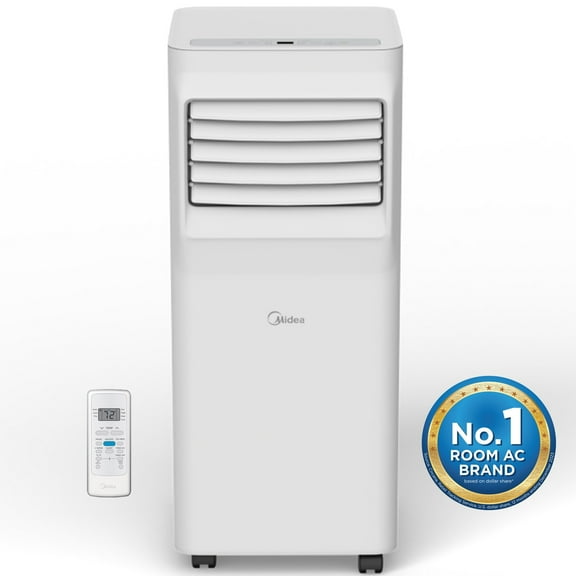
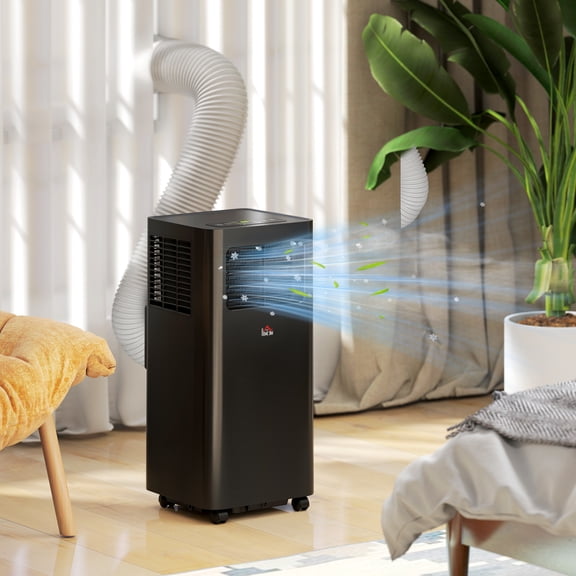
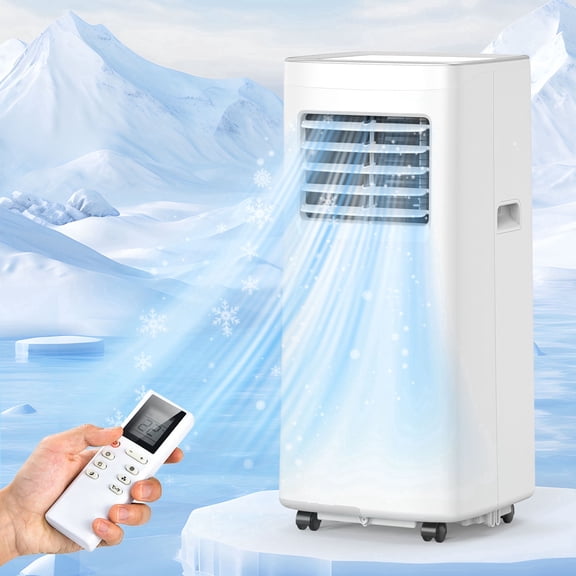
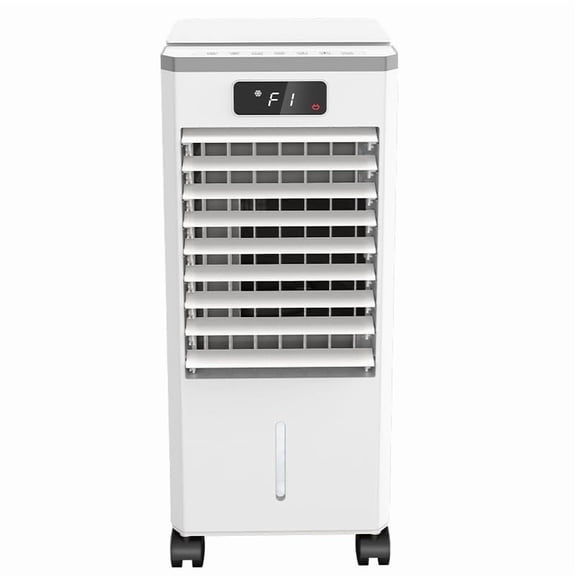
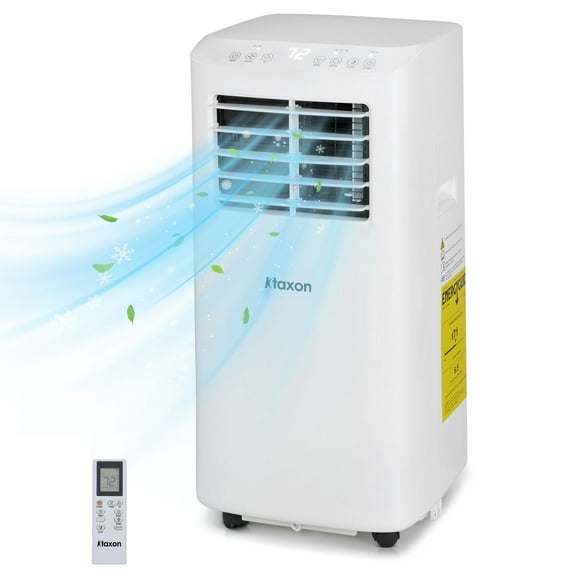
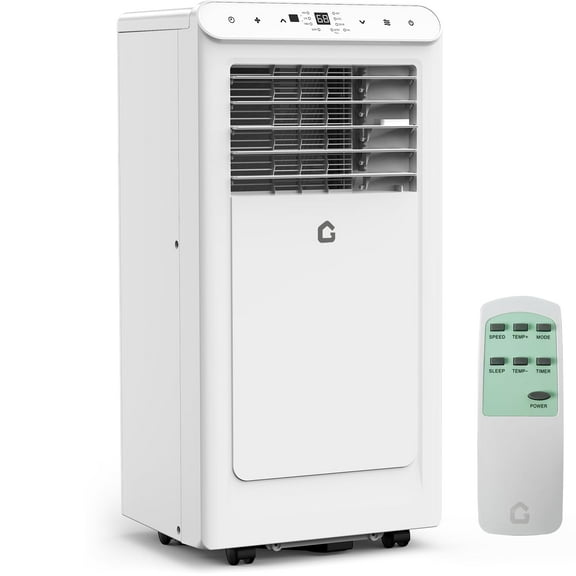
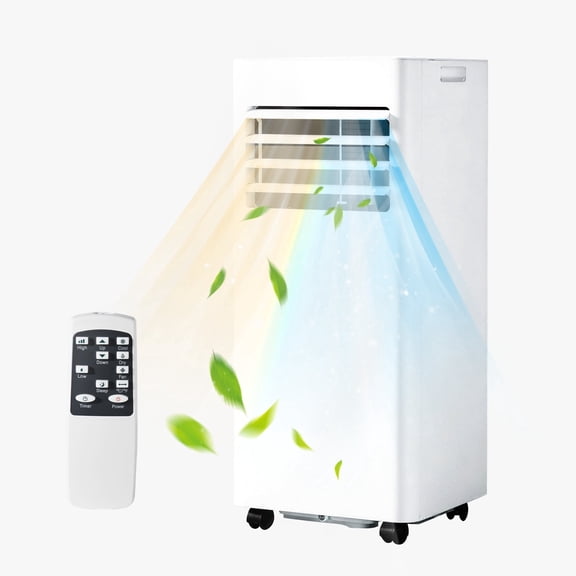
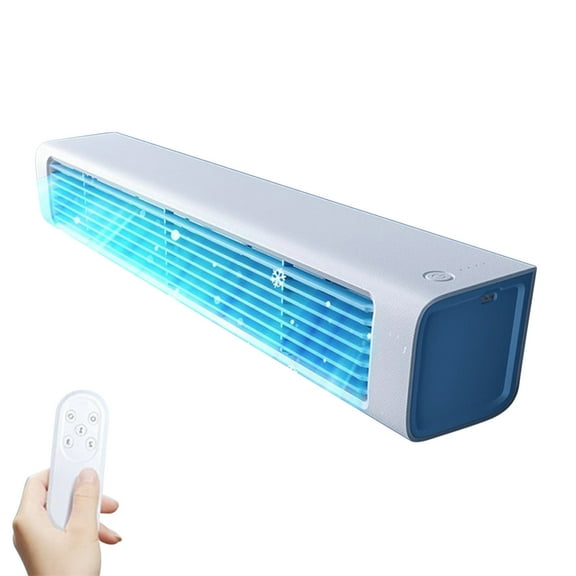
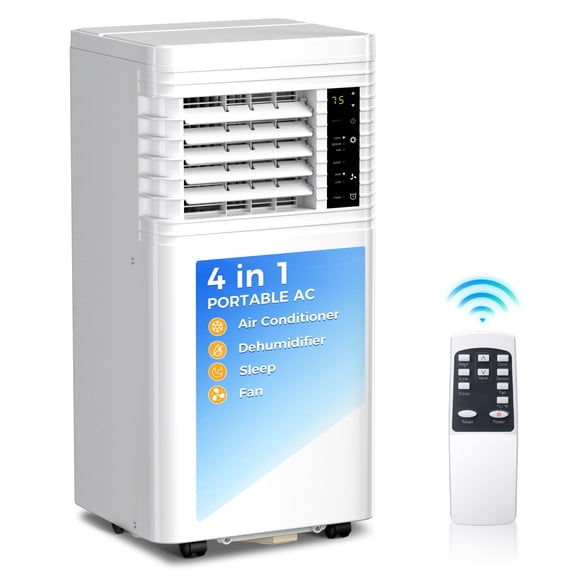
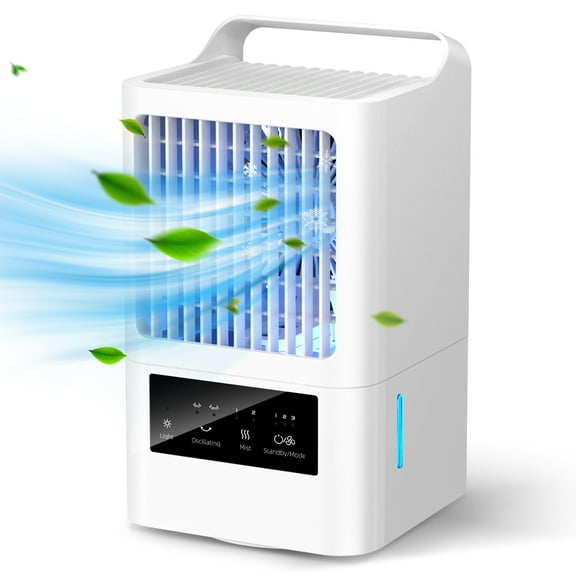
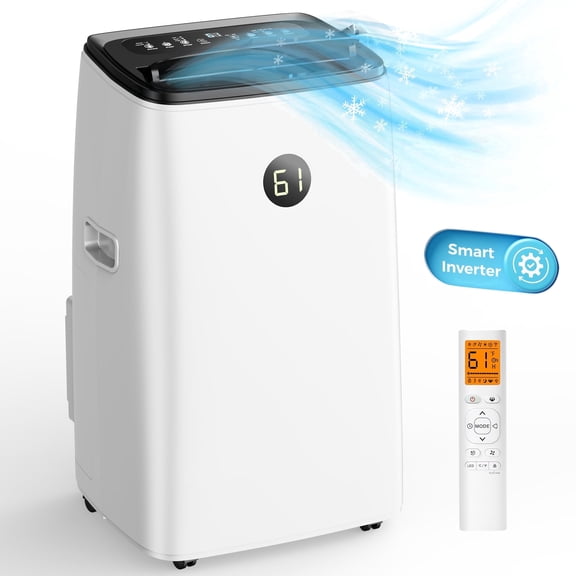
Portable air conditioners give you flexible cooling for spaces where window units won't fit or central air won't reach. You can move them between rooms, vent them through a window kit, and match capacity to your layout.
If you're comparing a small portable air conditioner or a larger standing air conditioner, you'll want clear buying guidance first. You can use BTU, room coverage, noise, and drainage details to narrow your options fast.
How to choose portable air conditioners by BTU and room size
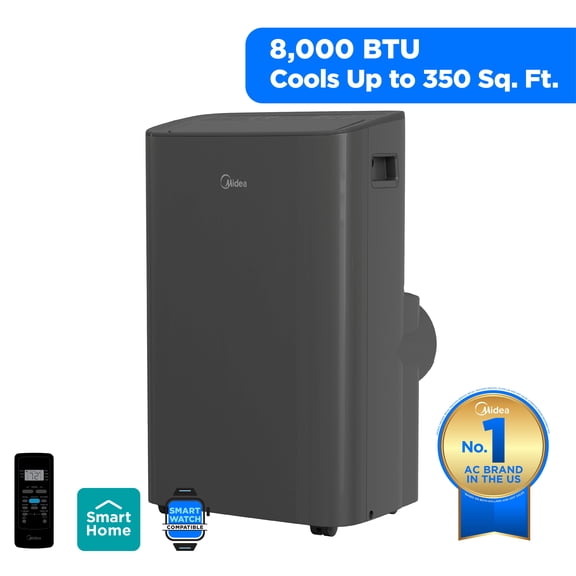
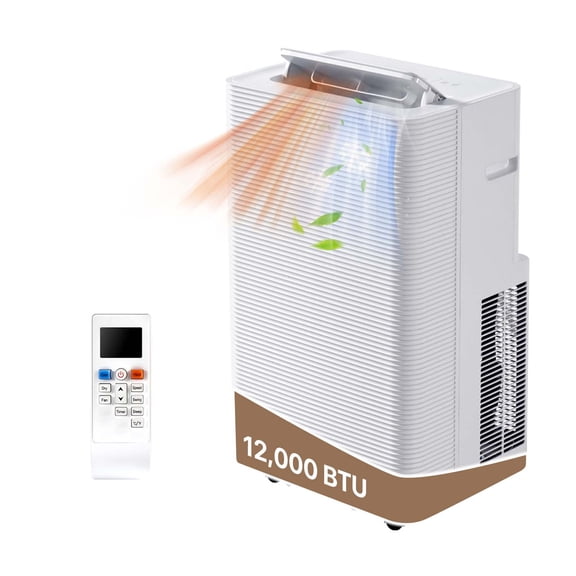
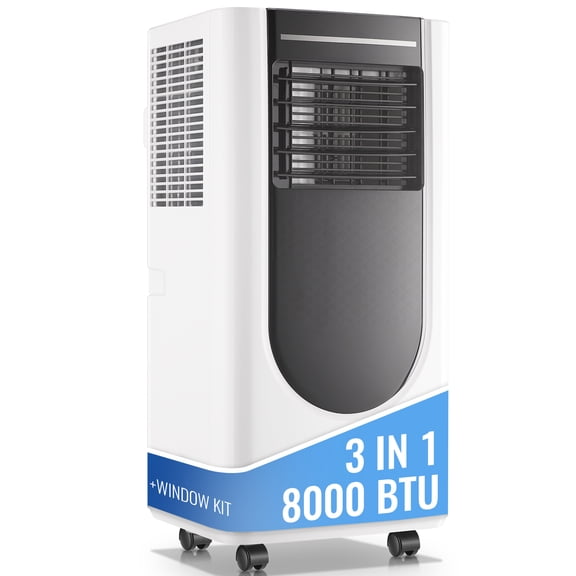
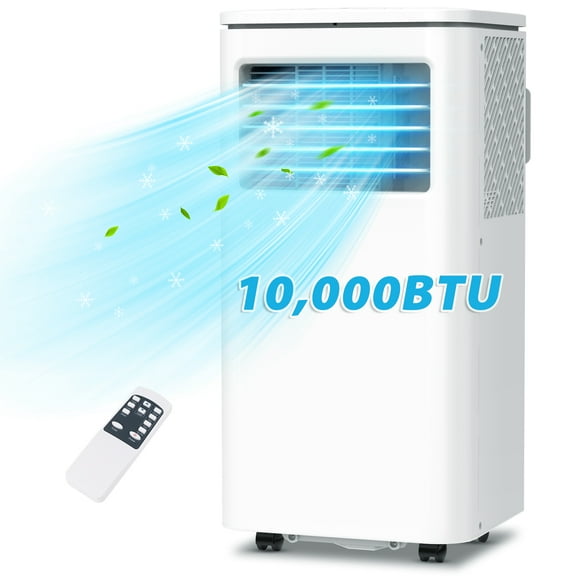
You should start with cooling capacity because BTU ratings affect how well your room feels during hot afternoons. You can compare 8000 BTU, 10000 BTU, 12000 BTU, and 14000 BTU models by square footage.
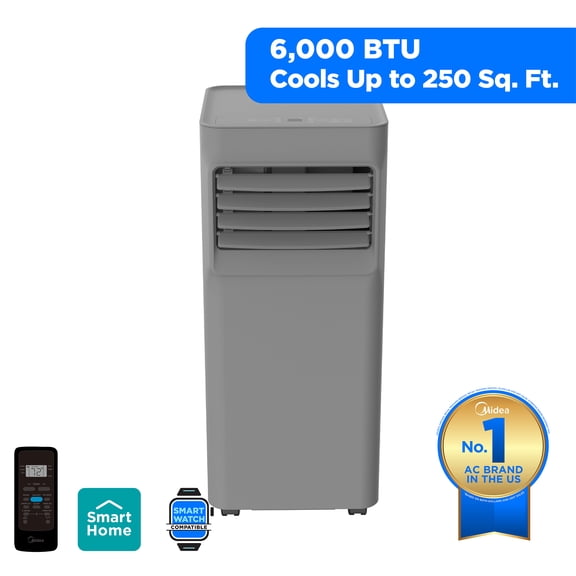
For smaller areas, you may prefer units rated for up to 200 square feet. For medium spaces, you can look at coverage up to 350 square feet. For larger spaces, you should compare models rated up to 500 square feet.
You can use a btu portable air conditioner guide as a simple shortcut when choices look similar. If your room gets strong sun, high ceilings, or steady foot traffic, you may want extra capacity.
- You can cool a bedroom, office, or dorm without permanent installation.
- You can match BTU output to room size for steadier comfort.
- You can move a portable ac unit when your cooling needs change.
- You can compare heater combo and dehumidifier modes for year-round use.
Choosing size, modes, and a portable air conditioner for room needs
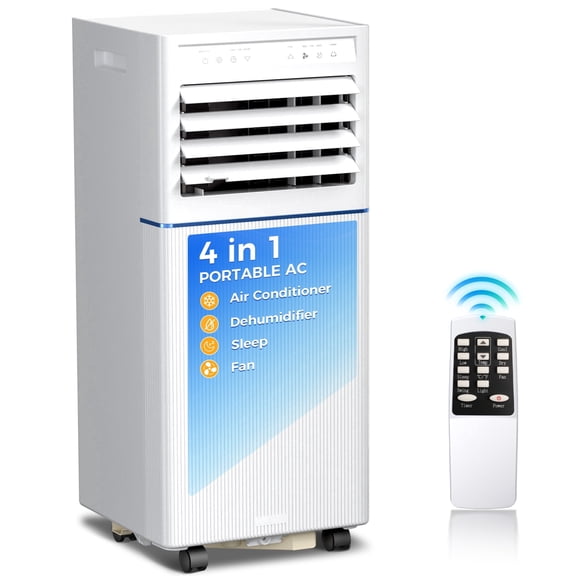
You should also compare functionality because different modes change how your unit fits your routine. You can choose cool only, three-in-one, heater combo, or dehumidifier formats based on the season.
If you want summer cooling with extra flexibility, you may like a three-in-one model. If you want shoulder-season use, you can consider a portable air conditioner with heater for added versatility.
You may also shop by room purpose instead of specs alone. For a portable air conditioner for room use in bedrooms or offices, you can focus on compact footprints and simple controls.
When floor space feels tight, you might prefer a small portable air conditioner with caster wheels and a slim profile. You can place it closer to a window and keep more open space around beds or desks.
What to look for in venting, drainage, and maintenance
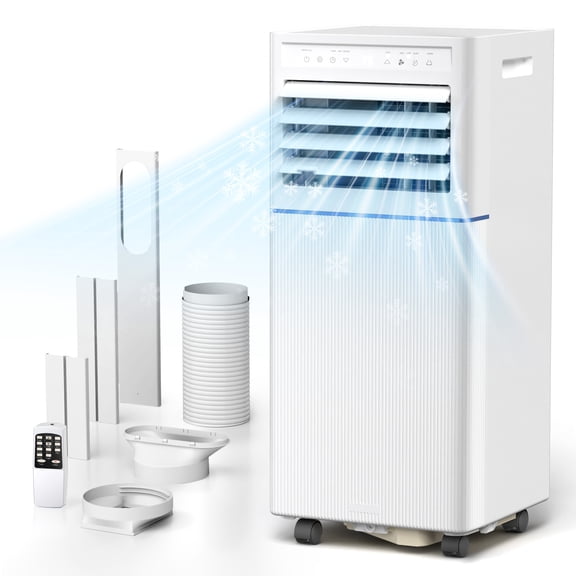
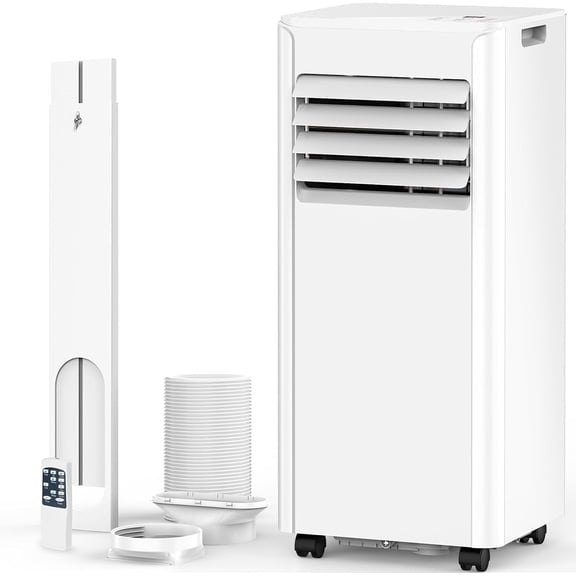
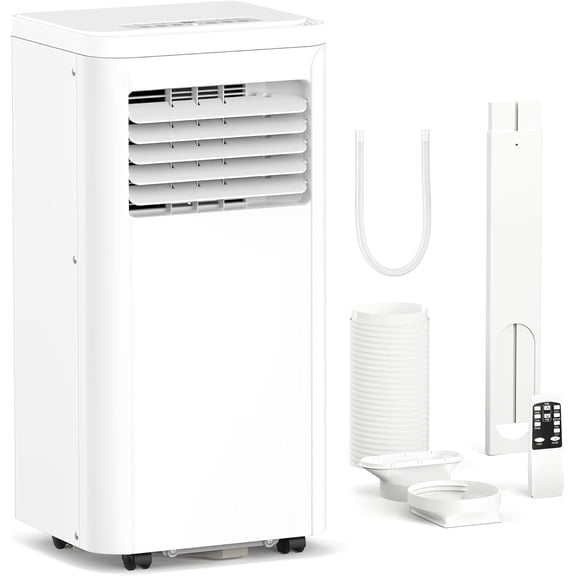
You should expect most models to vent through a window kit, because warm air needs a clear exit path. You can usually install the exhaust hose in standard vertical or horizontal sliding windows.
If you're wondering whether a portable ac unit needs a window, you should plan for some venting route. You can check kit length, hose reach, and window compatibility before you choose a model.
You also need to compare drainage type because that affects day-to-day upkeep. You can choose self-evaporating, manual drain, or continuous drain options based on your space and routine.
If you want less hands-on maintenance, you may prefer self-evaporating designs in many climates. If your room runs humid, you can compare manual drain tanks or continuous drain connections.
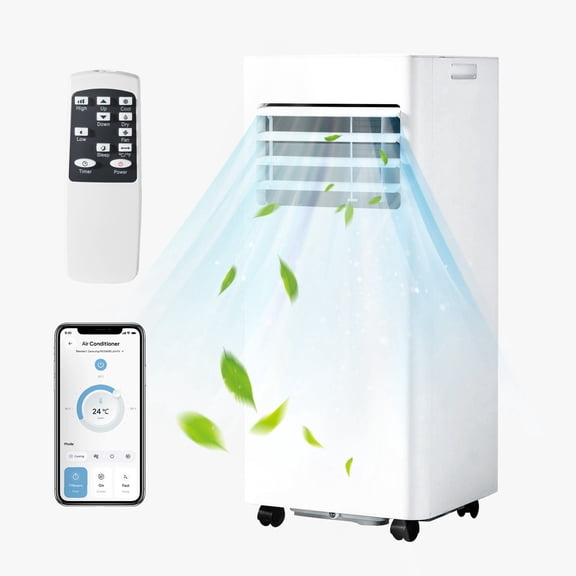
You can also look for washable filters and accessible control panels when you want simpler regular care. Those details help you keep airflow steady and make seasonal setup easier.
Comparing noise, portability, and quiet portable air conditioner options
You may care about sound levels as much as cooling power, especially in bedrooms, nurseries, or workspaces. You can compare decibel ratings the same way you compare BTU and coverage numbers.
For quieter operation, you can look for a quiet portable air conditioner with lower decibel output. You may notice that lower settings feel closer to background room sound than busy daytime noise.
If you take calls or sleep lightly, you should check fan speeds and sleep modes carefully. You can reduce distractions by matching a quieter unit to a smaller room size.
You should also compare portability features when you plan to move cooling from room to room. You can look for built-in wheels, side handles, and manageable dimensions for easier repositioning.
Matching portable air conditioners to real home setups
You can use 8000 BTU models in guest rooms, studio spaces, or smaller bedrooms up to 200 square feet. You may prefer that range when you want targeted cooling without a larger cabinet.
You can step up to 10000 BTU or 12000 BTU units for living rooms, home offices, or shared spaces. Those sizes often fit rooms up to 350 square feet with more cooling support.
For open layouts or a portable air conditioner for large room use, you can compare 14000 BTU models. You should also measure window distance and floor clearance before setup.
If your climate changes through the year, you may want a standing air conditioner with heater combo functionality. You can switch between cooling and added warmth without storing another appliance nearby.
You can also choose a dehumidifier mode when sticky indoor air makes the room feel heavy. That setting helps you manage comfort while using one appliance footprint.
When you compare portable air conditioners with the right BTU, venting path, and drainage style, you make setup and daily use much easier. You can feel more confident choosing a unit that fits your room and routine.
Popular in Portable Air Conditioners (In Store & Shipping) | Walmart - Walmart.com
- Pinguino Portable Air Conditioner
- Portable Air Conditioner Cup
- Portable Air Conditioner
- Movincool Portable Air Conditioners
- Portacool All Air Conditioners
- Arctos Portable Air Conditioner
- Honeywell Portable Air Conditioners
- Clearance in Portable Air Conditioners
- Quiet Ac Units
- Portable Air Conditioner 700 Sq Ft
- Portable Air Conditioner Wifi
- Commercial Air Conditioner Portable