

United States History Books Collection




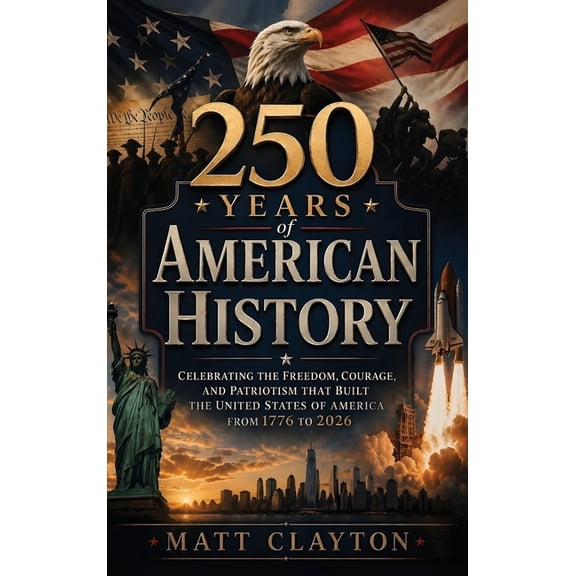


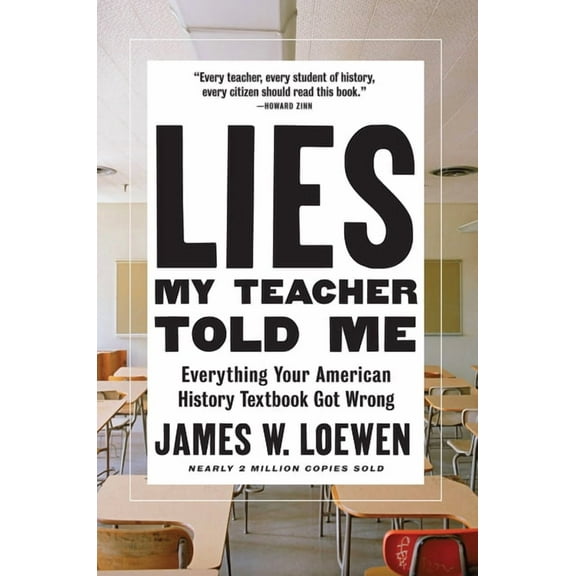
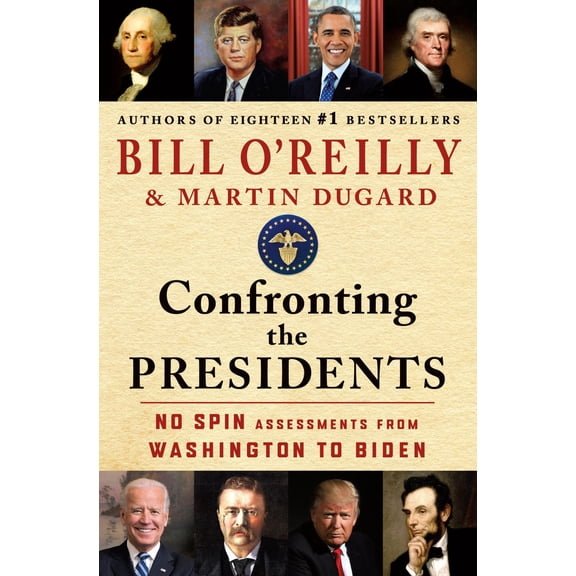
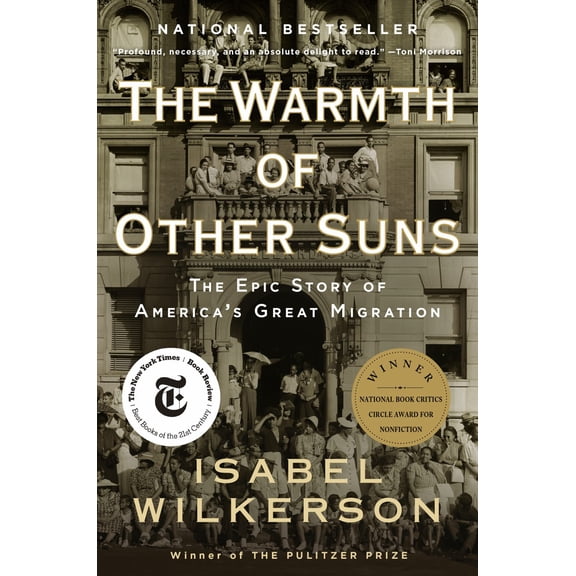










About United States History Books Collection - Walmart.com
You can compare united states history books by era, format, audience, and book type to match classwork, research, or personal reading. You'll find clearer paths through colonial studies, war histories, biographies, and broad surveys of the nation.
If you're choosing for a syllabus or a home library, you can narrow options with practical decision points. You'll get guidance that fits students, educators, and general readers who want focused coverage or wider timelines.
How to choose united states history books
You should start with the historical era that matters to your assignment or reading plan. You'll sort more easily between Colonial and Revolutionary topics, Civil War and Reconstruction studies, World Wars coverage, and modern era titles.
When you compare by era, you can avoid books that spend too much time outside your topic. You'll keep your reading list tighter when your course or interest centers on one period.
- You can choose broad surveys when you need a full timeline from early settlements through recent decades.
- You can pick focused titles when your project covers the American Revolution, Civil War battles, or wartime leadership.
- You can compare biographies, document collections, and narratives to match how you prefer to learn.
- You can look for college and academic options when your syllabus calls for deeper analysis and source material.
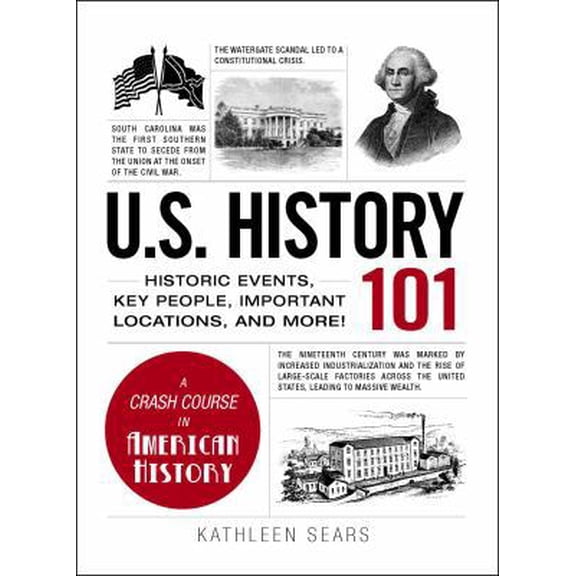
You may also want to decide whether you need a textbook or a more story-driven read. You'll usually prefer textbooks for structured study, while narratives and biographies can make major events easier to follow.
Choosing american history books by audience and book type
You should match the target audience to your reading level before you choose a title. You'll notice that kids and teens books use simpler language, while college and academic selections go deeper into context.
If you're studying AP US History or a college survey course, you should look for books with organized chapters and strong source support. You'll benefit from timelines, maps, notes, and indexed topics when you need faster review.
You can also compare book type to match your purpose. You'll often choose a textbook for structured learning or a biography for one life. You can also pick historical narratives or document collections.
When you want a broad history of the united states, you should look for comprehensive overviews. If you're writing a paper, you'll often want a deep dive on one conflict, presidency, or movement.
What to look for in US history textbooks and formats
You should consider format early because it affects how you read, highlight, and revisit key passages. You'll often prefer paperback for portability, hardcover for shelf use, eBook for quick access, or audiobook for listening time.
If you annotate heavily, you may prefer a print format that keeps notes visible beside the text. When you switch between devices, you'll appreciate digital access for searching names, dates, and events.
You should also check whether the content feels well researched and clearly organized. You'll want authors with a strong command of the topic, clear sourcing, and explanations that connect events across periods.
For academic use, you may need US history textbooks that follow a course sequence from colonial life through the present. You'll benefit when chapter structure mirrors common curriculum flow, including Reconstruction, industrialization, and world conflicts.
You can also compare scope before you commit to a title. You'll find some books cover centuries in one volume, while others explore one campaign, court era, or political movement.
Using history of the united states books for real reading goals
You might need one book for a classroom survey and another for independent reading at home. You'll often choose a comprehensive textbook for class, then add a united states history biography for a person or era.
If you're preparing for AP US History, you should focus on chronological coverage and clear explanations of turning points. You'll want books that connect colonial government, revolution, expansion, slavery, war, and reform.
When your interest centers on military and political change, you can compare american revolution books and civil war history books. You'll get a tighter view of campaigns, leadership decisions, and the social changes around those events.
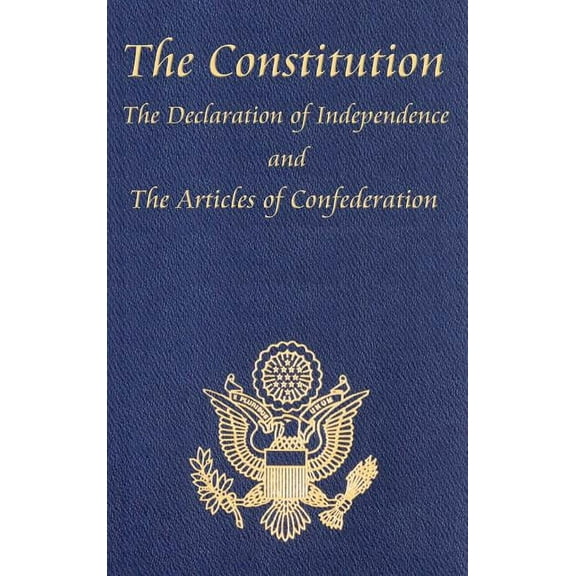
You may prefer document collections when you're analyzing speeches, letters, or founding texts for schoolwork. You'll gain direct access to historical voices that can sharpen essays and classroom discussion.
For family reading or younger learners, you should look for age-appropriate language and focused themes. You'll keep attention longer with books that break down major dates, people, and events into manageable sections.
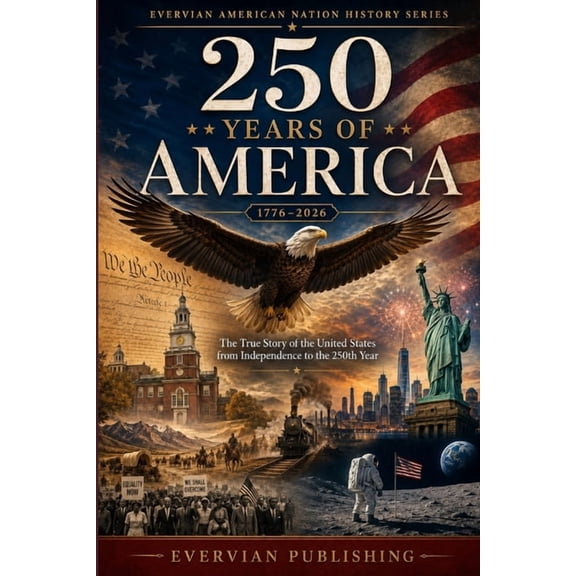
If you're reading for personal interest, you can mix formats and topics across the same era. You'll move from a narrative overview to a biography or audiobook without losing your place in the broader timeline.
Why this category helps you compare with confidence
You can use these category choices to narrow united states history books by era, audience, format, and depth. You'll reach a more accurate match for coursework, research, or personal reading without sorting through unrelated topics.
When you compare textbooks, biographies, narratives, and source collections together, you can build a reading list that fits your exact goal. You'll finish with books that support clearer study sessions and more focused historical understanding.