

Triad staging test 15

LISTERINE® x Cynthia
No routine is complete without LISTERINE®.


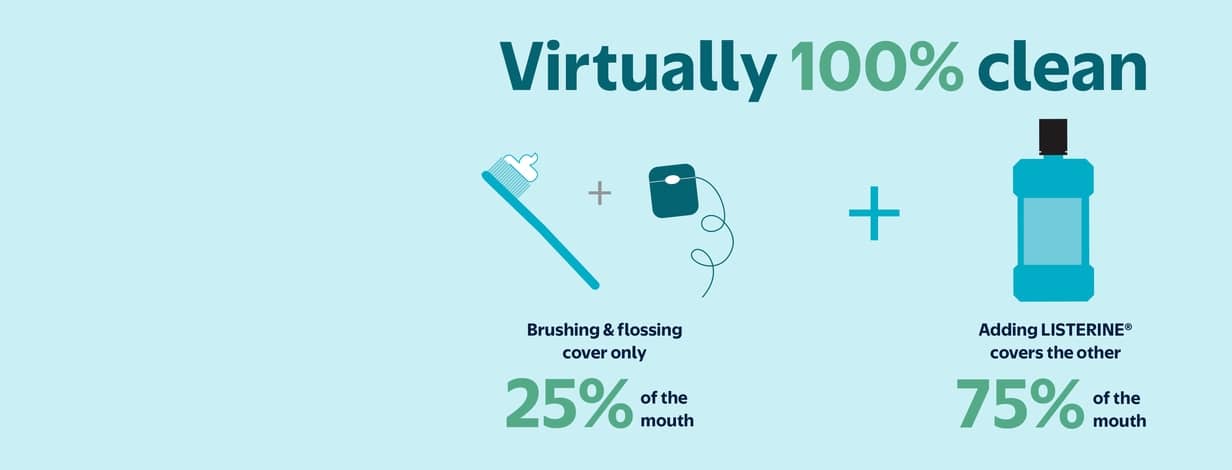
Build good oral habits
FAQ
About Triad staging test 15 - Walmart.com
Triad staging test content helps you evaluate a technical page shell before you move it into a live retail workflow. You can use this page framework to review staging parameters, rendering behavior, and deployment readiness with clear decision points.
If you’re validating a non-production URL, you need copy that explains what each testing dimension means in practice. You’ll also want language that supports indexing checks, template reviews, and structured content validation.
How to choose a triad staging test environment
You should start by comparing environment type, because staging, production, development, and sandbox each support a different review goal. You can treat staging as a near-live checkpoint, while sandbox supports isolated experiments and development supports active change work.
When you compare uptime percentage and API latency, you get a clearer picture of environment stability and deployment status. You can use those signals to judge whether your page behaves consistently during content loads and module calls.
You should also check whether data parity matches production expectations before broader rollout planning begins. You can think of data parity as how closely your staging content, attributes, and page behavior mirror the live experience.
Key differences in staging test parameters
You can narrow staging test parameters by reviewing test phase, because integration, user acceptance, load testing, and smoke test phases answer different questions. You should match the phase to your goal instead of treating every test cycle the same way.
- You can use integration checks when your modules, feeds, and templates need to work together without gaps.
- You can use user acceptance review when your page needs readable copy, logical structure, and expected on-page behavior.
- You can use load testing when your template needs steady rendering under heavier request volume and repeated refreshes.
- You can use smoke test passes when you need a quick confirmation that core page elements still appear correctly.
Each phase gives you a different kind of confidence before launch planning moves forward. You should document which phase you’re running, so your results stay clear and repeatable.
Because this page is a staging shell, you may focus less on merchandise depth and more on template reliability. You can use that difference to verify whether your copy block, headings, and modules render as intended.
Choosing the right component level
You should compare component level next, because page-level, item-level, global skeleton, and modular checks uncover different issues. You can use page-level reviews for full layouts, while modular checks isolate a single content block or template piece.
If you’re testing a global skeleton, you can verify whether shared page structures load in the expected order. You can then confirm whether headers, supporting copy, and navigation areas appear consistently across inherited pages.
Item-level validation matters when you need to confirm product assignment behavior or placeholder shelf logic. You should use page-level validation when your focus is complete layout flow rather than a single assigned element.
What to look for in data sources
You can compare data source options by asking how each one supports your review task. You may use BigQuery for broad performance tables, GSC for search visibility checks, CSD for structure review, and manual seed inputs for controlled tests.
When you review BigQuery outputs, you can look for stable reporting patterns tied to sessions, GMV, or test transactions. When you review GSC inputs, you can confirm whether the page remains unranked or begins collecting impressions.
If CSD integration is pending, you can still use manual seed content to verify layout behavior and indexing readiness. You should treat manual seed inputs as controlled placeholders, not as a substitute for full production data.
Using triad staging test setups in real workflows
You can use a triad staging test setup before a production transition, especially when a page starts as an empty shell. You may also use it to confirm that category copy, header modules, and shelves appear in the right sequence.
For integration work, you can pair a staging environment with page-level review and BigQuery checks. That combination helps you confirm template loading, data alignment, and visible module behavior in one pass.
For user acceptance review, you can combine staging or sandbox with modular checks and manual seed content. You can then inspect whether paragraph spacing, bullet rendering, and headings display correctly across devices.
During load testing, you should focus on API latency and repeated module rendering across the same layout. You can use those observations to understand whether the page remains consistent as request volume changes.
For smoke test validation, you can keep the scope narrow and confirm that core elements appear without interruption. You should use this approach when you need a fast read on copy placement, structural order, and basic deployment verification.
Why this staging framework matters
You can use this technical copy structure to explain a placeholder page without overstating commercial intent. You also get a practical framework for evaluating environment type, test phase, component level, and data source before launch decisions.
When you keep those decisions clear, you can move from staging review to production planning with fewer unknowns. You end with a page that communicates testing purpose, rendering checks, and deployment status more clearly.