

Tee Ball in Baseball Gear & Equipment






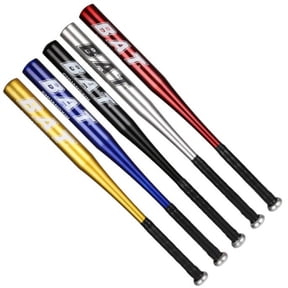


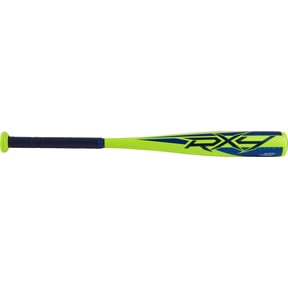
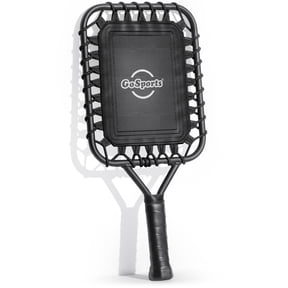


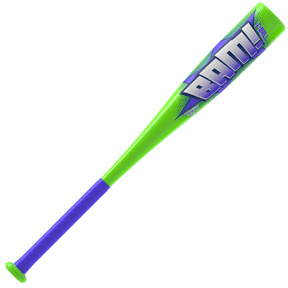
















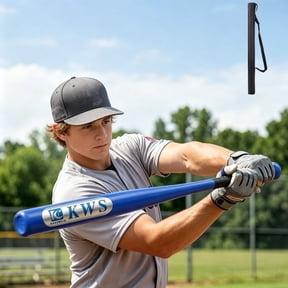


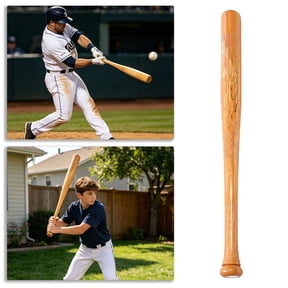

About Tee Ball in Baseball Gear & Equipment - Walmart.com
Tee ball gear helps you build a complete starter setup for young players learning swings, catches, and field basics. You can compare bats, gloves, helmets, balls, tees, and sets with sizing details that fit early practice.
How to choose tee ball gear
When you shop tee ball equipment, you’ll want pieces sized for smaller hands, shorter swings, and early confidence. You can start by comparing equipment type, player age, glove size, and bat material.
For many families, tee ball sets simplify the first purchase because you get several basics in one place. If you already own some items, you can choose individual pieces that match your player’s age and practice style.
- You can use complete sets when you want coordinated beginner essentials.
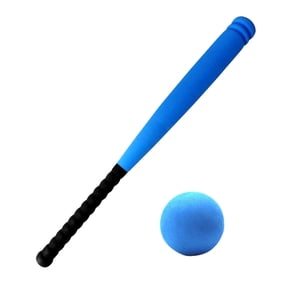
- You can choose foam bats for lighter contact practice and easier first swings.
- You can look for smaller gloves that open and close with less effort.
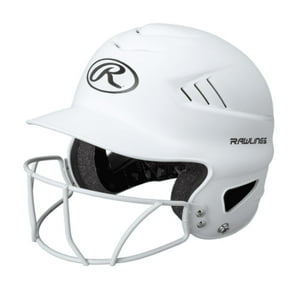
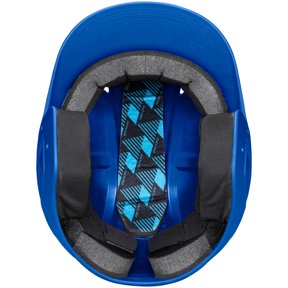
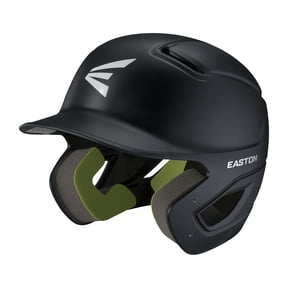
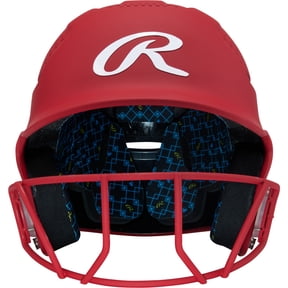
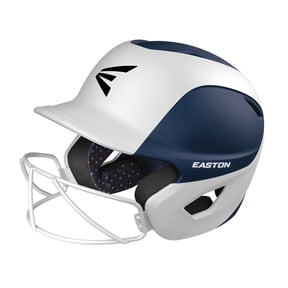
- You can check helmet options when you want head coverage for batting practice.
Because young players are still learning hand placement, you’ll usually notice lighter gear feels easier to control. That lighter feel can help your child focus on timing instead of handling bulky equipment.
Choosing equipment type for tee ball sets and individual pieces
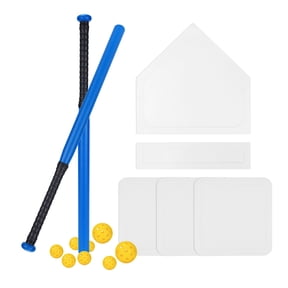
You can begin with bats, gloves, balls, tees, helmets, or full sets, depending on what your player already has. A full starter kit works well when you want fewer gaps before the first practice.
If you’re building your own setup, you can prioritize a bat, a glove, and practice balls first. You can then add a batting tee and helmet to support backyard sessions and league preparation.
Parents often compare tee ball sets with separate gear because convenience matters during a first season. You can use sets to cover the basics quickly, while individual items let you fine-tune fit.
Comparing player age and size
You should match gear to early age groups because a toddler tee ball setup won’t feel the same as youth tee ball gear. Players ages three to four often need shorter, lighter pieces for easier motion.
For players ages five to six, you can usually consider slightly longer bats and roomier gloves. You’ll want gear that still feels manageable during short swings, grounders, and tee work.
When you compare ages, you should also check hand size, height, and coordination. Those details can help you choose gear that feels natural during first catches and simple batting drills.
Understanding tee ball bats
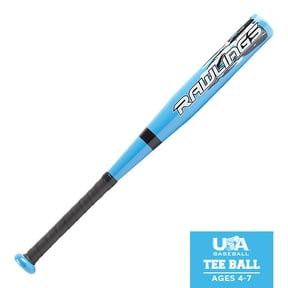
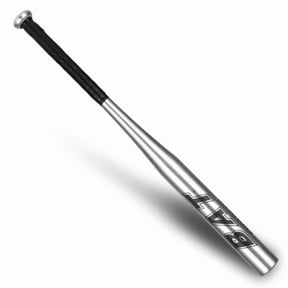
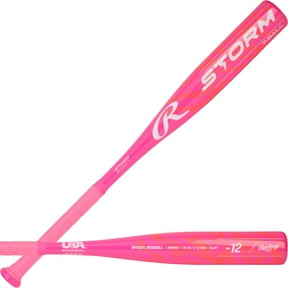
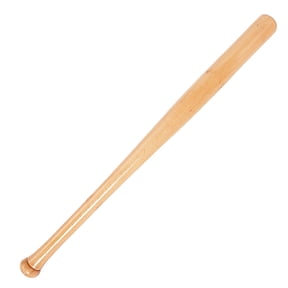
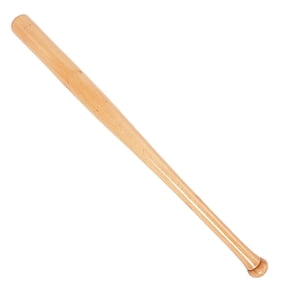
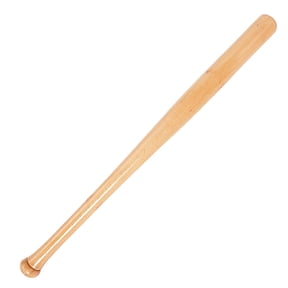
When you compare tee ball bats, you should look at length, weight, and material before color or graphics. A shorter, lighter bat often feels easier for young players to start and finish their swing.
You may also see drop weight listed as a length-to-weight ratio on youth bats. A larger negative drop usually means the bat feels lighter for its length in your child’s hands.
Alloy bats can give you a familiar firm feel right away, while composite options may feel different through contact. Foam tee ball bats can work well when you want lighter backyard practice for very young beginners.
You should also check whether your league asks for a USA Baseball stamp before game use. That mark helps you confirm the bat matches common league equipment rules for organized play.
Picking the right tee ball gloves
Tee ball gloves should match small hands, simple catching drills, and a beginner’s need for easy opening and closing. You can compare nine inch, 9.5 inch, and 10 inch glove sizes as a starting point.
A nine inch tee ball glove can suit very small players who need a compact pocket and lighter feel. A 9.5 inch or 10 inch glove can give slightly more reach as your child grows.
You should also look for soft, flexible materials because they feel easier during early break-in. That softer build can help your player squeeze the glove without fighting stiff leather-like structure.
What to look for in balls, tees, and helmets
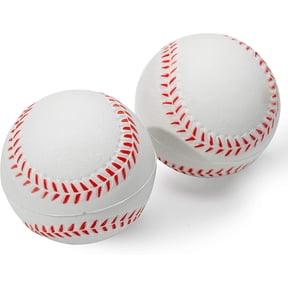
Tee ball practice often works better when you match the ball type and tee height to your child’s stage. You can use softer practice balls for beginner contact and basic fielding routines.
A stable tee matters because you want repeated swings without constant resetting between hits. You should check whether the tee adjusts easily, especially when players share equipment across different heights.
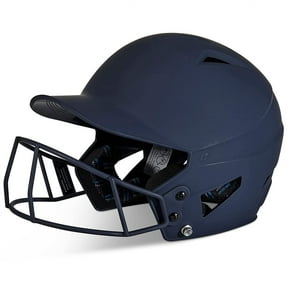
Helmets are another key part of tee ball equipment when batting practice becomes more regular. You can compare fit details and size guidance so the helmet sits securely during swings.
Using tee ball gear for real beginner scenarios
If you’re shopping for a first season, you can start with tee ball sets that cover several core needs at once. That approach helps you move from signup to practice with fewer missing pieces.
For backyard use, you might choose a foam bat, soft practice balls, and an adjustable tee. That combination supports repeated contact practice for younger players who are learning simple mechanics.
If your child is joining organized play, you should check bat rules, glove size, and helmet fit early. You can avoid last-minute swaps when league requirements call for a USA Baseball stamp.
As skills grow, you can shift from a toddler tee ball setup to youth tee ball gear with slightly larger dimensions. That change can support stronger swings, longer reach, and steadier fielding practice.
When you build the right tee ball setup, you give your young player gear that matches early development and common league needs. You can feel more prepared for practice, first games, and steady skill-building from day one.