

Dual Car Amplifiers in Car Amplifiers

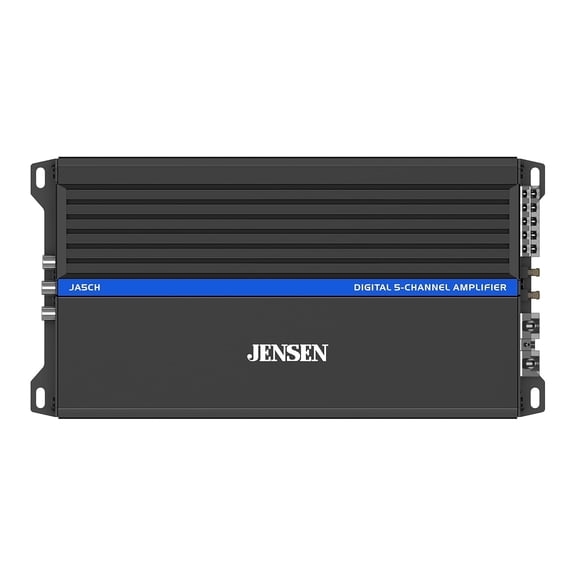


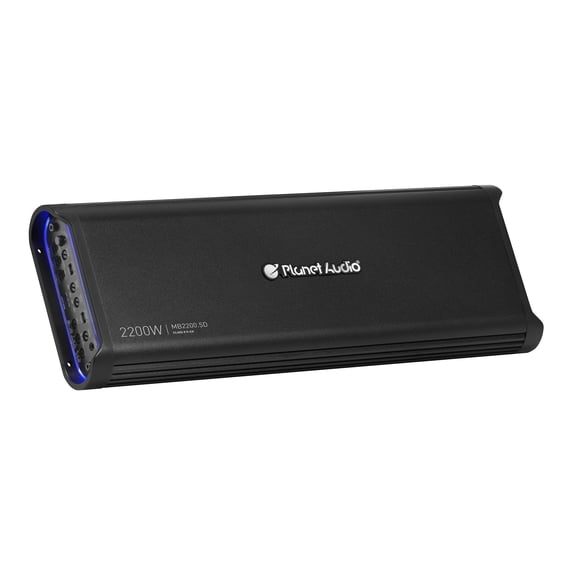
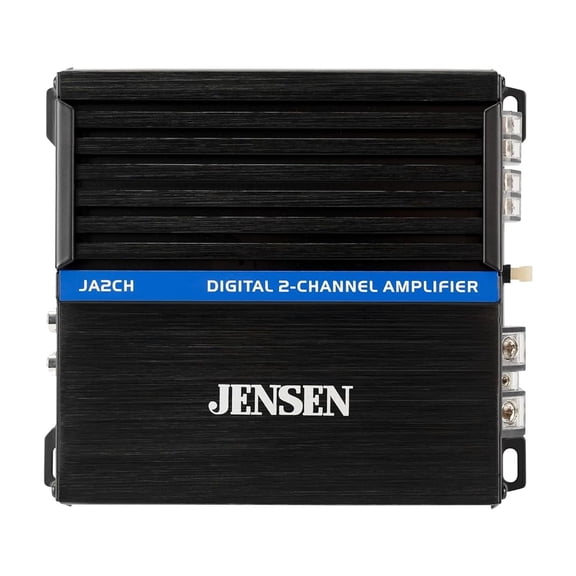
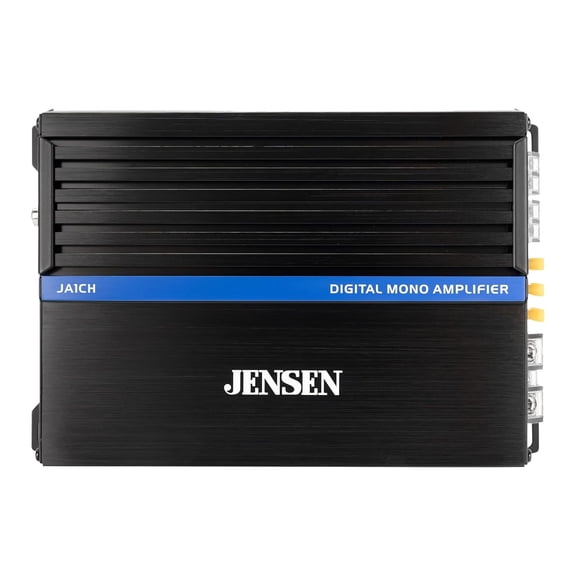





![JENSEN CPM50 Bluetooth Package - Amplifier 5" Speakers [CPM50]](https://i5.walmartimages.com/seo/JENSEN-CPM50-Bluetooth-Package-Amplifier-5-Speakers-CPM50_c3bb3596-a878-4253-a204-ed8a4f2ec82f.5fa45a45fb4e152b2408732c758c6215.jpeg?odnHeight=576&odnWidth=576&odnBg=FFFFFF)
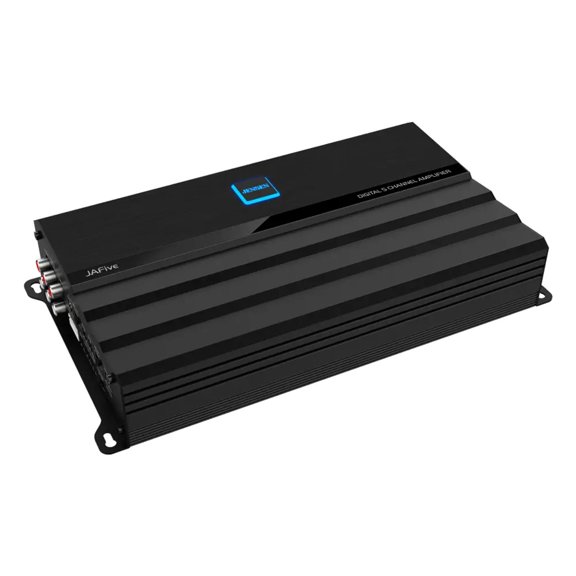
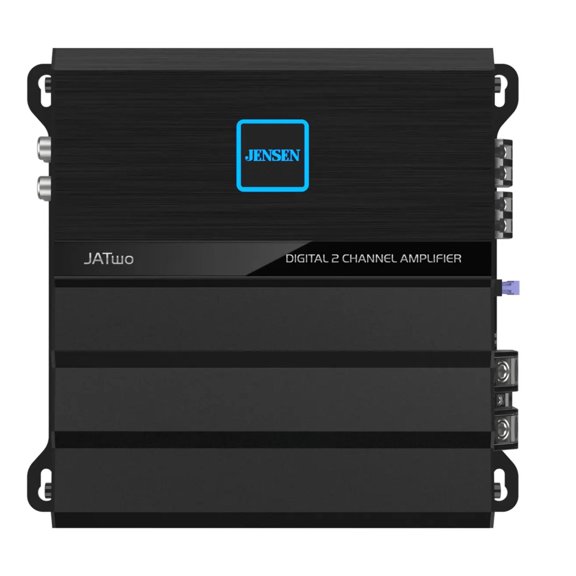
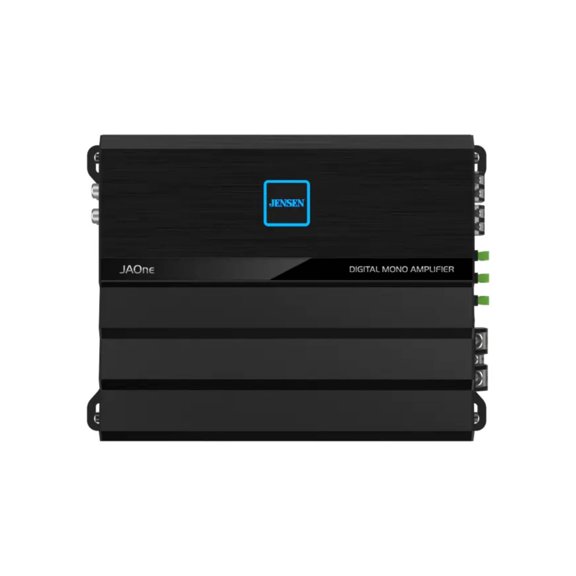
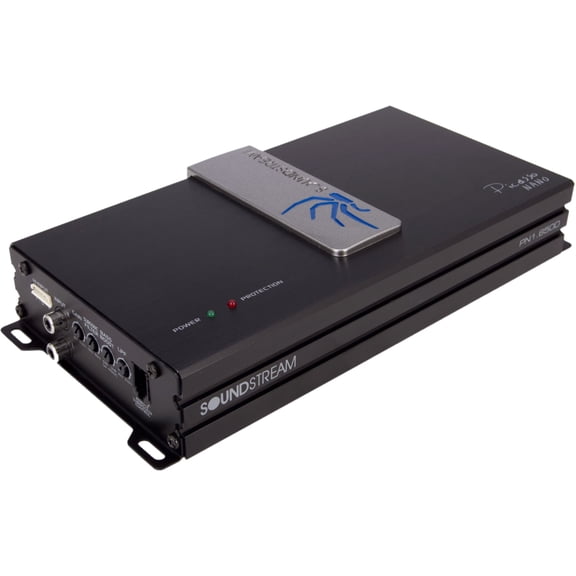

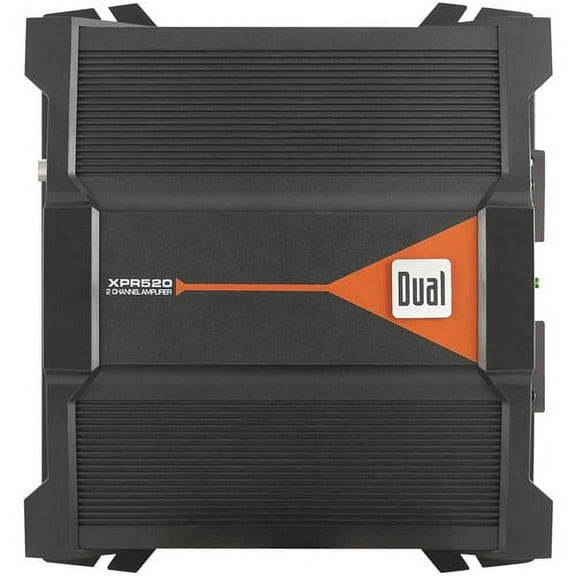
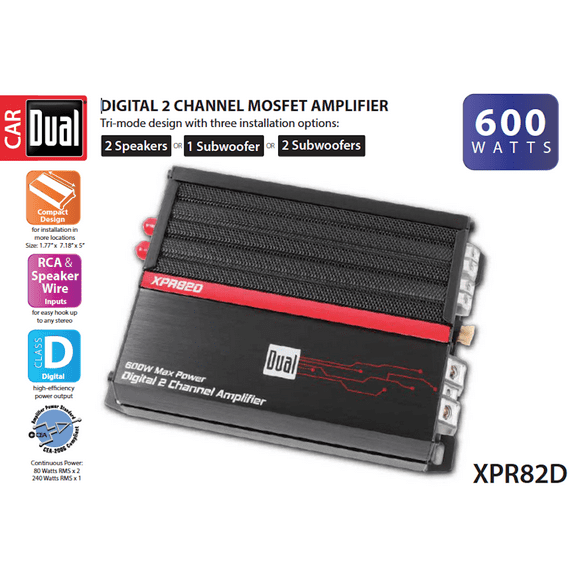
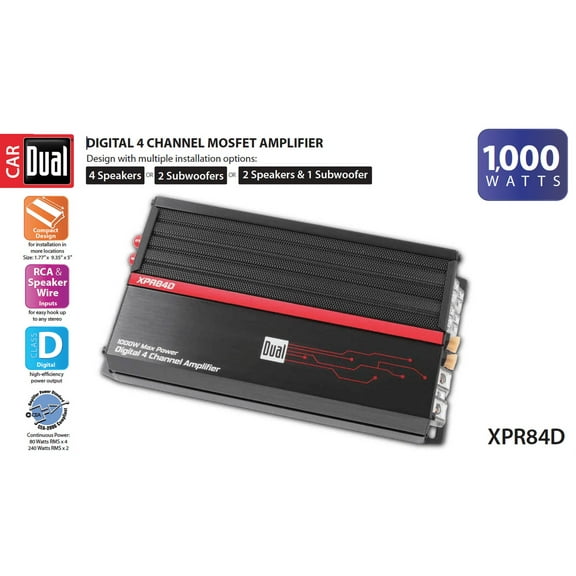
About Dual Car Amplifiers in Car Amplifiers - Walmart.com
Your dual amp upgrade can bring cleaner power to your car audio system and help you match speakers, subwoofers, and available space. You can use this page to compare channel layouts, compact sizes, and wiring needs before you choose a setup for your vehicle.
How to choose a dual amp for your vehicle
When you compare a dual amplifier, you should start with your audio goal and your vehicle layout. You may want stronger bass, clearer full-range sound, or a compact install behind a seat.
If you use factory audio equipment, you should check input options before you decide. You can look for speaker-level inputs, RCA connections, and wiring compatibility with your receiver.
Power ratings also matter when you narrow your options. You should focus on RMS wattage because it shows the steady output your speakers or subwoofer can use.
- You can match two channels to front speakers or a bridged subwoofer setup.
- You can use four channels when your front and rear speakers need separate powered channels.
- You can compare mini and compact housings when your trunk or under-seat space feels limited.
- You can check impedance support, wiring inputs, and fuse ratings before installation planning.
Choosing between dual amplifier 2 channel and 4-channel options
Your channel configuration shapes how you power your system. You should consider how many speakers you want to run and whether your setup includes a subwoofer.
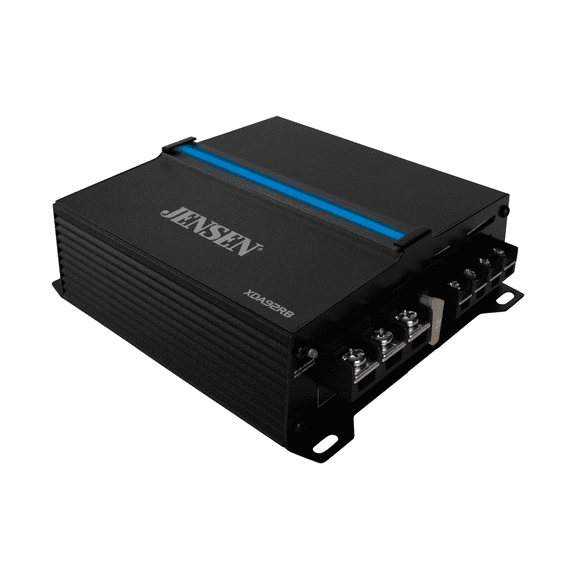
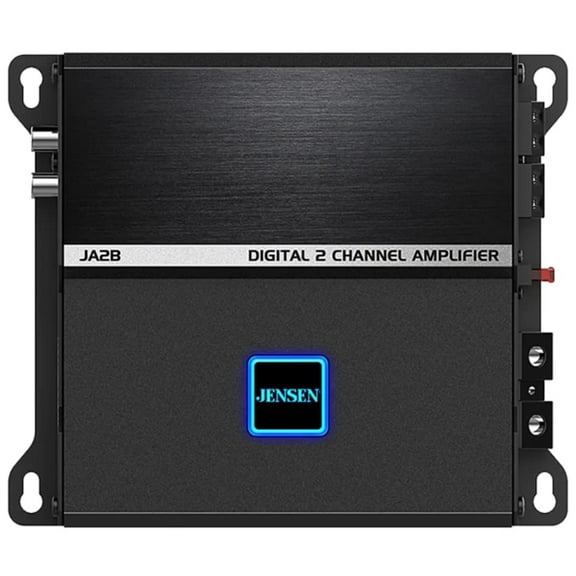
A dual amplifier 2 channel option can work well when you power two speakers or bridge channels for one subwoofer. You may prefer this layout when you want a simpler install path.
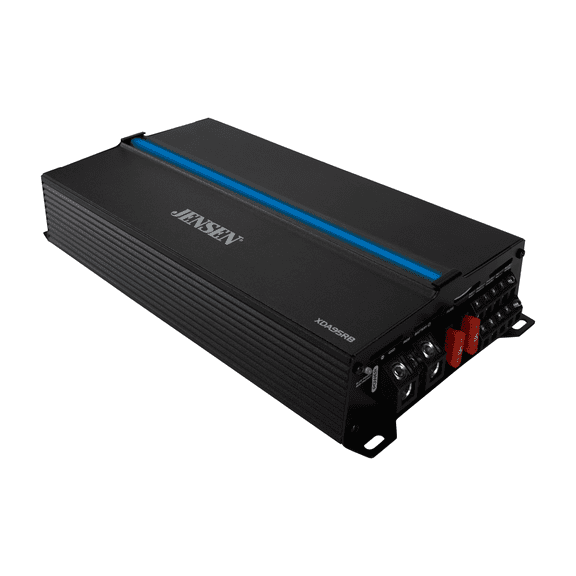
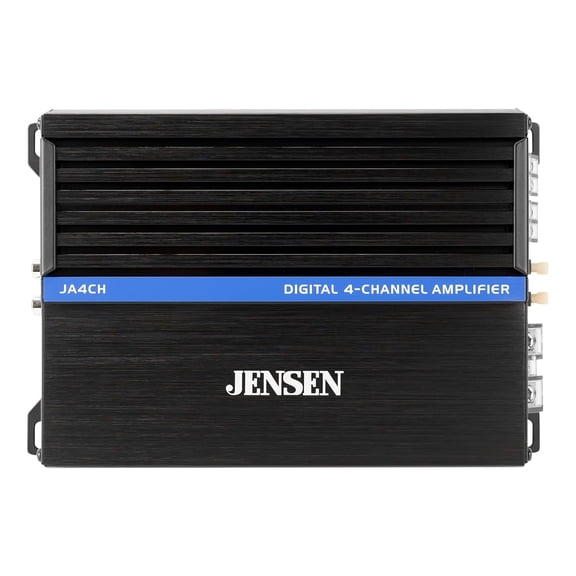
A 4-channel model gives you separate power for front and rear speakers. You can use that layout when you want balanced sound across more seating positions.
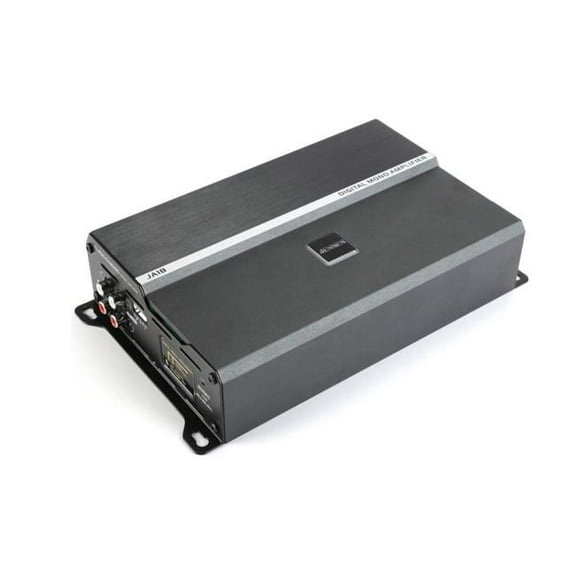
If your focus stays on bass, you may also compare mono models within this category structure. You should check whether your subwoofer impedance matches the amplifier's supported load.
What to look for in wattage, impedance, and inputs
Your power decision should start with RMS wattage, not peak numbers. You can use RMS ratings to compare steady output with your speakers' continuous power handling.
When you compare impedance, you should check whether your speakers are 2-ohm or 4-ohm compatible with the amp. You can avoid mismatch issues by reviewing supported loads first.
Your input choices affect installation flexibility. You may want RCA inputs for aftermarket receivers, or speaker-level inputs when you keep your factory stereo.
Crossover controls can also shape how your system plays. You can route low frequencies to a subwoofer, or send fuller signal ranges to door speakers and tweeters.
If you plan to tune a full system, you should also check gain controls and built-in filters. You can make finer adjustments when your source unit output varies.
Choosing a small car amp or compact fit
Your available space can narrow the field quickly. You should measure under-seat areas, side compartments, and trunk panels before you compare standard and mini housings.
A small car amp can help when your vehicle has limited mounting room. You may find compact formats easier to place in coupes, smaller sedans, and tighter hatchback layouts.
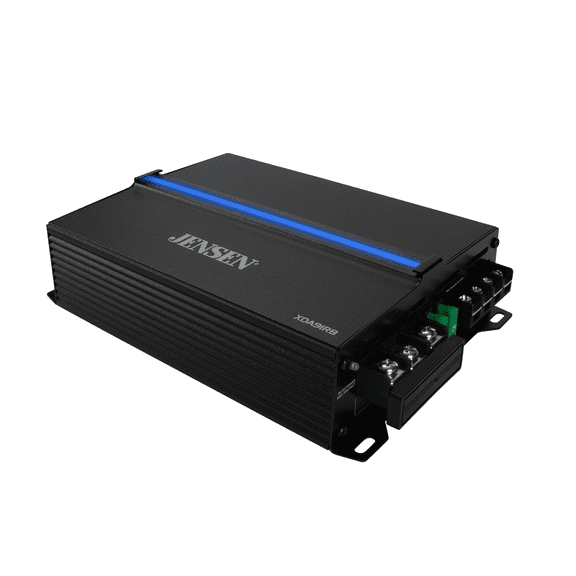
If you need a mini car amplifier 4 channel setup, you should compare dimensions alongside power output. You can balance fit and channel count without assuming larger housings are required.
Ventilation matters when you plan placement. You should leave room around the chassis so your amp has airflow during longer listening sessions.
Checking compatibility with your stereo and speakers
Your amplifier should fit your current source unit and speaker plan. You can compare harness needs, input sensitivity, and remote turn-on connections before installation day.
If you keep a factory stereo, you should check whether the amp accepts high-level inputs. You can simplify integration when your receiver lacks RCA preamp outputs.
Aftermarket receivers may give you more tuning control through dedicated preouts. You can pair those outputs with a dual car amp when you want cleaner signal routing.
You should also compare your speaker type with your amp choice. You can match full-range speakers, tweeters, or a dual sub amp setup based on crossover support.
Some shoppers also compare brand and series compatibility before they choose. You can review app support, connection style, and fit preferences when compatible control features matter.
How your setup changes by listening goal
If you want stronger bass, you may choose two channels bridged to a subwoofer or a mono layout. You should confirm enclosure space and subwoofer impedance before you finalize power.
When your goal is clearer daily driving sound, you can choose a 4-channel amp for front and rear speakers. You may notice more control over balance and staging across the cabin.
If your vehicle has very little room, you can focus on mini and compact models first. You should compare chassis measurements, connector placement, and wiring access before you commit.
For a factory integration project, you should prioritize input compatibility and practical tuning controls. You can keep your existing receiver while adding cleaner, steadier amplifier power.
Your dual amp decision gets easier when you compare channels, RMS output, fit, and compatibility together. You can build a car audio setup that fits your vehicle and delivers the sound layout you planned.