

Air Compressors and Accessories















About Air Compressors and Accessories - Walmart.com
With air compressors and accessories, you can power tools, fill tires, and handle garage tasks with one coordinated setup. You can compare CFM, PSI, tank size, and fittings to match your projects with less guesswork.
How to choose air compressors and accessories
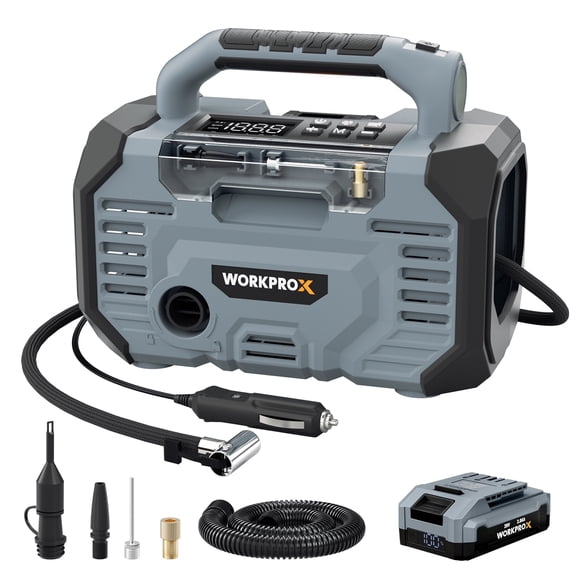
When you compare power source, you should start with where and how you work. You may prefer electric corded models for steady shop use, cordless air compressor options for quick mobility, or gas powered units for remote jobs.
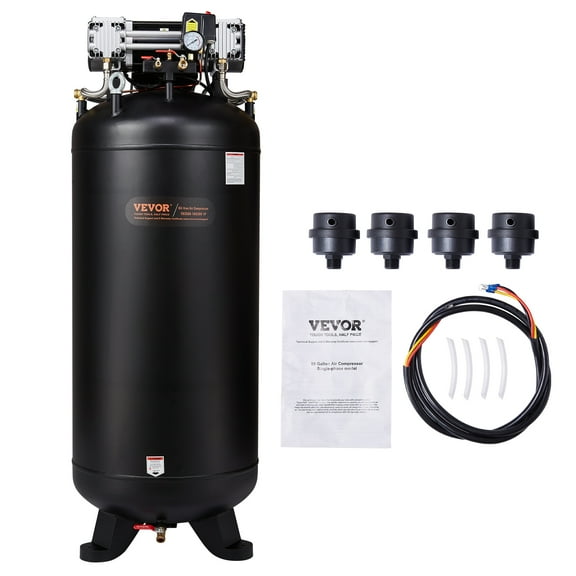
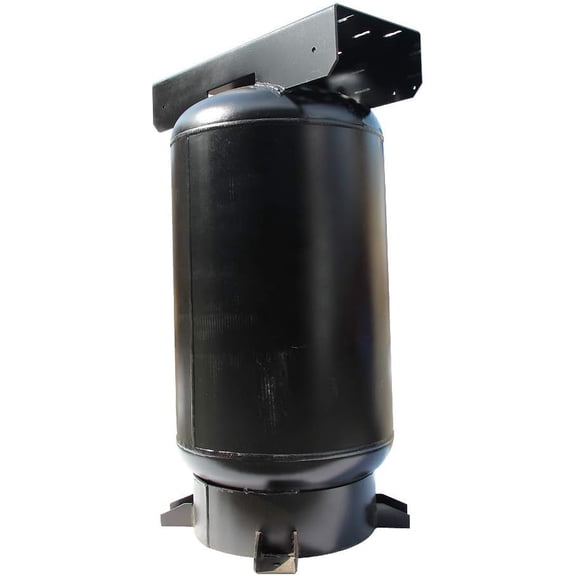
Tank size changes how long you can work between refill cycles. You should look at one gallon, three gallon, and six gallon choices for lighter tasks, while 20 gallon and 60 gallon tanks suit repeated tool use.
Max pressure matters because your tools and inflation tasks need a certain output. You should compare up to 100 PSI, 100 to 150 PSI, and 150+ PSI ranges before you choose.
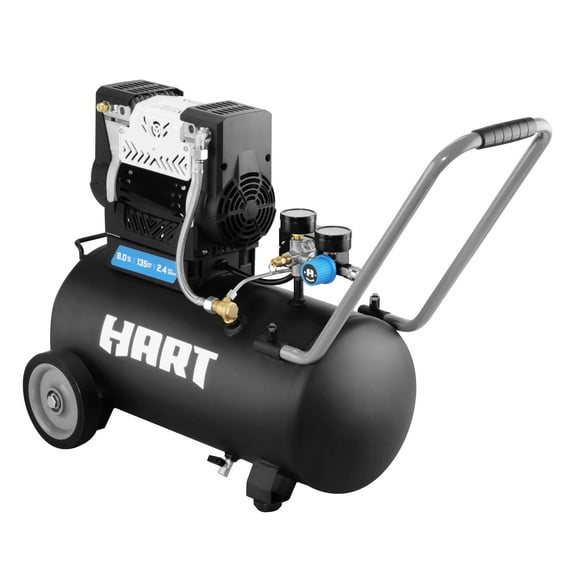
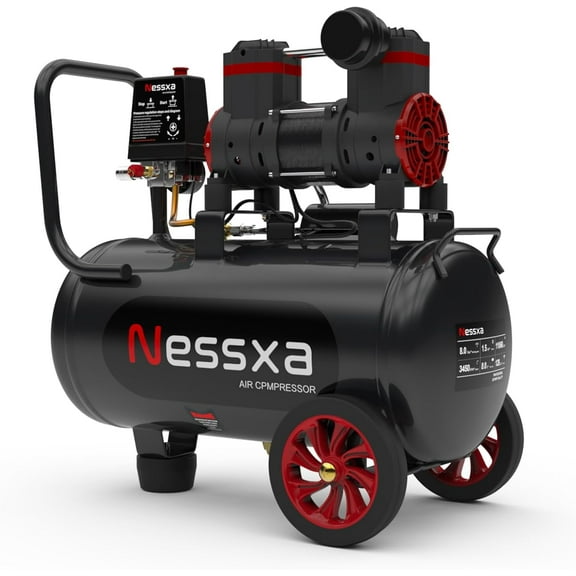
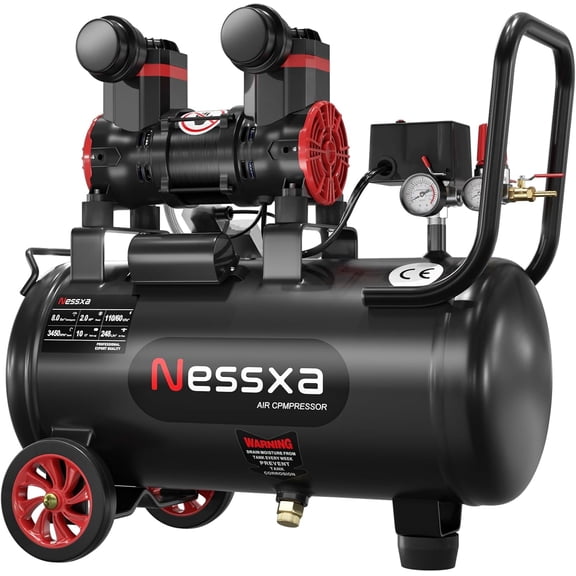
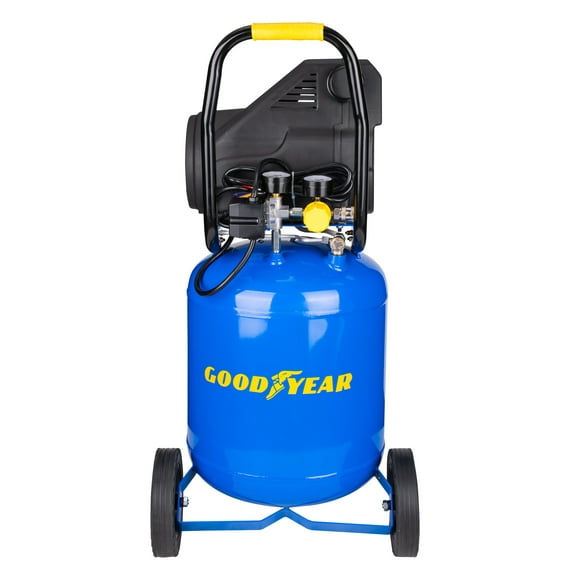
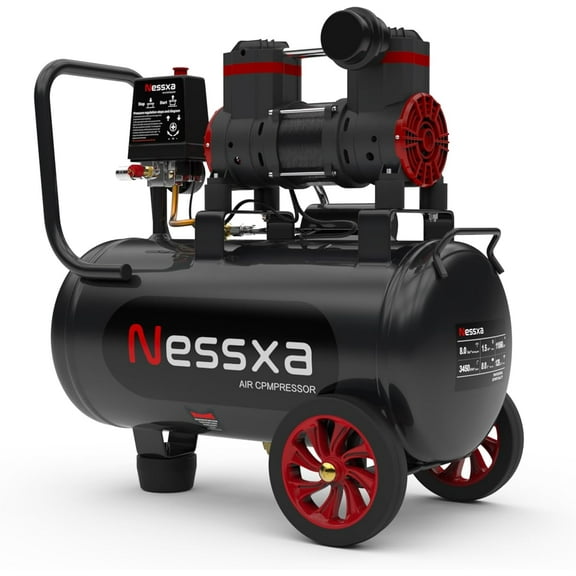
Portability also shapes your setup in a big way. You may want portable air compressors for carrying upstairs or pancake models for compact storage. You may choose wheeled units for busy garages, while you may prefer stationary models for dedicated workspaces.
What to look for in portable air compressors
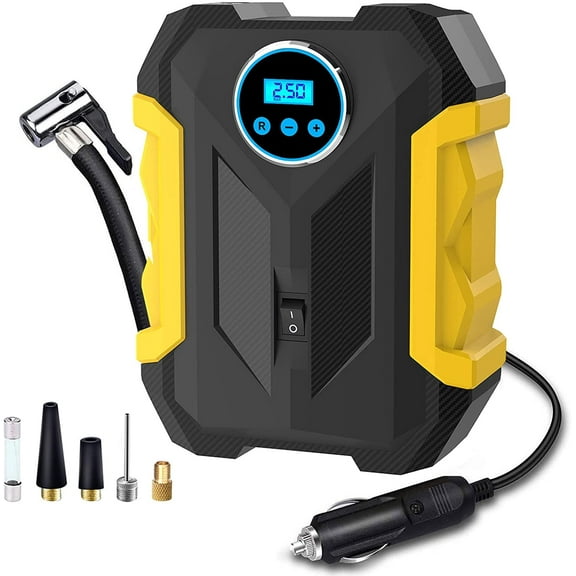
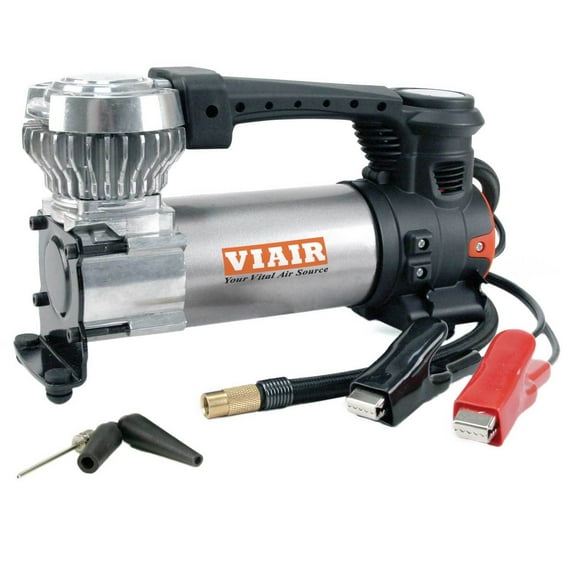
If you move between rooms, vehicles, or job areas, you should check carry handles, wheel design, and overall weight. You’ll notice portable air compressors fit quick inflation and light nailing without taking over your floor space.
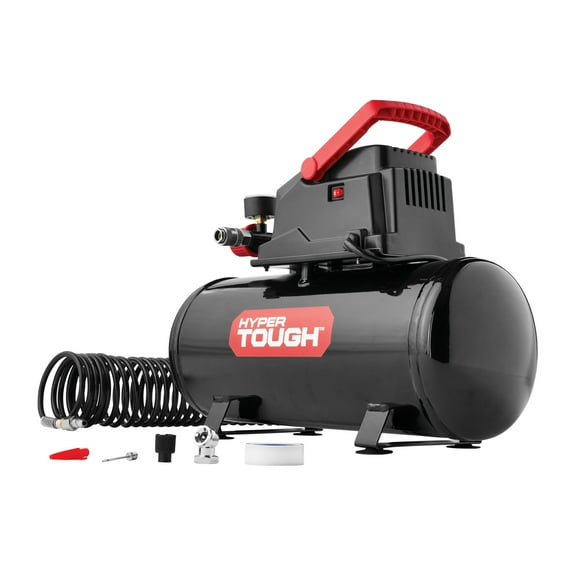
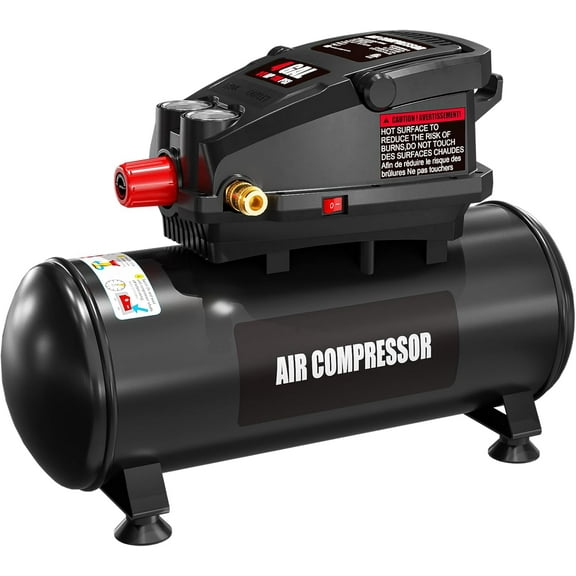
Pancake air compressors give you a low profile base that stores neatly on shelves or in corners. You may like a six gallon pancake air compressor when you want balanced runtime and easy transport.
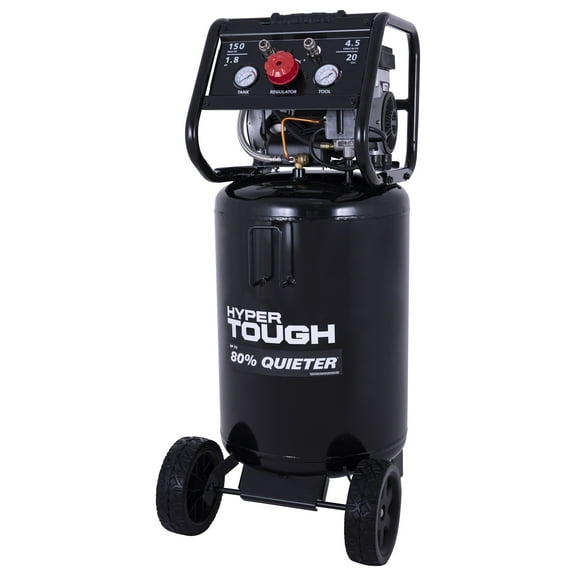
Noise level can affect where you feel comfortable using your equipment. You should compare decibel ratings, because a quieter unit feels easier to use in shared garages and indoor work areas.
- You can choose cordless models when you need quick grab-and-go inflation.
- You can choose pancake designs when you want compact storage and steady placement.
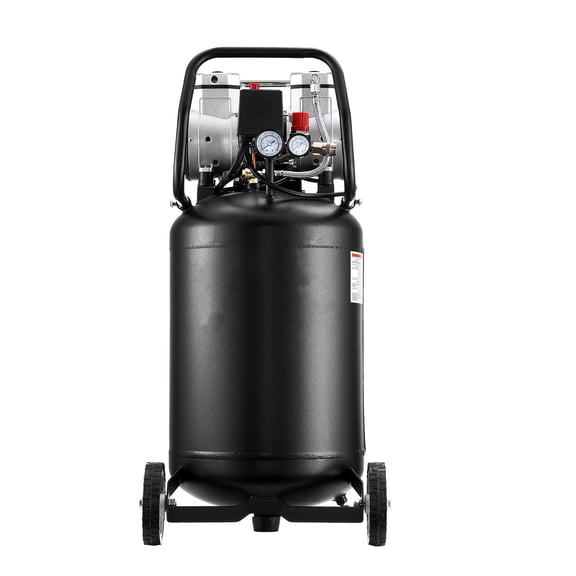
- You can choose wheeled tanks when you need more air for repeated tool cycles.
- You can choose stationary units when your shop layout stays fixed.
Choosing tank size, CFM, and PSI
Tank capacity works with CFM and PSI, so you should review all three together. You’ll want enough airflow at a specific PSI for your nailer, sprayer, ratchet, or inflation task.
CFM tells you how much air your setup can deliver over time. You should match your tool’s required CFM at the listed PSI, because that pairing guides steady performance.
If you only inflate sports gear or vehicle tires, you may not need a large tank. If you run pneumatic tools longer, you should consider larger tanks that refill less often.
A 150 psi air compressor can give you a wider operating range for many shop jobs. You should still confirm the working pressure your tool or attachment actually uses before you decide.
How to compare air compressor accessories
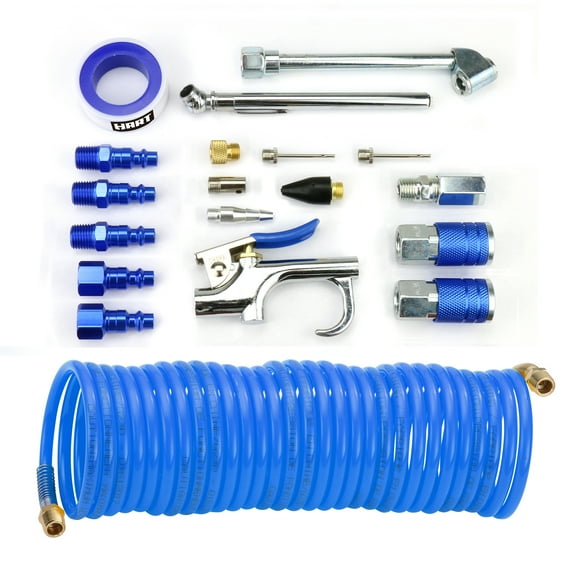
Air compressor accessories can shape convenience, reach, and compatibility just as much as the compressor itself. You should compare accessory type, thread size, coupler style, and hose length before you build your setup.
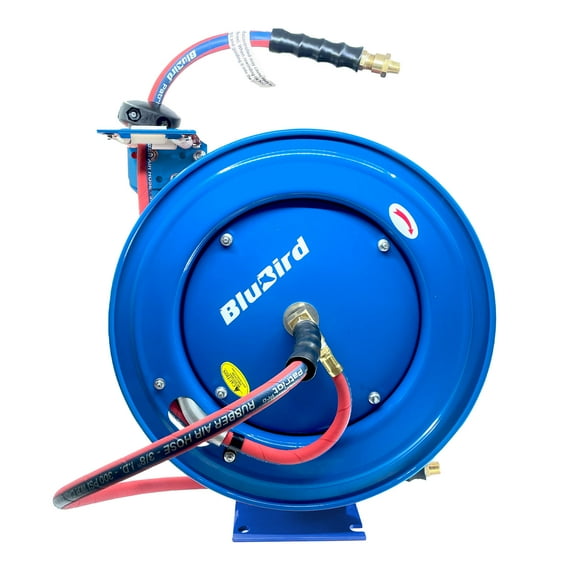
An air compressor hose affects how far you can move around a vehicle, garage bay, or workbench. You may want a flexible hose for easier handling, especially when you work around corners or tight spaces.
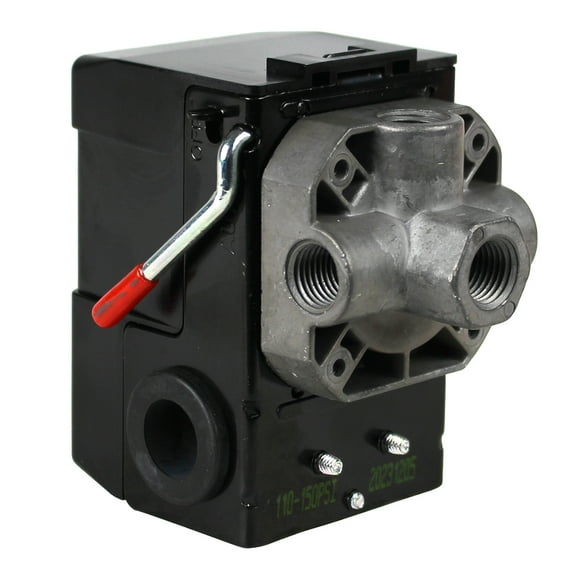
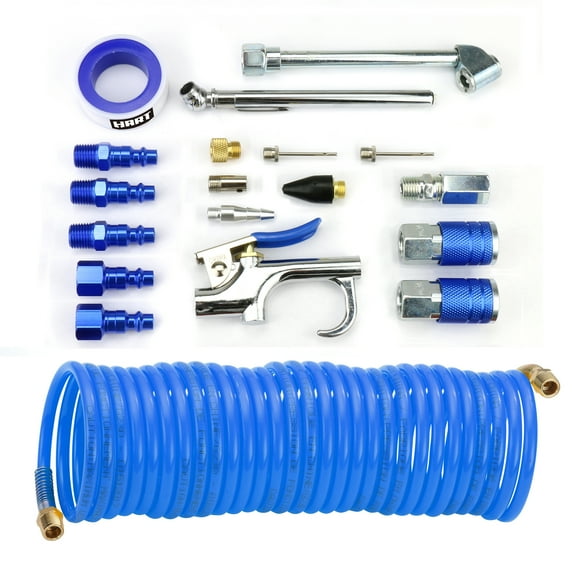
Air compressor fittings connect your hose, tool, and tank into one working system. You should check NPT thread sizes and coupler types, because mismatched connections can slow setup and limit compatibility.
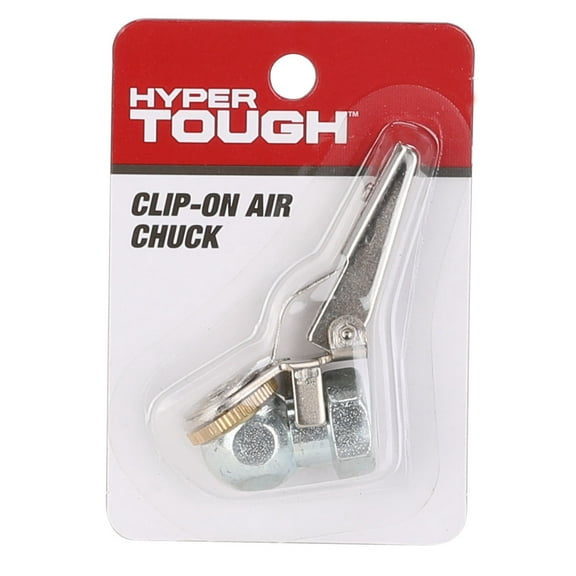
You may also look for pressure regulators when you want more control at the tool. You can add air chucks, inflation needles, and couplers when you handle tires, balls, and small inflatables.
Matching combinations to your projects
For quick vehicle care, you may pair a cordless air compressor with an air chuck and compact hose. You’ll get a setup that fits trunks, shelves, and grab-and-go use.
For trim work or home projects, you may choose pancake air compressors with moderate PSI and practical tank capacity. You should add compatible fittings and couplers so your nailer connects without guesswork.
For garage tool use, you may prefer a wheeled electric corded unit with higher CFM output. You should compare hose length, regulator control, and fitting size when you switch between tools.
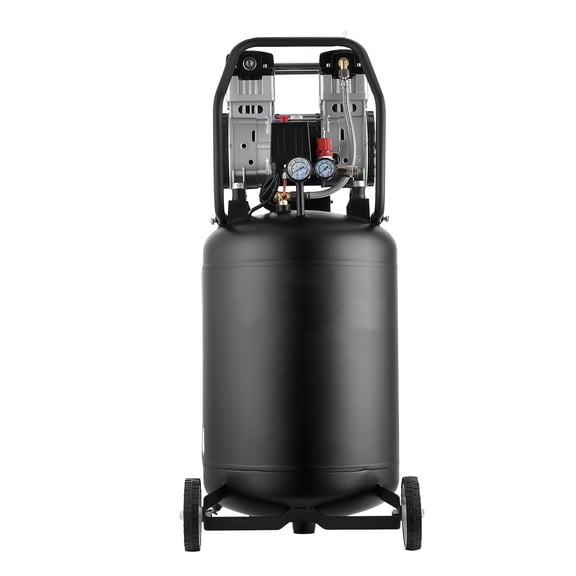
For a fixed workshop, you may want a stationary compressor with a larger tank and steady output. You can support longer sessions when your airflow needs stay consistent across repeated tasks.
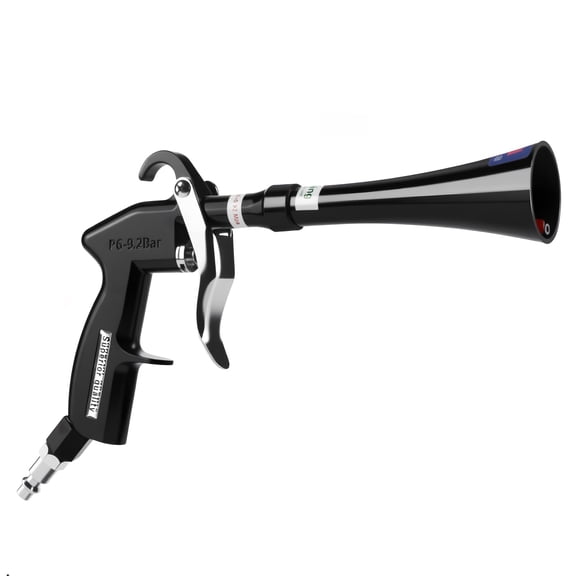
If you handle mixed jobs, you should build around flexibility instead of one narrow use. You may combine a portable tank, pressure regulator, and multiple air compressor accessories for inflation, fastening, and cleanup tasks.
When you compare air compressors and accessories this way, you can match airflow, pressure, portability, and connections with less trial and error. You’ll finish with a setup that fits your tools, your space, and your routine.
Popular in Air Compressors and Accessories - Walmart.com
- California Air Tools Air Tools
- Campbell Hausfeld Air Compressor Accessories
- Compressor Works
- Campbell Hausfeld Air Compressor Parts
- Titan Tools Air Compressor Accessories
- Rotary Screw Air Compressor
- Central Pneumatic Air Compressors
- Air Compressor Pressure Switch Campbell Hausfeld
- Armstrong International Portable Air Compressor Accessories
- Rotary Air Compressor
- Campbell Hausfeld Portable Air Compressor Accessories
- Sharpe Manufacturing Air Compressor Accessories