










Braces and Supports in Home Health Care


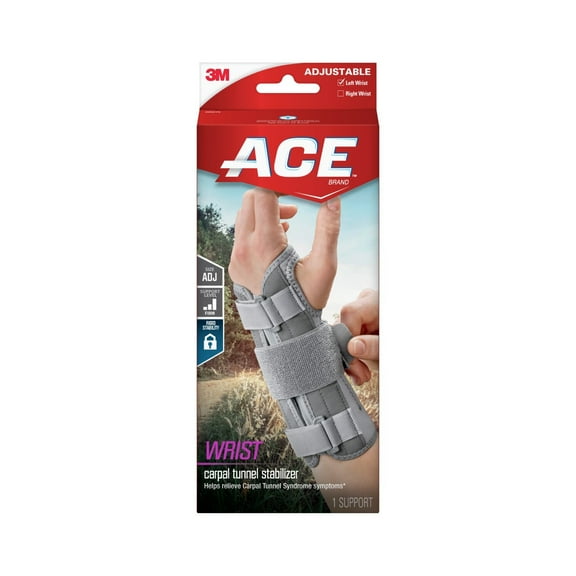
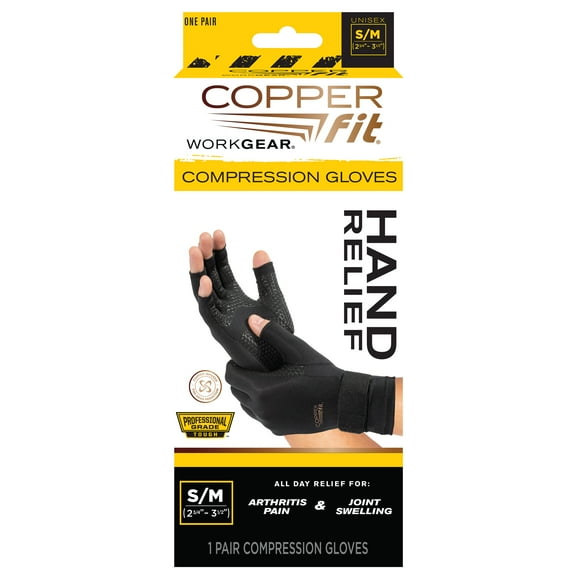
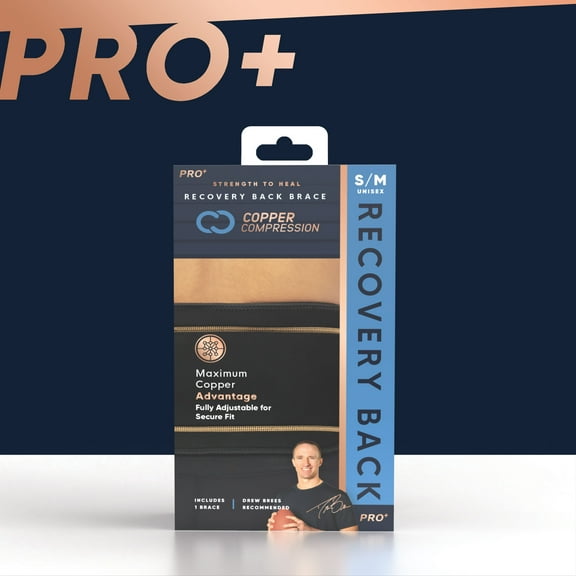



















About Braces and Supports in Home Health Care - Walmart.com
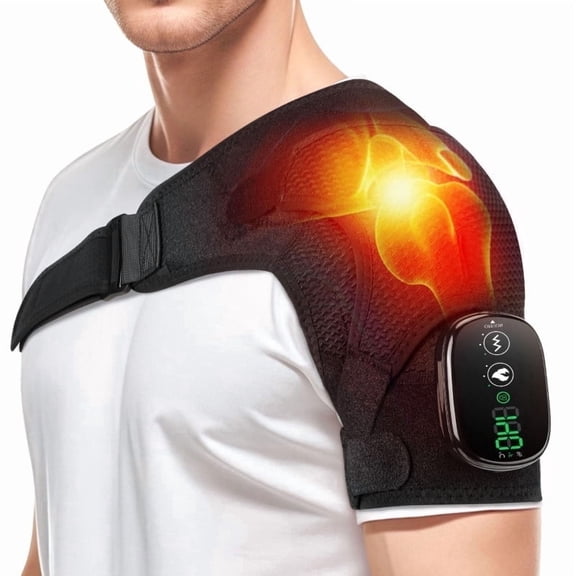
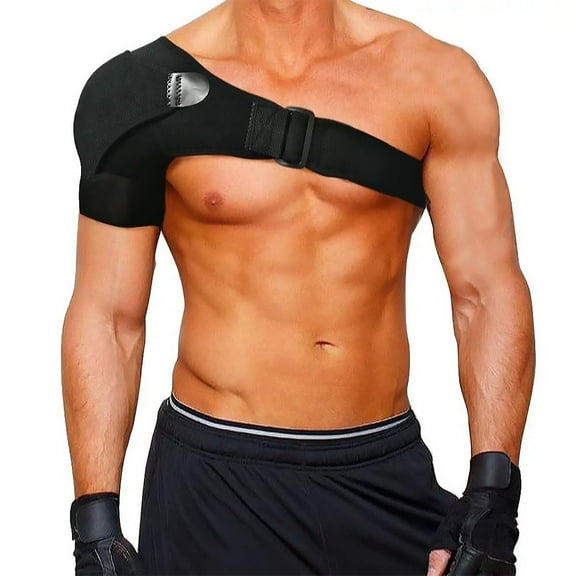
Braces and supports help you compare stability, fit, and comfort across knee braces, back supports, ankle braces, and wrist supports for daily wear. You can use this guide to choose the right support level, material, and closure style for your routine.
You may be shopping for injury recovery, everyday movement, or active use that needs a more secure feel. You’ll also notice that body-part fit matters here, because a knee sleeve works differently than a rigid wrist splint.
How to choose braces and supports by body part
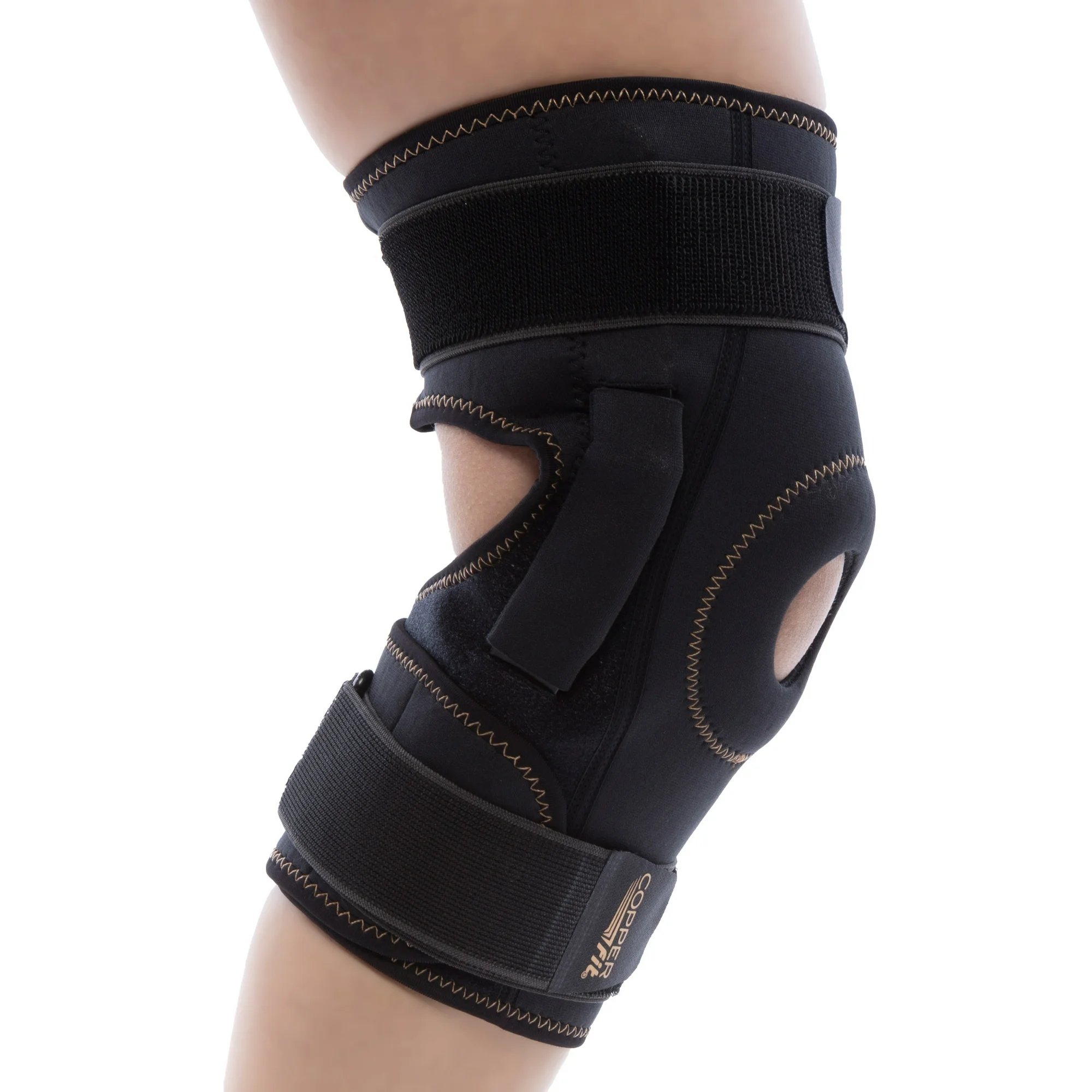
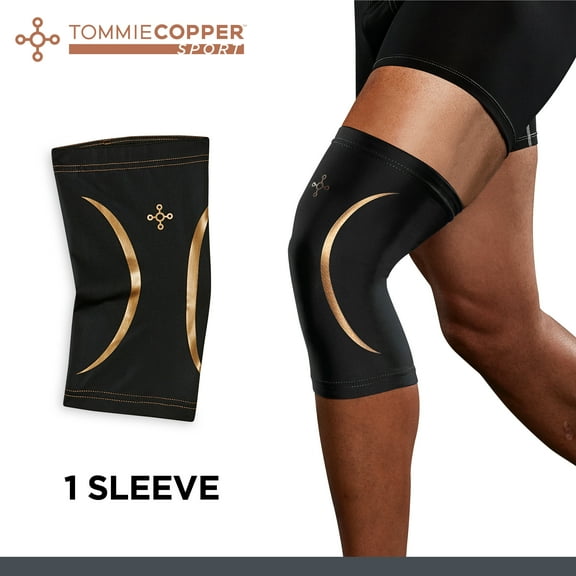
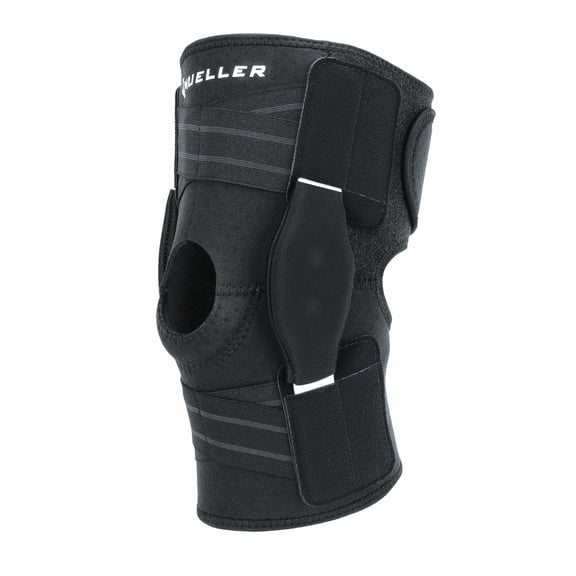
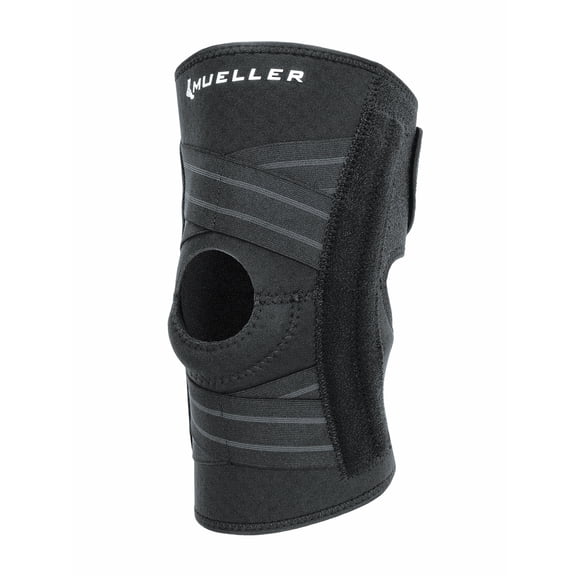
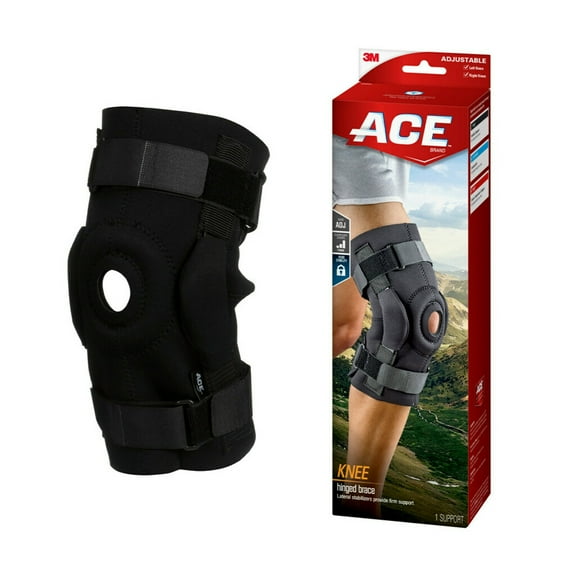
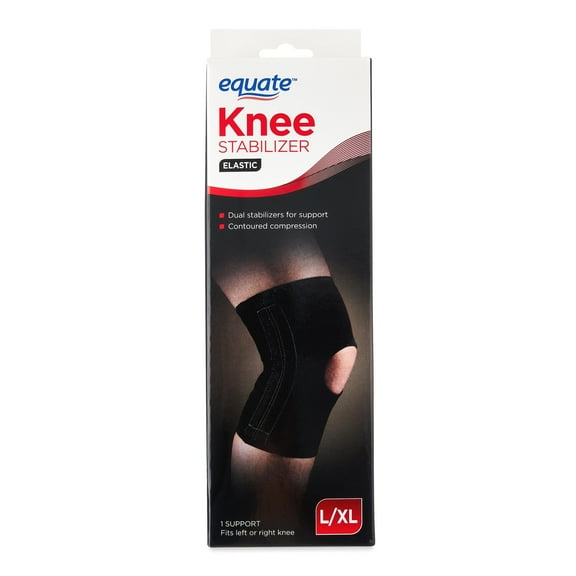
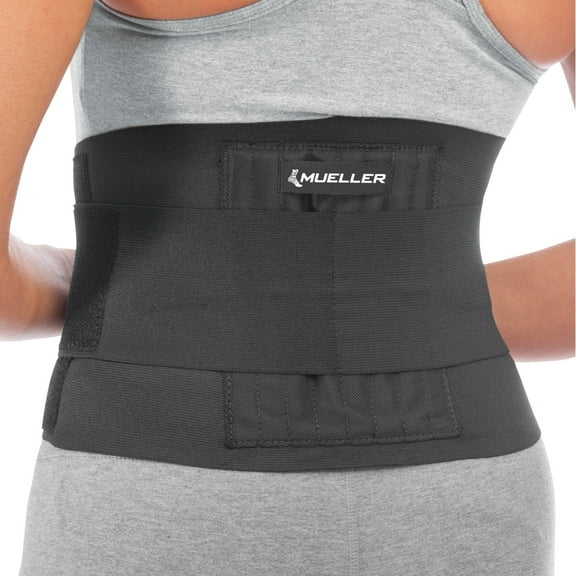
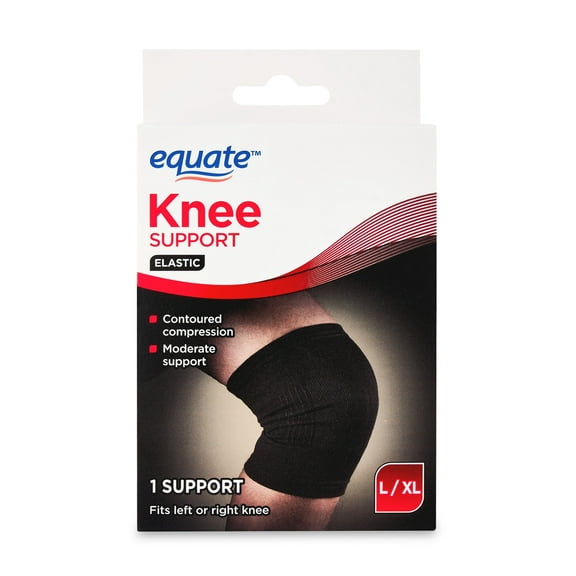
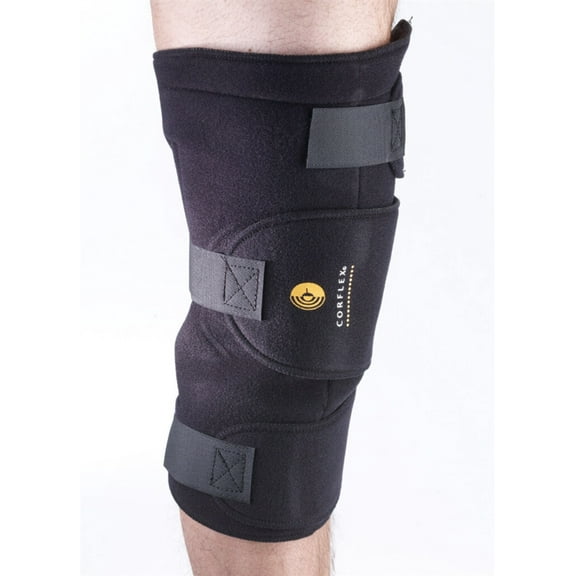
You should start with the joint or area that needs support, because shape and motion differ at each location. Your knee often benefits from sleeves, hinged styles, or straps, while your back may need wider panels and adjustable tension.
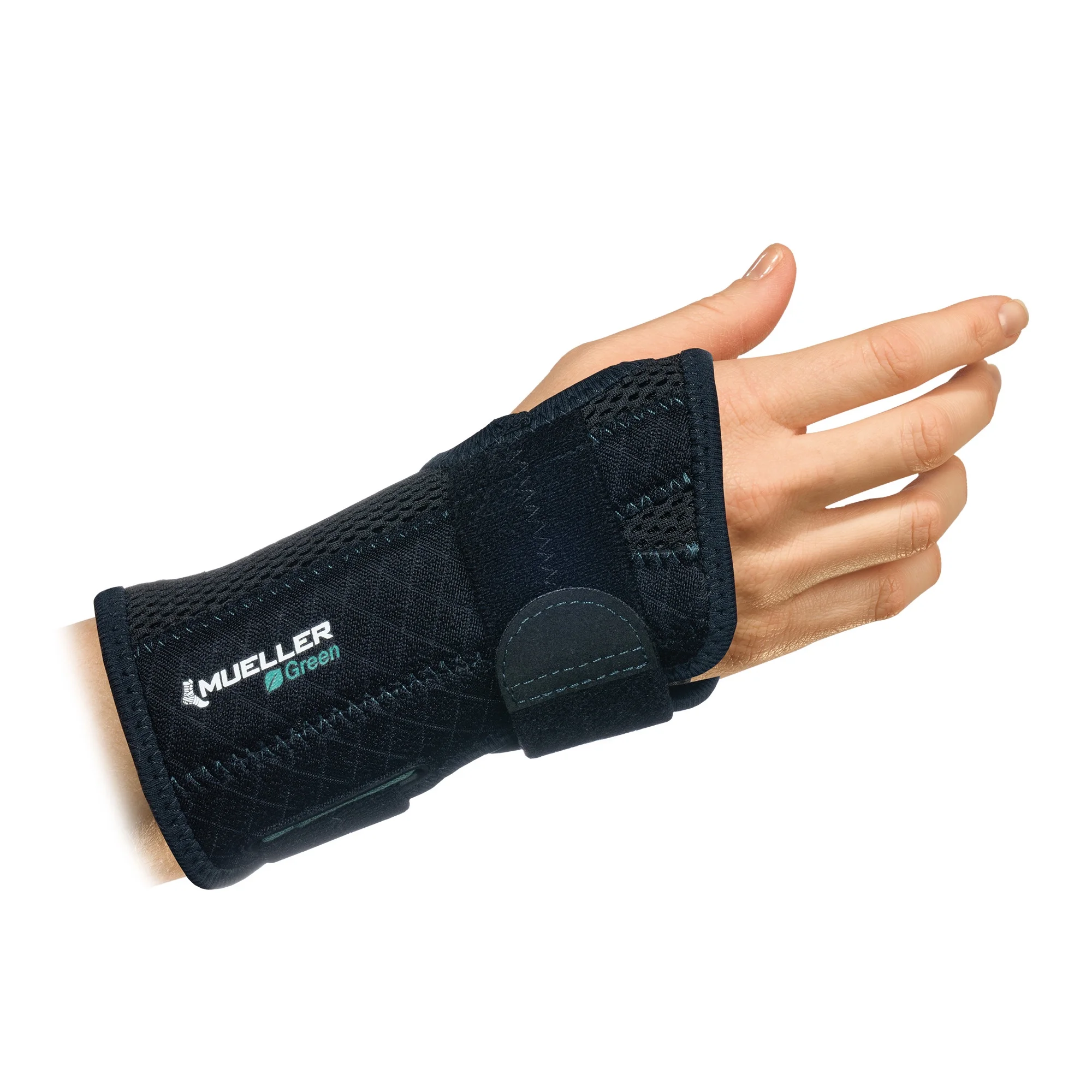
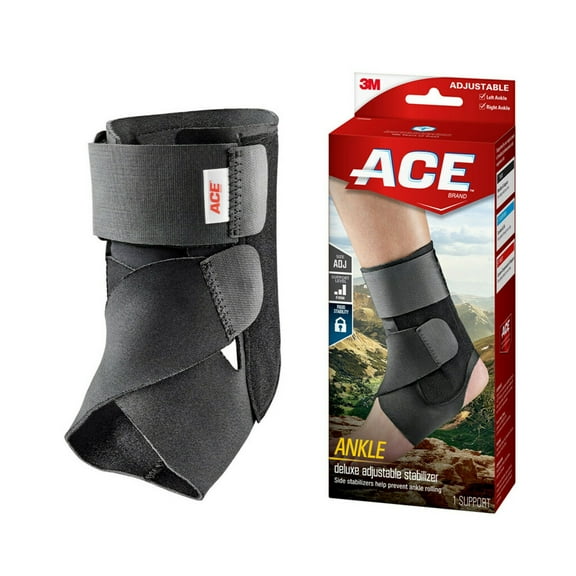
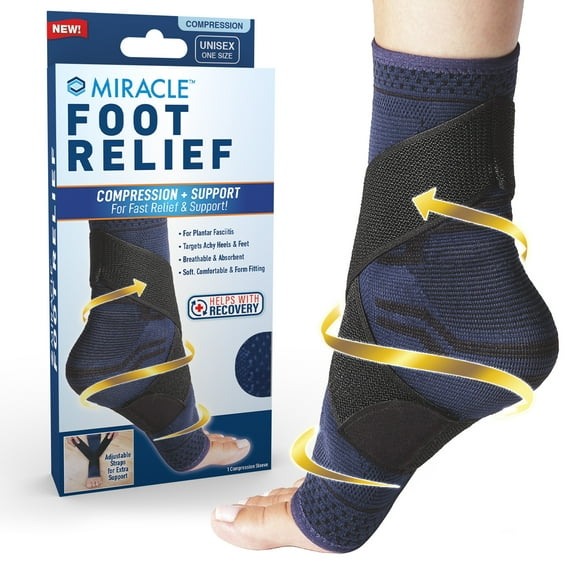
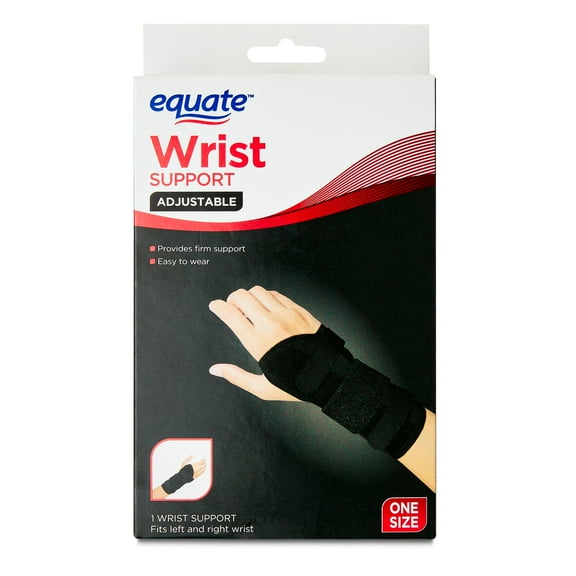
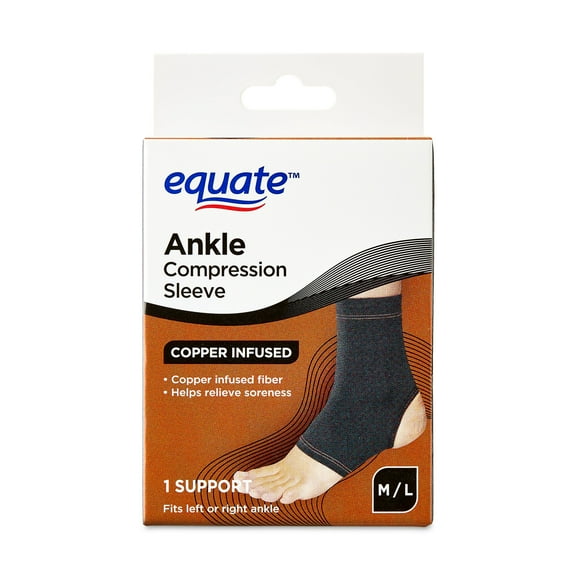
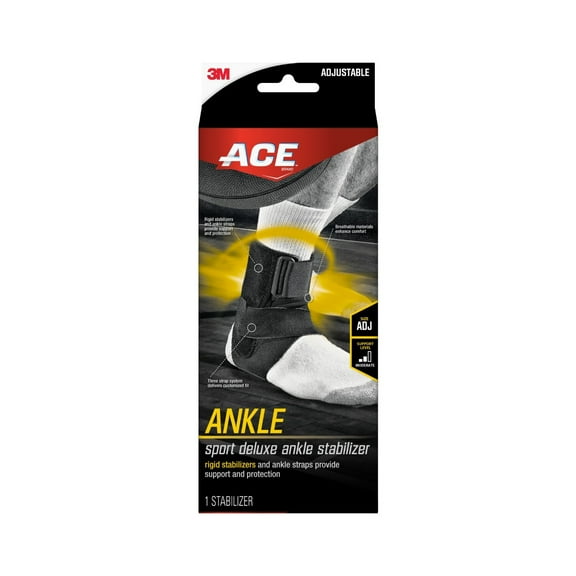
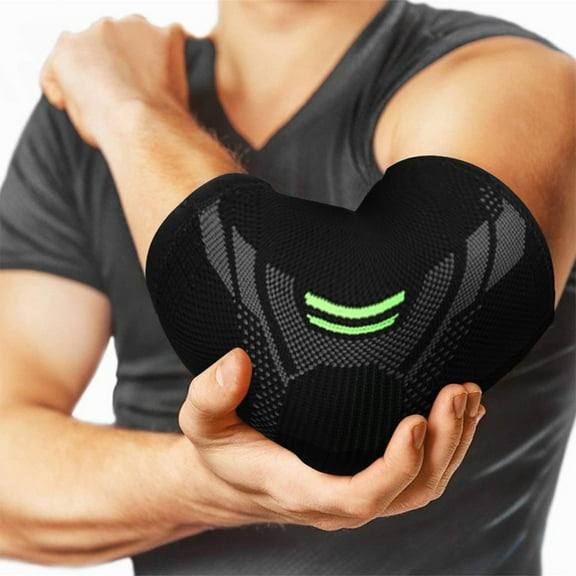
You may want ankle braces when you need a closer fit inside shoes or around socks. Your wrist supports often focus on alignment, and your elbow braces usually target a smaller zone with lighter compression.
You can narrow the field faster when you match the design to your daily motion. Your back support may suit lifting or desk time, while your knee brace may suit walking, exercise, or stairs.
Key benefits you can compare before you choose
You’ll usually compare comfort, stability, and ease of wear first, because those factors shape how often you’ll reach for a brace. Your ideal option should feel supportive without making routine movement harder than it needs to be.
You can also compare how much structure you want during the day. Your flexible support may feel easier for daily wear, while your rigid splint may give a more controlled feel during recovery periods.
- You can use compression sleeves when your priority is a close, flexible fit during movement.
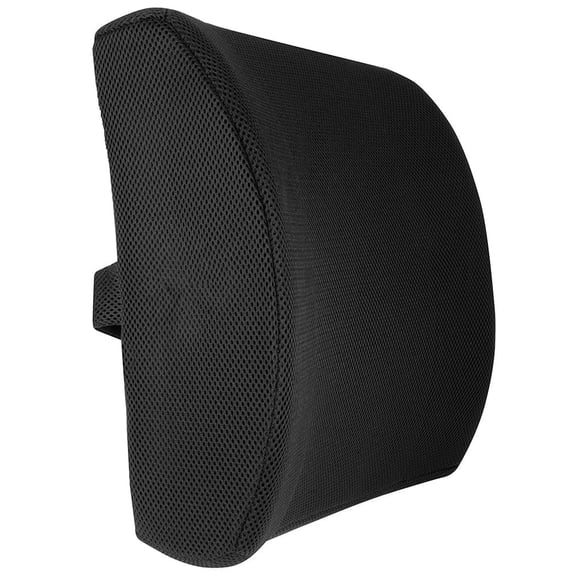
- You may prefer back supports with adjustable panels when your routine includes lifting, bending, or longer sitting periods.
- You can choose ankle braces or wrist supports with secure closures when you want quick on-and-off use.
- You’ll often appreciate breathable fabrics when your support stays on through work, errands, or light activity.
You should also think about how the support fits under clothing or shoes. Your low-profile ankle brace may layer more easily, while your wider back support may feel steadier over a longer area.
Choosing support level, fit, and materials
You’ll usually see mild, moderate, rigid, and high-support styles, and each one serves a different purpose. Your mild option often feels more flexible, while your rigid design may limit motion with splints or stays.
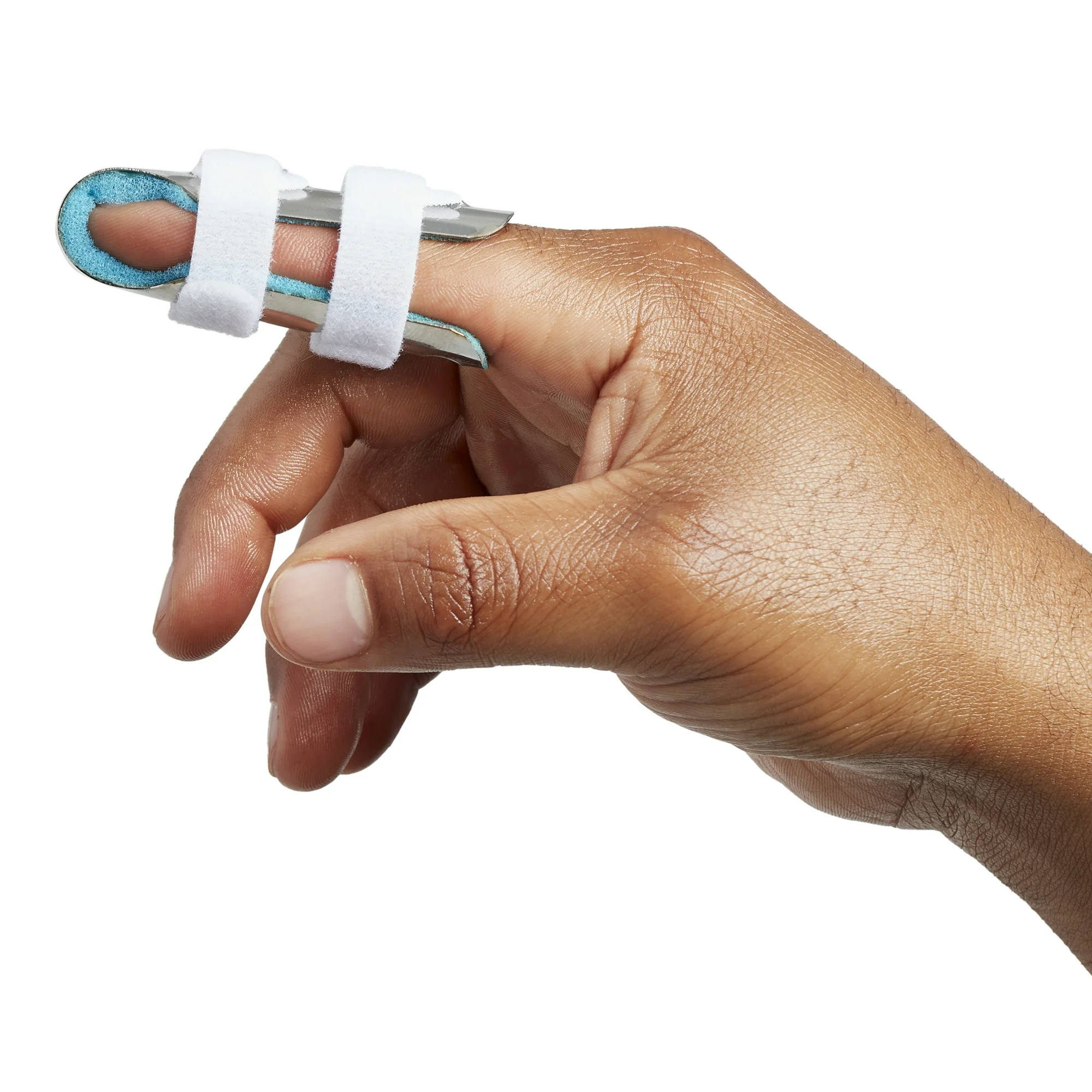
You can use flexible stays when you want a balance between movement and structure. Your rigid splints usually create firmer alignment, which matters when your wrist or ankle needs a more controlled position.
You should measure before you choose, because sizing affects how evenly the brace feels around the joint. An effective approach is checking the size chart, then measuring the area listed with a soft tape.
You may measure around your knee, ankle, elbow, or wrist at the marked point on the chart. Your back support may ask for waist measurement, and accurate numbers help you compare compression and coverage.
You’ll also want to compare material feel during longer wear. Your neoprene option often feels warmer and more structured, while your knit or breathable mesh option may feel lighter and cooler.
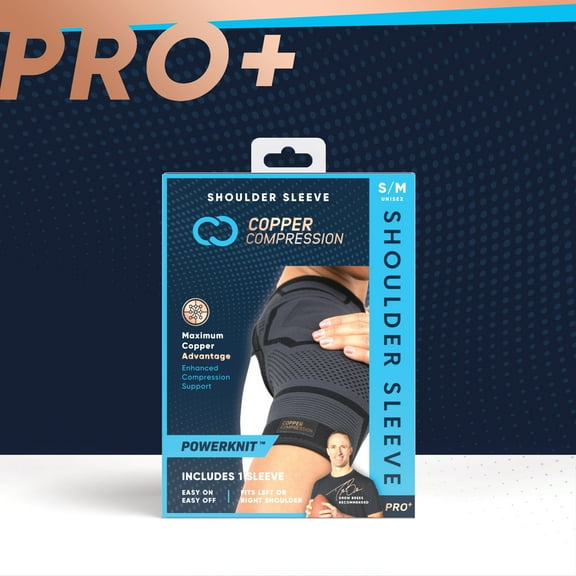
You can choose elastic fabrics when you want stretch that moves with you through daily tasks. Your compression sleeves often use knit or elastic blends that feel streamlined under clothing.
Comparing closure types and everyday use
You should check closure style early, because application can change your day-to-day experience. Your hook-and-loop design usually adjusts quickly, while your pull-on style can feel smooth and simple once sized correctly.
You may like lace-up or strapped designs when you want a more dialed-in fit. Your wrist supports and elbow braces can be easier to put on one-handed when you choose designs with quick-fastening closures.
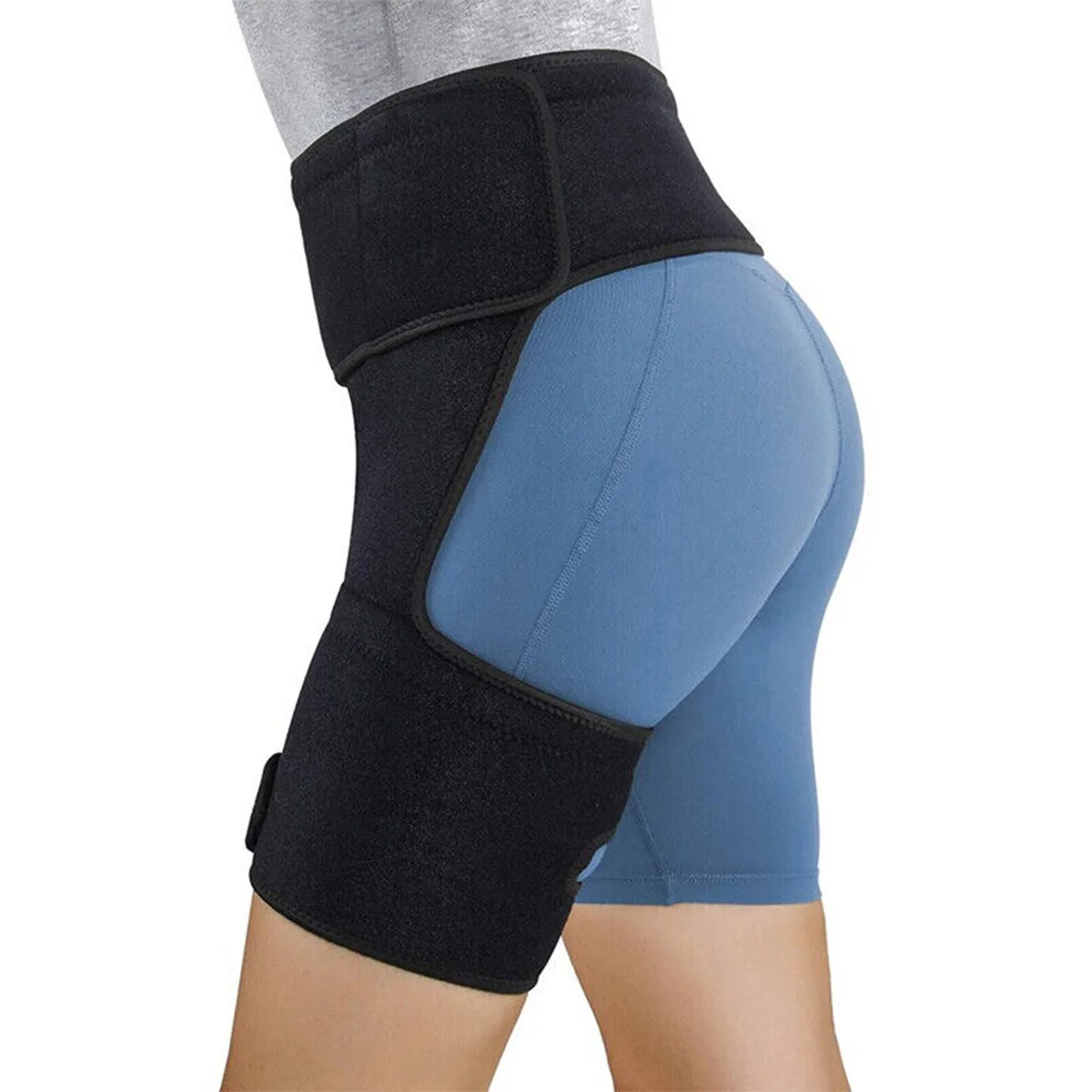
You can use strapped back supports when you want to fine-tune tension across a wider area. Your ankle brace may use pull-on or lace-up construction when you need a closer fit inside athletic or casual shoes.
You’ll also want to match the brace to the activity you actually do. Your daily wear option may focus on comfort and breathability, while your sports routine may call for a snugger feel and more hold.
You can keep recovery, movement, and convenience in balance by comparing these decision points together. Your braces and supports choice becomes clearer when you match body part, support level, material, and closure to your routine.
You’ll feel more confident when you choose with sizing, alignment, and wear time in mind. Your right fit can deliver the steady feel, flexible motion, or structured support your day calls for.