

Convertible Baby Cribs for Nursery Decor


Shop by category

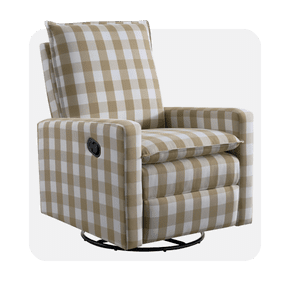
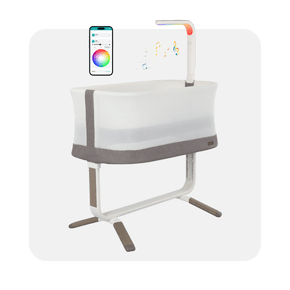
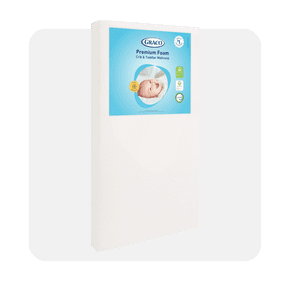


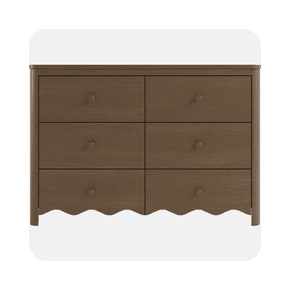




Top brands, right here
Finish your nursery with stylish picks.




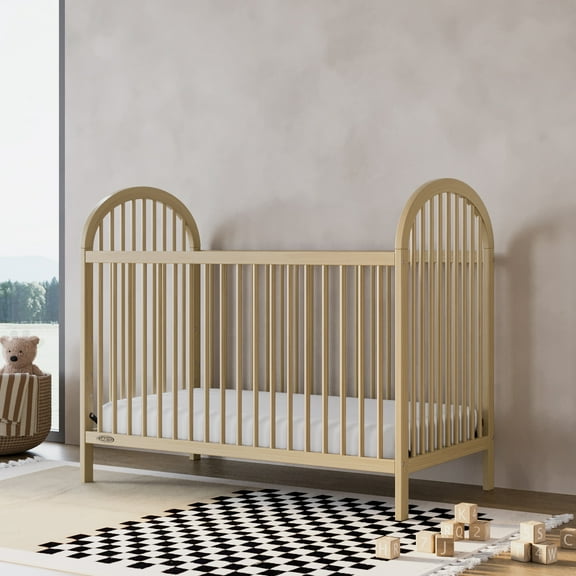


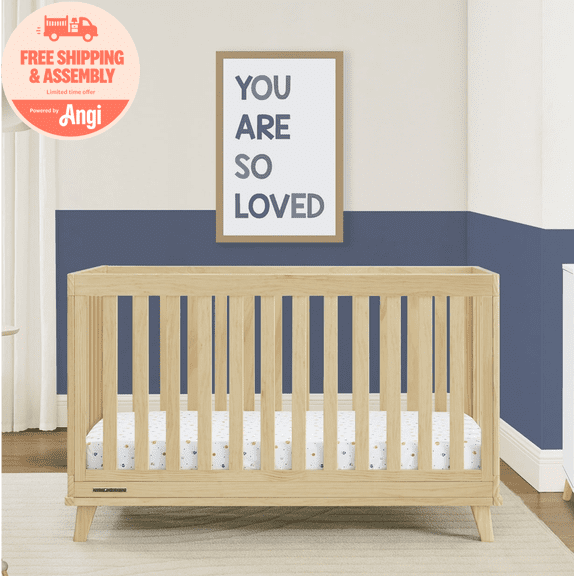
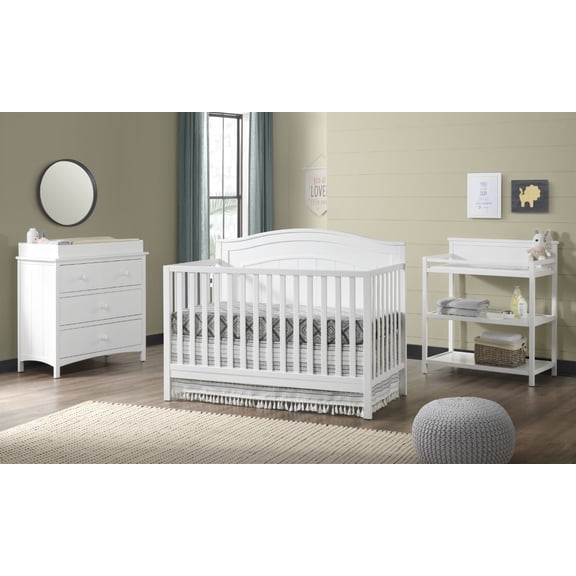
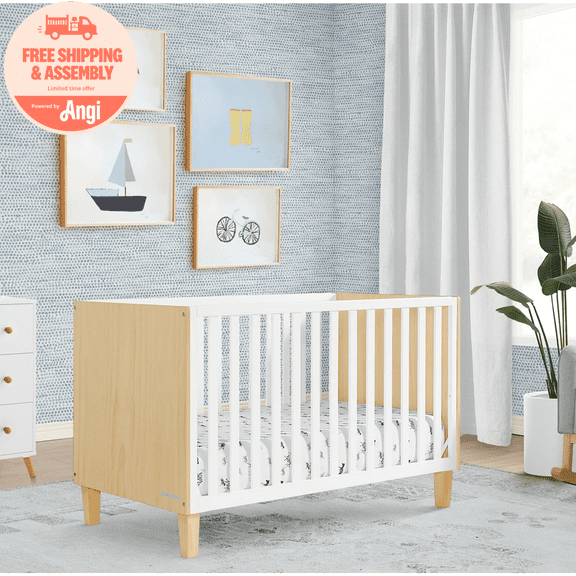

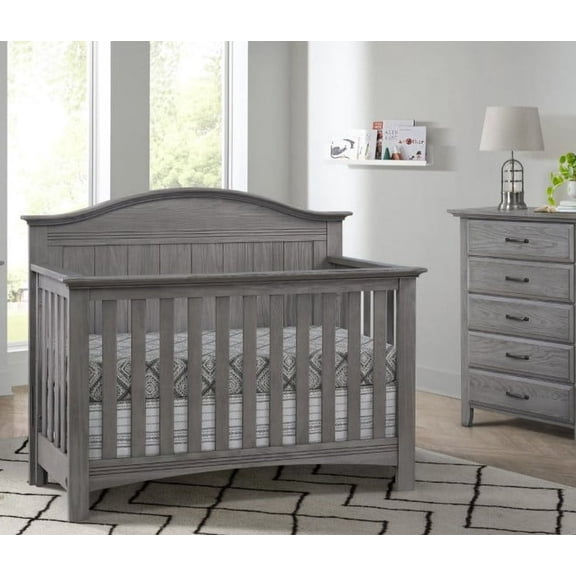
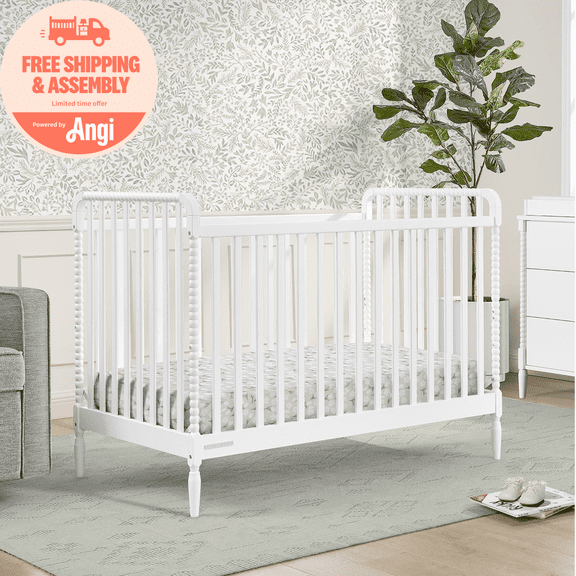
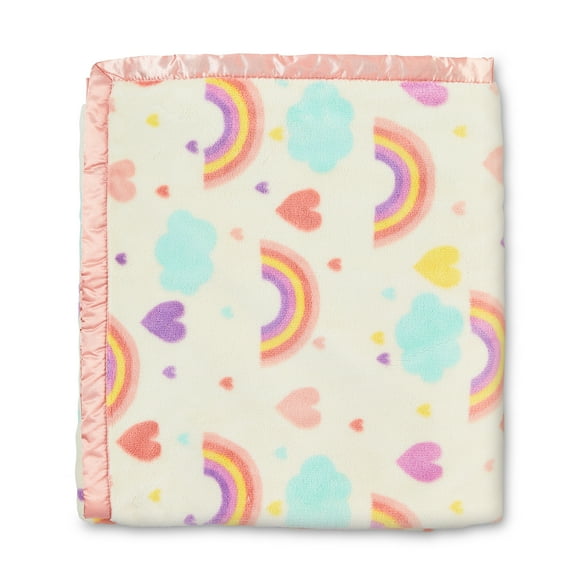
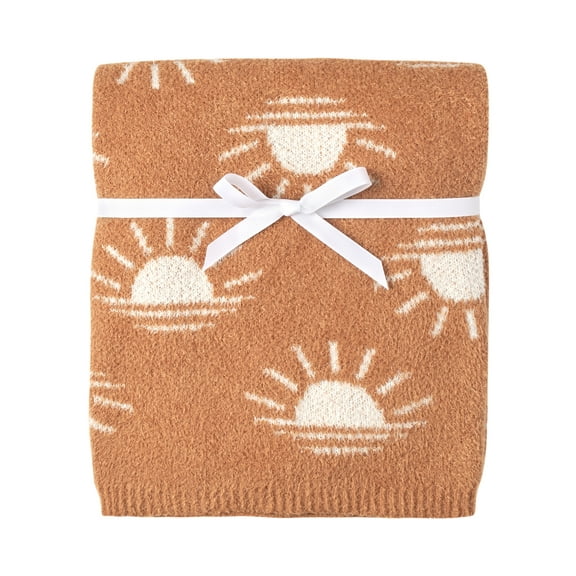
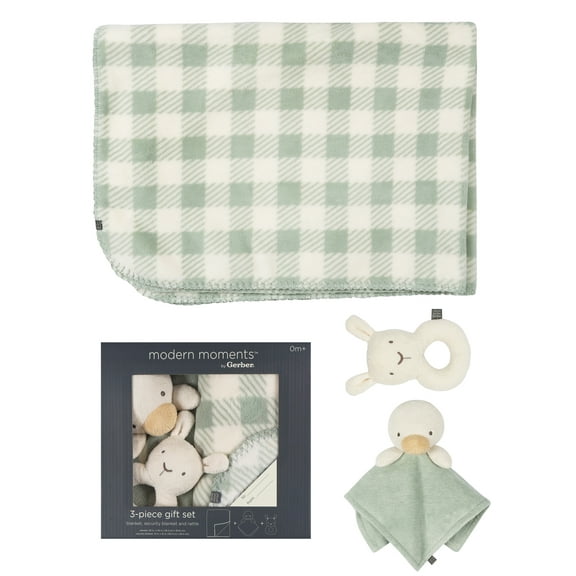
Keep them warm & cozy
Find your nursery bedding faves.
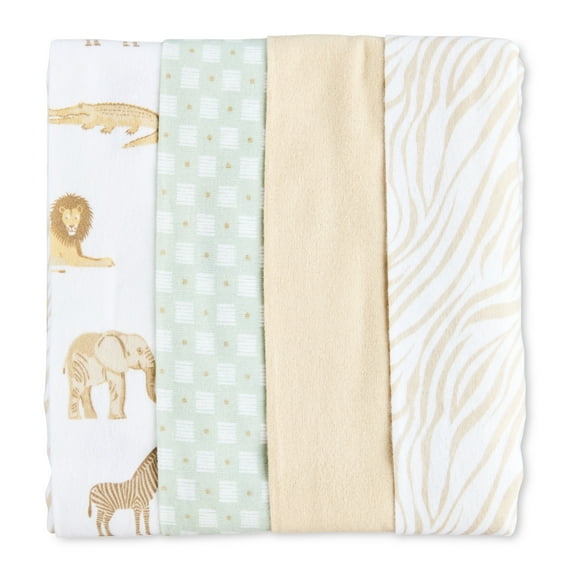

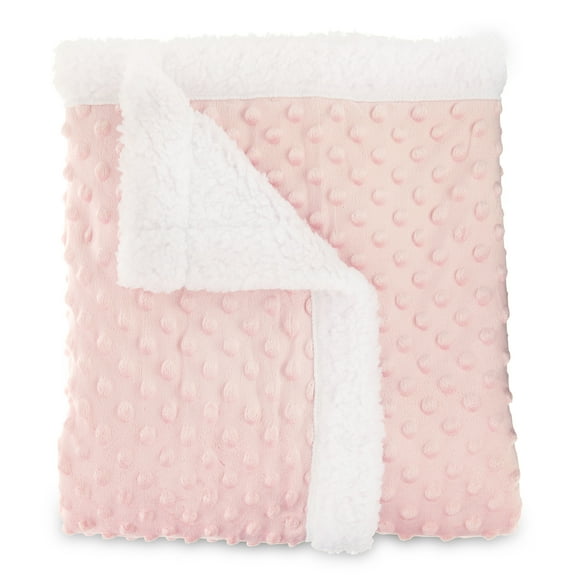
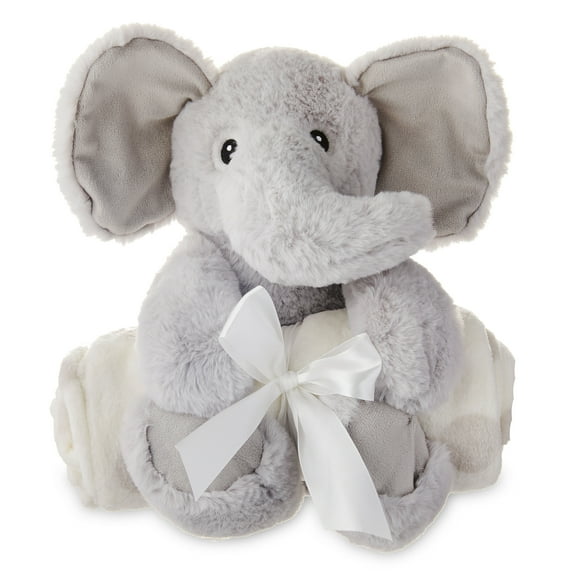
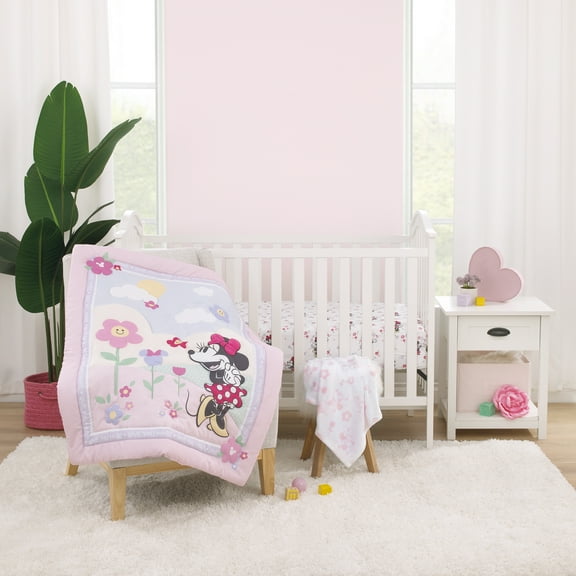


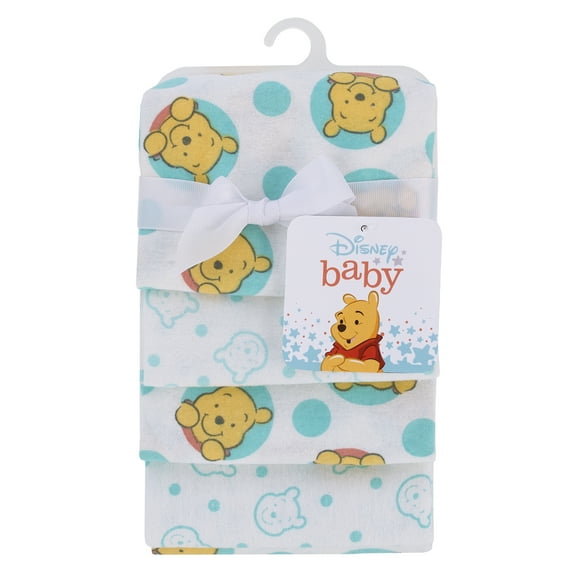

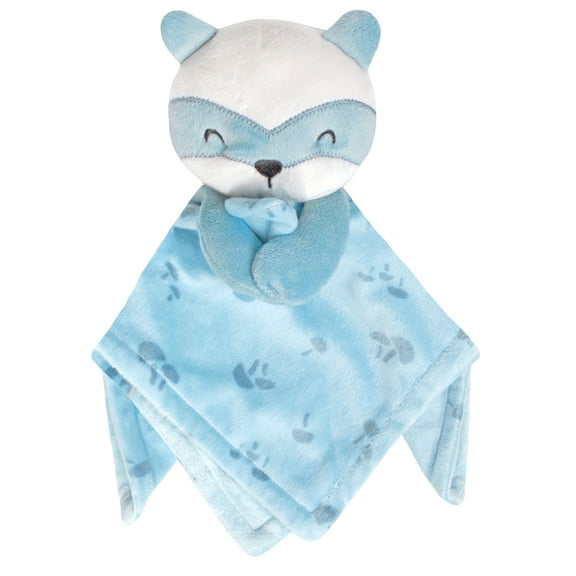





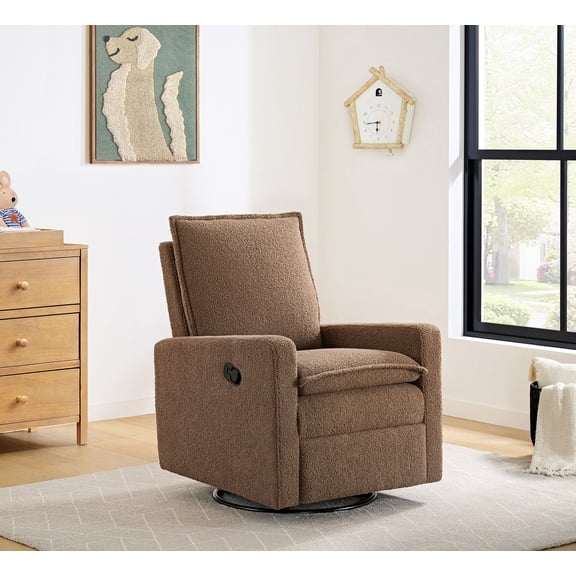
Your nursery furniture HQ
Make their room cozy in just 1 stop.


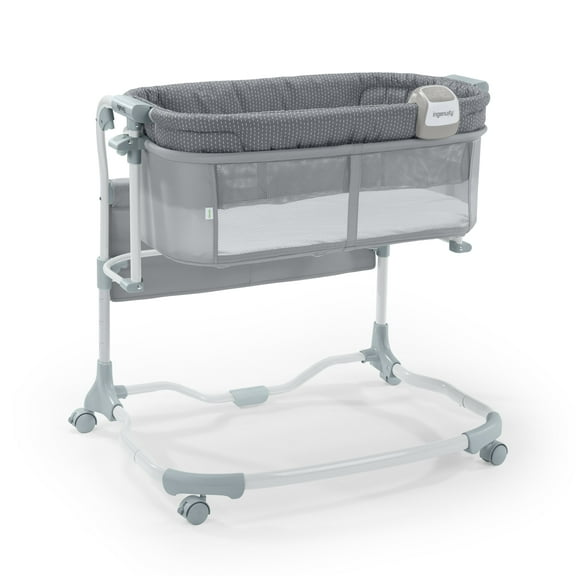

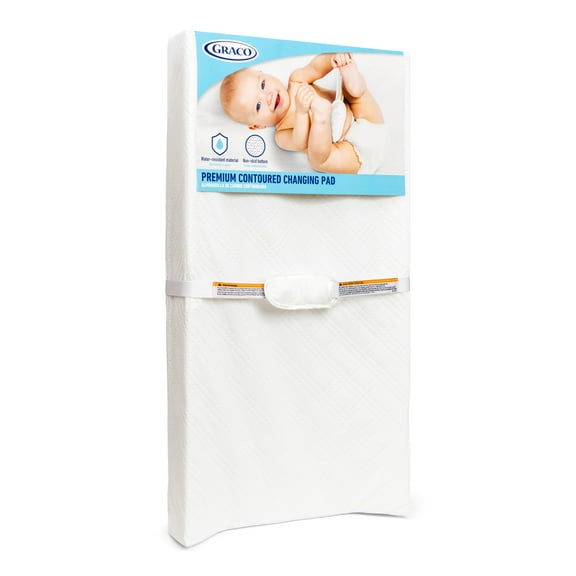
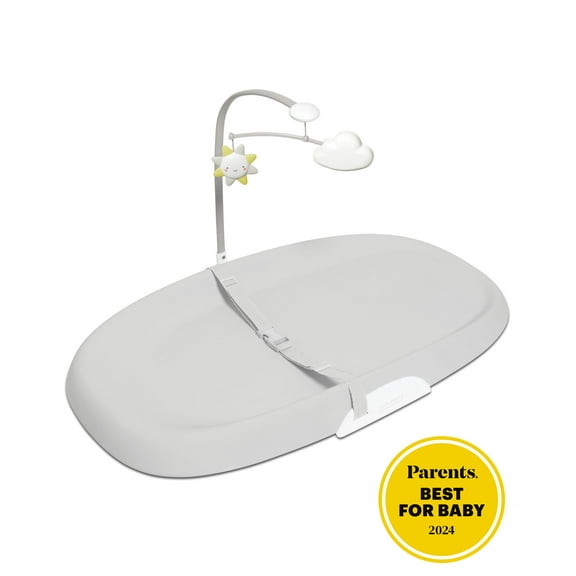
Better bedtime routines
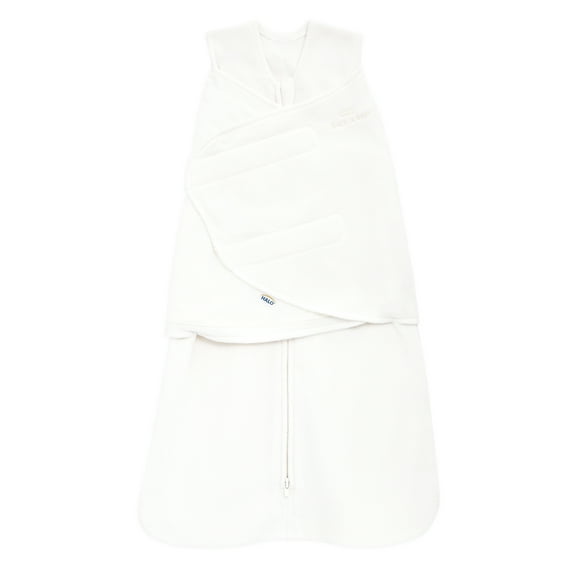
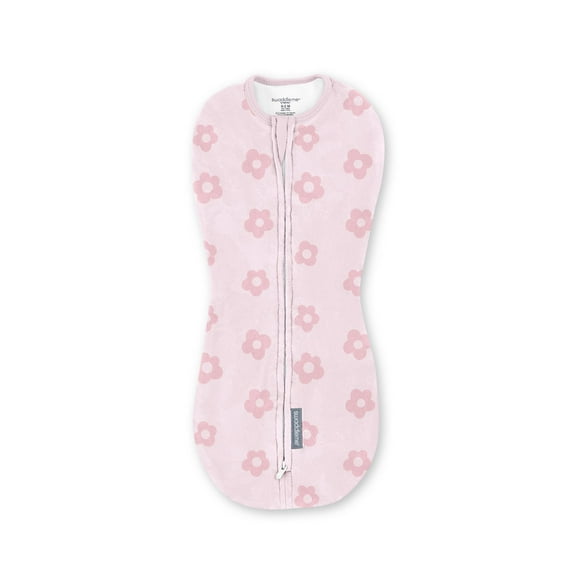
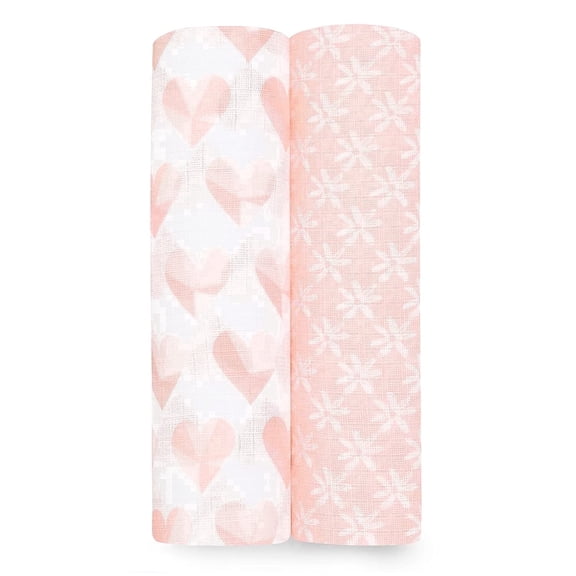
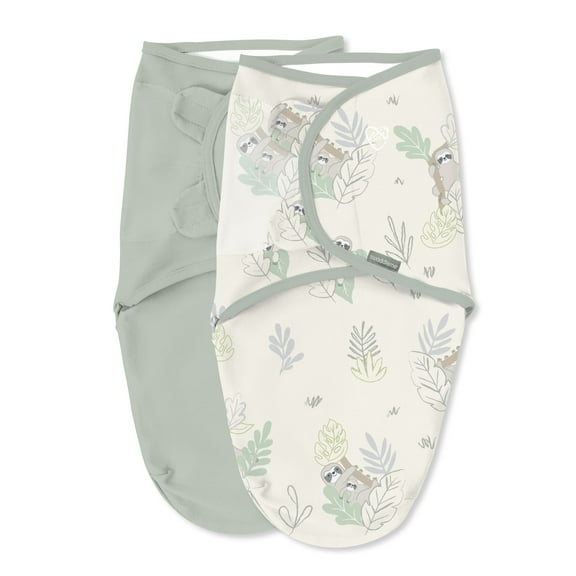
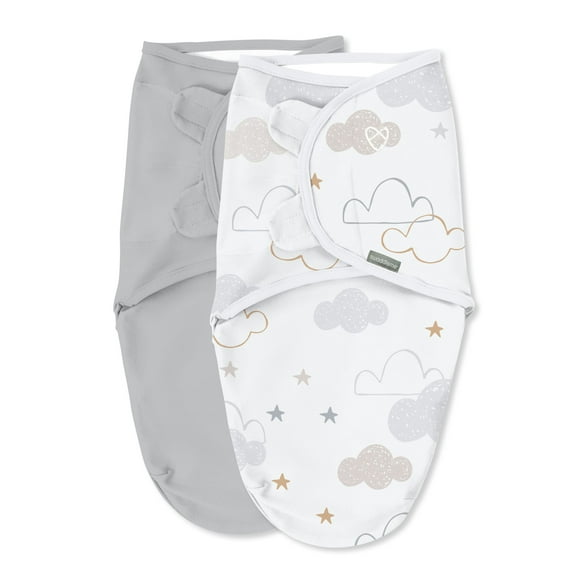
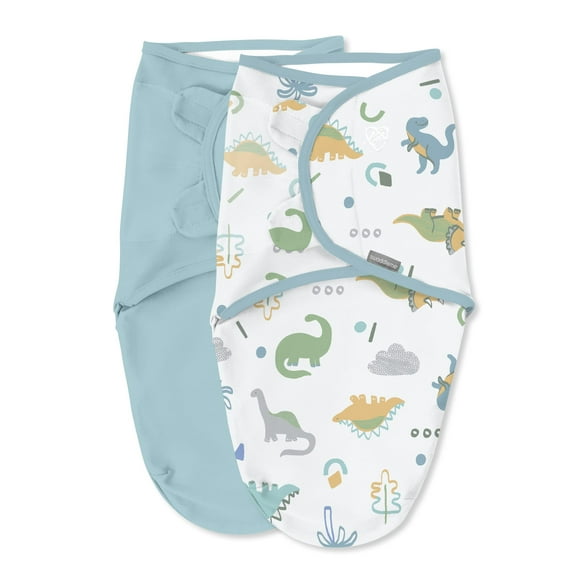
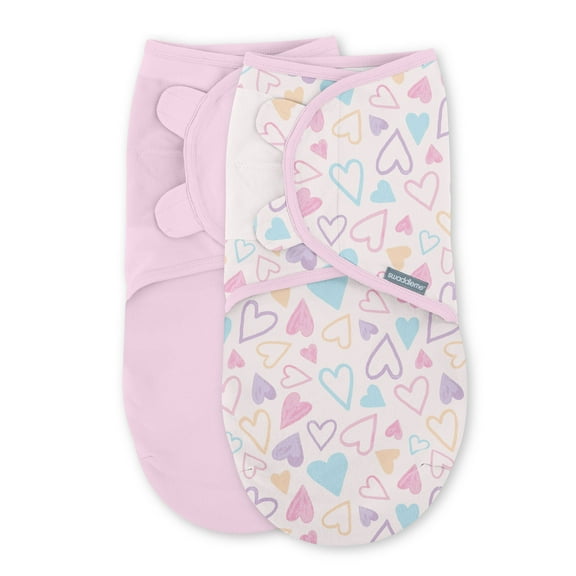
Calming swaddles, sleepsacks & more.

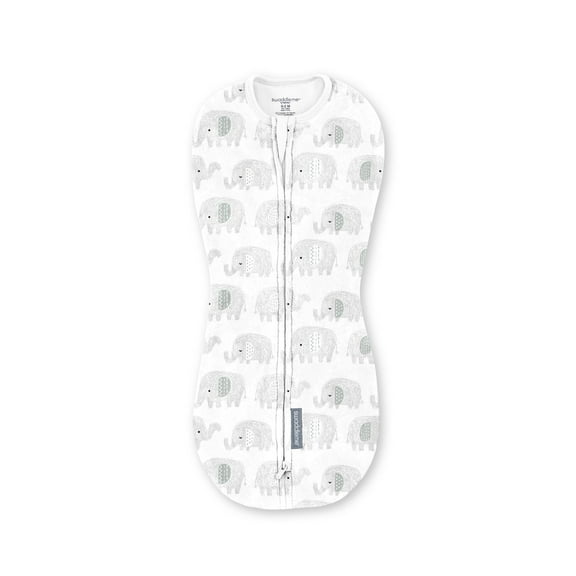

The latest for littles
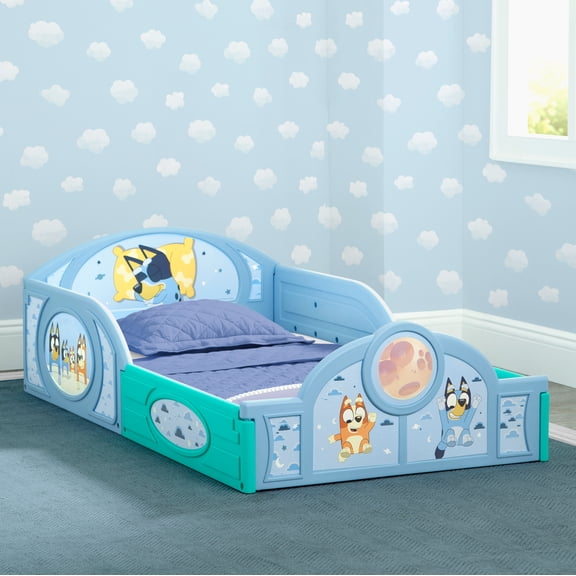
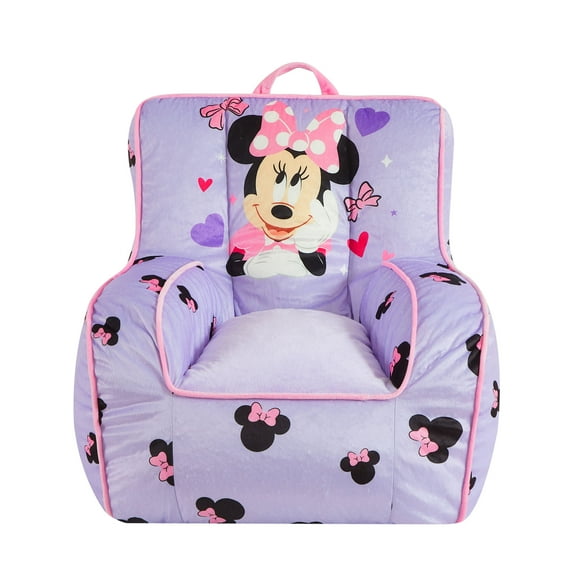
Make it fun with Disney, Bluey & more.

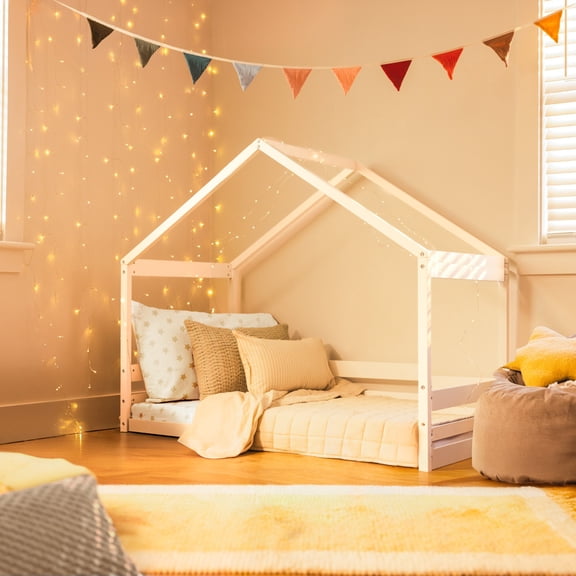
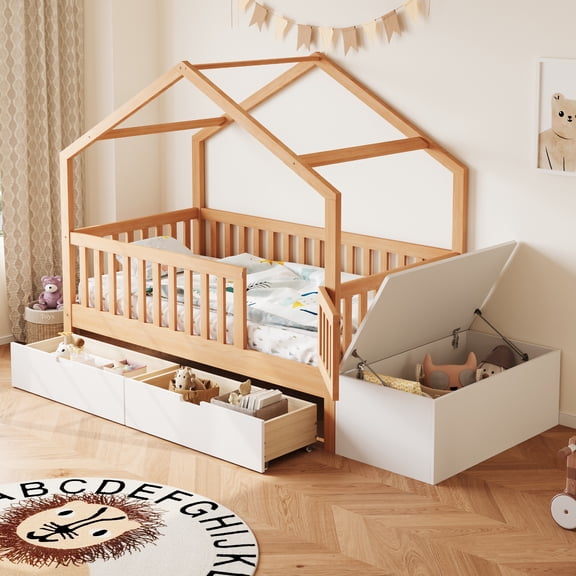


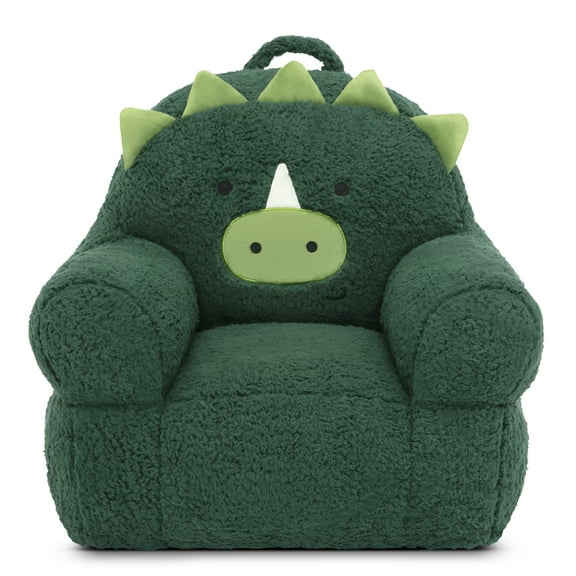

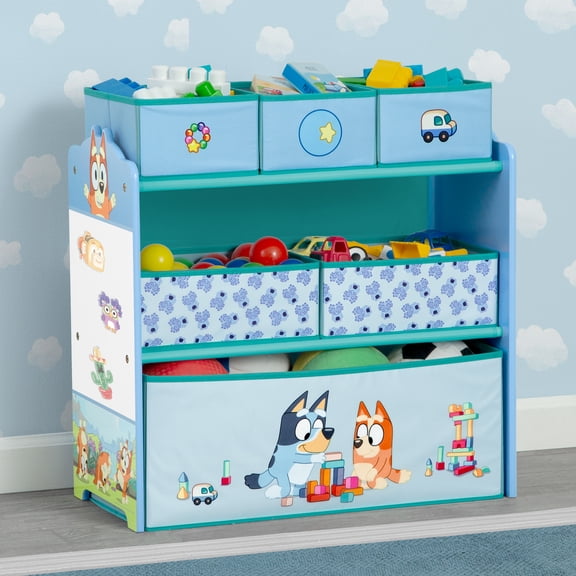


Top brands in nursery






FAQ
About Convertible Baby Cribs for Nursery Decor - Walmart.com
Items for nursery help you shape a calm, coordinated room for daily routines. You can compare themes, materials, and nursery items that support comfort, storage, and easy upkeep.
How to choose items for nursery by theme and style
You can start with a clear theme when you want your baby room decor to feel pulled together. You can also mix styles when you want more flexibility as your child grows.
You might choose woodland details for soft greens, trees, and animal accents. You may prefer safari, floral, celestial, or minimalist looks when your space needs a different mood.
Your theme can guide wall art, mobiles, rugs, and lighting without making the room feel busy. You can keep a cohesive look by repeating shapes, colors, and textures across a few key pieces.
- You can use wall art to anchor your theme and define the room's focal point.
- You can add a mobile to bring movement above the crib or changing area.
- You can place rugs to soften the floor and tie colors together.
- You can choose lighting that supports nighttime routines and a softer atmosphere.
- You can include storage that keeps diapers, blankets, and books within reach.
What to look for in baby room decor and nursery items
You should compare safety details first when you're choosing baby room decor for a daily-use space. You can look for GREENGUARD Gold certification and OEKO-TEX standards on eligible nursery items.
You can use those terms to compare material standards and testing benchmarks with more confidence. You can apply them when you're choosing textiles, rugs, and other soft decor.
You should also check whether your wall decor is designed for secure mounting. You can measure your space before choosing mirrors, shelves, or canvas pieces for a balanced layout.
Your material choice affects both style and upkeep in a busy nursery. You may prefer organic cotton for soft textiles, wood for timeless accents, plush for comfort, or canvas for lightweight display pieces.
You can think about longevity before you commit to a full newborn nursery decor setup. You may want decor that still fits when your room shifts from infant space to toddler room.
Your lighting can shape how the nursery feels during naps, bedtime, and story time. You can compare soft-glow lamps, shaded fixtures, and accent lights that suit your room size.
Choosing colors, materials, and vibe for baby room decor
You can narrow your options by color palette when you want quicker decisions. Your pastel, neutral, monochrome, or bright accents can set the tone without requiring a full redesign.
You may like neutrals when you want layering freedom with blankets, baskets, and art. You can use brights or floral prints when you want stronger contrast in smaller rooms.
Your vibe matters just as much as your color story when you're selecting baby nursery decor. You can choose gender-neutral details for flexibility, or pick baby boy or baby girl accents for a more specific look.
You don't need every piece to match exactly for the room to feel intentional. You can pair a celestial mobile with neutral storage, or combine floral wall art with a simple rug.
You should consider cleaning needs before you finalize your nursery setup. You can look for surfaces and fabrics that wipe clean easily and handle regular use.
Your rugs, plush accents, and storage bins work harder when they look good and stay easy to maintain. You can keep the room feeling fresh with materials that suit everyday cleanup.
Using nursery decor for real rooms and daily routines
You may need things for nursery spaces that are small, shared, or designed around one wall. You can use vertical storage, compact lighting, and canvas art to add function without crowding the room.
Your nursery may also need to support changing, feeding, reading, and sleep in one space. You can place storage near the chair, layer a rug by the crib, and use a mobile for visual interest.
You can build newborn nursery decor around soft textures and calmer color palettes for early routines. You may switch in updated wall art or bins later without replacing the whole room.
Your baby room decor can also help when you're creating a registry or finishing a gift list. You can compare practical nursery items like lighting, storage, and rugs alongside decorative accents.
You might want a minimalist room with wood accents and monochrome art for a cleaner look. You may prefer a safari or woodland setup with plush textures and themed wall decor for more character.
Your final choices should reflect how you use the room each day, not just how it looks in photos. You can create a nursery that feels coordinated, easy to maintain, and ready for changing needs.
Items for nursery work beautifully when you choose them with safety, layout, and long-term use in mind. You can create a room that feels cohesive now and still fits your routine later.