

CVT Transmission Fluids in Transmission Fluids
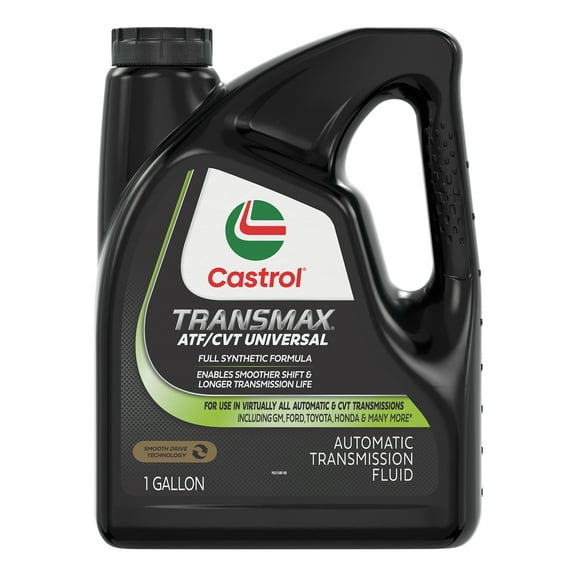

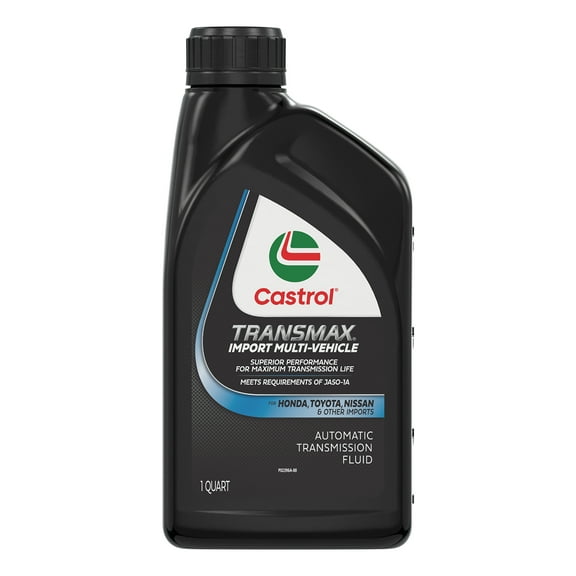
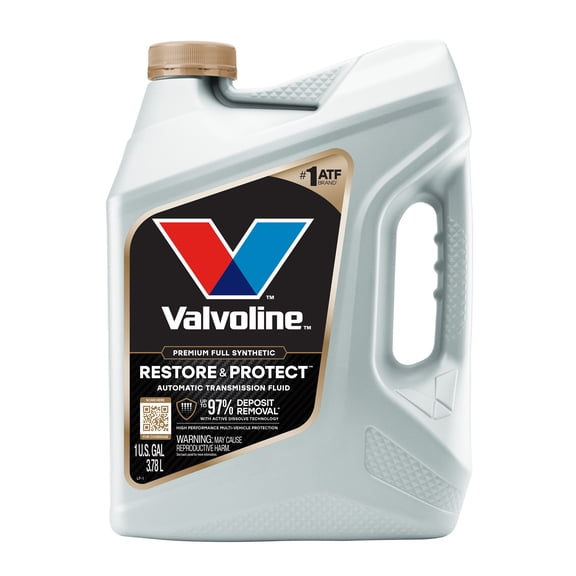
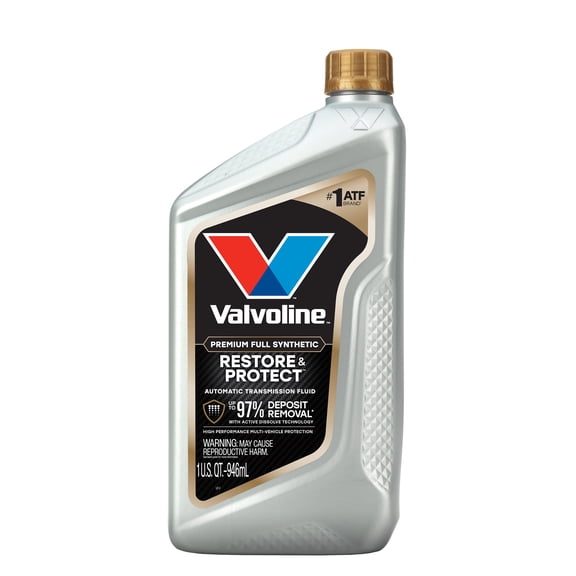






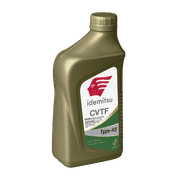


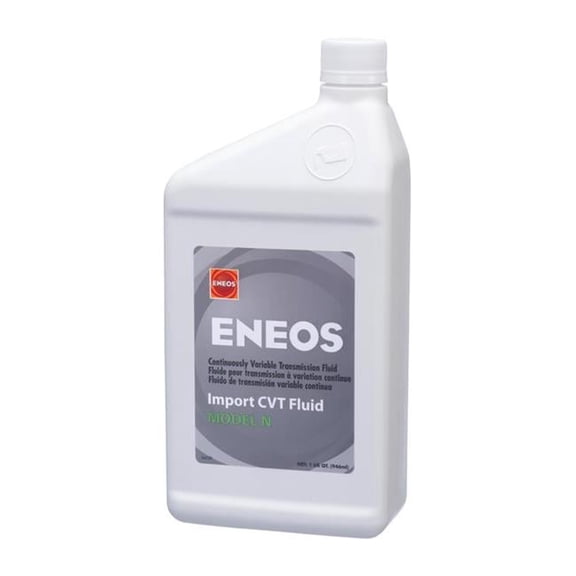
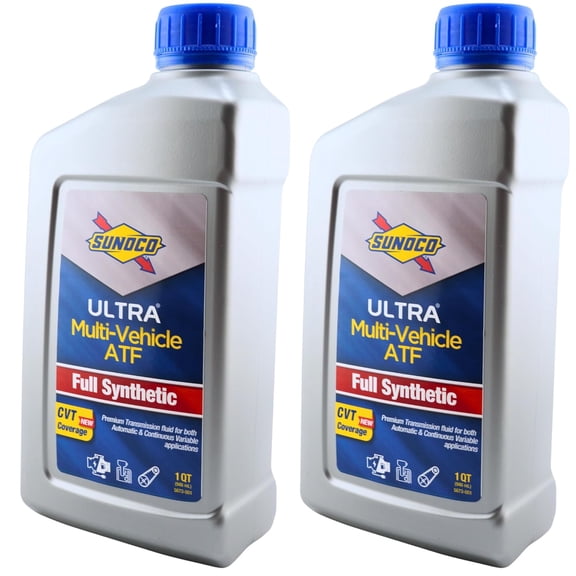









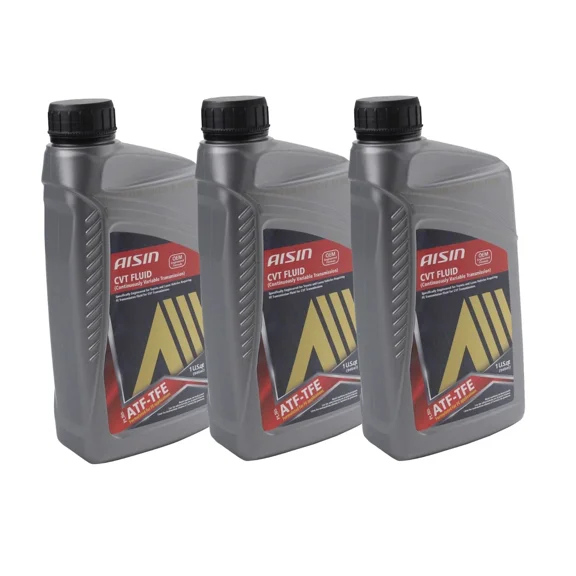
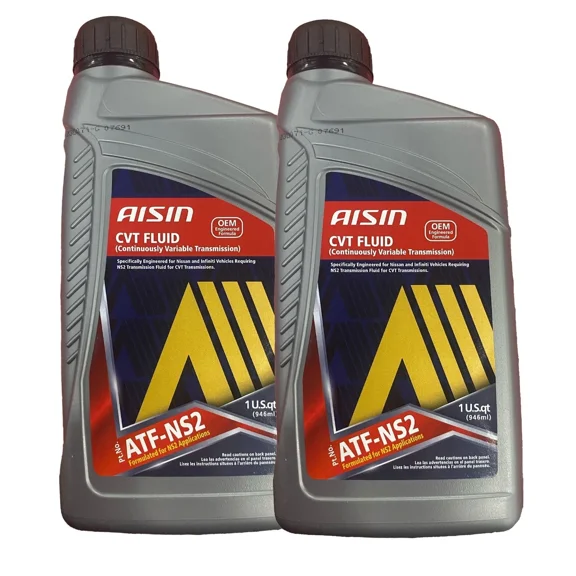

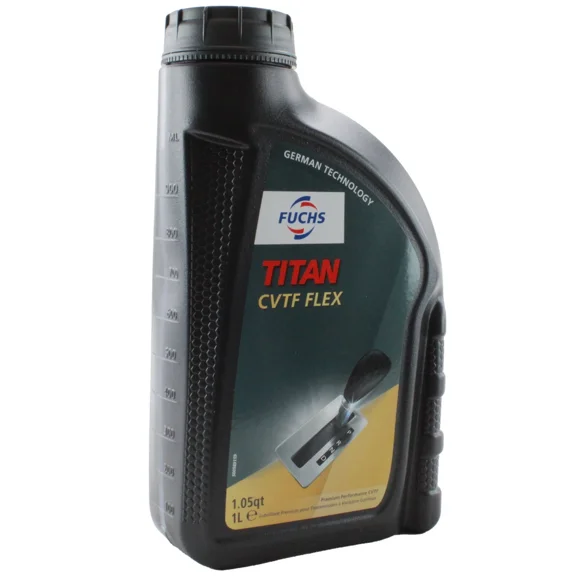
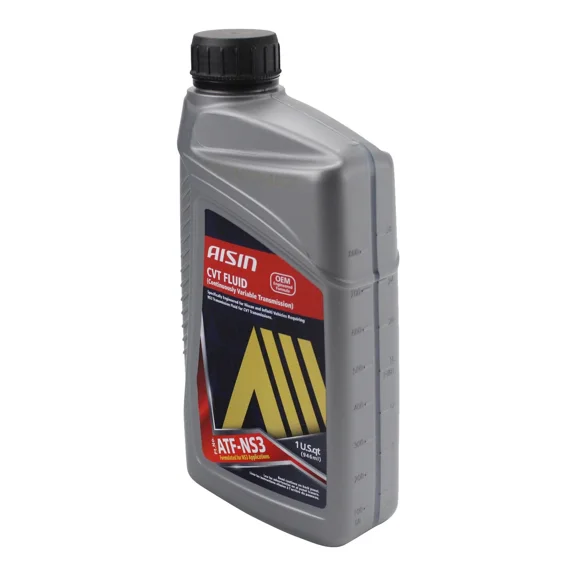
About CVT Transmission Fluids in Transmission Fluids - Walmart.com
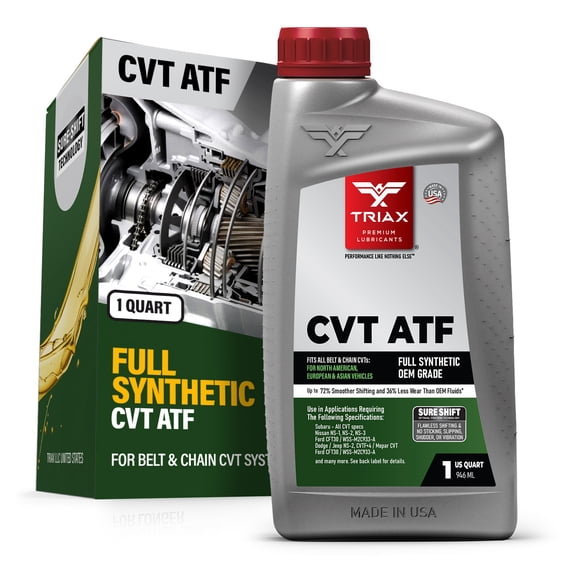
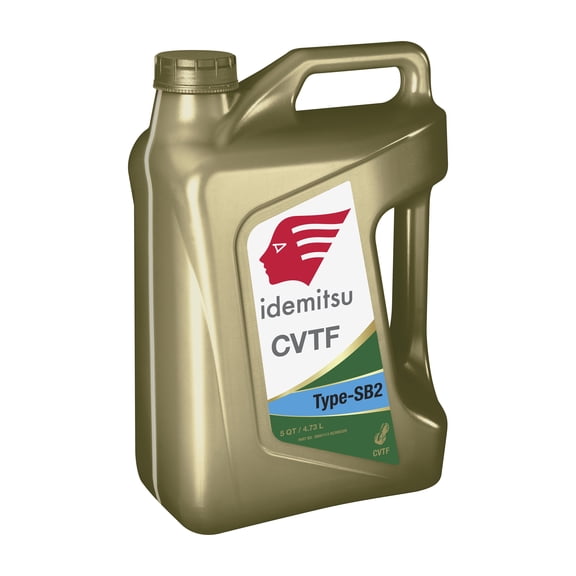
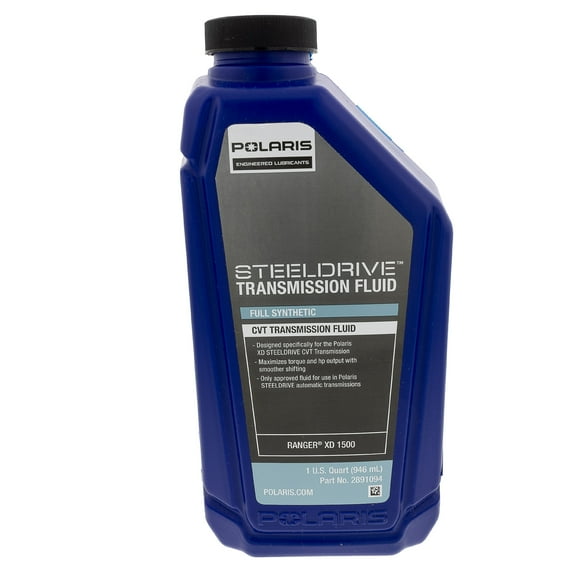
CVT transmission fluid keeps your continuously variable transmission shifting smoothly under daily heat and pressure. The right formula supports steady belt-and-pulley grip and consistent hydraulic control.
On Walmart.com, you can choose options matched to many CVT designs and service intervals. That makes it easier to maintain clean fluid and predictable response between drain-and-fill visits.
Benefits of CVT transmission fluid
CVTs rely on controlled friction, stable viscosity, and clean hydraulic passages to keep ratio changes smooth. Using the correct CVT transmission fluid helps you maintain that balance during commuting, towing within your vehicle limits, and stop-and-go driving.
Fresh fluid can help reduce shudder, harsh engagement, and delayed response that show up as fluid ages. It also helps maintain consistent pressure control for pulleys, valves, and solenoids in many CVT systems.
- Helps maintain smooth acceleration by supporting stable friction at the belt or chain interface.
- Helps protect pulleys and bearings by supporting proper film strength under heat.
- Helps keep valve bodies and solenoids working consistently by supporting clean hydraulic flow.
- Helps maintain predictable response in cold starts by supporting stable viscosity.
Key features to compare
Start with the spec your owner’s manual lists, because CVT requirements vary by brand and model. Many bottles list manufacturer specs or compatible CVT families, which helps you match the right formulation.
Look for friction characteristics designed for belt-and-pulley or chain CVT operation. Manufacturers tune CVT transmission oil for controlled grip, so the pulleys can hold without chatter.
Viscosity stability matters because CVTs run hot and rely on steady hydraulic pressure. Additive packages can also support oxidation resistance, which helps the fluid hold up between service intervals.
Some vehicles call for CVT fluid that also supports a start clutch, a torque converter, or specific pump designs. Manufacturers build CVT formulations around those internal parts, so matching the spec helps avoid drivability surprises.
Check the container size and whether you need enough for a drain-and-fill or a full exchange. Many CVT pans don’t fully drain, so your capacity may differ from a simple refill amount.
Common use cases
Daily commuting puts a CVT through constant ratio changes, especially in city traffic. CVT transmission fluid supports smooth transitions when you’re rolling, slowing, and accelerating repeatedly.
High temperatures can speed up fluid aging, especially in hot climates or long highway drives. Choosing the right spec helps the fluid keep stable friction and pressure when the transmission stays warm for hours.
If you drive in hilly areas, the transmission may hold ratios longer and build additional heat. Fresh CVT fluid can help maintain consistent performance when the pulleys are working harder.
Some drivers service their CVT after noticing shudder, flare, or delayed engagement at low speeds. Replacing fluid can restore steadier response when old fluid has sheared down or darkened.
When you’re doing a pan service, inspect the magnet and gasket surfaces for debris patterns. Some CVT designs may require a new filter or strainer during service, so confirm parts before you drain.
Confidence for your next service
Matching the exact CVT transmission fluid spec helps protect the friction surfaces and the hydraulic controls your CVT depends on. With the right fluid on hand, your next service can deliver smoother, steadier driving.