

Pro Tools in Tools














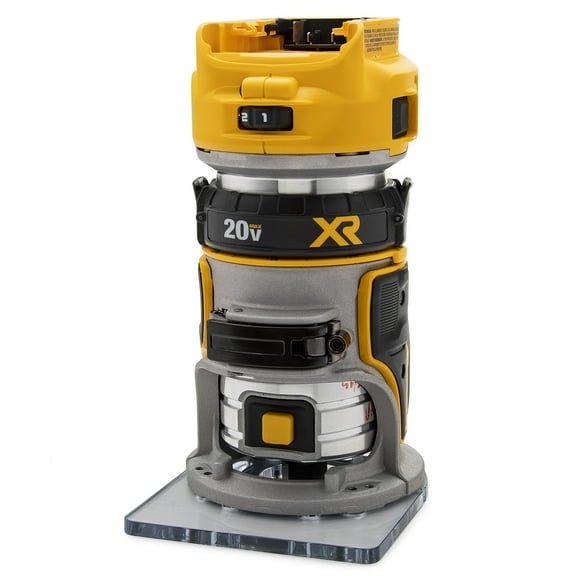


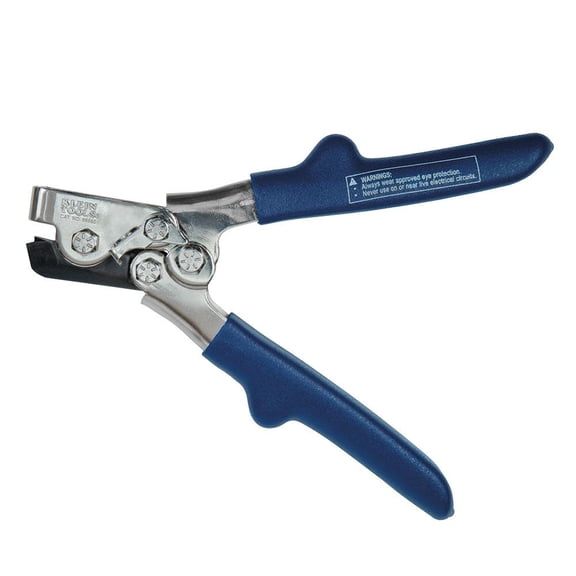


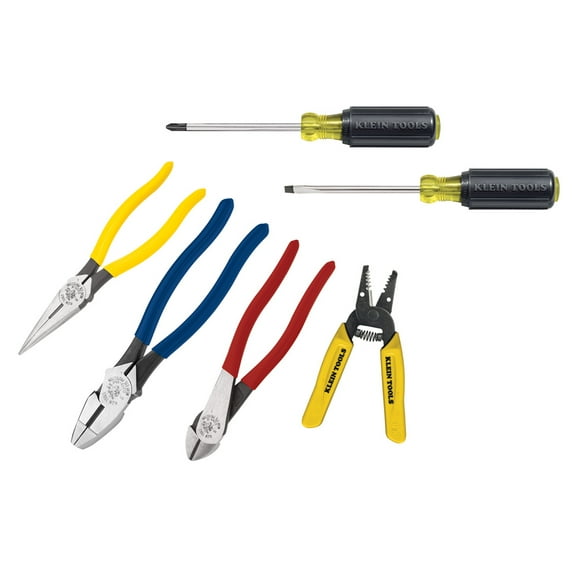
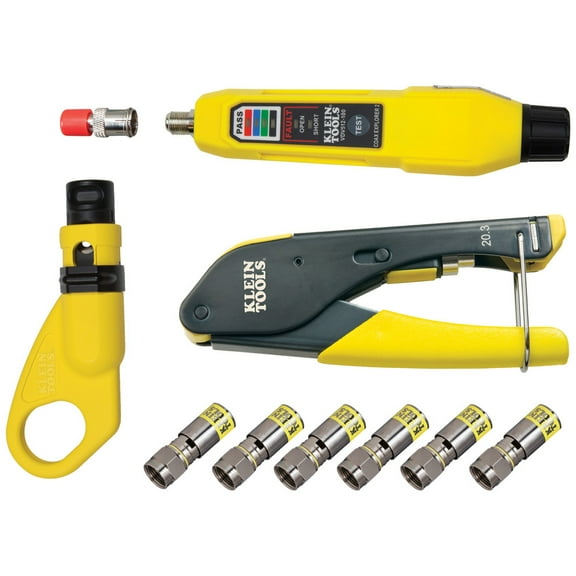
About Pro Tools in Tools - Walmart.com
You need pro power tools that match your workload, battery platform, and crew demands. You can compare cordless, corded, and pneumatic options here with practical guidance for daily jobsite use.
Choosing pro power tools for your work
If you handle punch lists all day, you’ll want tools built for repeated starts, stops, and fast material changes. If your projects run longer, you’ll also want systems that keep batteries, chargers, and tool bodies aligned.
When you compare tools for pro use, you should start with your trade and your typical tasks. You can narrow options faster when you match power source, voltage, and kit format to your workflow.
- You can move freely with cordless tools on ladders, roofs, and unfinished spaces.
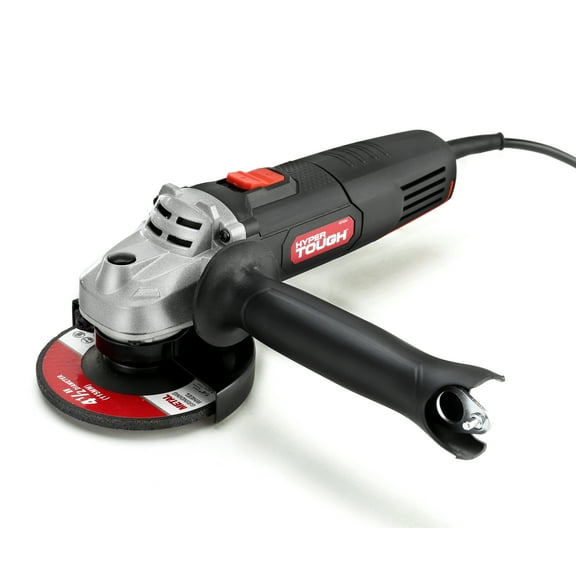
- You can keep steady output with corded tools for long run times and fixed stations.
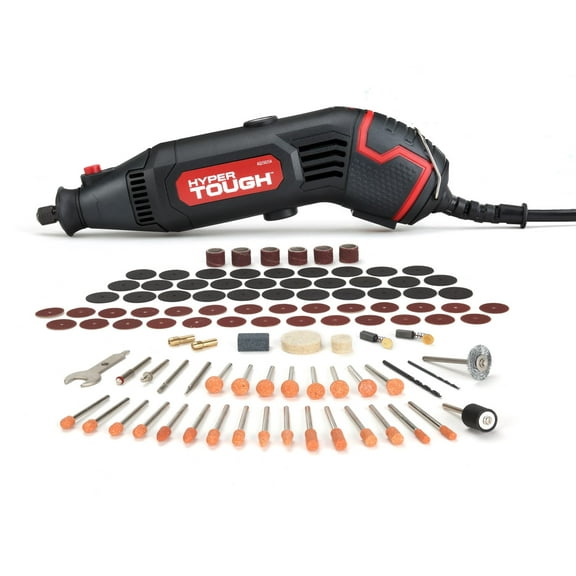
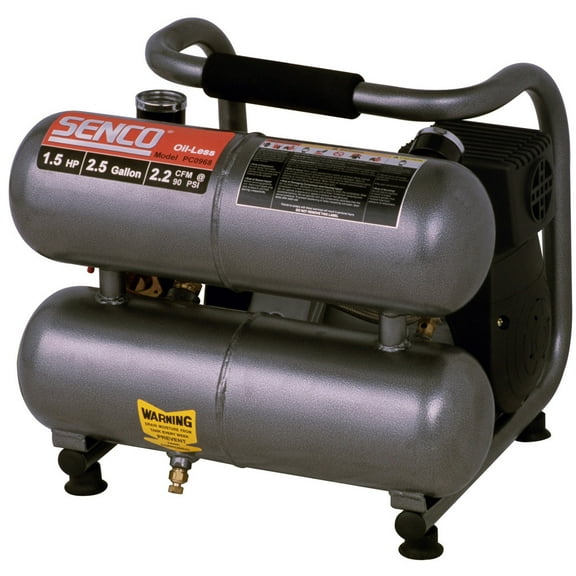
- You can use pneumatic tools when your shop or crew already depends on air compressors.
- You can simplify charging and battery sharing by staying within one platform.
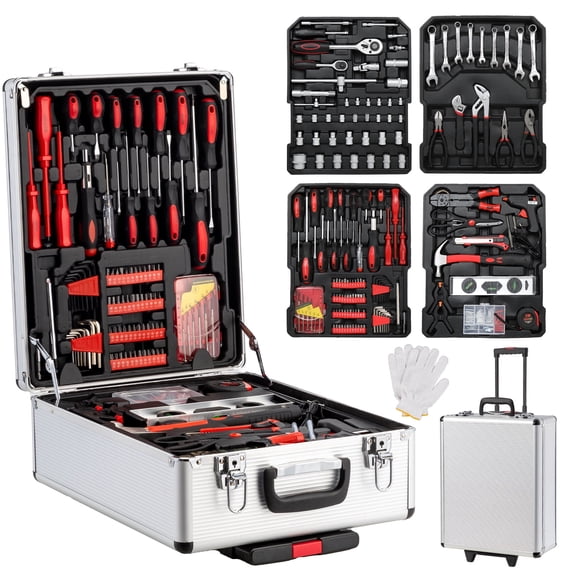
- You can choose kits or bare tools based on whether you need a full setup or a single replacement.
For general contractor work, you may want a broad lineup that covers drilling, fastening, cutting, and cleanup. For electrical or plumbing tasks, you may focus on compact size and access in tighter spaces.
How to compare power source and battery platform
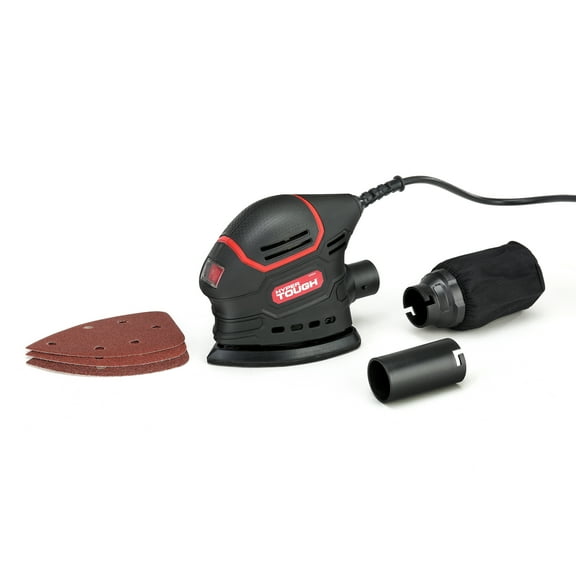
When you choose cordless tools, you get mobility that helps you work across rooms, stairwells, and outdoor areas. When you choose corded tools, you get continuous power that suits benches, repetitive cuts, and longer sessions.
If you already use compressors, you can consider pneumatic tools for fastening and high-cycle tasks. If you switch between service calls, you may prefer cordless systems that travel easily in one organized setup.
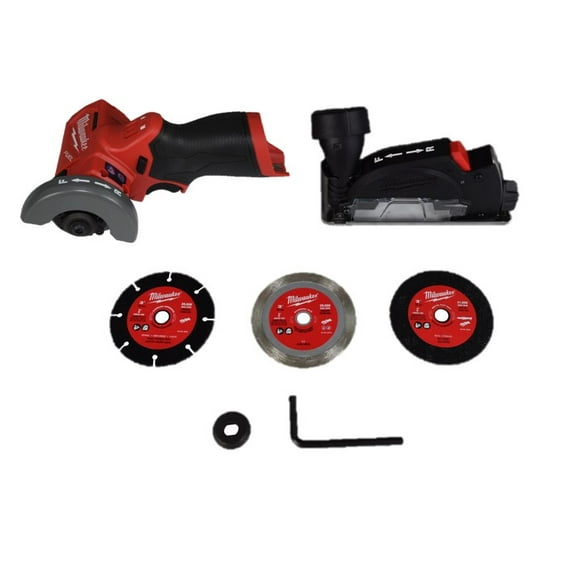
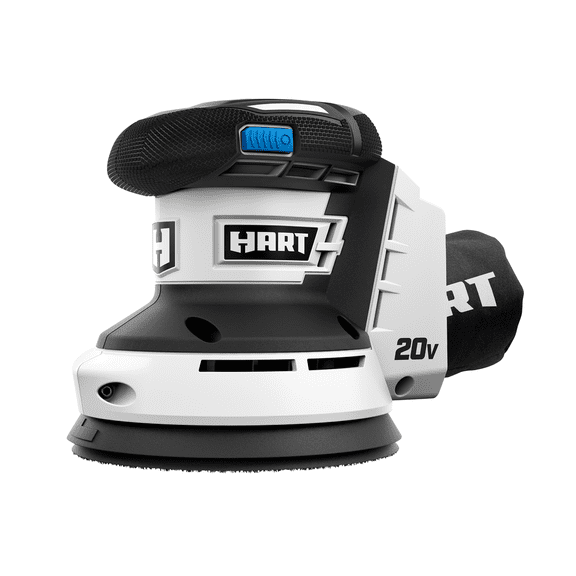
You should compare battery platform details before you build your lineup. You’ll usually see 12V options for compact handling, 18V platforms for broad compatibility, and 20V Max systems for common pro setups.
Amp-hour ratings matter because you’ll notice they affect runtime and pack size. Brushless motors matter because you’ll often get longer run time, less maintenance, and consistent output under load.
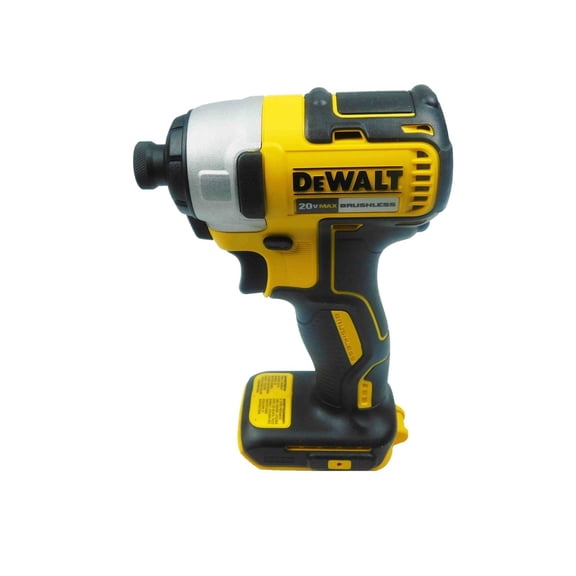
If you’re researching a milwaukee m18 battery pack, you should check whether your current tools already share that platform. If you use a dewalt system, you should compare charger fit, battery interchange, and available tool categories.
What to look for in durability and service
You should check housing strength, overmold grip areas, and switch design before choosing a pro tool. You’ll also want metal chucks, sturdy gear cases, and reinforced battery feet for repeated jobsite contact.
Dust and weather exposure can affect your day, so you should look for clear durability details. If a tool lists an IP rating, you can use that as a simple guide to dust and water resistance.
You may also want to compare how tools hold up in trucks, gang boxes, and crowded trailers. You’ll notice that compact designs and balanced weight can make transport and daily setup easier.
Warranty coverage matters because you want clear support if a tool needs service. You should check repair access, replacement part availability, and whether your brand ecosystem supports local service options.
If you plan to keep one battery family for years, you should also compare future expansion. You can grow more smoothly when your chosen line includes drills, impact drivers, saws, lights, vacuums, and storage.
Choosing kits, bare tools, and brand ecosystems
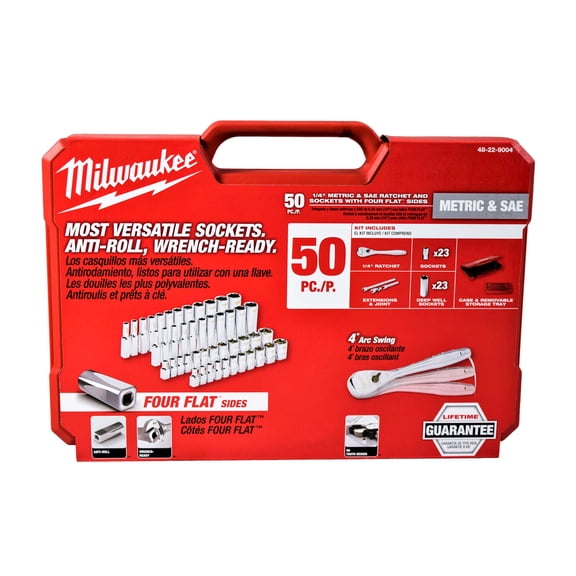
You should compare kits and bare tools based on what you already own. If you’re starting fresh, you may want a combo kit with batteries, a charger, and core tools.
If you already have compatible batteries, you can add bare tools without duplicating chargers and packs. You’ll often build a cleaner setup when each purchase fills a specific gap in your current lineup.
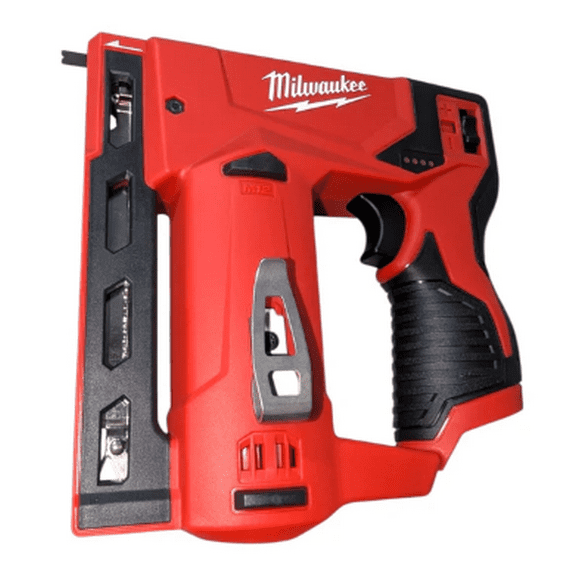
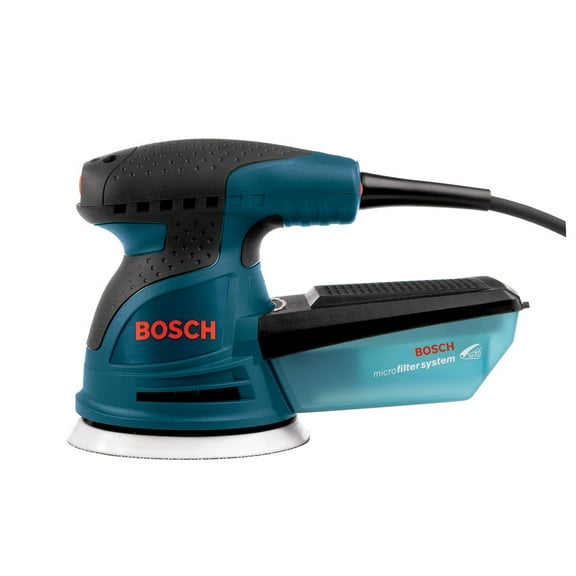
Brand ecosystem choice affects how easily you expand later. If you’re comparing DeWalt, Milwaukee, Makita, or Bosch, you should measure lineup depth, battery compatibility, and tool categories for your trade.
For a general contractor, you may want one ecosystem that covers framing, fastening, circular saws, rotary hammers, and vacuums. For an electrician or plumber, you may focus on compact drills, impact drivers, lights, and specialty cutting tools.
If you handle occasional renovation projects, you can still use this same approach. You’ll avoid mismatched chargers and duplicate batteries when you choose one platform with room to grow.
Matching tools for pro use to real jobsite scenarios
If you move room to room all day, you’ll likely want cordless drills and impact drivers with shared batteries. If you work from a bench, you may prefer corded grinders or saws for steady output.
When you work in finished spaces, you may want compact 12V or slim 18V tools for access. When you tackle heavier drilling or fastening, you may need larger packs and brushless models for longer sessions.
If your crew already uses one charger setup, you should keep future purchases inside that battery family. You’ll reduce downtime when batteries rotate across lights, vacuums, drills, and cutting tools.
For service calls, you may want a smaller kit that fits your truck without extra bulk. For remodel work, you may want a wider combo set with storage that keeps batteries, bits, and chargers together.
You should also think about replacement timing before you buy. If one tool failed but your batteries still fit, you can replace that single body and keep your platform consistent.
With the right pro power tools, you can build a system that works harder, stays organized, and grows with your trade. You’ll finish with fewer compatibility issues and a setup that supports steady jobsite performance.