

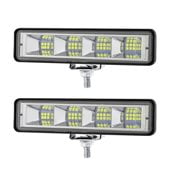
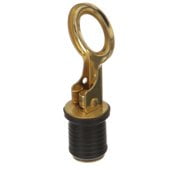
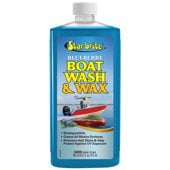
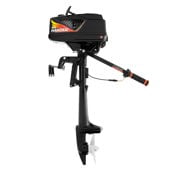
Marine Supplies in Boating



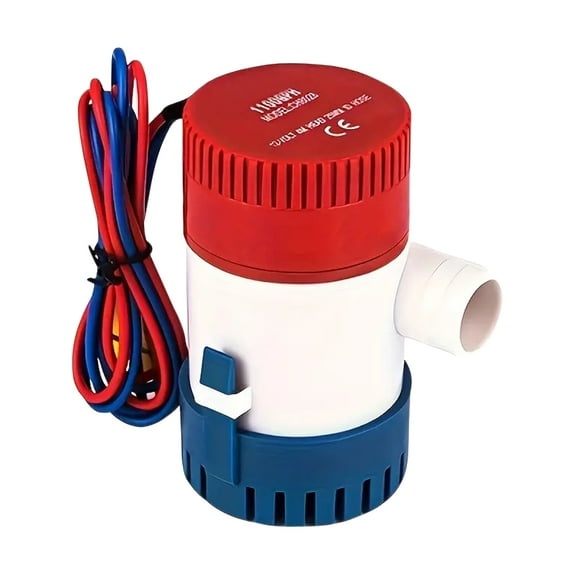
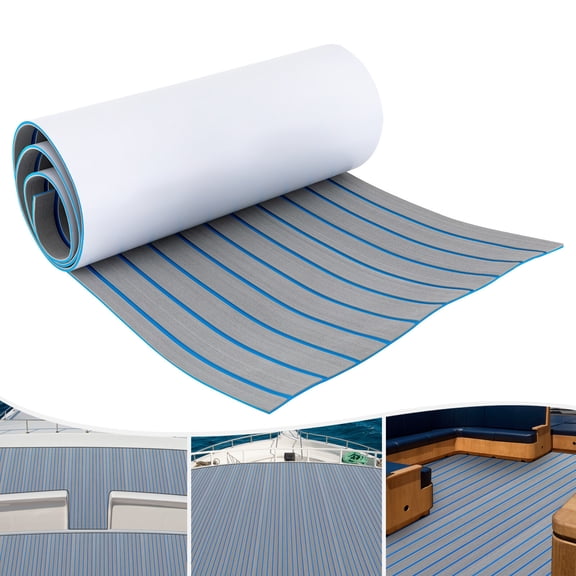
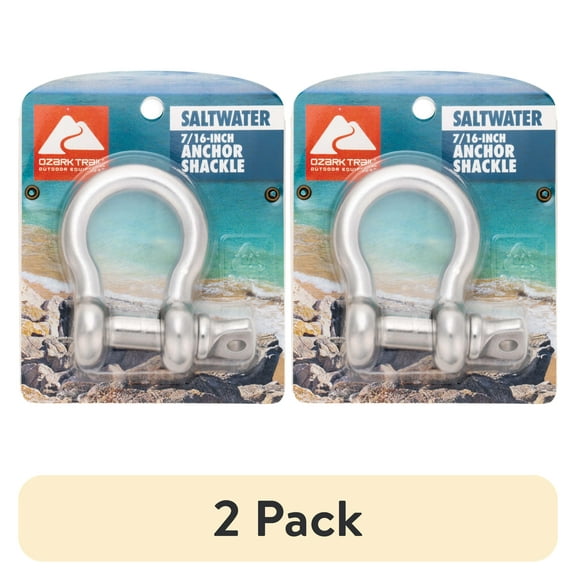


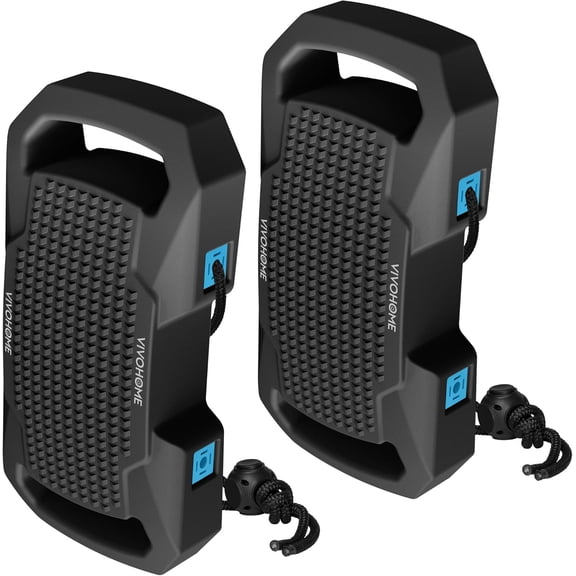











About Marine Supplies in Boating - Walmart.com
Marine supplies help you keep your boat ready for launch, docking, storage, and routine upkeep. You can compare materials, fitment, and water compatibility to choose boating equipment that matches your time on the water.
If you use your boat often, you need parts and gear built for wet decks, sun exposure, and repeated use. You can narrow your options quickly when you focus on corrosion resistance, installation needs, and boat-specific fit.
How to choose marine supplies for your boat
When you shop marine supplies, you should start with the product category you need first. You may be comparing hardware, electronics, maintenance items, safety gear, or docking essentials.
Each category supports a different part of boat ownership, so your priorities can change by task. You might need cleats and fasteners for rigging, or you may need cleaners and sealants for seasonal care.
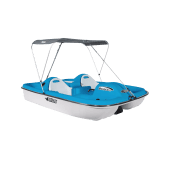
You'll also want to match each item to your boat type before you choose. Your pontoon, fishing boat, yacht, kayak, or personal watercraft can require different sizes, mounting styles, and layouts.
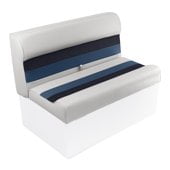
- You can use marine hardware to secure lines, ladders, seats, and deck components.
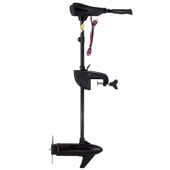
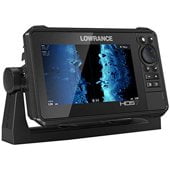
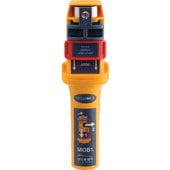
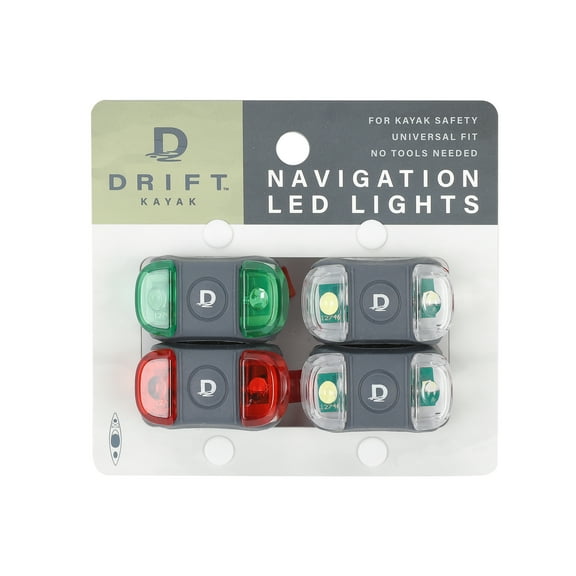
- You can choose marine electronics when you want navigation, monitoring, or on-water convenience.
- You can keep surfaces, engines, and fittings in shape with boat maintenance supplies.
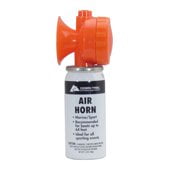
- You can compare safety gear and docking items for launch days, tie-ups, and storage needs.
Choosing materials and marine hardware
You should compare materials closely because water, salt, and sunlight can wear parts differently. Your marine hardware choice can affect how long fittings stay dependable through repeated trips.
If you boat in saltwater, you should look for stainless steel or marine-grade aluminum with strong corrosion resistance. You may see 316 stainless steel, which helps you handle harsh salt exposure around rails and fasteners.
If you use freshwater frequently, you can still benefit from durable metal and weather-ready finishes. Your hardware may face less corrosion, but you still need strength for vibration, spray, and changing temperatures.
Heavy-duty vinyl can work well when you want flexible covers, trim pieces, or protective components. Fiberglass can make sense when your replacement part needs rigid structure and a boat-ready finish.
You should also check whether a part is designed for all-weather use if your boat stays outdoors. Your choice matters when rain, sun, and dock contact are part of your normal routine.
Comparing fitment across boating equipment
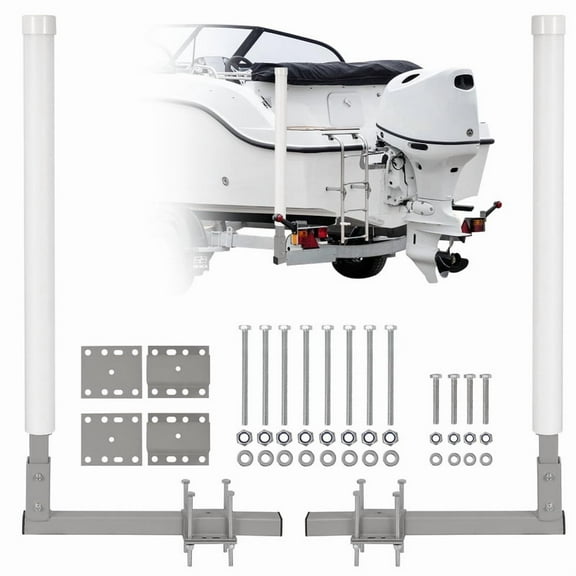
You can avoid returns by checking fitment before you choose boat accessories or replacement parts. Your boat length, deck space, and mounting area all affect what will work.
Pontoon setups often need wider layouts and easy deck access for seating, rails, and storage add-ons. Fishing boats may need compact hardware and electronics that fit tighter consoles and active casting areas.
Yachts can call for larger-scale components and polished finishes that match permanent installations. Kayaks and personal watercraft usually need lighter, smaller accessories with simple attachment points.
You should measure available space, hole spacing, and cable reach before you commit to a part. Your install gets easier when the size matches your hull, console, or transom from the start.
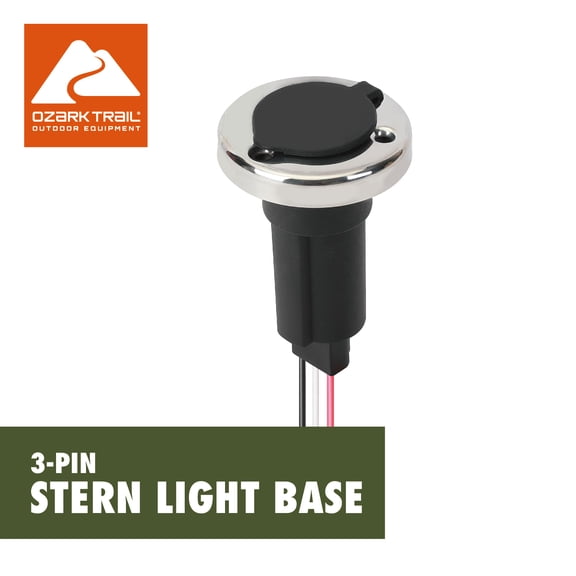
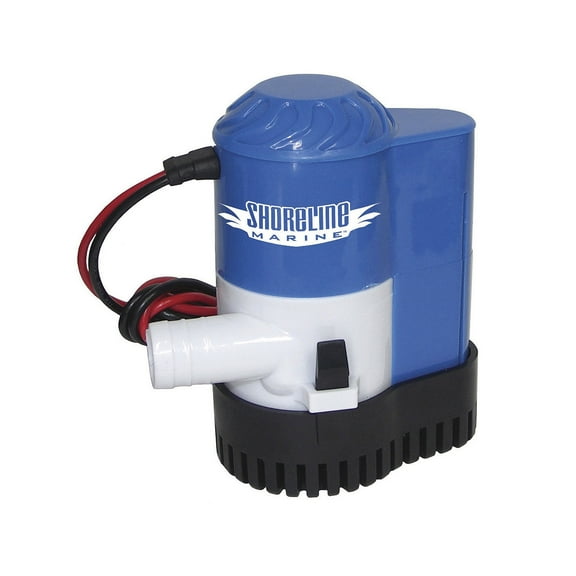
If a product uses wiring, you should check connector style and mounting depth before ordering. You may need professional help for complex marine electronics, especially when installing panels or batteries.
What to look for in safety gear and maintenance items
You should review safety details carefully when you compare boating equipment for passengers and crew. Your gear should match your activity, your boat type, and the way you use open water or marinas.
If you choose wearable safety items, you may want to check for USCG approval when that standard applies. Your review should focus on the listed use, size range, and intended boating conditions.
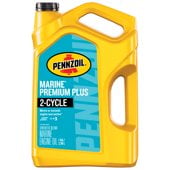
Boat maintenance supplies can support cleanup, surface care, and routine upkeep between trips. You can compare cleaners, brushes, sealants, lubricants, and winter prep items based on the task ahead.
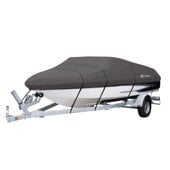
If cold-weather storage is part of your routine, you may look for a boat winterization kit. Your seasonal prep can include fluid handling tools, protective coverings, and maintenance items for layup periods.
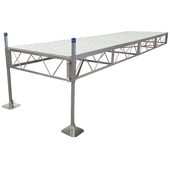
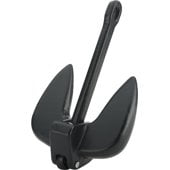
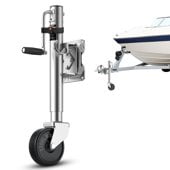
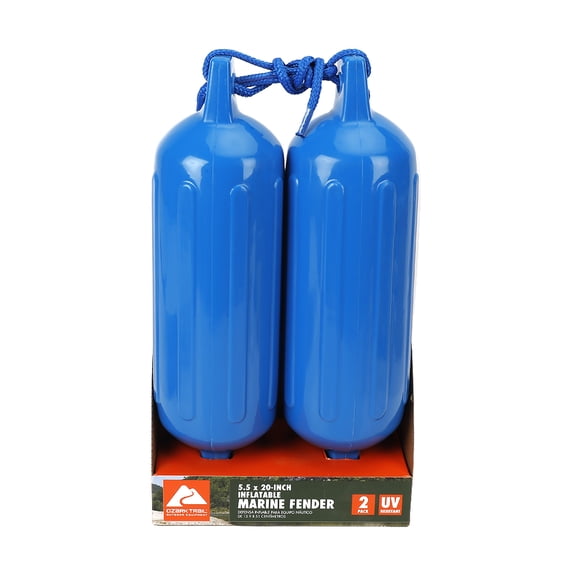
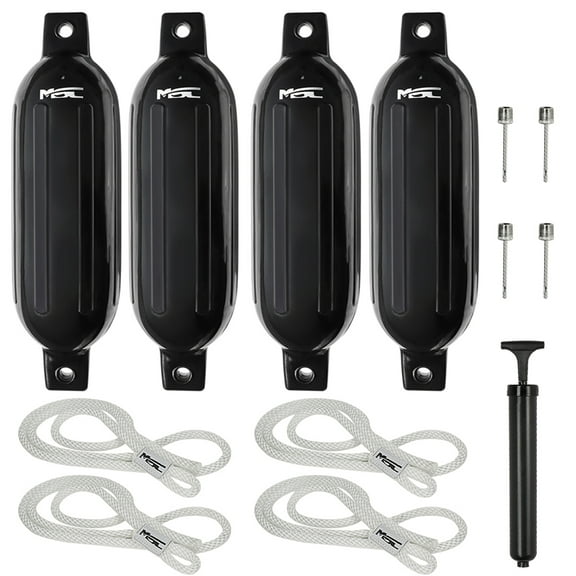
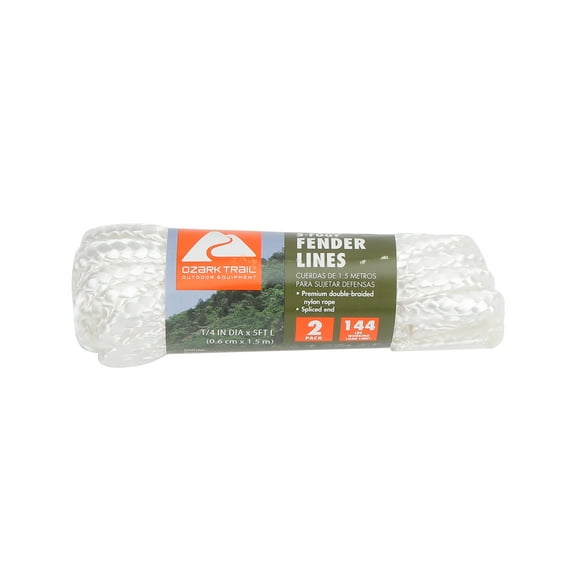
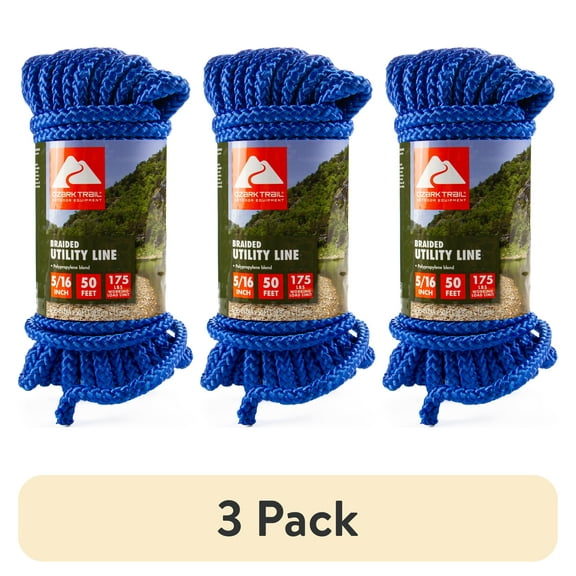
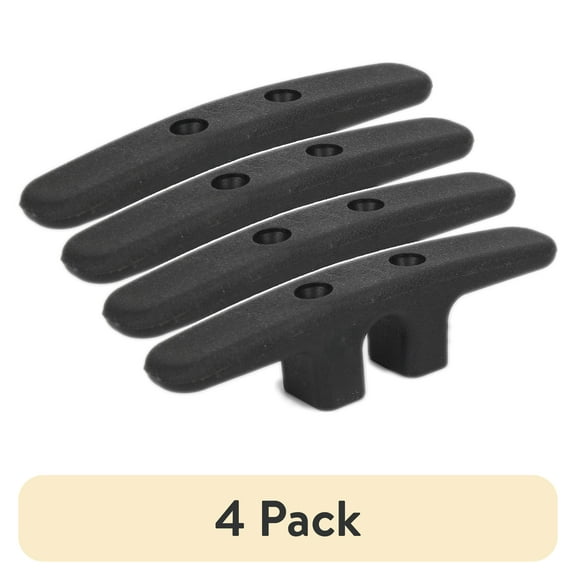
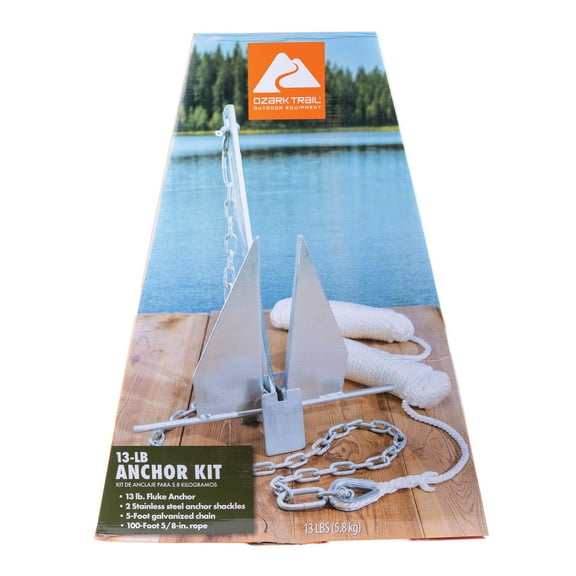
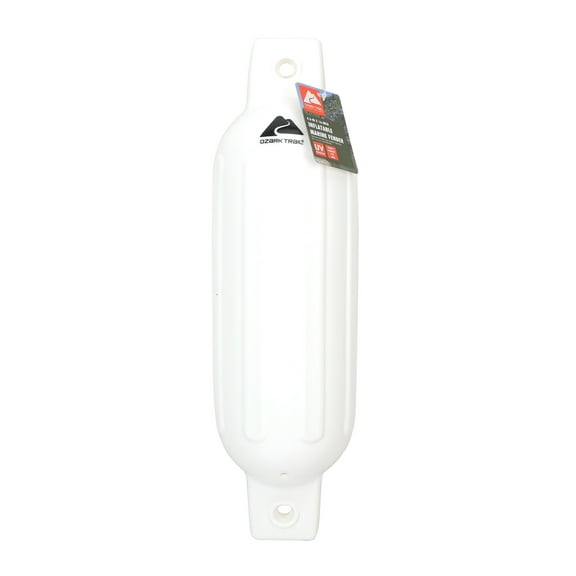
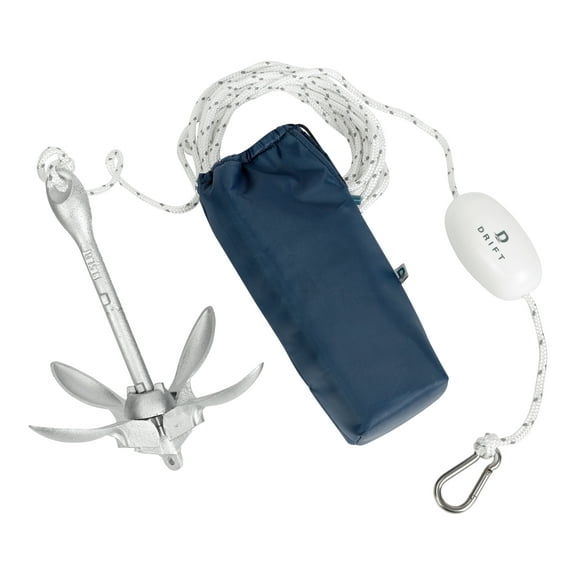
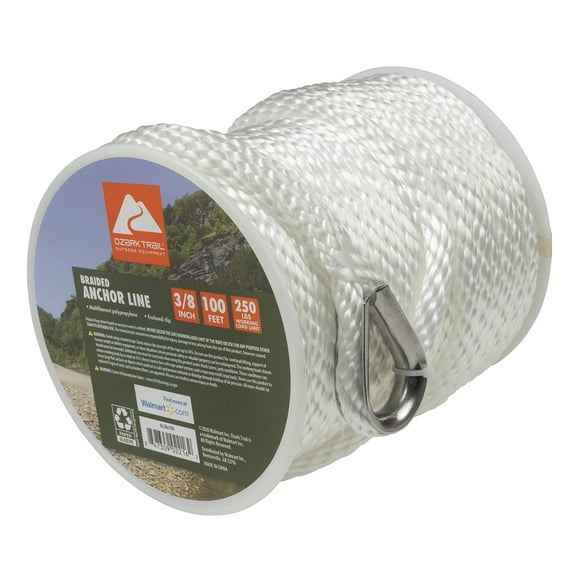
You can also compare marine dock accessories when you tie up often or store your boat waterside. Your setup may include bumpers, lines, cleats, and storage helpers that support smoother docking days.
Using boat accessories in real boating situations
If you launch every weekend, you may want boat accessories that install quickly and handle repeated use. Your focus may be compact storage, simple mounting, and easy cleanup after each trip.
When you fish in saltwater, you should prioritize corrosion-resistant fittings and protected marine electronics. Your setup may benefit from 316 stainless steel hardware and sealed components around spray-prone areas.
If you cruise on freshwater lakes, you might focus on comfort, docking control, and seasonal maintenance. Your list may include cleaners, covers, fenders, and replacement boat parts for common wear points.
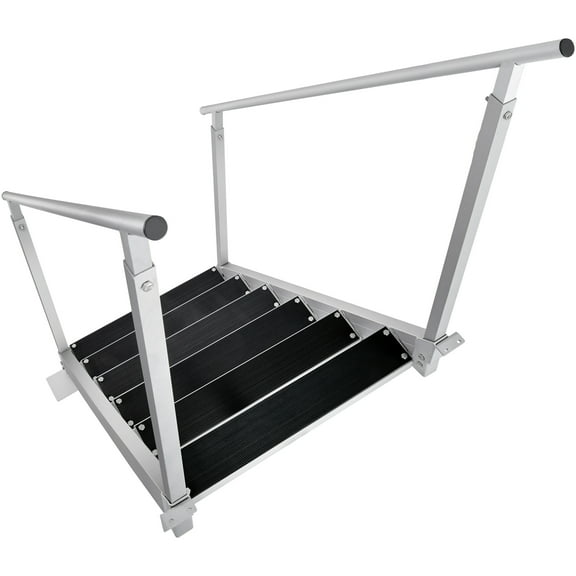
For pontoons and family boats, you may want safety gear, rails, ladders, and dock-ready accessories. Your choices should support easy boarding, secure tie-ups, and organized deck space.
If you store your boat between seasons, you should compare maintenance supplies and protective materials carefully. Your prep can feel highly manageable when covers, cleaners, and winter storage items fit your exact setup.
You can shop with confidence when your marine supplies match your water type, fitment, and installation needs. Your boat stays ready for the next outing when each part fits the way you use it.