

Jumper Cables in Car Battery Chargers and Jump Starters













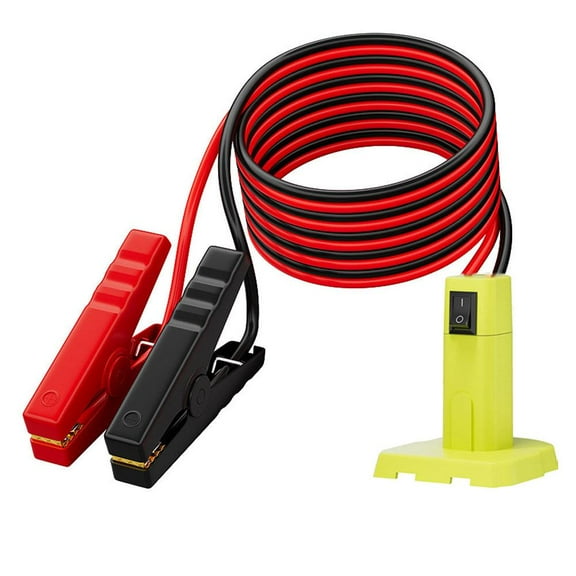
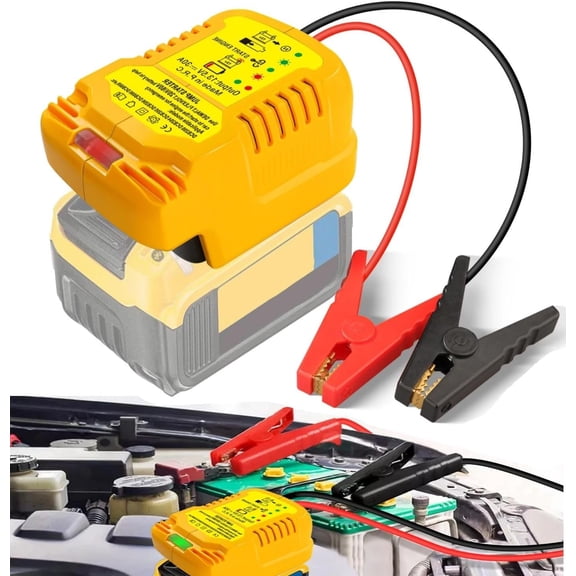
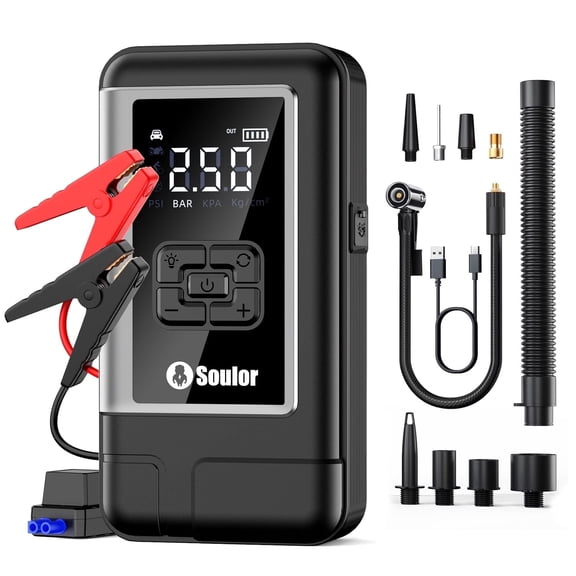

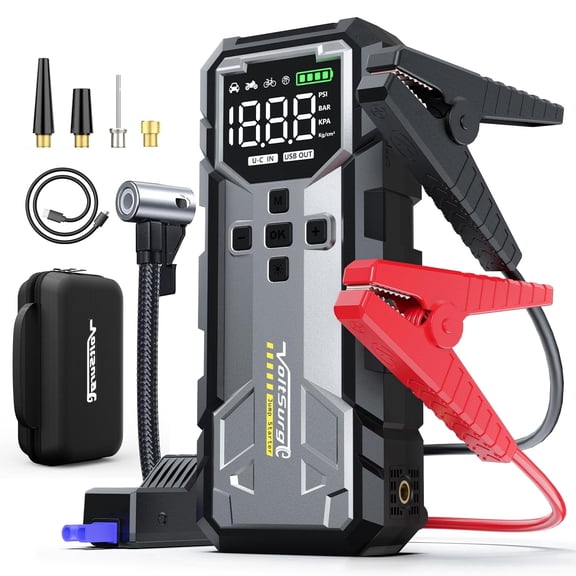





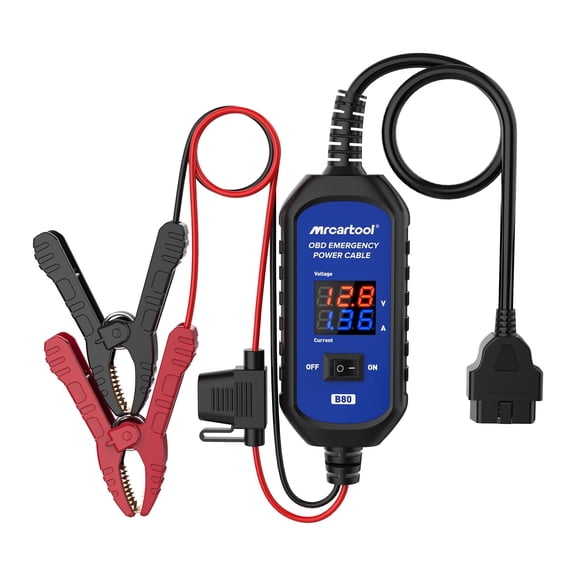


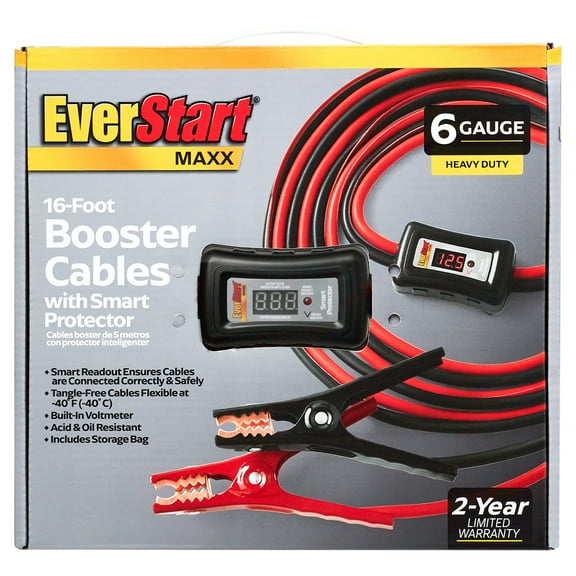
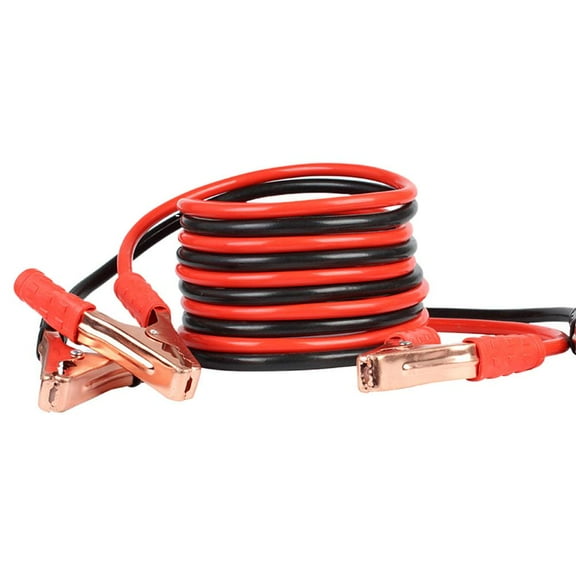

About Jumper Cables in Car Battery Chargers and Jump Starters - Walmart.com
Jumper cables help you prepare for stalled starts with the right gauge, length, and clamp design for your vehicle. You can compare practical options fast, so your roadside kit fits compact cars, SUVs, trucks, or heavy duty commercial use.
If you keep jumper cables in your trunk, you’re planning for crowded lots, home driveways, and cold mornings. You’ll also want flexible insulation and secure clamps that feel easier to handle when temperatures drop.
How to choose jumper cables
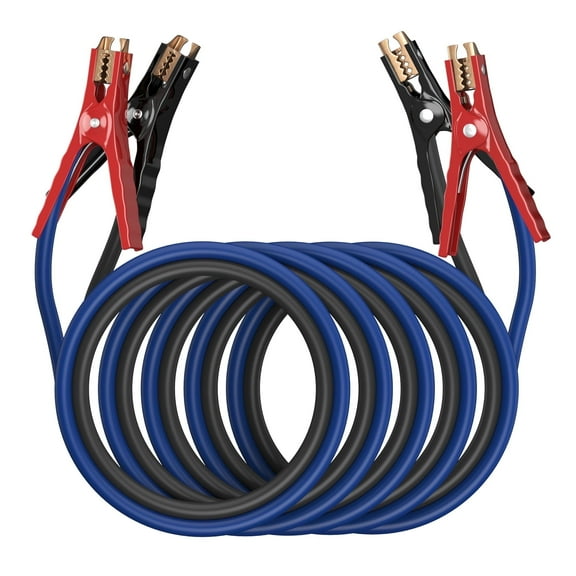
You should start with vehicle size, because cable gauge affects how much current your setup can carry. You’ll notice lower gauge numbers mean thicker battery jumper cables, which drivers often choose for heavier electrical demands.
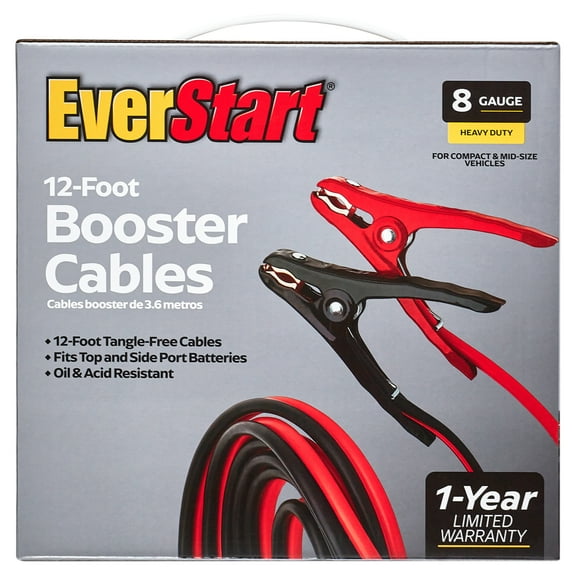
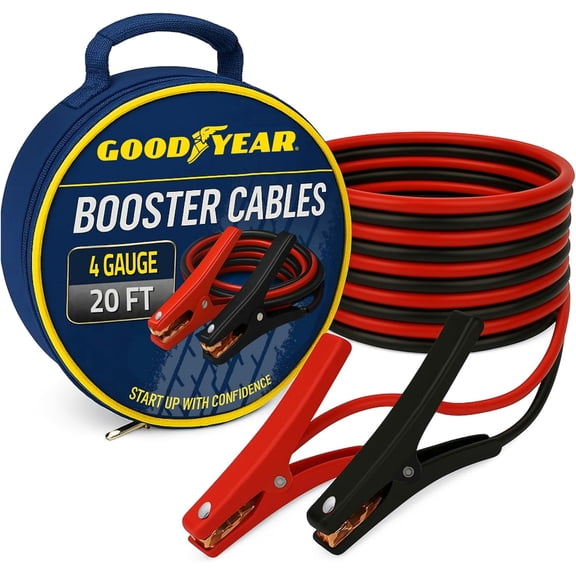
For compact cars, you may compare 8 gauge or 10 gauge options when you want a lighter set. For SUVs, trucks, or heavy duty commercial use, you should consider 6 gauge, 4 gauge, or 2 gauge cables.
You can also compare amperage ratings, because booster cables often list options like 200A, 400A, 600A, or 800A. You’ll usually look toward higher ratings when your vehicle has a larger battery or stronger starting demand.
- You can choose thicker gauge cables when your vehicle needs stronger current transfer.
- You can choose longer cables when parking positions make battery access awkward.
- You can choose insulated clamps when your hands need a steadier, easier grip.
- You can choose flexible coating when your emergency gear stays in the car during winter.
Choosing gauge, length, and clamp design
You should compare 2 gauge, 4 gauge, 6 gauge, 8 gauge, and 10 gauge as decision points. You’ll generally get a thicker cable with a lower gauge, which can matter for trucks and larger vehicles.
Length changes how easily you can connect vehicles in real parking situations. You may prefer 12 feet for compact storage, while 20 feet or 25 feet can help when cars can’t park nose to nose.
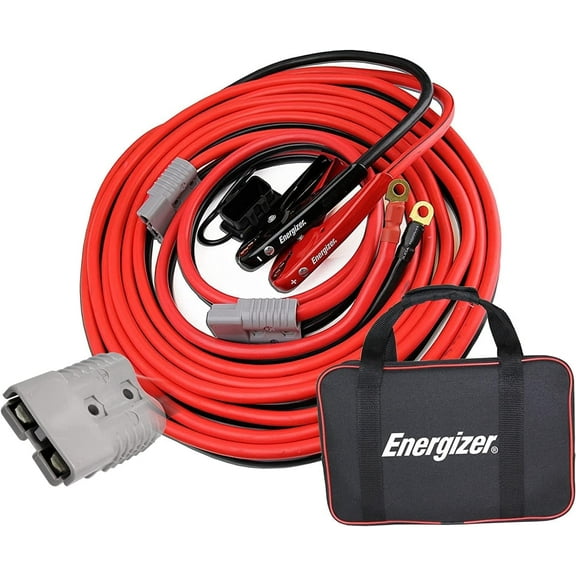
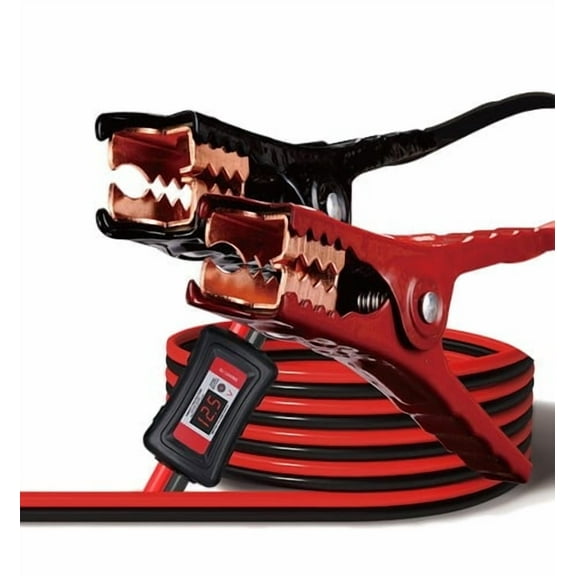
If you’re choosing long jumper cables, you should also check clamp strength and insulation thickness. You’ll want clamps that grip battery terminals firmly and cable covers that stay manageable during roadside use.
Amperage ratings give you another way to compare car jumper cables and heavy duty jumper cables. You can use those numbers with gauge and vehicle type, so your selection fits your expected starting needs.
Heavy duty jumper cables for trucks and SUVs
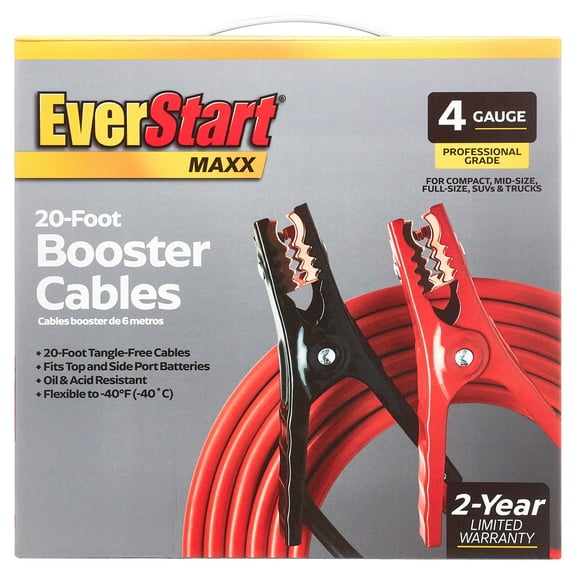
You may see heavy duty jumper cables when you’re shopping for SUVs, trucks, or commercial vehicles with larger batteries. You’ll typically compare 4 gauge or 2 gauge choices when you want thicker cable construction.
Booster cables can also help when you’re searching by amperage and clamp style. You should compare both terms together, because the practical differences often come down to gauge, length, and rated output.
If your vehicle stays outside during winter, you may want insulation that stays flexible in freezing weather. You’ll notice stiffer cables can feel harder to position neatly when space is tight.
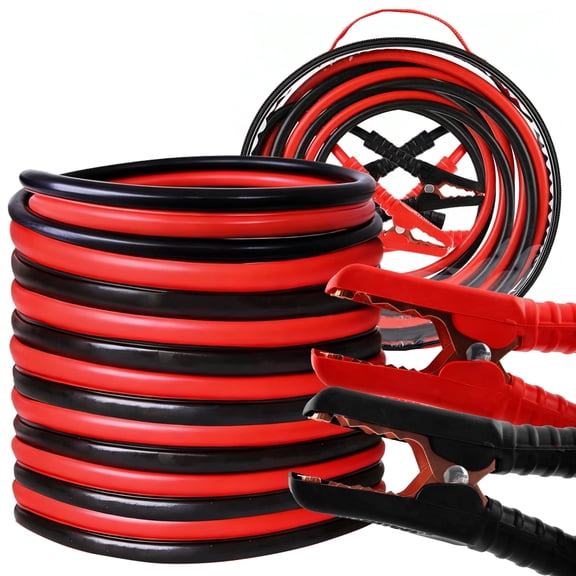
You can also look for storage details that fit your routine, such as tangle-resistant jackets or carrying bags. You’ll appreciate easier packing when your emergency gear shares trunk space with tools and seasonal supplies.
When different jumper cable setups make sense
You might want 12-foot car jumper cables for a compact trunk and quick access on daily commutes. You’ll often like that shorter length when you park in predictable spaces and want less bulk.
If you park in crowded lots, you may need 16-foot or 20-foot options for more flexibility between vehicles. You can make connections more easily when battery locations and parking angles don’t line up cleanly.
For trucks and SUVs, you may compare lower gauge numbers with higher amperage ratings. You’ll want that combination when your vehicle needs thicker cables and stronger transfer capacity.
If you’re building a winter emergency jumper cables kit, you should consider cold-weather flexibility and durable clamp covers. You can keep your setup easier to handle when gloves, snow, and limited space slow you down.
You may also keep a set for family vehicles, work trucks, or roadside support gear. You’ll benefit from choosing a length and gauge that match the largest vehicle you expect to assist.
What to look for before you decide on jumper cables
You should check cable gauge first, then compare length, amperage rating, and clamp design in that order. You’ll make a clearer choice when those details match your vehicle size and parking conditions.
Jumper cables work harder for you when you choose the right thickness and reach for real-world use. You’ll feel more prepared with cables that connect cleanly, store easily, and stay manageable in cold weather.