















Food Workpage
Enter your address
Confirm your store is eligible to deliver in your area.
Enter your address
*Confirm your store is eligible to deliver in your area.
Craft Beer Frequently Asked Questions

What is a craft beer?
Craft beer is generally made with traditional ingredients like malted barley; interesting and sometimes non-traditional ingredients are often added for distinctiveness.
Is craft beer stronger than regular beer?
A few craft beers may have a lower ABV than mainstream brews, but craft brews are generally stronger than their mainstream counterparts.
What does IPA stand for?
IPA stands for India pale ale.
How can you tell if a beer is an IPA?
You can expect a hops-forward taste with plenty of citrus and fruit notes. IPAs have a higher ABV than most other types of beer. Your average IPA is around 7-10%, although session IPAs are closer to your everyday beer at around 4-5%. The thing that sets IPAs apart from other craft beers is the taste.

Shop by occasion



Starry
Shop now
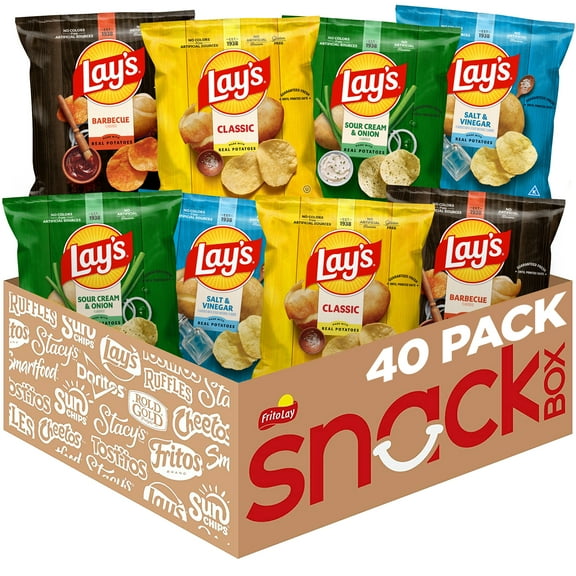
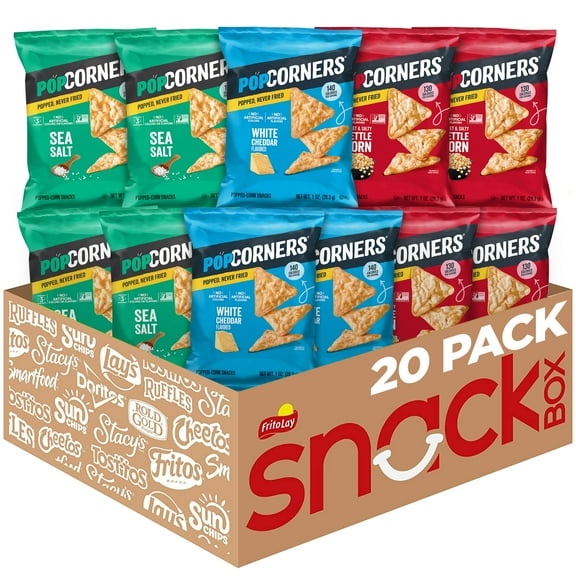
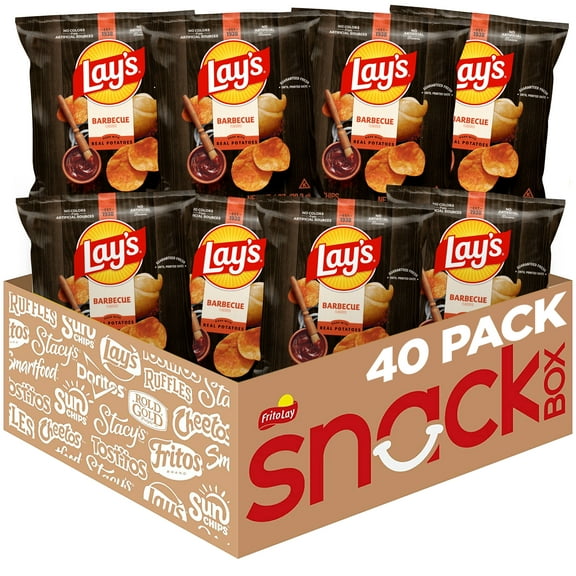
Shop Snack Deals

About Food Workpage - Walmart.com
You can count on Walmart food for convenient grocery planning across fresh produce, pantry staples, frozen food, and household essentials. You also get flexible fulfillment choices that fit weekday routines, bigger restocks, and quick ingredient runs.
If you’re comparing Walmart grocery options, you’ll want clear paths for pickup, same-day delivery, and shipping. You’ll also find familiar food categories and dietary filters that help you narrow choices quickly.
How to choose Walmart food for your routine
When you shop Walmart food, you can start with the food category that matches your meal plan. You can compare fresh produce, pantry staples, frozen food, dairy and eggs, and meat and seafood.
For quick meals, you may focus on frozen food and shelf-stable pantry items with longer storage flexibility. For weekly cooking, you may prefer produce, eggs, milk, and proteins that support planned breakfasts, lunches, and dinners.
You can also compare pack sizes before you build your cart. You may choose larger counts for family kitchens or smaller portions for short weekly lists.
- You can stock everyday ingredients like pasta, rice, canned goods, sauces, and snacks in one place.
- You can add fresh fruits, vegetables, eggs, milk, meat, and seafood for full meal planning.
- You can compare pickup, delivery, and shipping options based on timing and item type.
- You can filter for organic, gluten-free, vegan, and sugar-free items with ease.
Choosing food categories and fulfillment options
You should match your cart to how quickly you need your groceries. You may choose curbside pickup for scheduled collection, same-day delivery for convenience, or shipping for select packaged foods.
If you’re buying fresh produce, dairy, eggs, meat, or seafood, you’ll likely check local fulfillment availability first. You can then plan your order around pickup windows or delivery timing that fits your schedule.
For pantry staples, you may have more flexibility because many dry goods and canned foods store easily. You can mix shipped items with pickup or delivery items when you want one organized order.
You’ll also want to compare department types as you build meals. You can pair salad greens with dressing, frozen vegetables with proteins, and breakfast basics with snacks for the week.
When freshness matters, you should look closely at item details, substitutions, and fulfillment notes. You can use those cues to choose produce, refrigerated items, and proteins with more confidence.
What to look for in dietary preferences and labels
If you shop for specific eating preferences, you should check labels early in your search. You can often narrow results by organic, gluten-free, vegan, or sugar-free options.
Those filters help you cut through large assortments without opening every product page. You can focus your time on foods that align with your household’s ingredients and packaging preferences.
When labels matter, you should compare ingredient lists, nutrition panels, and badge callouts together. You can use that combination to confirm whether an item fits your pantry or meal prep plan.
If you need everyday basics, you may compare store brands and national brands side by side. You can also review package sizes, flavor options, and serving amounts before choosing.
You may notice brands like Great Value and Marketside across different departments. You can use those tiers as another sorting tool when you want familiar packaging styles or category coverage.
Comparing pack sizes, unit pricing, and weekly meal planning
You should think about how your household cooks before selecting quantities. You can choose larger packs for batch cooking or smaller sizes for short ingredient lists.
Unit pricing can help you compare similar items in plain terms. You can use per-ounce, per-pound, or per-count information to understand quantity differences more clearly.
If you’re filling a pantry, you may lean toward rice, pasta, canned vegetables, broth, cereal, and baking items. You can keep those staples ready for lunches, dinners, and recipe changes.
For weekly portions, you may build around produce, eggs, yogurt, meat, seafood, and frozen sides. You can create balanced carts for school lunches, work meals, and easy family dinners.
You can also combine categories to support different cooking styles. You may choose frozen fruit for smoothies, canned beans for quick bowls, and fresh herbs for finishing touches.
How Walmart grocery fits real shopping situations
If you’re restocking a family kitchen, you can build a cart across produce, proteins, dairy, snacks, and pantry basics. You can then choose pickup or delivery based on your day.
When you need quick dinner support, you may combine frozen meals, salad kits, sauces, and ready-to-cook ingredients. You can cover a busy evening without making multiple stops.
If you’re planning around dietary preferences, you can use filters before you compare flavors and pack sizes. You can make quick decisions when organic, gluten-free, vegan, or sugar-free options appear first.
For college apartments or smaller households, you may choose compact portions and shelf-stable foods. You can keep cereals, soups, pasta, snacks, and frozen items on hand without overloading storage.
If you’re preparing for a holiday meal or weekend gathering, you can mix fresh ingredients with baking staples and frozen backups. You can cover side dishes, desserts, and breakfast needs in one order.
You can rely on Walmart food when you want clear category choices, useful filters, and flexible fulfillment in one place. You can spend less time sorting groceries and more time planning meals that fit your week.