

Art Prints in Wall Art


















About Art Prints in Wall Art - Walmart.com
Art prints help you shape your room with color, scale, and personality. You can compare styles, frame types, sizes, and materials to match your walls and decorating plan.
When you shop this category, you’ll find options for sofas, beds, desks, and entry tables. You can also narrow your search by framed finishes, canvas formats, and subjects that fit your space.
How to choose art prints for your space
You should start with your room’s style and the mood you want to create. Your walls may call for modern art prints, vintage art prints, or minimalist pieces with clean lines.
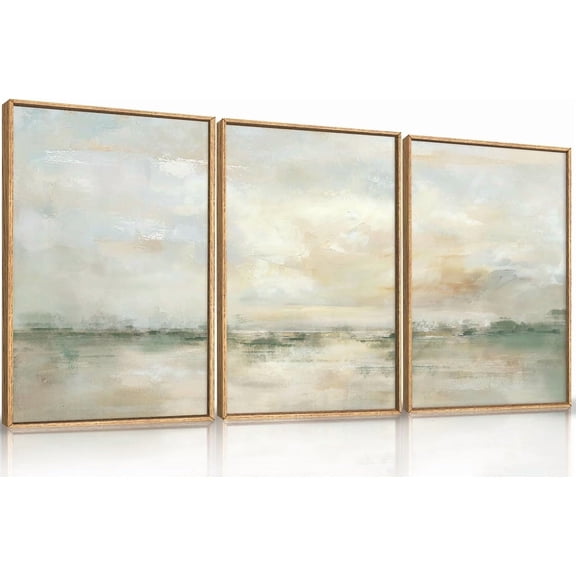
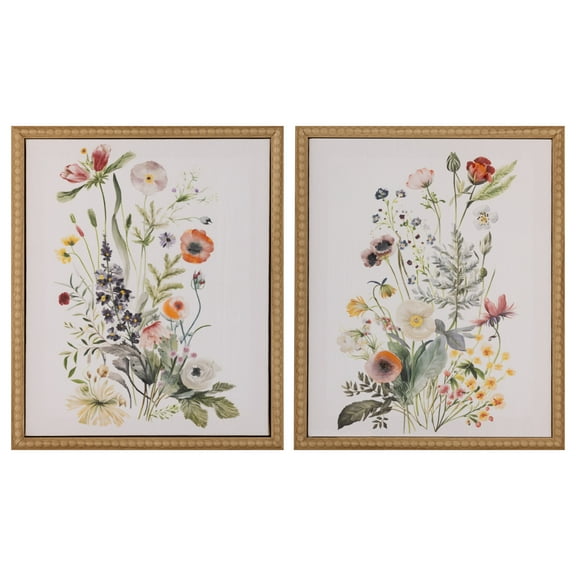
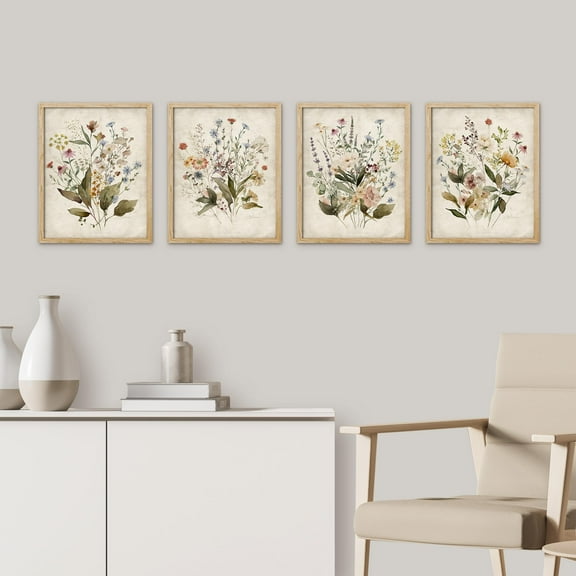
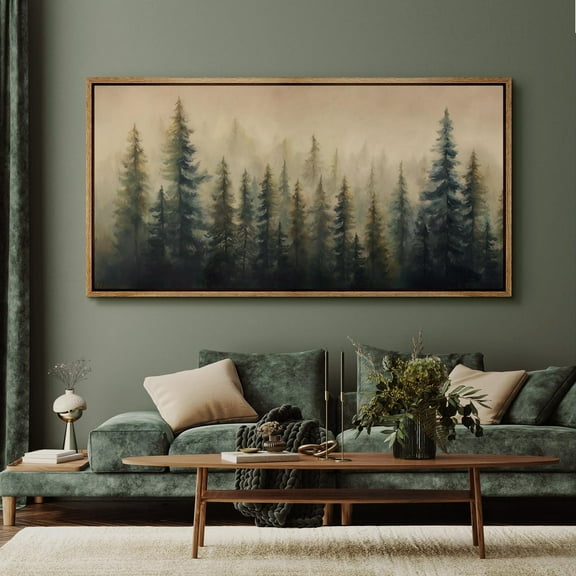
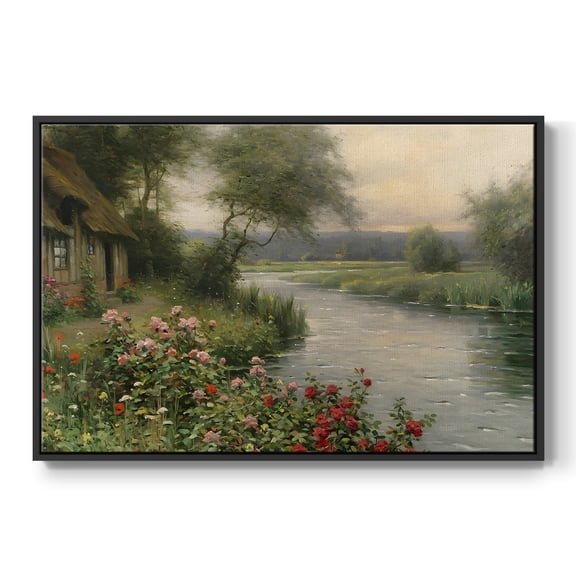
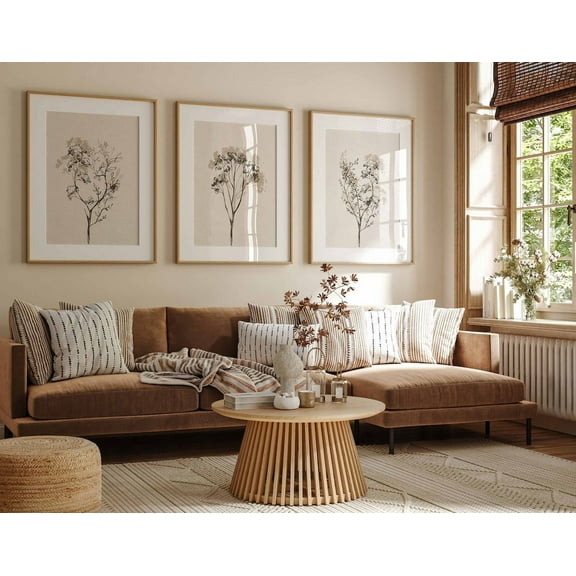
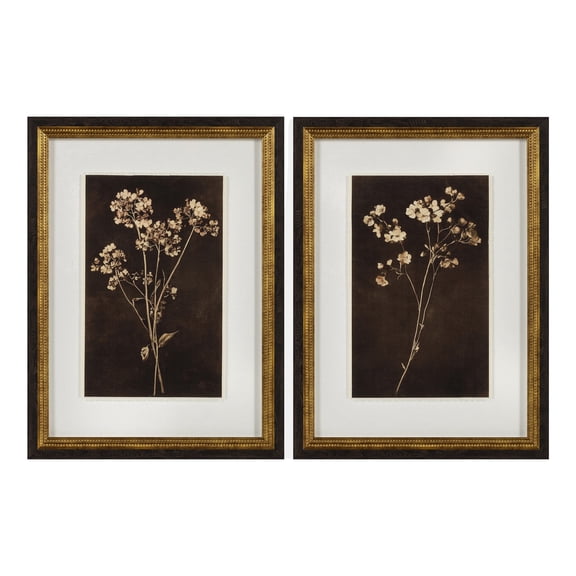
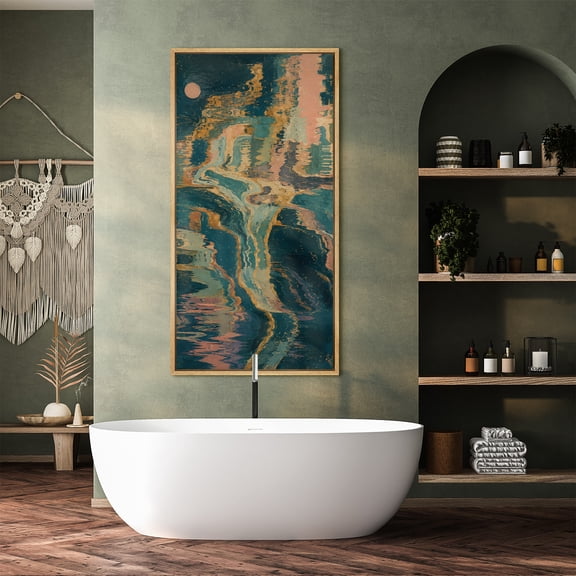
If you want a softer look, you can consider botanical art prints or landscapes with natural tones. If your room needs energy, you may prefer geometric shapes, portraits, or bold abstract designs.
You can use art style to connect furniture, rugs, and accent colors in a clear way. Your choice feels more intentional when the print echoes shapes, colors, or textures already in the room.
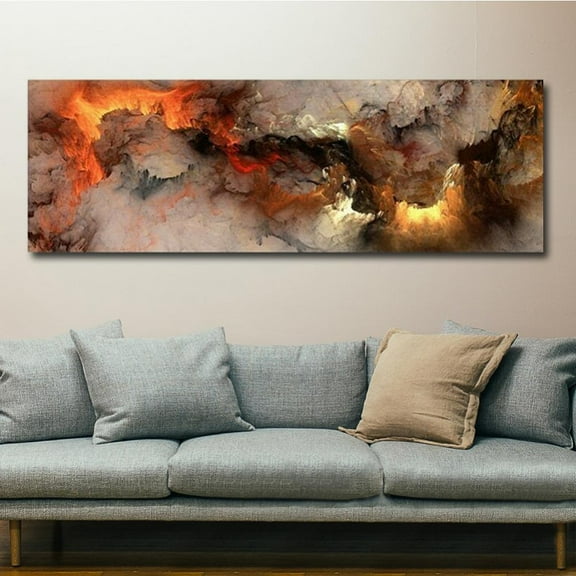
- You can use modern and abstract styles to create a clean, current look.
- You can choose vintage and boho styles when your room has layered textures and warmer tones.
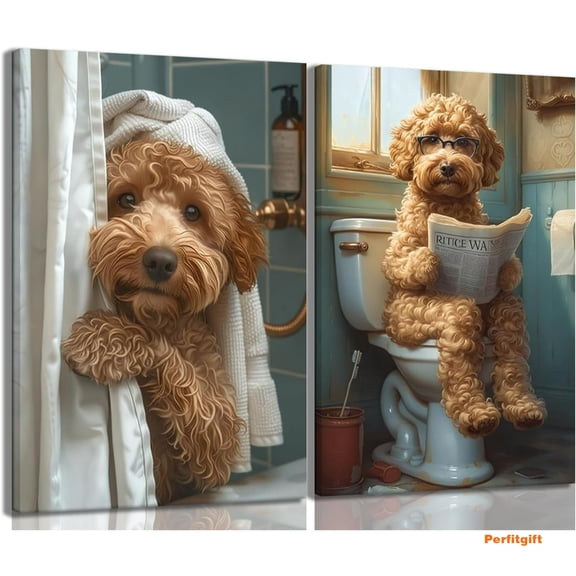
- You can pick botanical, landscape, animal, or portrait subjects to match the room’s purpose.
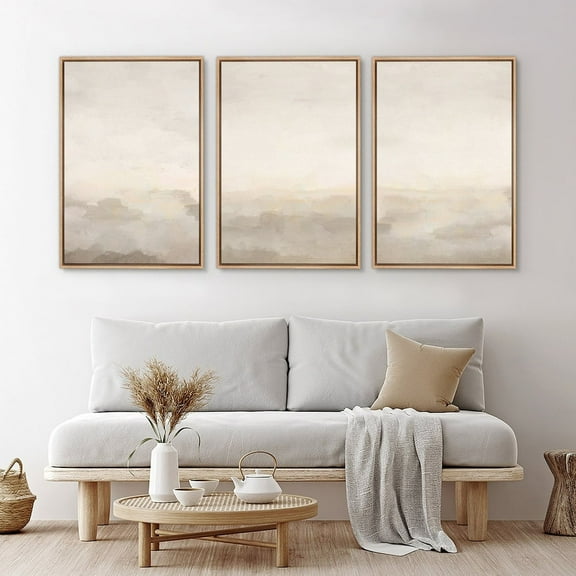
- You can use minimalist prints when your wall needs interest without visual clutter.
Choosing between framed art prints and canvas art prints
You’ll want to decide early whether your print needs a finished, ready-to-hang look. Your choice between framed art prints, unframed pieces, canvas wrap styles, and poster hangers changes the final feel.
Framed art prints give your wall a polished outline and clearer structure. You may prefer them when you want a coordinated look in living rooms, hallways, or home offices.
Unframed prints give you more freedom with matting and frame selection. You can match your own frame width, color, and finish to existing decor more closely.
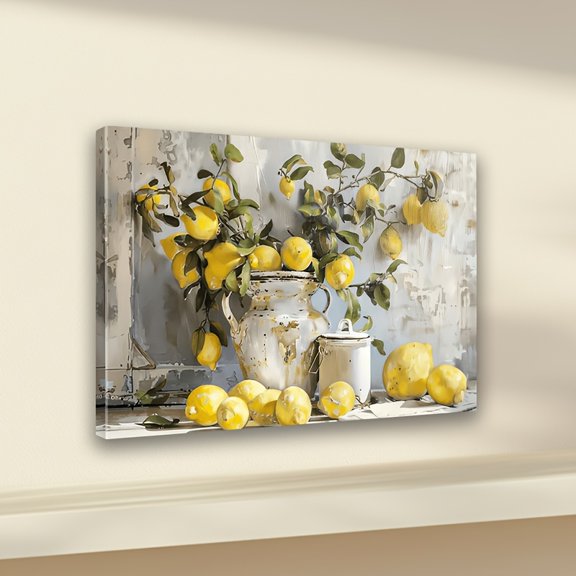
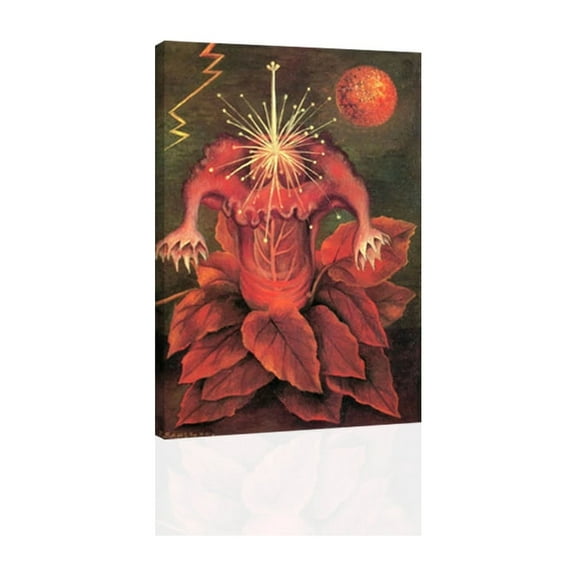
Canvas art prints create a gallery-inspired look with depth along the edges. You may like canvas wrap options when you want fewer visible borders and a softer presentation.
Poster hanger styles keep your display simple and casual. You can use them when you want quick setup and an easy way to swap artwork.
You should also check whether your print includes pre-installed hanging hardware. Your setup gets easier when you know if the piece arrives ready for hooks, nails, or wall mounts.
What to look for in size and placement
You should measure your wall before choosing a print size. Your tape measure can help you compare compact formats like 8x10 and 11x14 with statement sizes like 16x20 or large wall art.
Smaller sizes work well on shelves, desks, and gallery walls with several pieces. You can group them in pairs or grids when your wall needs layered visual interest.
Medium sizes often fit entryways, bedside walls, and narrow sections between windows. Your layout usually feels balanced when the art doesn’t extend beyond nearby furniture edges.
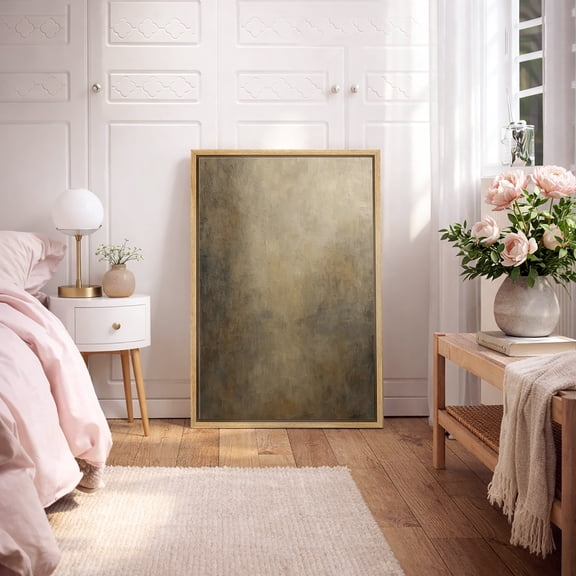
Large art prints make a stronger focal point above sofas, beds, and dining room consoles. You can use one oversized piece when your room needs a clear anchor without multiple frames.
You should leave some breathing room around the artwork for a cleaner look. Your wall usually feels more balanced when the print scale matches the furniture width beneath it.
Comparing materials and print details
You can narrow your options by looking at material first. Your choice may include canvas, fine art paper, cardstock, or wood, and each one changes texture and display style.
Canvas gives you a textured surface and a more dimensional presentation. You may prefer it when your room has casual, modern, or gallery-inspired decor.
Fine art paper often delivers crisp detail and a refined look for line work and color gradients. You can frame it under glass or acrylic when you want a finished display.
Cardstock can work well for lighter, poster-style formats and flexible decorating projects. You may find it useful when you plan to rotate prints or use poster hangers.
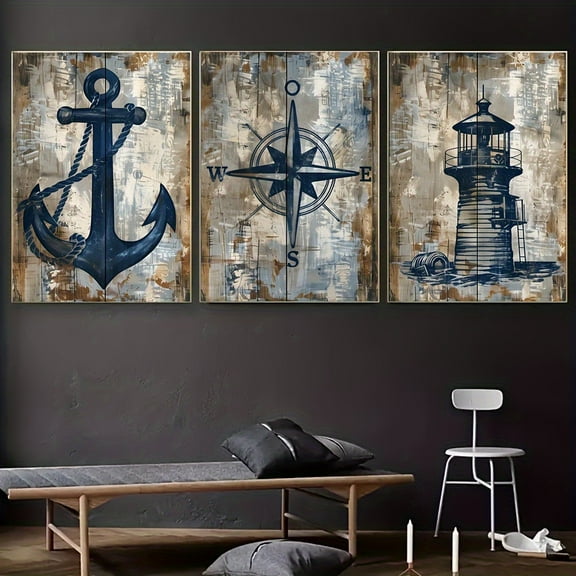
Wood-based pieces bring a more rustic or handcrafted feel to the wall. You can use them when your decor includes natural finishes, farmhouse elements, or layered textures.
You may also see terms like giclée printing or paper weight in product details. You should read those details as clues about sharpness, color depth, and paper feel.
Matching wall art prints to real rooms and routines
You can use wall art prints to define the mood of each room in a practical way. Your living room may suit large abstracts, while your bedroom may feel calmer with botanicals or soft landscapes.
In your home office, you might choose geometric or minimalist prints that keep the background clean. Your workspace can feel more pulled together when colors relate to your desk, chair, or shelves.
For your entryway, you can use framed pieces that create an immediate focal point. Your guests notice a finished look quickly when the frame style matches mirrors, lighting, or console hardware.
In your dining space, you may want canvas art prints with broader shapes and warmer tones. Your wall can feel less formal when the canvas texture softens the room’s lines.
You can also build a gallery wall by mixing sizes, subjects, and frame types carefully. Your arrangement looks more cohesive when you repeat one color, one material, or one art style across pieces.
If you’re furnishing a dorm, apartment, or rental, unframed and poster hanger options can simplify updates. You can refresh your look more easily when your art changes with seasons or new decor.
You’ll get more confidence from your choice when you compare style, frame inclusion, material, size, and hanging setup together. Your finished wall feels intentional when each detail supports your room’s scale and design.