









Postpaid Phones in Phones With Plans










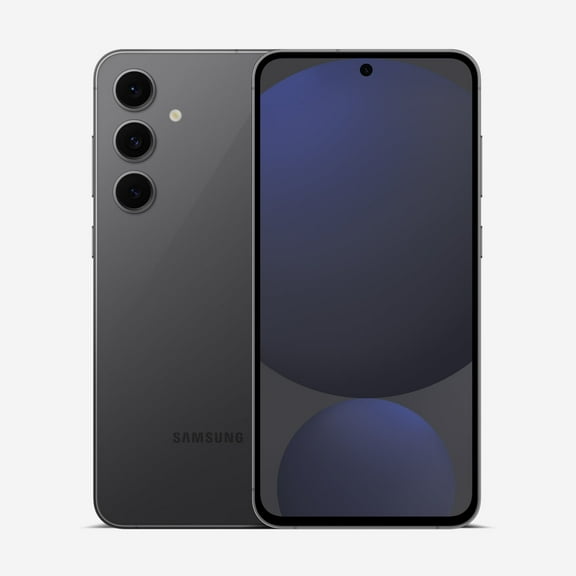



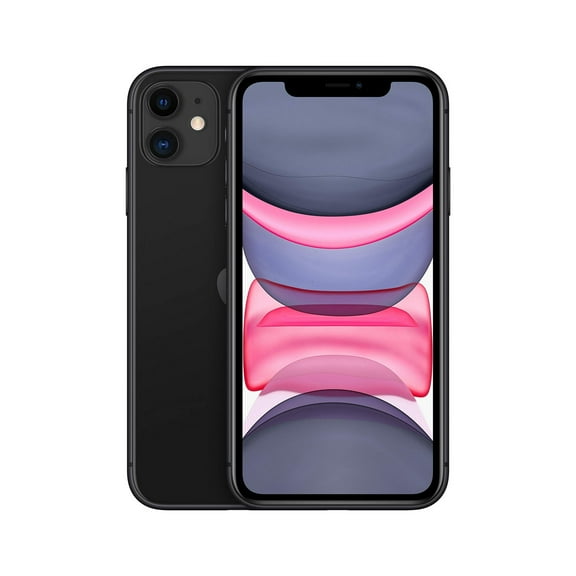









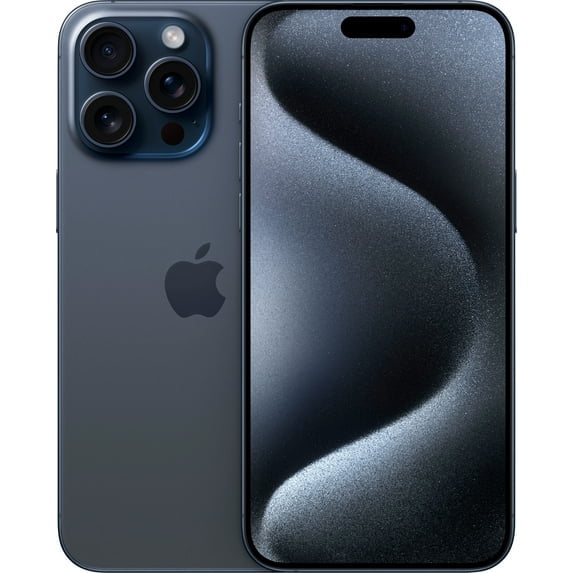
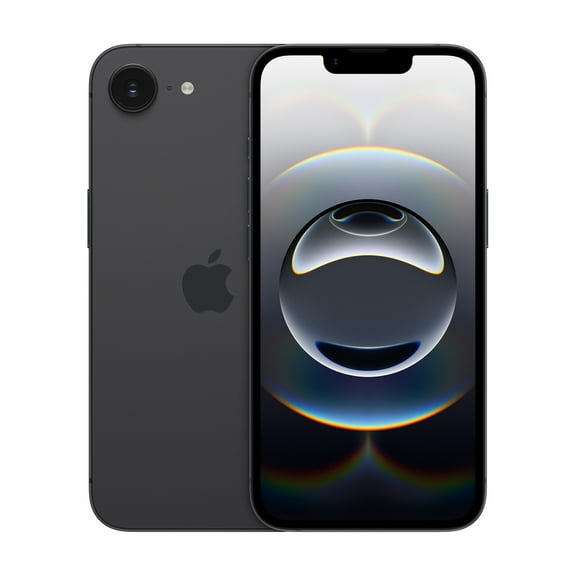









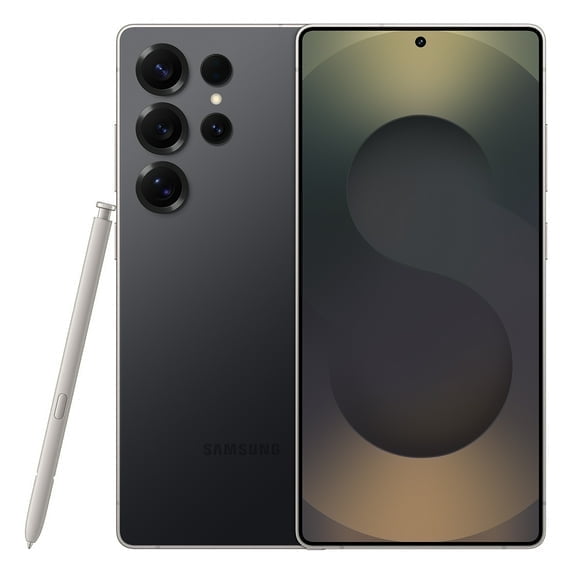



















About Postpaid Phones in Phones With Plans - Walmart.com
Your post paid phone choices at Walmart can match the carrier, payment structure, and plan setup you already use. You can compare postpaid options across major networks while keeping your upgrade path, monthly billing style, and device preferences clear.
When you shop this category, you’re usually deciding more than color or screen size. You’re also comparing postpaid phone plans, carrier requirements, and whether you want installments or one payment.
Choosing the right postpaid mobile phone
You should start with carrier network fit, because your postpaid mobile phone needs to align with your preferred service setup. You can compare options tied to AT&T, Verizon, and T-Mobile before you narrow down brands.
Network bands and 5G spectrum compatibility matter when you want fast data access and dependable coverage in the places you visit. You can use these specs to confirm your phone and postpaid cell service work together as expected.
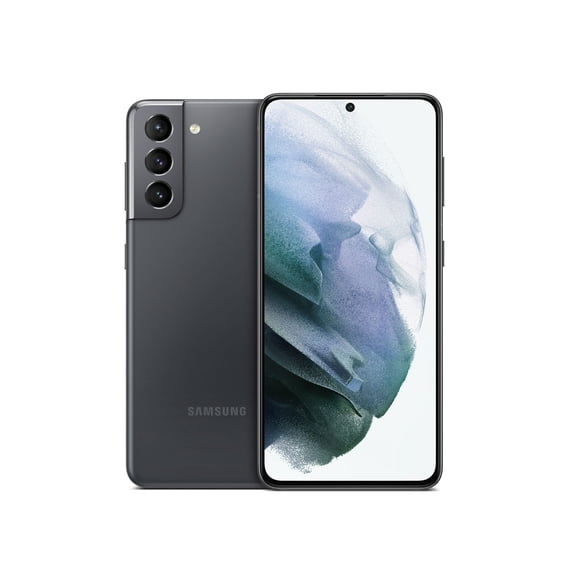
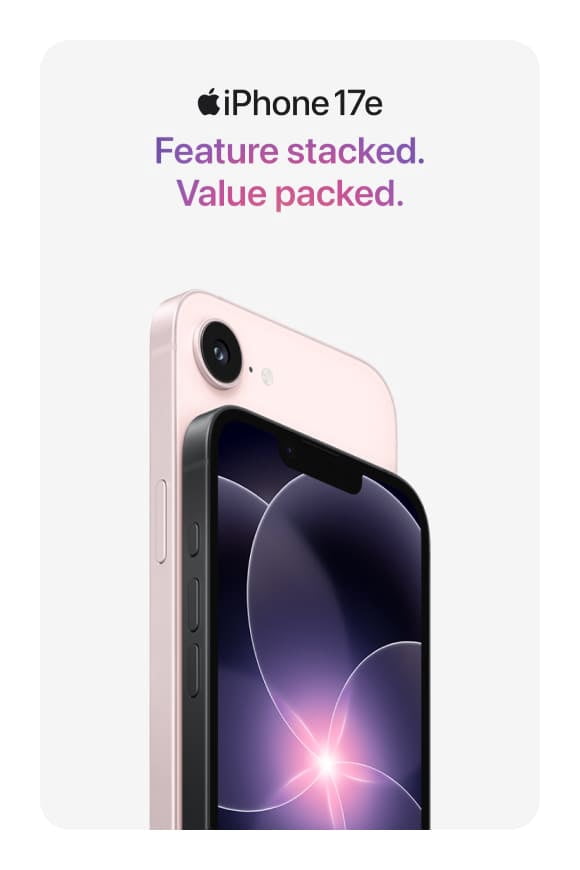
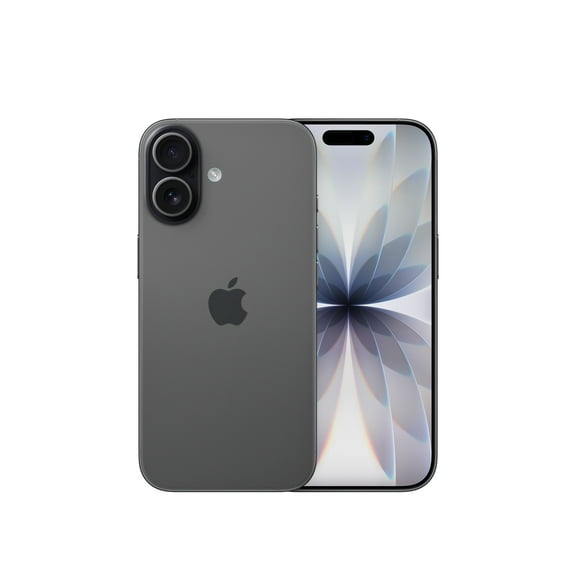
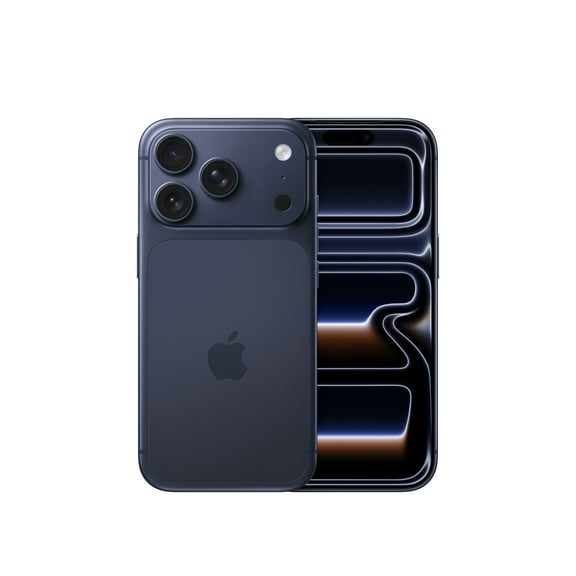
You’ll also want to compare brand ecosystems before you commit to a device. You can choose Apple iPhone, Samsung Galaxy, or Google Pixel based on your apps, accessories, and account preferences.
- You can match your phone to AT&T, Verizon, or T-Mobile service needs.
- You can compare unlimited data, family plans, and single line options.
- You can choose monthly device installments or an outright purchase.
- You can review upgrade paths, storage sizes, and 5G compatibility.
Storage and screen size can shape your everyday experience more than you expect. You may prefer more storage for photos and video, or a larger display for streaming and maps.
If you’re comparing familiar models, you may also look at topics like iphone 14 pro max price during your decision process. You can use model comparisons here to balance monthly commitments with the features you actually use.
How to compare postpaid phone plans
You should compare plan type first, because your monthly bill depends on how many lines and how much data you want. You can sort between unlimited data, family plans, and single line options to avoid surprises.
Unlimited data may fit you if you stream often, use hotspot features, or rely on your phone for work tasks. Family plans may fit you if you want multiple lines on one account with shared billing.
Single line plans can make sense when you want a simpler account structure and easy monthly tracking. You can compare plan details by looking at line count, data features, and billing terms.
Contract length also matters when you’re weighing flexibility against a steady monthly structure. You should check whether your postpaid phone plans include fixed installment timelines or service commitments through your carrier.
You may also need to review credit check requirements before activation. You can use carrier details to understand eligibility steps, account setup, and what information you may need during checkout.
When you compare upfront and monthly costs, you can get a clear picture of long-term fit. You can decide whether a lower upfront payment or a full purchase works well for your budget planning.
What to look for in postpaid cell service and payment options
You should treat payment structure as a key decision, not a small checkout detail. You can choose a device installment plan if you want to spread payments out over time.
An outright purchase may suit you if you want one transaction and no monthly device charges. You can compare both paths based on billing style, upgrade timing, and account simplicity.
If you’re using a device installment plan, you should check the term length and monthly amount. You can also review whether your carrier offers upgrade options after a set number of payments.
Your plan choice and your phone choice often work together, especially when you want a specific carrier feature set. You can match a postpaid cell phone to unlimited data, international features, or multi-line billing needs.
You may also care about brand-specific tools like camera systems, operating systems, and smartwatch pairing. You can narrow options quickly when you compare those details after choosing your network and payment structure.
For shoppers moving from prepaid, this category gives you a different billing experience and carrier relationship. You can shift to a postpaid phone service setup that combines device access, monthly service, and account management.
Matching post paid phones to real-life needs
You can choose post paid phones for family upgrades, work use, streaming, travel, or everyday communication. You should match the device and plan combination to how often you use data, hotspot access, and shared lines.
If you’re upgrading a household, you may want family plans with several lines and one monthly statement. You can pair that setup with devices across Apple iPhone, Samsung Galaxy, and Google Pixel.
If you’re shopping for one person, you may prefer a single line plan with a straightforward monthly structure. You can combine that with an outright purchase if you want no recurring device charges.
For heavier mobile use, you may lean toward a postpaid mobile phones setup with unlimited data and 5G support. You can benefit from checking network compatibility when streaming, gaming, or working on the go.
If you’re switching carriers, you should compare account requirements and phone compatibility before you finalize your choice. You can make your move smooth when your device, carrier network, and billing plan align from the start.
When you choose carefully, your post paid phone setup can support your carrier preferences and monthly planning with less guesswork. You can leave this category with a clear path to the phone, plan, and payment option that fit your routine.