


Lighting & Lighting Fixtures
Lighting categories
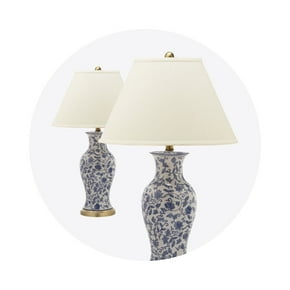
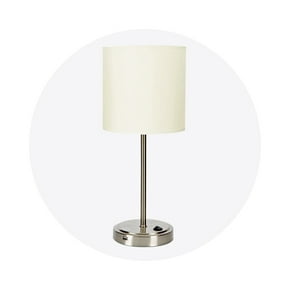
Shop lamps
Shop lamp accessories
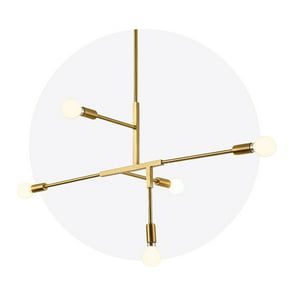
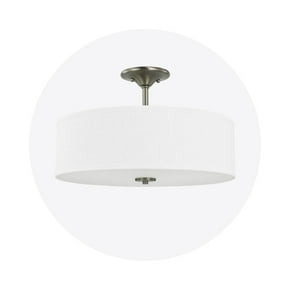
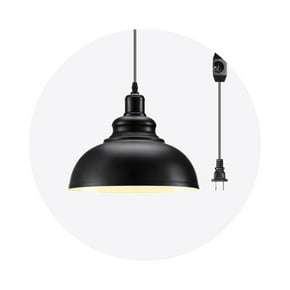
Shop ceiling lights
Shop by brand
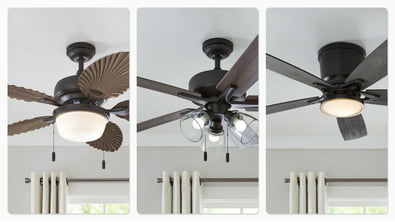
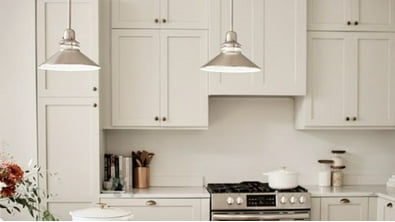

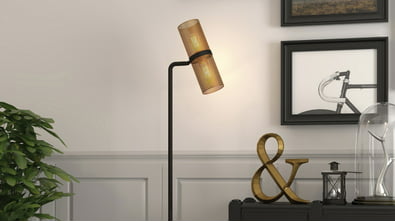
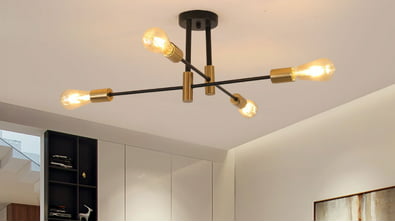
Easy DIY lighting ideas
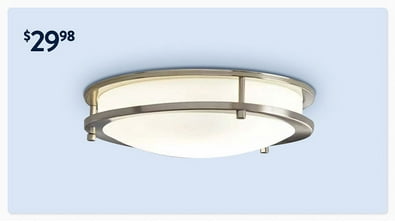
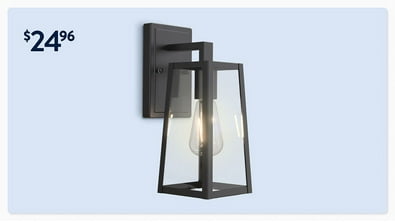
Shop more lighting




FAQ
About Lighting & Lighting Fixtures - Walmart.com
Light fixtures help you shape each room with the right brightness, scale, and style. You can compare ceiling options, wall lighting, and outdoor choices in one organized destination.
When you shop this category, you can narrow choices by fixture type, finish, room location, and design look. You also get practical guidance on lumens, hanging height, and damp-rated placement.
How to choose light fixtures by fixture type
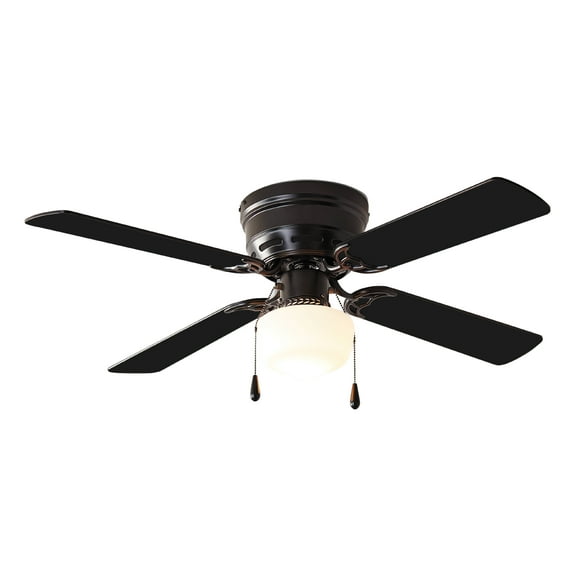
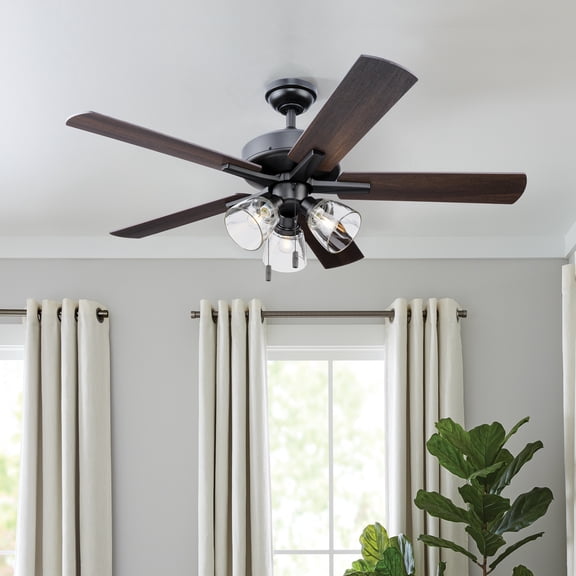
You should start with the fixture type that matches your room layout and ceiling height. You may want chandeliers for dining areas, vanity lights for mirrors, wall lights for hallways, and ceiling fans lights for overhead comfort.
If you need layered lighting, you can pair overhead pieces with sconces or vanity bars. You can also use chandeliers to anchor open rooms where a single flush mount may look too small.
- You can use ceiling fans lights when you want airflow and overhead illumination in one fixture.
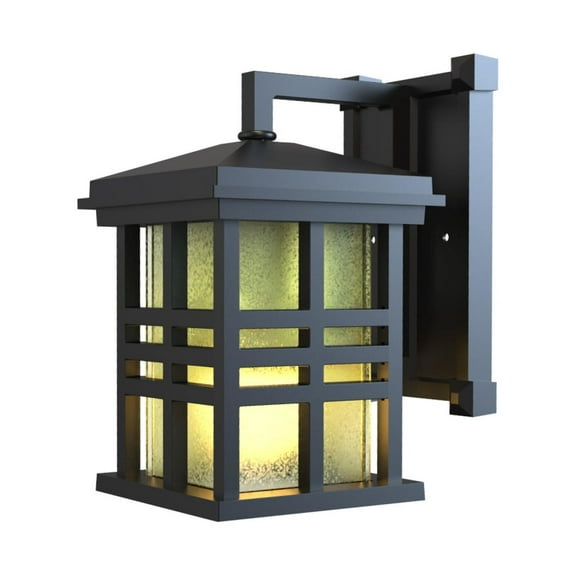
- You can choose wall lights when you want accent lighting along hallways, entryways, or bedside walls.
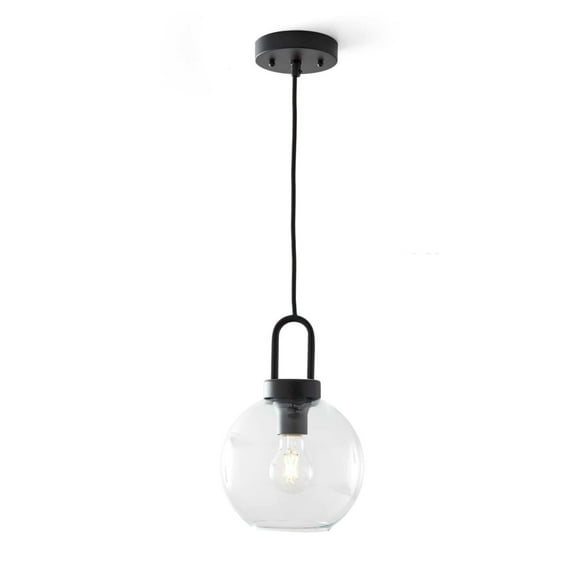
- You can pick chandeliers when you want a hanging focal point over tables or larger rooms.
- You can select vanity lights when you want even illumination above or beside your mirror.
You should measure your space before you choose a diameter or width. You can keep larger fixtures in balance by checking table size, room width, and walkway clearance.
Choosing the right finish, including satin nickel ceiling fan looks
You can use finish as a fast way to match hardware, faucets, and furniture tones. You may prefer satin nickel for a softer metallic look, while matte black adds contrast and chrome feels brighter.
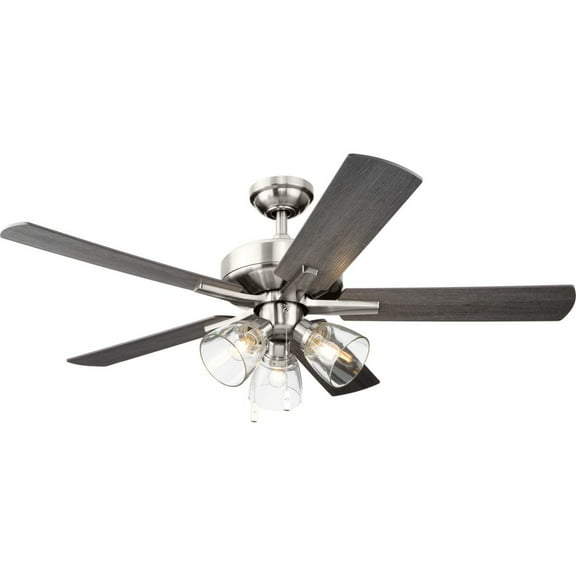
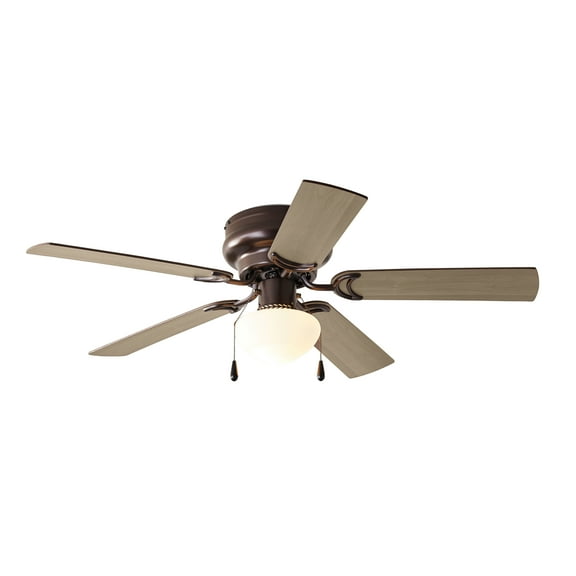
If you want a coordinated ceiling update, you can compare a satin nickel ceiling fan with nearby metal finishes. You should also check whether bronze or black fits rustic, industrial, or traditional rooms.
Your finish choice can affect how visible fingerprints, dust, and contrast appear in daily use. You may find softer metallic tones blend easily, while darker finishes create stronger definition against light ceilings.
How to match light fixtures to indoor and outdoor locations
You should match the fixture to the room because location affects size, brightness, and rating needs. You can use indoor styles for living spaces, while outdoor, bathroom, and kitchen areas need more specific planning.
For bathrooms and covered patios, you should look for UL damp or UL wet listings. You can also check IP ratings when you want extra guidance on moisture exposure.
If you’re comparing light fixtures for a quick pickup or delivery decision, you should focus on room-ready details first. You can address the same needs behind local light fixture searches by filtering for location, finish, and fixture type.
In kitchens, you may want brighter task lighting over islands, sinks, and prep zones. In bathrooms, you can look for vanity lights that reduce shadows across the mirror area.
What to look for in size, hanging height, and installation
You should measure ceiling height before you choose pendants, chandeliers, or ceiling fans. You can use hanging height or chain length details to keep the fixture proportional and clear above tables.
For room scale, you should compare fixture diameter against the room’s dimensions. You may notice that a wider entry or dining room can support a larger chandelier than a narrow hallway.
You should also check whether installation looks simple or more involved. You can often handle straightforward swaps more easily, while new wiring or heavier hanging fixtures may call for professional installation.
If you’re replacing an older overhead light, you should confirm canopy size, mount type, and bulb base. You can avoid mismatches by reviewing these details before you choose a style.
How brightness and color temperature affect your home lighting
You should use lumens to compare brightness instead of relying on bulb watt labels. You can choose lower lumen output for soft ambiance and higher lumen output for kitchens, work areas, and larger rooms.
Color temperature also changes how your room feels throughout the day. You may prefer 2700K to 3000K for a warm look, while 3500K to 5000K feels cleaner and brighter.
If you want flexible home lighting, you can compare fixtures that support multiple bulbs or compatible dimming setups. You should check bulb compatibility so your fixture works with the light level you prefer.
How style choices work in real rooms
You can use modern styles for clean lines, industrial looks for mixed metal character, rustic designs for warmer textures, and traditional shapes for familiar detail. You should match style with finish so the fixture supports the room instead of competing with it.
For an open dining area, you may pair a chandelier with matte black or satin nickel accents. For a bathroom refresh, you can use vanity lights in chrome or bronze to coordinate with faucet finishes.
If you’re asking where can i buy light fixtures for several rooms at once, you can compare categories in one place. You can move from chandeliers to vanity lights to wall lights without restarting your search.
You can feel more confident when your fixture fits your room, your ceiling height, and your brightness needs. You can create a more finished space when your lighting works with your layout and style.