

Mailboxes & House Mailboxes
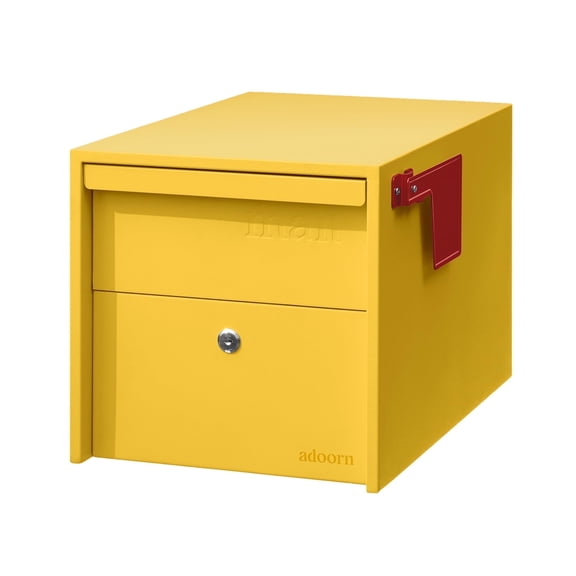


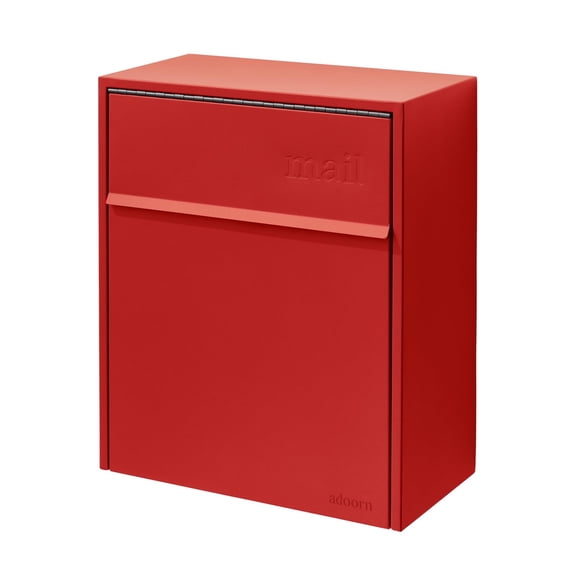
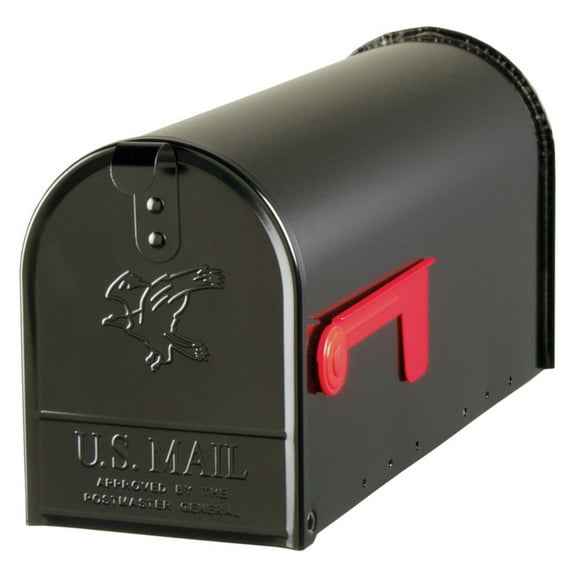
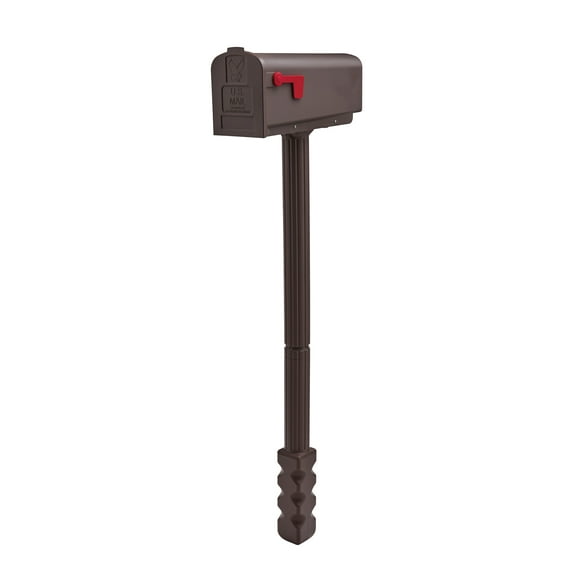











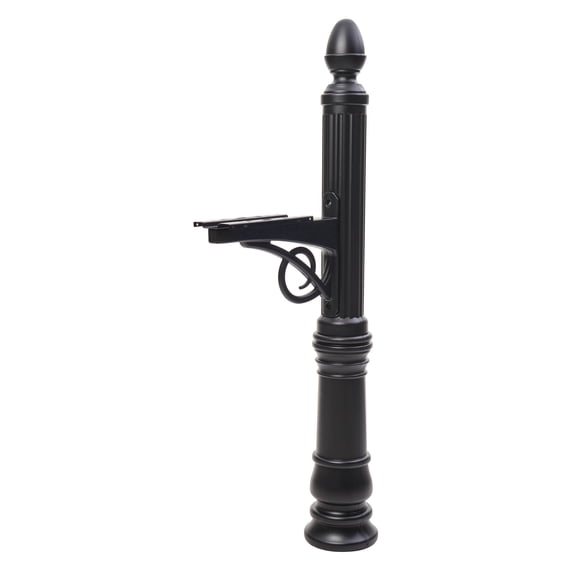

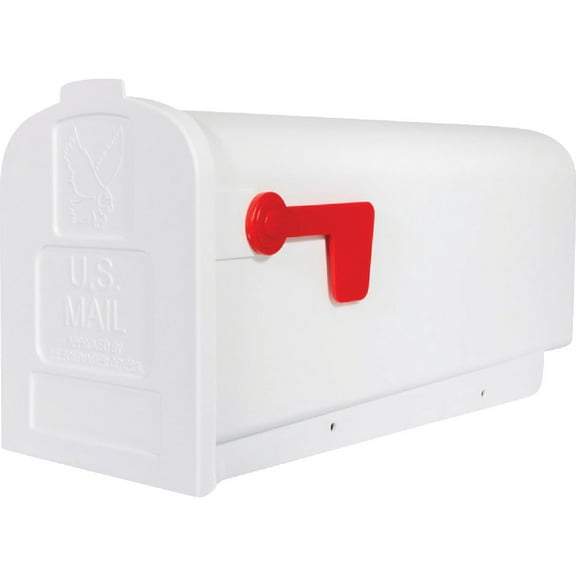
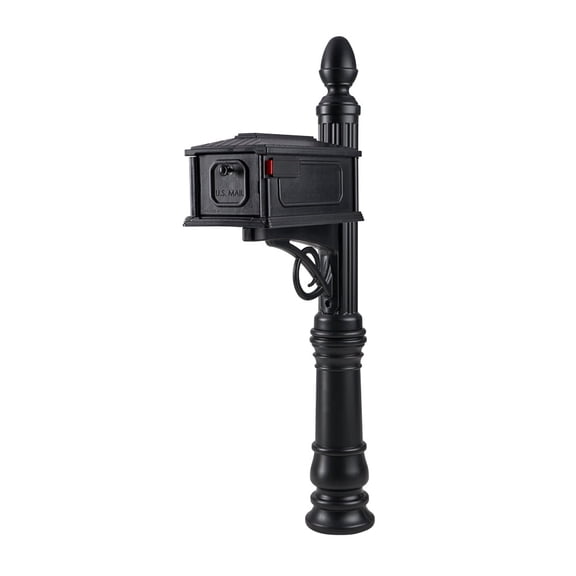
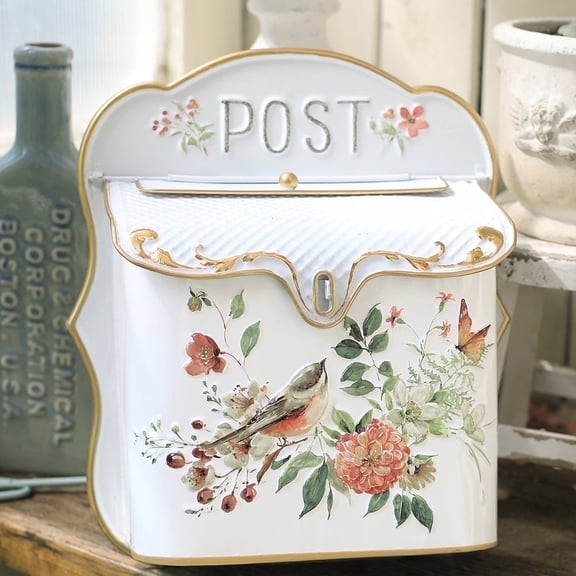









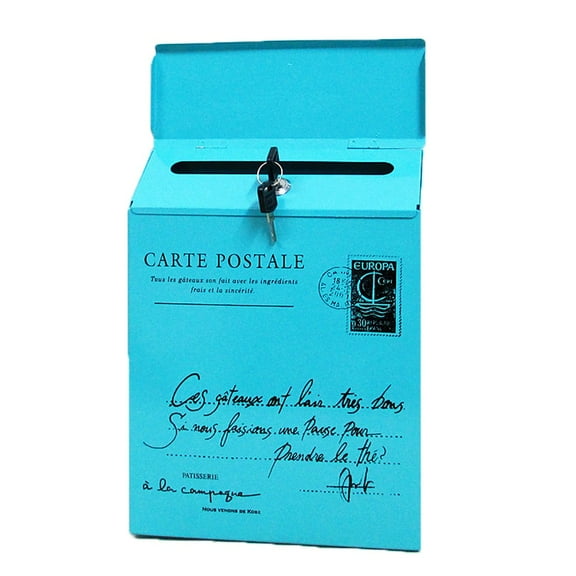


About Mailboxes & House Mailboxes - Walmart.com
You can compare mailboxes by mounting type, security, and capacity, so your home entry feels organized and your deliveries stay easy to manage. You’ll also find mailbox accessories that help your setup look finished and work with how you arrange your entry.
When you’re replacing an old box or planning a new install, you’ll want details that match USPS placement rules and your daily routine. You can narrow choices faster when you compare wall-mount, post-mount, and column-mount options side by side.
Choosing the right mailboxes for your home
You should start with where your carrier delivers and how you arrange your entry. Your mounting choice affects how your mailbox fits your porch, curb, or masonry column.
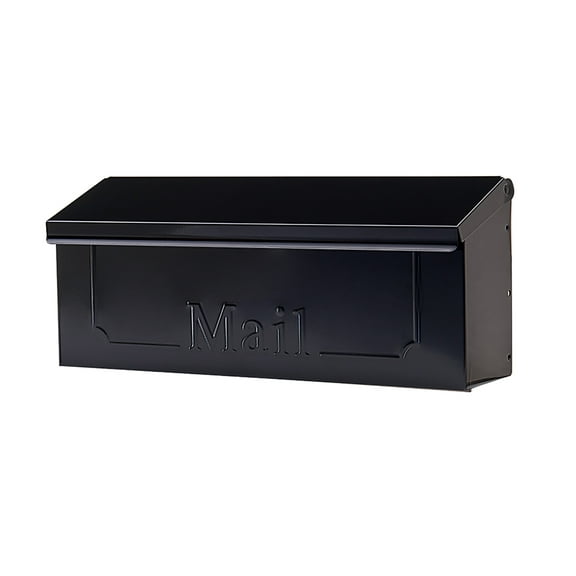
If your front door area is compact, you may prefer wall-mount styles, which shoppers often search for as mailboxes for doors. You’ll find these options useful when your mail arrives at the house instead of the curb.
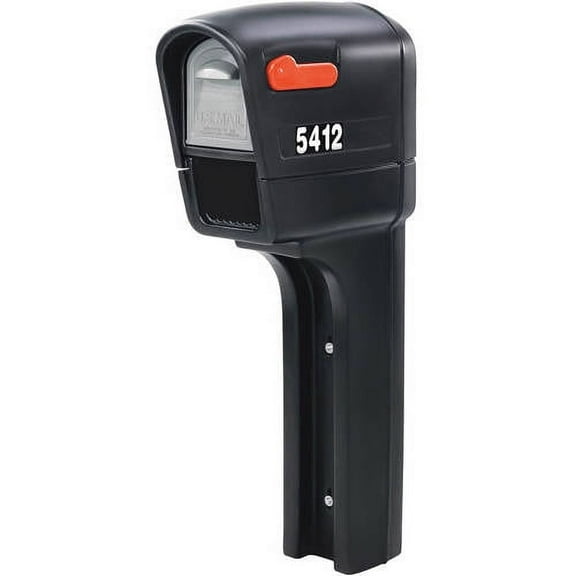
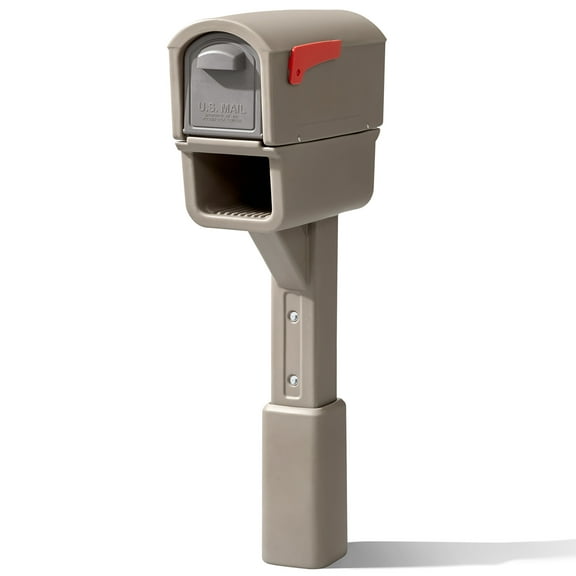
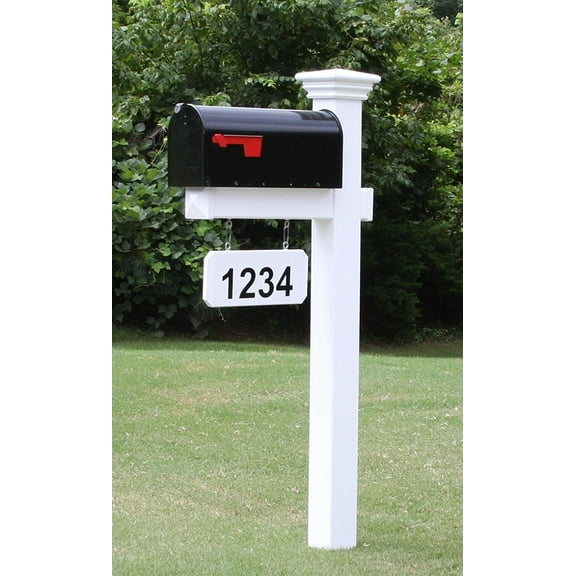
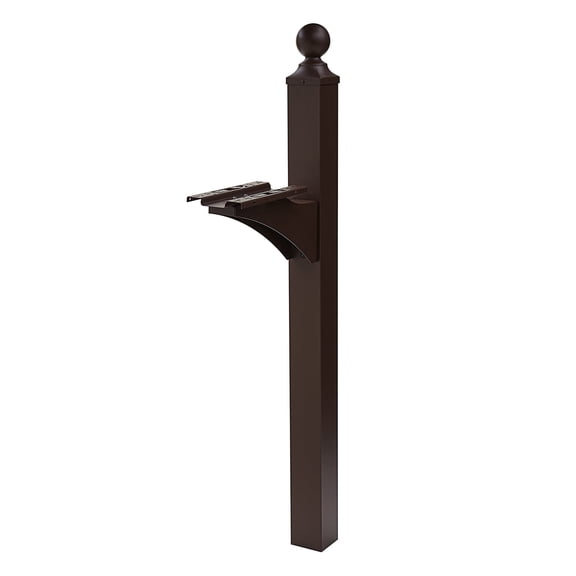
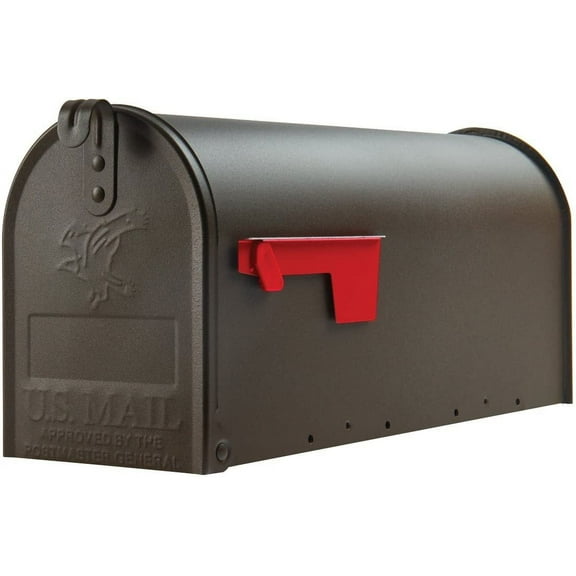
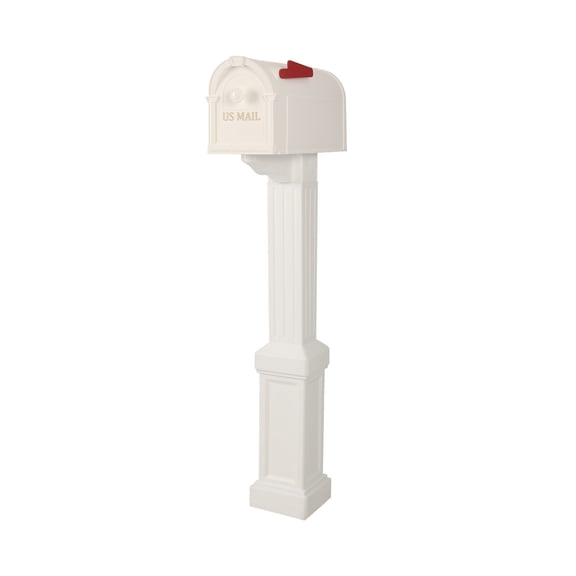
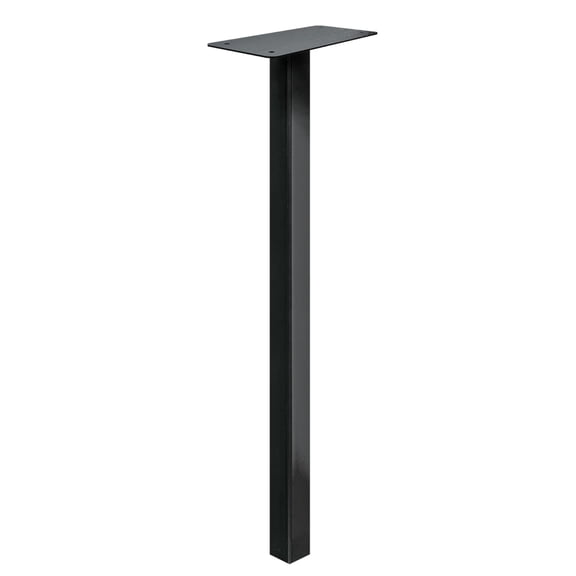
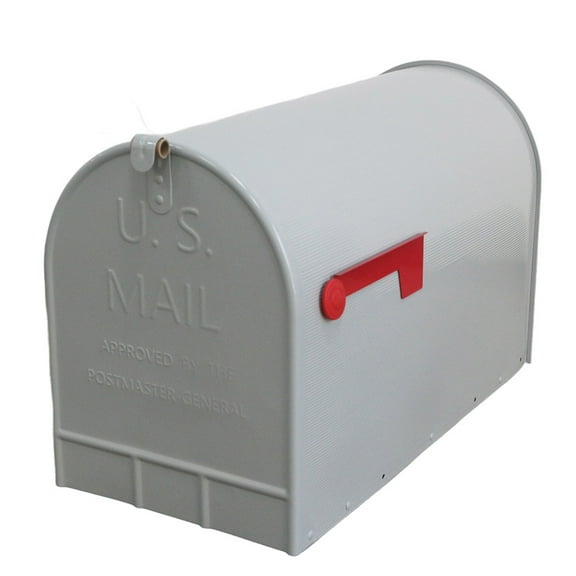
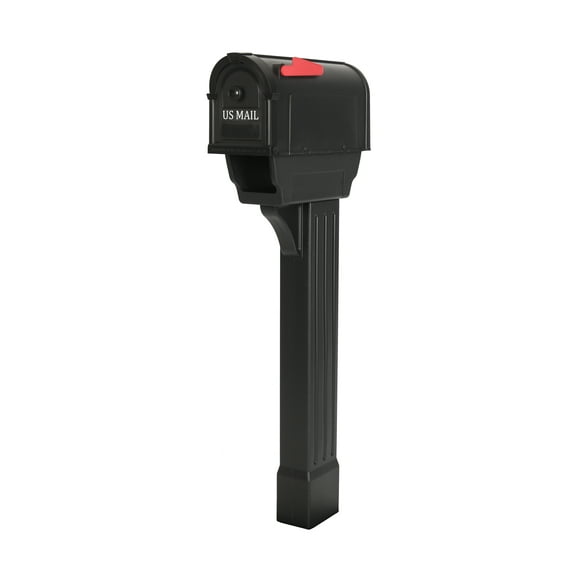
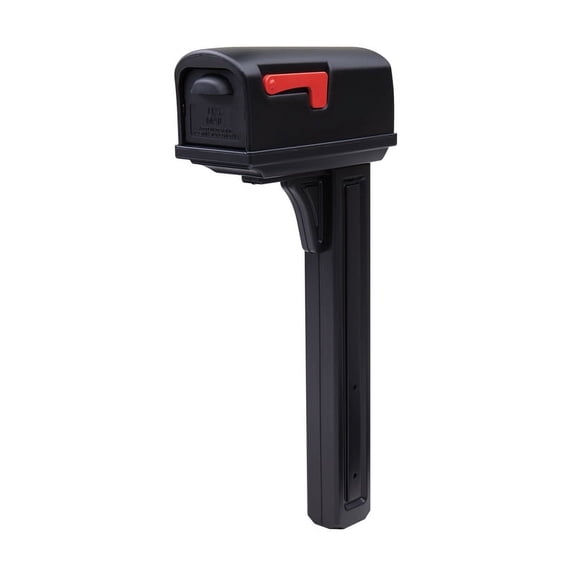
When your route uses curbside delivery, you should compare post-mount designs with your post style and mailbox size. You’ll also want to check USPS guidance for mounting height and curb setback.
If your home includes a brick or stone structure, you may prefer a column-mount design for a built-in look. You can pair that setup with matching house numbers for easier visibility.
- You can match your mailbox to door delivery, curb delivery, or masonry columns.
- You can choose capacity for letters, magazines, and small parcel drop-offs.
- You can add posts, brackets, stickers, and house numbers for a complete setup.
- You can compare locking and non-locking styles based on access and convenience.
Comparing house mailboxes by security and materials
You should think about how often your mail sits outside before pickup. Your schedule can help you decide between locking access and quicker open-front convenience.
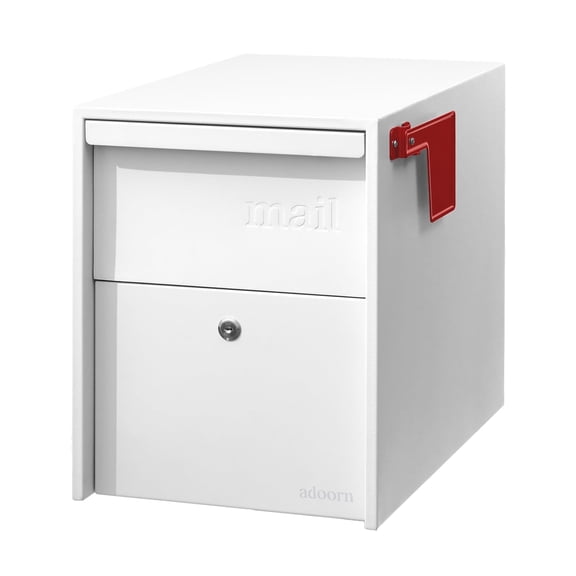
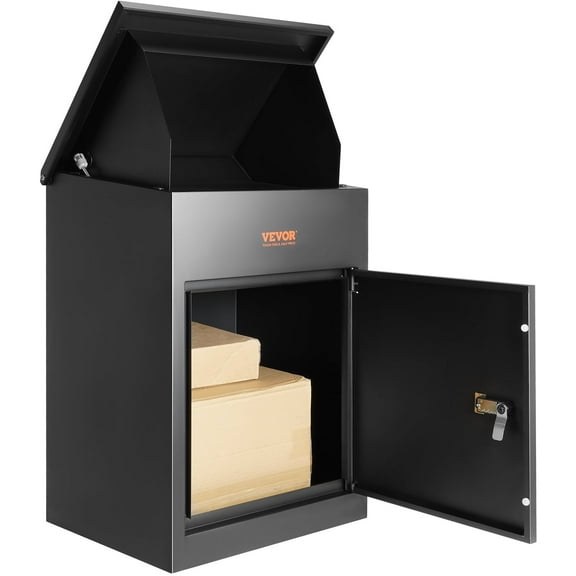
If you collect mail later in the day, you may want locking house mailboxes with a slot or retrieval door. You’ll get a more controlled setup for letters, documents, and small packages.
If you pick up mail frequently, you may prefer non-locking designs with simple daily access. You can open them quickly and keep your routine easy.
Material matters when your mailbox faces rain, sun, and changing temperatures all year. You should compare rust-resistant aluminum, powder-coated steel, and heavy-duty steel based on exposure.
If your area gets frequent moisture, you may want finishes that help your mailbox keep a clean appearance. You can also look for tight seams, raised doors, and solid flag hardware.
When you need more room, you should check interior size and parcel-friendly shapes. You’ll notice some mailbox boxes hold thicker envelopes, magazines, and small delivery items more comfortably.
How to choose style, novelty, and mailbox accessories
You can use style to connect your mailbox with your home’s exterior details. Your choice may lean traditional, modern, rustic, or novelty, depending on your siding, trim, and hardware.
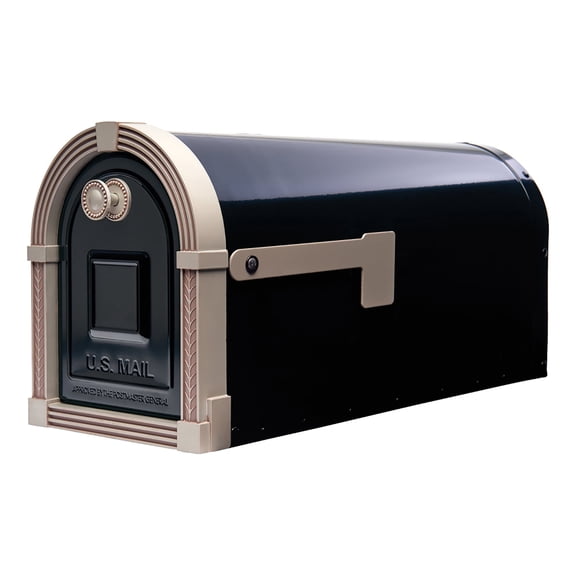
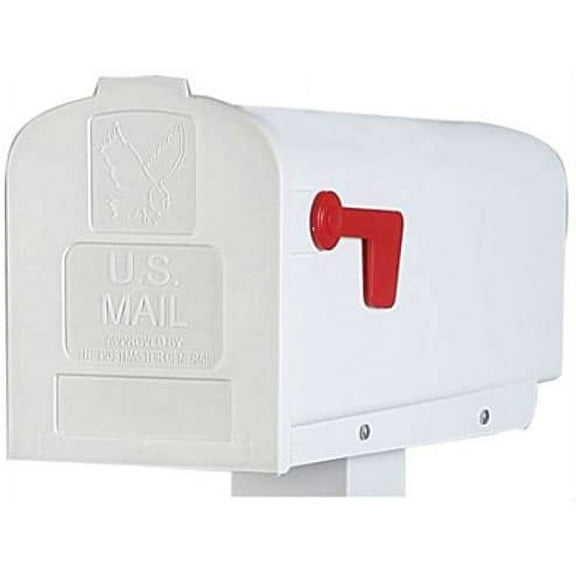
If your home has classic lines, you may prefer curved tops, simple embossing, and familiar flag shapes. You’ll get a look that blends with shutters, porch lights, and standard posts.
If your exterior feels clean and updated, you may prefer modern profiles with straighter edges and minimal detailing. You can create a sharper curbside look without changing other fixtures.
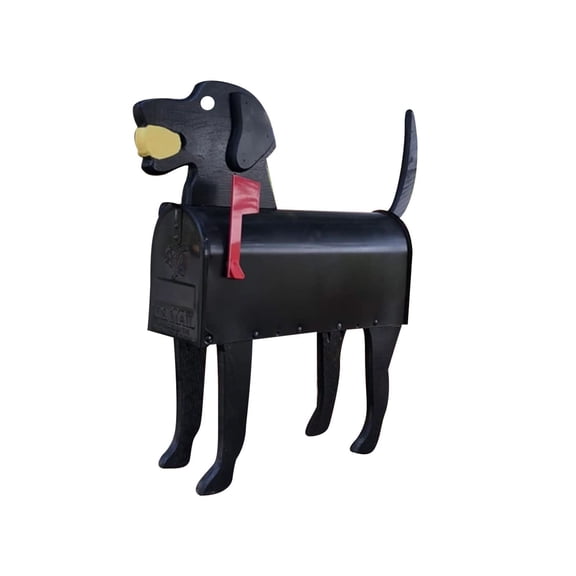
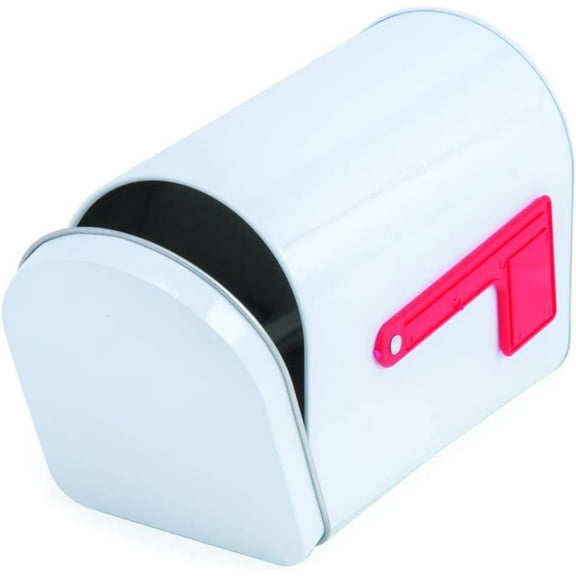
Novelty designs can add personality when you want your entry to feel distinctive. You may even compare themed options, including a chicken mailbox, for a playful accent.
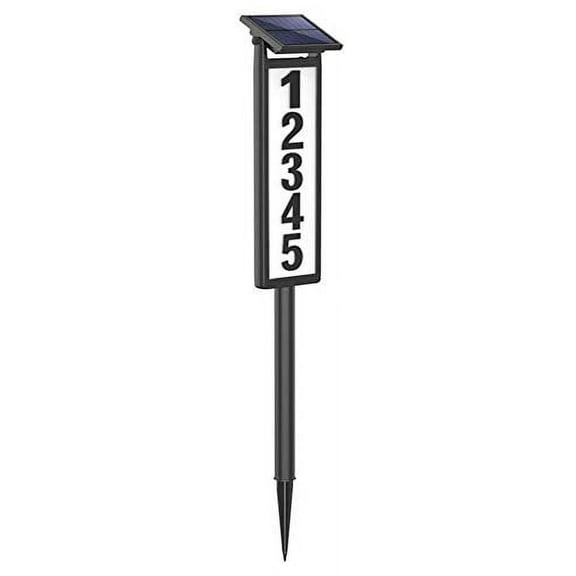
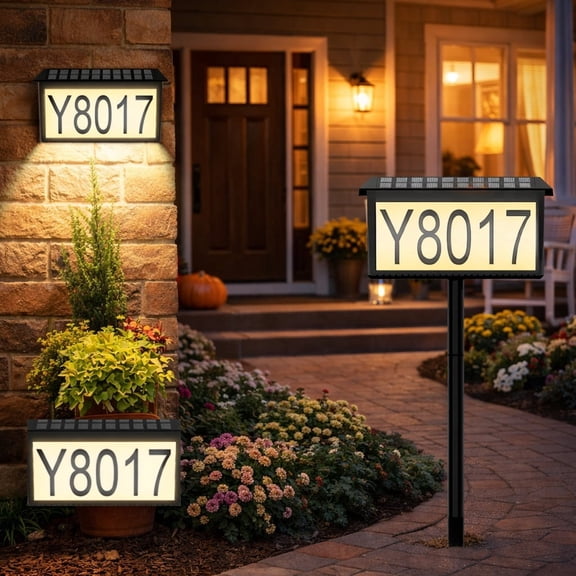
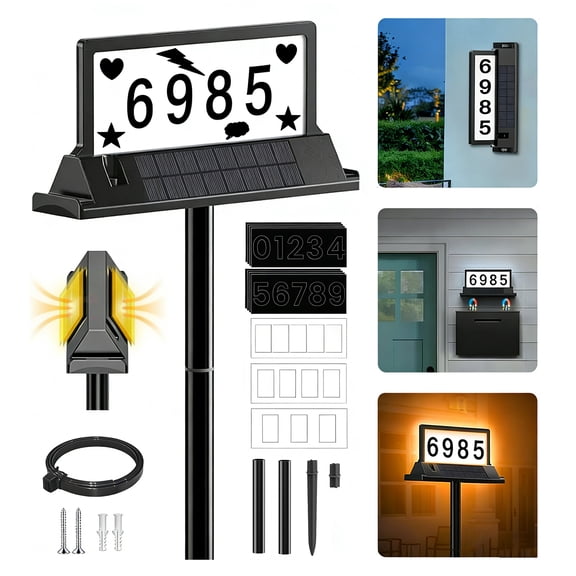
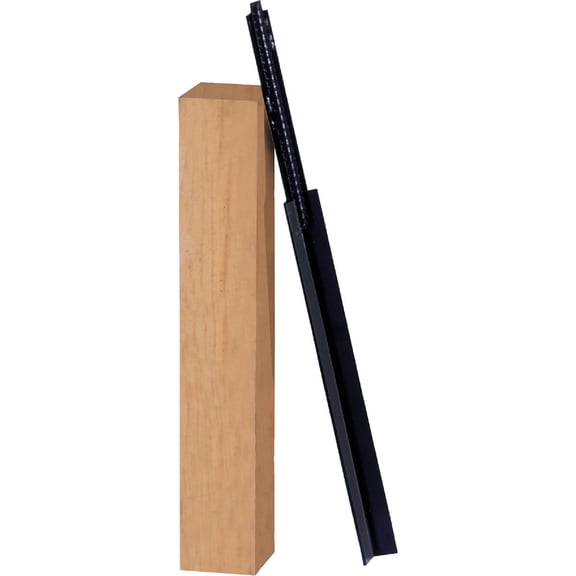
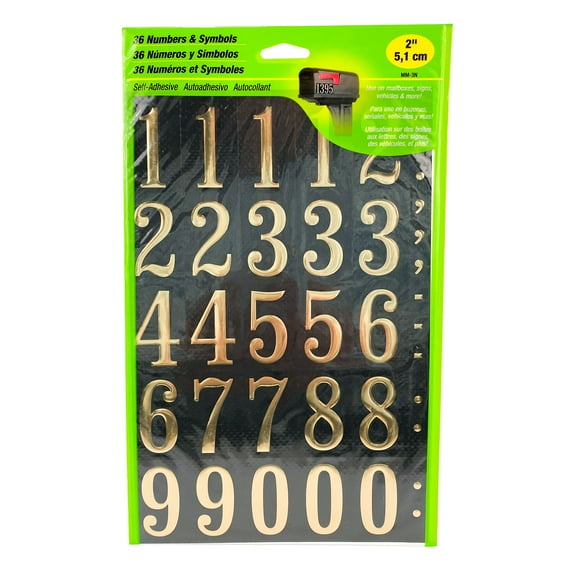
Your accessories also shape how polished the setup feels after installation. You can coordinate mailbox posts, mounting brackets, decorative stickers, and house numbers in one plan.
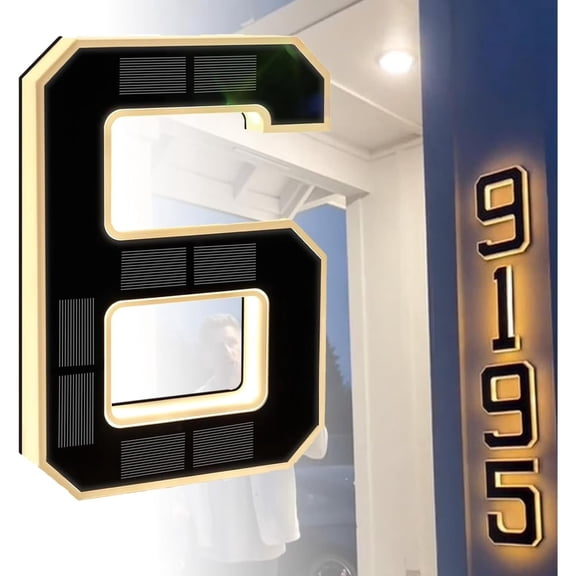
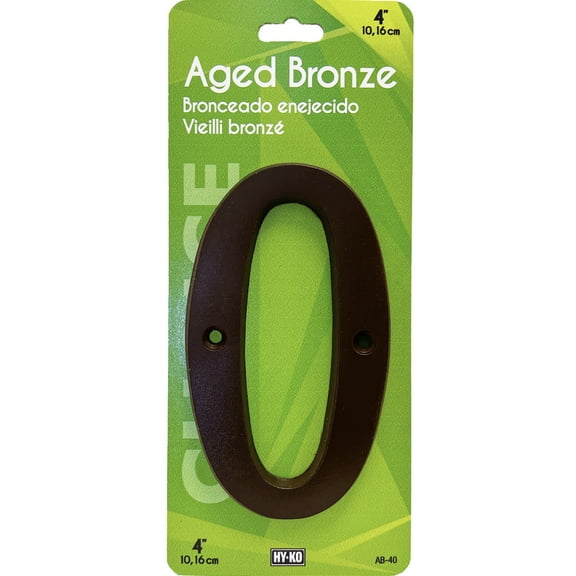
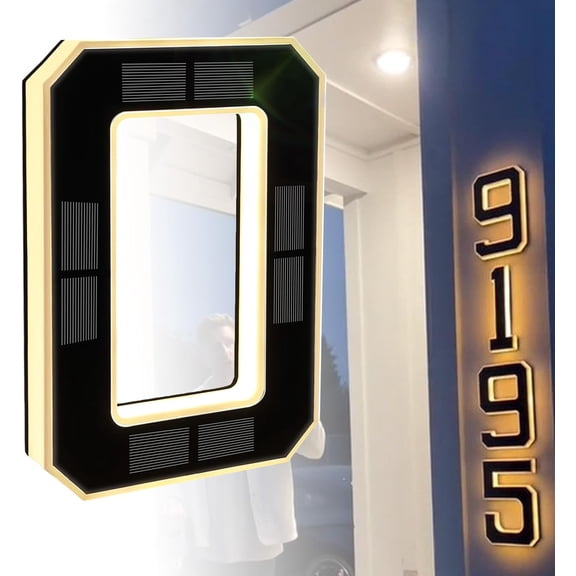
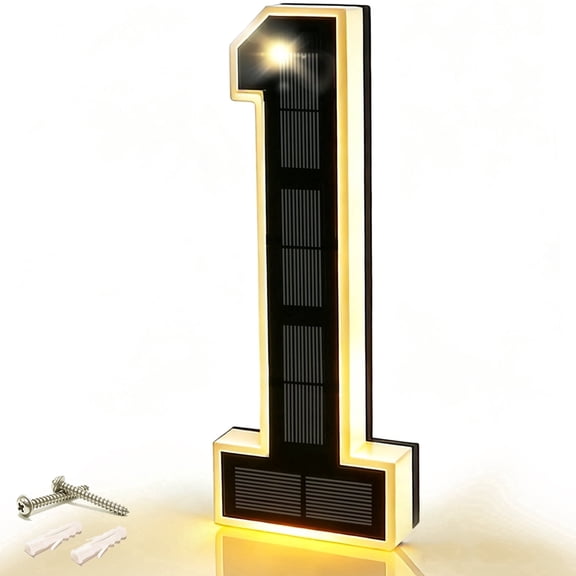
When visibility matters, you should check number size, finish, and contrast against your background. You’ll find dark numbers stand out differently on light brick, siding, or painted wood.
Using mail boxes with the right placement and daily needs
You should measure your space before choosing among mail boxes for your home. Your width, height, and clearance can affect door swing, post fit, and easy mail retrieval.
For wall placement, you should confirm that your mailbox sits where delivery stays convenient and your entry remains clear. You can avoid awkward placement near storm doors or tight trim.
For curb placement, you’ll want to review USPS guidance before installation begins. You should check the recommended mounting height and the setback from the curb.
If you receive only letters and thin envelopes, you may be comfortable with a standard-size box. You can keep the profile smaller while still handling everyday delivery.
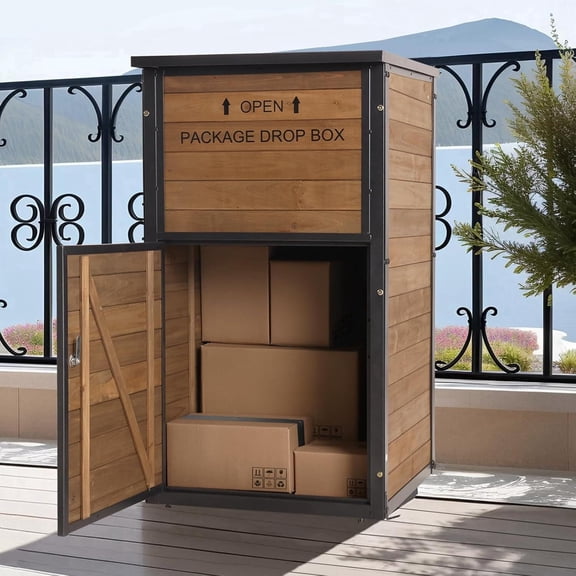
If you receive magazines or small parcels often, you should compare larger bodies and wider doors. You’ll get extra room that helps your deliveries fit more neatly.
When you’re replacing a worn unit, you can also compare a new-mailbox setup with fresh posts or brackets. Your updated hardware can improve fit, alignment, and overall appearance.
If you’re coordinating your exterior, you may also pair your mailbox area with house numbers or nearby lighting. You can create a clearer, more finished entry from the curb.
You’ll make a smarter choice when your mailbox matches your delivery type, material needs, and installation space. Your finished setup can look cohesive, handle daily mail smoothly, and fit your home with less guesswork.