












Furniture for Small Spaces
Small spaces
A more spacious bedroom
Small kitchen & dining
Designs to save room
Multifuctional furniture


New from Queer Eye
FAQ
About Furniture for Small Spaces - Walmart.com
Furniture for small spaces helps you make every square foot work harder. You can compare compact footprints, dual-purpose designs, and room-specific layouts that fit tighter homes.
If you're furnishing an apartment, condo, dorm, or nook, you need pieces that respect your walkways. You also need designs that support daily routines without making your room feel crowded.
How to choose furniture for small spaces
You should start with exact measurements before you compare styles. You can check room depth, doorway width, and swing clearance for doors, drawers, and nearby chairs.
When you measure, you should leave comfortable walkway width around each piece. You can also compare low furniture and open-leg designs that keep sight lines clearer.
You may notice shallow depth seating fits tighter walls with less visual weight. You can also use wall-mounted or lofted options when you need floor area underneath.
Choosing multifunctionality in small space furniture
You can get more use from one footprint when you choose multifunctional pieces. You should compare whether a sofa bed, storage ottoman, or extendable table covers two daily needs.
If you host overnight guests, you may want a sleeper that converts without shifting your whole layout. If you eat, work, and relax in one room, you may prefer an extendable table.
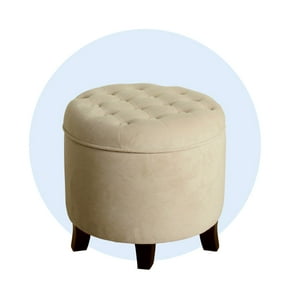
- You can use a storage ottoman to hide throws, remotes, or games.
- You can pull out nesting tables when you need extra surface space.
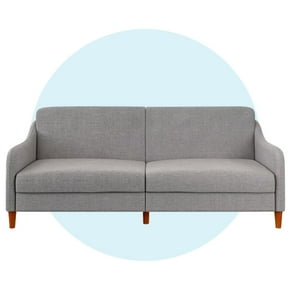
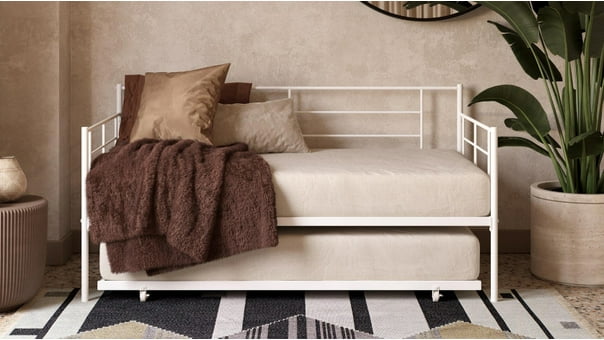
- You can choose a sofa bed when your living room also serves as a guest room.
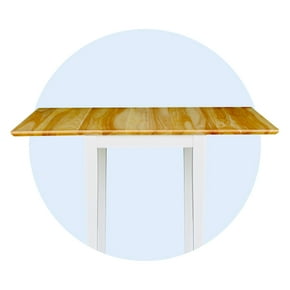
- You can pick an extendable table when your dining area also works as a desk.
You should also check weight limit ratings on convertible pieces before you decide. You can use that detail to compare sleeper sofas and lofted designs with more confidence.
Comparing profile, height, and low furniture
You can shape how spacious a room feels by choosing the right profile and height. You may find low furniture helps your ceiling line feel more open.
If your room already feels busy, you should compare slim arms, low backs, and narrow legs. You can keep a cleaner look while still adding seating or storage.
You may also consider lofted or wall-mounted pieces when floor space is limited. You can place baskets, shoes, or small bins underneath instead of losing that area.
What to look for in width, depth, and clearance
You should compare exact width and depth numbers, not just general labels like compact. You can avoid crowding your room by matching each piece to your available clearance.
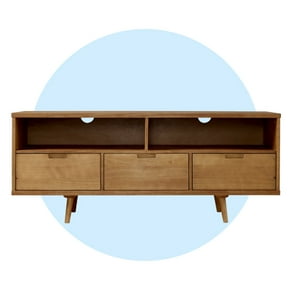
For slim furniture for living room layouts, you may want shallow depth sofas or narrow media stands. You can keep traffic moving while still fitting lamps, baskets, or side tables.
If you're choosing dining or desk furniture, you should measure chair pull-out space too. You can prevent tight corners by checking how far seats move during everyday use.
You should also think about drawer extension, cabinet swing, and bed access. You can avoid awkward placement when you check how furniture moves after assembly.
Matching room type to small-space furniture solutions
You can narrow your options faster when you shop by room type. You should match your layout needs to living room, bedroom, studio apartment, or home office use.
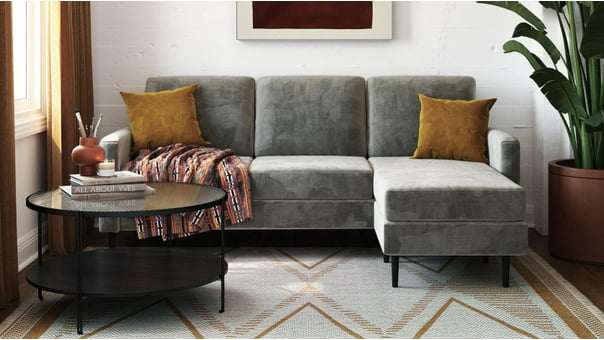
In a living room, you may want a compact sectional, nesting tables, or a shallow console. You can create seating, storage, and surface space without blocking the room.
For bedroom furniture for tight spaces, you should compare narrow nightstands, low dressers, and beds with storage. You can keep essentials nearby without overwhelming the footprint.
In a studio apartment, you may need one piece to support several activities. You can divide sleep, work, and lounge zones with low furniture and convertible tables.
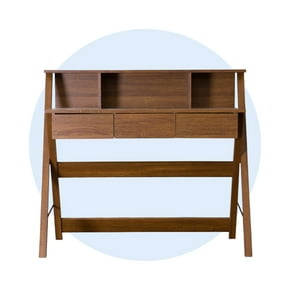
If your home office shares space with another room, you should look at folding desks or lightweight shelves. You can tuck them away or reposition them as your day changes.
Considering mobility, storage, and assembly
You may appreciate small furniture items that move easily during cleaning or room changes. You can compare caster wheels, folding frames, and lightweight builds for more flexibility.
If you rearrange often, you should check whether pieces nest, fold, or roll aside quickly. You can adapt your space for guests, work hours, or movie nights with less effort.
You should also compare assembly details before you commit to larger pieces. You can check tool requirements, step count, and hardware types to match your setup preferences.
When you're planning upper floors or tighter stairwells, you should review packaged dimensions too. You can avoid surprises by comparing the box size with your entry path.
With furniture for small spaces, you can create a layout that feels intentional instead of cramped. You can choose measured, multifunctional pieces that support daily life and keep your room usable.