









Batteries and Accessories
Find auto parts that fit
Let’s search for parts that fit your vehicle.*Required fields
Available in StoreCar BatteriesTruck BatteriesMotorcycle BatteriesDeep Cycle BatteriesEverstart BatteriesATV BatteriesGolf Cart BatteriesMarine BatteriesAGM BatteriesElectric Scooter BatteryLawn Mower BatteriesMobility Scooter BatteryPowersports BatteriesRV BatteriesTractor BatteriesUTV Batteries6 Volt Batteries12 Volt Batteries51R BatteriesBatteries by Vehicle Make
Batteries by Type
Batteries by Vehicle
Batteries by Brand
Accessories & Jump Starters
Household Batteries
Auto batteries
Batteries by vehicle
Battery basics
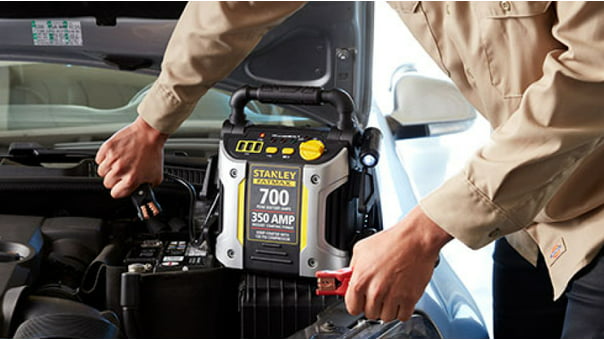
Top battery brands



Household Battery Brands




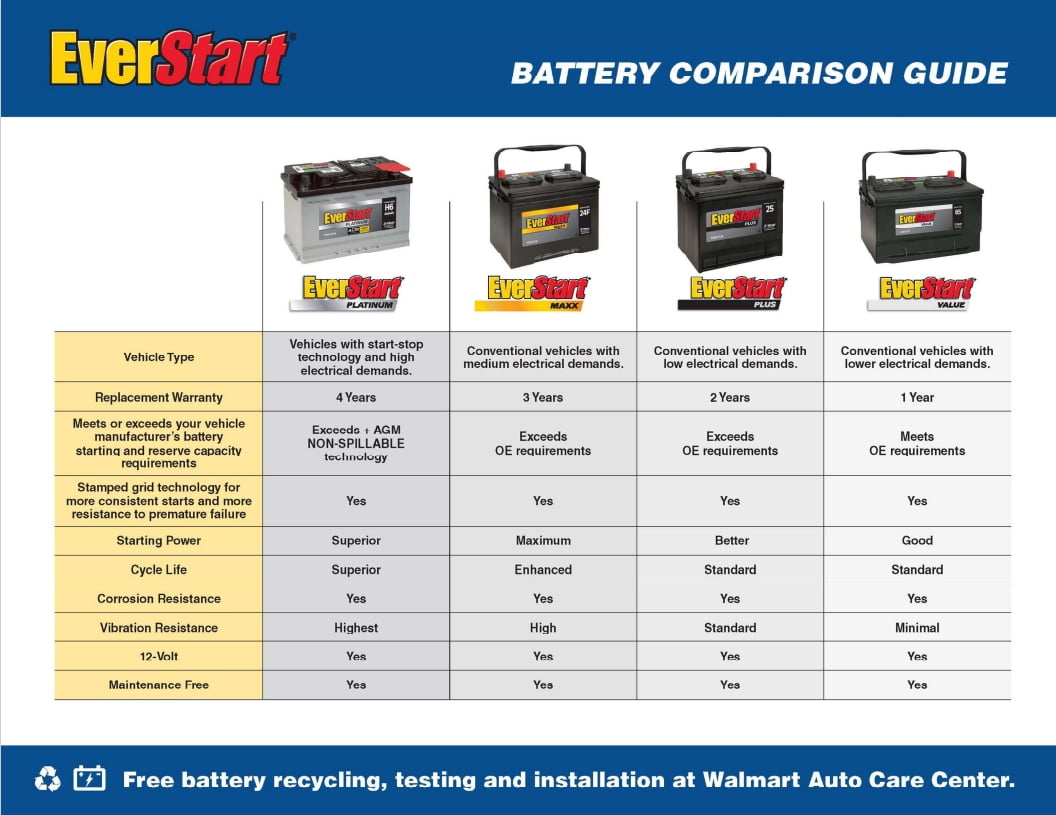
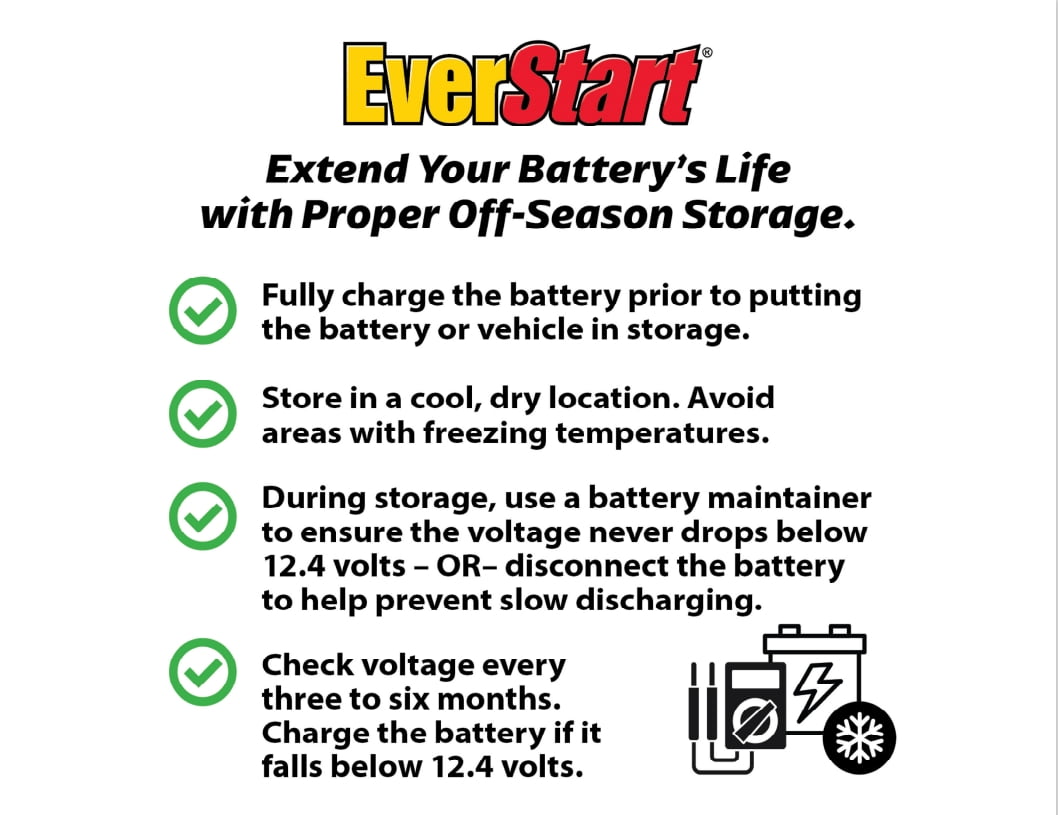

FAQ
About Batteries and Accessories - Everyday Low Prices | Walmart - Walmart.com
Batteries and accessories help you keep everyday devices powered, from remotes to vehicles. You can compare size, chemistry, rechargeability, and pack count to match each device.
When you choose this category, you get options built for household electronics, automotive needs, and specialty uses. You can also find chargers and replacement power choices in one place.
How to choose batteries and accessories
You should start with battery size and voltage, because fit and power output must match your device. You can check labels for AA batteries, AAA batteries, C, D, 9V, or CR2032 sizes.
Next, you should compare chemistry, because each type suits a different routine. You may prefer alkaline for common devices, lithium for longer storage, NiMH for reuse, or lead-acid for vehicles.
You can narrow your options faster when you know the device application first. You may need household batteries for toys and remotes, or car batteries for starting power.
Choosing household batteries by size and chemistry
You’ll usually need household batteries for remotes, clocks, flashlights, toys, and smoke detectors. You can match the printed size exactly, because battery compartments are built for specific standards.
For low-drain devices, you may choose alkaline cells that hold ready power for everyday use. For higher-drain devices, you may look at lithium options that maintain output longer.
You can use AA batteries and AAA batteries in many small electronics around your home. You may need 9V batteries for smoke detectors, and button cell batteries for watches or key fobs.
- You can keep common sizes on hand for remotes, toys, and wireless accessories.
- You can choose larger pack sizes when your home uses the same battery size often.
- You can check expiration details when you want longer storage between uses.
- You can match specialty sizes like CR2032 to small electronics and backup functions.
Comparing rechargeable batteries and battery chargers
You may prefer rechargeable batteries when you use the same devices often. You can recharge NiMH cells for game controllers, cameras, and other higher-drain electronics.
Battery chargers matter because charging speed, slot count, and size compatibility affect your routine. You can compare chargers for AA, AAA, or mixed-size charging, depending on your setup.
You’ll often find single-use batteries convenient for emergency kits and low-use devices. You may find rechargeable batteries practical for weekly use, because repeated charging supports ongoing power needs.
When you compare rechargeable batteries, you should check capacity, charge retention, and charger compatibility. You can keep spare charged sets ready for cameras, toys, or handheld gear.
Choosing car batteries and specialty power
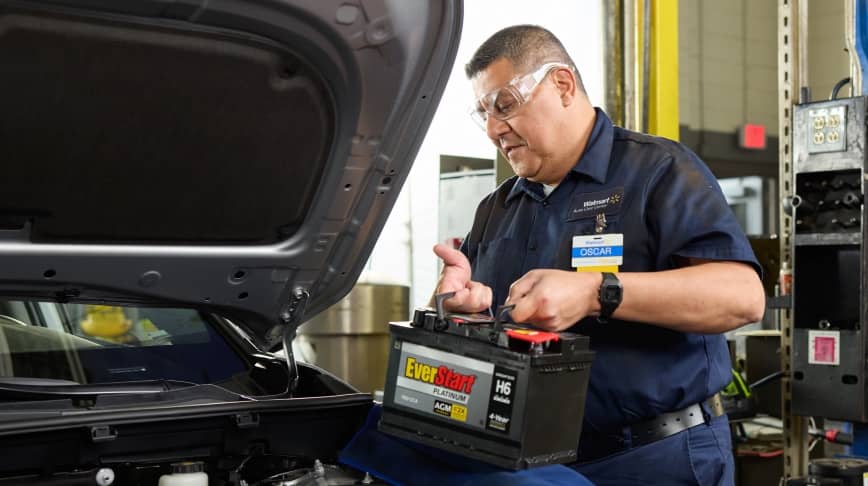
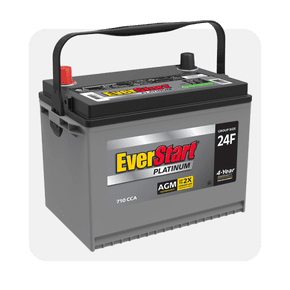
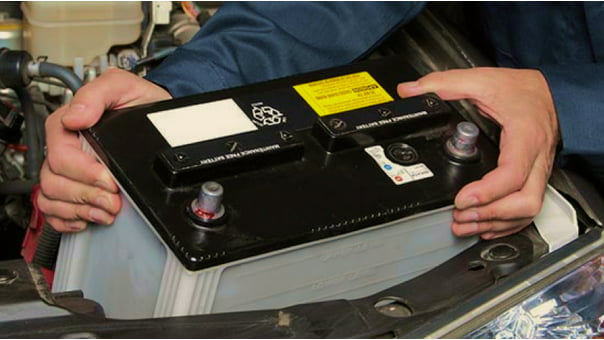
You should check fit, terminal layout, and power requirements before choosing car batteries. You can also compare lead-acid options by the vehicle type listed in the fit guide.
For automotive and marine use, you may need a battery built for starting demands and equipment needs. You can review application details to match the battery to your vehicle.
You may also shop this category for hearing aid cells, button formats, and other specialty power needs. You can match exact size codes, because small battery compartments allow little variation.
Using pack size, shelf life, and storage details
You can choose a 4-pack for occasional replacements or an 8-pack for regular household use. You may prefer 24-pack or bulk counts when several devices use the same size.
Shelf life matters when you store backup power for storms, travel, or seasonal items. You should look for packaging details about storage life and power retention before stocking extras.
You can also think about leak protection and storage conditions when planning your backup supply. You should store batteries in a cool, dry place and keep matching sizes organized.
Matching batteries to real-life use
You may want disposable cells for a remote, wall clock, or emergency flashlight that sits unused. You can keep those devices ready without charging on a regular schedule.
For a digital camera, gaming accessory, or frequently used toy, you may prefer rechargeable batteries. You can rotate charged sets and reduce interruptions during repeat use.
If your smoke detector needs a 9V battery, you should replace it with the exact listed size. If your key fob uses a CR2032 cell, you should match that code exactly.
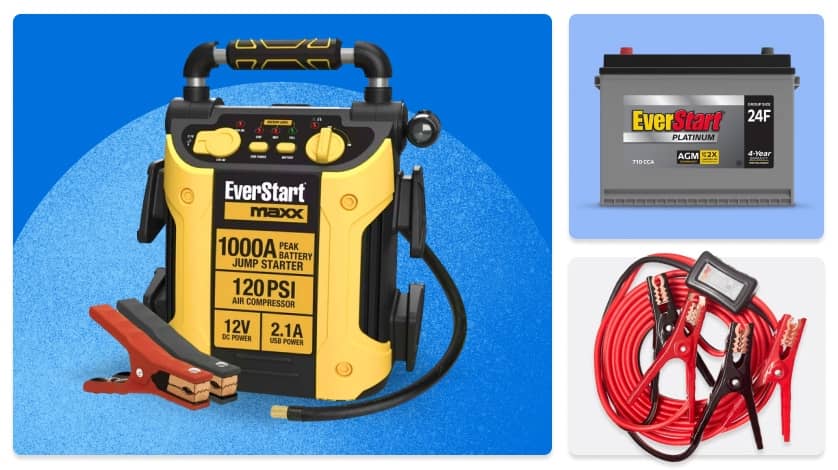
For vehicle maintenance, you can use fit information to narrow car batteries by make and model. You can also compare accessories that support charging, installation, and ongoing power management.
Battery recycling and disposal basics
You should check local collection guidance when you’re replacing used batteries at home. You can separate household cells, rechargeable batteries, and automotive batteries by type before drop-off.
You can also keep old and new batteries apart to stay organized during replacement projects. That simple step helps you track the right size, chemistry, and quantity for your next swap.
With batteries and accessories, you can power everyday electronics, prepare for backup needs, and match exact fit requirements. You’ll get a clearer choice when you compare size, chemistry, application, and pack count first.
Related Links
- Shop all Car Batteries
- Acura Batteries
- Audi Batteries
- BMW Batteries
- Buick Batteries
- Cadillac Batteries
- Chevrolet Batteries
- Chrysler Batteries
- Dodge Batteries
- Ford Batteries
- GMC Batteries
- Honda Batteries
- Hyundai Batteries
- Infiniti Batteries
- Jeep Batteries
- Kia Batteries
- Lexus Batteries
- Mazda Batteries
- Mitsubishi Batteries
- Nissan Batteries
- Pontiac Batteries
- Ram Batteries
- Subaru Batteries
- Toyota Batteries
- Volkswagen Batteries