

Sewing



Shop by machine type





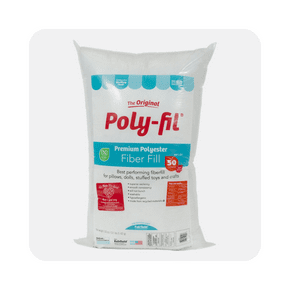


Shop more categories

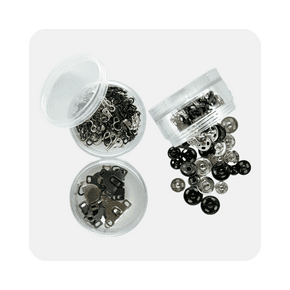
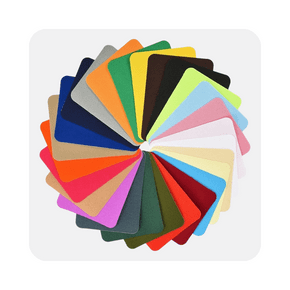
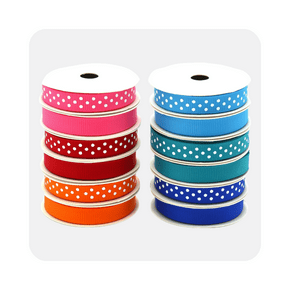

Top brands






FAQ
About Sewing - Walmart.com
Your Guide to Sewing Supplies
Gain confidence in sewing, whether you're new or skilled at your craft, by having what you need to successfully complete your projects. Start with something simple like a tote bag, or complete a challenging sewing project by bringing home all the tools and instructions that'll get you to the finish line. Help your sewing project turn out smoothly by following these tips and finding your notions at Walmart, where you can find everyday low prices on everything stitchery.
Sewing machines
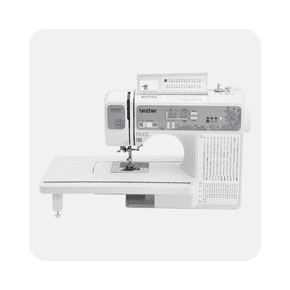
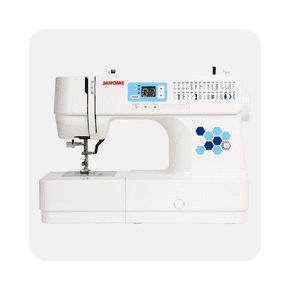
- Portable: Portable machines are ideal if you're going to take a beginner or refresher sewing class. They're also convenient and lightweight to move around your home. Many portable models are computerized with dozens of integrated stitch settings.
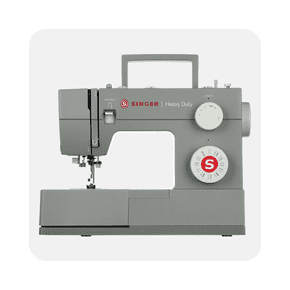
- Computerized: Though most modern sewing machines are computerized in some ways, there are many that are still mechanical that are simple to operate by hand without computerization. There are also hybrid versions that are mechanical and computerized. Fully computerized machines are programmed to sew perfect stitches and buttonholes, and some have powerful motors that also take on heavy-duty projects and specialty fabrics.
- Handheld machines: Portable cordless, corded, or battery-operated handheld sewing machines are ideal for basic repairs and projects. They're especially useful for travelers.
- Sergers: If you're a serious sewer, you likely want a serger machine. Serging prevents fraying by finishing the edges and trimming excess seam allowances, but all in one neat step. If you plan to work with knits, lots of rolling hems or adding elastic, consider a serger along with your regular sewing machine to save time and effort.
- Embroidery machines: To do monogramming and embroidery by machine, this specialty model holds and moves a hoop under the needle to create the designs programmed into the machine.
- Quilting machines: Serious quilters have quilting machines rather than hand quilting or using a basic sewing machine with some features and a longer arm. Professional quilters like to use long arm quilting machines that have large tables with fabric rollers and make quilting speedy and perfectly constructed.
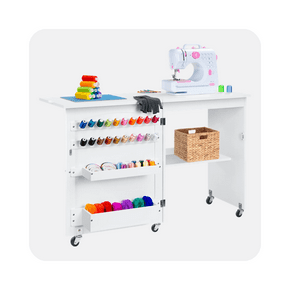
Sewing tables and storage
- Expandable tables: You'll appreciate expandable tables for the extra space to cut, iron, baste, and pin.
- Folding tables: A folding sewing table is designed for stability even though it's portable.
- Adjustable height tables: A pneumatic lift brings your sewing machine up from the cabinet to the tabletop by the touch of a button.
- Carts and armoires: Organize your sewing space with a cart or armoire with shelving to store fabric, patterns, and other compartments for your sewing accessories such as thread, pins, and cutting tools.
Sewing notions and accessories
- Thread: Basic threads including polyester and cotton-wrapped polyester are strong with a tiny bit of give and suitable for most projects. All cotton thread is strong without any give, but has a silky finish. Choose thread to match the fabric color, or select a color one or two shades darker so it blends in (lighter shades tend to stand out).
- Needles: Use new, sharp needles. The wrong or dull ones will bend and damage not only fabric, but also your machine. Make sure you're using the right needle for the right fabric.
- Tape: Tape, facing, and binding trim and finish off the raw edges of fabric. You'll see tapes of different widths used on the edges of home decor projects like quilts, blankets, and placemats. Bias tape is a bit stretchy which works well when finishing off curves such as necklines.
- Cutting tools: The right cutting tool for the job will make your project go smoother and it'll look crisp and clean. Have the following tools in your sewing box: Stick rotary cutters make small, controlled cuts; dressmaker sewing shears slice through fabric; and nano-tip scissors are best to precisely dig into detail work. For best results, invest in a couple of self-healing cutting mats.
- Dress forms: An adjustable dress form makes apparel projects go smoothly. Or, customize a dress form by padding it a bit in certain areas to mimic your own form. Either way, having a dress form eliminates the time and hassle it takes to try sizing or hemming a pinned garment while it's on your body.
Fabric
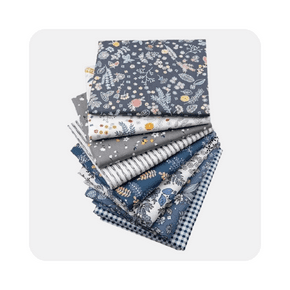
- Fashion and apparel fabric: Basic apparel fabrics include broadcloth, cotton canvas, cotton lawn, fleece, flannel, gabardine, gingham, linen, muslin, oxford cloth, and twill to name a few.
- Special occasion fabric: Create a gown or formal dress with lace, chiffon, silk, faux silk, bridal satin (and all other satins), organza, metallic, mesh gold, taffeta, or velvet.
- Upholstery and drapery fabric: Upholstery fabric is wider, heavier, thicker, and stiffer than drapery fabric. Upholstery fabrics such as velvet and chenille may have a backing. Look for double rubs for abrasion resistance when considering upholstery fabric. Medium- to heavy-use upholstery fabric should have between 12,000 to 15,000 and more double rubs. (Commercial fabrics are rated for over 100,000 double rubs). Drapery fabric is medium weight, not quite as heavy as upholstery fabric, but heavier than apparel or quilting cloth. Sheer drapery fabric, however, is lightweight and made from cotton, linen, rayon, or a blend.
- Craft fabric: For novelty crafts, consider glitter felt, burlap, faux-fur, craft velour, canvas, fluorescent vinyl, and intricate quilting fabrics for projects. Finish your craft projects with burlap, grosgrain, lace, wired, or satin ribbon.
- Outdoor fabric: Create your own outdoor accent pillow covers, slipcovers, or tarps with outdoor and industrial fabrics. Look for canvas duck fabric, nylon fabric, backed vinyl fabrics for outdoor tablecloths and automotive fabric to restore seating, trunk, and flooring.