










Interior Parts & Accessories
Auto Weatherstrip & SealsCar & Truck SwitchesCar Consoles & PartsCar Dashboards & PartsDoor Handles & PanelsCar OrganizersParts by Vehicle ModelCar Pedals & Pedal CoversCar Seat CoversCar Sun ShadesCar Sun VisorsCar Window Parts & Accs.Dashboard CoversFloor Mats & LinersGauges & ClustersGlove BoxesInterior Car LightingInterior Heating; CoolingTrim Panels & Trim KitsLift SupportsOther Interior Car Accs.Parking Brake LeversPerformance AccessoriesRear View MirrorsSeats & Seat Parts
Shop by category
Interior must-haves

Car & Truck HeadlinersCar Carpets & Carpet KitsShifters & Shift KnobsSteering Wheel CoversSteering Wheels & ColumnsWindow TintCeramic TintPhone Car MountsRacing SeatsCar Seat CushionsCar Trash CansSeat BeltsTrunk OrganizersLeather Seat CoversGas PedalsRubber Floor MatsCar Interior LightsAll-Weather Floor MatsCustom Floor MatsJeep Seat CoversTruck Floor MatsBrake PedalsCar ConsolesRacing Steering Wheels
All about windows


FAQ
About Interior Parts & Accessories - Walmart.com
When you shop interior auto peças, you want car interior parts that fit your vehicle and match your daily driving needs. You can compare floor mats, seat covers, steering wheel covers, and dash kits that help refresh worn cabin areas.
If you commute, haul kids, or want a cleaner look, you need interior parts of a car that suit your routine. You can use this guide to compare fitment, materials, component types, and installation styles with confidence.
How to choose interior auto peças by vehicle fitment
You should start with vehicle fitment, because year, make, model, and trim level affect how car interior parts sit and function. You can narrow options faster when you check measurements, anchor points, and coverage areas first.
With universal fit options, you get flexible coverage for many vehicles and quicker replacement choices. With custom fit or make and model specific options, you get a more tailored look around seats, footwells, and dashboards.
You may want custom fit floor mats when you need edge-to-edge coverage around pedals and floor contours. You may prefer make and model specific dash kits when you want panels aligned with vents, buttons, and trim shapes.
What car interior parts can do for your cabin
You can use the right car interior parts to keep your cabin easier to clean and more comfortable to use. You’ll also notice a more finished look when colors, textures, and shapes work with your existing interior.
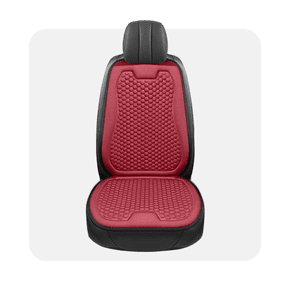
- You can cover high-contact surfaces like seats and steering wheels for a refreshed appearance.
- You can protect footwells with floor mats that match your vehicle layout and daily use.
- You can update dash areas with trim pieces that coordinate with your cabin style.
- You can choose installation types that match your comfort level with do-it-yourself projects.
You may also appreciate how interior car parts help you organize your upgrade plan by zone. You can replace one area first, then match other cabin pieces over time for a more consistent finish.
Comparing interior car parts by material
You should compare material choices closely, because texture, cleanup, and wear patterns change how your interior feels every day. You can pick leather, faux leather, polyester, rubber, or carbon fiber looks based on use and appearance.
If you want a classic look, you may choose leather or faux leather for seats and steering wheel covers. If you want easier wipe-down care, you may lean toward rubber mats or polyester seat protection.
You’ll often see carbon fiber style trim when you want a sport-inspired dashboard accent. You should check surface finish and color tone, so your new pieces blend with black, gray, tan, or two-tone interiors.
You can also compare stitching, grain, and backing materials when you want a closer match to factory textures. You’ll make a smarter choice when your material fits both your cabin style and driving habits.
Choosing parts of a car interior by component type
You can break your search into component types to simplify decisions and avoid mismatched upgrades. You’ll usually focus on floor mats, seat covers, steering wheel covers, and dash kits as common car parts inside.
For footwells, you should check mat shape, raised edges, and front or rear coverage before choosing. For seats, you should confirm headrest style, bench or bucket layout, and split-seat compatibility.
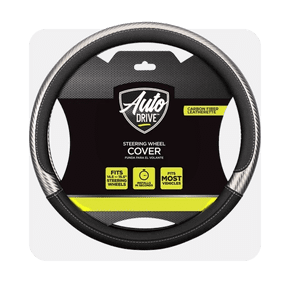
At the wheel, you can compare grip texture, diameter fit, and seam placement for a cleaner hold. On the dash, you can look for trim coverage that matches panel shape and leaves controls accessible.
You may also pair categories together when you want a coordinated car interior update. You can match black rubber mats with black faux leather covers, or use brushed trim with darker steering wheel accents.
How to compare car parts inside by installation type
You should think about installation early, because some interior parts of a car go on in minutes while others need more prep. You can often choose slip-on, adhesive backing, bolt-on, or snap-fit styles based on your project.
If you want a quick update, you may prefer slip-on seat covers or steering wheel covers with simple placement. If you want trim accents, you should check adhesive backing surfaces and confirm the fit before applying.
When you compare bolt-on or snap-fit options, you should review the mounting method and included hardware details. You’ll avoid guesswork when you confirm whether your project needs tools or a more involved installation step.
Using car interior parts for everyday driving needs
You can choose floor mats for muddy shoes, seat covers for busy family vehicles, and steering wheel covers for daily commuting comfort. You can also use dash kits when you want a more polished cabin look without changing major components.
If your vehicle sees frequent errands, you may prioritize rubber mats and polyester covers for easier cleanup. If your car is more style focused, you may choose faux leather seating accents and carbon fiber style trim.
For trucks, SUVs, and sedans, you should always compare cabin layout details before ordering interior auto peças. You’ll get a more useful result when your fitment, material, and installation choices align with your actual vehicle.
You can feel more confident choosing car interior parts when you compare fitment, materials, component types, and installation together. You’ll create a cleaner, more coordinated cabin that looks right and fits your vehicle well.
Related Links
- Back Glass Lift Supports
- Back Hatch and Liftgate Lift Supports
- Body Panel Lift Supports
- Cargo Cover and Partition Lift Supports
- Cargo Van Access Panel Lift Supports
- Convertible Top Lift Supports
- Door Lift Supports
- Dump Bed Lift Supports
- Hood Lift Supports
- Interior Storage Compartment Lift Supports
- Multi-Use Lift Supports
- Power Liftgate Actuators
- Roof Glass Lift Supports
- Running Board and Step Lift Supports
- Spare Tire Compartment Lift Supports
- Tailgate Assists
- Tailgate Lift Supports
- Truck Bed Storage Box Lift Supports
- Trunk and Deck Lid Lift Supports
- Window Lift Supports