










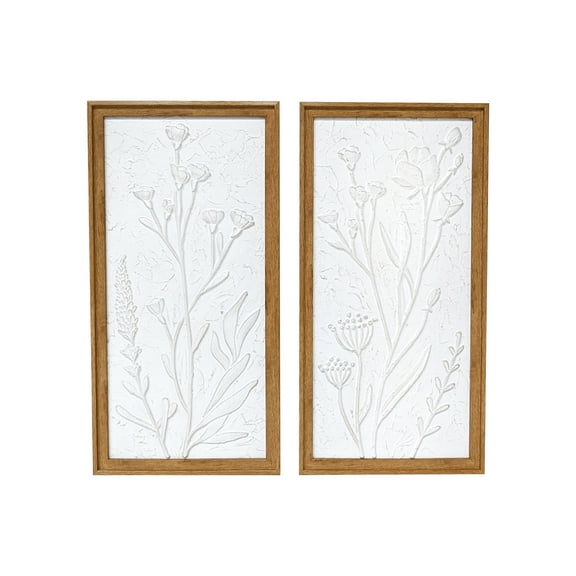

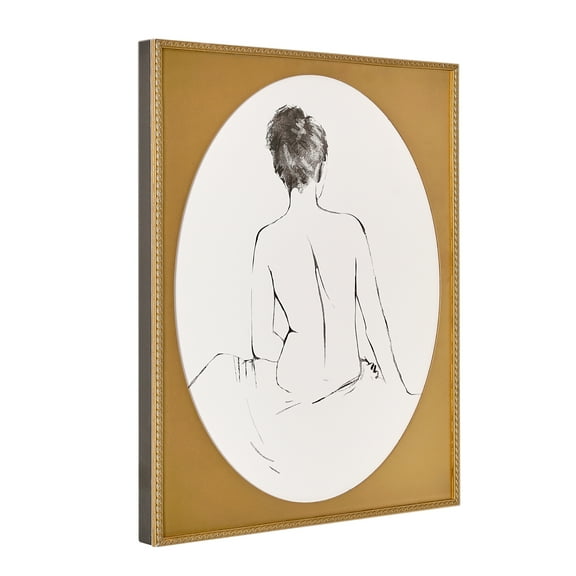
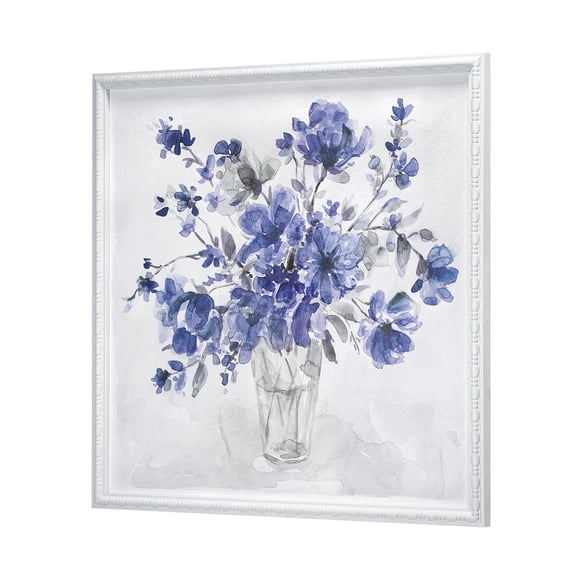
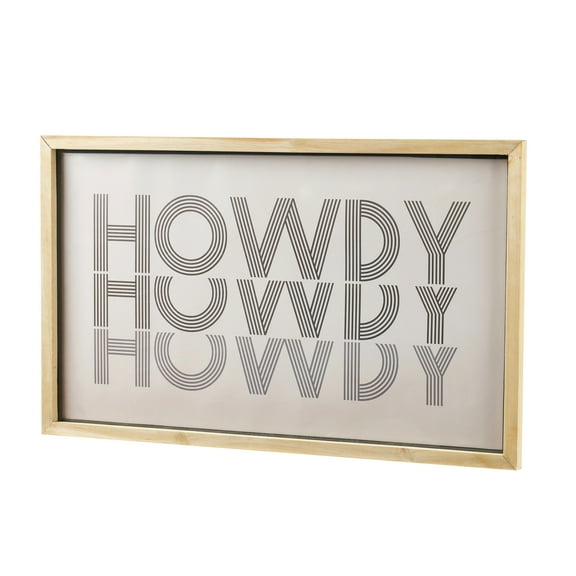





Wall Art
Shop wall decor by category
Frames under $10
Shop frames by category

Brighten up any room


Shop more brands



FAQ
About Wall Art - Walmart.com
Wall art helps you turn blank walls into finished rooms with color, texture, and personality. You can compare sizes, materials, and styles in one place, so your space feels pulled together.
How to choose wall art for your space
When you shop for wall art, you should start with your wall size and your room layout. You can measure your open wall space first, so your art feels balanced instead of cramped.
For a sofa, bed, or console, you may want art that covers about two-thirds of the furniture width. If you’re styling a narrow nook, you may prefer small or medium pieces.
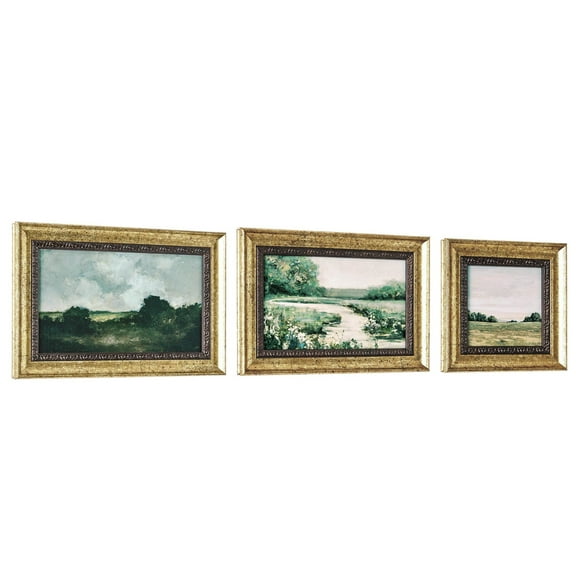
Large and oversized pieces can anchor a living room or office with one focal point. A set of three can help you fill a wider wall with a flexible arrangement.
- You can use small wall decor in bathrooms, kitchens, or entryways where wall space is limited.
- You can place medium pieces above sideboards, desks, or nightstands for a clean, finished look.
- You can choose large or oversized designs when you want one statement piece above a bed or sofa.
- You can pick a set of three when you want symmetry across a long wall or hallway.
Choosing wall art materials and frame details
You may notice that art medium changes both the look and the feel of your room. You can compare canvas, framed prints, wood art, metal art, and tapestries based on texture and structure.
Canvas gives you a soft, gallery-inspired surface that works well with modern, abstract, and minimalist rooms. Framed prints give you a polished edge, which suits bedrooms, offices, and formal living spaces.
Wood art adds warmth and visible grain, so you can support rustic, vintage, or farmhouse-inspired decor. Metal art gives you sharper lines and dimension, which can fit industrial or modern spaces.
Tapestries can soften a room with fabric texture and a relaxed drape. You may like them in bedrooms, dorm setups, or boho spaces where you want movement on the wall.
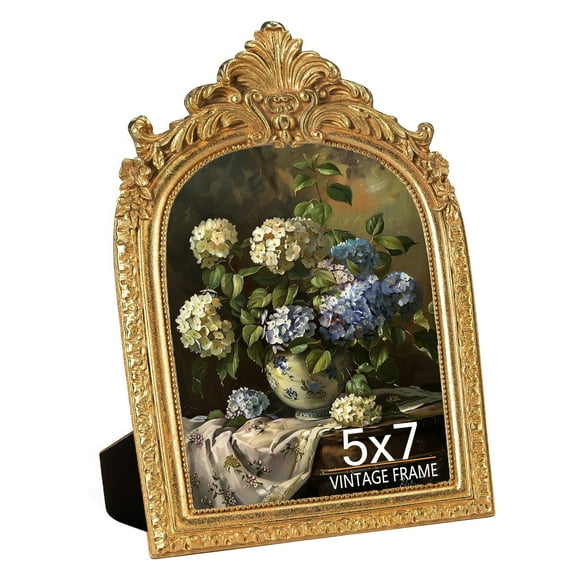
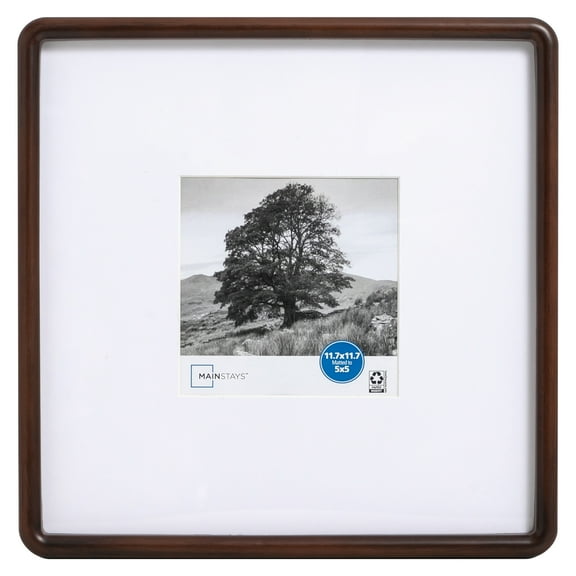
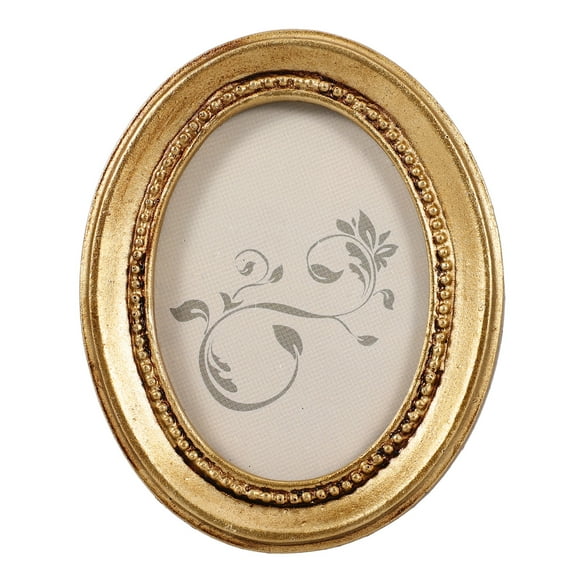
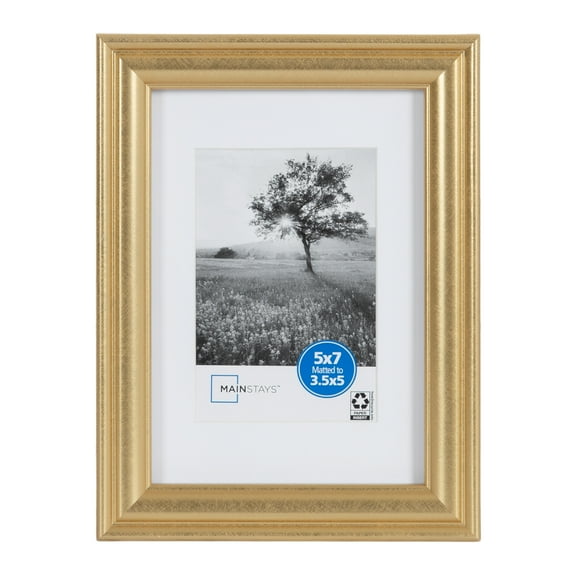
When you compare framed wall decor, you should also check the frame material and front cover. Solid wood frames often feel weightier, while MDF frames can give you a smooth painted finish.
You may also compare glass and acrylic fronts before you choose framed art. Glass gives you a classic clear surface, while acrylic can feel lighter when you’re hanging larger pieces.
Matching wall decor to your style and subject
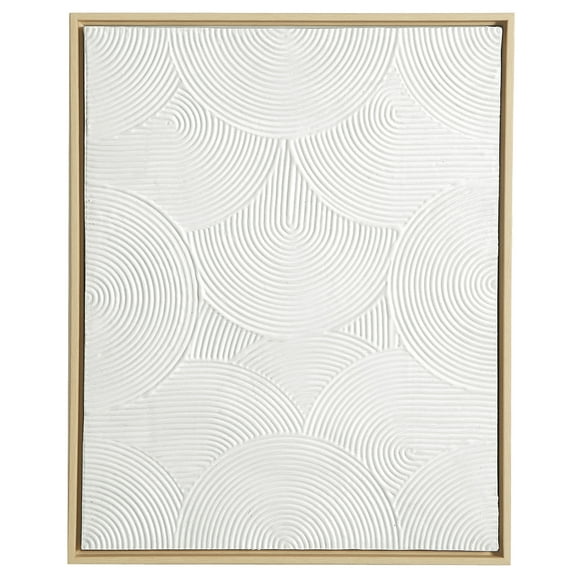
You can narrow your options quickly when you match wall decor to the mood of your room. Modern spaces often pair well with abstract art, geometric shapes, and simple color palettes.
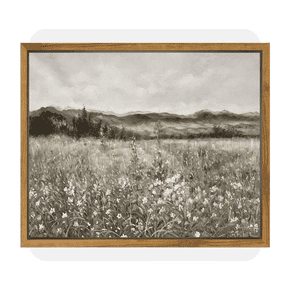
Rustic rooms often work with wood textures, landscape scenes, and warm tones. Boho spaces can mix tapestries, floral themes, and layered patterns for a relaxed look.
If your room feels busy, you may want minimalist or typography designs with open space and clean lines. If your walls feel plain, you can bring in vintage prints or animal subjects for added character.
You should also think about room suitability before you choose a subject or finish. A bedroom may call for softer floral or landscape art, while an office may suit geometric or typography prints.
In a kitchen, you may prefer smaller framed pieces or compact canvas designs that fit around shelves and cabinets. In a bathroom, you can use lighter wall decor that fits tighter wall sections.
What to look for in hanging and installation
You should check hanging details before you choose wall art, especially for larger pieces. Weight, hardware, and wall type all affect how your art fits and stays aligned.
For lightweight pieces, you may use adhesive strips when the packaging allows that method. For heavier framed prints, you can use drywall screws or anchors for a steadier hold.
If your wall is drywall, you should compare anchor types based on the piece weight. Plastic anchors can work for lighter decor, while metal anchors can suit heavier wall art.
You can also look for sawtooth hangers, D-rings, or wire backs when you compare options. These hanging styles can affect how easily you level your piece and how closely it sits to your wall.
Before you hang a set of three, you should mark spacing with painter’s tape or paper templates. That step helps you visualize placement and keep each piece evenly aligned.
Using wall art online for every room
You can use wall art online shopping to compare mediums, dimensions, and styles without guessing in store. You can also check pickup and delivery options when you want added convenience.
For a living room, you may choose oversized canvas or framed prints that center above a sofa. For a bedroom, you might prefer calmer subjects and softer colors above a headboard.
Your office can feel more finished with typography, abstract designs, or clean black-and-white prints. Your kitchen can benefit from small art that fills narrow wall areas without crowding cabinets.
If you’re refreshing a bathroom, you may want compact wall decor with simple frames or light materials. If you’re styling a hallway, you can use coordinated sets to guide the eye through the space.
When you want wall decor with quick access, you can also check local availability and pickup options. That helps you choose wall art that fits your timeline as well as your room.
Wall art that fits your room and your layout
You can feel more confident when you choose wall art by size, medium, style, and hanging method. With the right combination, your walls look intentional, balanced, and ready for everyday living.