


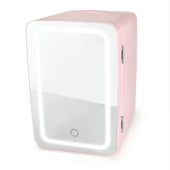
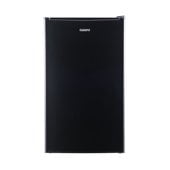
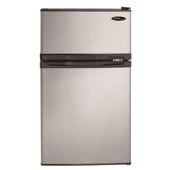
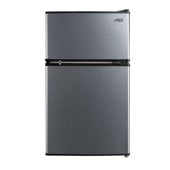


Mini Fridges & Compact Refrigerators


















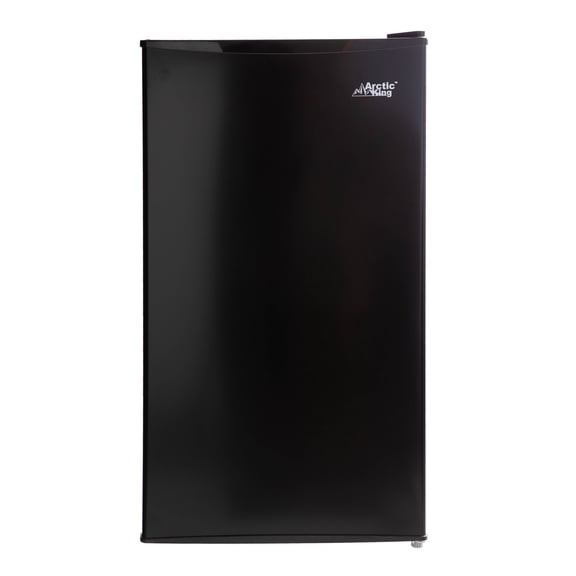
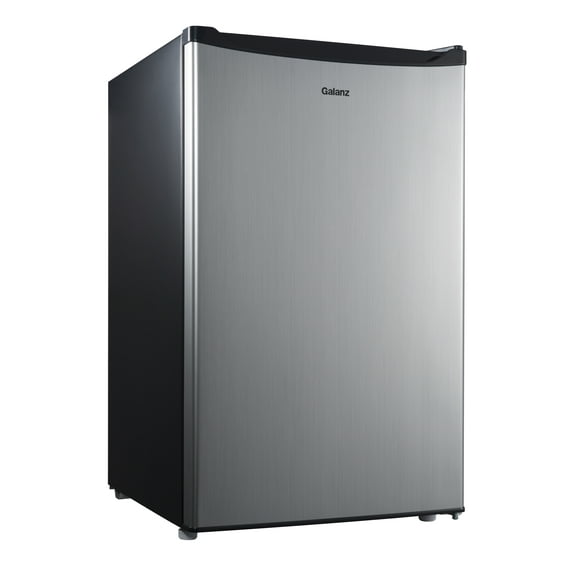


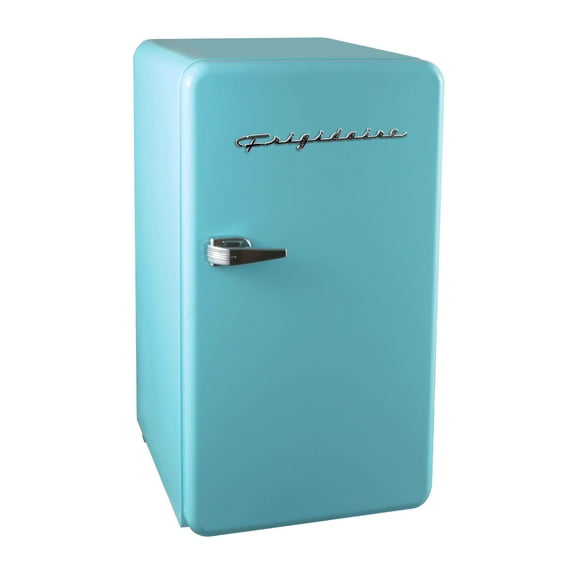


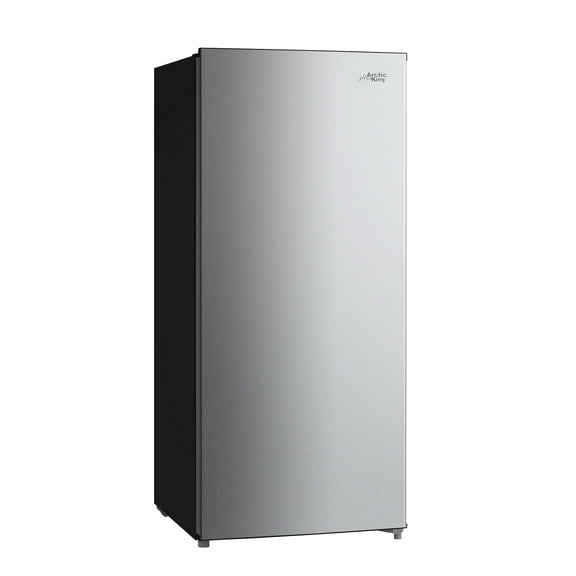

About Mini Fridges & Compact Refrigerators - Walmart.com
Mini fridges help you keep drinks, snacks, and leftovers close without giving up valuable floor space. You can compare sizes, cooling styles, and freezer options to match your dorm, office, bedroom, or rec room.
How to choose mini fridges for your space
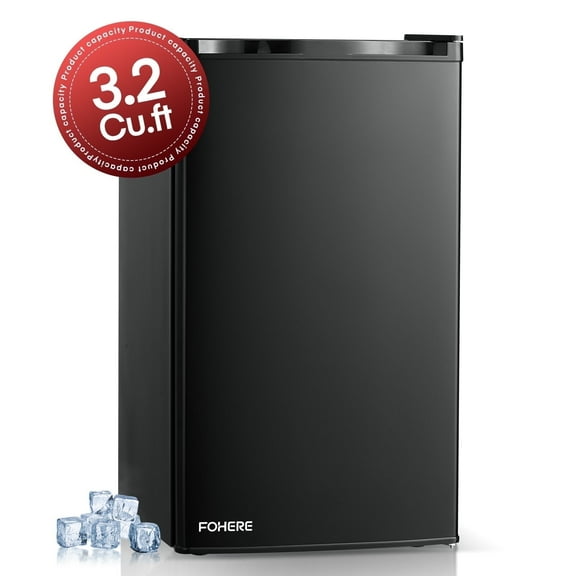
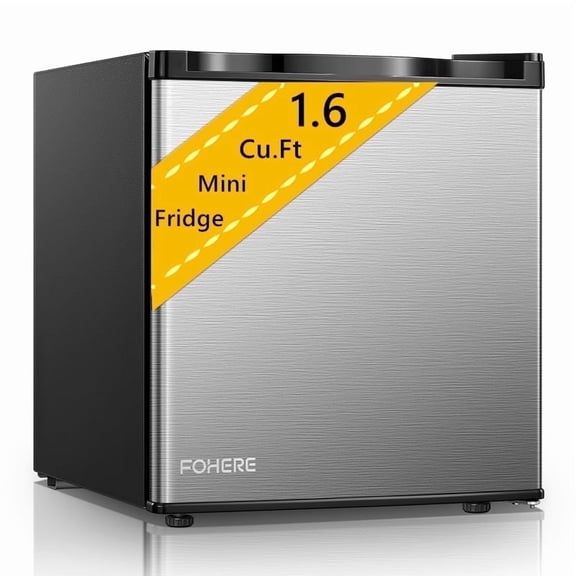
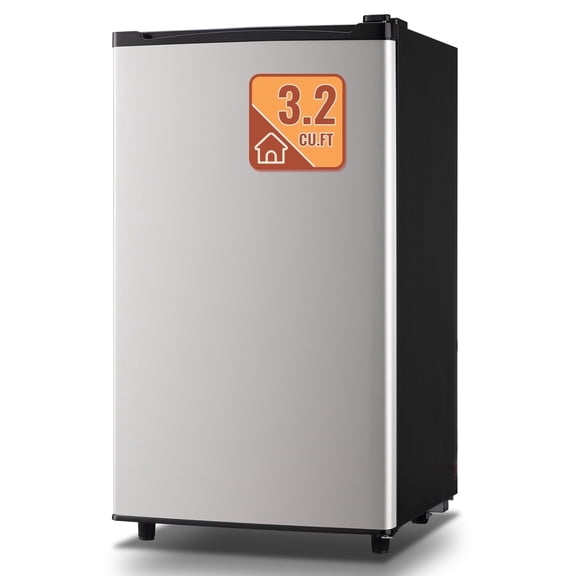
Start with your available footprint, then compare interior capacity in cubic feet. You’ll usually see options like 1.6, 2.7, 3.2, and 4.4 cubic feet.
If you need a few drinks and simple snacks, you may prefer a smaller compact fridge. If you store meal prep containers, you’ll likely want additional shelf spacing and taller interior clearance.
Measure your floor space, door swing, and nearby outlet before you choose. You’ll also want enough room for airflow behind the unit and easy access in tight corners.
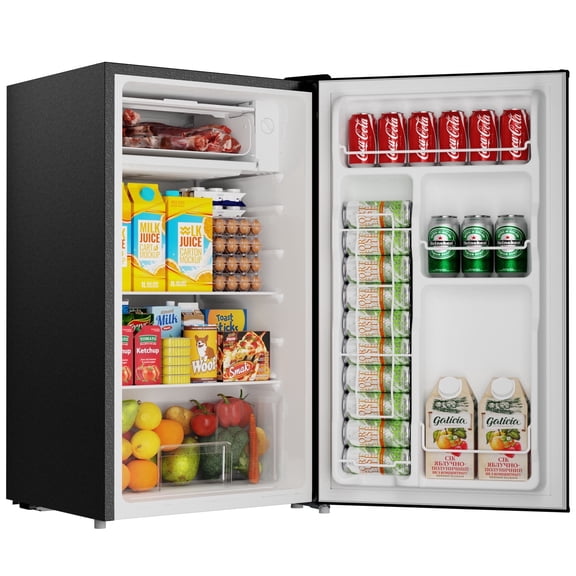
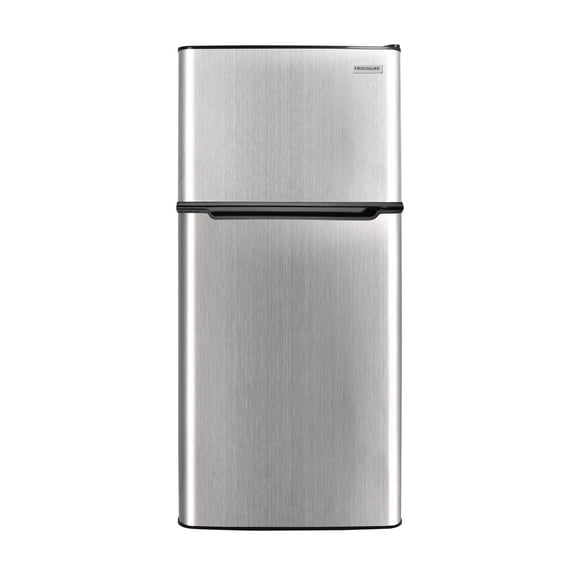
Configuration changes how you use your storage every day. You can choose single door models for simplicity or double door designs for separated frozen storage. Glass door styles and drawer units offer visible beverages or built-in looks.
- You can fit a small refrigerator into tighter spaces like dorm rooms, deskside nooks, and guest rooms.
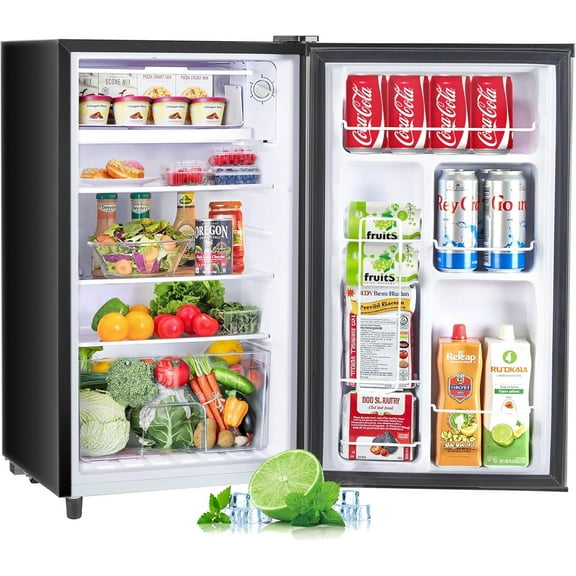
- You can keep drinks, fruit cups, yogurt, and leftovers organized with adjustable shelves and door bins.
- You can choose a mini fridge with freezer when you want ice trays, frozen snacks, or separated compartments.
- You can match quieter cooling options to bedrooms, or stronger cooling options to shared kitchens and offices.
Choosing a small refrigerator by capacity and layout
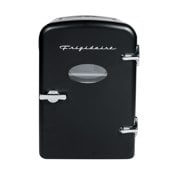
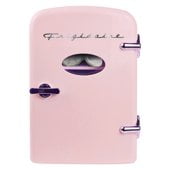
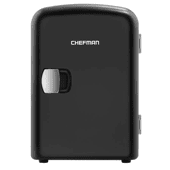
A small refrigerator works well when you need flexible cold storage without a full kitchen footprint. You should compare both cubic feet and shelf layout, because usable space matters as much as listed capacity.
At 1.6 cubic feet, you’ll usually get room for cans, bottles, and a few compact food items. At 2.7 or 3.2 cubic feet, you’ll often gain additional shelf spacing for lunch containers and taller bottles.
When you move up to 4.4 cubic feet, you can often store more groceries for longer stretches. You may also get wider shelves, fuller door storage, and clear separation between drinks and food.
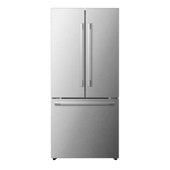
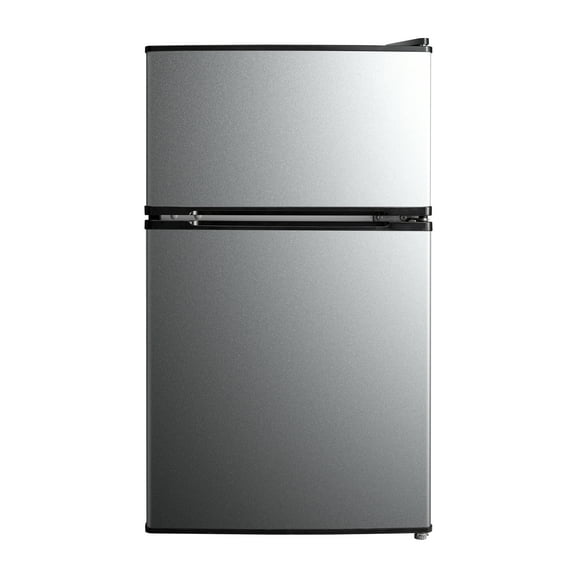
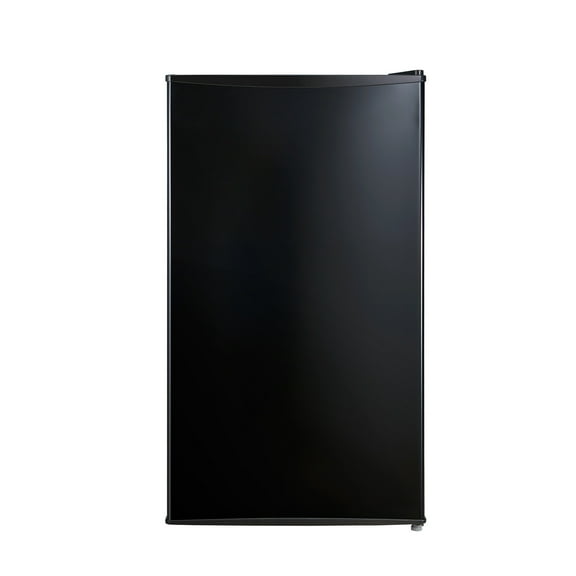
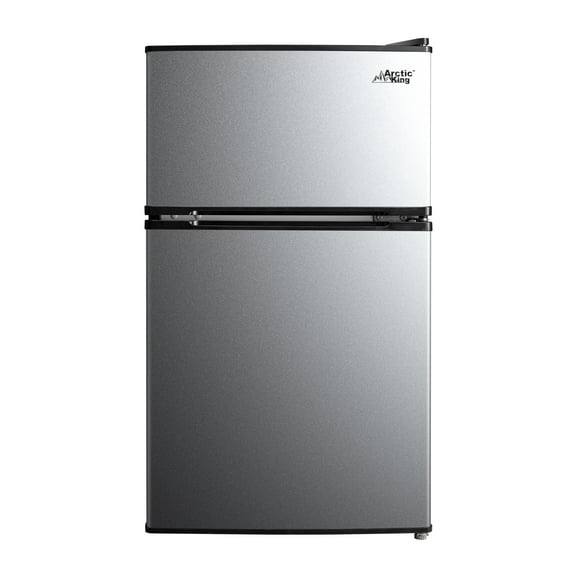
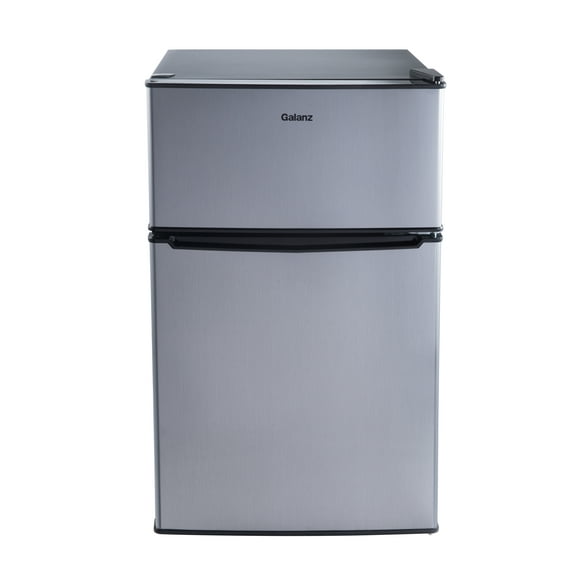
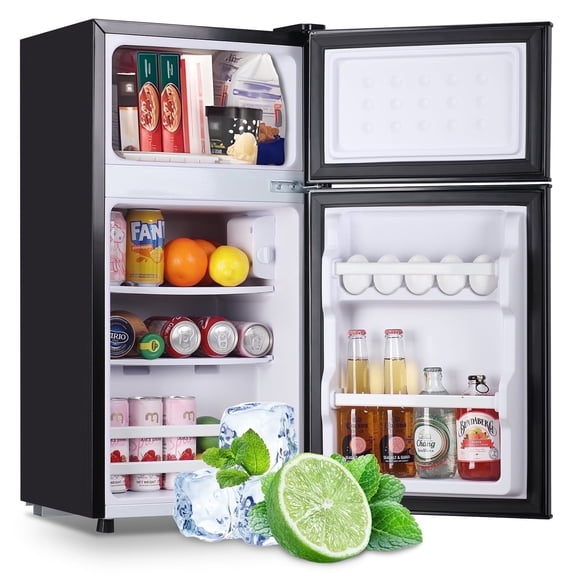
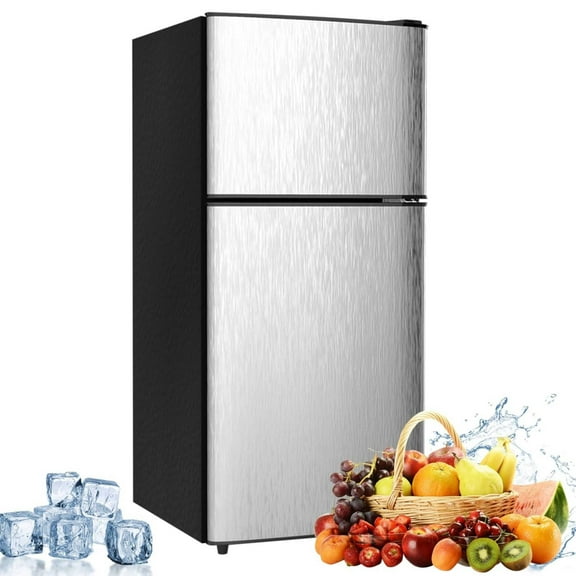
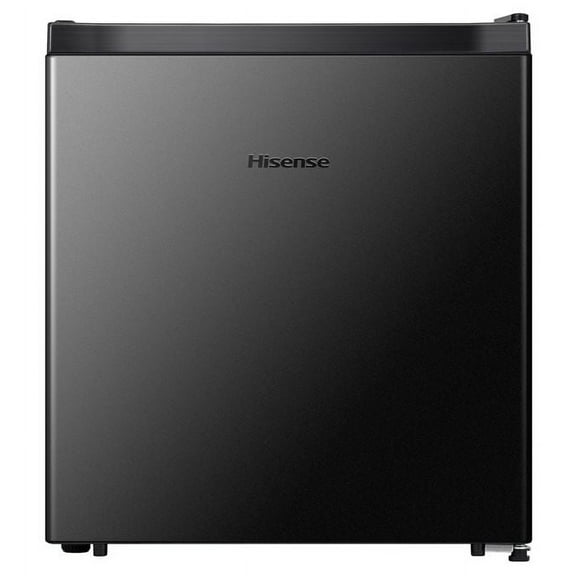
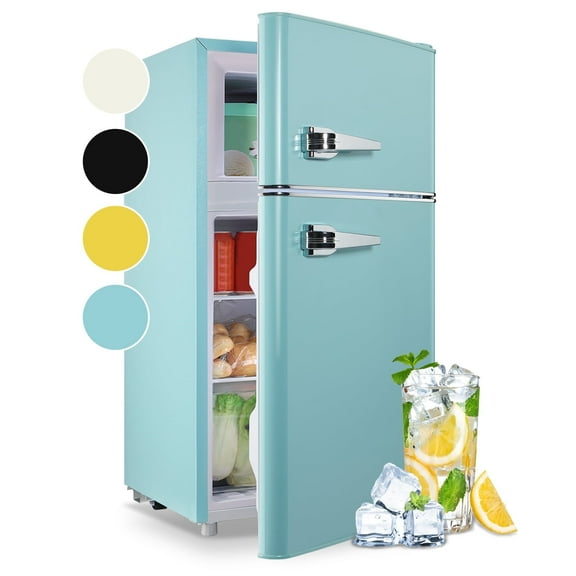
Single door units keep everything behind one main door, so you get a simple layout. Double door units give you a separate freezer area, which helps you sort frozen items apart from fresh foods.
Glass door models help you view cans and bottles quickly, which suits beverage storage. Drawer style options can fit a cleaner furniture-like setup when you want a lower profile look.
Mini fridge with freezer and cooling technology differences
A mini fridge with freezer makes sense when you want more than chilled drinks. You can keep ice packs, frozen meals, or dessert items in a separate space when the configuration allows it.
Compare freezer placement carefully before you choose. You may see a small chiller compartment inside a single door unit, or you may prefer a double door design with a more defined freezer section.
Cooling technology also affects performance, sound, and placement. You’ll usually compare compressor systems and thermoelectric systems when you narrow your options.
Compressor cooling gives you stronger temperature pull-down for food and mixed storage. You’ll often prefer it when your room runs warm or when you open the door often.
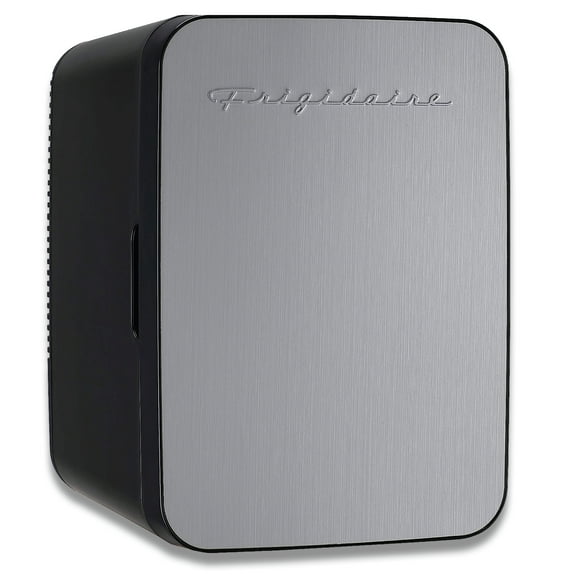
Thermoelectric cooling usually runs with less vibration, which can suit beverage chilling in quieter spaces. You should check whether that style matches your room temperature and what you plan to store.
If noise matters in a bedroom or dorm, you should review decibel ratings when listed. You’ll want lower sound output for light-sleeping spaces and study areas where steady background noise matters.
Features can also shape daily convenience in small spaces. You may want reversible doors for tighter layouts, adjustable shelves for tall bottles, or Energy Star certified models for efficient operation.
Matching a compact fridge to dorm, office, and bedroom use
A compact fridge works differently depending on where you place it and what you store. You should match capacity, sound level, and freezer needs to your daily routine.
For a dorm fridge, you may want enough room for drinks, fruit, leftovers, and late-night snacks. You’ll likely appreciate adjustable shelves, a reversible door, and dimensions that fit under lofted beds or beside desks.
A dorm room mini fridge with a freezer section can support quick meals between classes. You can keep frozen items separate while still leaving room for bottles, yogurt cups, and containers.
In an office, you may focus on lunch storage and shared drinks throughout the week. You’ll often benefit from compressor cooling, easy-clean shelves, and door storage for cans and water bottles.
For a bedroom setup, you may care more about sound and footprint than large capacity. You can compare quieter models and smaller widths when you want nearby refreshments without dominating the room.
Outdoor and beverage storage needs call for extra attention to environment and access. You should check placement guidance, door style, and cooling method before using any unit in a less controlled space.
If you mainly chill sparkling water, juice, or cans, a glass door beverage refrigerator style may feel practical. You can see your selection quickly and keep frequently used drinks easy to reach.
What to look for before you decide
Before you choose, compare cubic feet, door style, freezer layout, cooling type, and listed sound details. You can make an ideal pick when those specs match your room, habits, and storage mix.
Mini fridges give you flexible cold storage for tight spaces when you measure carefully and compare the right features. You can end up with a setup that fits your room and keeps everyday items within easy reach.