


Zinnia Flower Seeds in Seed Gardening

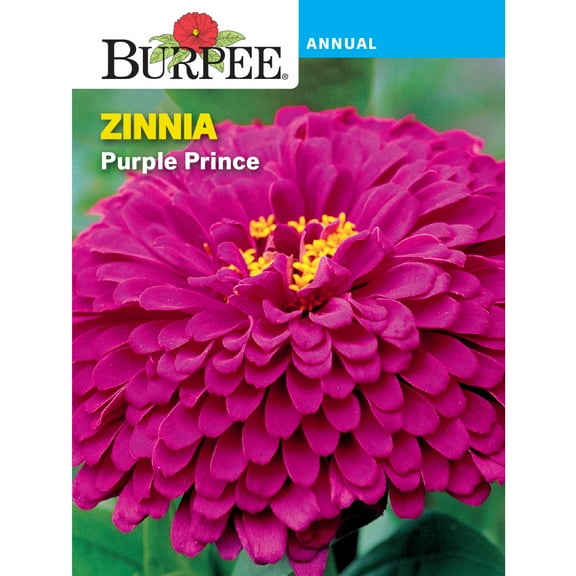
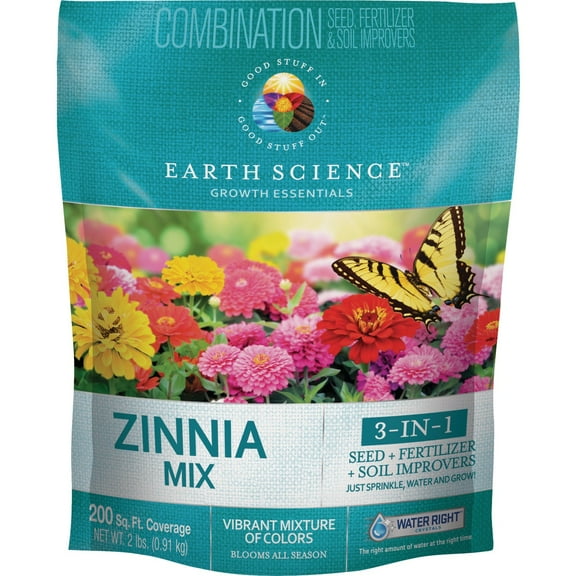

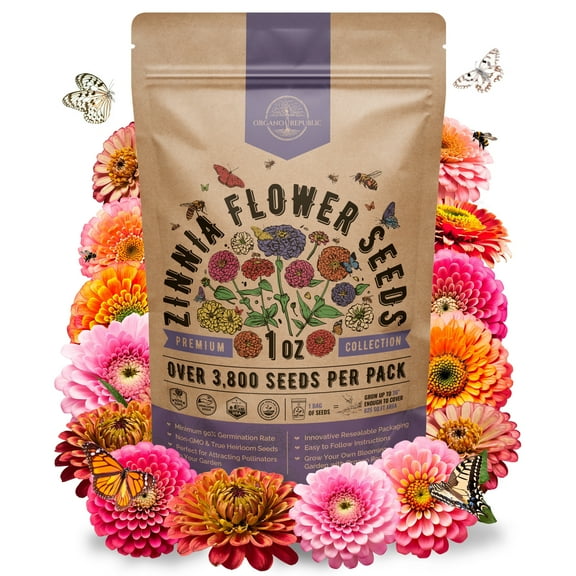
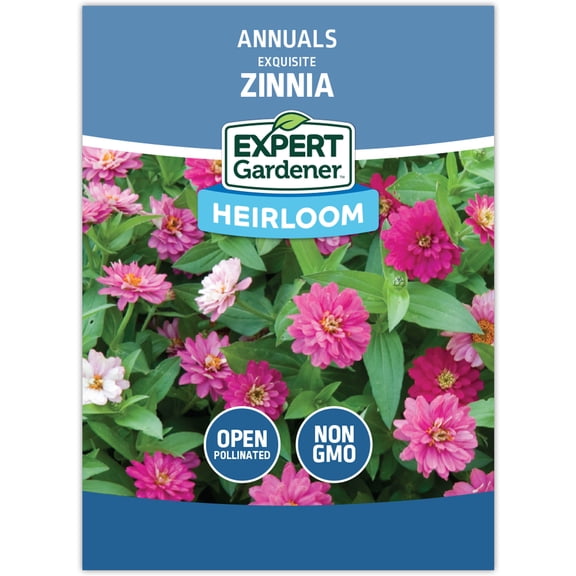
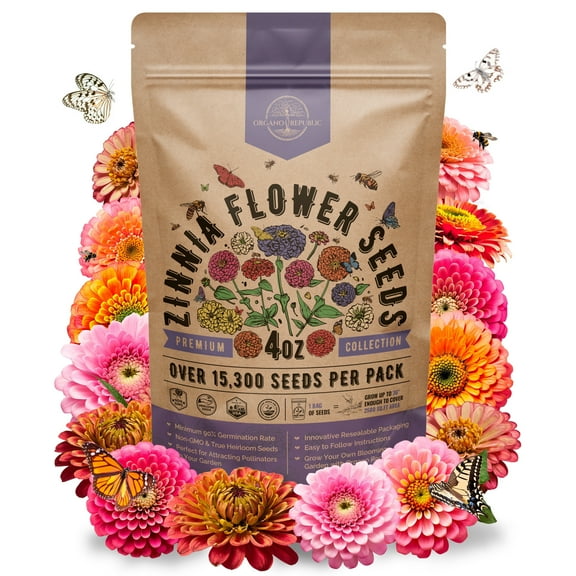


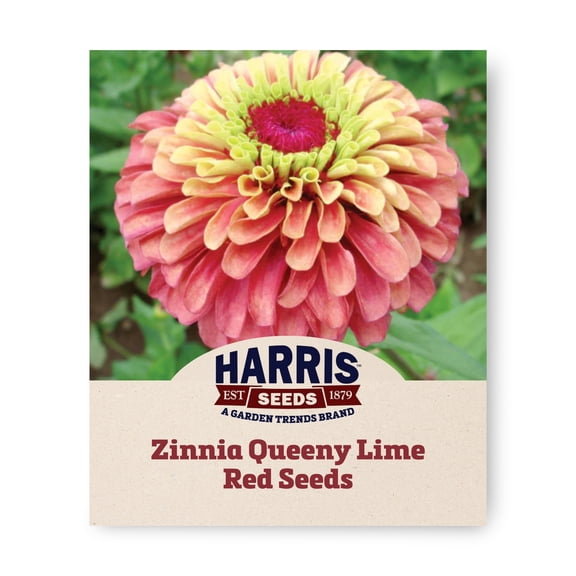


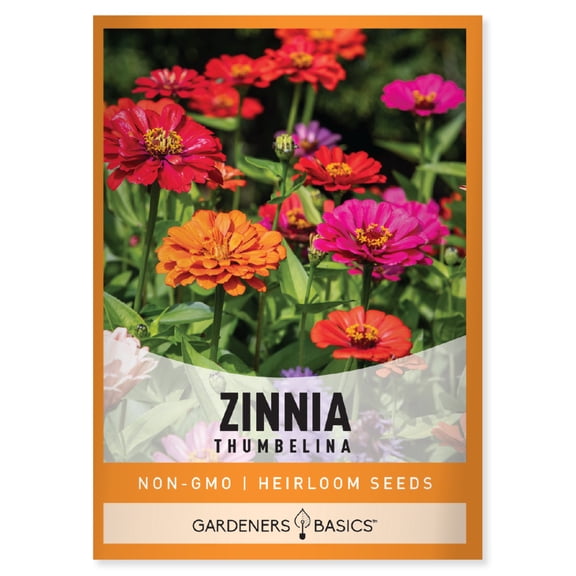



About Zinnia Flower Seeds in Seed Gardening - Walmart.com
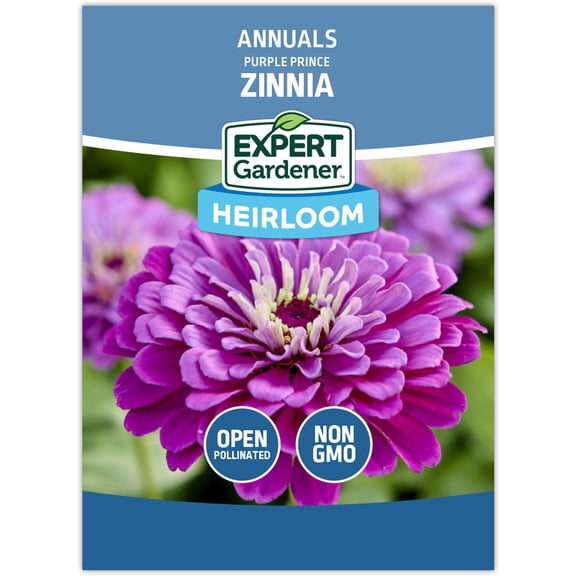
You can brighten beds, borders, and cutting rows with zinnia flower seeds that offer bold color, easy sowing, and varied plant heights. You’ll find options that suit beginner gardeners and seasoned growers who want steady summer blooms.
How to choose zinnia flower seeds
When you compare zinnia seeds, you should start with variety type, color profile, growth height, and planting purpose. You’ll make a clear choice when you match those details to your garden space.
Giant zinnia seeds can suit cutting gardens because you’ll often want longer stems for bouquets and taller plants for the back of beds. Dwarf zinnia seeds can fit containers, edging, and smaller spaces where you want color without extra height.
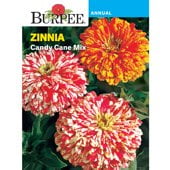
You may also notice cactus-flowered and pompon forms when you shop. You’ll get different petal shapes and bloom silhouettes, which can change the look of your planting plan.
Benefits you’ll notice from zinnia seeds
You’ll appreciate how quickly this category helps you build colorful summer displays from seed instead of relying only on starter plants. You can also choose single colors or a zinnia seed mix to shape a more planned look.
Because you can pick from short, medium, and tall forms, you’re able to layer color across borders and garden beds. You’ll also have choices that work for pollinator gardens, containers, and cut flower patches.
- You can create tidy edging with short or dwarf types.
- You can grow taller stems for fresh-cut arrangements.
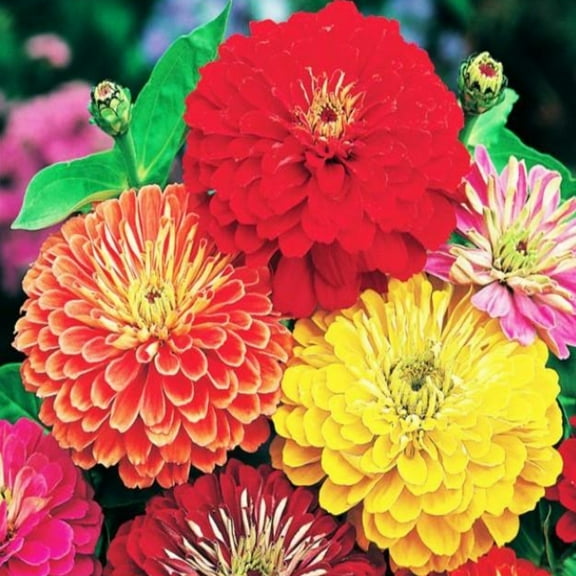
- You can mix pink, red, and yellow blooms for longer seasonal color.
- You can attract butterflies and bees to garden spaces with nectar-rich flowers.
For beginner gardeners, planting zinnia seeds often feels approachable because you can direct sow them after warm weather arrives. You’ll usually see fast progress, which makes this category useful for first-time flower growers.
Choosing giant zinnia seeds and dwarf zinnia seeds
You should check mature height before you choose a packet. Tall types often reach 30 to 40 inches, medium selections grow about 12 to 24 inches, and short forms stay around six to 12 inches.
That height difference matters because you’ll need to plan spacing and placement around nearby flowers, paths, and containers. You can place taller zinnias toward the back, while shorter types usually work well along borders.
You should also compare spacing guidance because crowded plants can limit the clean, airy layout you want. When you allow the recommended inches between seedlings, you’ll create a neater display and simple garden maintenance.
If you want bouquets, giant zinnia seeds may fit your plans because you’ll often get longer cutting stems. If you want patio pots or low edging, dwarf zinnia seeds may suit your setup more naturally.
Comparing color profiles and bloom forms
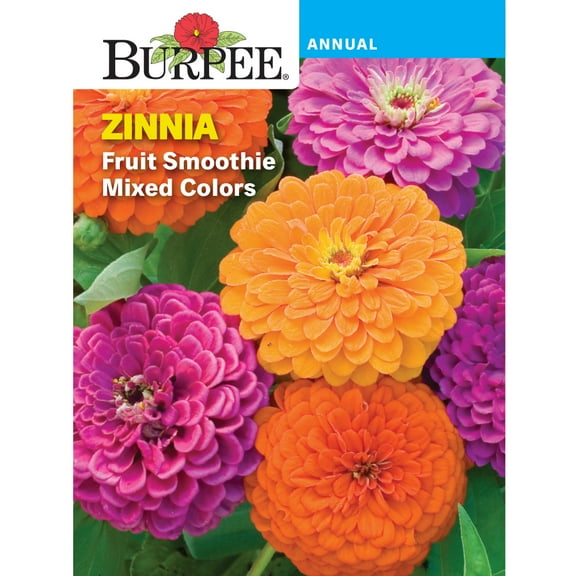
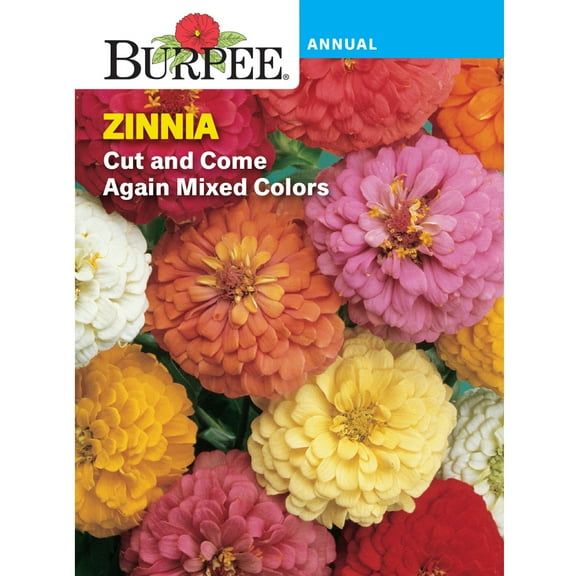
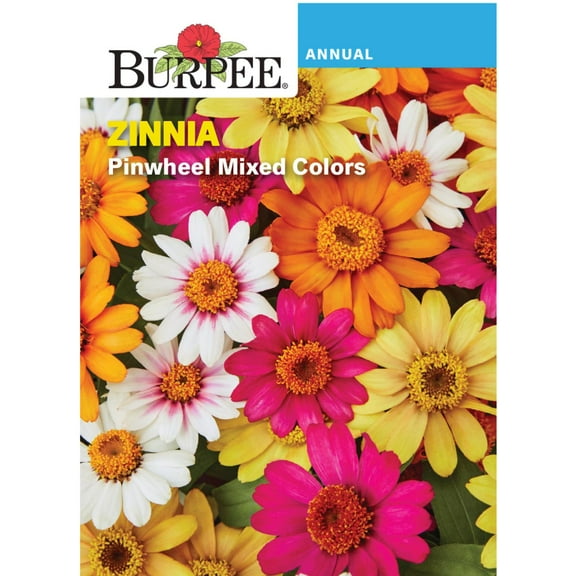
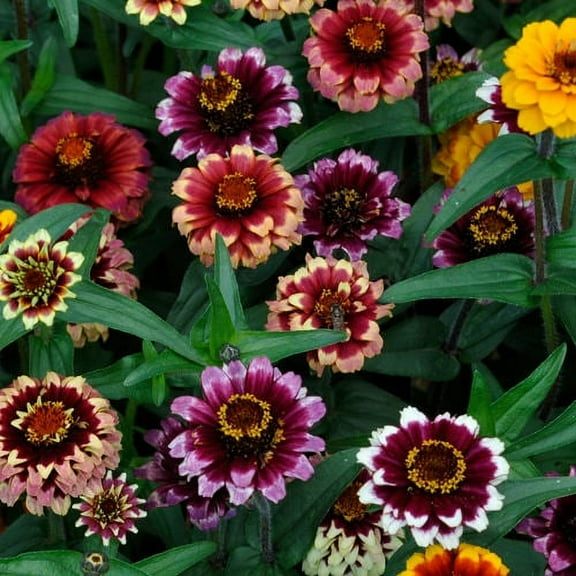
You can shape the whole look of your garden by choosing mixed colors or a single bloom shade. A zinnia seed mix can give you a varied display, while pink, red, or yellow packets help you coordinate beds.
Color planning also affects how your garden reads from a distance. You may prefer one tone for a clean pattern, or you may want a mixed planting for a lively cottage-style look.
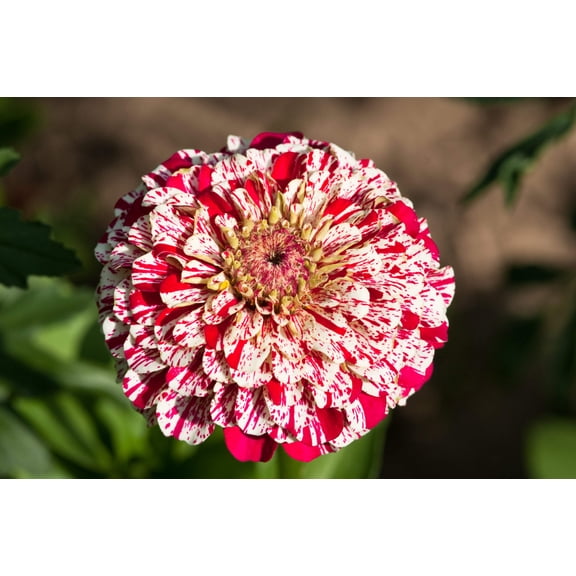
Bloom form changes the visual texture as much as color does. You’ll see cactus-flowered types with narrow petals, while pompon forms usually create a round, button-like look.
Those details matter when you’re matching flowers to borders, cutting gardens, or pollinator plots. You can create a softer, fuller, or more dramatic effect just by changing the flower form.
What to look for when planting zinnia seeds
You should look for clear sowing guidance when planting zinnia seeds, especially if you’re new to flower gardening. You’ll want to check basic details like germination time, spacing inches, and mature height before planting.
Germination time matters because you’ll want a category that shows visible progress without a long wait. When you understand the timeline on the packet, you can plan garden rows and containers with more confidence.
You should also think about sunlight and open space because gardeners usually choose zinnias for bright summer spots. When you match seed type to your site, you’ll get a planting plan that feels more organized.
If you’re sowing for borders, you can use medium or short selections to keep pathways clear. If you’re sowing for cutting beds, you can focus on taller forms with colors that work well in bouquets.
Matching planting purpose to your garden plan
You’ll make a smart choice when you decide how you want the flowers to function in your space. Some shoppers want cut flowers, while others want borders, containers, or pollinator gardens.
For cut flowers, you can focus on taller stems and larger blooms that stand out in a vase. For borders, you may prefer compact plants that create a defined edge without blocking other flowers.
Containers call for shorter or medium growers because you’ll want balanced height in pots and planters. Pollinator gardens can benefit from mixed colors and bloom forms that keep beds active and visually full.
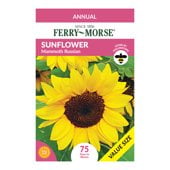
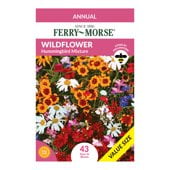
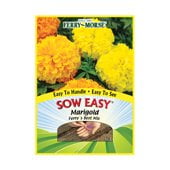
You can also pair zinnias with sunflower seeds, wildflower seeds, or marigold seeds for a layered summer planting. With the right seed choice, you’ll get color, height, and garden structure that fit your space.
You can choose zinnia flower seeds with more confidence when you compare height, color, bloom form, and planting purpose first. That approach helps you plant a garden that looks intentional and blooms with steady summer color.