


Home Gyms in Strength Training






































About Home Gyms in Strength Training - Walmart.com
Home gyms help you build a consistent workout setup without turning a spare room into a crowded training area. You can compare footprint, resistance style, and exercise range to choose equipment that fits your space and routine.
If you're building a personal training zone, you need more than a simple equipment list. You need clear guidance on gym type, dimensions, and capacity, so your setup feels practical from day one.
Choosing the right home gyms for your space
Space is often your first decision, because your room layout shapes every other choice. You should measure floor dimensions, doorway width, and ceiling height before you compare any home gym equipment.
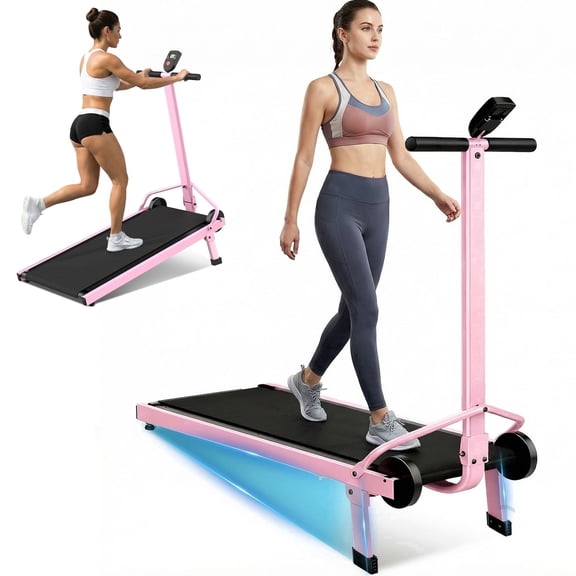
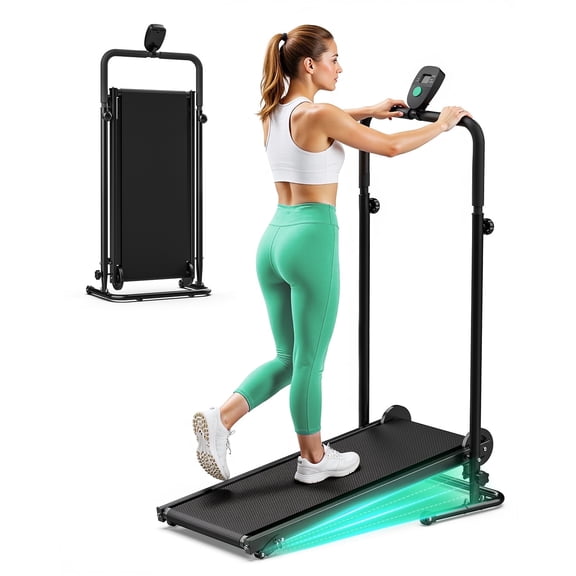
A compact home gym can suit apartments, shared rooms, or corners where every inch matters. You can also consider folding designs or corner gym layouts when you want a smaller footprint.
Full-size systems give you broader movement paths and more station options in one frame. You may prefer that layout when your garage or basement gives you extra clearance.
- You can keep your workout area organized with one station instead of several separate pieces.
- You can match your setup to your room size by comparing compact, folding, corner, and full-size designs.
- You can train more muscle groups at home when your machine supports pressing, pulling, and lower-body moves.
- You can narrow choices faster when you check dimensions, ceiling clearance, and exercise stations together.
How to compare home gym equipment by gym type
Gym type changes how you train, how much space you need, and which movements feel natural. You should compare power towers, Smith machines, cable crossover units, and multi-gym machine designs by your workout style.
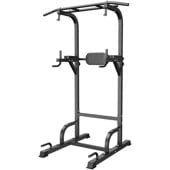
A power tower supports bodyweight training, so you can focus on pull-ups, dips, knee raises, and push-up variations. You may choose this style when you want upper-body and core work with a smaller frame.
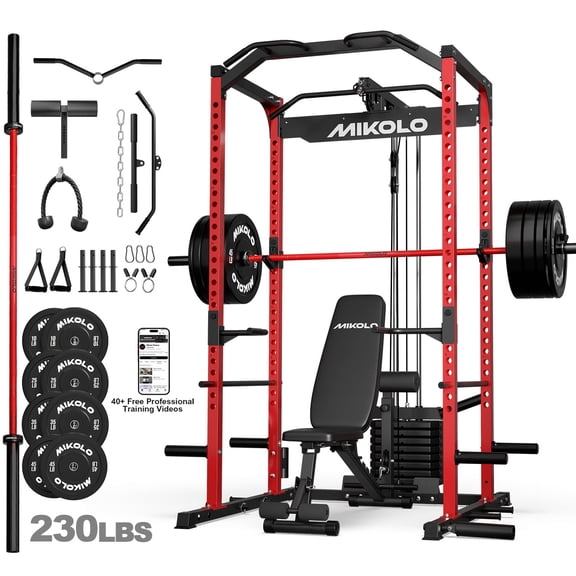
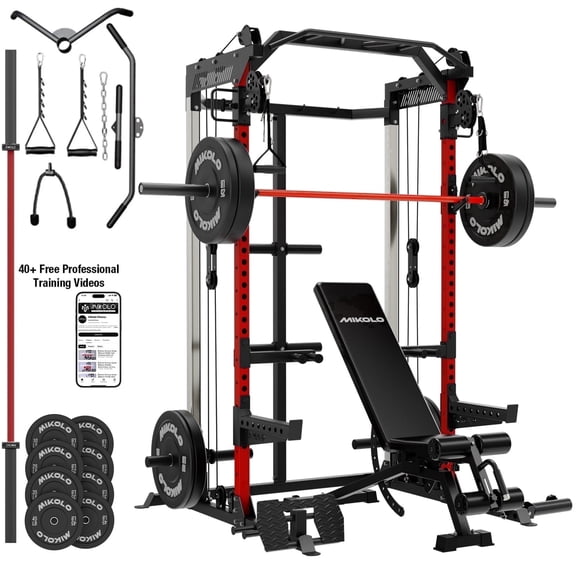
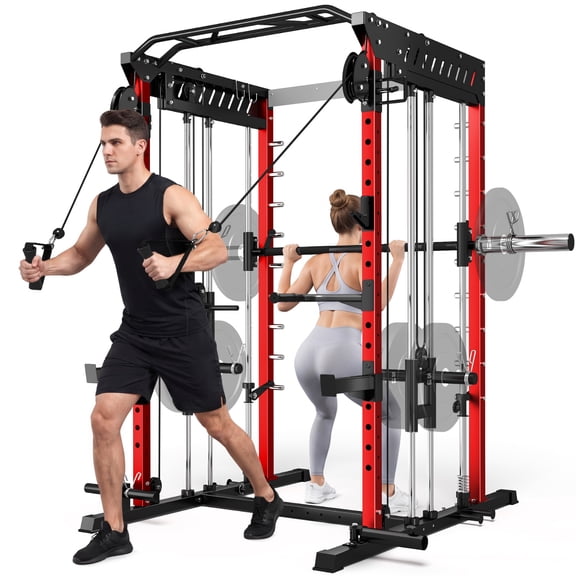
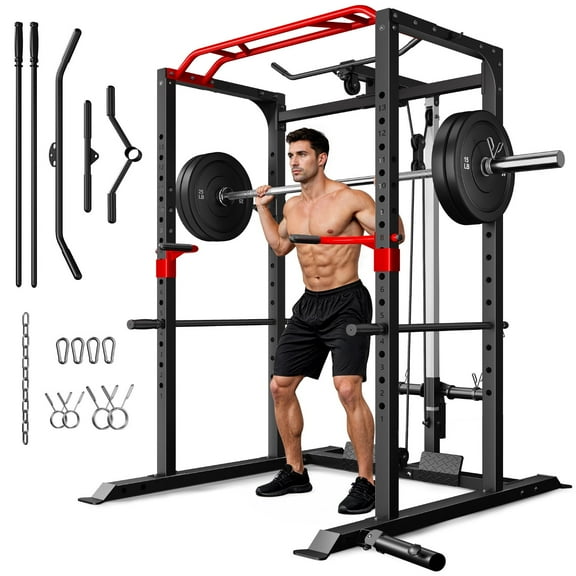
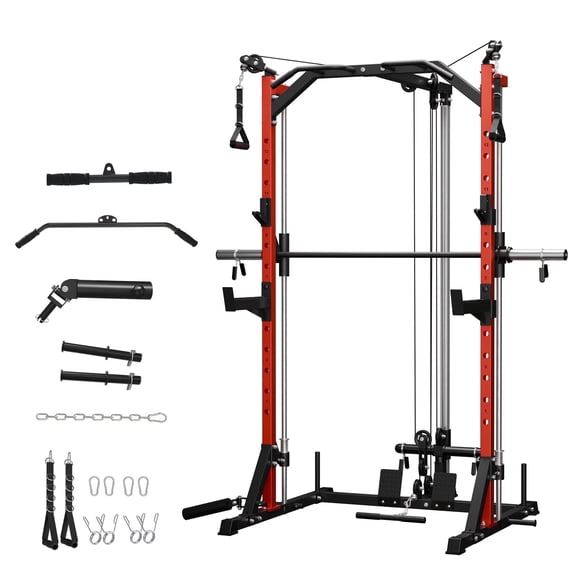
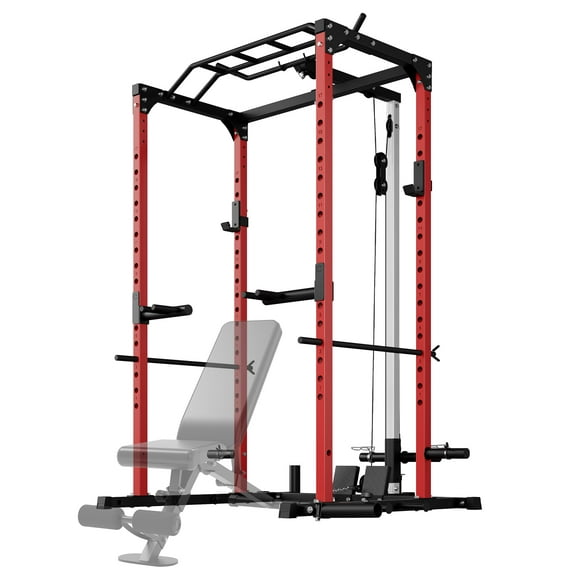
A Smith machine gives you a guided bar path that supports pressing, squats, and rack-based routines. You can pair that style with benches and plates when you want a weight machine for home use.
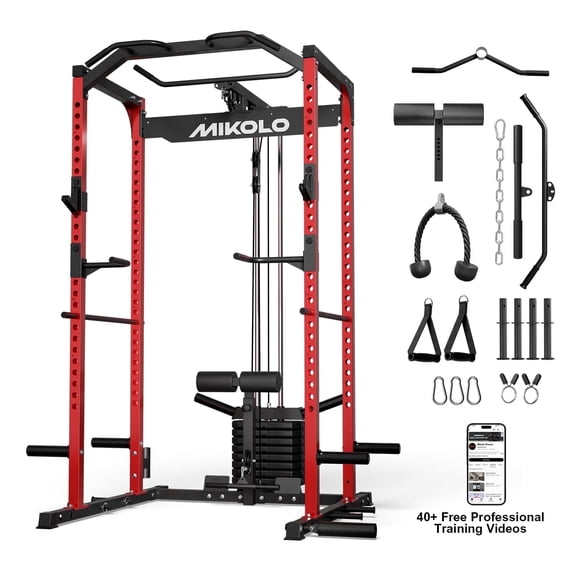
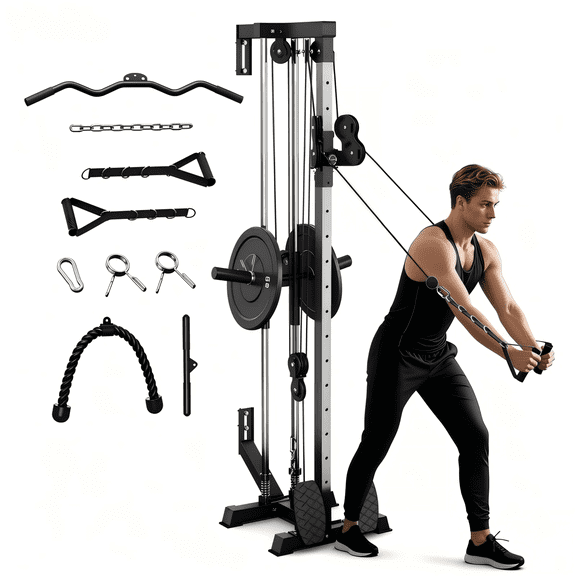
Cable crossover units create wide movement variety through adjustable pulley positions and long cable travel. You can use that setup for chest flies, rows, curls, triceps work, and rotational exercises.
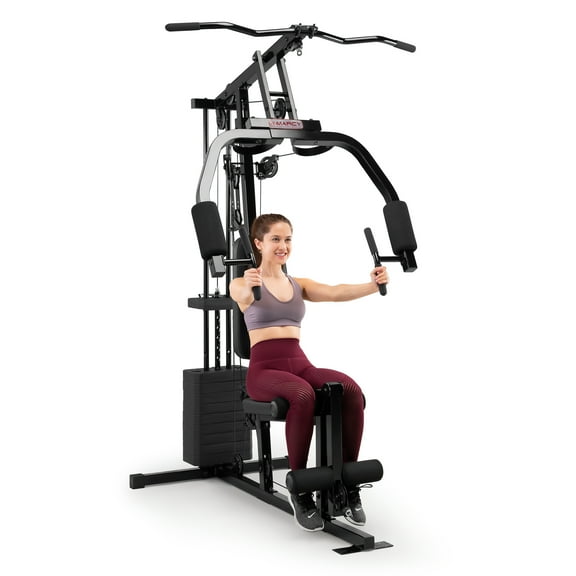
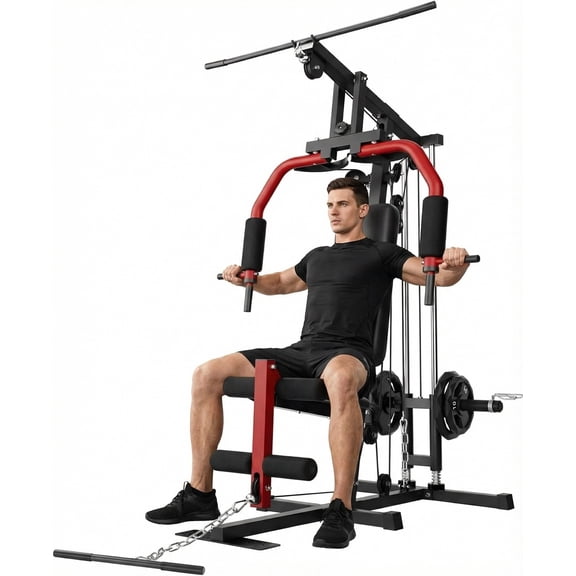
A multi-gym machine combines several stations in one structure, which helps you switch movements with less setup. You may prefer that format when you want a home gym system that supports full-body sessions.
Understanding resistance type and training feel
Resistance type affects how smooth each rep feels and how quickly you can change loads. You should compare weight stack, free weight, plate-loaded, and resistance band options before you commit.
Weight stack systems let you change resistance with a selector pin, so your transitions stay simple. You may like that option when you want faster station changes and less plate handling.
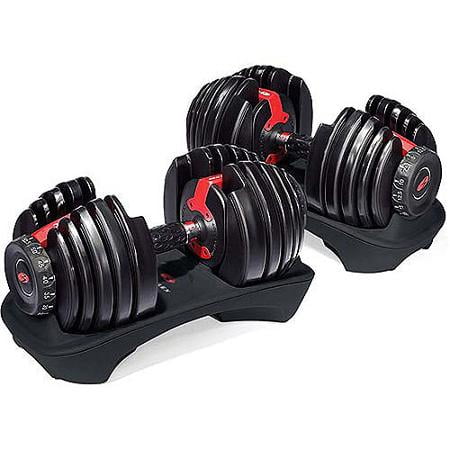
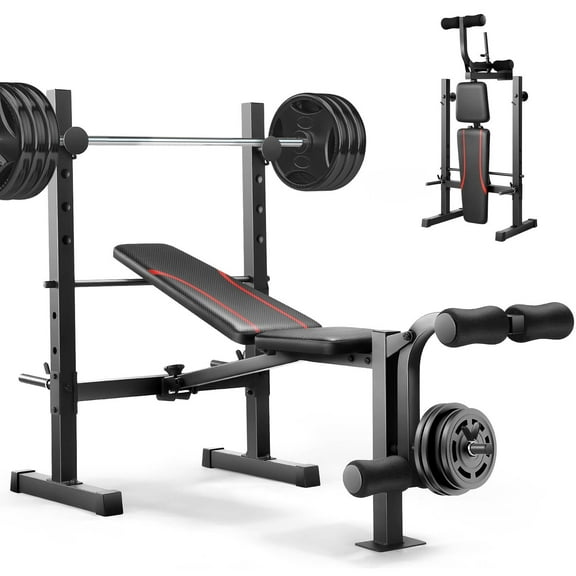
Free weights give you open movement patterns and flexible progression across many lifts. You can choose them when you want a setup that supports classic strength training equipment for benches, racks, and bars.
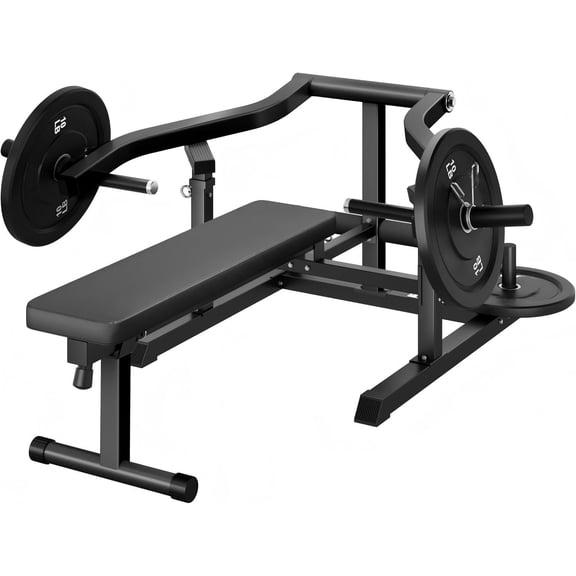
Plate-loaded machines use weight plates on fixed arms or guided paths, so you control load with familiar plates. You may prefer that style when you want machine support with adjustable resistance.
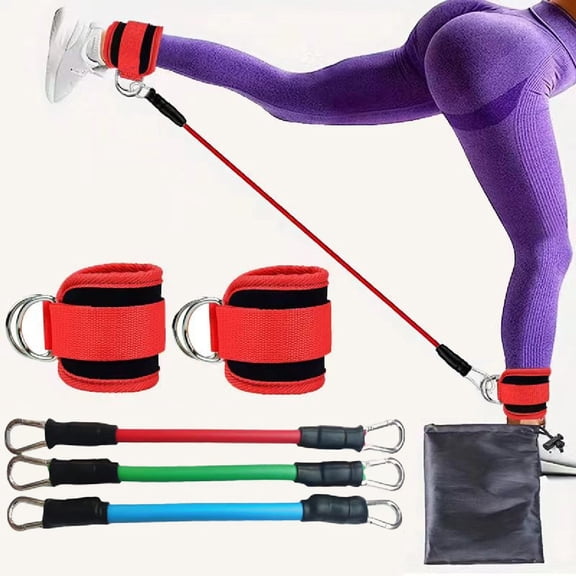
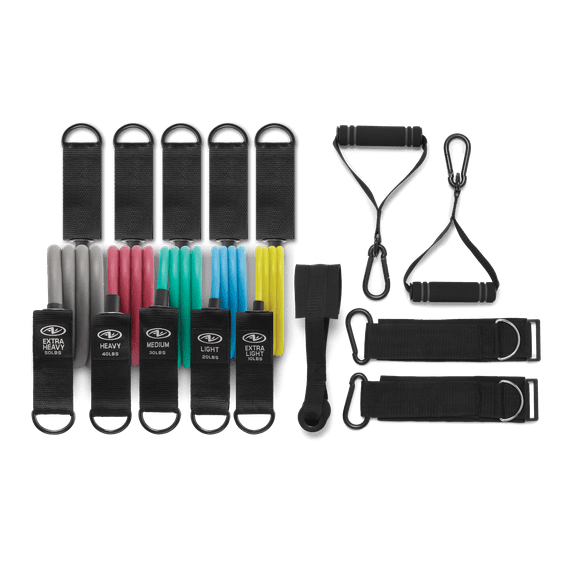
Resistance bands create lighter, flexible setups that store easily between sessions. You can use band-based stations when you want a compact home gym with simple storage needs.
What to look for in capacity and construction
Capacity matters because your machine should support your training level, attachments, and movement style. You should check maximum user weight, exercise arm limits, and total load capacity before you decide.
Steel gauge can help you compare frame strength, especially when you want steadier movement during pressing or pulling. You may also look for wider bases and reinforced joints when you expect frequent sessions.
Exercise variety matters just as much as load, because one frame should cover more than one body area. You can compare stations for chest press, lat pulldown, low row, leg developer, cable work, and core moves.
Target muscle groups can guide your shortlist when you want focused training at home. You may want full body coverage, or you may narrow choices to upper body, legs, or core training.
Matching use cases to the right home gym system
If you're outfitting a small room, you should start with a compact home gym or folding station. You can keep your floor clear while still training upper body, core, and selected leg movements.
If you're creating a garage setup, you may want a Smith machine or plate-loaded frame with room for a bench. You can support heavier lifting and a wider range of pressing and squatting patterns.
If your household shares equipment, a weight stack or multi-station design can simplify transitions between users. You can switch resistance faster and keep workouts moving with fewer adjustments.
If you want exercise variety in one footprint, a cable crossover or multi-gym machine may fit your goals. You can move from rows to presses to curls without rearranging separate stations.
When you're building around strength training equipment you already own, compatibility becomes a key filter. You should check whether your setup works with benches, dumbbells, or other accessories you plan to use nearby.
Home gyms work well when you choose them with your room, resistance preference, and exercise needs in mind. You can create a more usable training space by focusing on fit, capacity, and movement variety.