





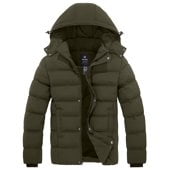
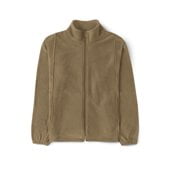
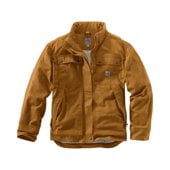
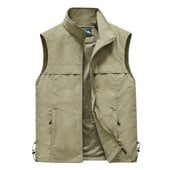
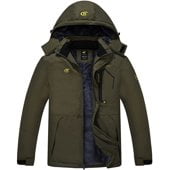
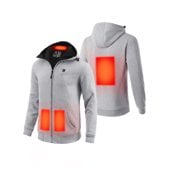

Mens Coats and Jackets

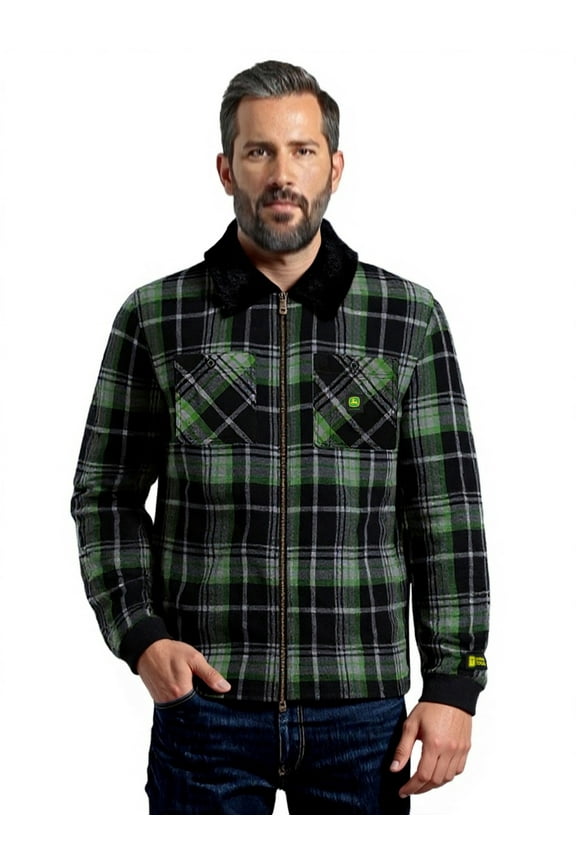


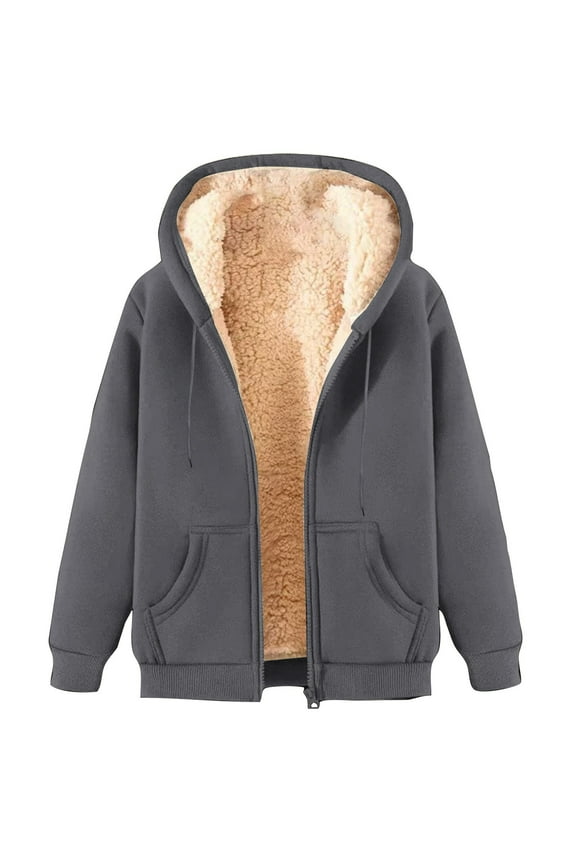


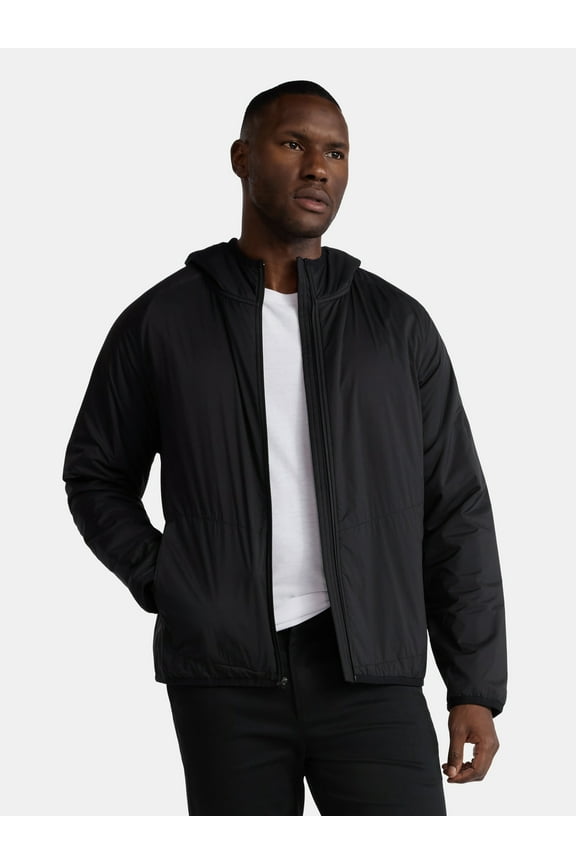


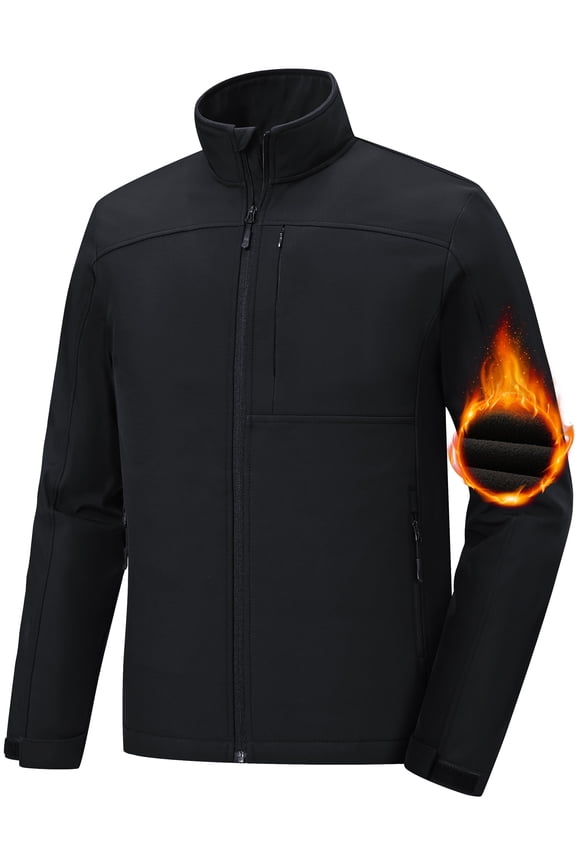


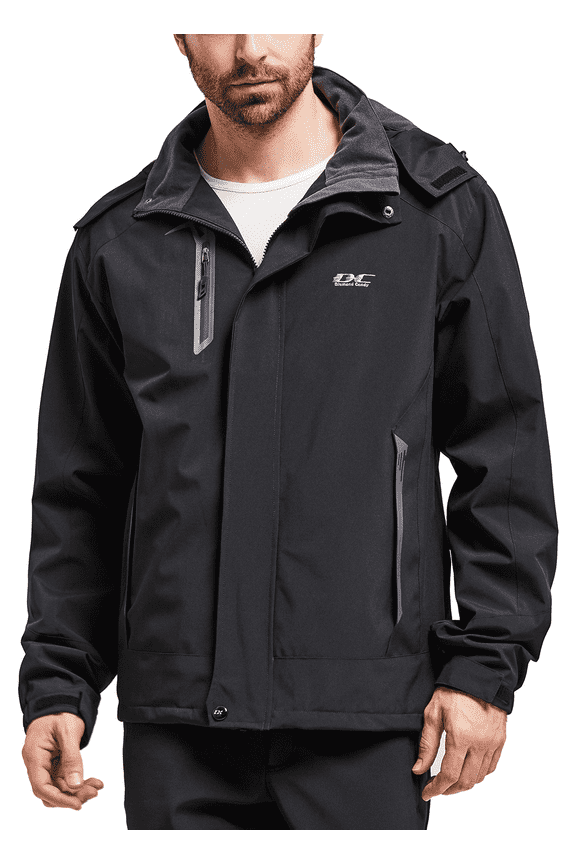


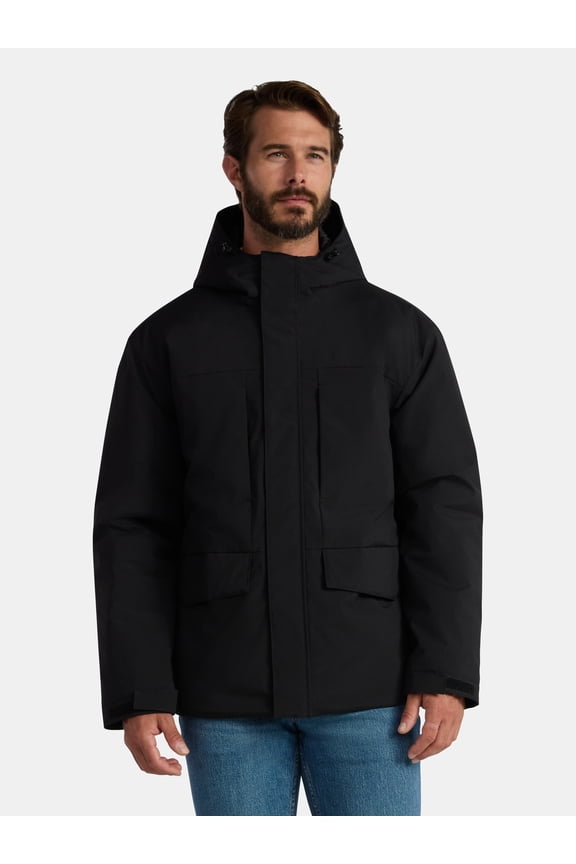


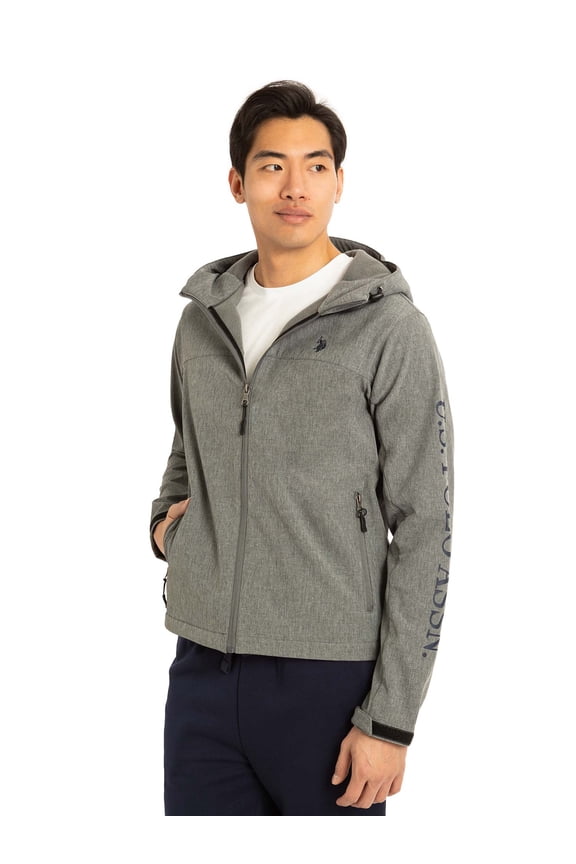


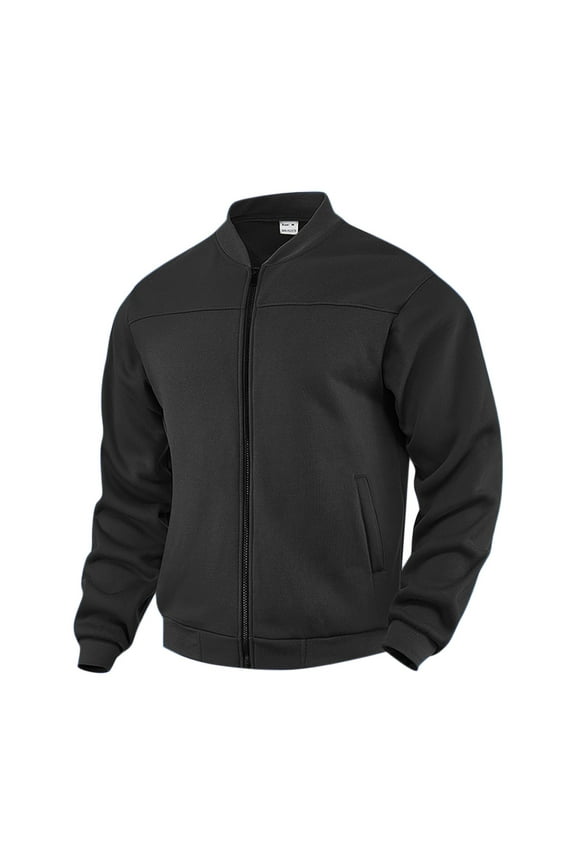


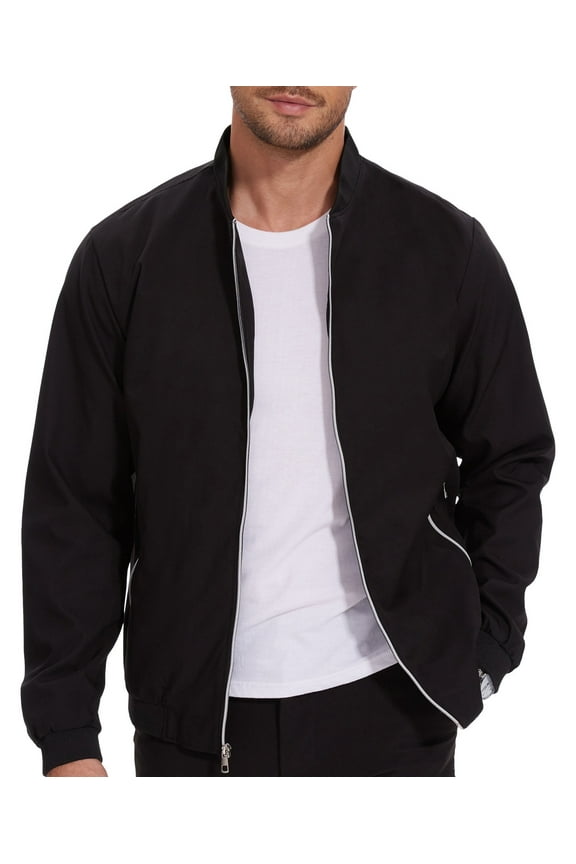

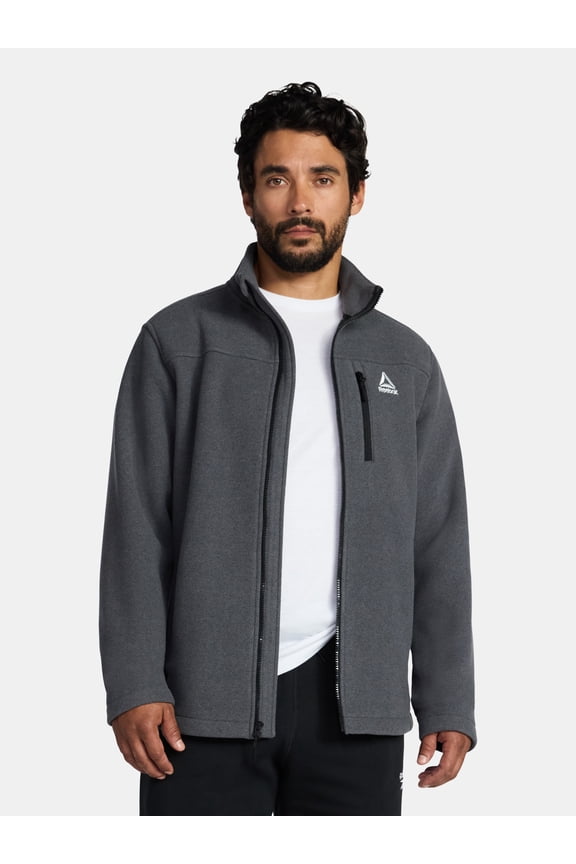


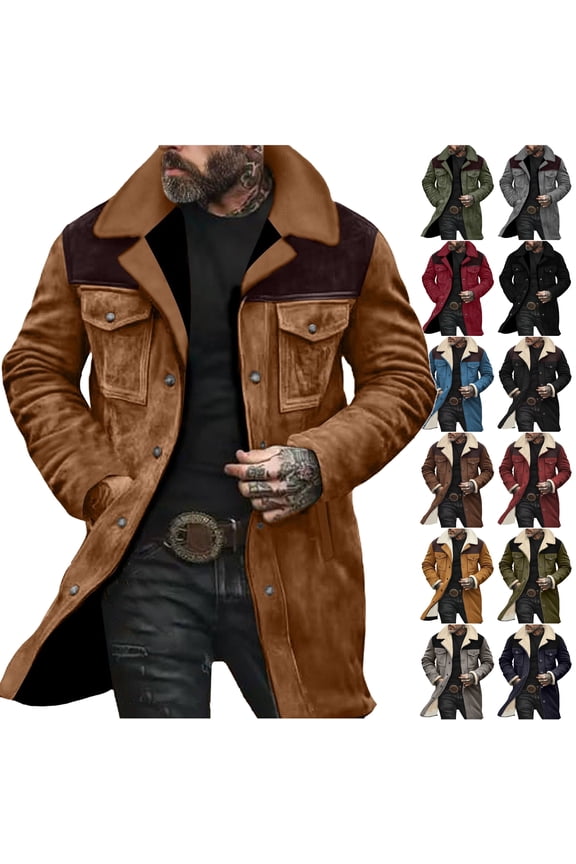


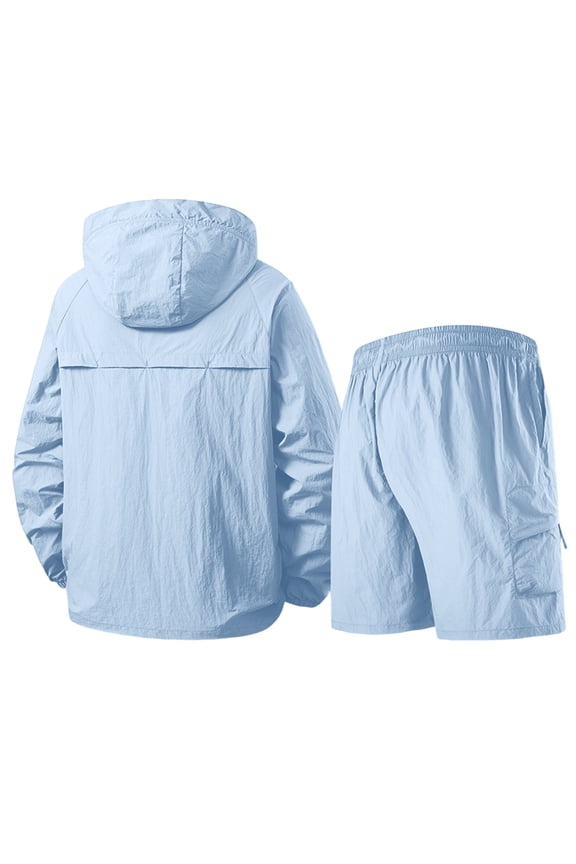


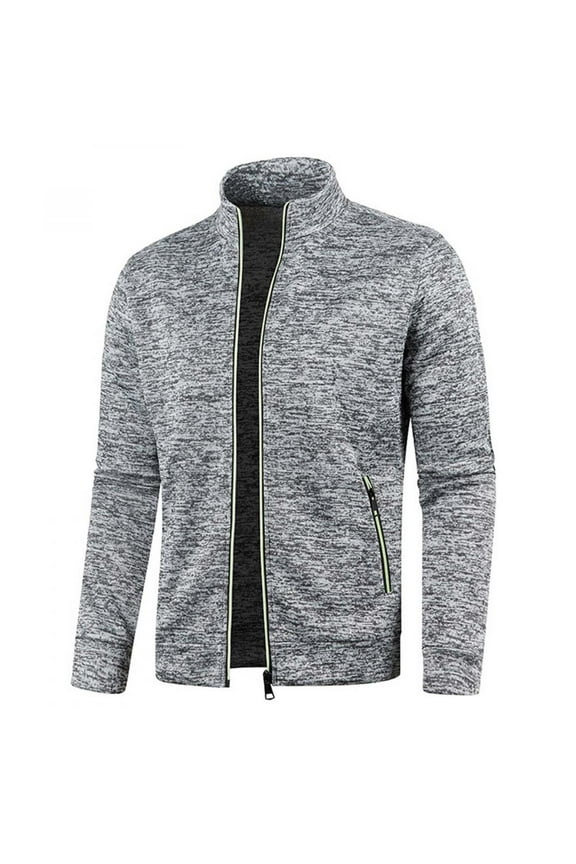


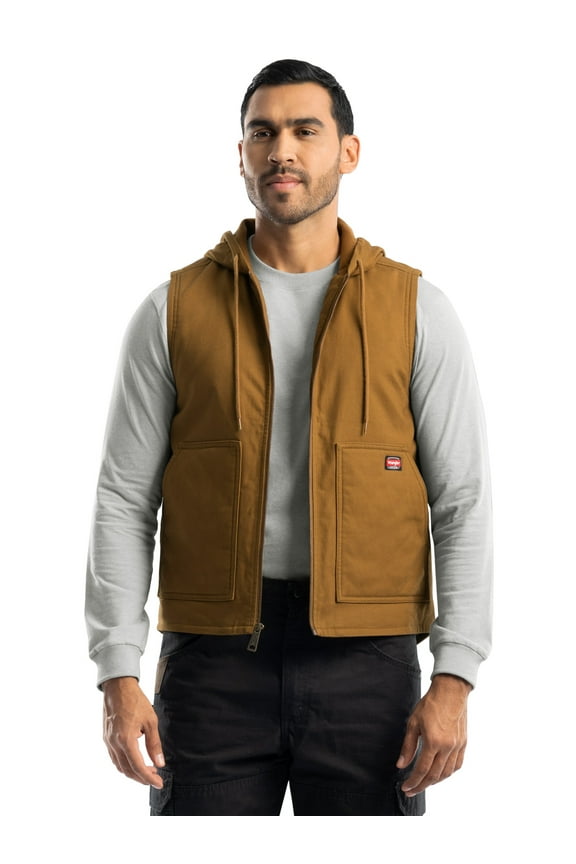


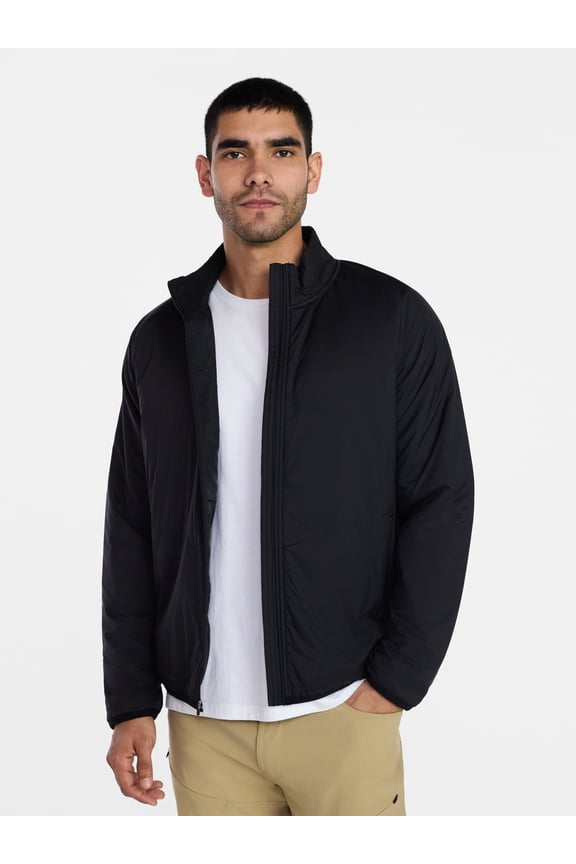


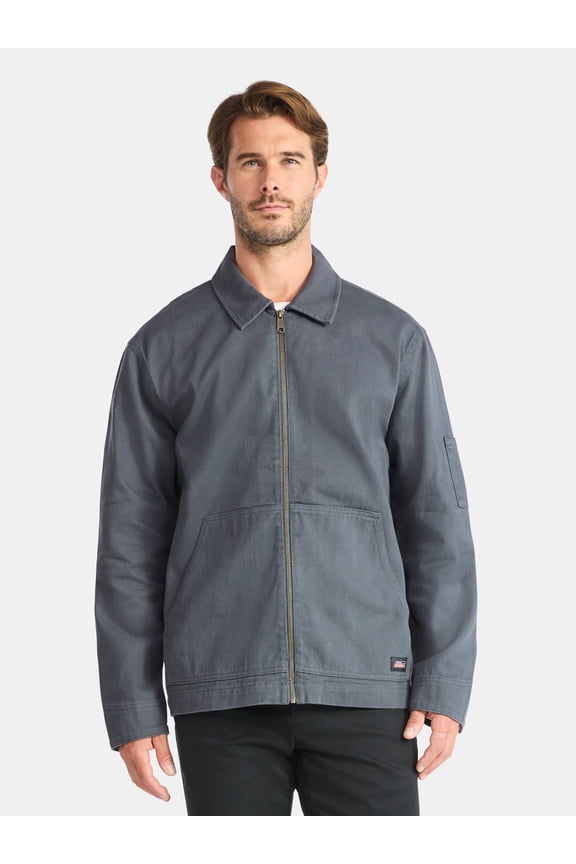


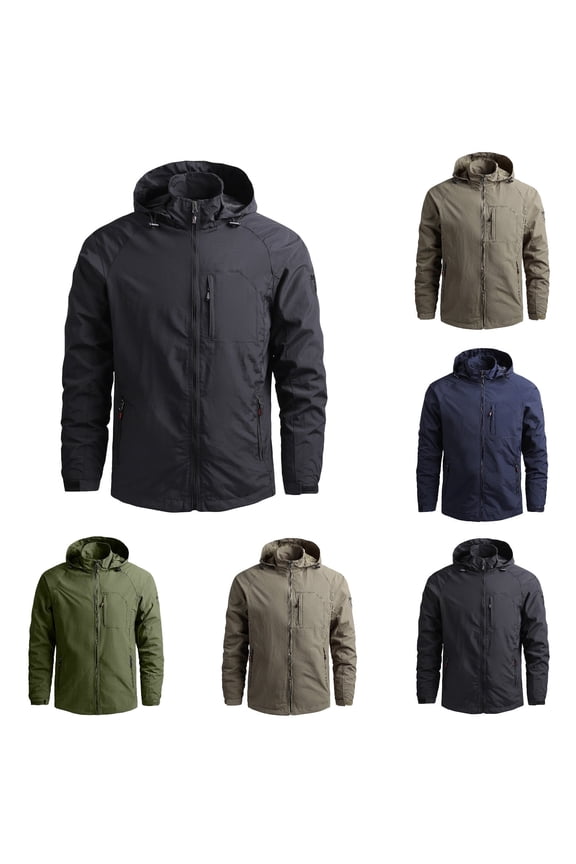


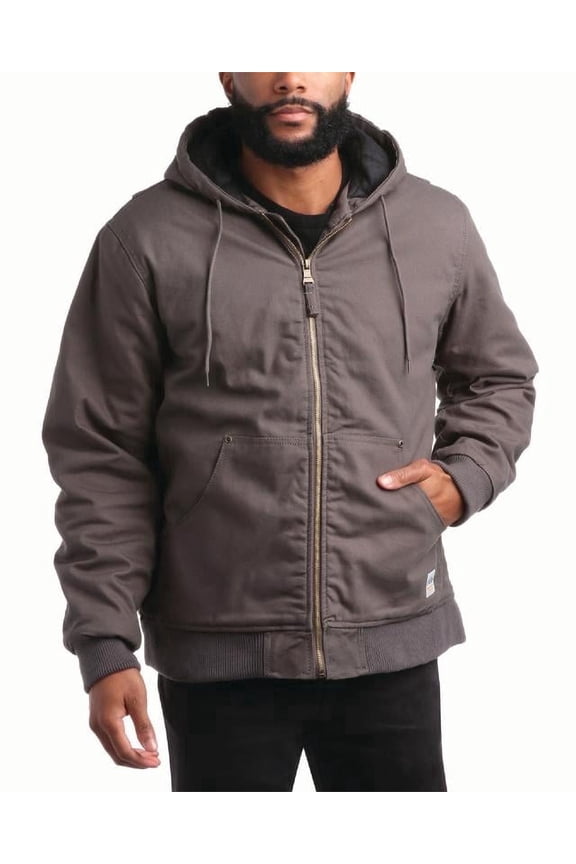






About Mens Coats and Jackets - Walmart.com
Men's coats and jackets help you handle changing weather, commutes, and weekends with coverage that fits your routine. You can compare warmth, weather protection, and fit in one place, so your next layer suits work, travel, or cold mornings.
How to choose men's coats and jackets
When you shop men's coats and jackets, you should start with the weather you face most often. You can narrow your options quickly when you match insulation, shell type, and length to your usual forecast.
On active days, you may prefer shorter styles because they support natural movement and easier layering. During windy commutes, you may prefer longer cuts when your route includes sleet or more time outside.
- You can choose lightweight layers for spring, fall, and cool indoor spaces.
- You can pick midweight options when you want daily warmth without bulky layering.
- You can select heavyweight insulation for freezing temperatures and long outdoor wear.
- You can compare waterproof and windproof details for rough weather and wet commutes.
- You can check fit and closure styles to match sweaters, hoodies, or work layers.
Choosing between men's jackets and longer coats
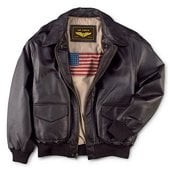
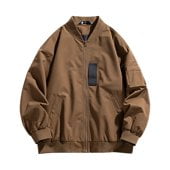
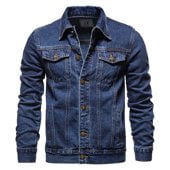
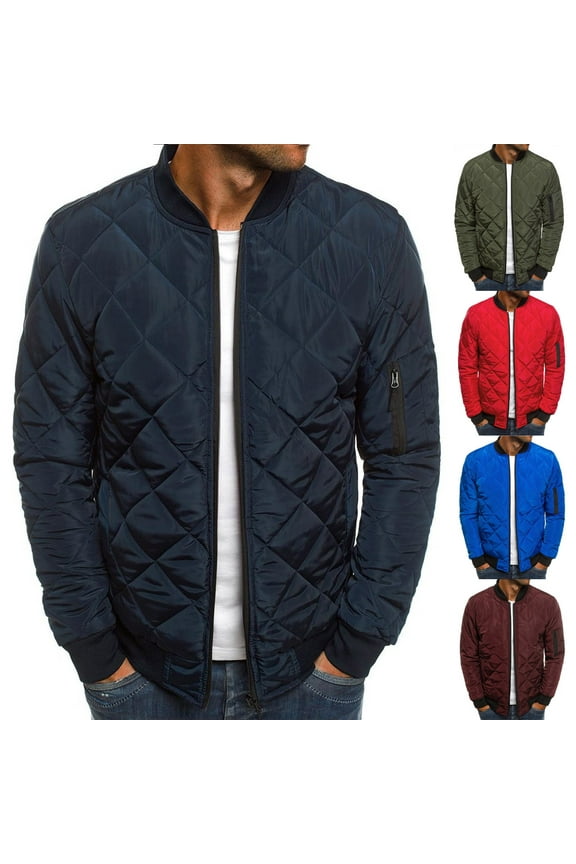
Men's jackets usually give you flexible movement and light coverage for everyday wear. You may lean toward bomber, denim jacket, or windbreaker styles when you want a shorter silhouette.
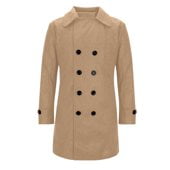
A parka or trench gives you more leg coverage and an extended shield from wind. You can use those longer styles when your route includes train platforms, stadium seats, or long walks.
You should compare closure type as part of your daily routine. A zipper gives you quick changes, while button down, pullover, or snap closure styles create different looks.
What to look for in men's winter coats
Men's winter coats should match your climate, not just your calendar. You can use heavyweight insulation for deep winter, while midweight layers often work well for milder cold.
Down fill can feel lighter for the warmth you want, especially when you wear your coat for long periods. Synthetic insulation can make sense when you want easy care and dependable everyday use.
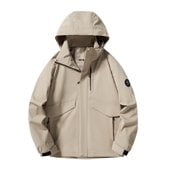
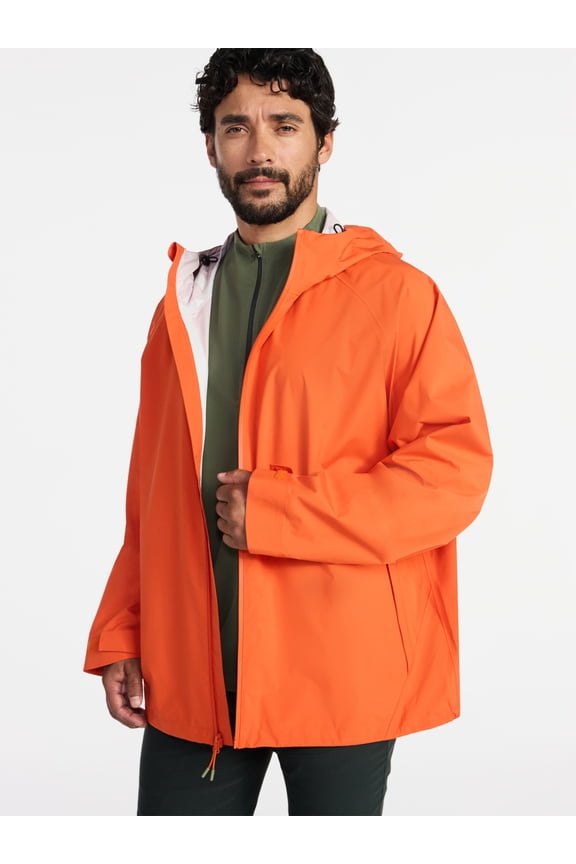
You should also compare shell details before you decide. Water-resistant fabric handles light moisture, while fully waterproof seam-sealed shells support wet conditions and extended exposure.
Comparing materials and weather protection
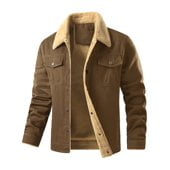
Material changes how your outer layer feels, flexes, and layers over your clothes. You can choose fleece for soft comfort, wool blend for structure, leather for a classic look, or cotton for familiar wear.
If you need insulation, you can compare down and synthetic fills by climate and activity. You usually want breathable construction for movement, and you may want loft when temperatures stay low.
Weather protection matters when your day starts early or ends late. You should look for windproof membranes when gusts cut through lighter layers, and you should check waterproof builds for heavy rain.
Choosing fit, size, and layering room
Fit affects your comfort as much as warmth, especially when you layer underneath. You can choose regular or relaxed fits for sweaters, while slim fit options work when you want a closer profile.
Big and tall sizing can help you get the sleeve length and body coverage you need. You should measure your chest, shoulders, and preferred layer thickness before you compare sizes.
If you wear hoodies or thick knits often, you may want extra room through the chest and arms. If you wear activewear underneath, you may prefer a true-to-size fit that moves cleanly.
Matching style and function to your routine
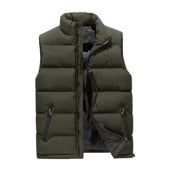
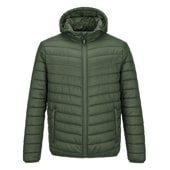
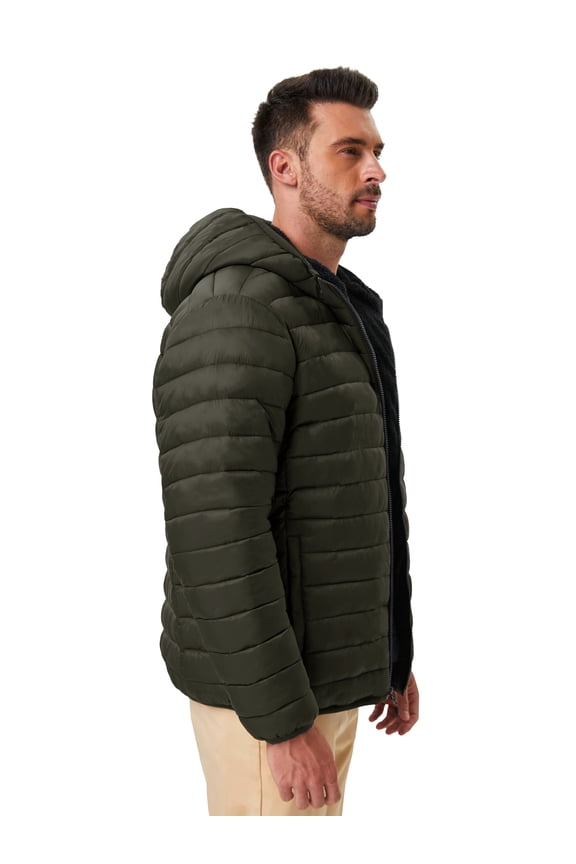
You can match style type to how and where you wear your outer layer. A puffer gives you insulated warmth, a windbreaker feels lighter, and a trench offers a cleaner city-ready profile.
For hikes or travel days, you may want lightweight jackets for men that feel breathable and pack easily. For workwear routines, you may prefer tougher fabrics and room for heavier layers.
Men's outerwear also changes with your season and schedule. You can keep a fleece jacket for crisp mornings, a puffer for winter weekends, and a waterproof shell for rainy commutes.
Using men's coats and jackets across seasons
You don't need the same layer for every month or activity. You can rotate lightweight jackets for men in spring, midweight styles in fall, and insulated options during winter.
For travel, you may prefer a packable layer that fits into a duffel or carry-on. For commuting, you may want a hood, longer hem, and weather-ready shell that handles changing forecasts.
When you compare men's coats and jackets by style, material, warmth, fit, and closure, you make your choice clearer. You end up with outerwear that works well for your weather, wardrobe, and weekly routine.