


Find auto parts that fit
Let’s search for parts that fit your vehicle.Windshield Wiper Blades in Automotive Replacement Parts
![PowerClear by PowerStop – PCK-2118-1 - Front 21" + 18" Windshield Wiper Blade Set, J-Hook Type For Subaru Impreza, Toyota Matrix, Pontiac Vibe [Model Specific]](https://i5.walmartimages.com/seo/PowerClear-PowerStop-PCK-2118-1-Front-21-18-Windshield-Wiper-Blade-Set-J-Hook-Type-Subaru-Impreza-Toyota-Matrix-Pontiac-Vibe-Model-Specific_659cf429-9f5b-44bd-9d64-434f4086fcde.44d037bfa9049e47e9cef10d17a29468.jpeg?odnHeight=576&odnWidth=576&odnBg=FFFFFF)


















About Windshield Wiper Blades in Automotive Replacement Parts - Walmart.com
Wiper blade sets help you restore clear visibility fast, and you can compare fitment, blade type, and weather performance in one place. You’ll find category guidance here that focuses on exact blade length, connector style, and material choices for everyday driving.
How to choose wiper blade sets for your vehicle
Before you choose windshield wiper blades, you should confirm your front blade lengths in inches and check your wiper arm connection. You’ll usually compare sizes like 14 inch, 22 inch, 26 inch, and 28 inch for a proper match.
Your connector style matters just as much as blade length during wiper blade replacement. You should look for j-hook, multi-adapter, or pinch tab compatibility so your installation feels straightforward and secure.
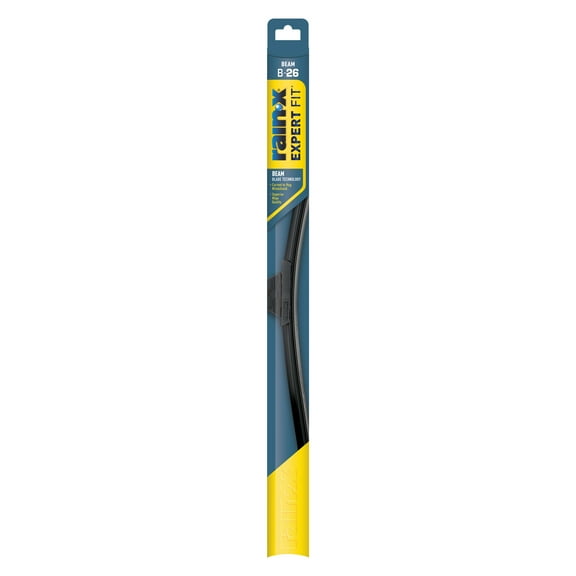
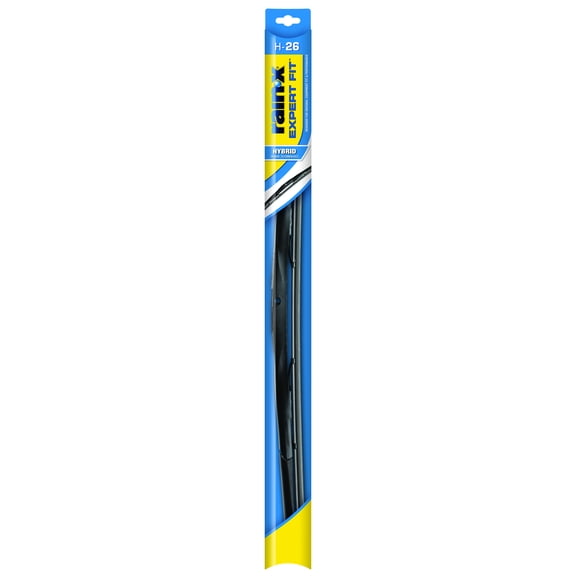
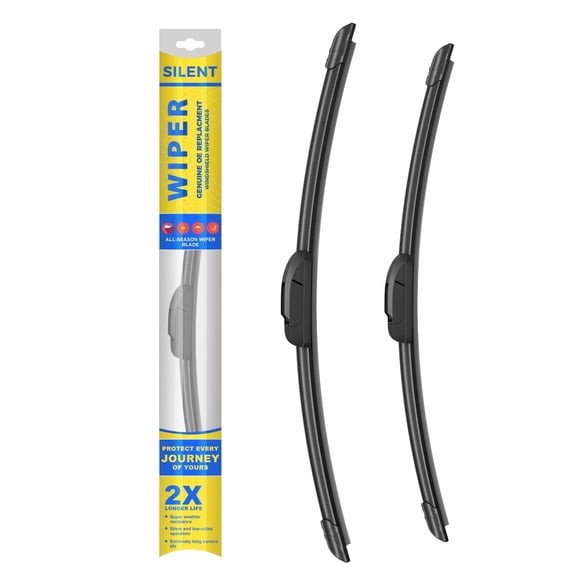
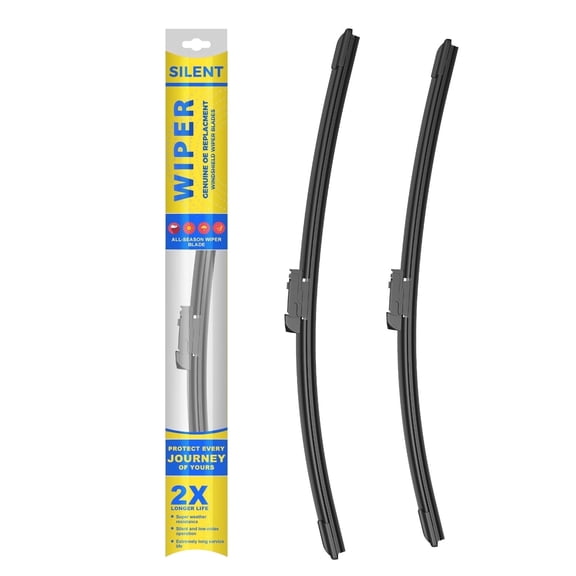
Blade type also changes how your car wiper blades sit against the glass. You can compare beam, conventional, and hybrid designs based on how evenly you want pressure distributed across the windshield.
Key decisions that affect windshield wiper blades performance
If you drive through frequent rain, you may prefer a beam design because you want smoother contact across curved windshields. If you drive an older vehicle, you may choose conventional styles because your arm design may match them more directly.
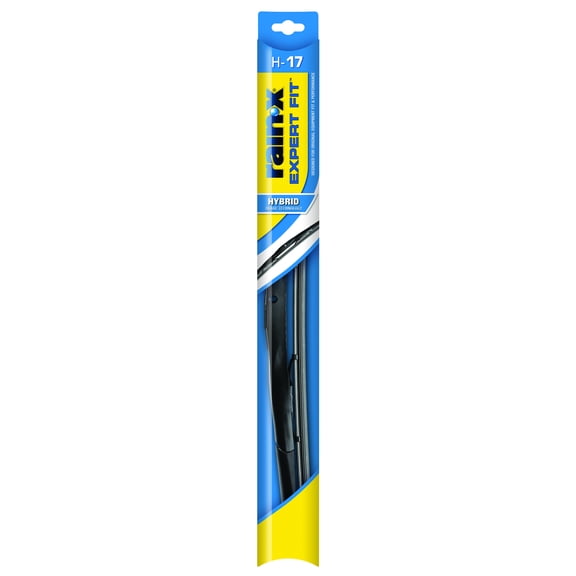
Hybrid styles give you a middle ground when you want a covered frame with familiar structure. You can use that option when your commute includes changing weather and mixed road conditions.
- You can narrow choices faster when you know your blade length and connector type.
- You can reduce streaking by matching blade material to your climate and driving routine.
- You can simplify installation by checking whether your set includes the adapter style your vehicle uses.
- You can improve wipe consistency by choosing a blade type that fits your windshield shape.
When you replace both sides together, you can keep wiping performance more balanced across your field of view. You’ll also find it easier to compare paired options when your vehicle uses two different blade lengths.
Choosing between silicone wiper blades and rubber
Material is a major decision because you want smooth passes and clean edges during daily driving. You can compare silicone wiper blades, natural rubber, and synthetic rubber by how they feel on the glass over time.
If you want a flexible blade that handles regular commuting, natural rubber can feel familiar and easy to replace. If you want added durability in changing temperatures, synthetic rubber may fit your routine well.
Silicone wiper blades appeal to many drivers who want a clean wipe and long-lasting flexibility. You may notice they suit frequent highway driving, repeated storms, and year-round use on busy vehicles.
During wiper blade replacement, you should also consider the frame and refill design together with the material. You’ll get a clearer comparison when you match blade material to your climate, mileage, and parking conditions.
What to look for in size range and fitment connection
Exact sizing is decision-critical because even a small mismatch can affect glass coverage and arm movement. You should measure carefully or confirm your vehicle fitment before you choose car wiper blades.
A 14 inch blade may suit some rear or compact applications, while 22 inch and 26 inch sizes are common on many front windshields. You may also need a 28 inch blade when your vehicle uses longer driver-side coverage.
Your connection type determines how quickly your new set attaches to the arm. You should compare j-hook, multi-adapter, and pinch tab options because each one installs a little differently.
If your vehicle uses a common arm style, a multi-adapter design can give you wider compatibility across model years. If your vehicle has a specific arm shape, you should check that the listed connector matches exactly.
Choosing winter wiper blades and all-season options
Weather suitability matters because your driving conditions change how a blade performs on the windshield. You can compare all-season, winter wiper blades, and heavy rain options based on what your daily route demands.
If you face snow and slush, winter wiper blades can help you limit buildup around the blade frame. You may prefer a wrapped or beam-style design when you want fewer exposed areas during cold weather.
If you drive through steady downpours, you should focus on consistent glass contact and smooth water clearing. You’ll often see beam styles and silicone material considered for heavy rain use.
All-season sets work well when your weather changes throughout the year and you want one practical setup. You can keep your replacement routine simpler when your blade choice matches both summer showers and cold mornings.
When different wiper blade sets make sense
If you commute every day, you may want durable materials and exact fitment that make regular use feel dependable. You should prioritize your blade length, connector style, and weather match before anything else.
If you maintain more than one vehicle, you can compare sizes and connection types across sedans, trucks, and SUVs more efficiently. You’ll avoid guesswork when you group your search by inch length and arm style.
If you’re planning seasonal maintenance, you may switch focus toward winter wiper blades before cold weather arrives. You can also pair your search with windshield washer fluid and detailing supplies for a more complete refresh.
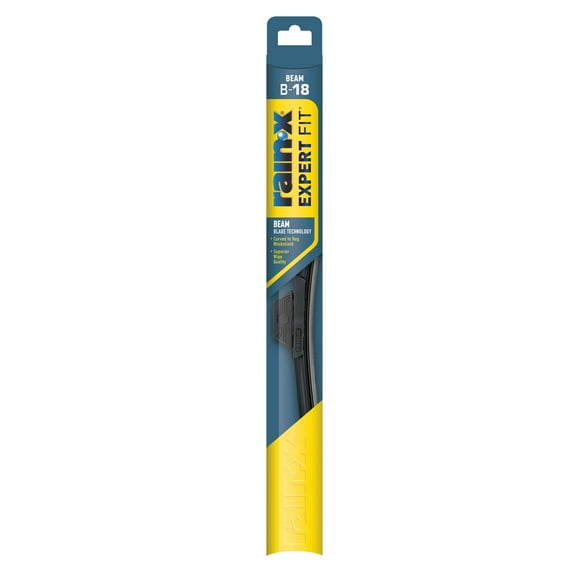
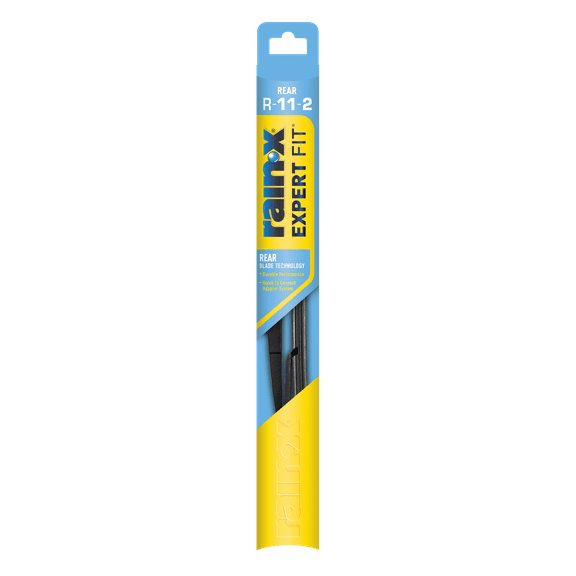
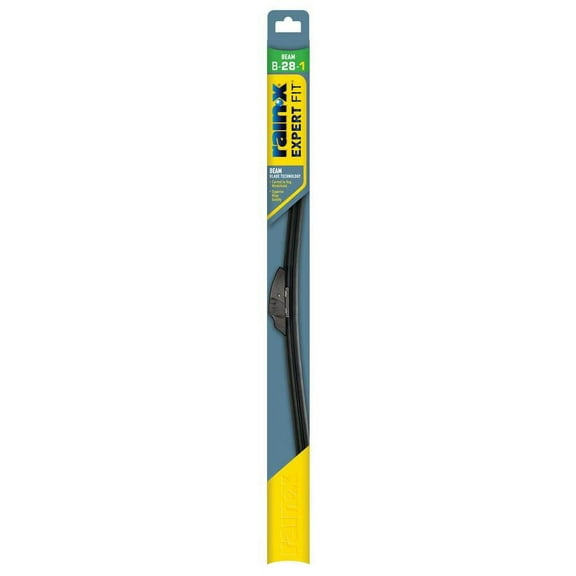
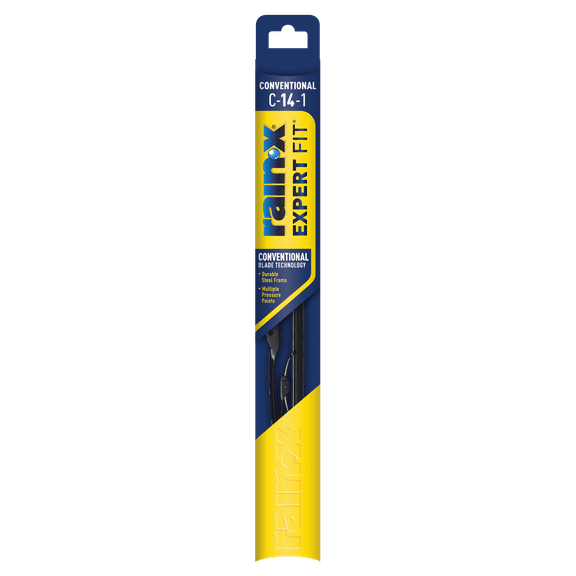
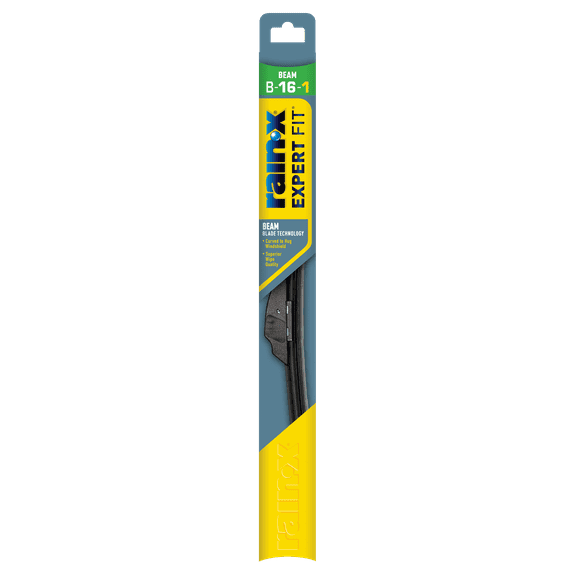
You may also recognize familiar names during your search, including rain x wiper blades and bosch wiper blades. You should still start with fitment, because the right size and connector matter first for daily use.
With the right wiper blade sets, you can get a cleaner wipe, easier installation, and coverage that matches your vehicle exactly. You’ll feel more confident on the road when your blades fit properly and suit your weather.