

Auto Window Sealants & Car Glass Sealers | Walmart















About Auto Window Sealants & Car Glass Sealers | Walmart - Walmart.com
You can choose auto window sealant efficiently when you compare material type, application method, vehicle fit, and sealing purpose. You also get a precise match for side glass, windshields, sunroofs, and weatherstrip upkeep.
When you shop this category, you’re usually trying to block water entry, reduce drafts, or refresh dry rubber around movable glass. You’ll also want formulas that handle automotive vibration, changing temperatures, and outdoor exposure.
Choosing the right auto window sealant
You should first compare whether your job involves glass-to-metal bonding or rubber-to-metal sealing. You’ll usually look at polyurethane for fixed glass and silicone for flexible sealing around trim.
If you’re sealing a windshield edge, you may need a strong glass-to-metal bond that stays in place under road vibration. If you’re working around side windows or sunroofs, you may prefer more flexibility.
You should also check cure details before you start. You’ll see terms like tack-free time and drive-away time, which help you plan when your vehicle can face rain.
A tack-free formula lets the surface skin over sooner, so dust and debris are less likely to stick. A drive-away window helps you judge when your vehicle is ready for normal use.
How to compare sealant for car windows by material
You can narrow your options quickly by comparing silicone, polyurethane, butyl rubber, and acrylic formulas. You’ll get different flexibility, adhesion, and cleanup traits from each material type.
Silicone for car windows can suit areas where you want a flexible seal around trim or non-structural gaps. You’ll often choose it when movement and changing temperatures matter.
Polyurethane can work well when you need a firm bond between glass and metal. You’ll often see this window sealant automotive choice used for windshield glass sealing tasks.
Butyl rubber can help when you want a compressible seal that stays workable in older vehicle projects. You may also prefer it for tape or cord styles used around classic glass channels.
Acrylic formulas can fit lighter-duty sealing jobs where easy application matters. You should still confirm the product matches exterior automotive use before you begin.
- You can use silicone when your seal needs flexibility around trim and weather changes.
- You can choose polyurethane when your job needs a strong glass-to-metal bond.
- You can consider butyl rubber when you want tape, cord, or a resealable style.
- You can compare acrylic when you want a simple option for selected sealing tasks.
What to look for in car window caulk and application methods
You should match the formula thickness to the gap you’re trying to fill. You’ll usually want flowable liquid for hairline openings and thicker car window caulk for wider seams.
Flowable products can move into tight edges and small cracks with less spreading. You may prefer them when you’re sealing along narrow channels around fixed glass.
Thicker auto window caulk can stay where you place it and fill uneven gaps more easily. You’ll often find it useful when trim edges or larger seams need more body.
You also need to consider how the product dispenses. You can choose a caulk tube for a caulking gun, a squeeze tube for hand application, or tape and cord forms.
A caulk gun setup can give you steadier beads on long runs. A squeeze tube can feel simple when you’re making shorter repairs or working in tighter spaces.
Tape or cord products can help you position material along channels or body seams with less mess. You may like that format when you want neat placement before compression.
Types of sealants for car window rubber and weatherstrip care
You should compare products for rubber contact differently from products meant for bonding glass. You’ll want to protect flexibility around weatherstrips, window guides, and movable seals.
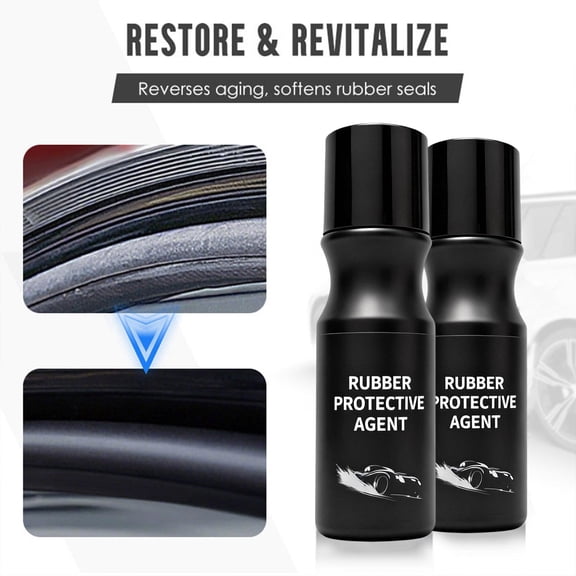
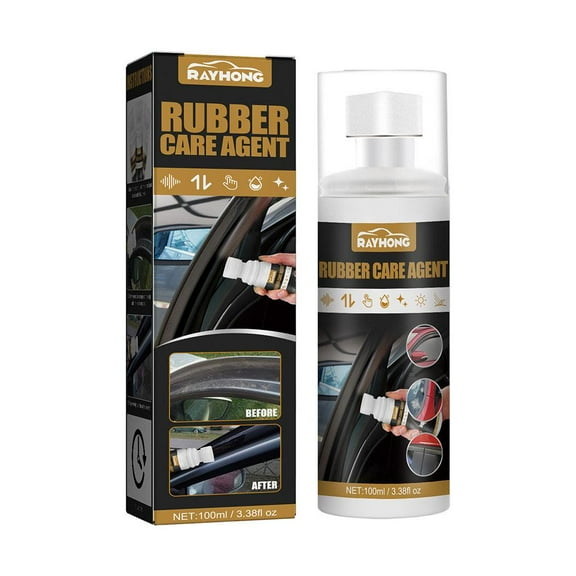
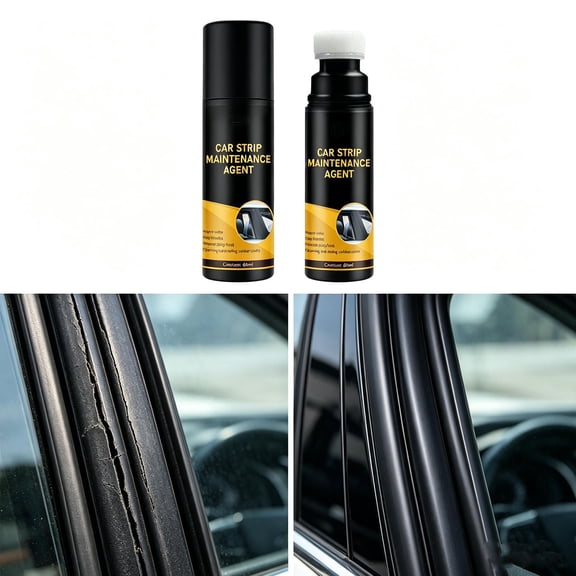
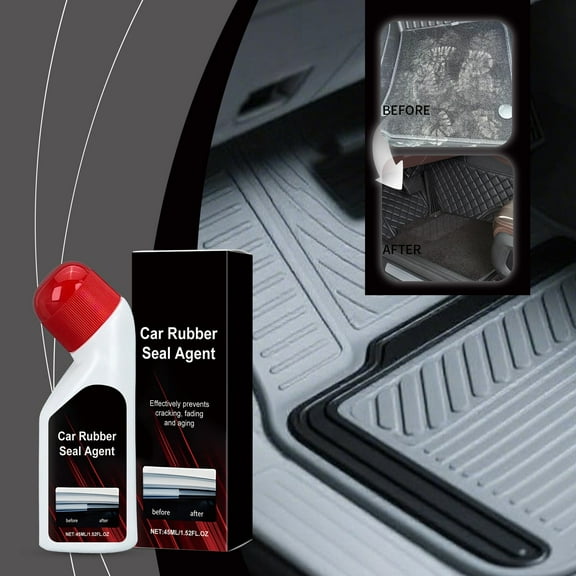
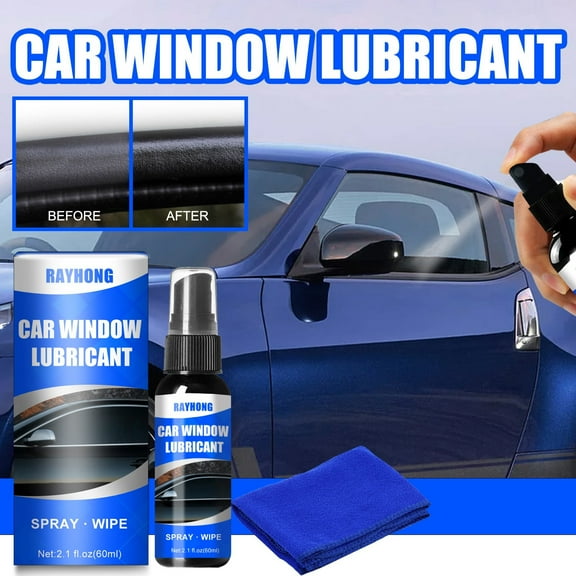
Rubber sealant for car windows can help you maintain a tighter barrier where rubber meets metal or trim. You may also look for window seal lubricant options when rubber feels dry or drags.
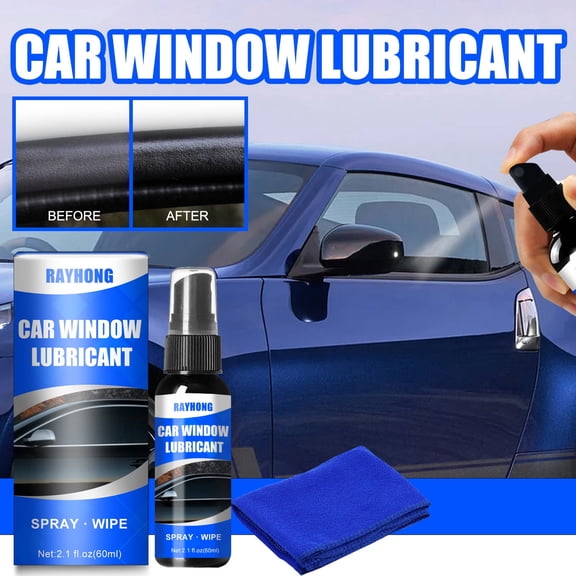
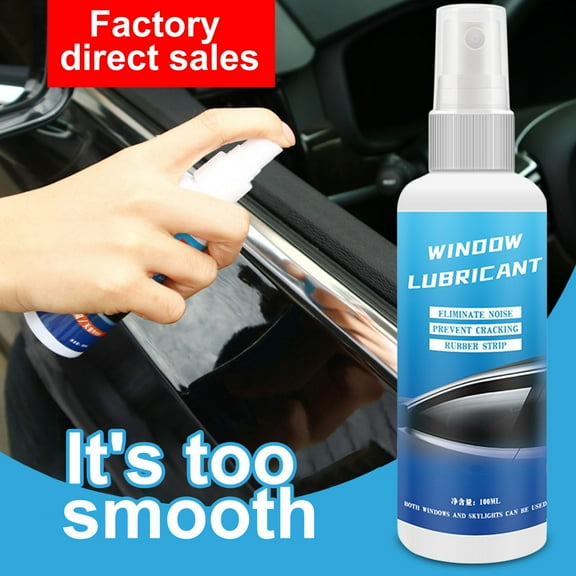
A window seal lubricant can help your weatherstrip move more smoothly during normal window operation. You’ll often use it when your window seal car parts need conditioning rather than gap filling.
You should avoid using a household product just because it looks similar on the shelf. You’ll get a more suitable result when you choose car glass silicone or automotive-labeled sealers.
Automotive formulas handle outdoor exposure, vibration, and changing seasons. You’ll want that focus when your vehicle spends time in rain, heat, or winter conditions.
Matching window sealer for car projects to your vehicle
You can filter choices by vehicle type so the format fits your project size and seal layout. You may need truck window sealant options for larger glass openings and longer bead runs.
Cars and compact SUVs may benefit from squeeze tubes or smaller cartridge sizes for touch-ups. Trucks and RVs may call for more material where glass panels and seams run longer.
You should also think about where the repair sits on the vehicle. You may need different products for a fixed windshield edge, a vent window, or a sliding rear window.
If you’re addressing a sunroof frame, you may want a flexible sealant that handles movement and weather exposure. If you’re sealing a windshield channel, you may focus on bond strength.
When you’re choosing a window sealer for car maintenance, you should compare material, cure time, thickness, and dispenser style together. You’ll end up with a clean application and a seal that fits your actual repair.
You can shop this category with more confidence when each formula matches your glass, rubber, and application method. You’ll get a more reliable fit for leak repair, weatherstrip care, and everyday weather exposure.