

Windmill Ceiling Fans in Ceiling Fans














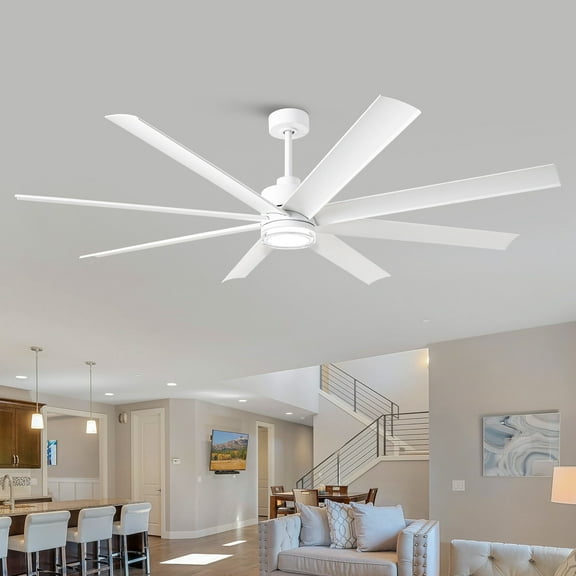
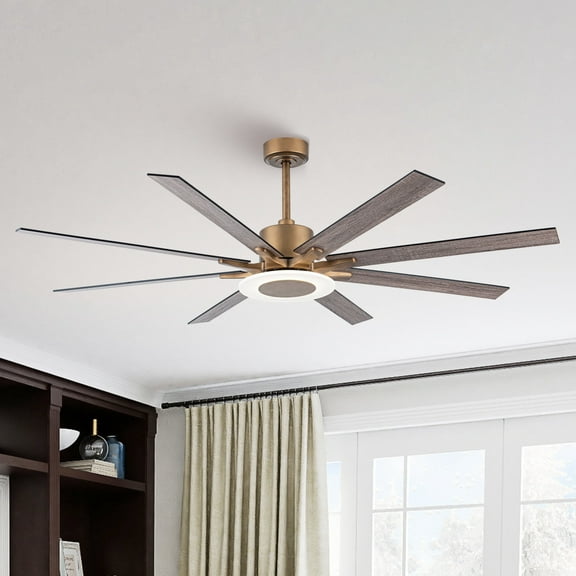
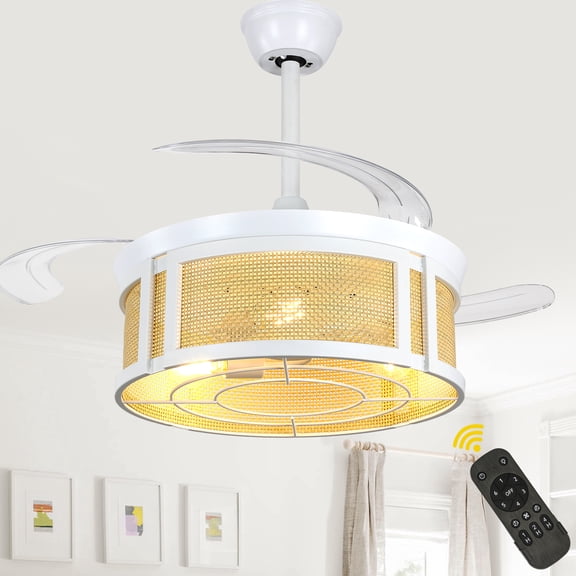
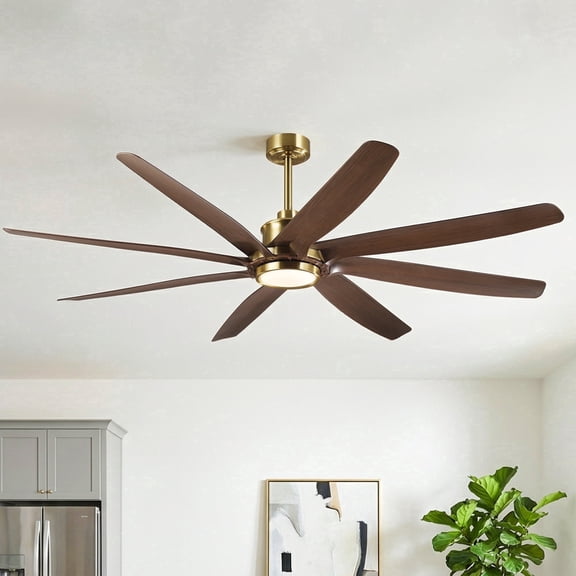

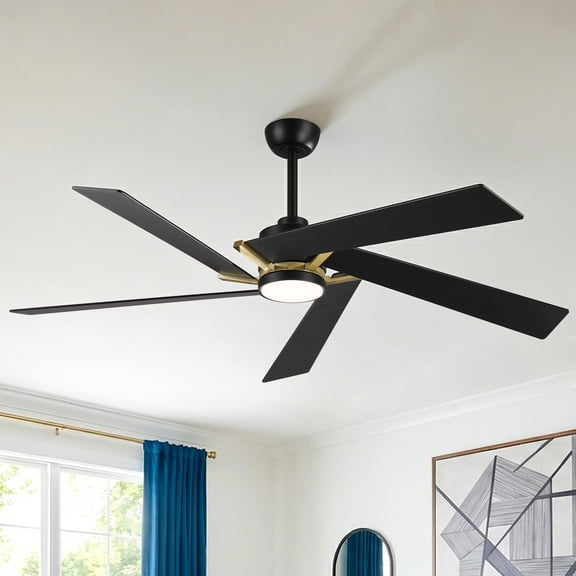

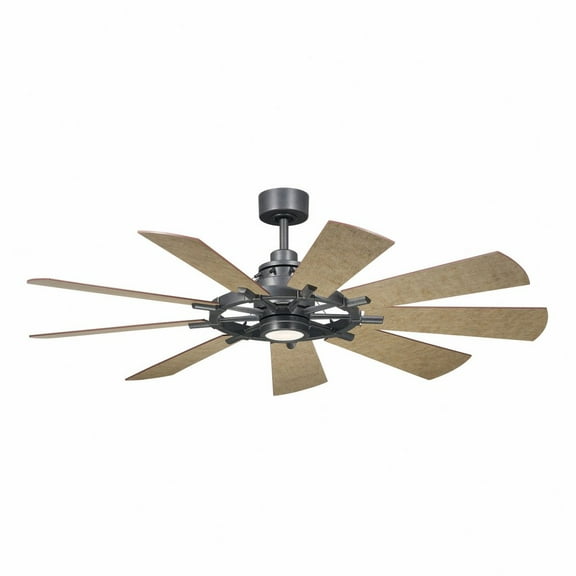
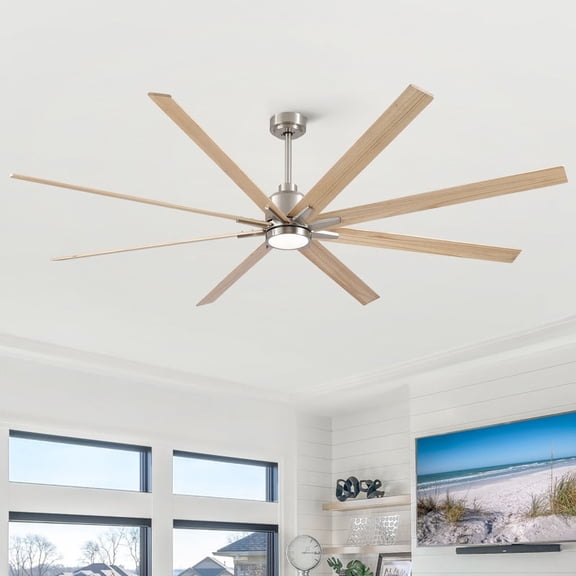
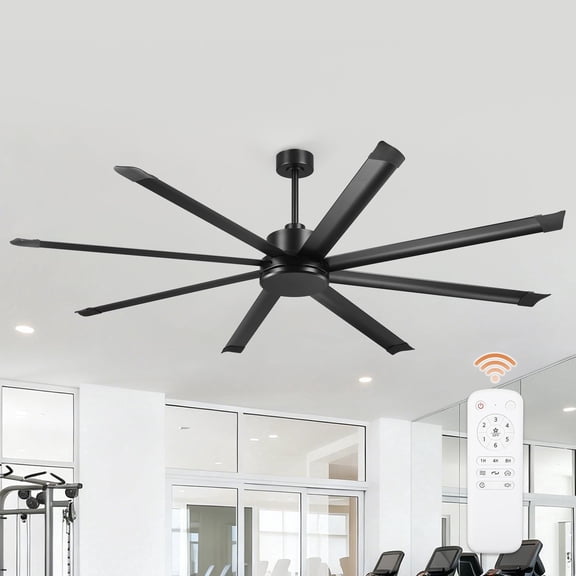
About Windmill Ceiling Fans in Ceiling Fans - Walmart.com
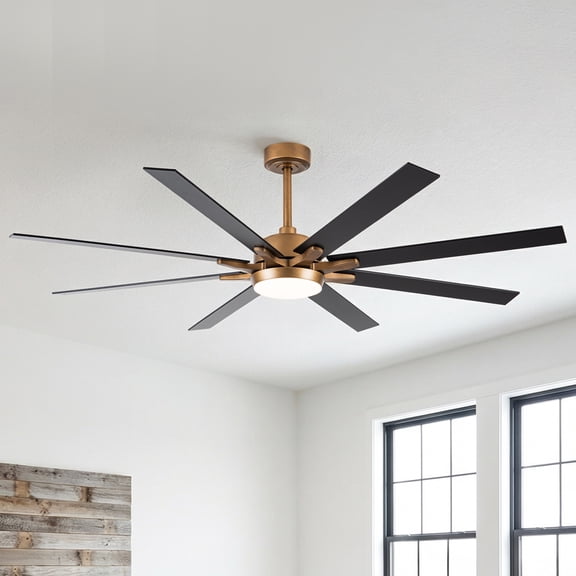
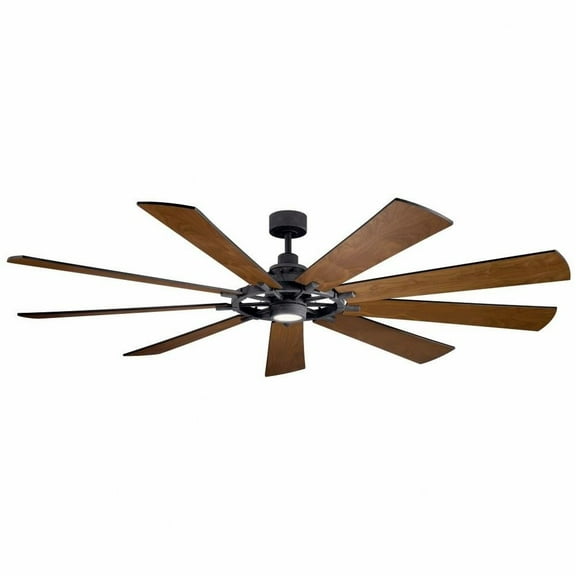
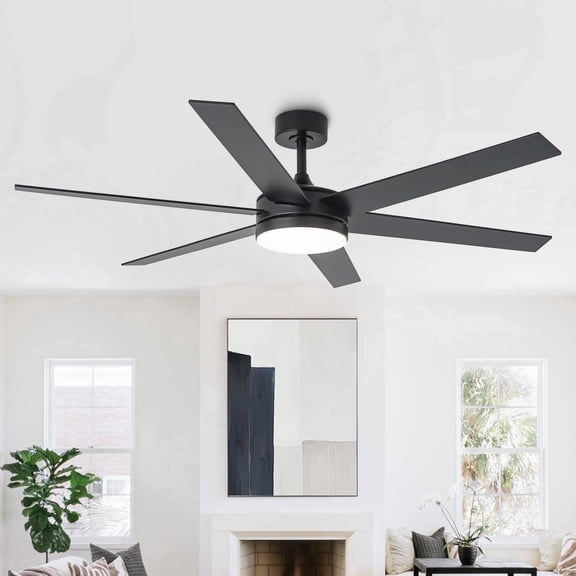
Windmill ceiling fans help you shape a rustic focal point while moving air across wide rooms. You can compare blade count, fan span, finish, and location rating to narrow the right fit.
If you're updating a farmhouse dining room or covered patio, you need style and scale to work together. You’ll also want mounting and control options that match your ceiling height and daily routine.
How to choose windmill ceiling fans by room size
Room size should guide your first decision, because these fans often use broad spans and many blades. You can start with 52-inch, 60-inch, or 72-inch options based on your square footage.
In a smaller room, you may prefer a 52-inch fan that keeps the windmill look without overwhelming the ceiling. In a great room, you may need a large windmill ceiling fan for better visual balance.
You should also compare CFM airflow ratings when you want stronger air movement across open layouts. Higher airflow usually means you’ll notice more circulation in wide living areas and vaulted spaces.
- You can use a 52-inch fan when your room needs a compact windmill profile.
- You can choose a 60-inch fan for many living rooms, dining rooms, and open kitchens.
- You can look at 72-inch spans when your great room or covered patio needs broader reach.
- You can compare CFM with room size to match airflow with your space.
Choosing blade count and windmill style
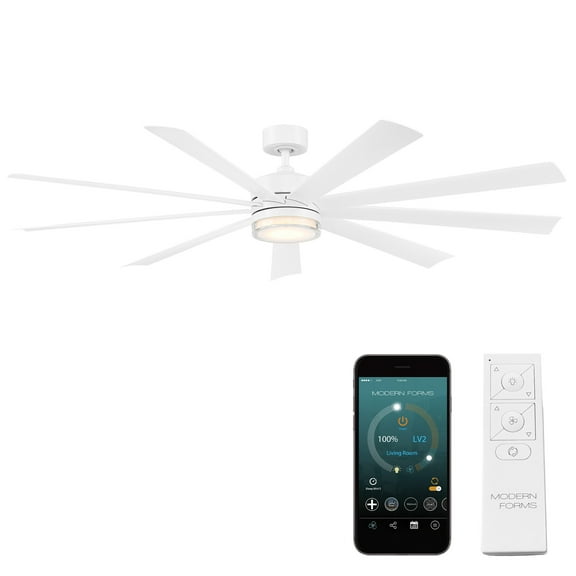
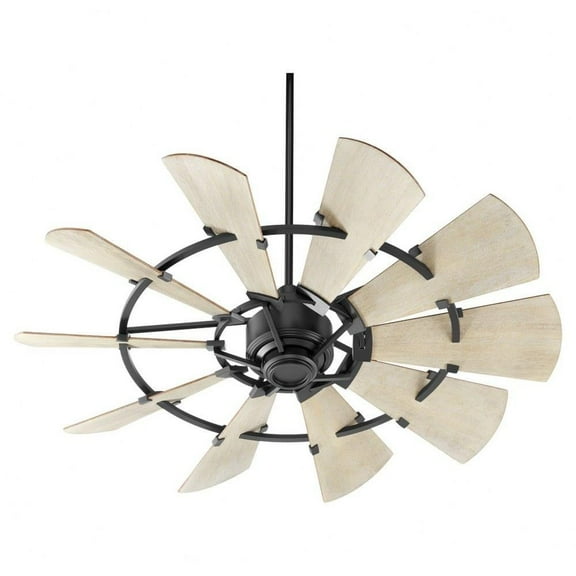
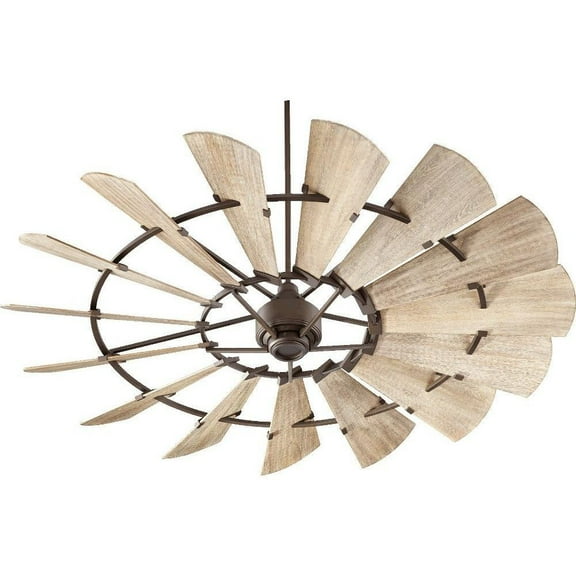
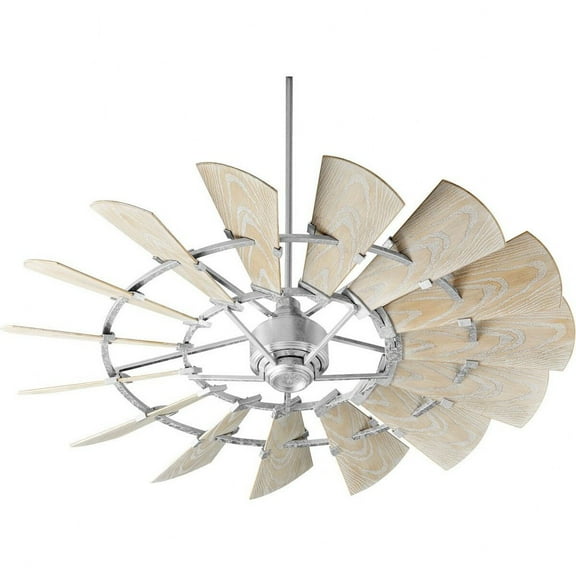
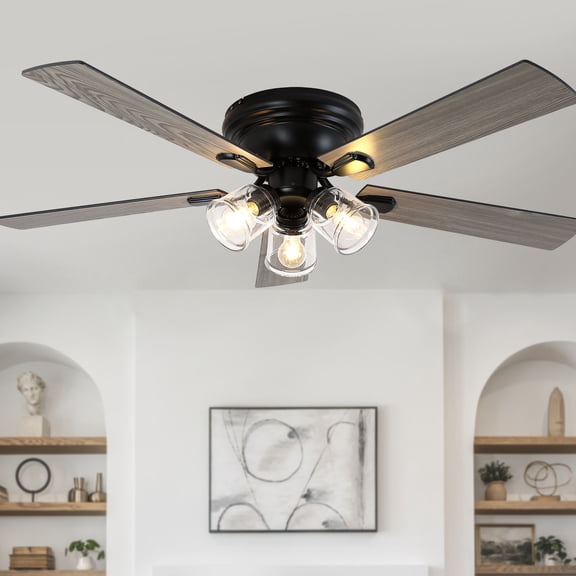
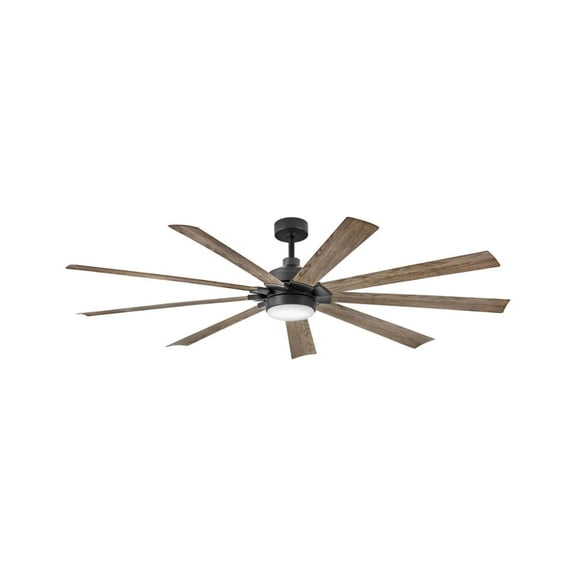
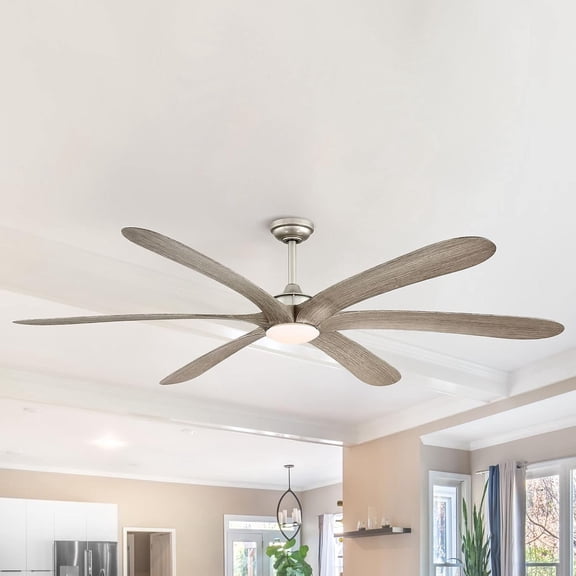
Blade count shapes the look you see first, and it also affects how the fan fills your ceiling. You can compare 10-blade, 12-blade, and 15-blade designs for a true multi blade ceiling fan appearance.
If you want a lighter visual feel, you may lean toward fewer blades and a simpler outline. If you want a fuller windmill presence, you may prefer 12-blade or 15-blade styles.
You’ll often see this category paired with farmhouse and industrial decor because the silhouette feels architectural. You can use that broad circular design to anchor a table, seating area, or entry space.
Comparing finishes for rustic and farmhouse rooms
Finish choice changes how your fan blends with beams, floors, and lighting. You can compare distressed wood, galvanized metal, and oil rubbed bronze to support your room’s palette.
A distressed wood ceiling fan usually works well when you want warmth and a worn-in farmhouse feel. Galvanized metal can suit industrial spaces where you want a barn-inspired look with cooler tones.
If your hardware and fixtures already lean dark, you may prefer oil rubbed bronze for a cohesive finish. You should compare blade texture and housing color together so your ceiling fixture feels intentional.
A rustic windmill ceiling fan can also bridge mixed materials in open concept spaces. You can pair wood tones with black accents, or metal finishes with exposed brick and neutral upholstery.
Picking indoor or outdoor windmill ceiling fan options
Location rating matters because indoor and outdoor spaces face different moisture levels. You should check whether your fan is rated for indoor use, outdoor damp-rated use, or outdoor wet-rated use.
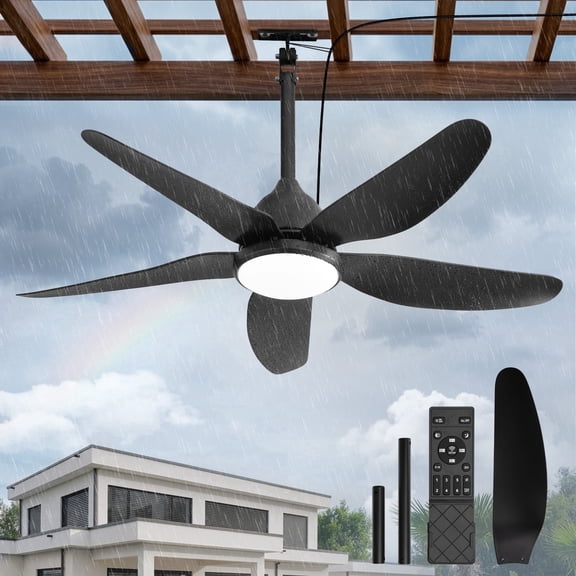
If your fan will hang on a covered porch, you may need an outdoor windmill ceiling fan with a damp-rated design. If your fan will face direct weather exposure, you should look for a wet-rated option.
You can keep your style consistent by using a windmill design inside and on covered exterior spaces. That approach helps you carry your farmhouse theme from the kitchen to the patio.
What to look for in mounting and controls
Ceiling height affects comfort, appearance, and how the fan sits in the room. You should measure your ceiling before choosing a flush mount or a downrod setup.
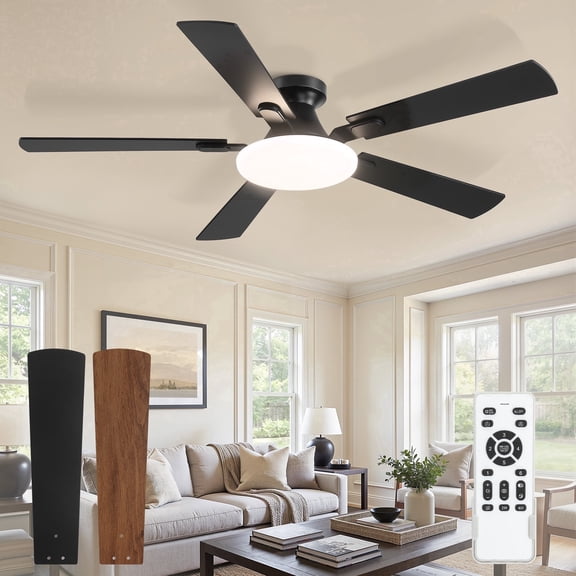
If your ceiling is lower, you may want a flush mount that keeps the fan closer overhead. If your ceiling is tall or vaulted, you may need a downrod to place airflow where you use it.
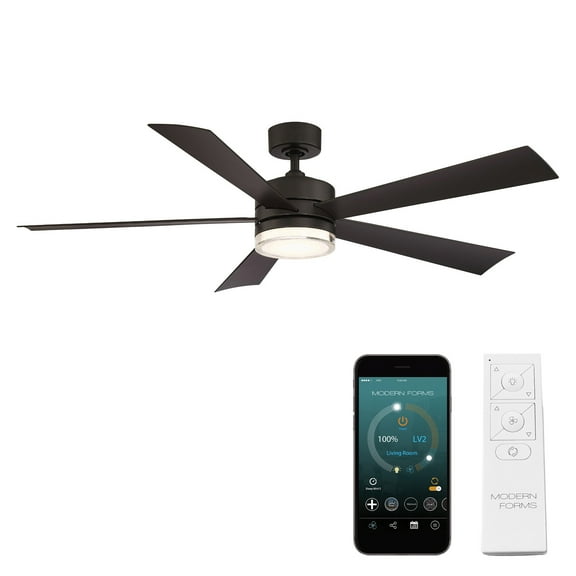
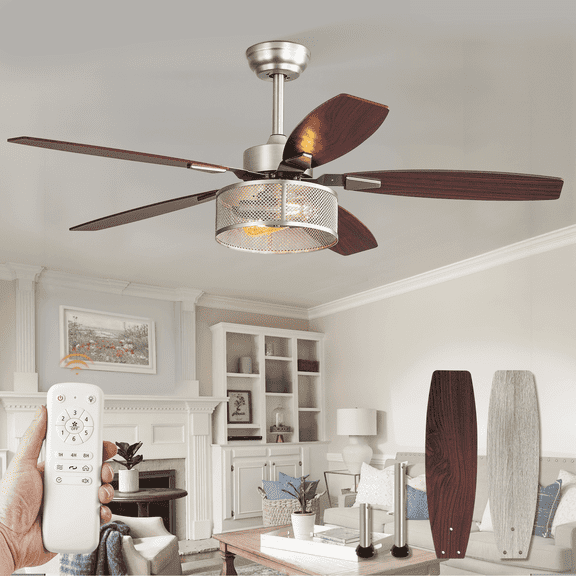
You should also think about how you want to control the fan each day. You can choose remote control access, wall switch operation, or smart home integration for easier adjustments.
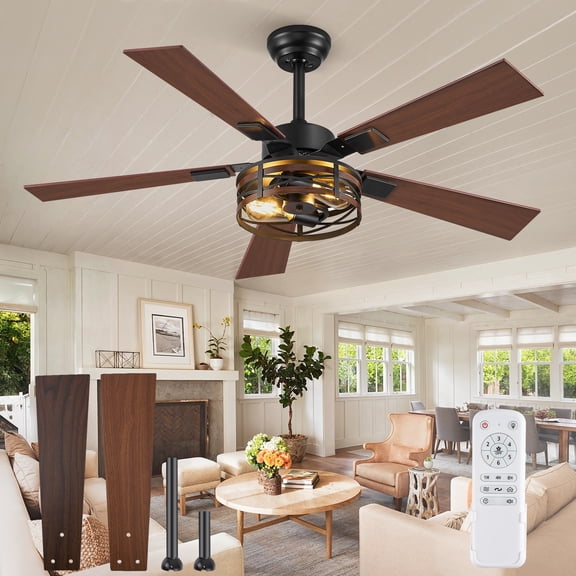
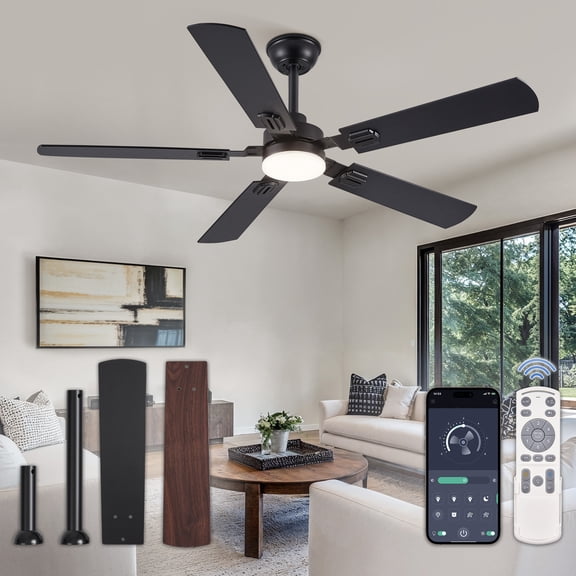
A remote can help you change speed and lighting from a bed or sofa without crossing the room. Smart controls can make sense when you want your fan to fit into connected routines.
Using windmill ceiling fans in real rooms
You can use these fans to define the style of large gathering spaces where a standard fan may look too small. A large windmill ceiling fan often suits great rooms, loft-style living areas, and long dining spaces.
In a farmhouse kitchen, you may want a 60-inch span with distressed wood tones and remote control convenience. In a vaulted family room, you may prefer a 72-inch model with strong airflow and downrod mounting.
On a covered patio, you should look at outdoor damp-rated designs with finishes that complement exterior lighting. In a sun-exposed porch area, you may need a wet-rated model that matches your railing and furniture.
If your room already has black metal accents, you can use galvanized metal or bronze finishes to tie details together. If your space feels plain overhead, you can add a bold circular profile that draws the eye upward.
When you compare dimensions first, you can choose windmill ceiling fans that fit your room and your style. You’ll end with a statement fixture that looks proportionate and delivers comfortable airflow where you gather.