

Wheelbarrow Tires & Replacement Wheels | Walmart















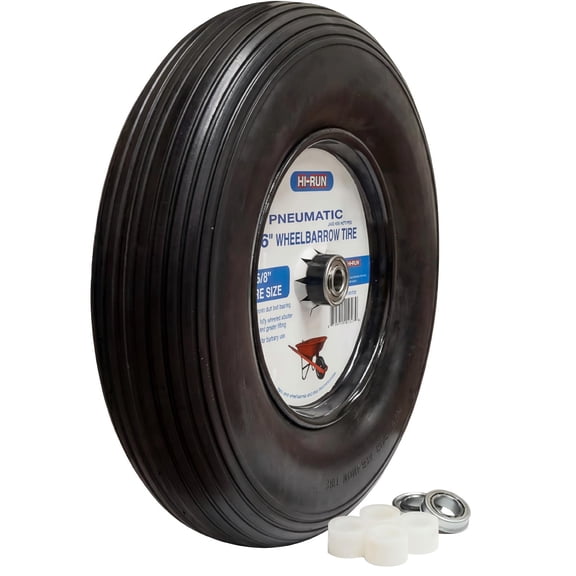
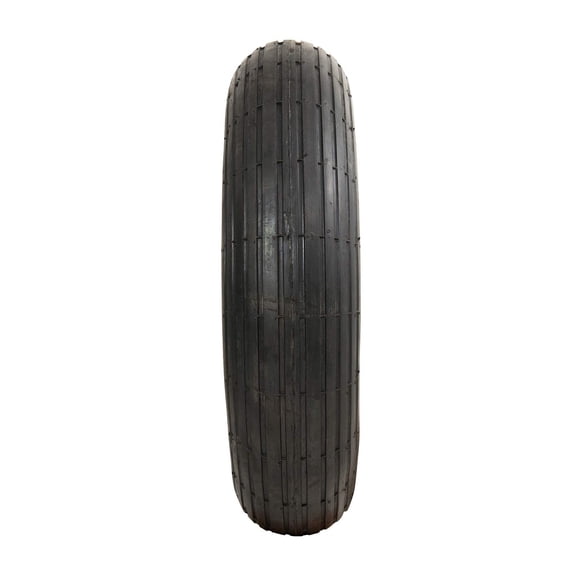


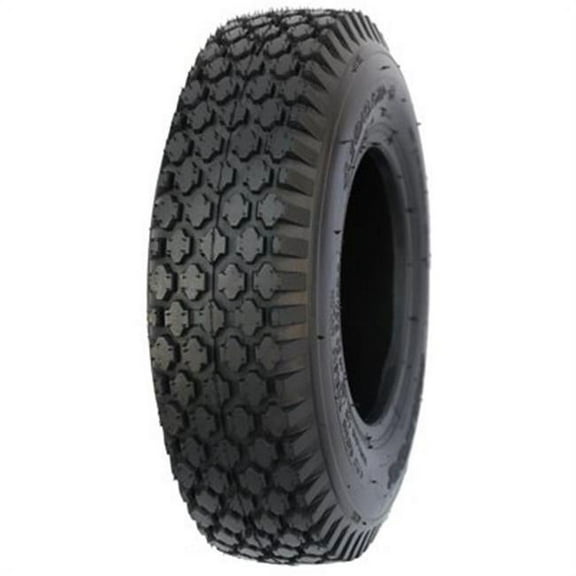


About Wheelbarrow Tires & Replacement Wheels | Walmart - Walmart.com
Wheelbarrow tires help you keep yard, garden, and jobsite loads moving with the right mix of fit, traction, and ride comfort. You can compare flat-free and pneumatic options, plus wheelbarrow wheels, tubes, and rims, without guessing what fits your cart.
If you need wheelbarrow tire replacement parts, you should start with tire type, size, and hub style. You’ll make the right choice when you match those details to your wheelbarrow’s axle, load, and surface.
How to choose wheelbarrow tires
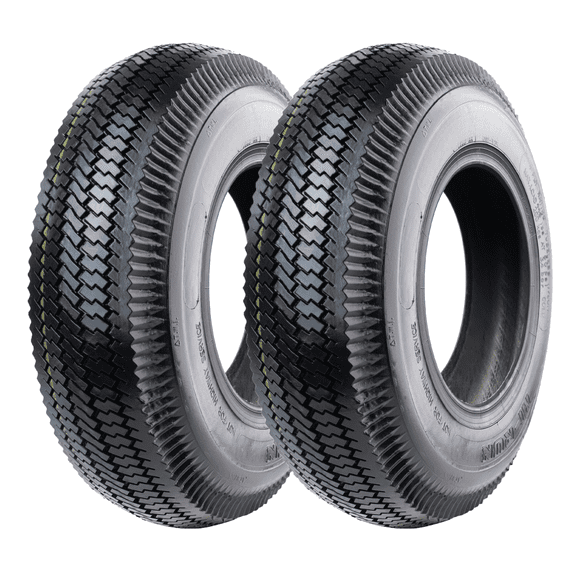
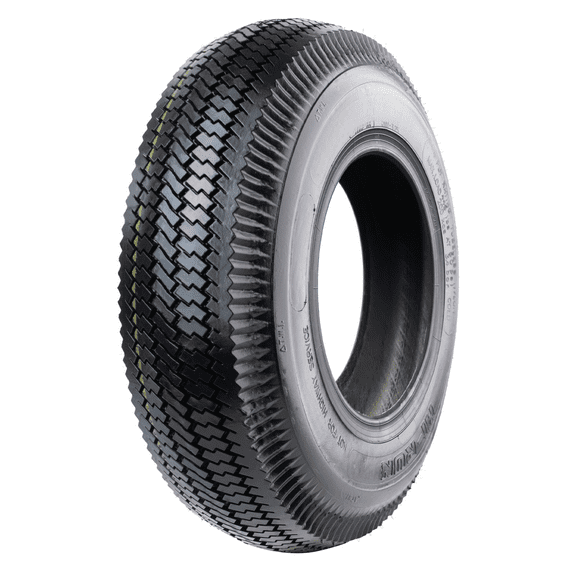
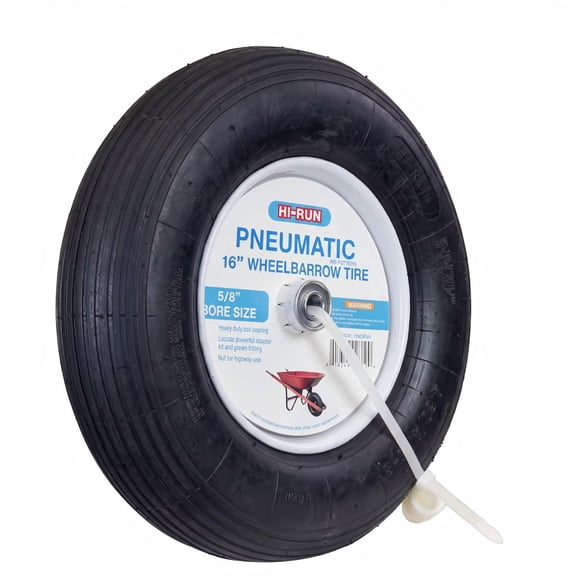
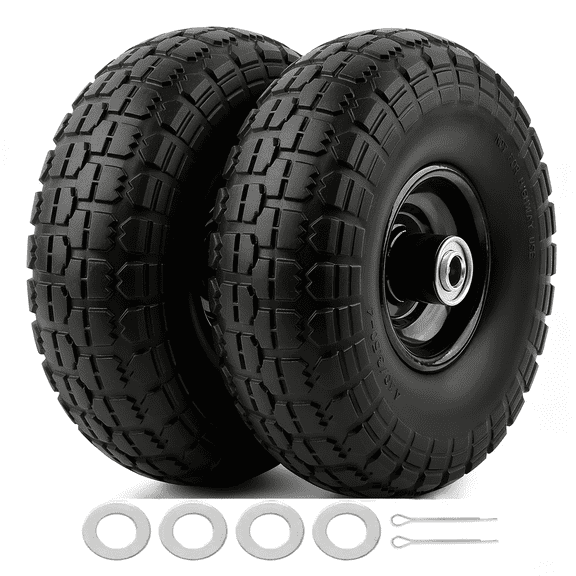
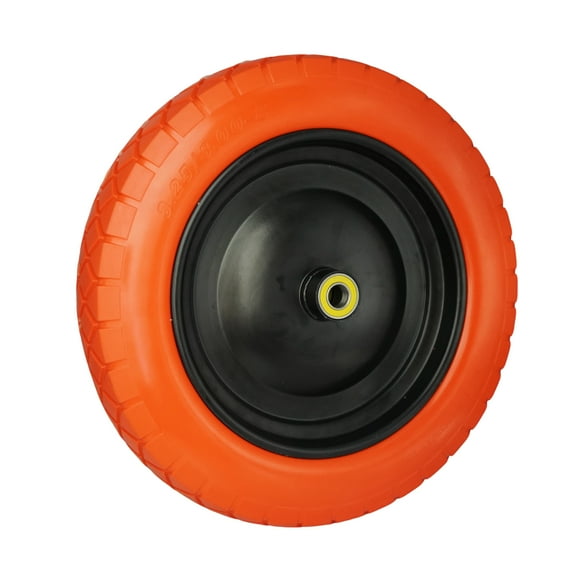
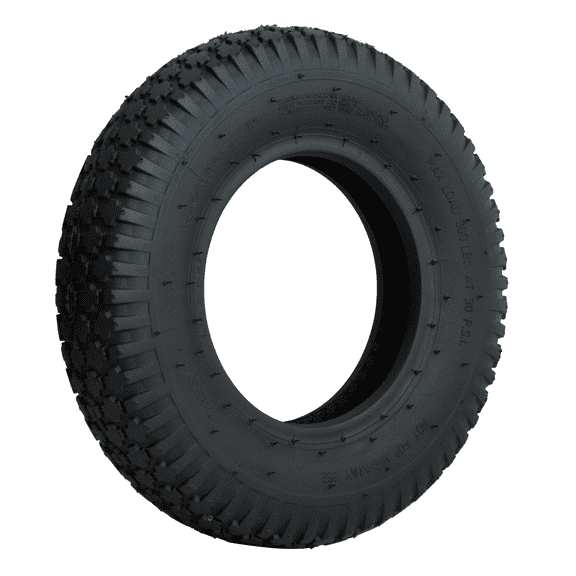
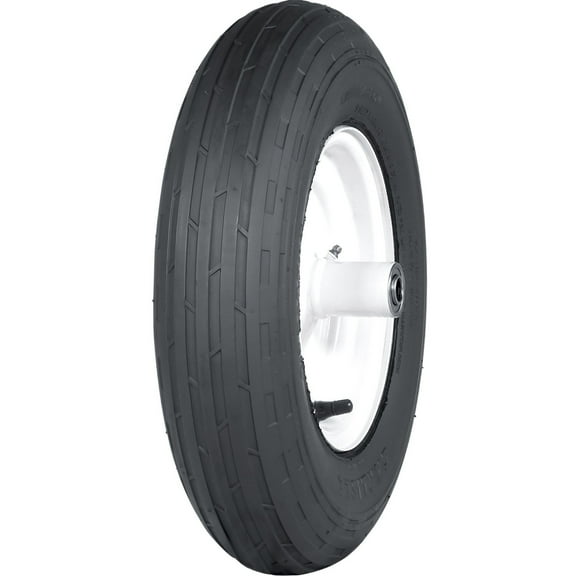
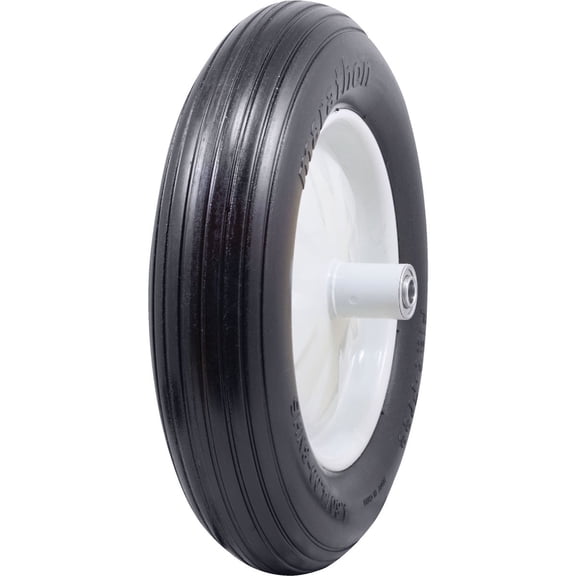
You’ll usually choose between flat-free solid polyurethane and pneumatic air-filled designs. You can expect flat free wheelbarrow tires to reduce upkeep, while pneumatic styles add more cushion over gravel, roots, and uneven ground.
When you move mulch, soil, or stone often, you may prefer a tire that matches your route and workload. You’ll notice that a maintenance-free tire suits storage and quick grab-and-go tasks.
- You can use flat-free styles when you want dependable rolling without air checks.
- You can choose pneumatic styles when you want a cushioned ride across rough ground.
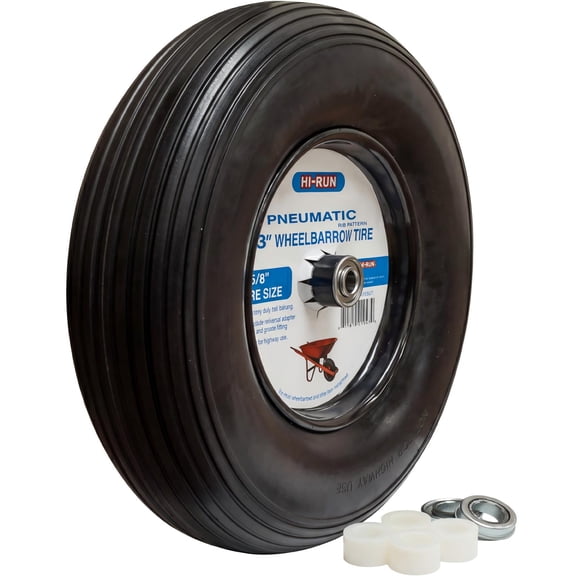
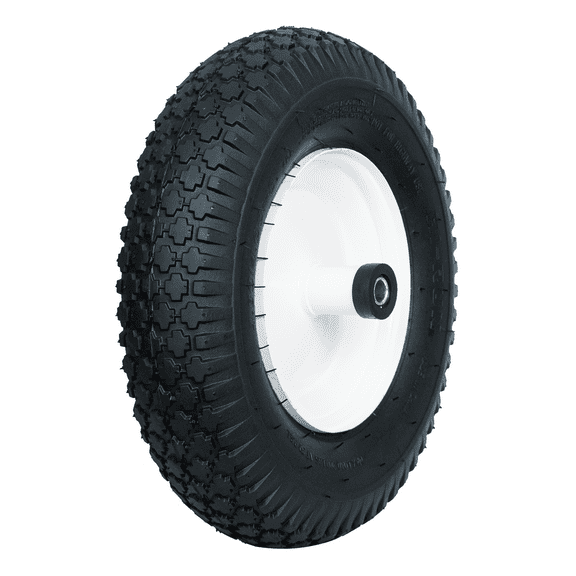
- You can replace only the tire, or choose a complete wheel assembly for a simpler swap.
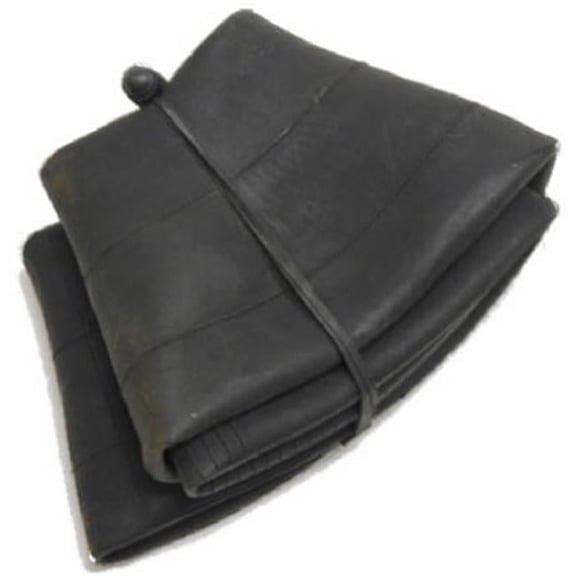
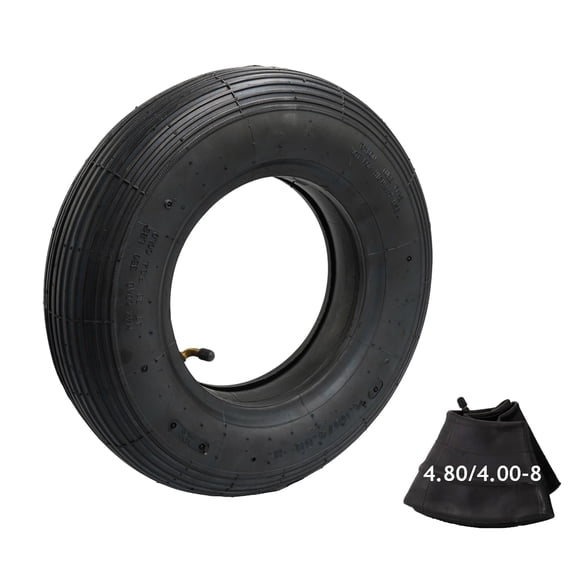
- You can add a wheelbarrow inner tube when your existing setup supports tube replacement.
Another decision involves component type and how much of the setup you want to replace. You can select tire-only options, complete assemblies, or inner tubes based on your current rim and tread condition.
If your rim is bent or worn, you may want a complete wheel instead of a tire-only part. You’ll often spend less time installing a matched tire and wheelbarrow tire rim together.
Choosing between flat-free and pneumatic wheelbarrow tires
You should compare ride feel, upkeep, and storage habits before picking a tire type. You’ll usually find that flat-free tires suit long storage, while pneumatic tires suit repeated trips over rough paths.
Flat-free solid polyurethane designs keep their shape without air, which helps when your wheelbarrow sits between projects. You can roll out faster because you won’t need to check inflation before each use.
Pneumatic air-filled designs give you more cushion when you carry bricks, compost, or tools over bumpy ground. You’ll often feel minimal jarring at the handles when the load shifts on uneven terrain.
You should also check load capacity details before you choose. You’ll see ply rating and maximum weight capacity listed to help you match the tire to the loads you move.
If you carry heavy materials, you should compare those ratings closely instead of guessing by appearance. You can avoid fit confusion when you confirm size and capacity together.
How to find the right size and hub fitment
You should read the sidewall on your current tire before ordering a replacement. You’ll often see sizing marked as 4.80/4.00-8, 330-80, or another code that identifies width and rim fit.
Those numbers matter because you need the replacement to match your wheel’s diameter and profile. You can narrow choices faster when you compare the printed code to the product listing.
You may also shop by common diameters such as 13 inch, 14 inch, or 16 inch. You should measure your current setup if the sidewall text is worn or missing.
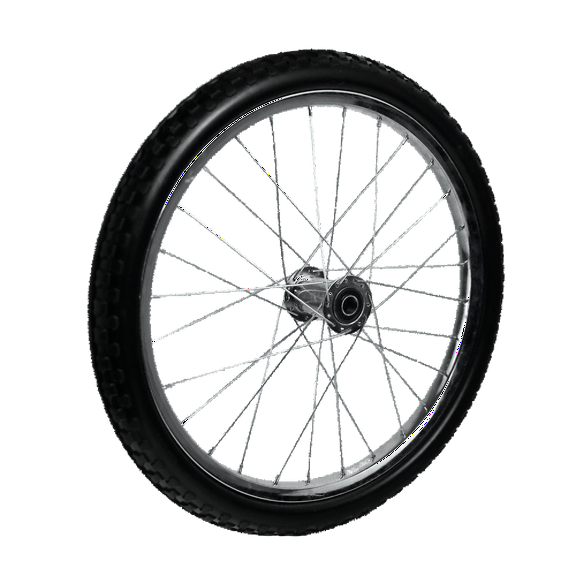
Hub style is another key decision, especially when you’re replacing wheelbarrow wheels instead of just rubber. You’ll want to check whether your cart uses a centered hub or an offset hub.
You should measure axle diameter, hub width, and bearing size before you buy. You can prevent wobble and spacing issues when those dimensions match your wheelbarrow frame.
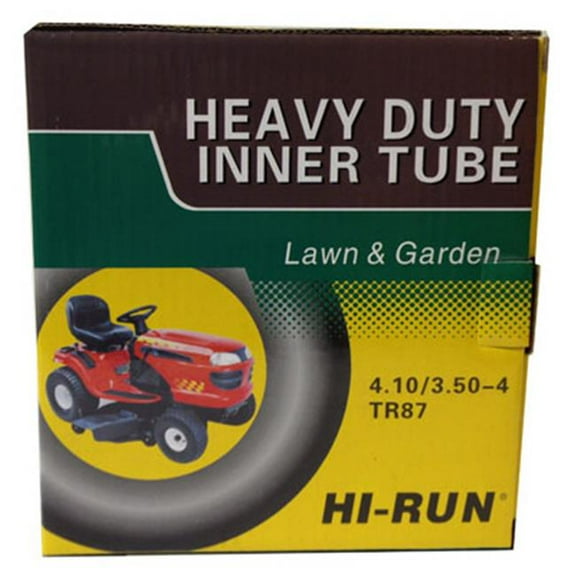
If you’re replacing an inner tube, you should confirm the tube size and valve style first. You may also need a 6 inch tube in some assemblies, depending on the wheel design and application.
When you compare tire-only parts, you should verify that your existing rim is compatible. You’ll get a smooth installation when your wheelbarrow tire rim matches the replacement tire’s listed size.
Matching wheelbarrow tires to real jobs
You can choose different setups for gardening, landscaping, construction cleanup, or property maintenance. You’ll get reliable performance when your tire type and fitment match how and where you work.
For raised-bed gardening or light yard cleanup, you may want a flat-free tire with a complete wheel assembly. You can install it quickly and keep moving soil, plants, and bagged materials around the yard.
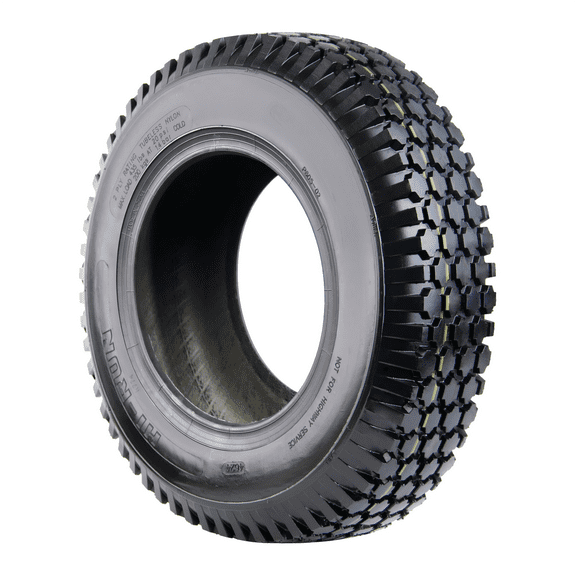
For rough paths, gravel drives, or frequent trips across uneven ground, you may lean toward pneumatic wheelbarrow tires. You’ll usually appreciate the added cushion when you transport pavers, firewood, or tools.
If your current wheel turns well but loses air, you may only need a wheelbarrow inner tube. You can refresh the setup without replacing the full wheel when the tire and rim remain in usable shape.
When your wheelbarrow sits in a shed between seasonal projects, flat-free options can simplify storage readiness. You’ll have a tire that’s ready when you start spring planting, fall cleanup, or weekend hauling.
If you use your cart for repeated heavy loads, you should review sidewall size, hub measurements, and capacity together. You can avoid trial-and-error returns by checking those details before installation.
What to look for in wheelbarrow tire replacement parts
You should focus on a few practical checkpoints before choosing wheelbarrow tire replacement parts. You’ll want the correct sidewall size, the right hub layout, and a load rating that suits your routine.
Look for tread and construction that match your surface, whether that’s grass, packed dirt, gravel, or pavement. You can also compare complete assemblies against tire-only parts based on your rim condition.
When those details line up, your wheelbarrow rolls straight and installs with fewer surprises. You’ll finish hauling, planting, and cleanup tasks with a setup that fits your cart and your workload.