


Medicine Balls in Exercise & Fitness Accessories



















About Medicine Balls in Exercise & Fitness Accessories - Walmart.com
Medicine balls give you a simple way to build strength, power, and coordination with one tool. You can compare weights, grip styles, and ball types to match your training style.
If you want a category that covers throws, carries, twists, and floor work, this one fits that goal. You can also choose designs made for wall throws or dead-bounce slamming.
How to choose medicine balls for your workouts
You should start with your training goal before you compare sizes or shells. You may want lighter options for speed drills and heavier options for slower strength moves.
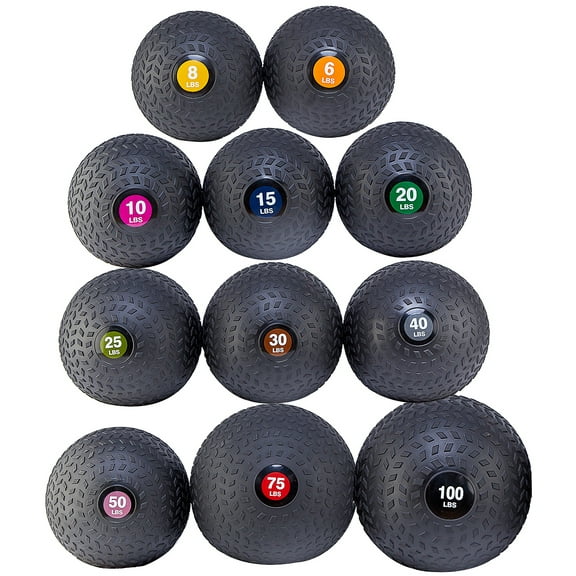
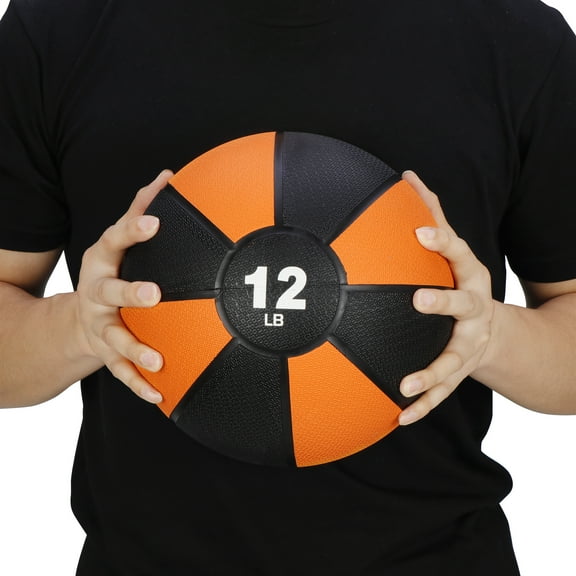
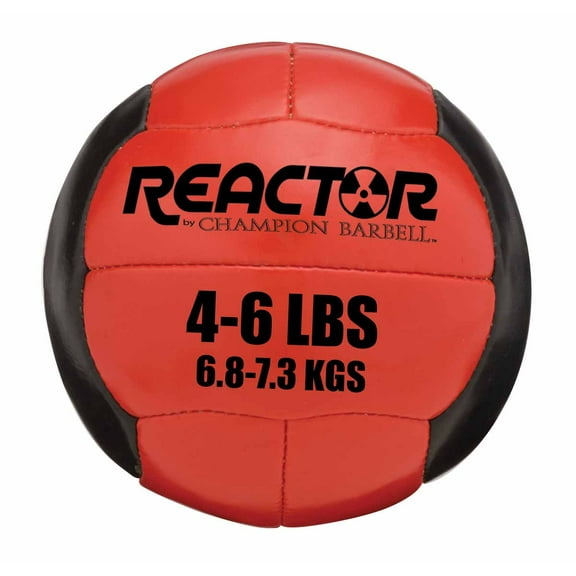
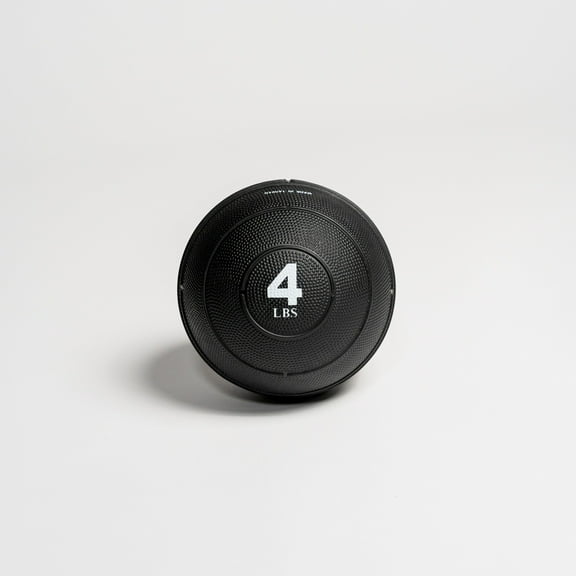
When you review medicine ball weights, you can use four or six pounds for fast core patterns. You can consider 10, 15, or 20 pounds when your workouts focus on loaded squats or forceful presses.
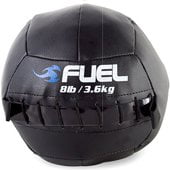
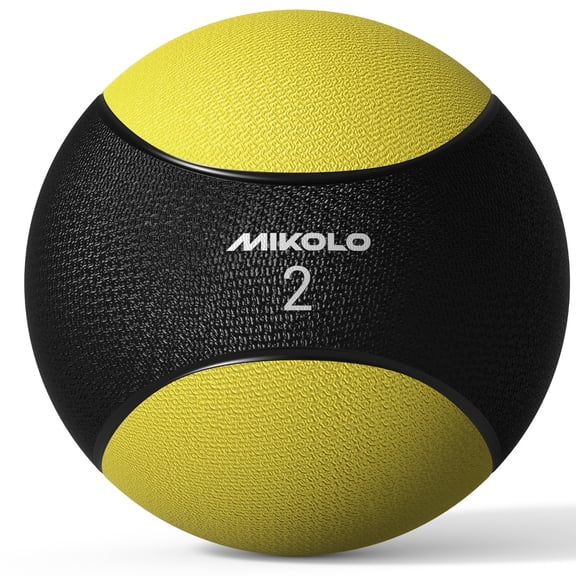
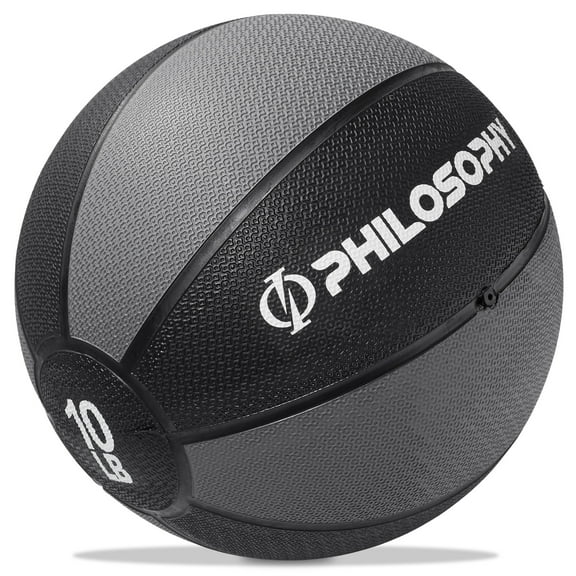
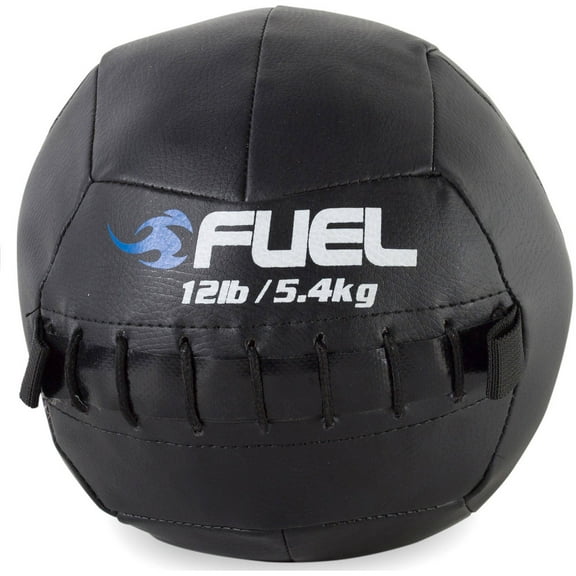
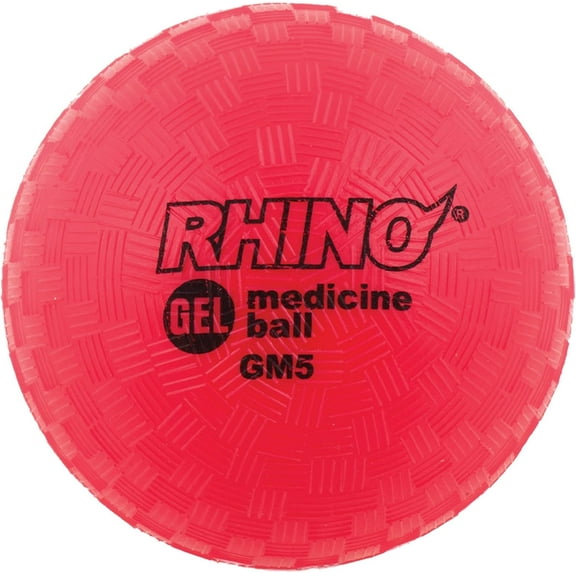
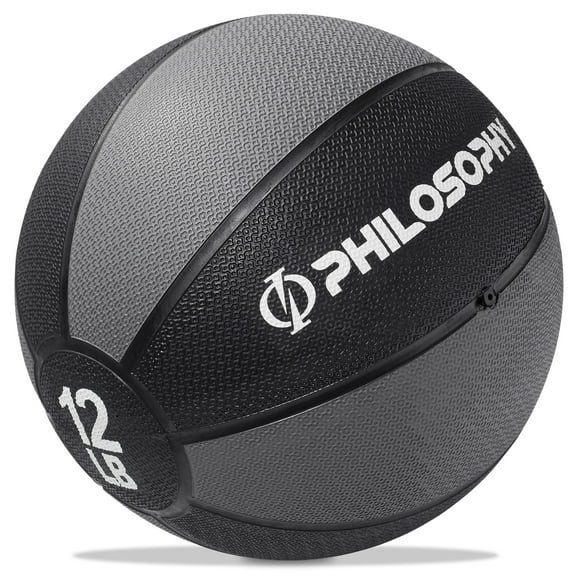
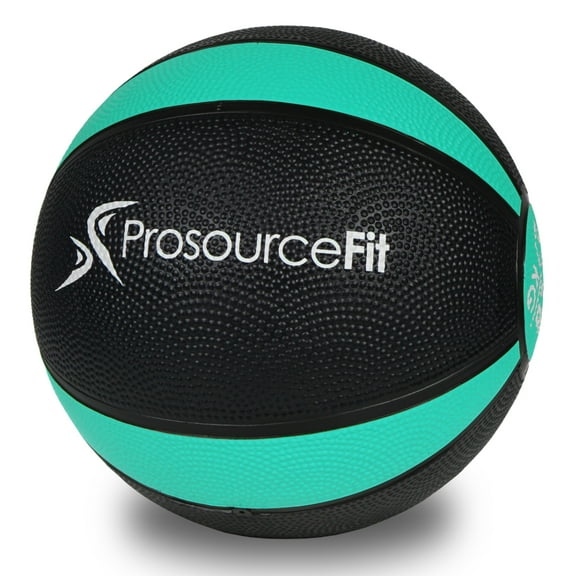
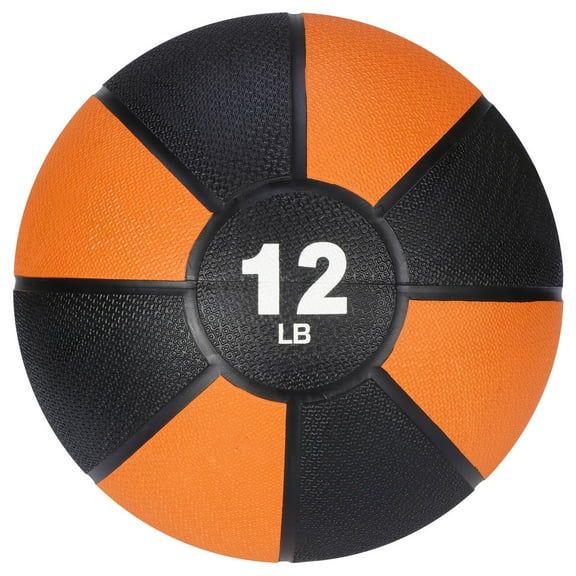
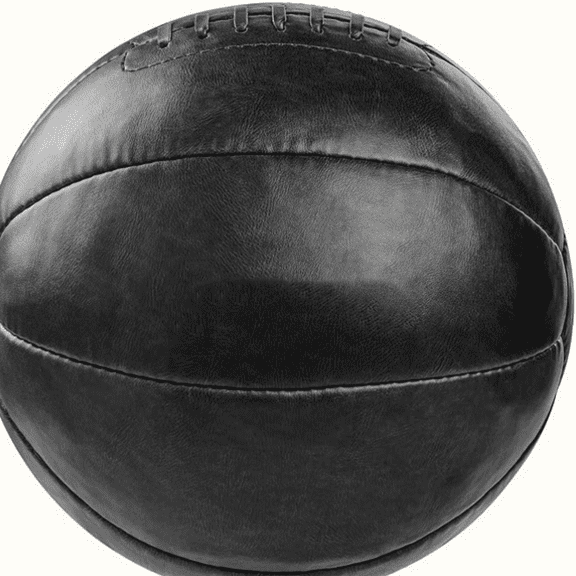
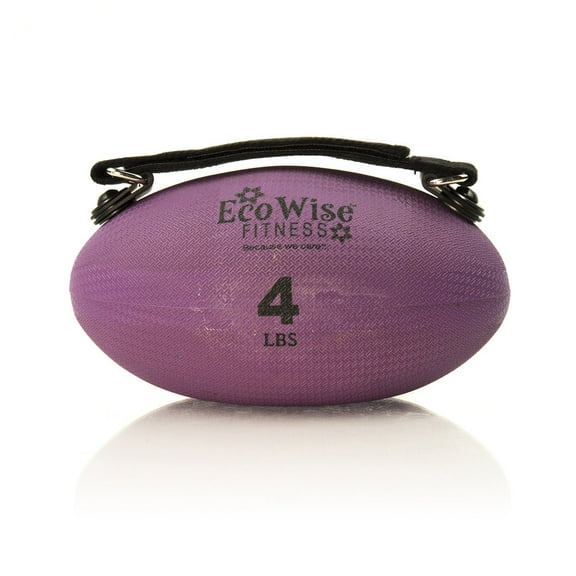
You’ll also notice that different shells change how each ball feels in your hands. You can compare textured rubber, synthetic leather, and dual-grip shapes based on control and comfort.
- You can use lighter weights for rotational drills, warmups, and faster repetitions.
- You can choose mid-range weights for wall throws, partner tosses, and circuit training.
- You can move to heavier options when your workouts emphasize power output and strength work.
- You can pick textured surfaces when you want a steadier hold during sweaty sessions.
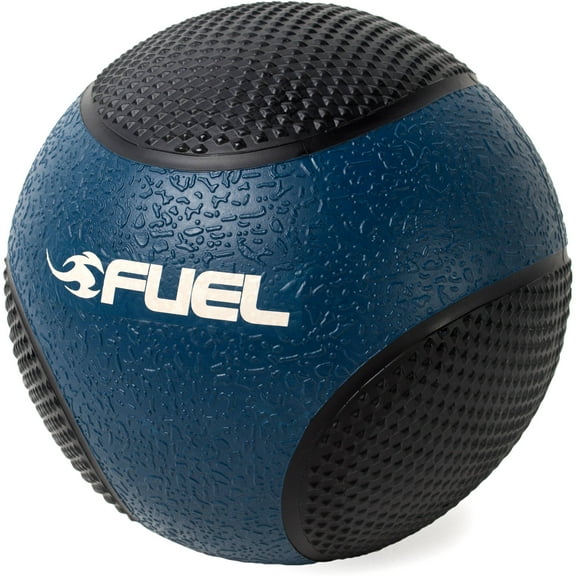
- You can consider dual-grip designs when you want more control for presses, sit-ups, and lunges.
With the right size, you can keep movement quality consistent from your first set to your last. You’ll usually get more from a ball you can control than one that feels too heavy.
Comparing weighted medicine balls and slam balls
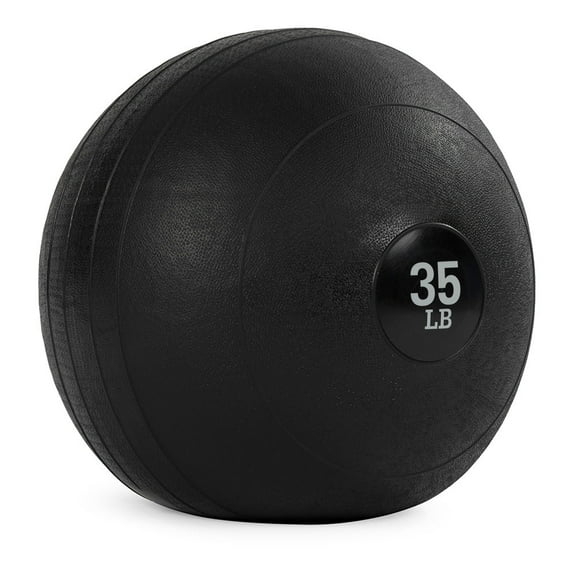
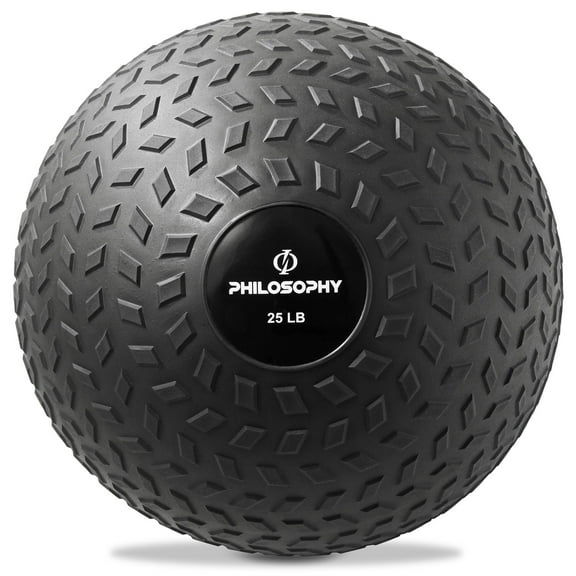
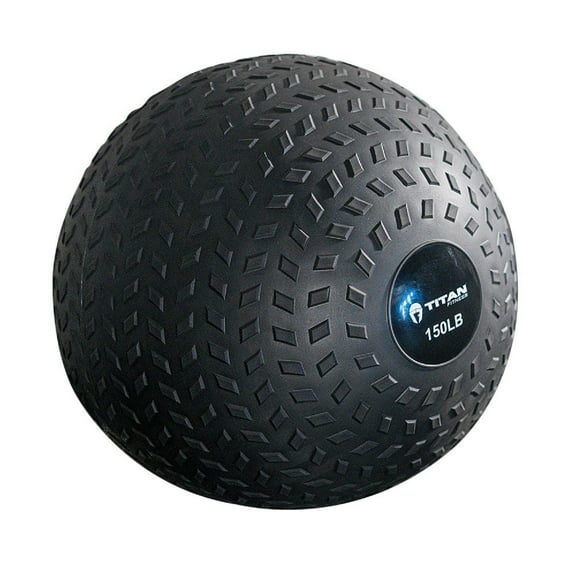
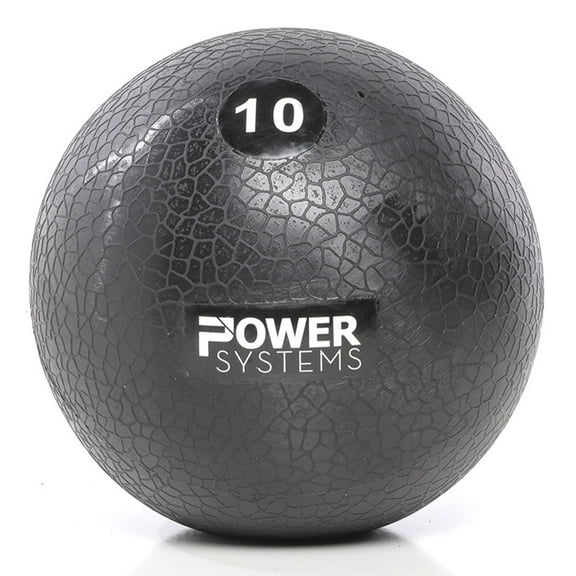
You should compare weighted medicine balls and slam balls by how they react on impact. You’ll notice standard medicine balls may rebound, while dead-bounce slam balls stay closer to the floor.
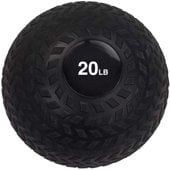
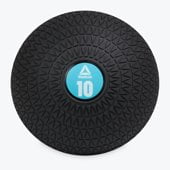
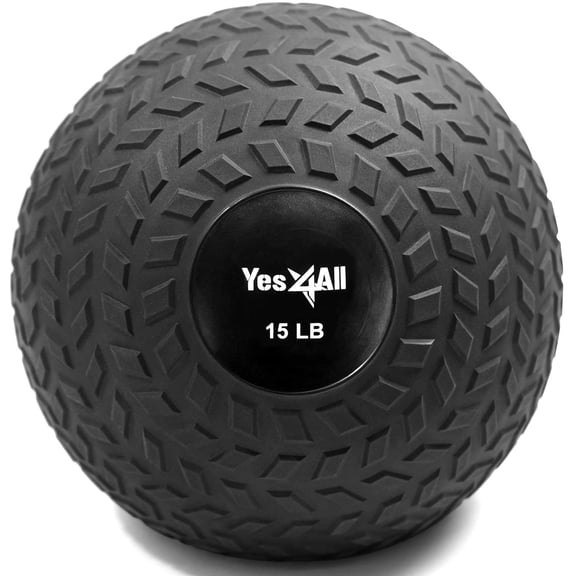
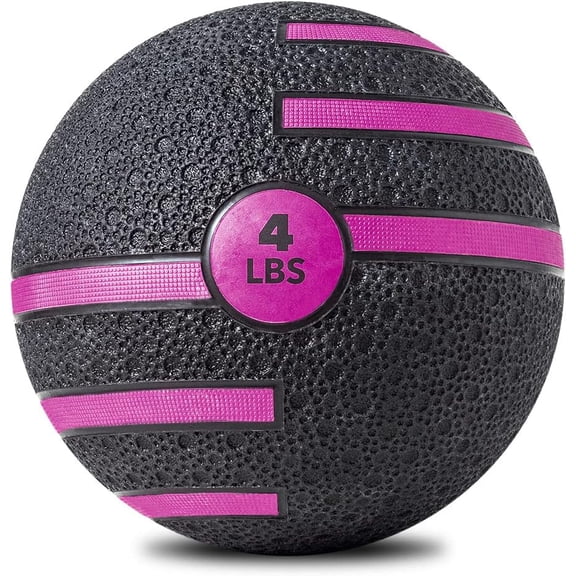
If your routine includes overhead slams, you should look for slam balls with a dead-bounce build. You can keep your pace steadier when the ball drops and settles quickly.
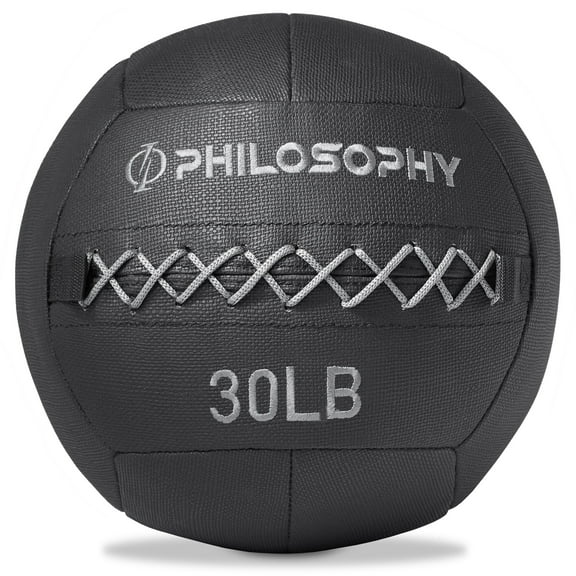
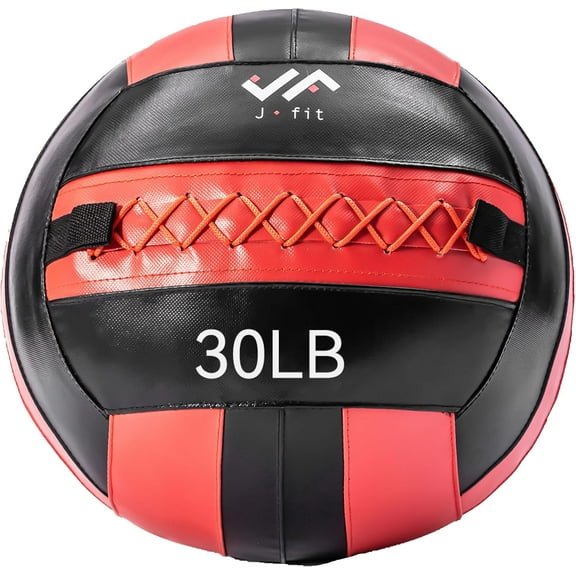
For wall throws and partner passes, you may prefer a standard medicine ball or a soft-shell design. You can get a feel that suits repeated catches and controlled rebounds.
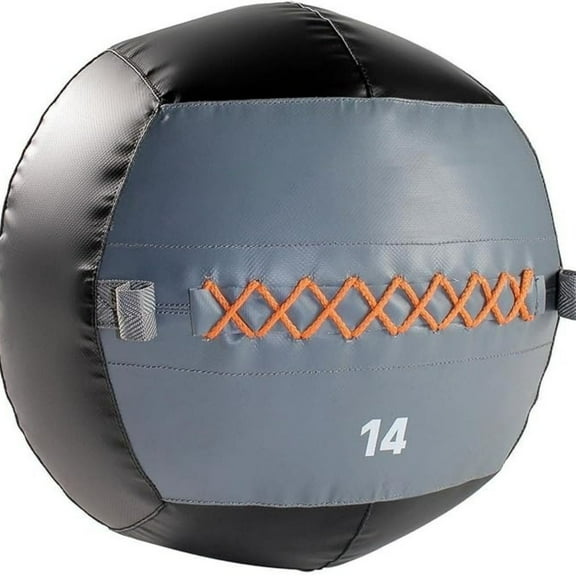
You should also check shell thickness and stitching when your training includes frequent impact. You can compare reinforced seams and sturdy covers for sessions with repeated throws.
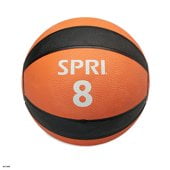
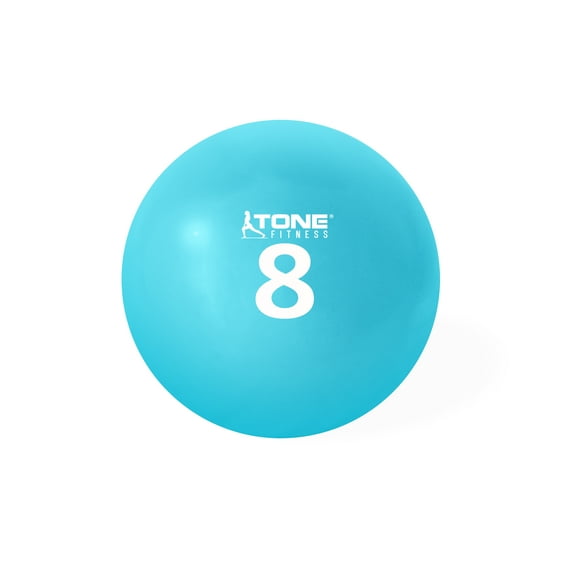
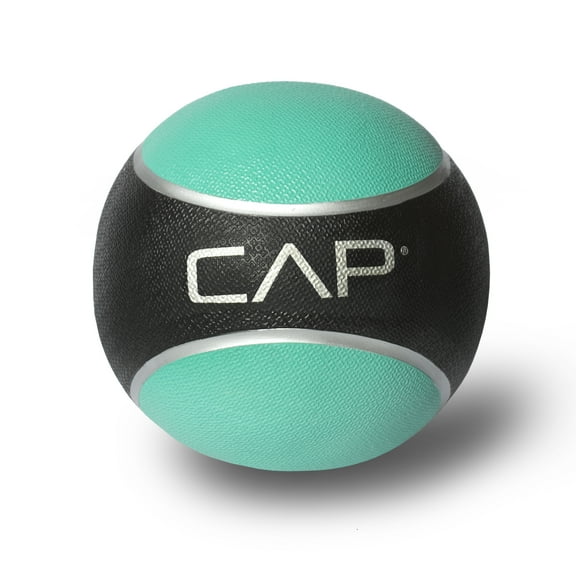
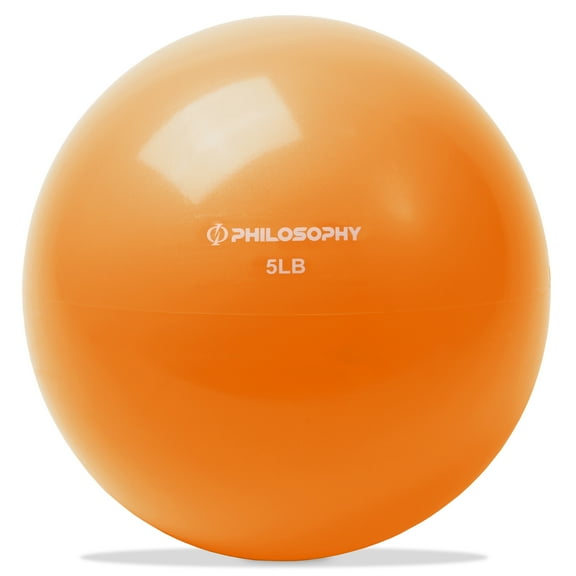
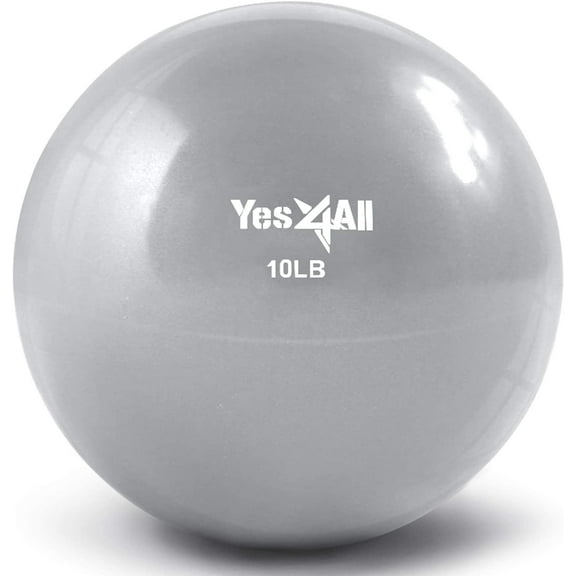
Soft-shell options can give you a more cushioned feel during catching drills and seated twists. Rubber medicine ball designs can give you a firmer surface and a more structured grip.
What to look for in material, grip, and durability
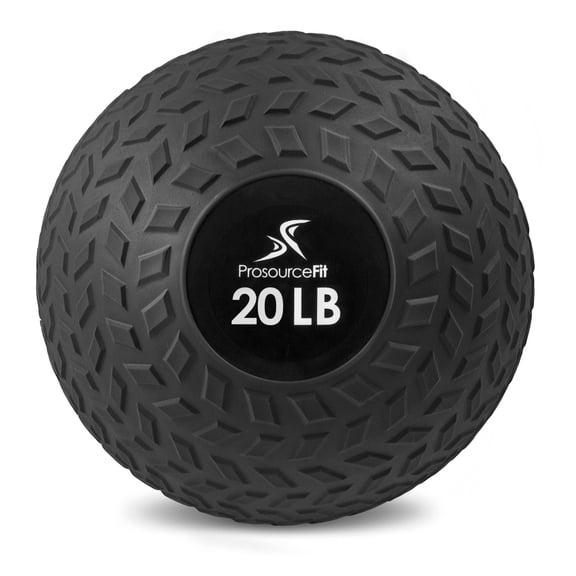
You can use material choice to narrow your options quickly. You may want textured rubber for a tackier hand feel or synthetic leather for a smoother exterior.
When you compare grip styles, you should think about the movements you repeat most. You can use dual-grip medicine balls for controlled raises, Russian twists, and weighted sit-ups.
If you train in fast circuits, you’ll want a surface that feels secure during quick hand changes. You can look for patterned textures that help your hands stay connected through each rep.
For high-impact sessions, you should check whether the cover and fill match your routine. You can choose dead-bounce construction when your slamming workouts demand repeated floor contact.
You may also want to compare diameter along with weight. You can find that a larger ball changes your reach and catch timing during wall throws.
Matching medicine balls to real training scenarios
You can use medicine balls for exercise across strength, conditioning, and core-focused sessions. You might rotate one into home gyms, garage setups, or shared workout spaces.
If you’re building speed and coordination, you can start with lighter balls for fast chest passes and overhead tosses. You can keep reps crisp without losing form.
For core training, you can use moderate weights during twists, sit-ups, and standing rotations. You’ll get resistance that fits movement-based ab work without changing your setup.
If your plan includes wall throws, you should compare standard medicine balls with durable outer shells. You can repeat chest passes and rotational throws with a shape designed for catching.
When your workouts focus on slamming, you should choose slam balls instead of rebound styles. You can throw with force and reset quickly because the ball stays low after impact.
You can also use fitness balls like these in partner drills, athletic conditioning, and interval circuits. You may pair them with dumbbells, kettlebells, resistance bands, or exercise mats for varied sessions.
As you compare options, you should measure your space and your training surface. You can match the ball type to your routine, so each rep feels more controlled and consistent.
With a clear weight guide, a useful grip, and the right bounce profile, you can train with more confidence. You’ll end up with equipment that fits your movement style and supports repeatable results.