


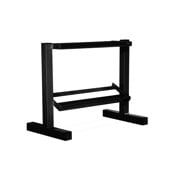
Weight Trees & Plate Racks for Home Gyms | Walmart



About Weight Trees & Plate Racks for Home Gyms | Walmart - Walmart.com
You can organize your training area with a weight tree that keeps plates, bars, and dumbbells in one footprint. You can compare compatibility, storage type, and frame shape before you set up your home gym.
When your floor fills up after squats, presses, and deadlifts, you can use a weights tree to keep gear off the ground. This can help make plate changes faster because your discs stay sorted by size and collar opening.
How to choose a weight tree
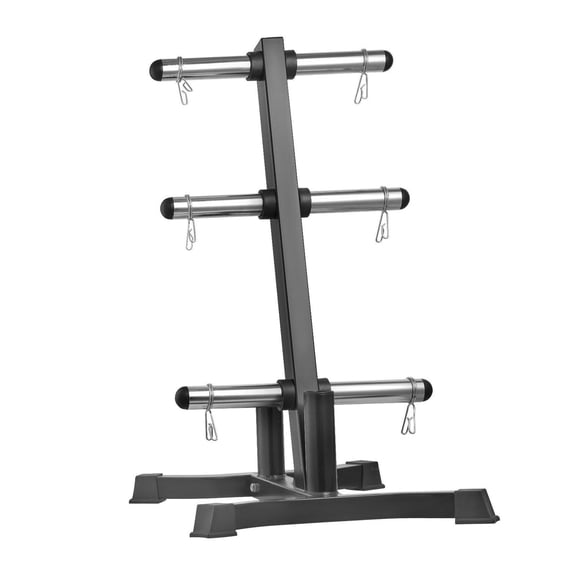
Start with plate compatibility because your storage sleeves need to match your existing plates. You’ll usually choose between Standard one-inch storage and Olympic two-inch storage on a weight plate tree rack.
If your setup uses Olympic barbells, you can look for pegs sized for two-inch center holes. If your setup uses older starter plates, you may need a small weight tree built for one-inch plates.
Another key choice is storage type because your routine shapes what you need within reach. You’ll find some units focus on plate pegs, while others add dumbbell tiers or barbell holders.
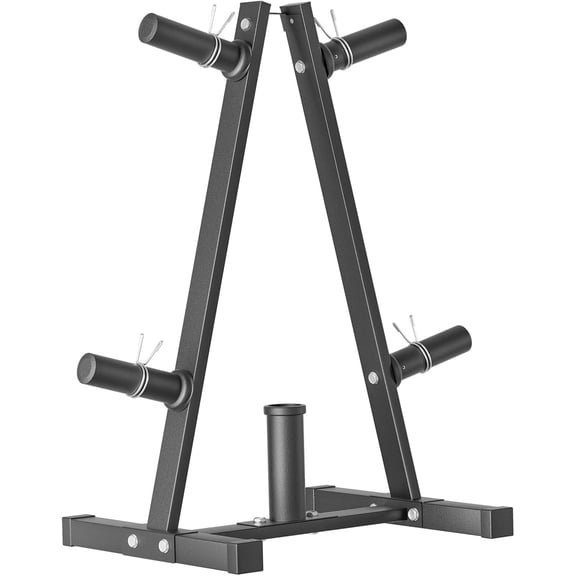
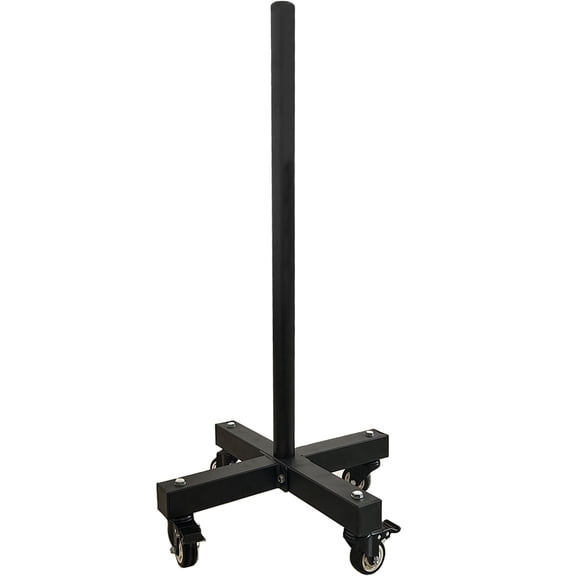
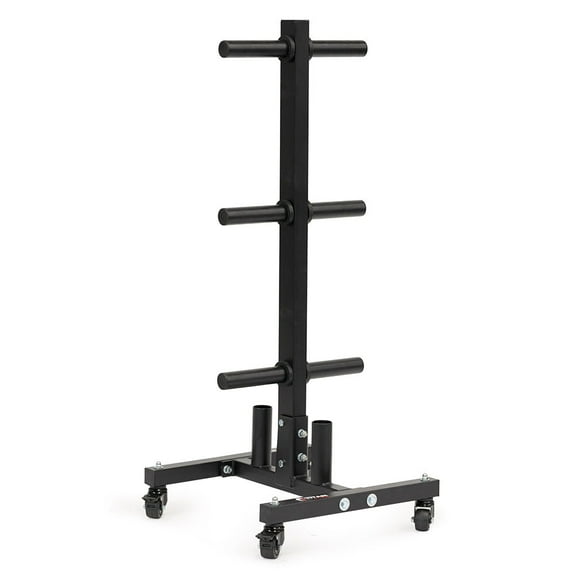
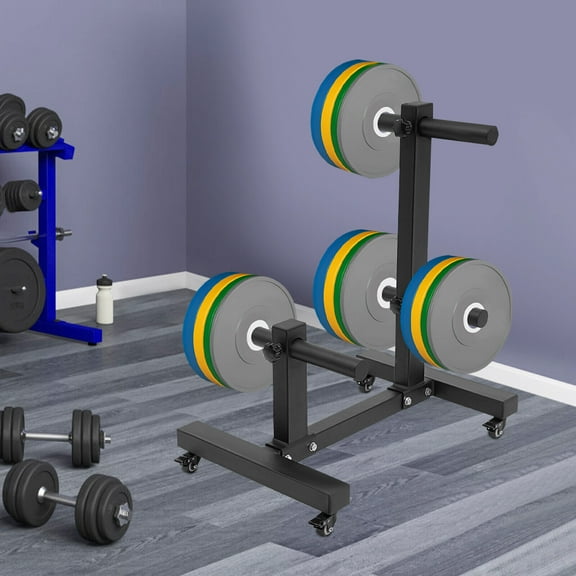
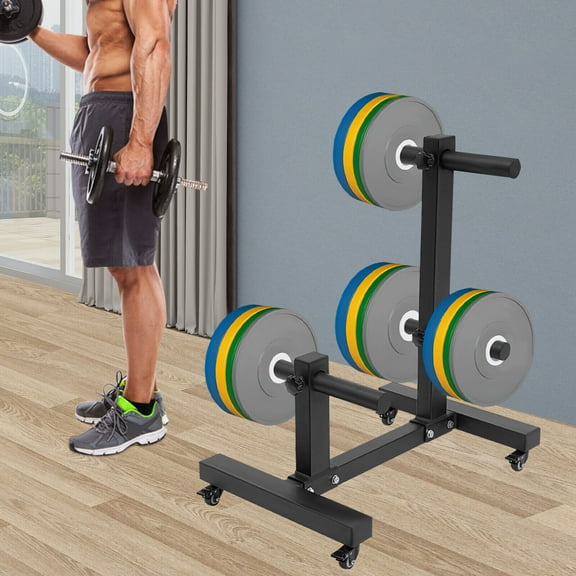
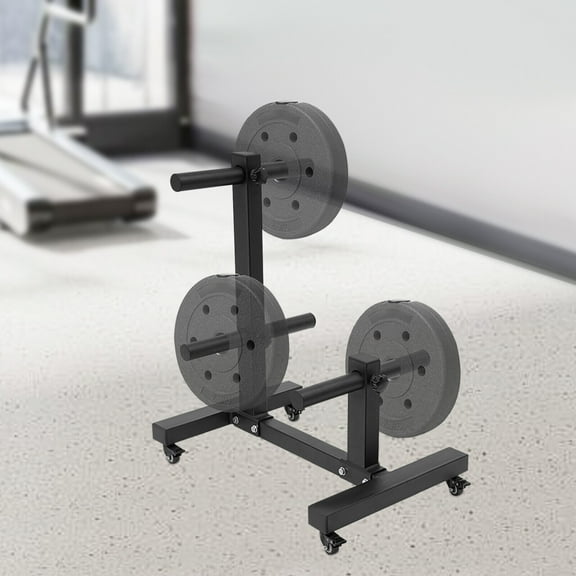
For mixed equipment, you may want a portable weight plate and barbell storage tree. You can keep plates on side pegs while your bars stand upright in dedicated tubes.
- You can keep plates separated by size for quicker loading between sets.
- You can free up floor space around benches, racks, and cardio equipment.
- You can store bars vertically when your gym has a tight wall or corner.
- You can keep dumbbells and plates together when your training area supports several lifts.
Choosing frame style and capacity for your workout tree
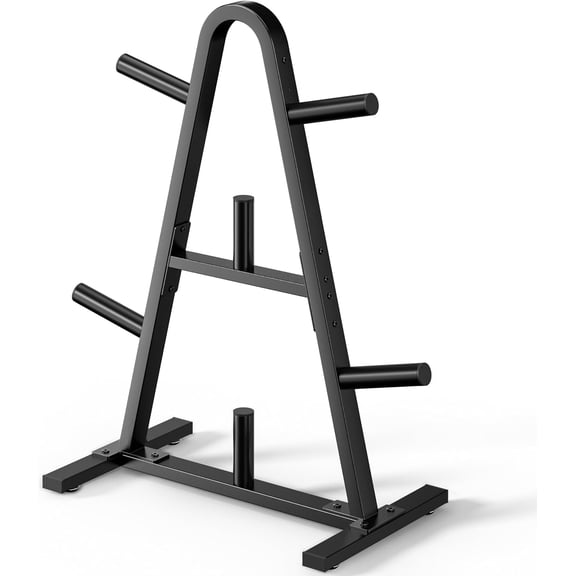
You should match frame style to your room shape and your training habits. You’ll commonly see A-frame, vertical tree, and horizontal rack designs across this category.
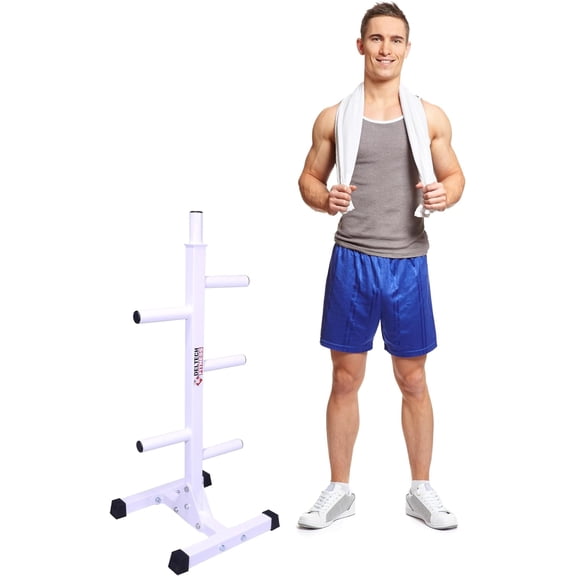
For a compact corner setup, you may prefer an A-frame or vertical workout tree. This offers upward storage and helps you use less floor width than many longer rack designs.
When you want easier access to several plate sizes, you may prefer a horizontal rack. You can often reach lower pegs more easily during circuits, supersets, and quick plate swaps.
Capacity matters because your storage should support the load you already own. You’ll see ranges under 300 pounds, 300 to 500 pounds, and 500 to 1000 pounds.
If your setup is still growing, lighter capacity may fit a few pairs of plates. If your gym carries bumper plates and extra bars, you may lean toward a heavy-duty titan weight tree style.
Base width and foot design also affect daily use in your space. You can check post spacing, rubber feet, and end caps to keep weight centered on your flooring.
What to look for in a weight plate tree rack
Measure your plate diameter and collar opening before you compare pegs. This helps you avoid fit issues when your storage matches one-inch Standard plates or two-inch Olympic plates.
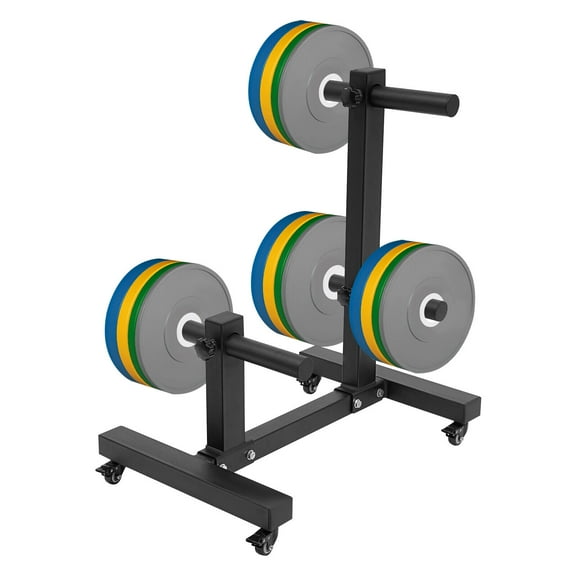
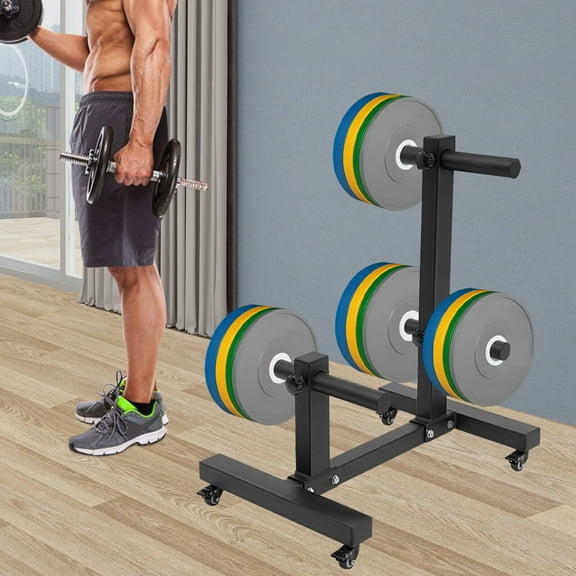
If your collection includes bumper plates, you can check peg length and spacing carefully. You’ll need enough room for thicker plates because bumpers take up more storage depth.
You can also decide whether you want plates only or a full free weight tree layout. This can simplify your gym when one frame stores plates, bars, and sometimes dumbbell trees style shelving.
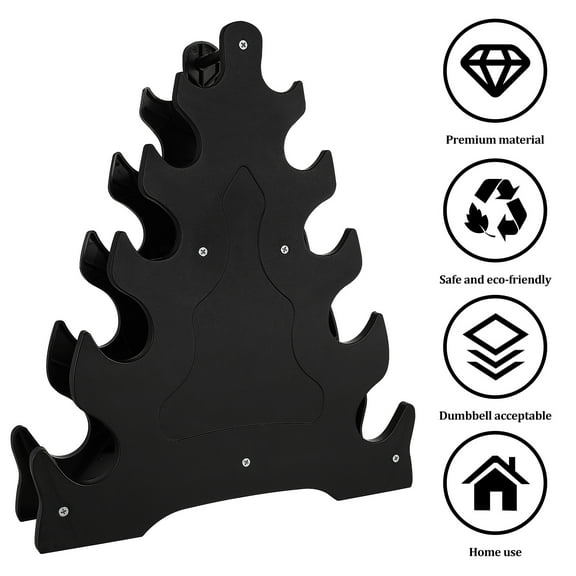
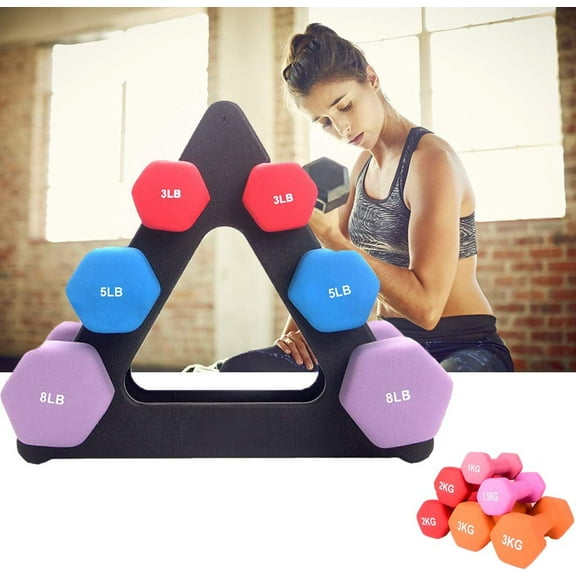
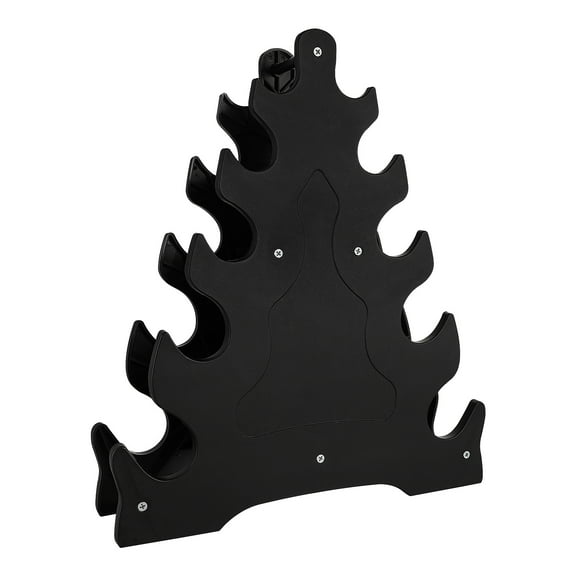
Some routines focus on lighter hand weights and accessory work throughout the week. You may prefer a dumbbell weight tree or dumbbell trees layout when you use presses, rows, and raises often.
Mobility is another buying point when your training area changes often. You can compare stationary frames with caster wheels if you move gear between a rack, platform, and wall.
If your setup shifts for cleaning or shared use, wheels may fit your routine. You can look for a portable weight plate and barbell storage tree that still feels planted once parked.
Matching storage choices to your training space
You can choose different layouts based on how and where you train. You’ll get more from a weight tree when the design matches your room size, plate mix, and workout flow.
In a small apartment corner, you may want a vertical tree with Standard one-inch pegs. You can keep a compact setup tidy without giving up walking space around your bench.
For a garage gym with an Olympic bar, you may want a heavier frame with two-inch storage pegs. You can handle larger plates more easily and keep your lifting zone clearer.
When your setup includes plates, curl bars, and a straight bar, you may need combo storage. You’ll benefit from barbell holders that keep bars upright and easy to grab between sets.
If your training rotates between squats, bench work, and deadlifts, you may want plate pegs grouped by size. You can spend less time searching for matching pairs during heavier sessions.
Shared gyms often need separate zones for accessories and larger plates. You may want a weight tree with weights storage options that combine dumbbell tiers and plate pegs on one frame.
Some shoppers compare a titan weight tree shape for heavier inventories and a small weight tree for tighter rooms. You can narrow your choice by measuring floor space, plate count, and bar storage needs.
You can finish by matching capacity, compatibility, and footprint to the equipment you already own. This helps create a neater training space with plates and bars kept within easy reach.