





Weight Storage Racks for Dumbbells and Plates





























About Weight Storage Racks for Dumbbells and Plates - Walmart.com
Outdoor weight storage helps you keep your home gym organized while handling changing weather and heavy equipment. You can compare rack styles, capacity ratings, and rust-resistant finishes to choose a setup that fits your space.
If you train on a patio, in a garage, or under a covered area, you need storage built for real strength gear. You’ll also want a layout that keeps dumbbells, plates, kettlebells, and barbells easier to sort.
How to choose outdoor weight storage
You should start with the storage type because each design changes how your gear fits and how much floor space you use. You can choose A-frame racks, horizontal racks, weight trees, or wall-mounted options based on your setup.
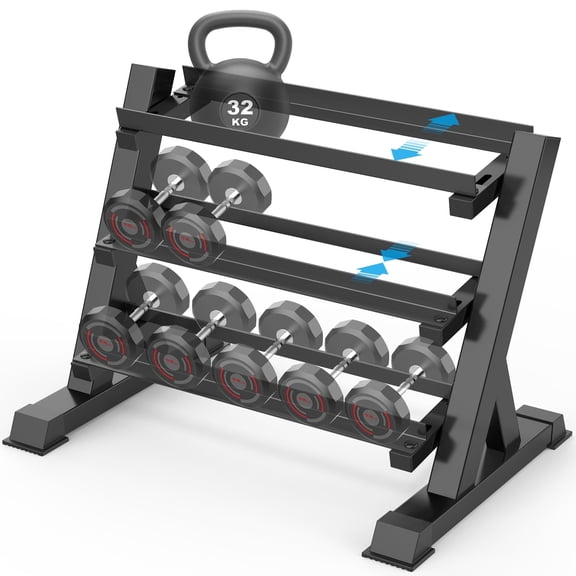
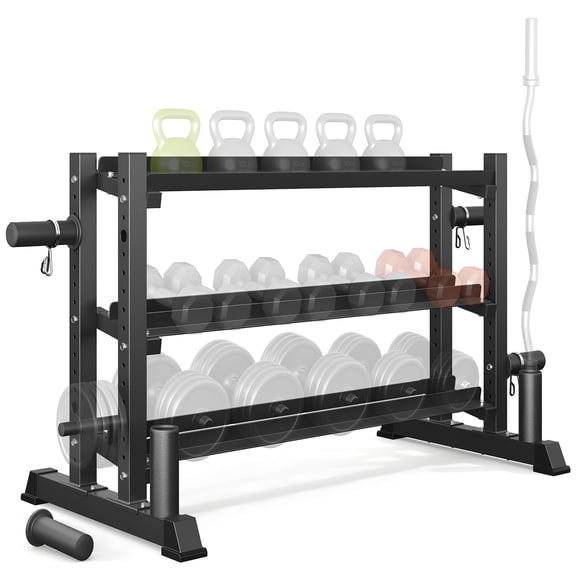
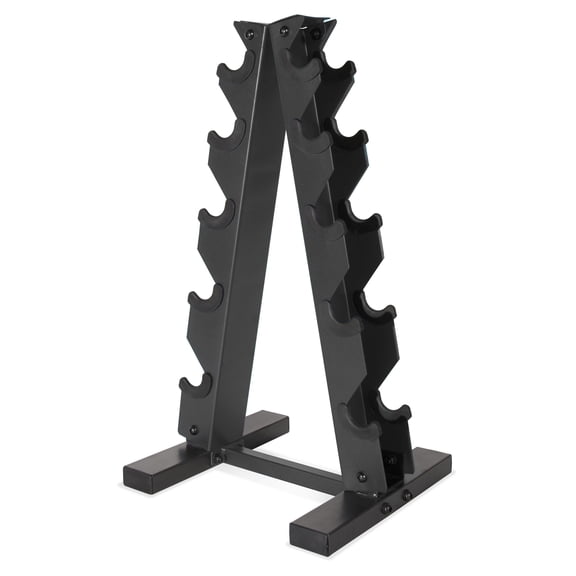
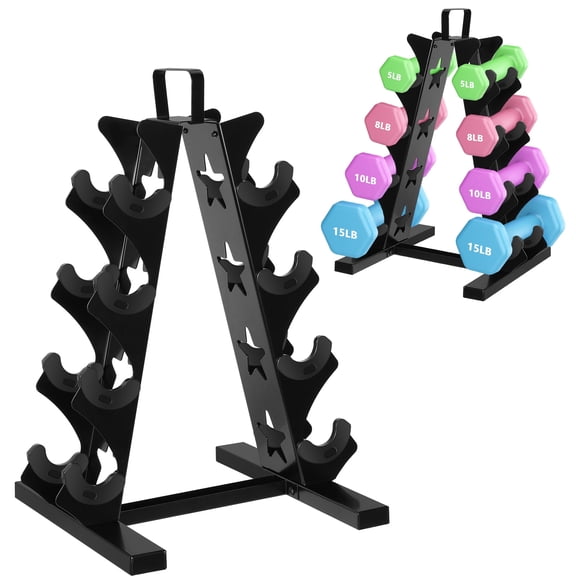
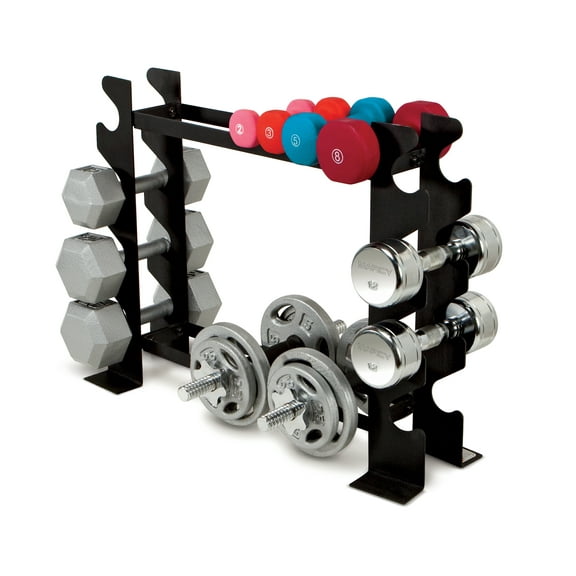
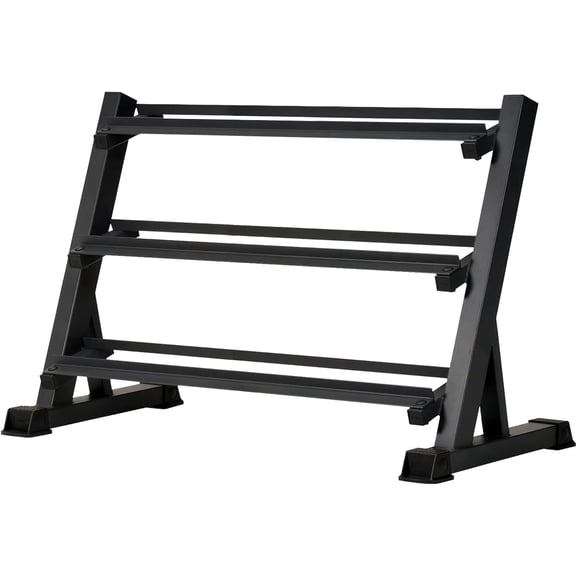
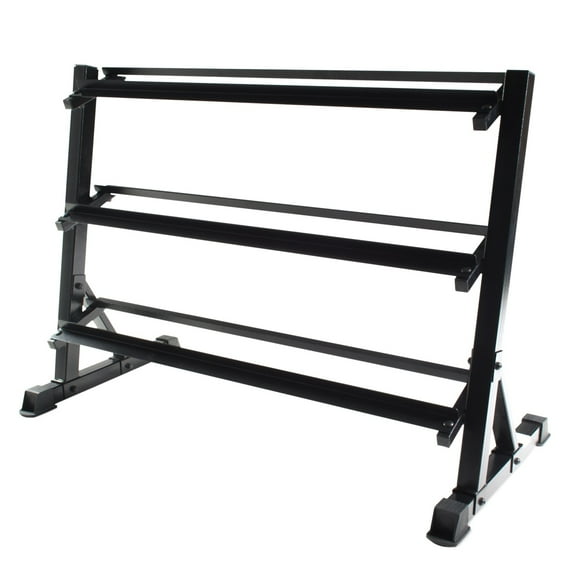
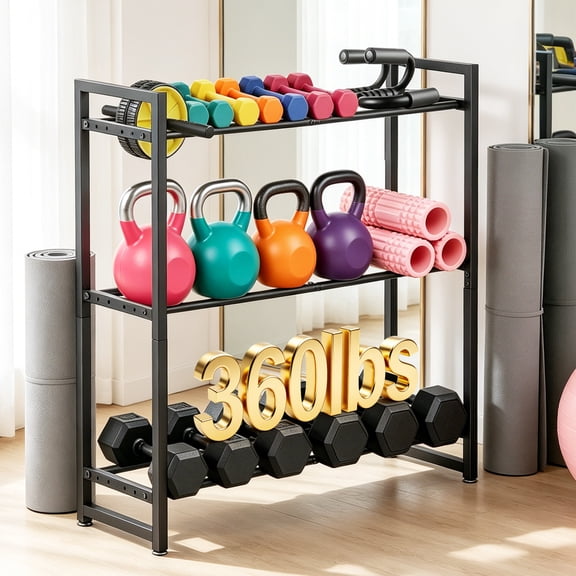
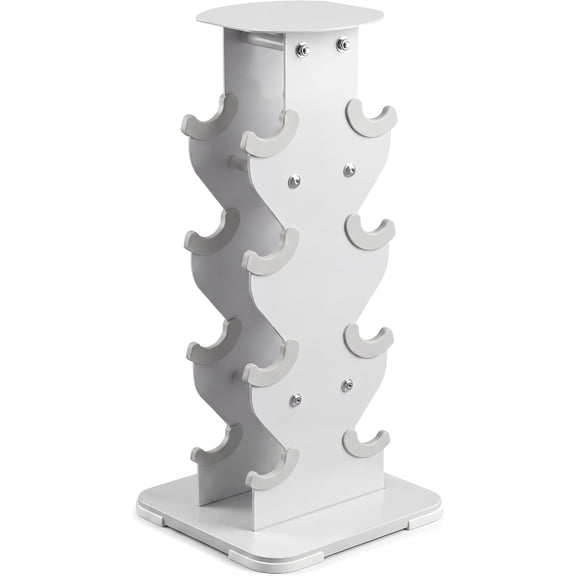
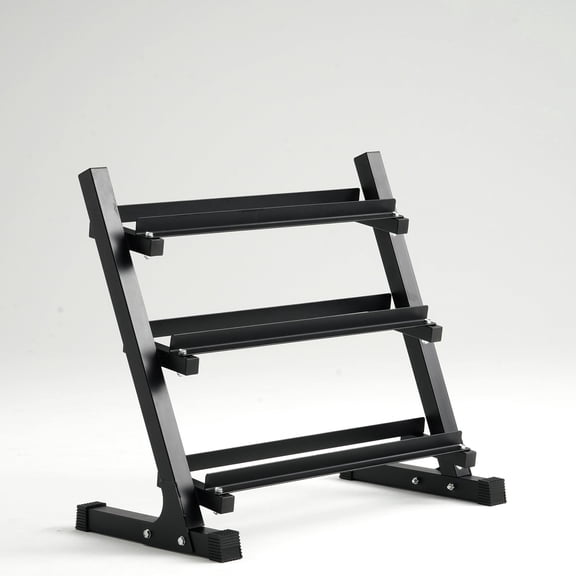
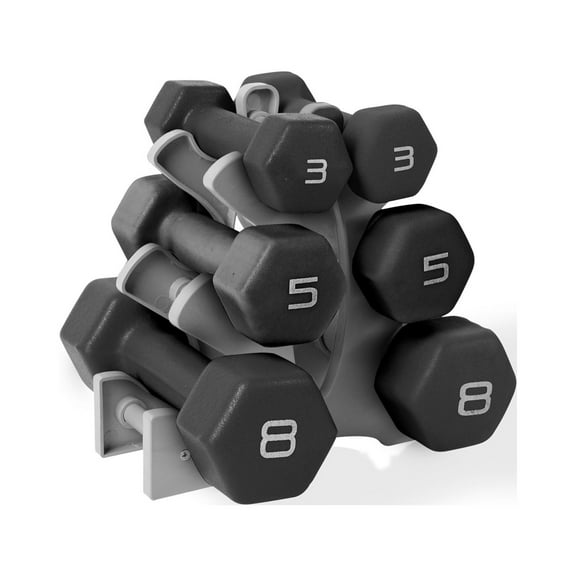
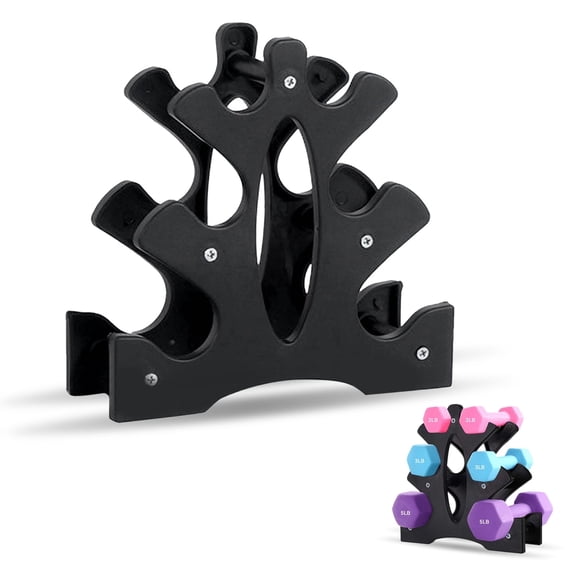
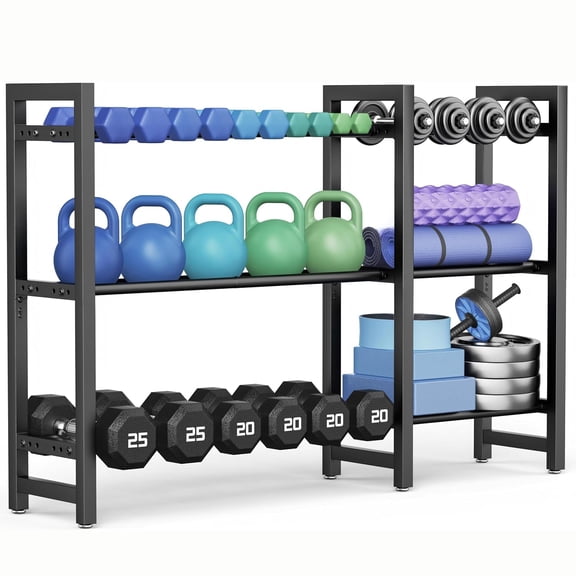
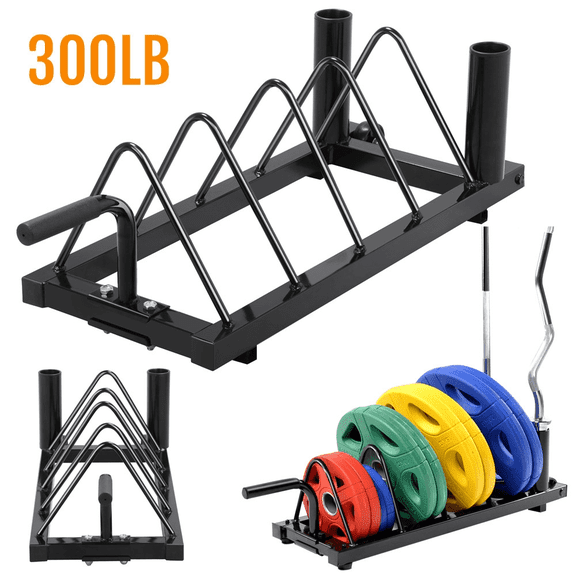
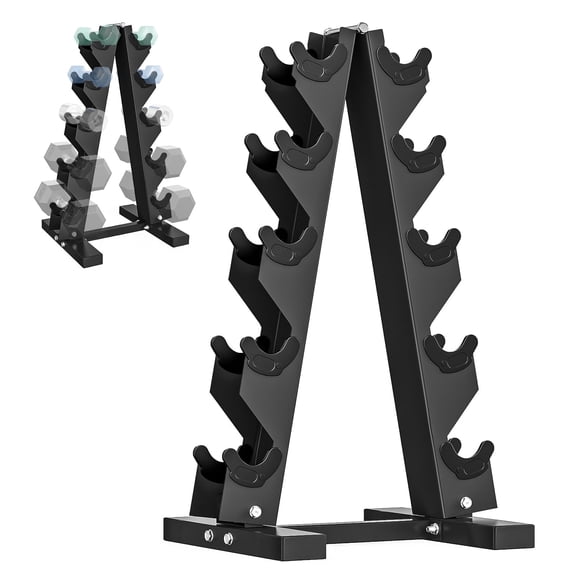
An A-frame design helps you store dumbbells in a compact footprint, especially when your workout area feels tight. A horizontal rack gives you longer shelves, so you can line up pairs by size and reach them faster.
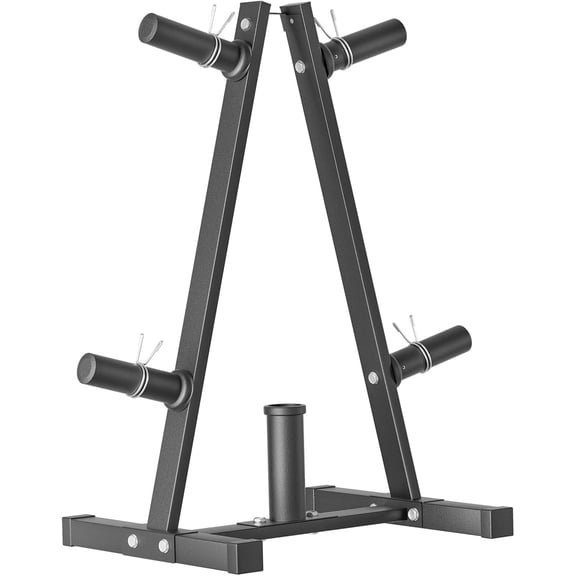
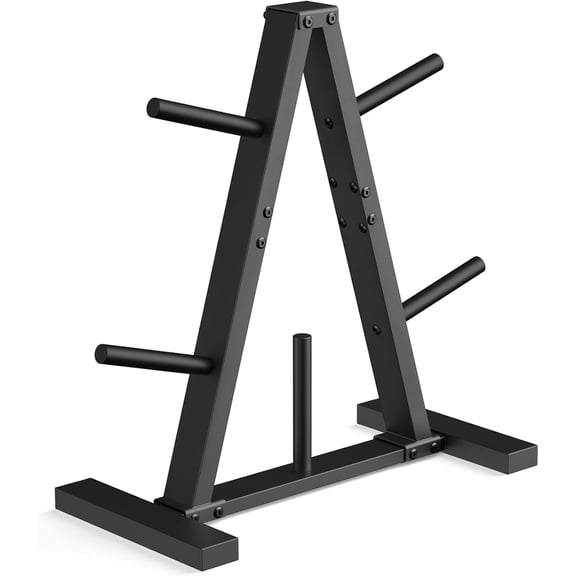
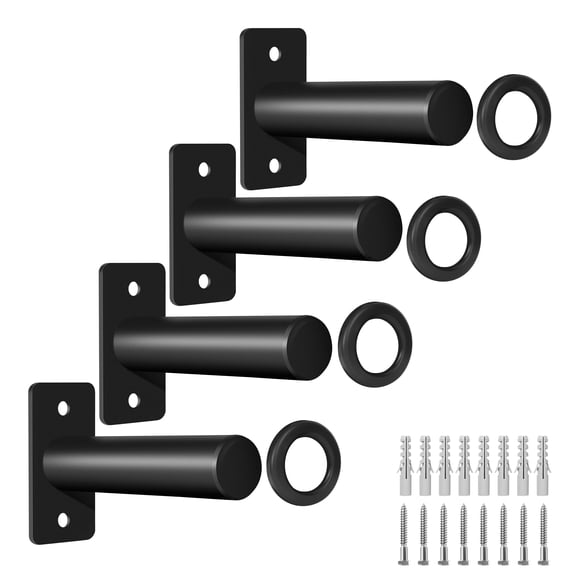
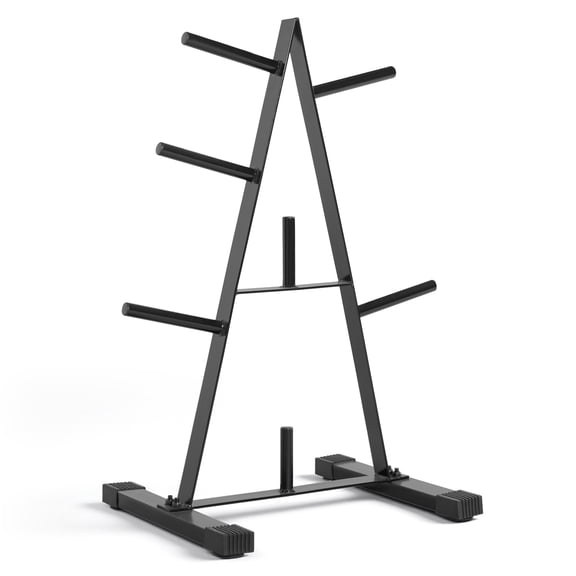
A weight tree works well when you use plates often and need vertical pegs for quick loading. A wall-mounted option can free up floor space when your room layout supports secure installation.
Why weight organizer storage matters
You’ll notice weight organizer storage makes transitions between lifts smoother because your equipment stays sorted by type and size. You can also reduce clutter around benches, racks, and lifting platforms with a defined storage zone.
- You can keep dumbbells off the ground and easier to grab between sets.
- You can separate plates, kettlebells, and barbells for faster equipment changes.
- You can use vertical designs when your training area has limited square footage.
- You can choose outdoor-ready finishes that match covered patios or garage gyms.
Your setup can feel more efficient when each weight has a clear place after every session. You’ll spend less time rearranging stacks and more time moving through your routine.
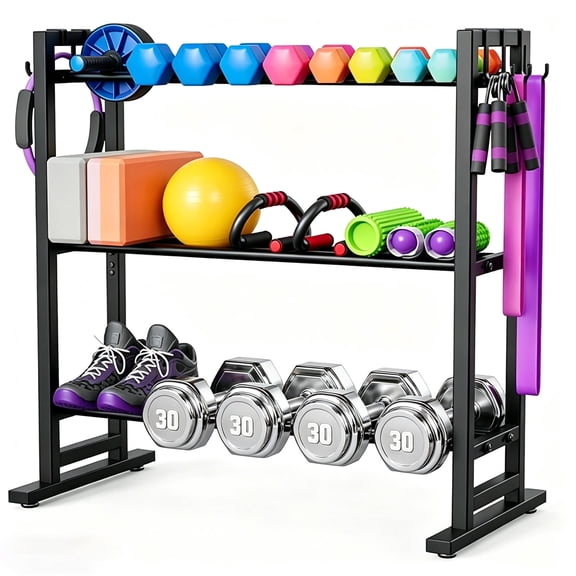
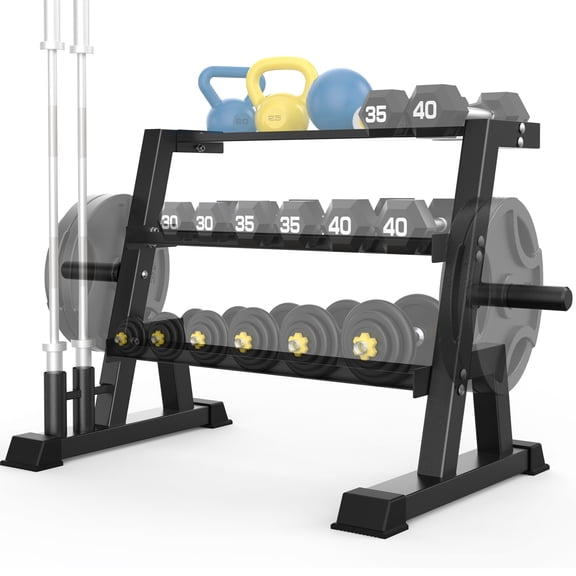
For mixed equipment collections, a weight organizer can help you match storage to your actual training style. You can keep bumper plates on pegs, hex dumbbells on tiers, and bars on dedicated holders.
Choosing the right capacity and materials
You should check the maximum weight capacity rating before you choose any rack weight storage design. You’ll want that rating to match your current collection and leave room for future plates or dumbbells.
Steel gauge matters because thicker steel usually supports heavier loads with less flex during daily use. You can look for heavy-duty or commercial grade construction when your setup includes 500 lbs+ or 1000 lbs+ of equipment.
Powder-coated steel is a key decision point when you want outdoor weight storage for covered exterior spaces or humid garages. You’ll get a finish designed to handle moisture, frequent contact, and repeated loading.
You can also compare alloy steel frames and rust-resistant finishes when durability sits high on your list. If your gym gets sunlight, you should check whether the finish includes UV protection for longer-lasting color and surface performance.
Comparing footprint and equipment compatibility
You should measure both floor space and reach space before choosing your weight organizer storage. A compact base may fit your room, but you still need clearance to remove weights comfortably.
Vertical storage helps you use height instead of width, which suits smaller patios and garage corners. Horizontal storage spreads equipment across tiers, which can make weight labels easier for you to see.
Compatibility matters because not every rack fits every shape or size of equipment. You should compare slot widths, peg lengths, and tier spacing based on the weights you already own.
Hex dumbbells usually need tray space that keeps handles easy to grip between pairs. Round dumbbells can roll differently, so you may want cradled tiers that help your set stay aligned.
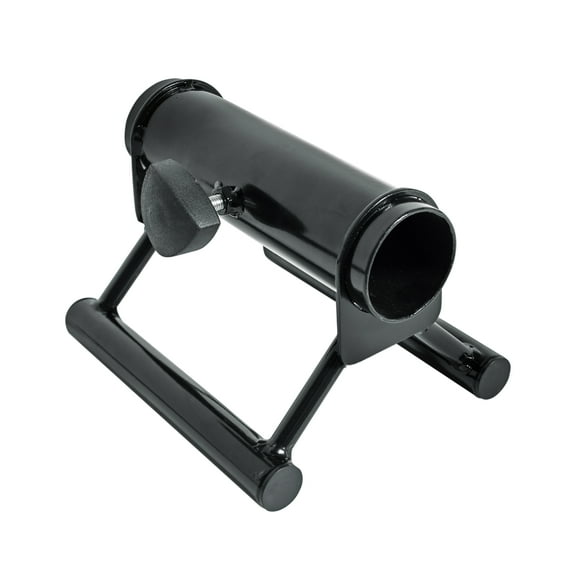
For plates, you should check peg diameter and spacing so standard or Olympic plates fit correctly. For barbells, you may want integrated bar holders that keep longer pieces upright and accessible.
If you use kettlebells, you should look for shelves with enough depth for wider bell shapes. That detail helps your storage feel organized instead of crowded or uneven.
Matching storage types to your training space
You can use an A-frame rack when you want a small footprint for a few pairs of dumbbells. That style works well when your workouts focus on quick access in a narrow area.
A horizontal rack fits you well when you own multiple dumbbell pairs and want each size in a visible row. You can sort lighter and heavier sets by shelf to speed up circuits.
You may prefer a weight tree when your routine centers on barbells and plate changes. That layout helps you separate iron plates, bumper plates, and collars around your lifting station.
If your floor space is limited, wall-mounted storage can support a cleaner training zone with gear off the ground. You should confirm wall support, mounting location, and reach height before choosing that format.
For covered outdoor setups, you should combine a rust-resistant finish with a stable base and the right capacity rating. That combination helps your storage handle frequent use without taking over your workout area.
When your gym includes several equipment types, you should prioritize a weight organizer that matches your main training tools first. You’ll end up with a layout that feels easier to maintain every week.
Outdoor weight storage for a cleaner home gym
You can choose outdoor weight storage with confidence when you compare storage type, capacity, finish, and compatibility together. That approach helps your gym stay organized, accessible, and ready for every lift.