

Textured Wallpaper: Peel & Stick and 3D Wall Coverings































About Textured Wallpaper: Peel & Stick and 3D Wall Coverings - Walmart.com
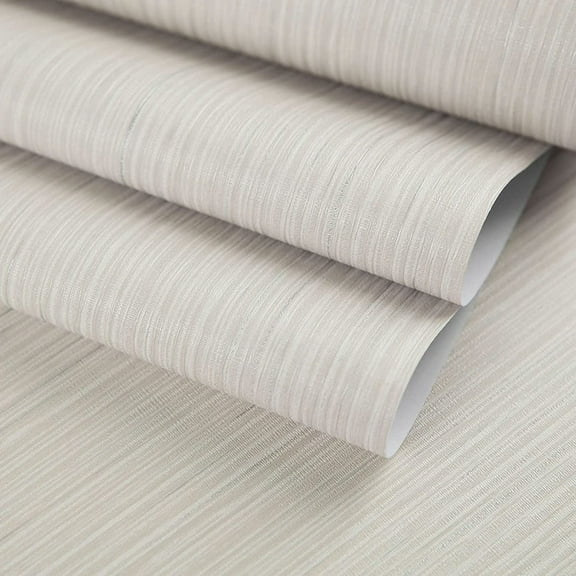
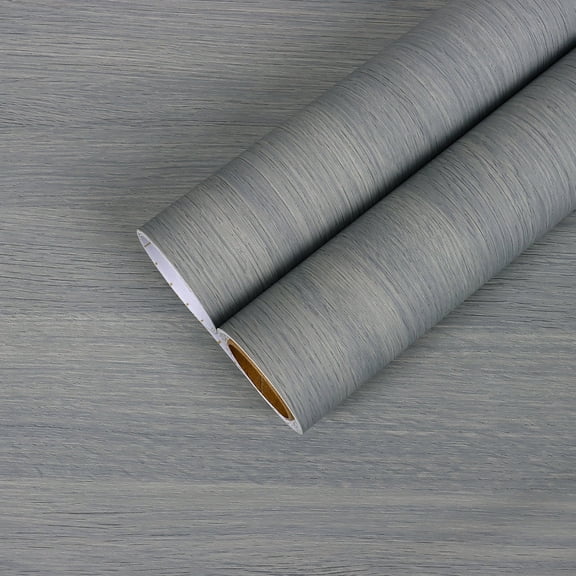
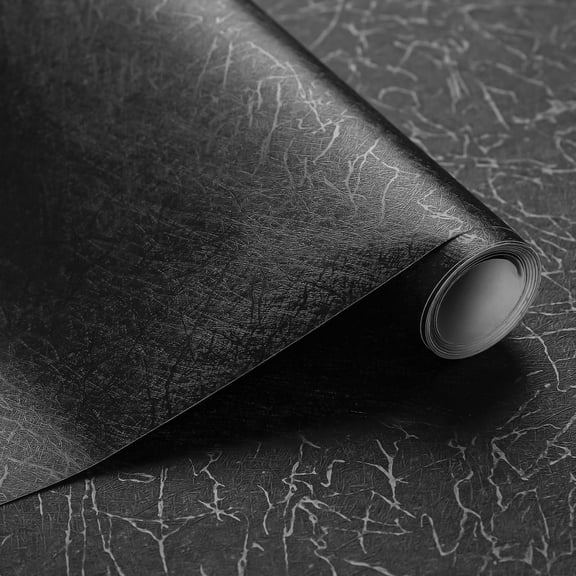
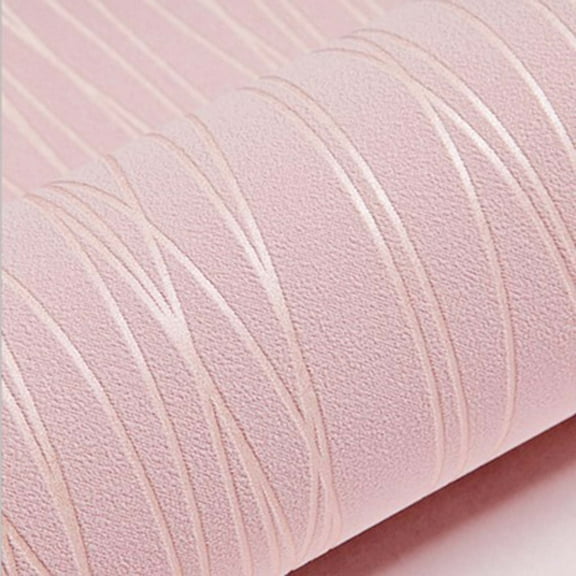
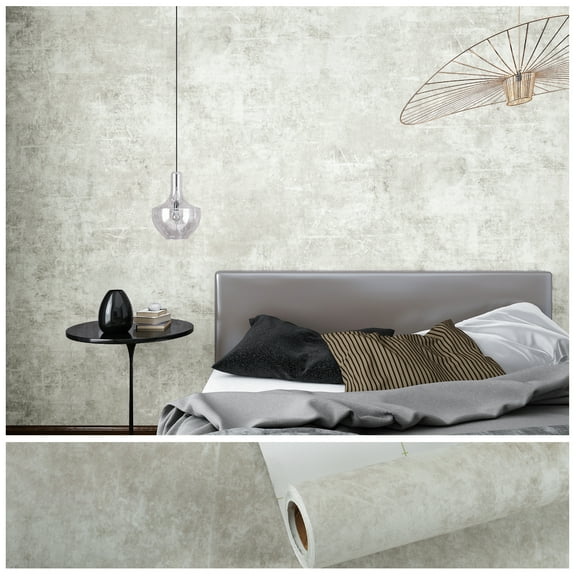
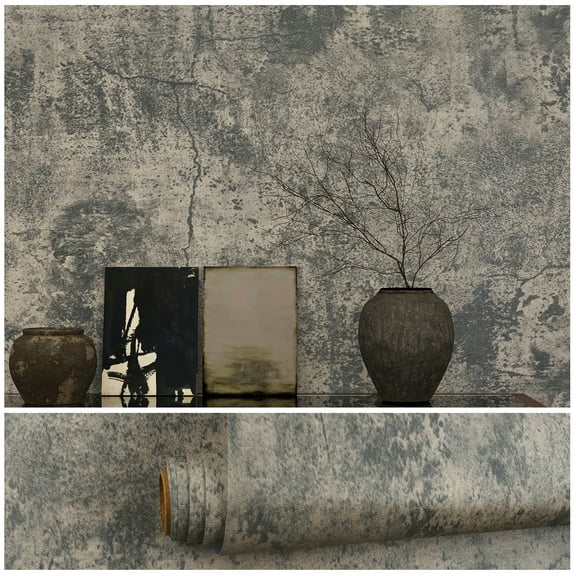
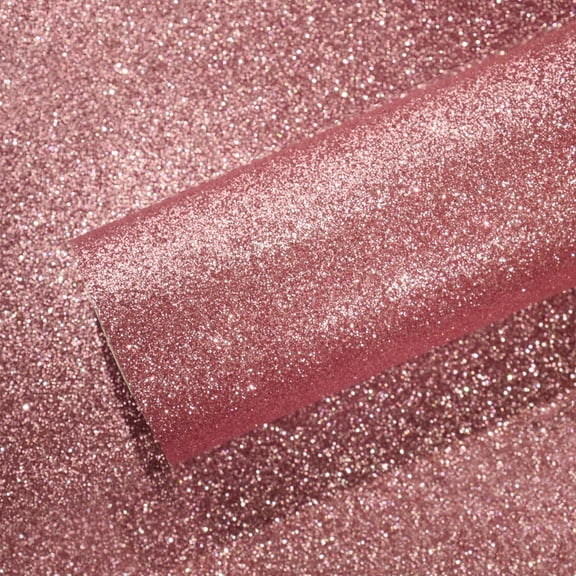
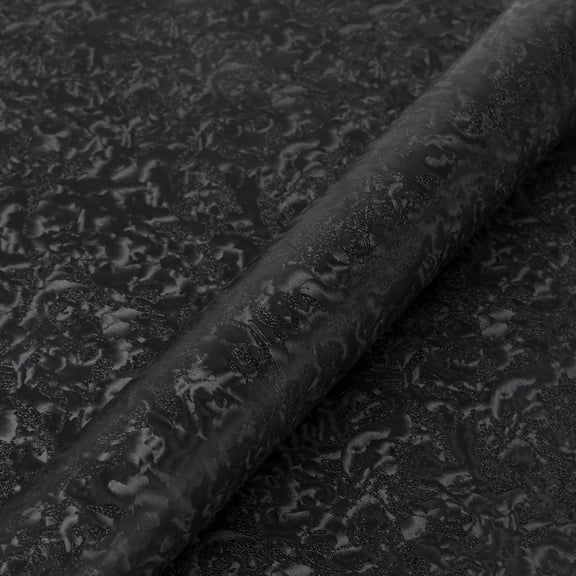
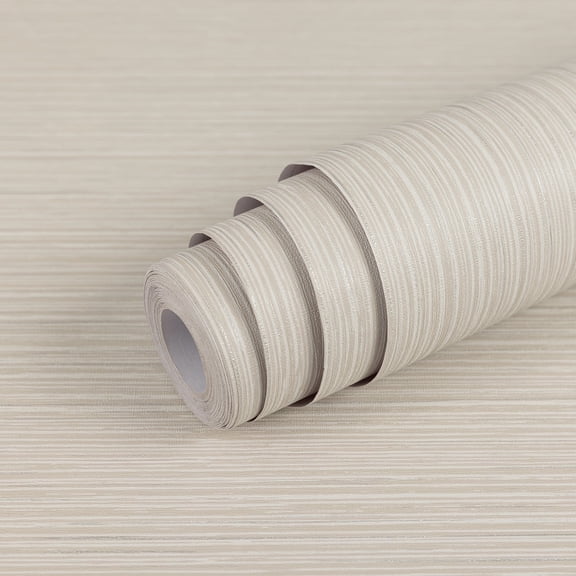
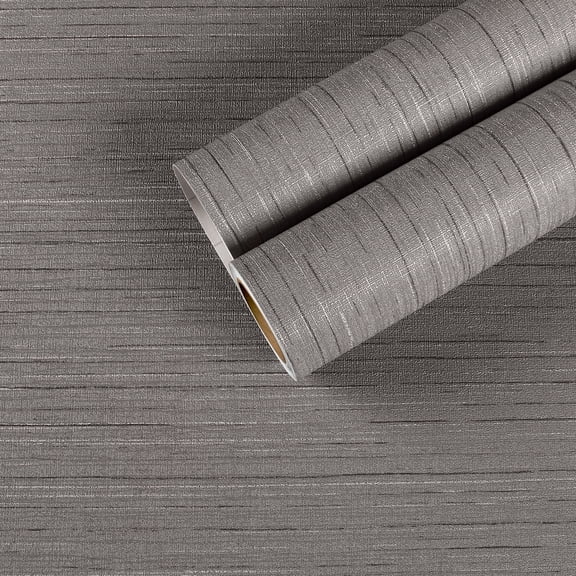
Textured wallpaper helps you add depth, dimension, and a finished look to your walls without relying only on color. You can use textured wallpaper to bring subtle movement, cover light surface variation, and create a more layered room design.
How to choose textured wallpaper for your space
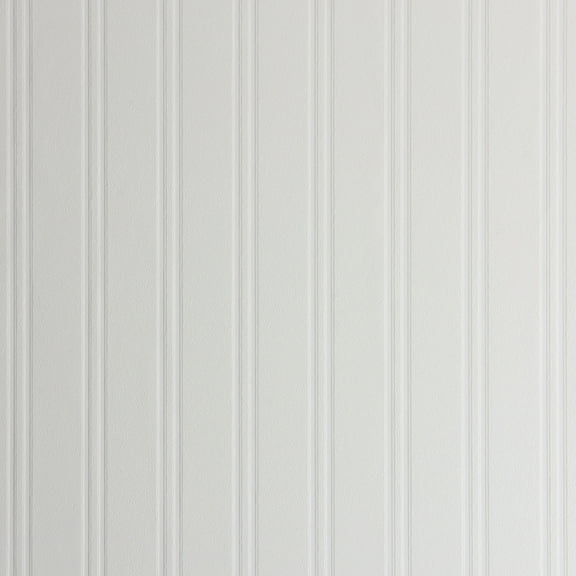
When you compare texture types, you should start with the visual effect you want on your wall. You may prefer embossed textured wallpaper for raised detail, or you may choose 3d textured wallpaper for stronger dimension.
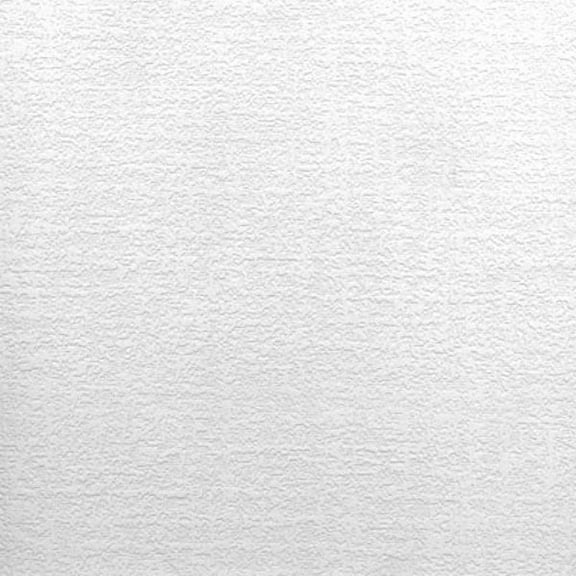
If you want a softer, touchable finish, you can consider flocked surfaces for formal rooms and accent walls. If you want a custom finish later, you can look for raised paintable textured wallpaper that lets your color choice stand out.
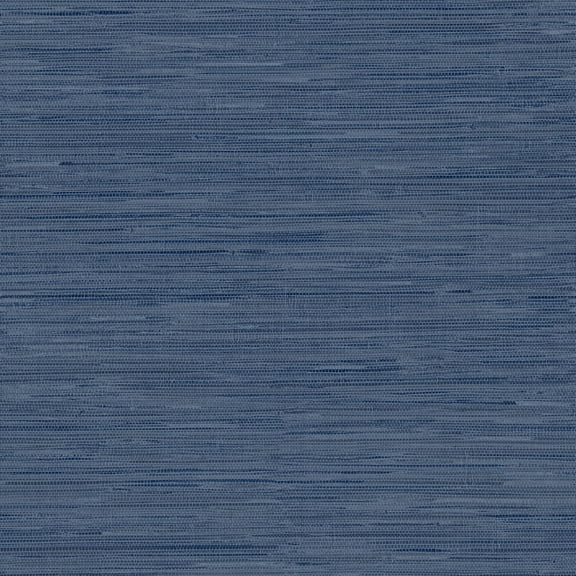
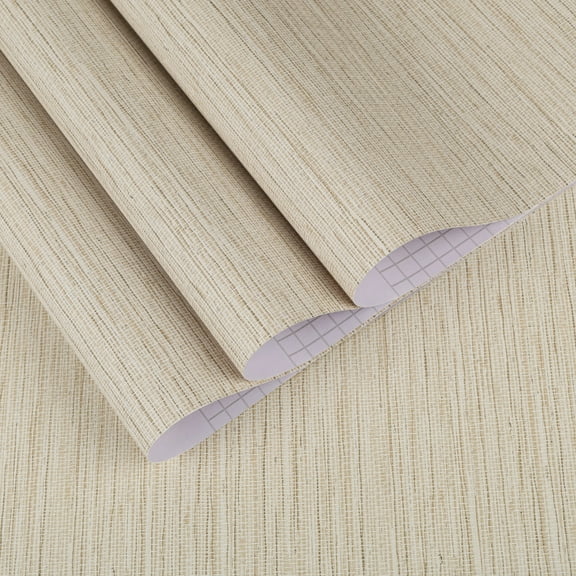
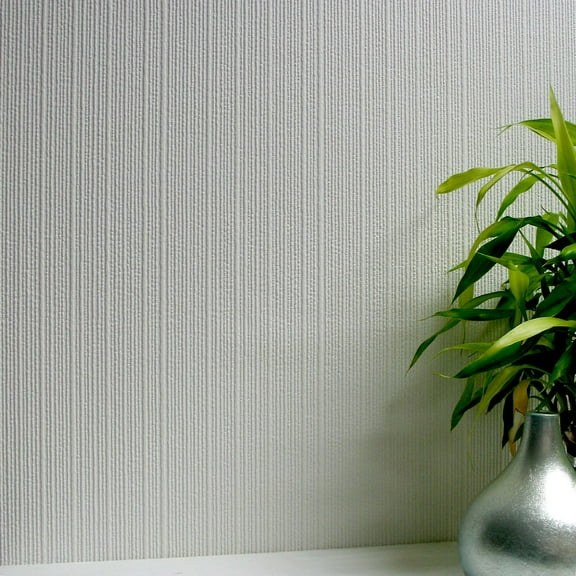
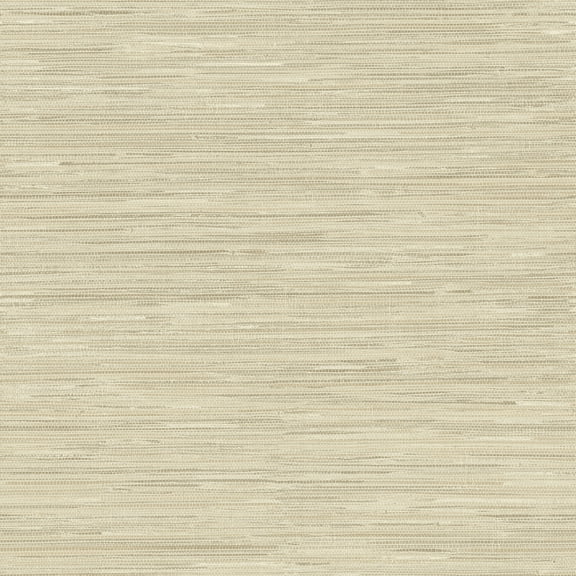
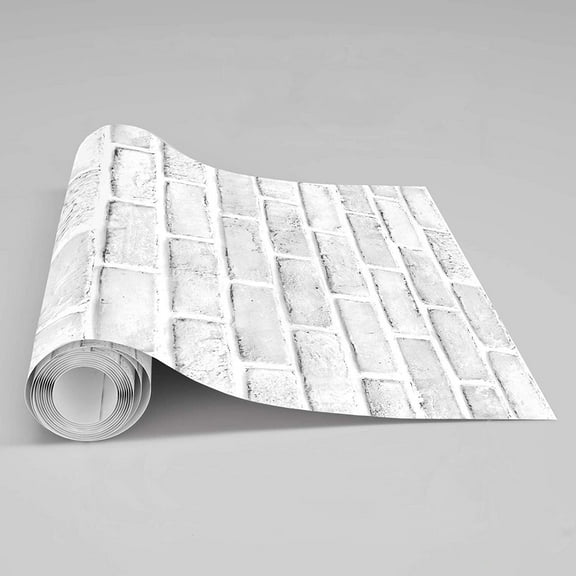
Grasscloth-inspired options give your room an organic look with visible woven character and natural-looking variation. You can also choose white textured wallpaper when you want texture to lead the design instead of bold color.
Choosing the right application method
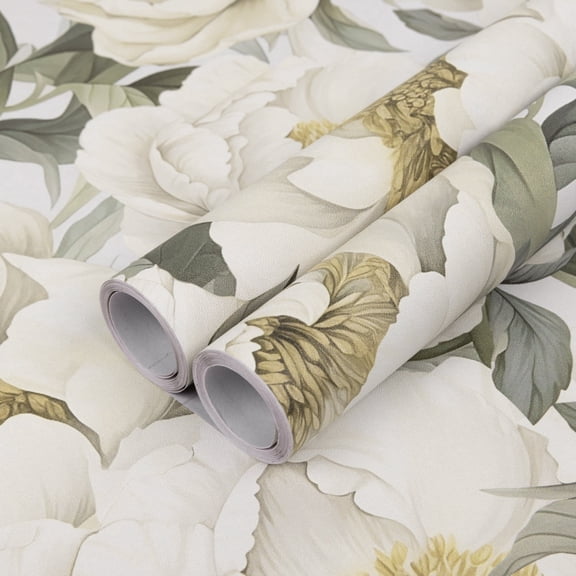
Your installation experience often depends on the application method, so you should match it to your skill level. You may find textured peel and stick wallpaper easier for quick updates, rentals, or smaller accent areas.
With peel and stick styles, you can reposition panels during setup and work with less prep paste. If you prefer a traditional wallcovering feel, you can compare pre-pasted and non-pasted options for long-term room projects.
Pre-pasted wallpaper can simplify setup because you activate the backing with water before hanging each strip. Non-pasted styles may suit you if you want more control over paste choice and placement.
- You can use peel and stick styles for fast room refreshes and easier repositioning.
- You can choose pre-pasted options when you want a simpler traditional installation process.
- You can select non-pasted designs when you want more control during larger wall projects.
- You can compare texture depth to get either a subtle finish or a bold statement wall.
What to look for in material and wall prep
Before you hang any style, you should check whether your wall is smooth enough for the finish you want. You may notice that heavy existing wall texture can affect adhesion, seam appearance, and the final pattern line.
A clean, dry, prepared surface usually gives you a neater result, especially with textured peel and stick wallpaper. If your wall has uneven porosity, you should consider primer because it can help create a more consistent base.
Material choice matters too, because each option fits a different room condition and maintenance routine. You can choose vinyl textured wallpaper when you want a surface that wipes clean more easily in busy spaces.
Paper-based styles can give you a classic decorative look, while fabric and natural fiber finishes add visual richness. If you need more moisture resistance for bathrooms or powder rooms, you should compare vinyl over paper.
Understanding pattern repeat and style direction
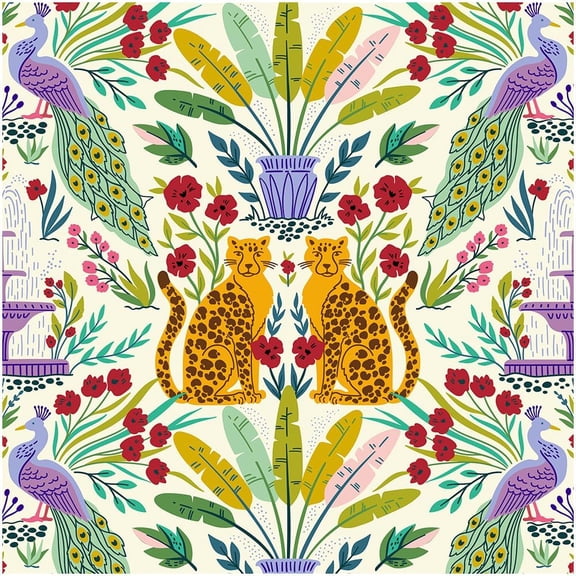
When you compare designs, you should look beyond color and focus on how the pattern repeats across the wall. You may see straight match or drop match notes, and those details affect alignment during installation.
A straight match means you line up each strip at the same height, which can feel simpler during setup. A drop match offsets the design, so you should measure carefully and allow extra wallpaper for pattern placement.
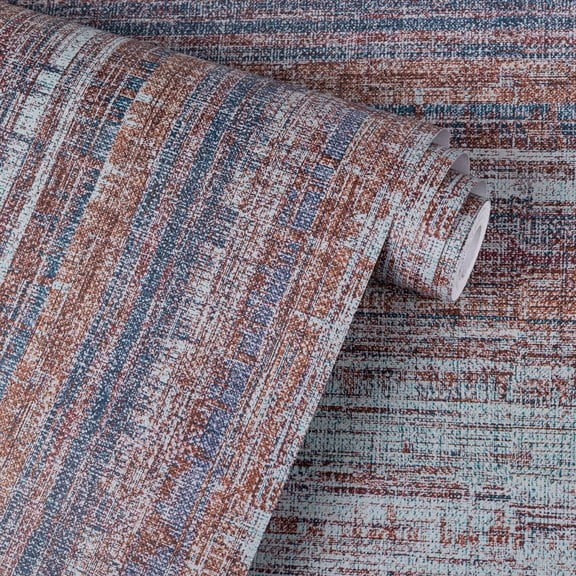
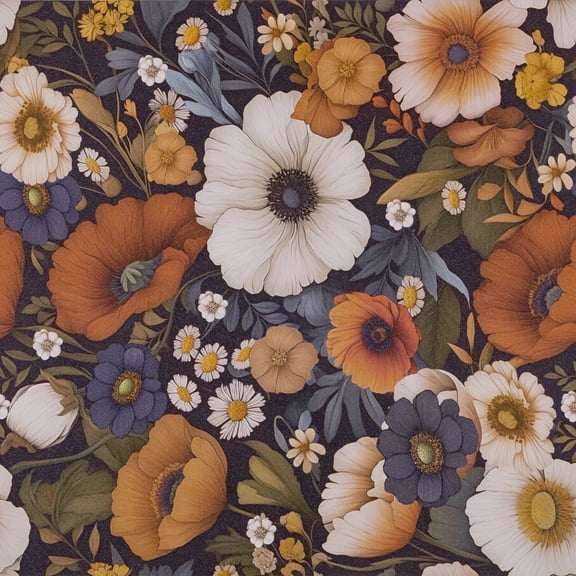
Your style choice shapes the whole room, so you should match texture with your furniture and lighting. You can use modern textured wallpaper with clean-lined decor, while vintage looks can soften traditional rooms.
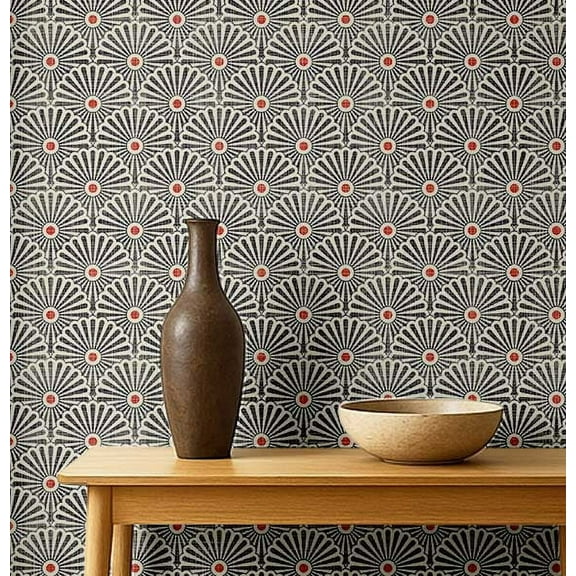
Geometric textures can create movement on a feature wall, and solid color designs can keep the room calmer. You might also choose white textured wallpaper for hallways, bedrooms, or dining spaces that need quiet dimension.
Using textured wallpaper in different rooms
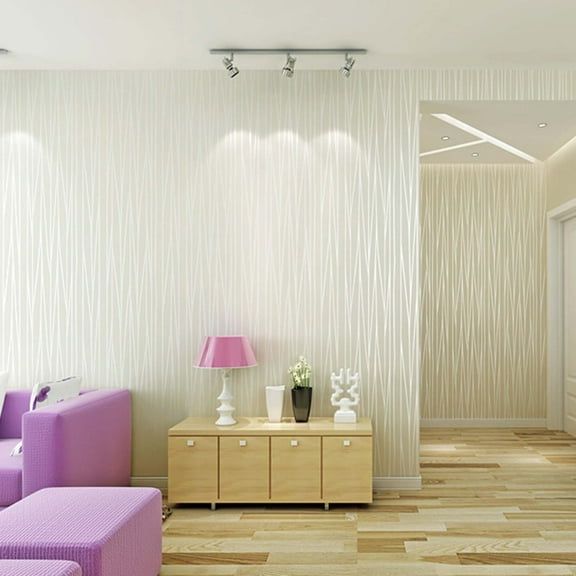
You can use textured wallpaper in living rooms when you want a focal wall behind a sofa, fireplace, or media console. You may also use it in bedrooms to frame a headboard wall with added depth.
In entryways, you can choose raised or embossed finishes that make a smaller area feel more intentional. For bathrooms, you should compare material notes closely, especially when you want a wallpaper that suits humid air.
If you decorate a dining room or home office, you can use 3d textured wallpaper to create visual structure. You may prefer a subtle solid pattern when you want texture to support artwork, shelving, or mirrors.
For DIY updates, you can start with one accent wall and test texture, pattern, and light reflection together. That approach helps you see how embossed textured wallpaper or grasscloth looks at different times of day.
Textured wallpaper decisions that make decorating easier
You can narrow your options faster when you compare texture type, application method, material, and pattern repeat together. That approach helps you choose a wallcovering that fits your room, your wall surface, and your installation comfort.
With the right textured wallpaper, you can give your space added depth, a more finished backdrop, and a style direction that feels intentional. You’ll also get a surface that supports the exact room mood you want to create.